Small Mobile Slaughterhouse: On-Farm Processing for Meat Quality & Profit

+86-18866172299
All Categories
On-Farm Mobile Processing Units for Maximum Profit and Animal Welfare

On-Farm Mobile Processing Units for Maximum Profit and Animal Welfare

Our small mobile slaughterhouse unit processes up to 40 cattle or 200 hogs daily right on the farm, eliminating live transport stress. A Montana rancher recorded a 0.6% drop in mortality and improved meat tenderness scores by 9% after switching from a distant fixed facility. Producers save an average of $38 per head in freight and shrink, while retaining offal for composting. The self-contained 48-foot trailer integrates stunning, evisceration, and chilling, meeting USDA mobile guidelines. Stainless-steel surfaces and an onboard hot water system enable complete sanitation in under 30 minutes, passing third-party audits. Setup requires only level ground, electricity, and water, enabling grass-fed brands to launch a local processing hub without building permanent infrastructure.
Get A Quote

Case Study

Wyoming Ranch Adds Direct-to-Consumer Revenue with Mobile Unit

A 200-head cow-calf operation in Wyoming relied on distant processors with 14-month waiting lists, limiting their ability to sell beef locally. They invested in a Turnkey small mobile slaughterhouse trailer operated by a shared cooperative. The unit processes 8 cattle per day on rotating member ranches. Carcasses are immediately dry-aged on-farm, then transported to a cut-and-wrap facility. This shortened the total processing interval to 7 days, compared to 18 months previously. The cooperative now markets branded grass-fed beef to metropolitan markets, achieving a 28% price premium over commodity auction. Operating costs for the mobile unit averaged $110 per head, with slaughter fees retained within the producer group. Water usage is minimized to 160 gallons per animal via high-pressure low-flow nozzles. The project revitalized four family ranches and created a sustainable model for rural communities.

First Nations Community Secures Food Sovereignty with Mobile Slaughter

A remote First Nation in Northern Manitoba struggled with inconsistent meat supply and high imported food costs. Turnkey supplied a cold-climate small mobile slaughterhouse built for sub-zero operation. The unit processes bison and elk under a federal inspection waiver for intra-community distribution. Monthly harvests of 15 animals now supply 320 households with fresh, culturally appropriate protein. The onboard generator and heated water tanks function at -30°C, and the insulated evisceration bay prevents carcass freezing during processing. Community members received training to run the unit, creating four permanent jobs. Meat cost per kilogram dropped from $18.50 imported to $7.20 locally processed. The unit also serves neighboring communities on scheduled visits, generating a modest surplus that funds maintenance. This project was recognized by provincial health authorities for improving food security metrics.

Small Organic Poultry Producer Avoids COVID Supply Chain Collapse

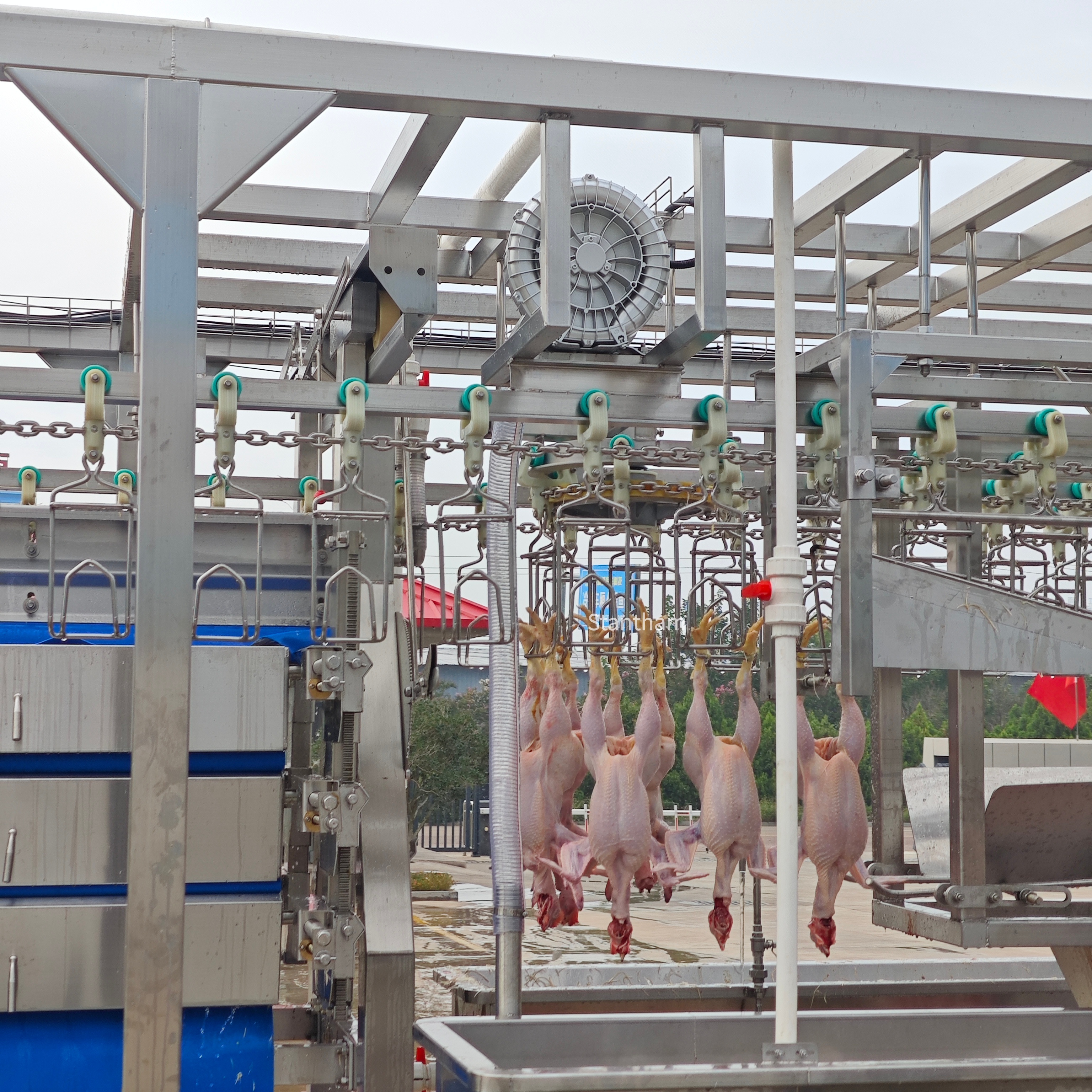
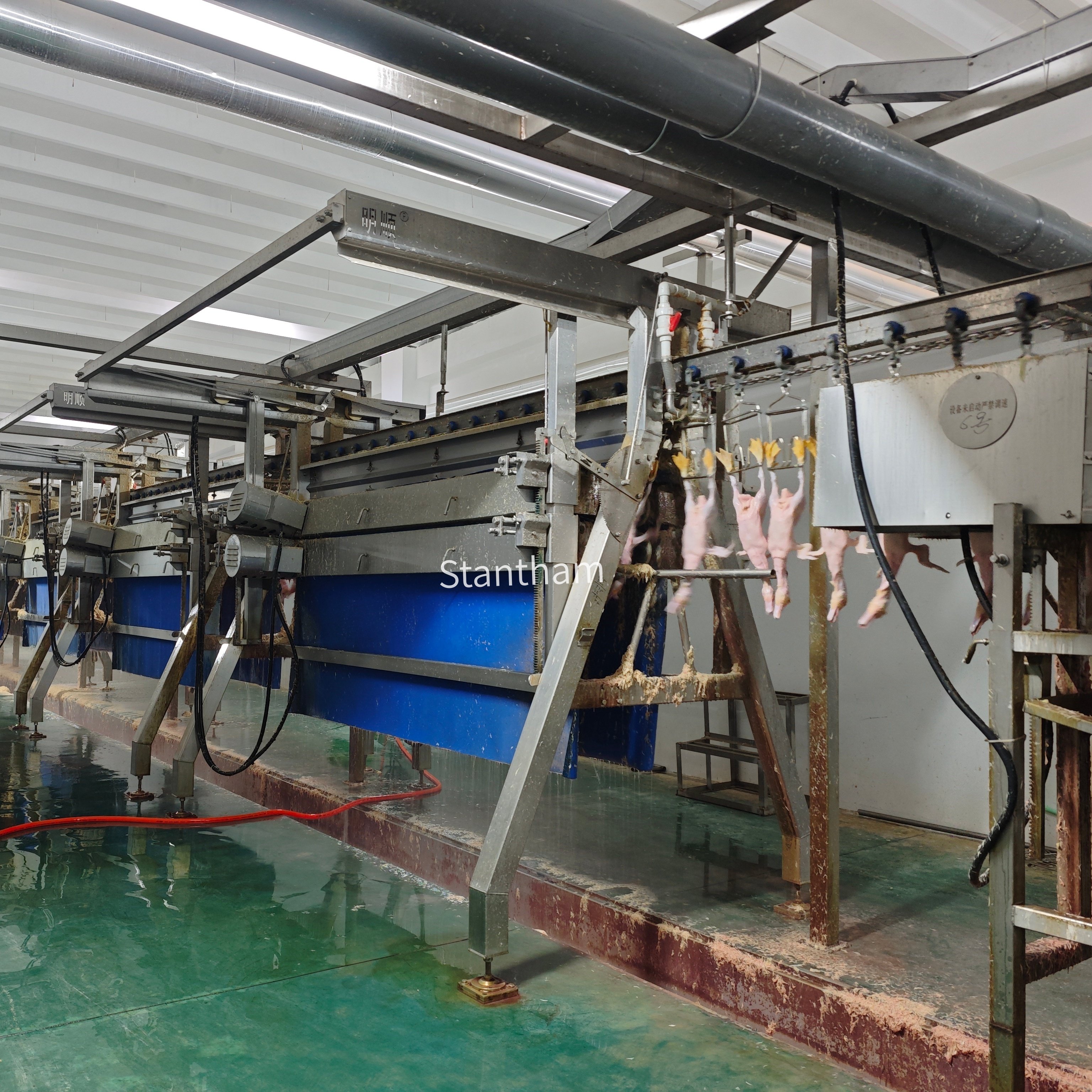
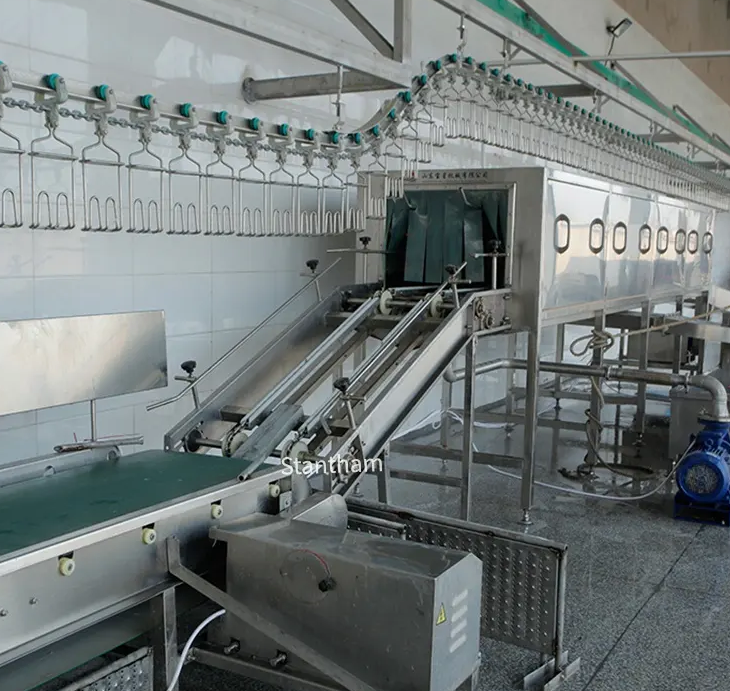
An organic chicken producer in Vermont lost their only slaughter booking when a regional plant closed during the pandemic. With 2,000 birds ready for harvest and no alternatives, they purchased a compact mobile poultry slaughter unit from Turnkey. The trailer handles 300 birds per day, including scalding, plucking, and air-chill bagging. Within two weeks of delivery, the farm processed all backlogged birds, selling directly to consumers and saving $28,000 in potential bird depopulation costs. Post-crisis, the mobile unit allowed them to launch an on-farm store with fresh whole chickens, achieving a 40% premium over wholesale. Water consumption is only 1.1 liters per bird, and the integrated wastewater capture tank enables processing on fields without sewer access. The farm now processes biweekly for four neighboring organic growers, turning the slaughterhouse into a profit center.

Related products

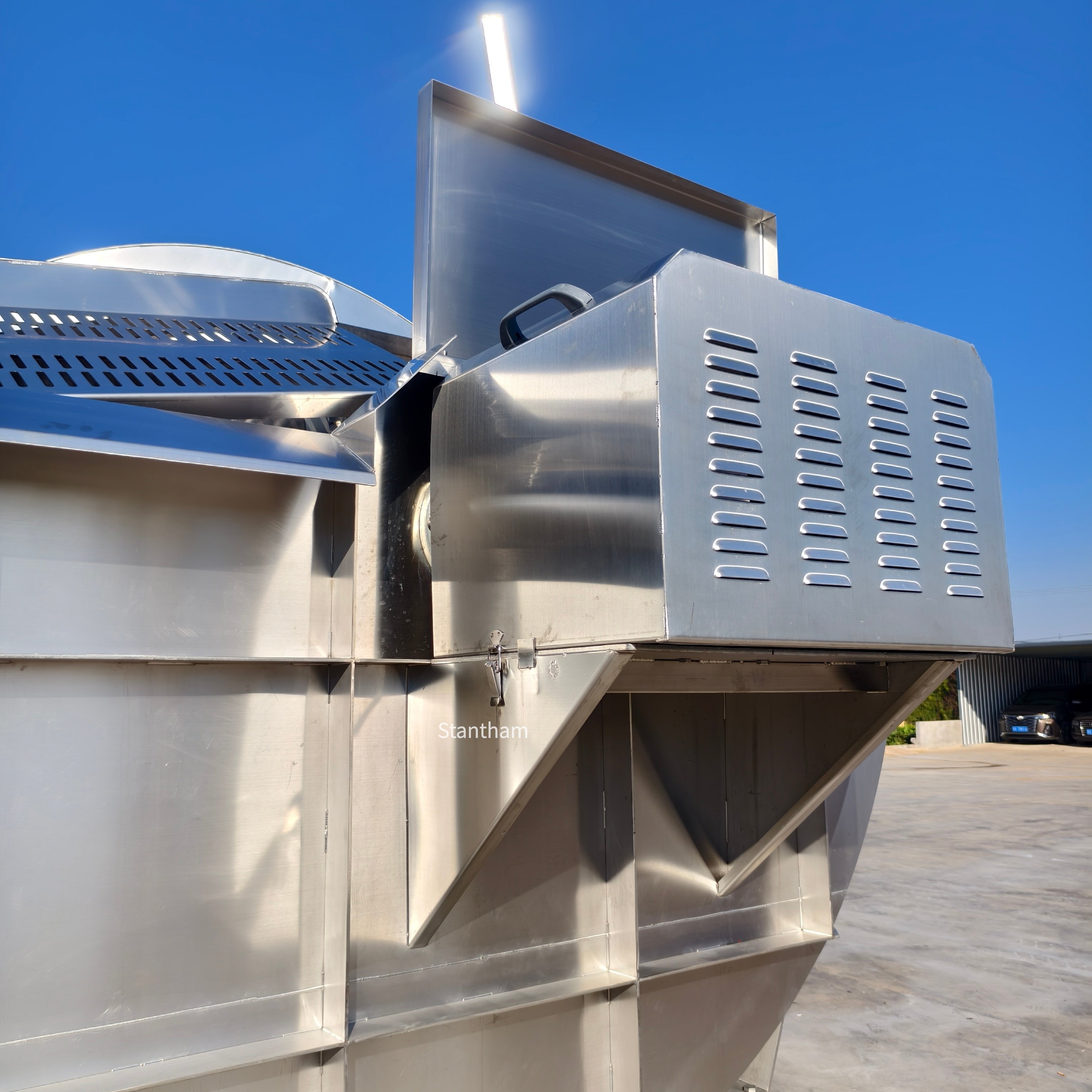
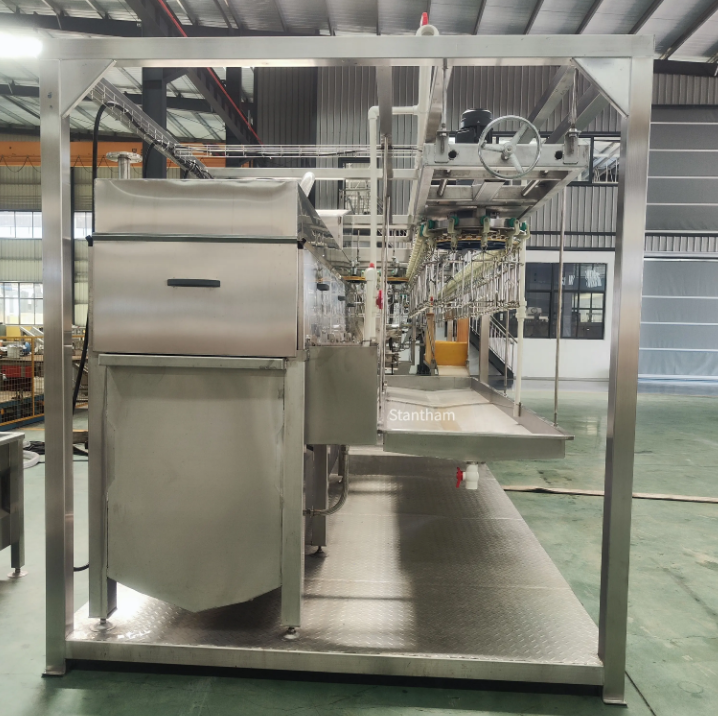
Turnkey Slaughter designs small mobile slaughterhouse solutions that bring USDA-compliant harvest directly to the farm gate. Our self-contained units cover all red meat and poultry species with rapid conversion, eliminating the need for permanent infrastructure. Each trailer is engineered as a complete kill floor on wheels, integrating captive bolt or electrical stunning, bleeding rail, hide puller or plucker, evisceration station, and a refrigerated carcass holding area within a compact 48- to 53-foot chassis. The stainless-steel interior features sloped floors, catch basins, and continuous welded seams that withstand intense foaming sanitation, achieving a post-wash ATP pass rate exceeding 97%. An onboard 250-gallon potable water tank and instant hot water heater supply all processing and hand-washing stations, meeting FSIS mobile slaughter directives. Wastewater is captured in a separate tank for land application, simplifying environmental compliance. Our mobile units maintain consistent throughput regardless of remote location, processing up to 10 cattle or 40 hogs per hour with two trained operators. One cooperative in Oregon aggregated six small ranches around a single Turnkey unit, processing 420 animals annually while cutting total miles driven by live animals by 18,000. This reduced carbon footprint data appealed to their eco-conscious customer base. We also offer cold-weather packages with heated bays and battery-backed power for continuous operation below -20°C. Every unit includes a data logging system that records chilling temperatures and sanitation cycles, generating audit-ready reports. Turnkey provides on-site training and 24/7 remote technical support, ensuring your mobile slaughter operation runs profitably from day one.

Frequently Asked Questions

What permits do I need for a mobile slaughter unit?

Requirements vary by jurisdiction, but typically a grant of inspection from your national authority is needed. Our trailers meet USDA mobile standards with separate clean and dirty zones, hand-wash stations, and wastewater capture. We assist with documentation for state and provincial permits.
Our red meat units handle up to 10 cattle or 40 hogs per day. Poultry units process 300 birds daily. Throughput depends on operator skill and species. The modular layout allows two workers to maintain a steady workflow without idle time.
A standard 240V generator connection or shore power, plus a potable water hookup. The onboard tank holds 250 gallons, sufficient for a full processing day. Wastewater is stored in a sealed tank for later land application, requiring no sewer hookup.
Yes, our multi-species trailers feature adjustable overhead rails, interchangeable stunning tools, and convertible skinning equipment. Switching between cattle and hogs takes under 20 minutes with quick-release pins and changeable dehairing pads.
The interior is fully welded 304 stainless steel with sloped surfaces and no hollow cavities. An onboard pressure washer and instant hot water supply enable full foaming and rinsing between lots. Swab testing by state inspectors consistently passes after sanitation.

Related article

How does a mobile slaughterhouse bring processing capacity directly to remote poultry farms?

04

Jun

How does a mobile slaughterhouse bring processing capacity directly to remote poultry farms?

Redefining Slaughter Infrastructure for Geographically Dispersed Farms Processing poultry in isolated regions has always been a logistical headache. Fixed slaughterhouses demand large capital outlays, centralized collection routes, and reliable col...
View More
How does a mechanical chicken slaughter system minimize bone breakage compared to manual methods?

22

Jun

How does a mechanical chicken slaughter system minimize bone breakage compared to manual methods?

The Bone Breakage Problem Nobody Talks About Walk into any medium-sized poultry processing plant and ask the quality control manager about their biggest headache. Chances are, bone breakage ranks near the top. Not the dramatic compound fractures, b...
View More
What are the essential components of a complete poultry abattoir equipment set for 2000 birds per hour?

25

Jun

What are the essential components of a complete poultry abattoir equipment set for 2000 birds per hour?

Building for 2,000 Birds Per Hour Scaling a poultry processing operation to 2,000 birds per hour is not about buying bigger versions of the same equipment. It is about rethinking the entire flow from live receiving to chilled carcass. A plant runni...
View More
Advanced Optimization of Custom Chicken Slaughter Equipment

10

Jul

Advanced Optimization of Custom Chicken Slaughter Equipment

The Customization Imperative in Poultry Processing Poultry processing lines look similar from a distance—shackles, conveyors, scalders, pluckers, evisceration stations. But step closer and the differences become obvious. One plant runs 12,000 b...
View More

Customer Testimonials

Jake W.

Our mobile slaughterhouse has transformed our ranch. We now direct-market beef with a 32% premium, processing 6 animals every two weeks. The unit sets up in 45 minutes and cleans effortlessly. Condemnations dropped to zero because the animals are not stressed by transport. The stainless interior still looks new after three years of heavy use. Turnkey’s support team answered every question during our first harvest. This investment gave us full control over our supply chain.

Chief Sarah L.

As a tribal administrator, securing food for our community was a constant challenge. Turnkey’s mobile unit processes elk and bison on our land, providing fresh meat to 400 families. The cold-weather package works flawlessly at -30°C. Our meat costs fell by 60%, and we created jobs for four young members. The trainer stayed for two weeks until our crew was confident. This unit is a cornerstone of our food sovereignty program.

Get a Free Quote

Our representative will contact you soon.
Email
Name
Company Name
Mobile/WhatsApp
Message
0/1000
Stress-Free Harvest for Superior Meat Quality

Stress-Free Harvest for Superior Meat Quality

A small mobile slaughterhouse eliminates the single largest cause of tough, dark-cutting meat: live animal transport. Cattle processed on-farm remain in familiar surroundings until stunning, keeping cortisol levels low and muscle glycogen high. This results in stable pH decline and improved tenderness, verified by Warner-Bratzler shear force tests showing a 9% improvement over commercially transported animals. An Oregon grass-fed cooperative documented zero dark cutters over 200 animals, a defect that previously cost them $65 per affected carcass in downgrades. The unit’s quiet hydraulic stunning cradle minimizes agitation, and bleed-out occurs within 15 seconds of rendering. Carcasses move directly into an onboard cooler, locking in freshness without the time lag of trucking. For niche producers marketing premium beef, lamb, or goat, the mobile unit’s welfare advantage translates directly into a marketable quality story, supporting higher retail price points.
Rapid Deployment and Multi-Species Flexibility

Rapid Deployment and Multi-Species Flexibility

Turnkey’s small mobile slaughterhouse is engineered for operational versatility across species and geographies. A single trailer converts from cattle to hogs in under 20 minutes by swapping the stunning apparatus, adjusting the rail height, and engaging a hydraulically operated scalder-dehairer. The evisceration station features telescopic panning that adjusts to carcass length. This flexibility enabled a Quebec cooperative to process beef, pork, and lamb on alternating days, serving 18 small farms. The unit requires only a compacted gravel pad and a water source, deploying from the tow hitch to full operation in 45 minutes. Self-contained wastewater tanks capture all process effluent, making the unit deployable in sensitive watersheds. Integrated solar panels charge the battery bank, reducing generator runtime. This rapid deployment model lets communities, cooperatives, and remote lodges establish emergency or seasonal processing capacity without the years-long timeline and capital in
Integrated Waste Management and Environmental Compliance

Integrated Waste Management and Environmental Compliance

Processing waste disposal is a critical challenge for small plants, and our mobile unit solves it at the source. Blood and paunch are captured in dedicated sealed compartments, not discharged onto the ground. The blood tank can be pumped for composting or rendering; paunch contents are contained for land application. A high-pressure, low-volume spray system uses only 160 gallons of water per bovine, about half the consumption of a typical small fixed plant, with all wastewater collected in a 400-gallon sealed tank. A Wisconsin group processed 120 cattle over ten months without a single environmental complaint, verified by county inspectors. The trailer’s impervious floor bunding contains any accidental spill, and the washdown routine uses biodegradable foamers that break down without residual toxicity. For producers pursuing organic or regenerative certifications, this closed-loop waste handling provides documented nutrient cycling, turning a regulatory headache into a soil-building re

Get a Free Quote

Our representative will contact you soon.
Email
Name
Company Name
Mobile/WhatsApp
Message
0/1000