Poultry Slaughter Plant Solutions: 15,000 BPH, EU/USDA Compliant

+86-18866172299
All Categories
High-Efficiency Poultry Slaughter Plant Solutions for Maximum Throughput

High-Efficiency Poultry Slaughter Plant Solutions for Maximum Throughput

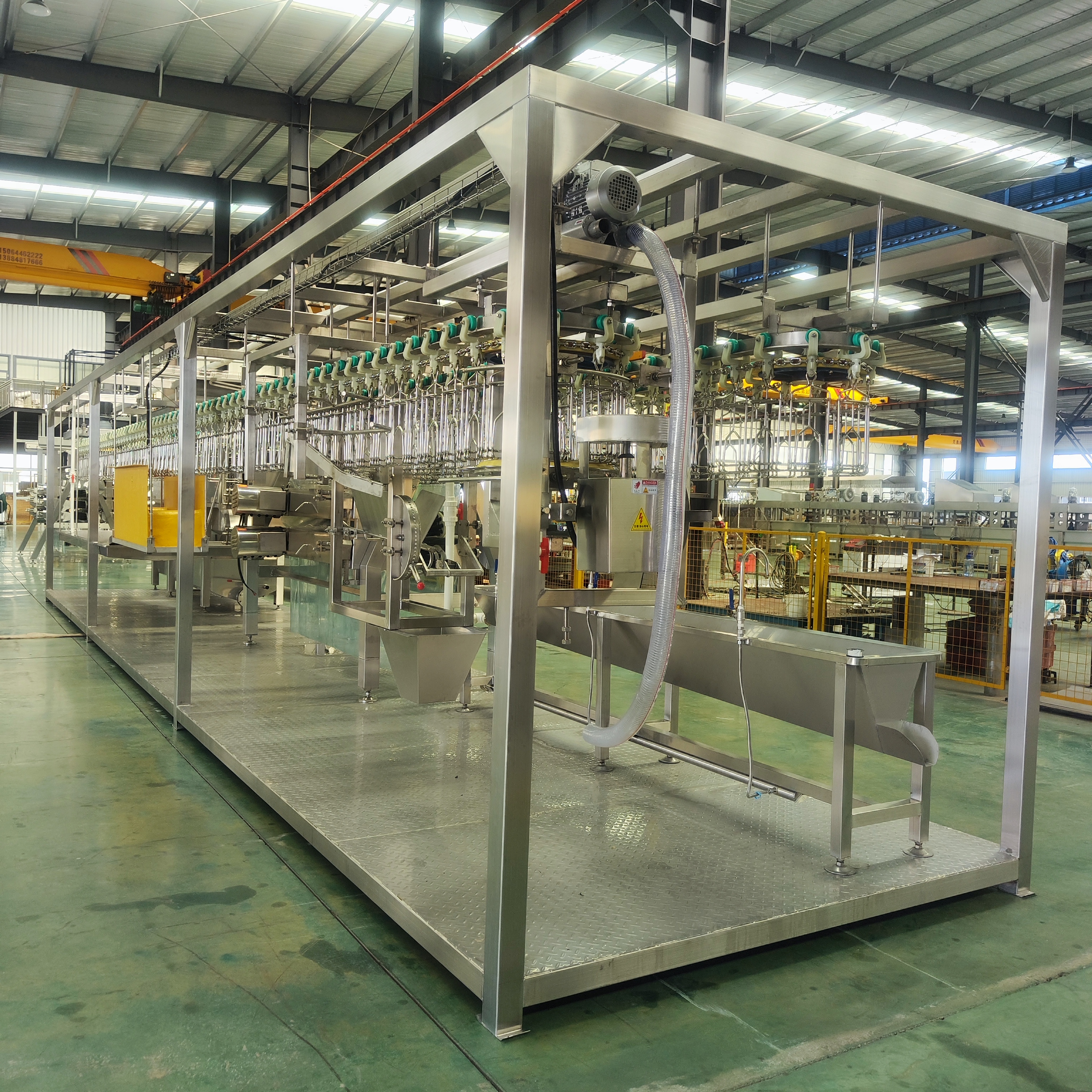
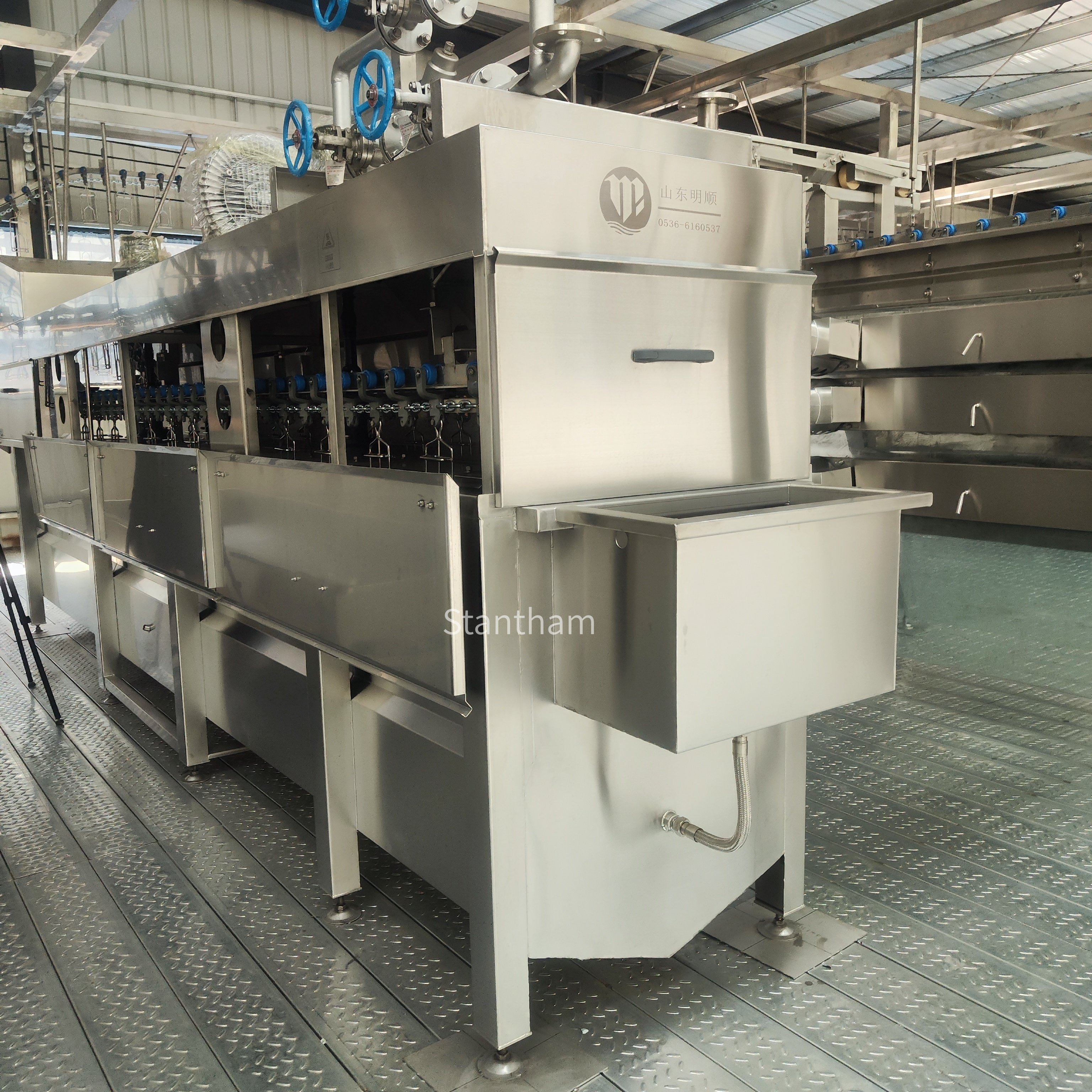
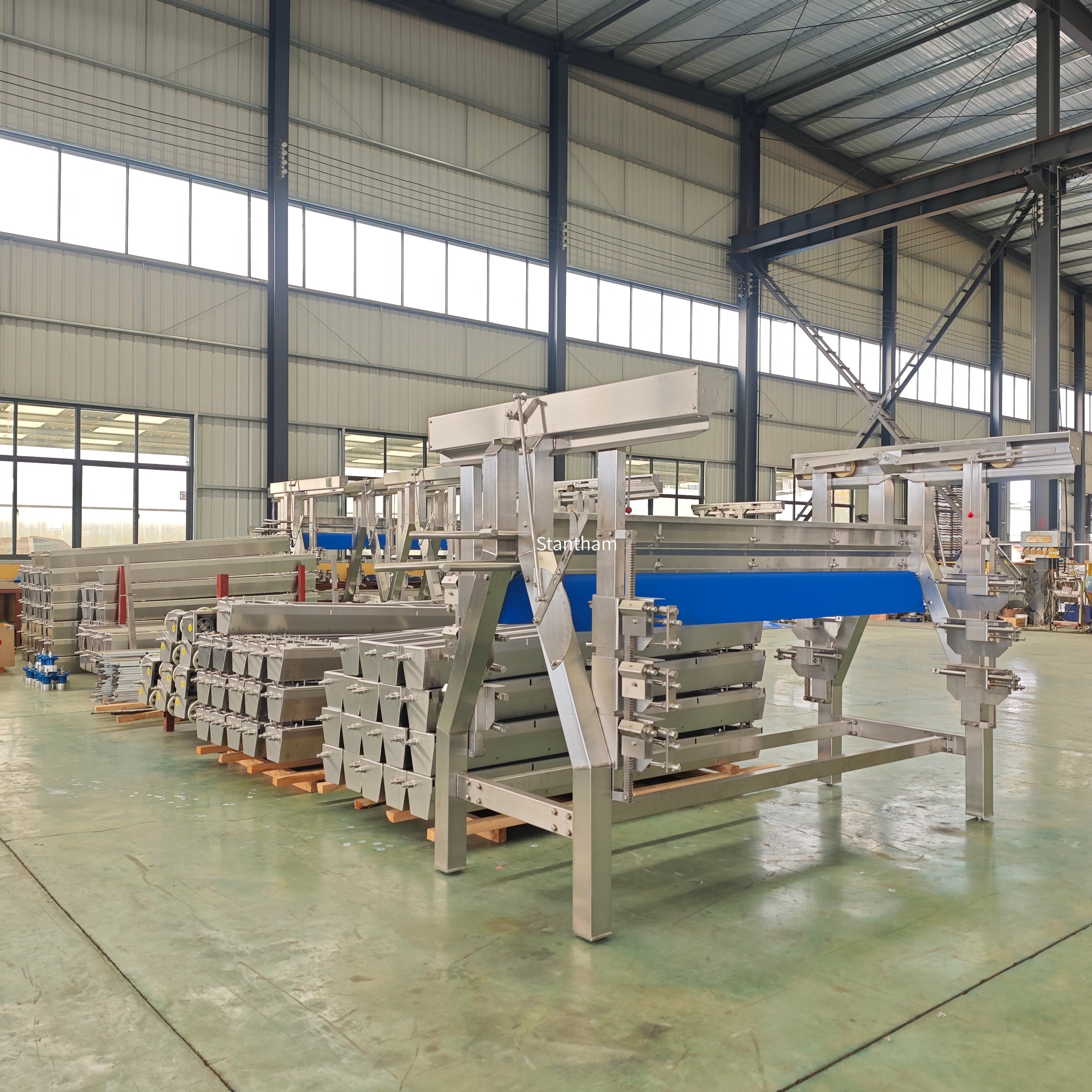
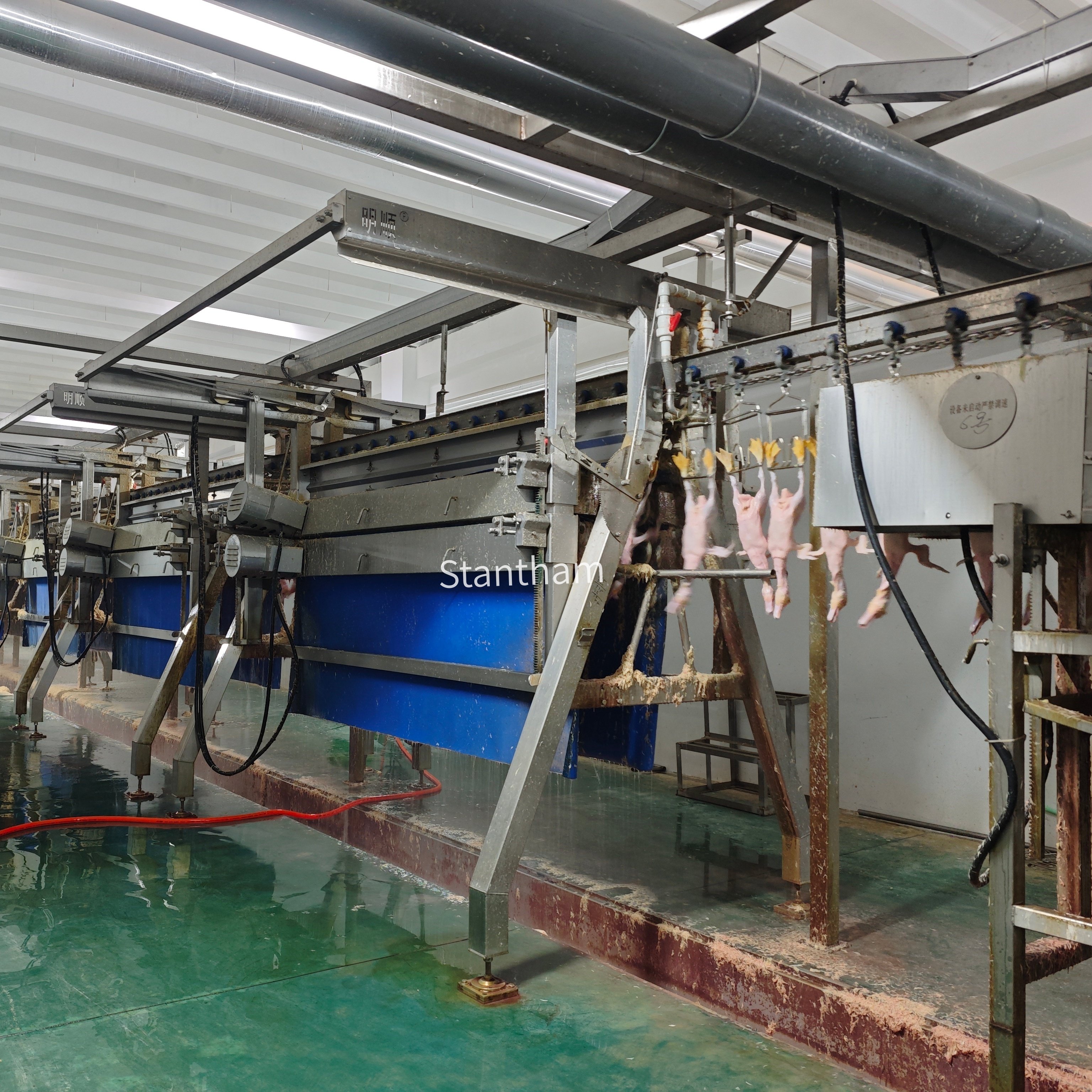
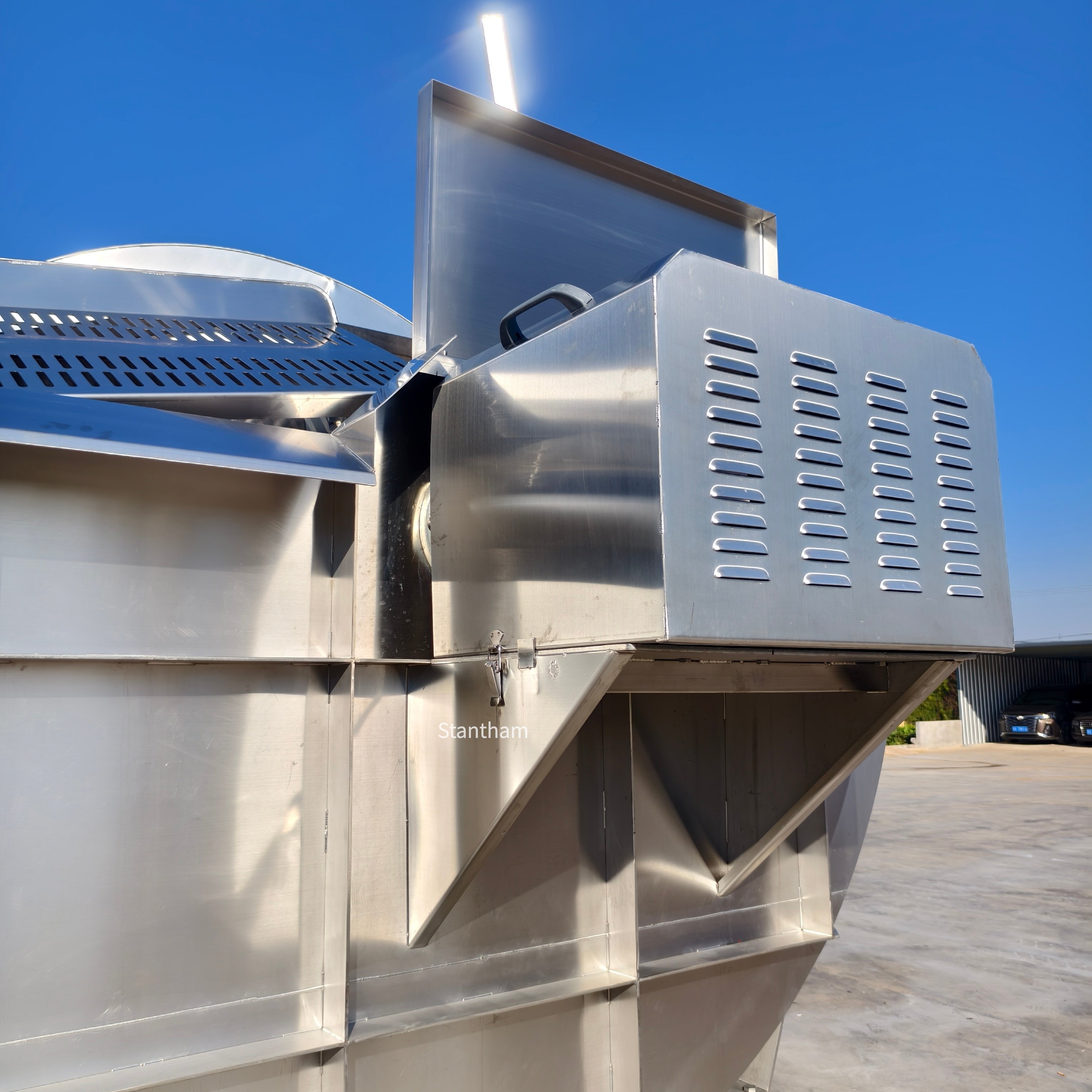
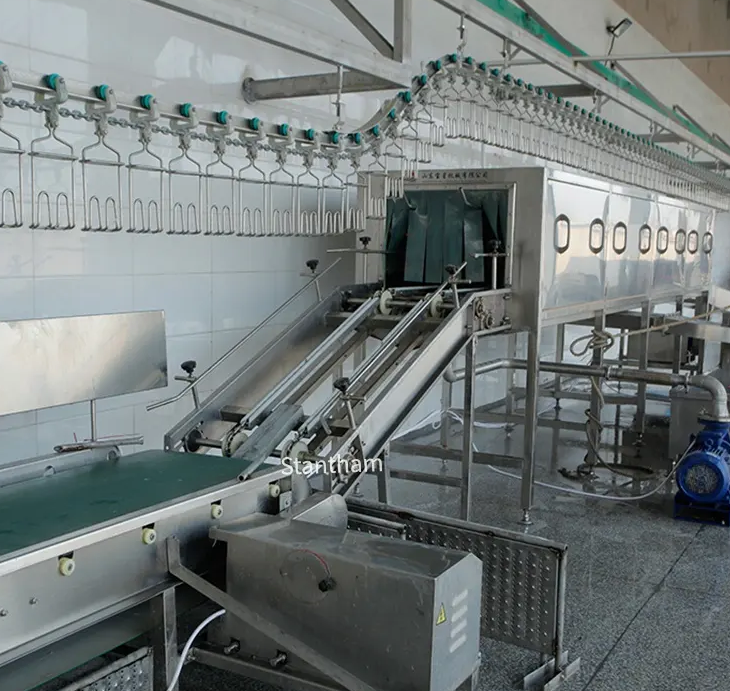
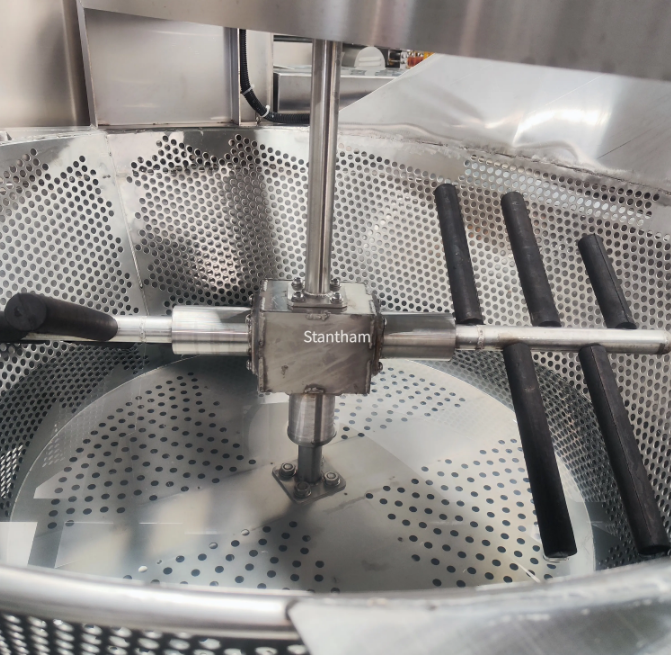
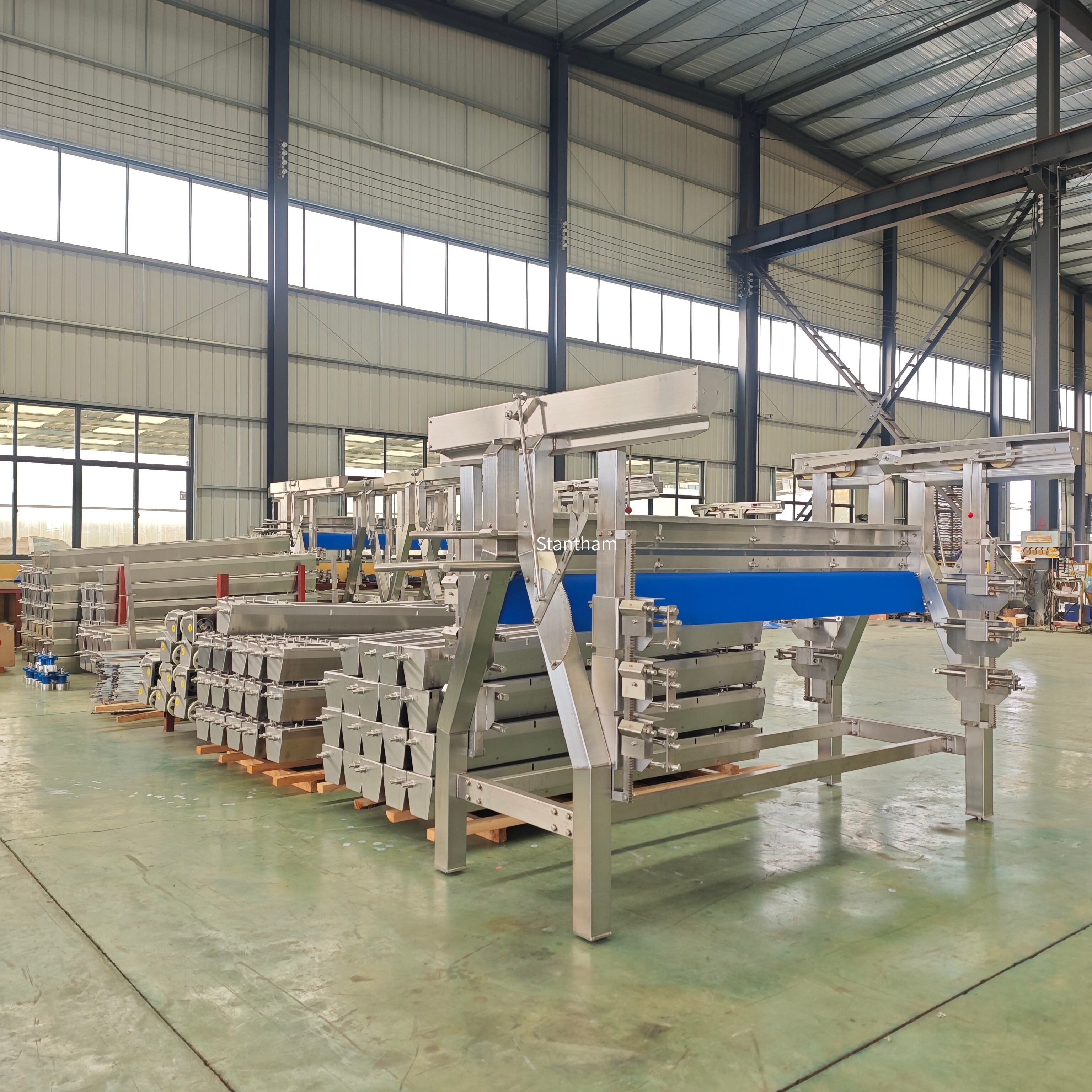
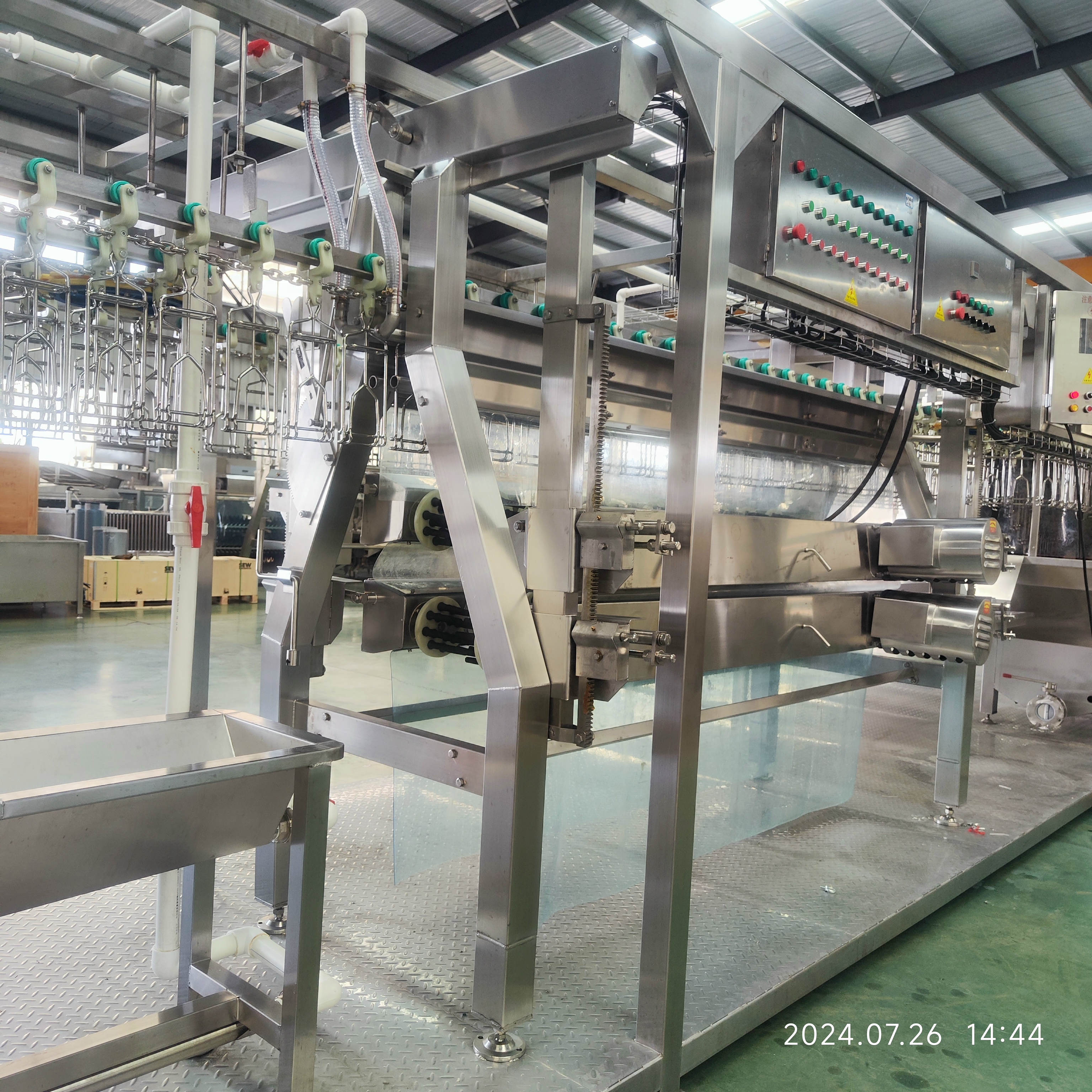
Our poultry slaughter plant systems process up to 15,000 birds per hour while cutting water consumption to 6.5 liters per bird. A Mexican integrator documented a 2.3% breast yield increase and a 35% reduction in energy use after installing our fully electric line. Servo-driven evisceration prevents gut rupture below 0.12%, preserving edible offal value. Integrated counterflow scalding and dry plucking lower downgrades from skin tears to under 0.4%. Antimicrobial spray cabinets deliver a validated 2.6-log Salmonella reduction, meeting EU and USDA standards. The open, sloped stainless steel frames enable sanitation crews to pass ATP swabs at 99% in under 40 minutes. Modular design fits within existing buildings, allowing capacity upgrades without new construction. From live receiving through cut-up, RFID tracking provides complete per-bird traceability, strengthening food safety audits and brand integrity.
Get A Quote

Case Study

Colombian Plant Recovers Premium Offal Value with Gentle Evisceration

A chicken slaughter plant in Bogotá was losing 2% of livers and hearts to bile contamination from rough mechanical drawing. Turnkey retrofitted the evisceration line with torque-sensing spoons and a gall bladder isolation shield. The system monitors resistance 200 times per second, halting extraction if abnormal pressure is detected. Contaminated offal packs dropped from 1.9% to 0.04%, adding $190,000 in annual edible offal revenue. Post-evisceration carcass swabs showed a 2.2-log Enterobacteriaceae reduction, supporting a halal certification renewal. The line maintains 12,500 birds per hour with only two operators monitoring HMI displays. Water consumption fell by 1.2 liters per bird due to vacuum offal transport replacing water fluming. The plant achieved a 6-month payback solely from recovered livers and reduced manual rework.

UK Plant Cuts Deboning Labor by Half While Boosting Fillet Yield

A poultry slaughter plant in Norfolk processed 150,000 broilers daily but faced severe labor shortages in the portioning hall. Turnkey installed vision-guided breast and thigh deboners. In-motion 3D cameras map bone structure and guide rotary blades to follow the natural keel curvature, adding 5.5 grams of fillet per bird. Bone fragment complaints fell to 0.01%. Labor dropped from 19 to 9 operators per shift, saving £340,000 annually. Quick-change kits allow switching between whole legs and boneless thighs in two minutes. The integrated CIP system cleans the cutting zone in 10 minutes between shifts. Within three months, overall meat recovery rose by 3.6%, and the plant secured a retail contract for premium diced breast portions due to superior consistency.

South African Plant Achieves EU Air-Chill Export Status

A poultry slaughter plant near Cape Town needed EU export approval but struggled with water-chill carcass quality. Turnkey designed a three-stage air-chill tunnel with humidity control and integrated peracetic acid spray bars. Core temperature drops to 4°C in 45 minutes without water uptake, preserving natural flavor. Microbiological testing confirmed a 2.5-log Campylobacter reduction and a 5-day shelf-life extension. The plant now exports air-chilled whole birds to Europe at a 19% premium. Water savings of 1.5 liters per bird reduced operational costs. Condensate is recycled into the scalder, further improving efficiency. The retrofit was completed in a 12-day shutdown and passed the EU veterinary audit on the first attempt, unlocking new premium markets.

Related products

Turnkey Slaughter designs complete poultry slaughter plant solutions that synchronize every process stage into a single, data-driven system. Our lines handle broilers, turkeys, and spent hens at speeds up to 15,000 BPH. Each carrier is RFID-tagged, enabling adaptive processing: scalder temperature adjusts to flock size, plucker banks vary finger pressure by zone, and evisceration spoons modulate force based on real-time organ resistance. A facility in Brazil achieved a 2.5% whole carcass yield gain and cut water use to 6.2 liters per bird through counterflow cascades and dry offal transport. The open-frame stainless steel construction with sloped surfaces eliminates harborage points, yielding a 99.3% first-pass ATP pass rate. Inline antimicrobial interventions deliver a consistent 2.5-log pathogen reduction, validated by third-party labs. Modular, bolt-together architecture allows phased upgrades—start with an evisceration and chilling retrofit, then add automated deboning without structural changes. The OEE dashboard tracks throughput, downtime, and yield in real time, providing actionable insights. Turnkey provides full project management, HACCP support, and two-week training, ensuring your poultry slaughter plant meets BRC, USDA, and EU standards while maximizing profitability.

Frequently Asked Questions

What line speeds can Turnkey poultry slaughter plants achieve?

We configure lines from 2,000 to 15,000 birds per hour. High-speed carousels with independent servo drives ensure precise dwell time for complete evisceration and hygiene even at maximum velocity. The system dynamically adjusts to prevent carcass swing and maintain pack integrity.
Open stainless frames, automated antimicrobial sprays, and continuous temperature logging are standard. Spray cabinets achieve 360-degree coverage validated by riboflavin tests, delivering a 2.5-log Salmonella reduction. All critical control point data is logged for real-time audit readiness.
Absolutely. Our modules bolt to your floor and synchronize with existing overhead conveyors. This allows phased modernization—replace evisceration and chilling sections while the kill line keeps running. Downtime is limited to a planned weekend shutdown.
Plants typically reduce water use by 25-30% through counterflow scalders, vacuum offal transport, and dry plucking. Servo motors cut electrical consumption by around 35% versus pneumatic systems. One plant saved 20 cubic meters of water daily.
We provide two weeks of on-site operator and sanitation training, a HACCP plan package, and 24/7 remote diagnostics. Regional spare parts hubs ensure 48-hour delivery. Annual service contracts include vibration analysis and OEE benchmarking.

Related article

How does a mobile slaughterhouse bring processing capacity directly to remote poultry farms?

04

Jun

How does a mobile slaughterhouse bring processing capacity directly to remote poultry farms?

Redefining Slaughter Infrastructure for Geographically Dispersed Farms Processing poultry in isolated regions has always been a logistical headache. Fixed slaughterhouses demand large capital outlays, centralized collection routes, and reliable col...
View More
Why is proper scalding temperature critical for feather removal efficiency in a chicken abattoir?

17

Jun

Why is proper scalding temperature critical for feather removal efficiency in a chicken abattoir?

The Scalding Window: A Delicate Balance Between Feather Release and Skin Integrity Scalding is the bridge between bleeding and plucking in a chicken abattoir. The birds pass through a tank of heated water, and the heat loosens the feather follicles...
View More
How does a mechanical chicken slaughter system minimize bone breakage compared to manual methods?

22

Jun

How does a mechanical chicken slaughter system minimize bone breakage compared to manual methods?

The Bone Breakage Problem Nobody Talks About Walk into any medium-sized poultry processing plant and ask the quality control manager about their biggest headache. Chances are, bone breakage ranks near the top. Not the dramatic compound fractures, b...
View More
Advanced Optimization of Custom Chicken Slaughter Equipment

10

Jul

Advanced Optimization of Custom Chicken Slaughter Equipment

The Customization Imperative in Poultry Processing Poultry processing lines look similar from a distance—shackles, conveyors, scalders, pluckers, evisceration stations. But step closer and the differences become obvious. One plant runs 12,000 b...
View More

Customer Testimonials

Miguel S.

Upgrading to Turnkey’s evisceration and chilling line boosted our edible liver recovery by 3 grams per bird. Post-chill Salmonella positives dropped to 0.2%. Sanitation is simpler; the open design cuts cleaning time by 30%. We process 130,000 daily, and downtime is under 0.3%. The system paid back in 10 months.

Rachel T.

The automated deboning line transformed our high-care room. Breast fillet yield increased by 4.5%, and bone fragment complaints are at zero. Changeover between portions is fast, and the CIP system cleans thoroughly. Turnkey’s support team was professional and responsive. This investment secured a major retail contract.

Get a Free Quote

Our representative will contact you soon.
Email
Name
Company Name
Mobile/WhatsApp
Message
0/1000
Intelligent Evisceration with Active Rupture Prevention

Intelligent Evisceration with Active Rupture Prevention

A poultry slaughter plant’s profitability hinges on offal integrity. Our evisceration carousel uses embedded torque sensors that sample 200 times per second, instantly halting extraction if resistance indicates a fragile organ. This keeps gall bladder rupture below 0.1% and maximizes liver and heart recovery. An enclosed vacuum channel immediately separates red offal from green waste, preventing aerosol cross-contamination. A Colombian plant reduced veterinary condemnations by 58% and gained 2.1 grams of clean liver per bird. The tooling telescopes outward for sanitation, allowing full foam-and-rinse in under 30 minutes. This precision handling protects yield and food safety, turning the evisceration hall into a controlled profit center that consistently passes the strictest export audits.
Vision-Guided Deboning for Maximum Meat Yield

Vision-Guided Deboning for Maximum Meat Yield

Secondary processing must deliver maximum recovery without bone fragments. Our 3D vision system maps the clavicle, keel, and joints with 0.5mm accuracy, guiding rotary blades along the natural bone contour. This adaptive path adds an average of 5.8 grams of breast fillet per bird compared to fixed-path machines. Bone fragment incidence is held below 0.015%, meeting infant food specifications. Quick-change kits convert from breast to thigh deboning in three minutes. An integrated CIP circuit flushes the cutting zone in 10 minutes, eliminating manual cleaning. A UK plant achieved a 3.2% overall meat recovery gain and zero customer complaints, securing premium contracts for high-value diced and portioned products.
Integrated Air Chilling and Antimicrobial Intervention

Integrated Air Chilling and Antimicrobial Intervention

Post-evisceration chilling defines shelf life and export eligibility. Our air-chill tunnel uses a three-zone counterflow of controlled cold air to reduce core temperature to 4°C in 45 minutes without water uptake. Inline peracetic acid misting achieves 360-degree coverage, validated to deliver a 2.4-log Campylobacter reduction. A South African plant extended retail shelf life by five days and secured EU export approval. Water savings reach 1.5 liters per bird compared to immersion chilling, and condensate is recaptured for scalding. This combination of dry chilling and precise antimicrobial dosing ensures compliance with the most stringent BRC and EFSA standards while preserving the natural meat flavor that premium retailers demand.

Get a Free Quote

Our representative will contact you soon.
Email
Name
Company Name
Mobile/WhatsApp
Message
0/1000