Chicken Slaughter House Equipment: 15,000 BPH, <0.1% Contamination

+86-18866172299
All Categories
High-Volume Chicken Slaughter House Systems for Optimal Hygiene and Yield

High-Volume Chicken Slaughter House Systems for Optimal Hygiene and Yield

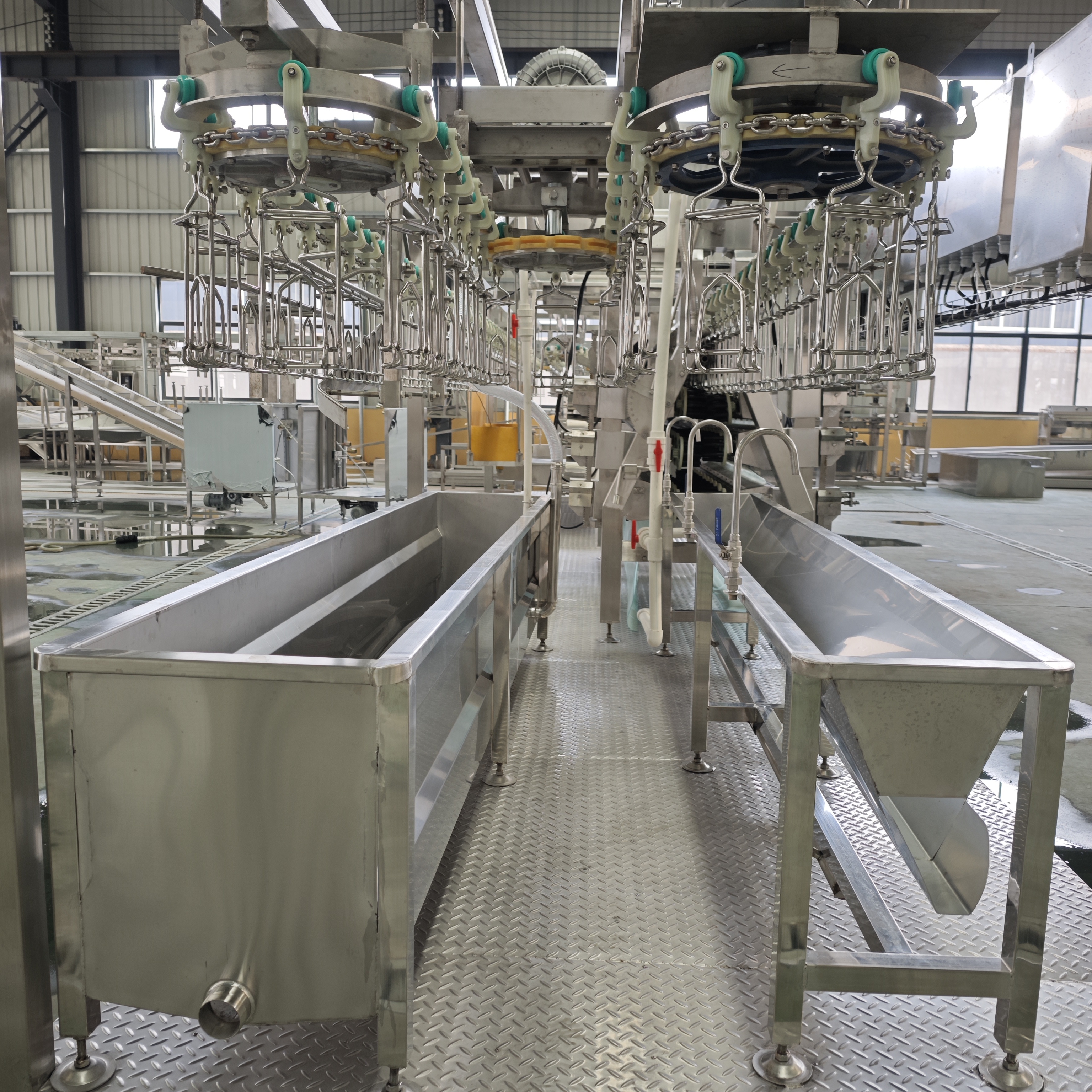
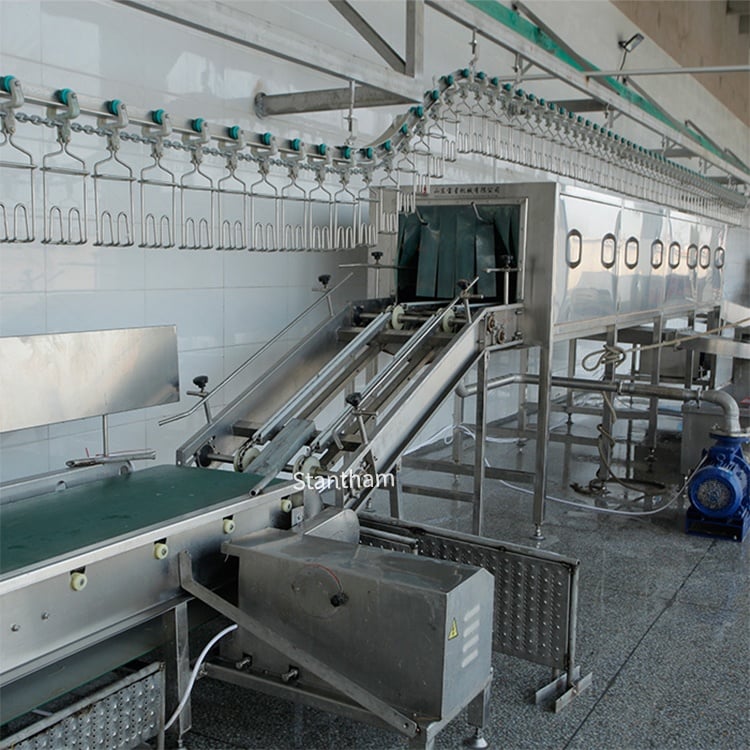
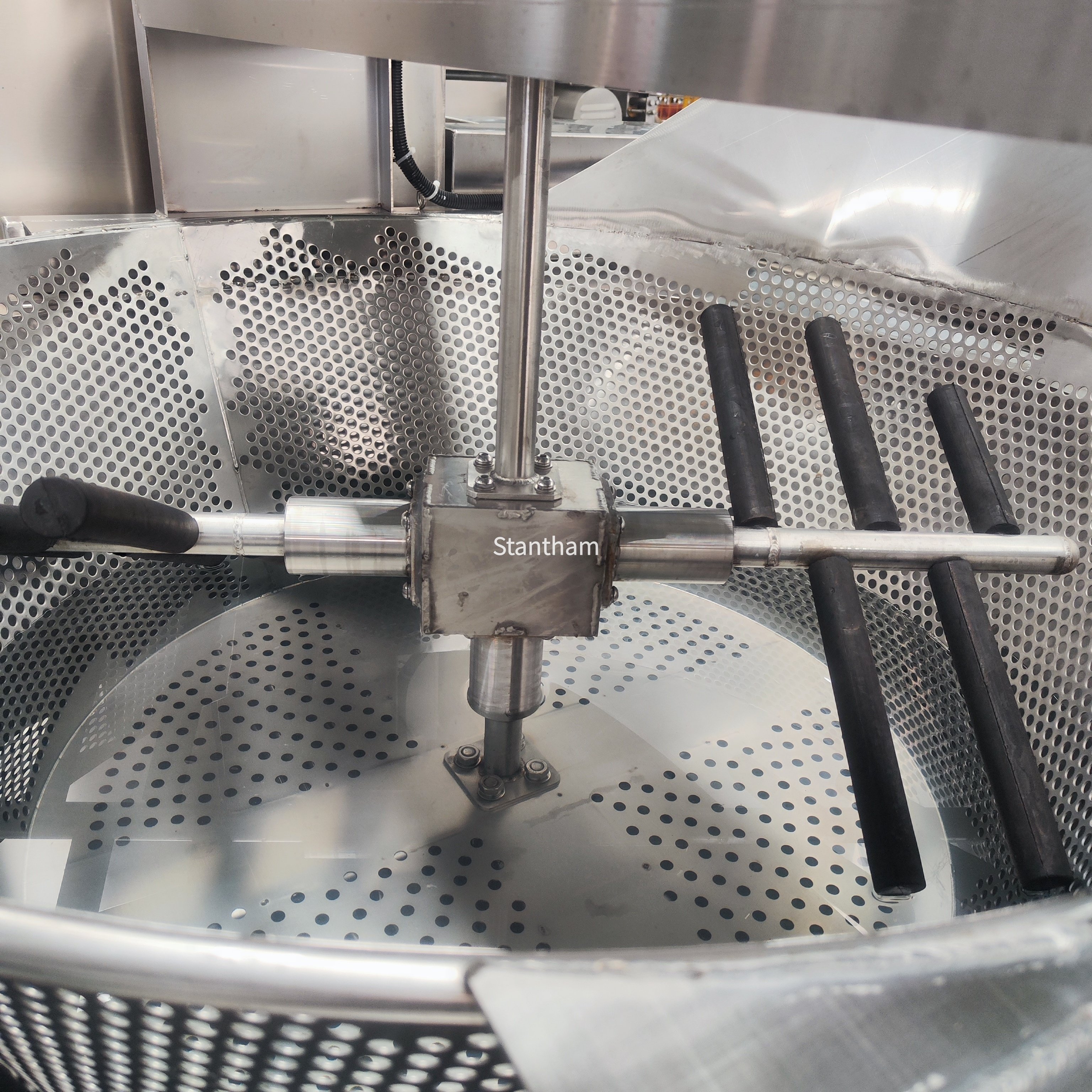
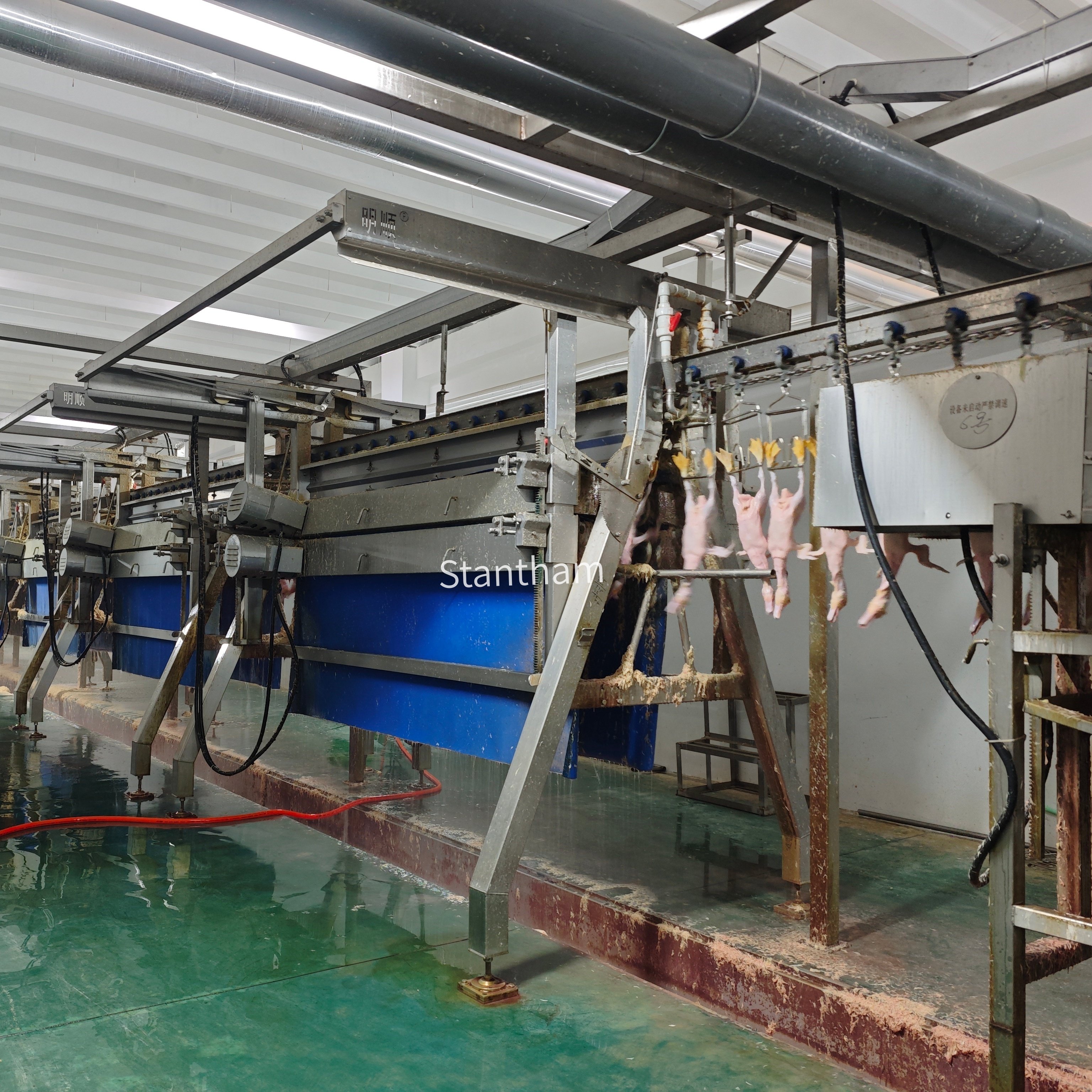
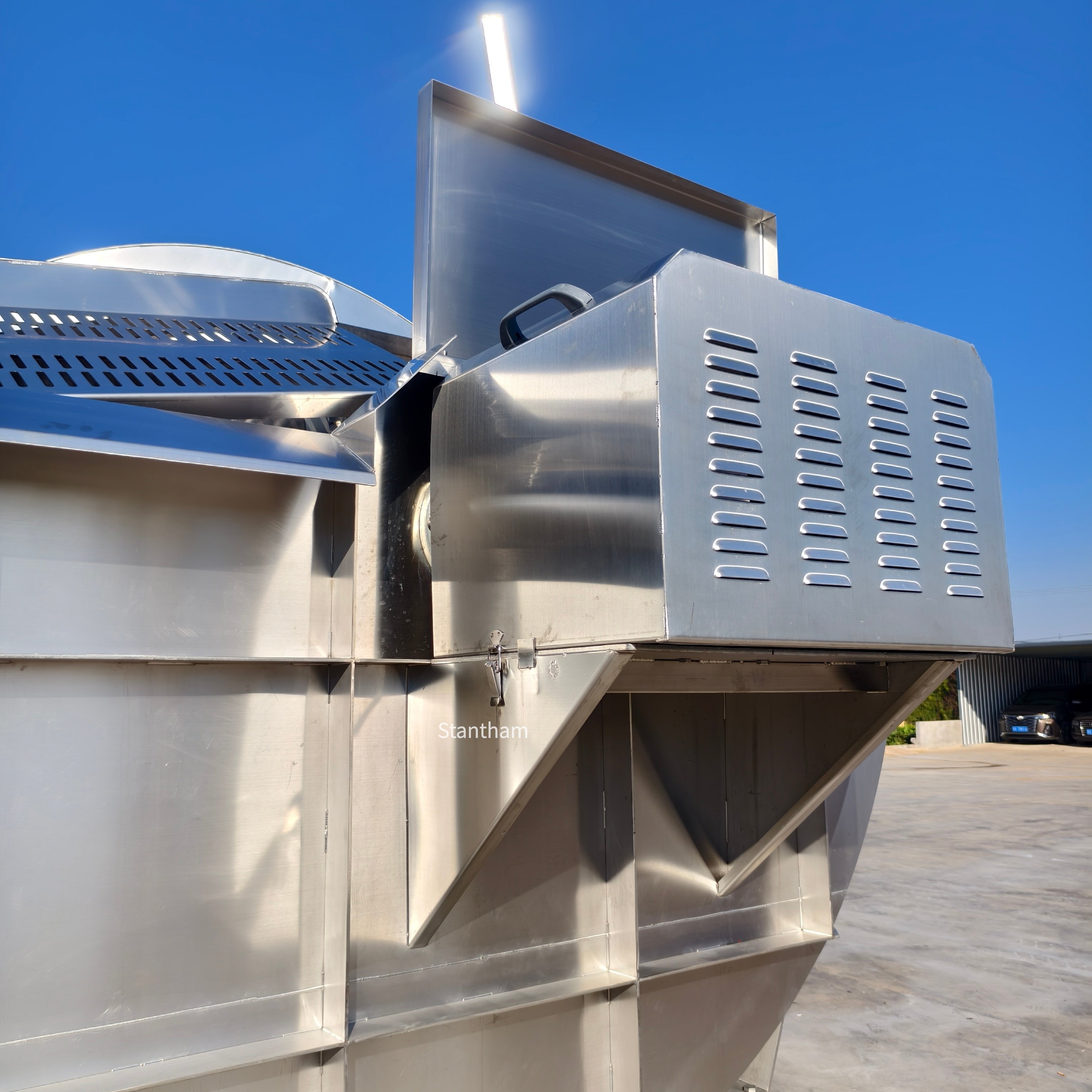
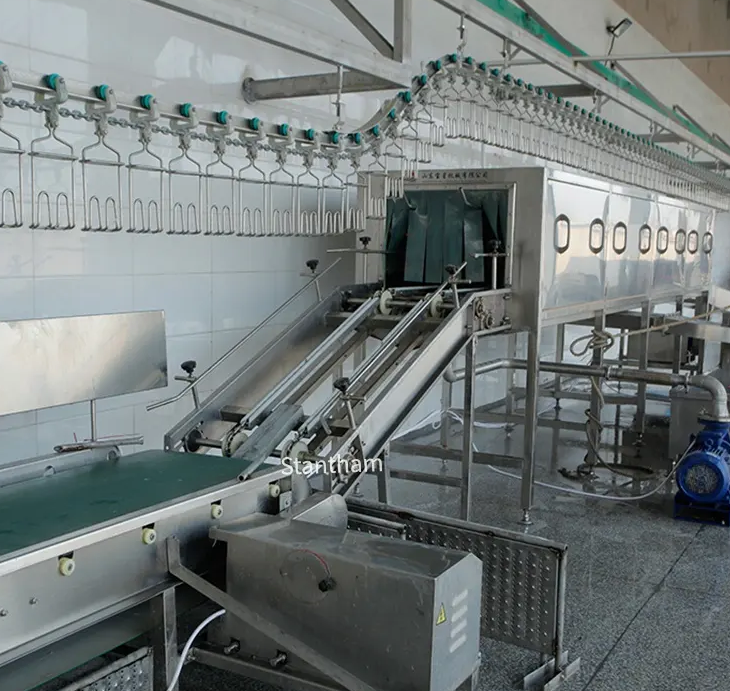
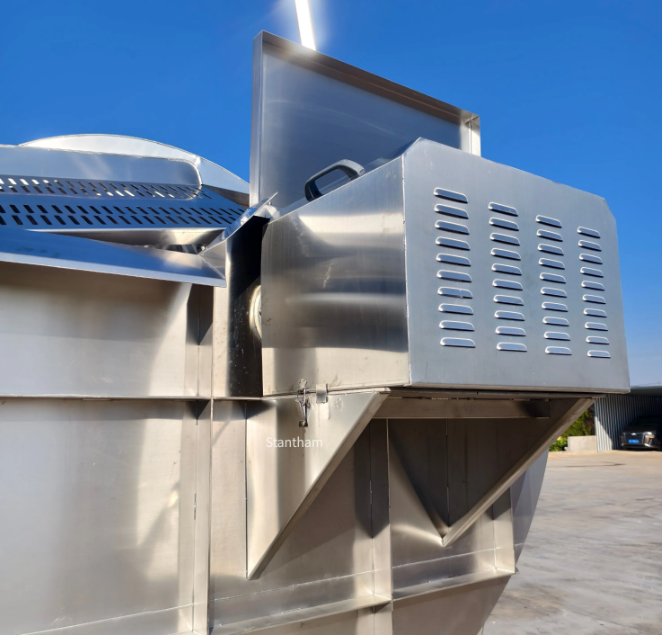
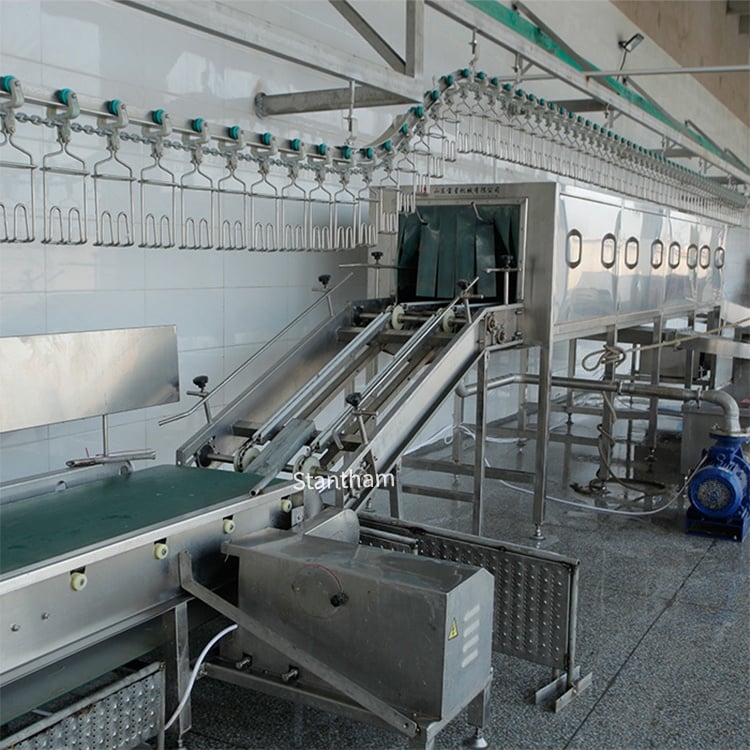
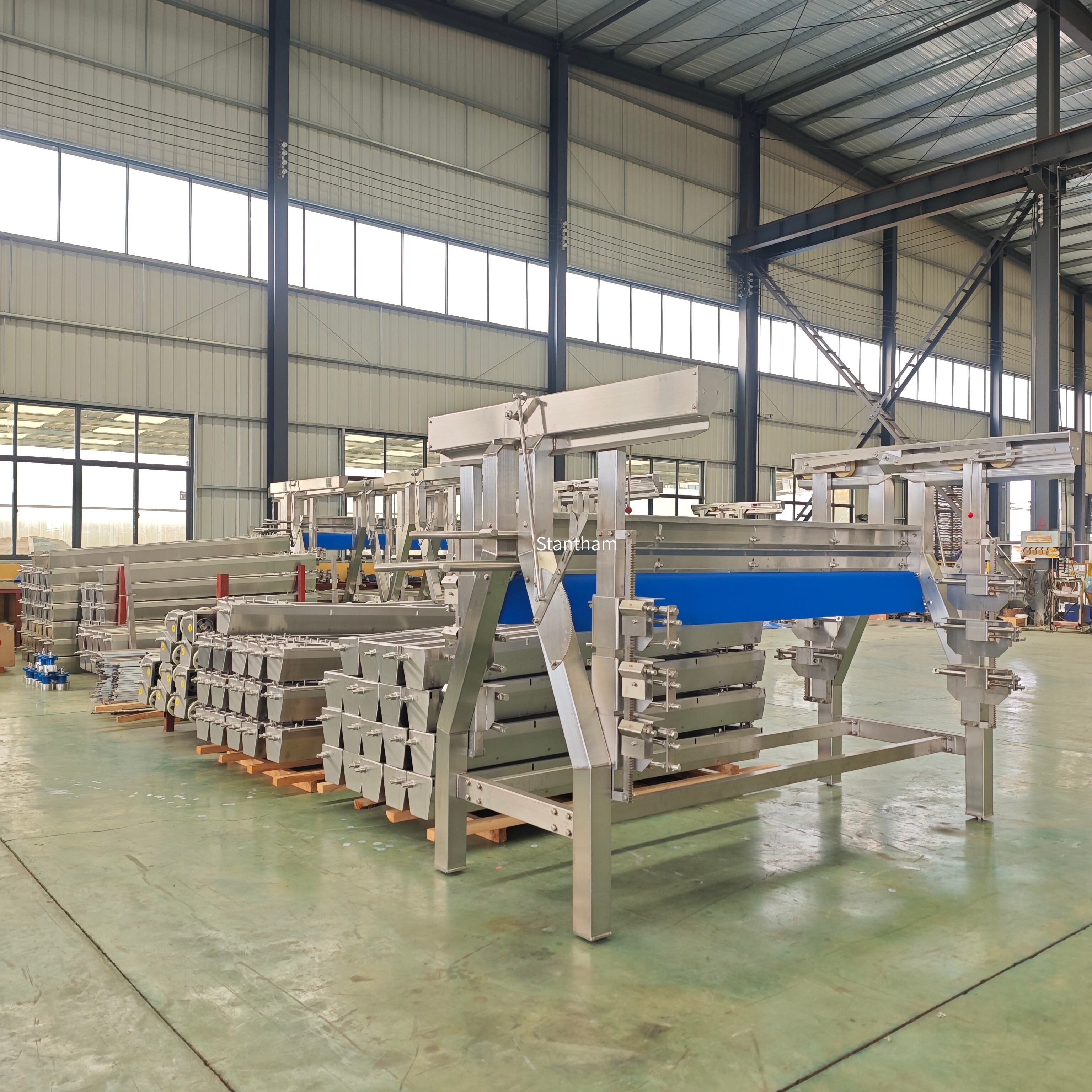
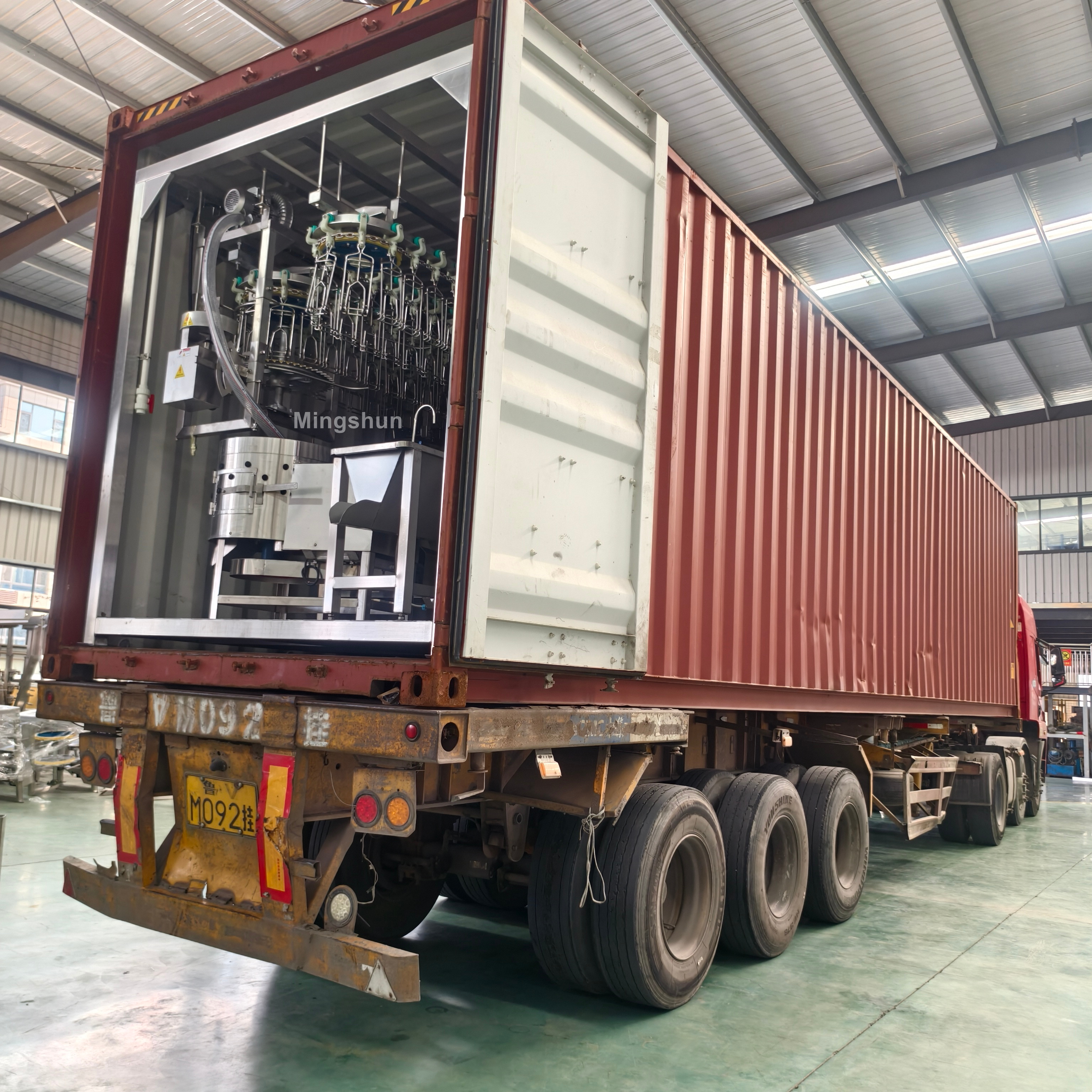
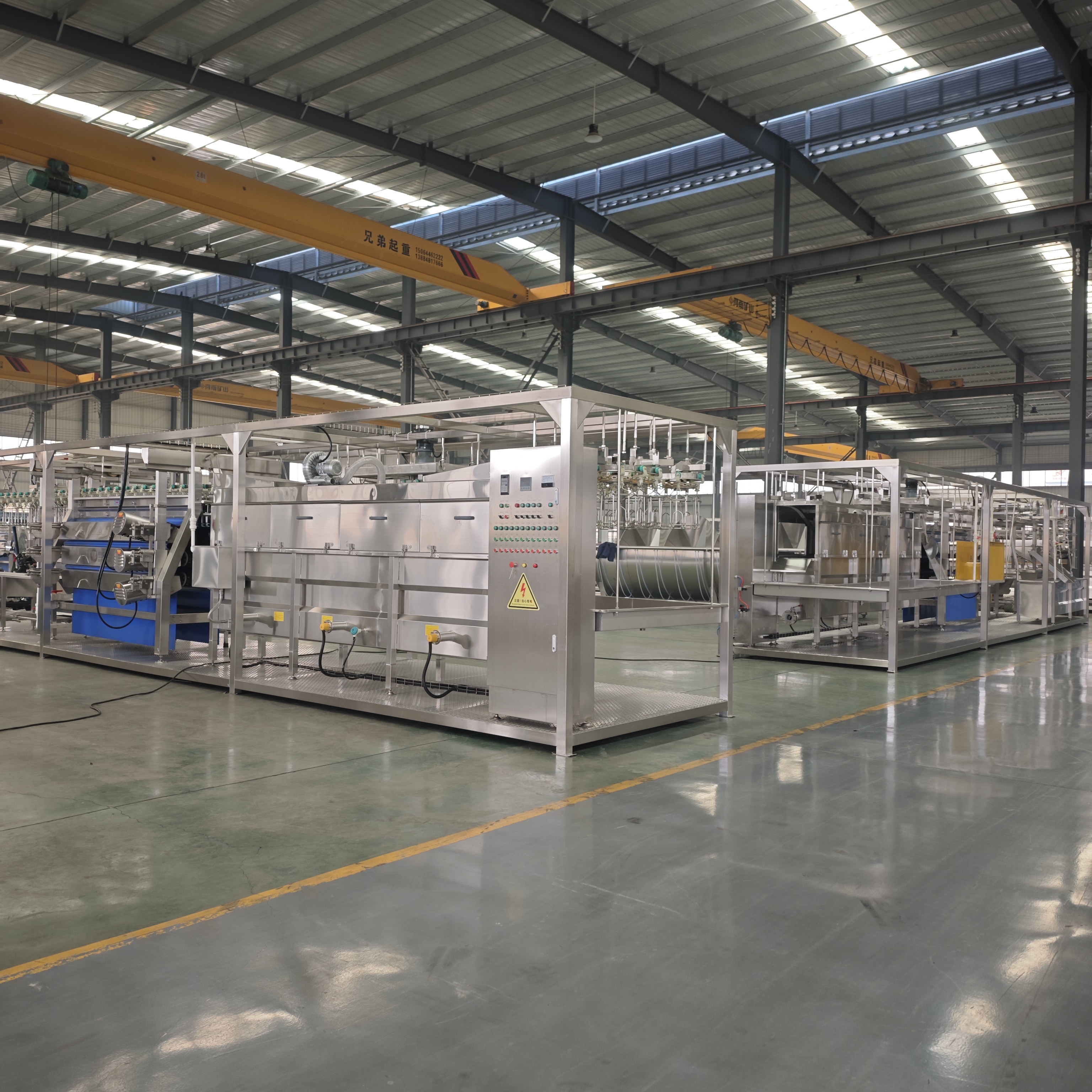
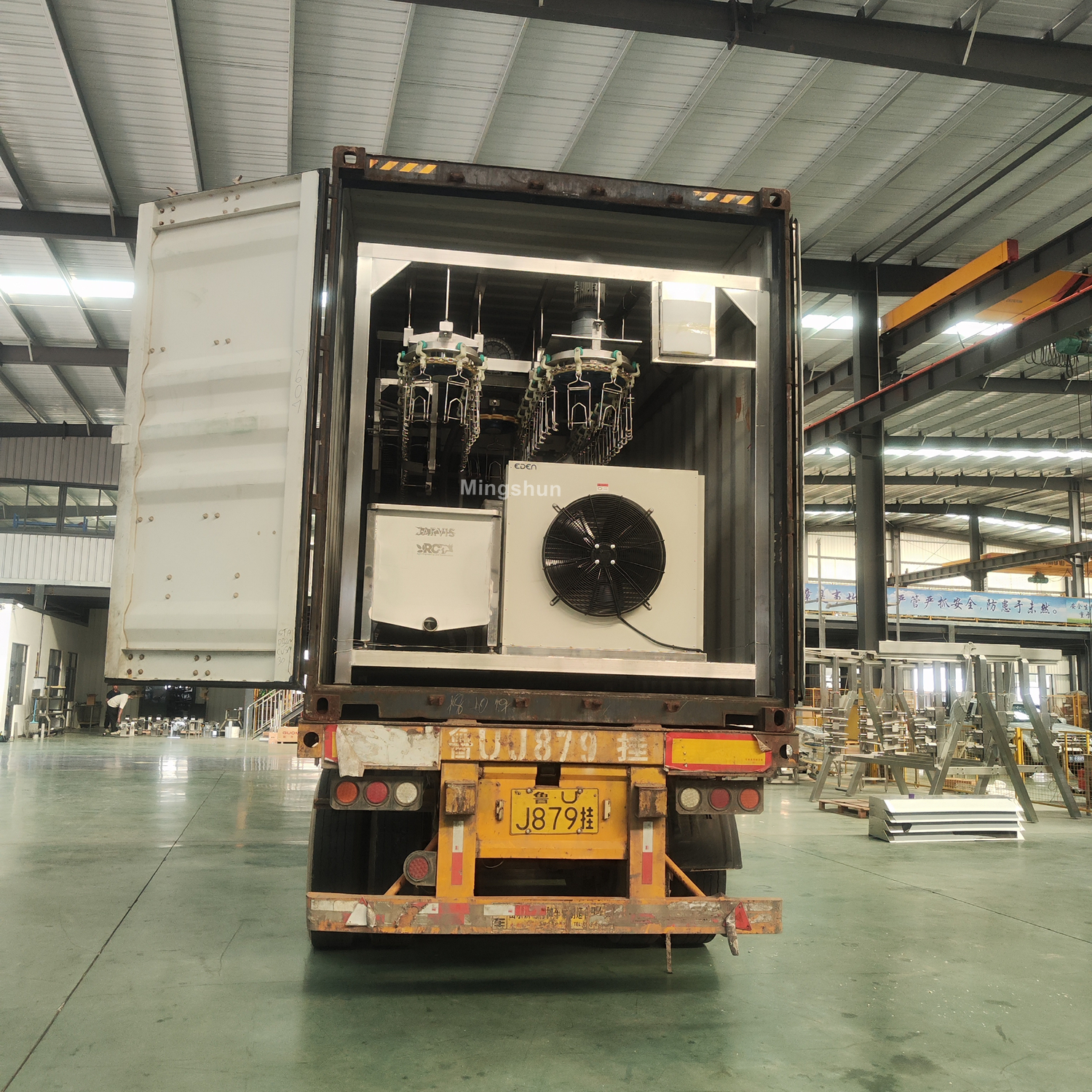
Our chicken slaughter house equipment processes up to 15,000 birds per hour with a fecal contamination rate below 0.1%. A Brazilian integrator achieved a 2.4% breast meat yield gain and reduced water use by 1.3 liters per bird after installing our line. Servo-driven evisceration prevents organ rupture, preserving edible offal value. Integrated antimicrobial spray cabinets achieve a 2.5-log Salmonella reduction on post-chill skin. The open-frame stainless design allows full sanitation in under 45 minutes, consistently passing ATP swabs at 99%. Modular layout fits existing buildings, enabling capacity expansion without new construction. From live receiving to air-chill packing, the system's RFID tracking provides complete traceability, supporting premium export certification.
Get A Quote

Case Study

Thai Processor Boosts Export Compliance with Hygienic Evisceration

A chicken slaughter house in Thailand supplying Japanese markets faced sporadic bile contamination on livers. They retrofitted their evisceration hall with our enclosed vacuum drawing and automatic gall bladder shield. Post-installation, bile contamination dropped from 1.8% to 0.05%, allowing the plant to sell whole giblet packs at a $0.03 per bird premium. The line speed remained at 12,000 BPH while water consumption fell by 1.4 liters per chicken. Microbiological swabs on post-evisceration carcasses showed a 2.1-log Enterobacteriaceae reduction. This immediate quality improvement unlocked a long-term contract with a strict Japanese retail chain and paid back the equipment investment in 6 months.

UK Plant Reduces Labor by 40% with Automated Cut-Up and Deboning

A British chicken slaughter house processing 160,000 birds daily faced chronic labor shortages in the cut-up department. We installed vision-guided breast deboners and thigh separators. The system maps each carcass in 3D and guides blades to follow bone contour, achieving a breast fillet yield of 75.8% with bone fragment incidence below 0.02%. Labor for portioning dropped from 22 to 12 operators per shift, saving £380,000 annually. Quick-change tooling allows switching between whole leg, drumstick, and boneless formats in under 3 minutes. The modules integrate with the existing overhead conveyor, and the CIP system cleans the cutting zone in 12 minutes. Within four months, the plant reported a 3.2% overall meat recovery increase.

South African Operation Achieves EU Air-Chill Standard and Shelf-Life Extension

A chicken slaughter house near Durban sought EU export approval but struggled with immersion chilling water uptake and short shelf life. Turnkey installed a three-zone air-chill tunnel with controlled humidity and integrated peracetic acid misting. Core temperature drops to 4°C in 50 minutes without water absorption, and microbial testing showed a 2.3-log Salmonella reduction. Retail shelf life extended by five days, verified by a third-party lab. The plant now exports air-chilled portions to Europe at a 17% price premium. Water savings of 1.6 liters per bird and captured condensate for scalding further improved sustainability metrics. The project was completed during a scheduled 10-day shutdown and met all EU veterinary audit requirements.

Related products

Turnkey Slaughter engineers complete chicken slaughter house solutions that integrate live bird handling, stunning, scalding, plucking, evisceration, chilling, cut-up, and deboning into one synchronized system. Our lines operate at speeds up to 15,000 birds per hour, with each shackle RFID-tracked for full traceability. A recent installation in Mexico saw a 2.6% yield increase and a 40% reduction in water consumption to 6.8 liters per bird through counterflow cascades and dry plucking. The open-frame, all-stainless construction with sloped surfaces ensures a 99% first-pass ATP swab rate after sanitation. Servo-driven evisceration modules with torque sensing reduce gut rupture to 0.1%, while inline organic acid spray cabinets deliver a consistent 2.5-log Campylobacter reduction. Our modular approach allows phased investment—start with an evisceration and chilling upgrade, then add automated deboning later without structural changes. The OEE dashboard provides real-time downtime analysis, enabling predictive maintenance. Turnkey provides full project management, from layout design to staff training, ensuring your chicken slaughter house meets BRC, USDA, and EU standards while maximizing yield and minimizing operational cost.

Frequently Asked Questions

What throughput can a chicken slaughter house from Turnkey achieve?

Our systems are scalable from 2,000 to 15,000 birds per hour. High-speed carousels and servo drives maintain precise dwell times even at maximum velocity, ensuring consistent evisceration and hygiene. We configure line speed to your target capacity and available floor space.
The open, fully welded stainless steel frames prevent biofilm buildup. Integrated antimicrobial spray rings apply organic acid at precise pressure, validated to achieve a 2.5-log reduction in Salmonella. Continuous temperature and chemical dosing are logged for audit compliance.
Yes, our modules bolt to your floor and synchronize with existing overhead conveyors. This allows you to replace the evisceration or chilling sections while the rest of the line keeps running. Phased upgrades minimize downtime and spread investment over time.
Plants typically cut water use by 25-30% through counterflow scalders, dry plucking, and vacuum offal transport. Servo motors reduce electrical consumption by about 35% compared to pneumatic systems. One plant saved 18 cubic meters of water daily after upgrading.
We provide 24/7 remote diagnostics, regional spare parts hubs with 48-hour delivery, and annual preventive maintenance including vibration analysis. On-site training for operators and sanitation crews is included in commissioning, ensuring your team is fully capable from day one.

Related article

How does a mobile slaughterhouse bring processing capacity directly to remote poultry farms?

04

Jun

How does a mobile slaughterhouse bring processing capacity directly to remote poultry farms?

Redefining Slaughter Infrastructure for Geographically Dispersed Farms Processing poultry in isolated regions has always been a logistical headache. Fixed slaughterhouses demand large capital outlays, centralized collection routes, and reliable col...
View More
Is a Poultry Chiller Machine Right for Your Facility?

10

Jun

Is a Poultry Chiller Machine Right for Your Facility?

Understanding What a Poultry Chiller Actually Does A poultry chiller machine is not simply a cold water tank. It is a controlled thermal exchange system designed to bring freshly eviscerated carcasses from roughly thirty-five degrees Celsius down t...
View More
How does chicken slaughter equipment with an integrated bleeding tunnel improve blood drainage efficiency?

03

Jul

How does chicken slaughter equipment with an integrated bleeding tunnel improve blood drainage efficiency?

The Bleeding Tunnel: More Than Just a Conveyor Walk into any medium-to-large poultry processing facility, and the bleeding section tells a story about the operation's overall discipline. Some plants run tight, clean lines where carcasses move through...
View More
Advanced Optimization of Custom Chicken Slaughter Equipment

10

Jul

Advanced Optimization of Custom Chicken Slaughter Equipment

The Customization Imperative in Poultry Processing Poultry processing lines look similar from a distance—shackles, conveyors, scalders, pluckers, evisceration stations. But step closer and the differences become obvious. One plant runs 12,000 b...
View More

Customer Testimonials

Carlos D.

Replacing our old evisceration line with Turnkey’s system was the right move. Edible liver recovery rose by 2.8 grams per bird, and our post-chill Salmonella positives dropped to 0.3%. Sanitation is straightforward; the open design cuts cleaning time by 30%. We process 140,000 birds daily and have had no major breakdowns in two years. The ROI was just 11 months.

Helen W.

The automated breast deboning unit improved our fillet yield by 4.1% and eliminated manual trimming stations. Bone chip complaints are now at zero. The 3D vision guidance is precise, and the quick-change tooling lets us switch between portions without losing speed. Turnkey’s support during installation was outstanding. This equipment is a game-changer for our high-care room.

Get a Free Quote

Our representative will contact you soon.
Email
Name
Company Name
Mobile/WhatsApp
Message
0/1000
Advanced Evisceration with Organ Protection

Advanced Evisceration with Organ Protection

Our chicken slaughter house evisceration module uses intelligent torque control to prevent gall bladder and intestine rupture. Sensors sample 200 times per second and halt extraction if abnormal resistance is detected, keeping rupture rates below 0.1%. A Colombian plant saw a 62% drop in bile contamination, saving edible livers for premium tray packs. Enclosed vacuum channels immediately separate red and green offal streams, preventing aerosol cross-contamination. The tooling telescopes outward for sanitation, cutting cleaning time to under 30 minutes. This precision handling ensures consistent food safety and maximizes offal revenue, turning a critical control point into a reliable profit driver.
Vision-Guided Deboning for Maximum Meat Recovery

Vision-Guided Deboning for Maximum Meat Recovery

Automated cut-up in a chicken slaughter house must deliver yield without bones. Our 3D vision system maps the keel and joints with 0.5mm accuracy, guiding rotary blades to follow the natural bone contour. This adaptive path adds an average of 5 grams of breast fillet per bird compared to fixed-path machines, verified over a 300,000-bird trial. Bone fragment incidence is held below 0.015%, meeting baby food and pet food standards. Quick-change kits allow switching between bone-in and boneless cuts in three minutes. An integrated CIP circuit flushes protein residue in 12 minutes, eliminating manual cleaning and extending blade life.
Integrated Antimicrobial Intervention and Air Chilling

Integrated Antimicrobial Intervention and Air Chilling

Post-evisceration hygiene determines shelf life and export eligibility. Turnkey’s chicken slaughter house incorporates atomized organic acid spray cabinets that achieve 360-degree coverage verified by riboflavin tracer tests, delivering a 2.4-log Salmonella reduction. The air-chill tunnel then uses precisely controlled cold air to reduce core temperature to 4°C in 48 minutes without water uptake, preserving natural meat flavor and firmness. A Spanish plant recorded a five-day shelf-life extension and a 62% drop in retail rejections. Water savings of 1.5 liters per bird through dry chilling and cascading wash systems further improve sustainability, ensuring your product meets the strictest EFSA and USDA performance standards.

Get a Free Quote

Our representative will contact you soon.
Email
Name
Company Name
Mobile/WhatsApp
Message
0/1000