 EN
EN

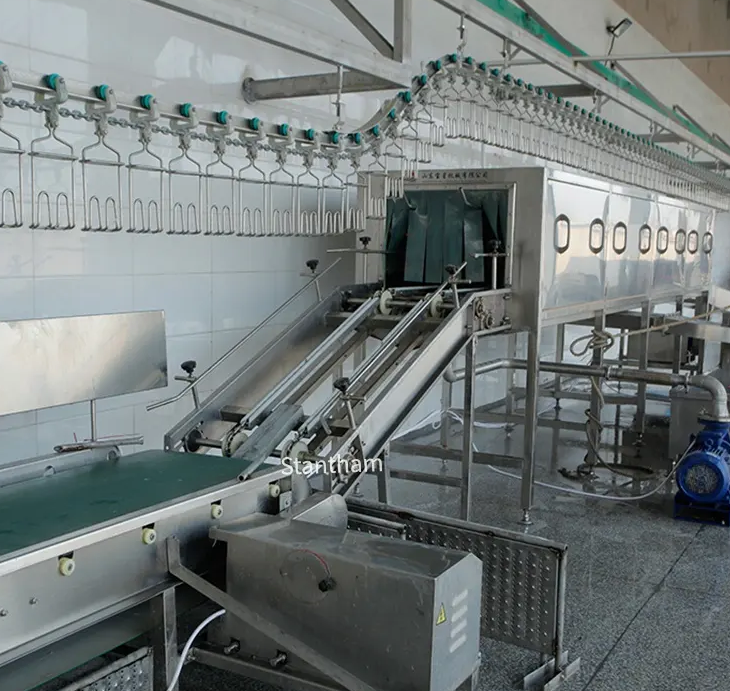
Neugestaltung der Schlachtinfrastruktur für geografisch verstreute landwirtschaftliche Betriebe
Die Verarbeitung von Geflügel in abgelegenen Regionen war schon immer ein logistisches Problem. Feste Schlachthäuser erfordern hohe Kapitalinvestitionen, zentralisierte Sammelrouten und zuverlässige Kühlketteninfrastruktur – drei Dinge, die in abgelegenen landwirtschaftlichen Gebieten oft lückenhaft oder gar nicht vorhanden sind. Ein mobiles Schlachthaus verändert diese Gleichung, indem es die Verarbeitungslinie auf Rädern bereitstellt. Statt lebende Vögel über Hunderte Kilometer holpriger Straßen zu transportieren – was die Sterblichkeitsrate erhöht, die Schlachtkörperqualität mindert und stressbedingte Fleischqualitätsmängel verursacht – kommt die Verarbeitungsausrüstung direkt zum Betriebstor. Die Einheit trifft ein, wird auf einer ebenen Fläche mit Anschluss an die Versorgungsleitungen aufgestellt und beginnt innerhalb weniger Stunden, lebende Vögel in gekühlte, verpackte Produkte umzuwandeln.
Das Konzept orientiert sich an mobilen medizinischen Kliniken und modularen Lebensmittelverarbeitungseinheiten, die seit Jahrzehnten in Katastrophenhilfe-Szenarien eingesetzt werden. Was es für Geflügel praktikabel macht, sind Fortschritte bei kompakten Enthaarungs-, Rupf-, Ausweidungs- und Kühlmodulen, die in einen Standard-Container oder auf einen Anhänger passen und gleichzeitig alle lebensmittelrechtlichen Sicherheitsanforderungen erfüllen. Für einen Erzeuger mit drei Maststandorten, die über eine bergige Provinz verteilt sind, kann eine einzige mobile Einheit, die zwischen den Standorten geteilt wird, die Zeitspanne zwischen dem Einfangen und der Kühlung deutlich verkürzen – eine Phase, in der jede zusätzliche Stunde Haltbarkeit und sensorische Qualität beeinträchtigt.
Wie sich die Anordnung der Ausrüstung von einer stationären Anlage unterscheidet
Eine stationäre Geflügelschlachterei bewegt die Tiere in einer linearen Abfolge an hängenden Gestellen und bodenstehenden Maschinen durch den Prozess. Ein mobiles Schlachthaus komprimiert diese Abfolge auf eine deutlich kleinere Fläche, ohne dabei kritische Arbeitsschritte zu vernachlässigen. Die Anordnung erfolgt typischerweise in gerader Linie oder U-Form innerhalb eines Containers oder auf einem Anhänger-Chassis. Die Tiere werden manuell an einem kompakten, oberirdischen Förderband aufgehängt. Betäubung, Ausbluten, Entfernung der Federn durch Erhitzen (Scalding), Entfernung der Federn (Plucking) und Ausweiden (Evisceration) finden an eng beieinanderliegenden Stationen statt, die so konstruiert sind, dass sie gemeinsam Versorgungsleitungen wie Heißwasser und Druckluft nutzen.
Der Verbrühbehälter könnte beispielsweise ein kürzerer, isolierter Behälter aus rostfreiem Stahl mit intensiver Wasserkreislauftechnik sein, um trotz geringerer Wärmekapazität eine gleichmäßige Temperatur aufrechtzuerhalten. Der Rupfbereich verwendet möglicherweise einen vertikalen oder trommelartigen Rupfer mit weniger Fingerrreihen; dennoch gewährleisten optimierter Abstand und Drehgeschwindigkeit eine akzeptable Federentfernung bei den kleineren Partien, die durchlaufen. Bei der Eviszeration erfolgt der Übergang von automatisierten Hohlraumgewehrsystemen zu einer manuellen oder halbautomatischen Station mit kompakter Vakuum- und Spültechnik. Die gesamte Anlage ist so angeordnet, dass drei bis sechs Mitarbeiter effizient arbeiten können, ohne sich gegenseitig im Weg zu stehen. Diese Gestaltungsdisziplin unterscheidet eine echte mobile Verarbeitungslösung von einem Anhänger, der lediglich mit voneinander unabhängigen Maschinen gefüllt ist.
Ein Praxisbeispiel einer Geflügelgenossenschaft aus den Highlands
Eine Genossenschaft in einer Hochlandregion Südostasiens betrieb fünf Masthühner- und Freilandhühnerfarmen, die sich über Höhenlagen zwischen 600 und 1.500 Metern erstreckten. Der Transport lebender Tiere zur nächstgelegenen zugelassenen Schlachterei erforderte eine siebenstündige Fahrt auf kurvenreichen Straßen. Die Sterblichkeit während des Transports lag im Trockenmonat durchschnittlich bei vier Prozent und konnte in der Monsunzeit auf über acht Prozent ansteigen. Tiere, die lebend ankamen, wiesen häufig Verfärbungen der Flügel, Oberschenkelblutungen sowie blasse, exsudative Brustmuskulatur auf – klassische Anzeichen für prä-schlachtlichen Stress.
Die Genossenschaft investierte in eine einzige mobile Schlachtanlage, die in ein vierzig Fuß langes Containerchassis integriert war. Die Anlage war für die Verarbeitung von bis zu fünfhundert Vögeln pro Tag ausgelegt und arbeitete vier Tage pro Woche, wobei sie zwischen den Betrieben rotierte. Innerhalb der ersten sechs Monate sank die Transportsterblichkeit unter 0,5 Prozent, da die Vögel weniger als fünfzig Meter vom Mastgebäude zur mobilen Anlage geführt wurden. Die Fleischqualitätswerte, gemessen von einem lokalen Qualitätsprüfer mittels der standardisierten Methode „pH nach 45 Minuten“, verbesserten sich von durchschnittlich 5,7 auf 6,1. Die Genossenschaft erlangte zudem die Möglichkeit, direkt an städtische Einzelhändler unter ihrer eigenen Marke zu verkaufen und so Margen einzubehalten, die zuvor an Zwischenhändler gegangen waren. Die mobile Schlachthalle löste nicht nur ein Logistikproblem – sie reorganisierte die gesamte Wertschöpfungskette.
Lebensmittelsicherheitskonformität in einem nicht-traditionellen Umfeld
Eine mobile Einheit muss nach wie vor die gleichen Hygieneanforderungen erfüllen wie eine stationäre Anlage. Die kritischen Kontrollpunkte bleiben Betäubung, Entblutung, Brühen, Ausweiden und Kühlung. Die Herausforderung besteht darin, diese Schritte in einem begrenzten Raum zu bewältigen, der zwischen verschiedenen Standorten wechselt. Eine gut konzipierte Einheit verfügt über glatte, fugenfreie Oberflächen aus Edelstahl 304, berührungslose Waschstationen und getrennte Bereiche für schmutzige und saubere Arbeitsabläufe.
Heißes Wasser muss innerhalb eines engen Temperaturbereichs gehalten werden – typischerweise 51 bis 56 Grad Celsius bei der Warmenthaarung von Geflügel – und häufig genug ausgetauscht oder aufgefrischt werden, um die organische Belastung zu kontrollieren. Die Ausweidungsstation muss so positioniert sein, dass Kadaver nicht über offene Bereiche für die Handhabung von Eingeweiden hinweggeführt werden. Die nach der Ausweidung erfolgende Sprühreinigung sowie ein Kühlvorgang, bei dem die Kerntemperatur des Kadavers innerhalb der von den Codex-Alimentarius-Richtlinien vorgegebenen Zeit unter vier Grad Celsius gesenkt wird, sind zwingend erforderlich. Viele mobile Einheiten nutzen je nach Wasserverfügbarkeit und Stromversorgung eine Kombination aus Tauchkühlung und Zwangsluftkühlung. Regelmäßige Abstrichuntersuchungen und die Verifizierung der Trinkwassereignung sind genauso unverzichtbar in mobilen Anlagen wie in festen Betrieben.
Kapazität an die Betriebsgröße anpassen, ohne unnötig viel auszugeben
Nicht jeder abgelegene Betrieb benötigt eine vollständige mobile Schlachtlinie. Die Entscheidung, zu investieren oder eine mobile Einheit zu leasen, hängt von der wöchentlichen Schlachtleistung und der Entfernungspauschale zum nächstgelegenen festen Schlachthof ab. Die nachstehende Tabelle vergleicht vier Szenarien anhand typischer Betriebsdaten von kleinen bis mittelgroßen Geflügelfarmen.
| Szenario | Wöchentliche Tierzahl | Entfernung zum nächstgelegenen Schlachthof (km) | Transportverluste (%) | Amortisationsdauer der mobilen Einheit (Jahre) |
|---|---|---|---|---|
| Kleine Freilandherde | 200–500 | 150 | 5–8 | 2.5–3.5 |
| Mittelgroßer Masthähnchenbetrieb | 1,000–2,000 | 80 | 3–5 | 1.5–2.0 |
| Kooperative gemeinsame Einheit (3 Betriebe) | 3,000–5,000 | 200 | 6–10 | 0.8–1.2 |
| Vertragsmäster mit Bindung an den Verarbeiter | 10,000+ | 30 | 1–2 | Fester Schlachthof wird bevorzugt |
Eine gemeinsam genutzte mobile Einheit innerhalb einer Genossenschaft oder Erzeugergruppe weist durchweg die kürzeste Amortisationsdauer auf. Für einen einzelnen kleinen Betrieb kann die Wirtschaftlichkeit dennoch gegeben sein, wenn die Alternative darin besteht, die Vögel mit erheblichem Preisnachlass an einen Händler zu verkaufen, der das Transportrisiko übernimmt. Entscheidend ist, sich realistische Vorstellungen über die tägliche Durchsatzleistung zu machen, denn eine mobile Schlachtlinie mit einem kleinen Team wird selten dieselbe Stundenleistung wie eine fest installierte Anlage mit zweischichtigem Betrieb erreichen.
Gerätedauerhaftigkeit und die Rolle von Edelstahl 304
Mobile Geräte sind einer deutlich höheren Beanspruchung ausgesetzt als stationäre Maschinen. Sie werden auf Autobahnen durchgeschüttelt, auf unebenem Gelände ausgerichtet und an unterschiedliche Wasser- und Stromversorgungen angeschlossen. Alle tragenden Rahmen, Enthaarungsbäder, Enthaarungskabinen sowie Arbeitsflächen müssen sowohl gegen Korrosion durch Verarbeitungsflüssigkeiten als auch durch die Umgebungsbedingungen im Straßenverkehr widerstandsfähig sein. Edelstahl 304 mit nachgewiesenem Nickelgehalt von über acht Prozent bietet diesen Korrosionsschutz und hält zudem häufigem Hochdruckreinigen mit chloriertem Wasser stand.
Eine mobile Einheit, die aus minderwertigem Stahl gefertigt wurde, weist bereits nach wenigen Monaten Lochkorrosion an den Schweißnähten auf – insbesondere im Verbrühungsbehälter und im Ausweidungsbereich, wo sich Wärme und organische Säuren konzentrieren. Die Investition in einen SPECTRO-Analysator zur Überprüfung der chemischen Zusammensetzung ankommender Materialien – eine Praxis, die Stantham in seinem Fertigungsprozess anwendet – verhindert materialbedingte Fehler auf Chargenebene, die sowohl die Hygiene als auch die Lebensdauer der Ausrüstung beeinträchtigen würden. Bei mobilen Anwendungen, bei denen ungeplante Ausfallzeiten an einem abgelegenen Standort einen vollständigen Ausfall der Verarbeitungskapazität für diesen Tag bedeuten, bestimmt die Haltbarkeit einzelner Komponenten unmittelbar die Wirtschaftlichkeit des gesamten Geschäftsmodells.
Inhaltsverzeichnis
- Neugestaltung der Schlachtinfrastruktur für geografisch verstreute landwirtschaftliche Betriebe
- Wie sich die Anordnung der Ausrüstung von einer stationären Anlage unterscheidet
- Ein Praxisbeispiel einer Geflügelgenossenschaft aus den Highlands
- Lebensmittelsicherheitskonformität in einem nicht-traditionellen Umfeld
- Kapazität an die Betriebsgröße anpassen, ohne unnötig viel auszugeben
- Gerätedauerhaftigkeit und die Rolle von Edelstahl 304