Chicken Processing Line: 1000–13500 BPH | HACCP & Halal Certified

+86-18866172299
All Categories
From Live Bird To Packed Tray

From Live Bird To Packed Tray

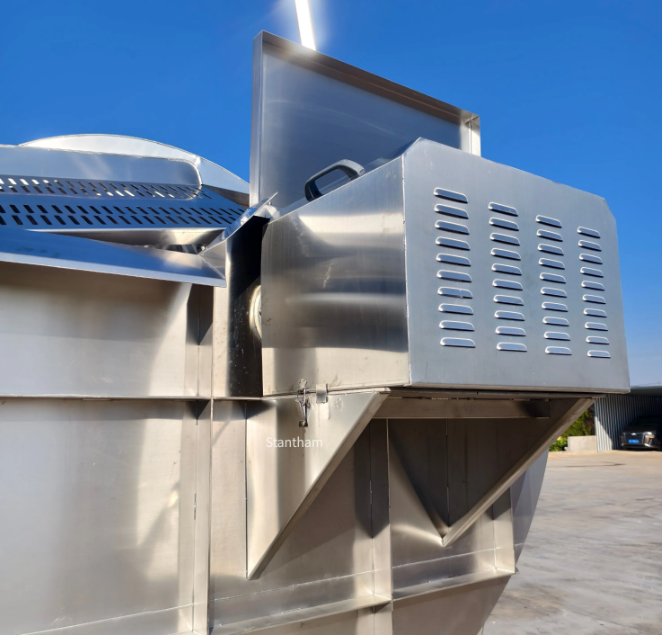
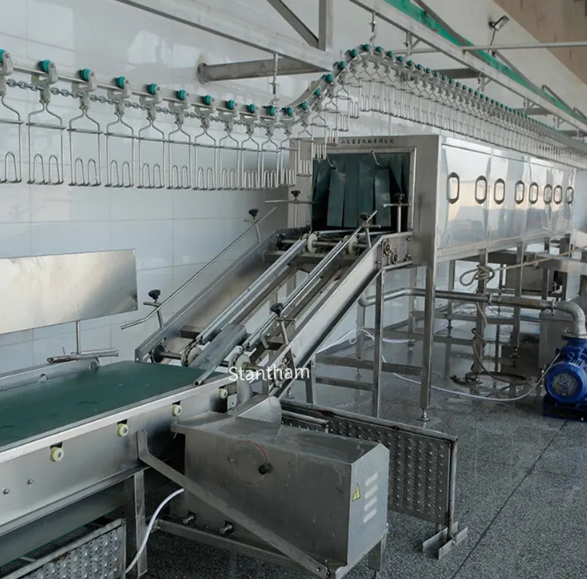
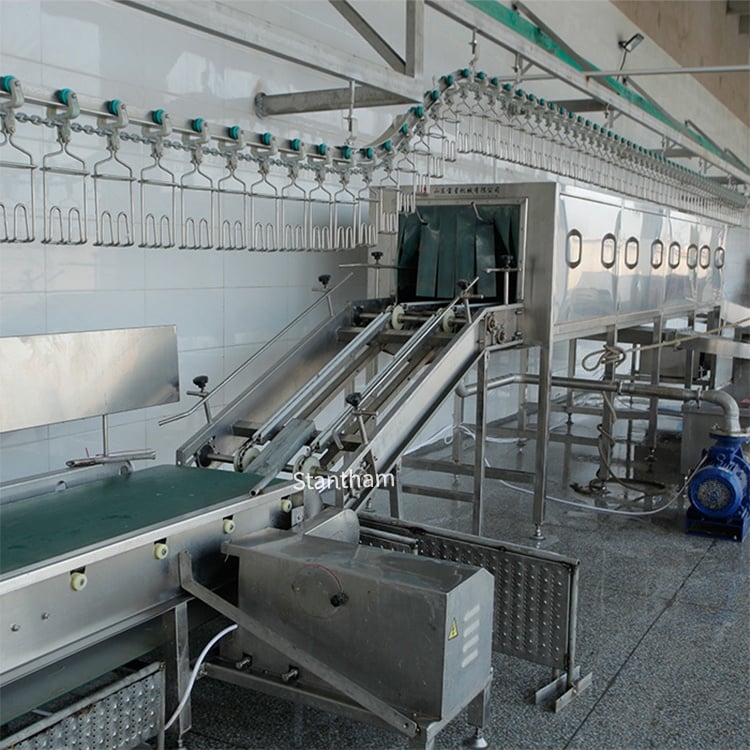
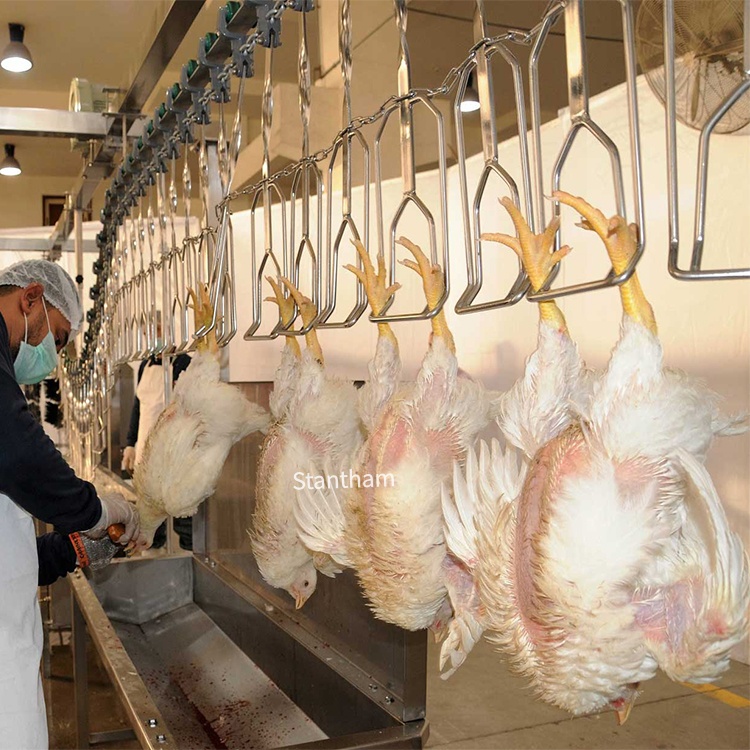
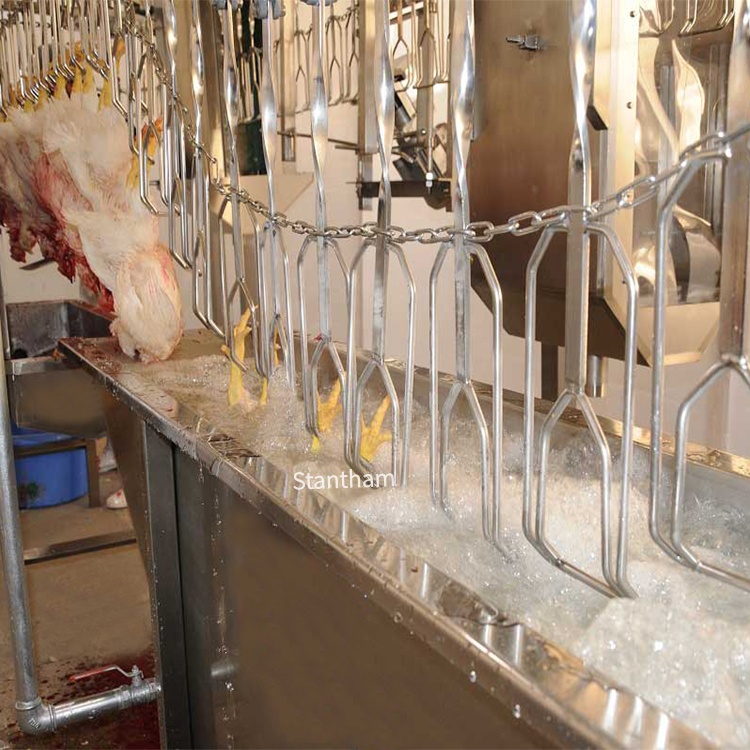
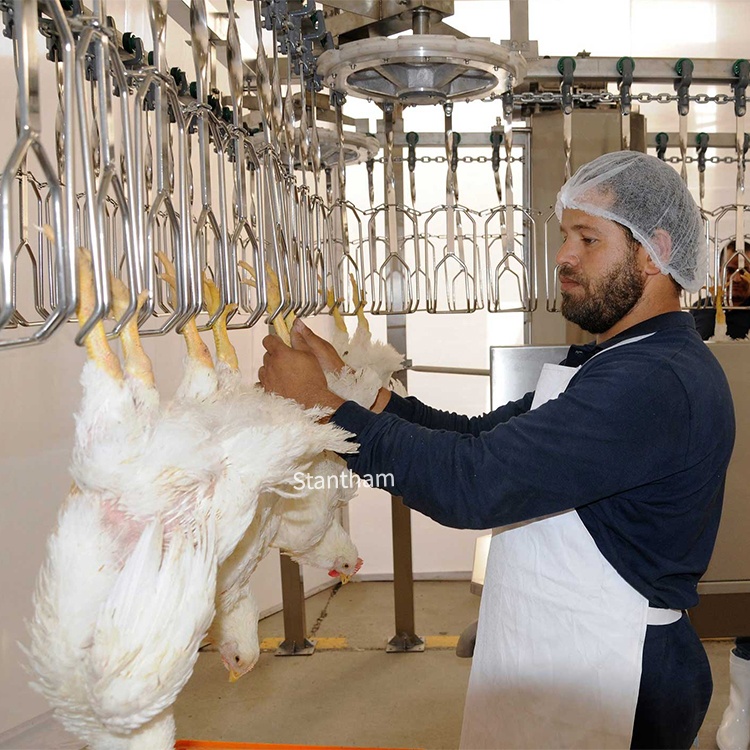
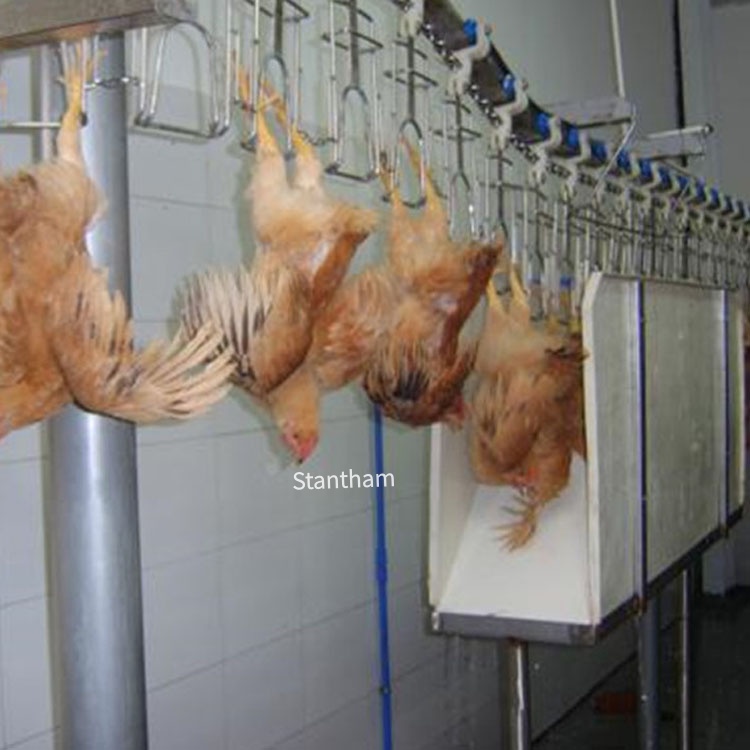
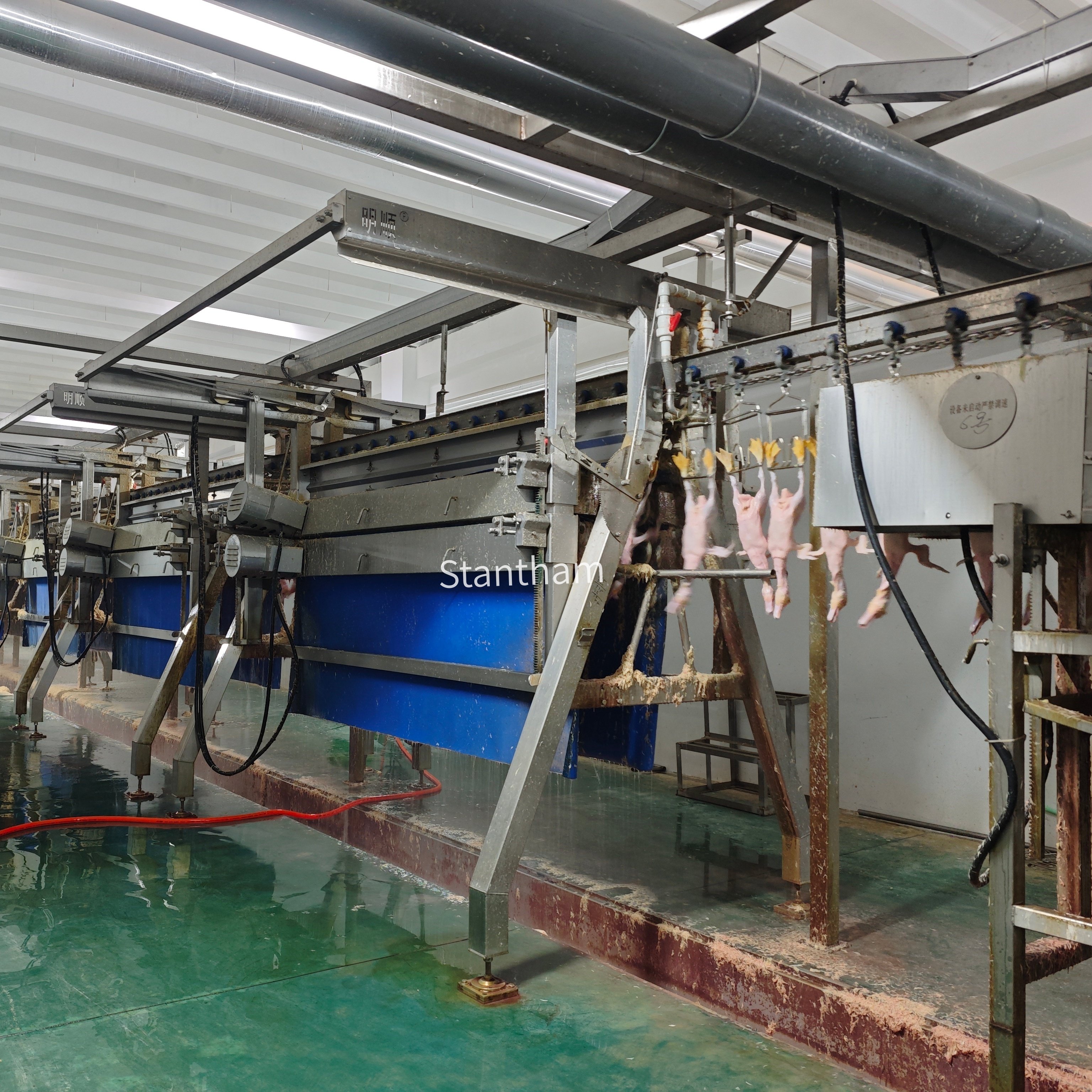
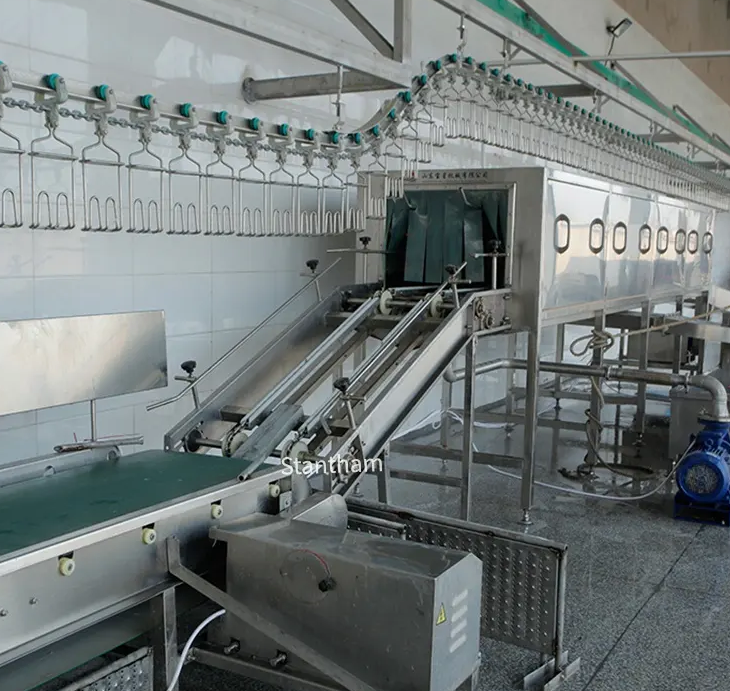
A chicken processing line covers the full path after slaughter: scald, pluck, eviscerate, chill, cut-up, and pack under one coordinated control. Mid-size integrators running 1000 to 2000 birds per hour gain traceability that satisfies HACCP and BRC audits. Stainless contact zones are passivated, and every station logs time and temperature for the inspector. Labor drops because grading and cut-up feed the same line instead of separate rooms. Owners report fewer customer complaints once portion weights stay consistent. The line usually pays back within two years on labor savings and premium pack pricing alone.
Get A Quote

Case Study

Integrator In Brazil

A Brazilian integrator running 1500 birds per hour was losing margin on inconsistent portions and manual cut-up. The chicken processing line linked evisceration, chill, and cut-up so every portion hit target weight within five grams. HACCP logs were automatic, cutting audit prep from two days to four hours. Labor fell by nine workers per shift while output rose. Retail contracts that once rejected the plant now accept daily loads. The plant reinvested savings into a second chill tunnel. Payback came in twenty-two months on labor and premium pack pricing, and the freed crew moved to value-added marination.

Processor In Malaysia

A Malaysian halal processor needed full traceability from live bird to packed tray for Gulf export. The chicken processing line recorded each station's time and temperature, producing audit-ready files without manual sheets. Cut-up yields rose because blades were tuned to bird size, lifting breast recovery by four percent. Stainless zones passed the halal hygiene inspection on the first visit. Cold-chain entry sped up by twelve minutes per batch. Within twenty months the export volume doubled, and the line's consistent portions won a second Gulf distributor without a price discount.

Cooperative In Poland

A Polish cooperative processing 1000 birds per hour wanted to add cut-up without building a new hall. The chicken processing line bolted cut-up onto the existing chill exit, keeping the footprint unchanged. Portion weights stabilized within six grams, reducing giveaway that had eroded margin. BRC audit preparation dropped to half a day thanks to automatic logs. Three workers moved from manual trimming to packing, raising throughput per shift. Members reinvested the savings into feed quality. Payback came in twenty-four months, and neighboring cooperatives toured the site as a model for their own upgrade.

Related products

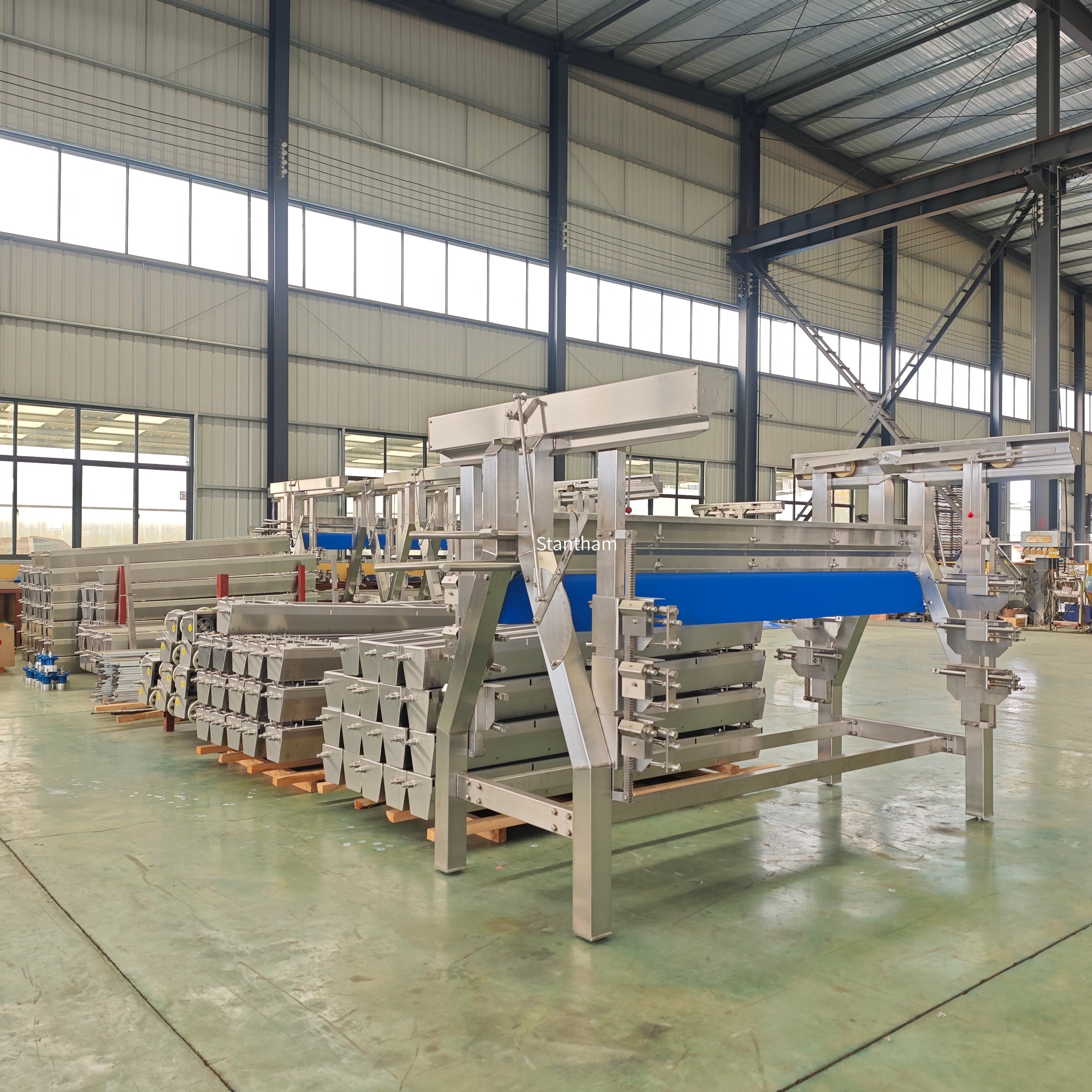
A chicken processing line should turn live birds into consistent, audit-ready product without multiplying your headcount, so we design every station around one control logic and your target throughput. We model cut-up yields, water, and chill load before fabrication, then commission with a signed acceptance test and operator training. Stainless contact zones are passivated for verified food safety, and automatic logs capture time and temperature at each step for HACCP or BRC inspectors. A ten-year spare commitment guards against obsolescence, and regional hubs keep wear parts within seventy-two hours of most ports. When demand grows, bolt-on marination or further packing extends capacity without relaying foundations, and our engineers stay available for annual hygiene audits.

Frequently Asked Questions

What throughput do these lines handle?

Mid-size lines run 1000 to 2000 birds per hour, coordinated so cut-up and packing keep pace with evisceration without bottlenecks that raise labor or portion giveaway.
Each station logs time and temperature automatically, producing HACCP or BRC-ready files that cut audit prep from days to hours and remove manual sheet errors.
Yes. Cut-up bolts onto the chill exit, so you add further processing without a new hall or relaying foundations, keeping the original footprint unchanged.
Plants commonly cut nine workers per shift by linking grading and cut-up into one line, moving the freed crew to packing or value-added work where margins are higher.
Stainless, passivated zones and full traceability from live bird to tray satisfy halal and Gulf inspections without retrofitting or after-market modifications.

Related article

How does a mobile slaughterhouse bring processing capacity directly to remote poultry farms?

04

Jun

How does a mobile slaughterhouse bring processing capacity directly to remote poultry farms?

Redefining Slaughter Infrastructure for Geographically Dispersed Farms Processing poultry in isolated regions has always been a logistical headache. Fixed slaughterhouses demand large capital outlays, centralized collection routes, and reliable col...
View More
Is a Poultry Chiller Machine Right for Your Facility?

10

Jun

Is a Poultry Chiller Machine Right for Your Facility?

Understanding What a Poultry Chiller Actually Does A poultry chiller machine is not simply a cold water tank. It is a controlled thermal exchange system designed to bring freshly eviscerated carcasses from roughly thirty-five degrees Celsius down t...
View More
How does a mechanical chicken slaughter system minimize bone breakage compared to manual methods?

22

Jun

How does a mechanical chicken slaughter system minimize bone breakage compared to manual methods?

The Bone Breakage Problem Nobody Talks About Walk into any medium-sized poultry processing plant and ask the quality control manager about their biggest headache. Chances are, bone breakage ranks near the top. Not the dramatic compound fractures, b...
View More
How does chicken slaughter equipment with an integrated bleeding tunnel improve blood drainage efficiency?

03

Jul

How does chicken slaughter equipment with an integrated bleeding tunnel improve blood drainage efficiency?

The Bleeding Tunnel: More Than Just a Conveyor Walk into any medium-to-large poultry processing facility, and the bleeding section tells a story about the operation's overall discipline. Some plants run tight, clean lines where carcasses move through...
View More

Customer Testimonials

R. Almeida

Our old manual cut-up wasted labor and portions varied by twenty grams; the chicken processing line linked everything and held weights within five grams. HACCP logs are automatic, audit prep dropped from two days to four hours, and we cut nine workers per shift while raising output. Retail contracts that rejected us now take daily loads, and payback came in twenty-two months on labor and premium pricing.

H. Rahman

As a Malaysian halal processor, we needed traceability to packed tray for Gulf export. The line logs every station and passed halal inspection first visit. Breast recovery rose four percent and cold-chain entry sped up twelve minutes per batch. Export volume doubled in twenty months and we won a second Gulf distributor without discounting, which protected our margin through the season.

Get a Free Quote

Our representative will contact you soon.
Email
Name
Company Name
Mobile/WhatsApp
Message
0/1000
One Line, Full Control

One Line, Full Control

A chicken processing line unites scald, pluck, eviscerate, chill, cut-up, and pack under a single control, which matters when you must keep portion weights tight and audits clean. Operators learn one logic instead of five machines, reaching full speed within two shifts. Automatic logs capture each step for the inspector without manual sheets. Buyers gain a partner who owns the whole path from receiving to packed tray. This coordination protects daily output and the value of the capital invested on the floor.
Traceability Built In

Traceability Built In

Modern buyers and inspectors demand proof, so the line records time and temperature at every station and exports audit-ready files on request. Plants cut HACCP or BRC prep from days to hours and remove the errors that manual sheets invite. The consistent, traceable output also protects premium price points that brokers otherwise erode with deductions. Owners gain a system built for the economics of contract supply, turning compliance from a cost into a sales advantage that opens export doors.
Grows With The Order Book

Grows With The Order Book

Demand swings with season and contract, so the line is modular to absorb changes without stopping. When orders grow, bolt-on marination or extra packing adds capacity without relaying foundations or extending the hall. Standardized stainless stations keep the hygienic finish consistent as the line expands. Common spare parts simplify inventory across old and new sections. Plants scale from regional to multi-destination export volume on one coordinated system that protects the first investment.

Get a Free Quote

Our representative will contact you soon.
Email
Name
Company Name
Mobile/WhatsApp
Message
0/1000