Mobile Abattoir: Stress-Free On-Farm Slaughter & 28% Premium Pricing

+86-18866172299
All Categories
On-Farm Mobile Abattoir for Stress-Free, Higher-Value Meat

On-Farm Mobile Abattoir for Stress-Free, Higher-Value Meat

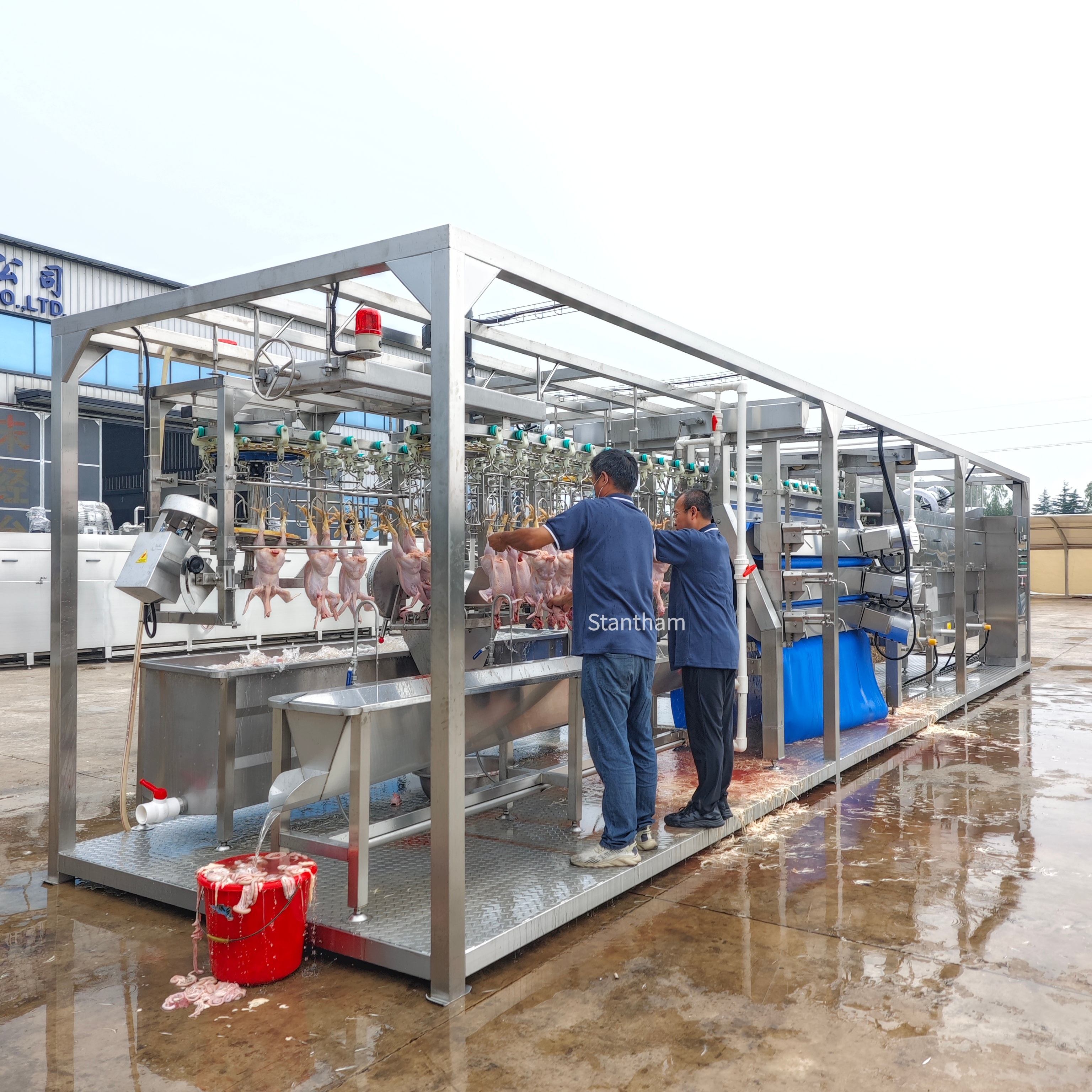
A mobile abattoir brings the harvest to the pasture, eliminating live transport and its toll on meat quality. A Wyoming beef operation recorded zero dark cutters and a 9% improvement in tenderness scores after switching from a distant plant, saving $38 per head in freight and shrink. The self-contained unit processes up to 10 cattle, 40 hogs, or 300 birds daily on level ground with only water and power, and setup takes 40 minutes. Stainless steel interiors with sloped surfaces deliver a 98% first-pass ATP swab rate, meeting USDA mobile inspection standards. For sheep and goat producers, the gentle restraint keeps stress hormones low, preserving flavor. Offal, blood, and process water are fully captured for composting, so there is no discharge. By controlling the harvest, ranchers capture premium direct-market prices, strengthen their brand, and shorten the supply chain to a single day.
Get A Quote

Case Study

Montana Ranch Slashes Dark Cutters and Builds a Premium Brand

A 400-head grass-fed beef ranch in Montana faced a six-month processing backlog and chronic dark cutting from long hauls. They deployed a Turnkey mobile abattoir sized for 8 cattle per day, complete with on-trailer dry-aging. In the first year, they processed 220 head entirely on-farm and recorded zero dark cutters, a defect that previously cost $65 per carcass. Tenderness ratings rose 10%, allowing a direct-to-consumer beef box program at a 28% premium. The unit’s hydraulic stunning and quiet handling keep cortisol low, while immediate chilling locks in color. Water consumption is held to 150 gallons per bovine, and blood is captured for organic fertilizer. The investment paid back in 14 months through premium pricing and eliminated hauling, and the ranch now hosts processing days for three neighbors as a secondary income stream.

Iowa Farm Diversifies with Mobile Pork and Lamb Processing

A diversified Iowa farm raising hogs and lambs for niche markets needed a flexible, compact solution. Turnkey configured a multi-species mobile abattoir with a convertible scalder-dehairer and an adjustable rail system. Switching between pork and lamb takes under 20 minutes. The farm now processes 15 hogs or 25 lambs weekly, selling whole and half carcasses at farmers’ markets at a 35% price premium. The air-chill compartment yields firmer fat and extended shelf life, which retailers value. Direct sales increased farm revenue by $52,000 in the first year. The stainless interior, quick-connect hot water, and segregated waste capture passed state inspection on the first audit. This mobile abattoir turned a labor-intensive, off-farm bottleneck into a value-added profit center that operates year-round on a concrete pad beside the barn.

Rural Cooperative Secures Regional Meat Supply with a Shared Mobile Unit

Seven small livestock farms in an Appalachian food desert lost their only local processor. They formed a cooperative and purchased a Turnkey mobile abattoir to rotate among member farms. The unit processes 8 cattle, 30 hogs, or 40 sheep per visit, and a trained two-person crew handles all species. In two years, the co-op processed over 900 animals, marketing meat under a regional brand to urban buyers at a 22% premium. The built-in data logger tracks chilling temperatures and wash cycles for audit compliance, and the closed-loop waste system protects sensitive mountain watersheds. Members saved an average of $42 per animal in transport and shrink, while slaughter fees stay within the community. This collaborative model revived small-scale livestock farming, created four jobs, and secured a stable local protein supply, all without building a permanent plant.

Related products

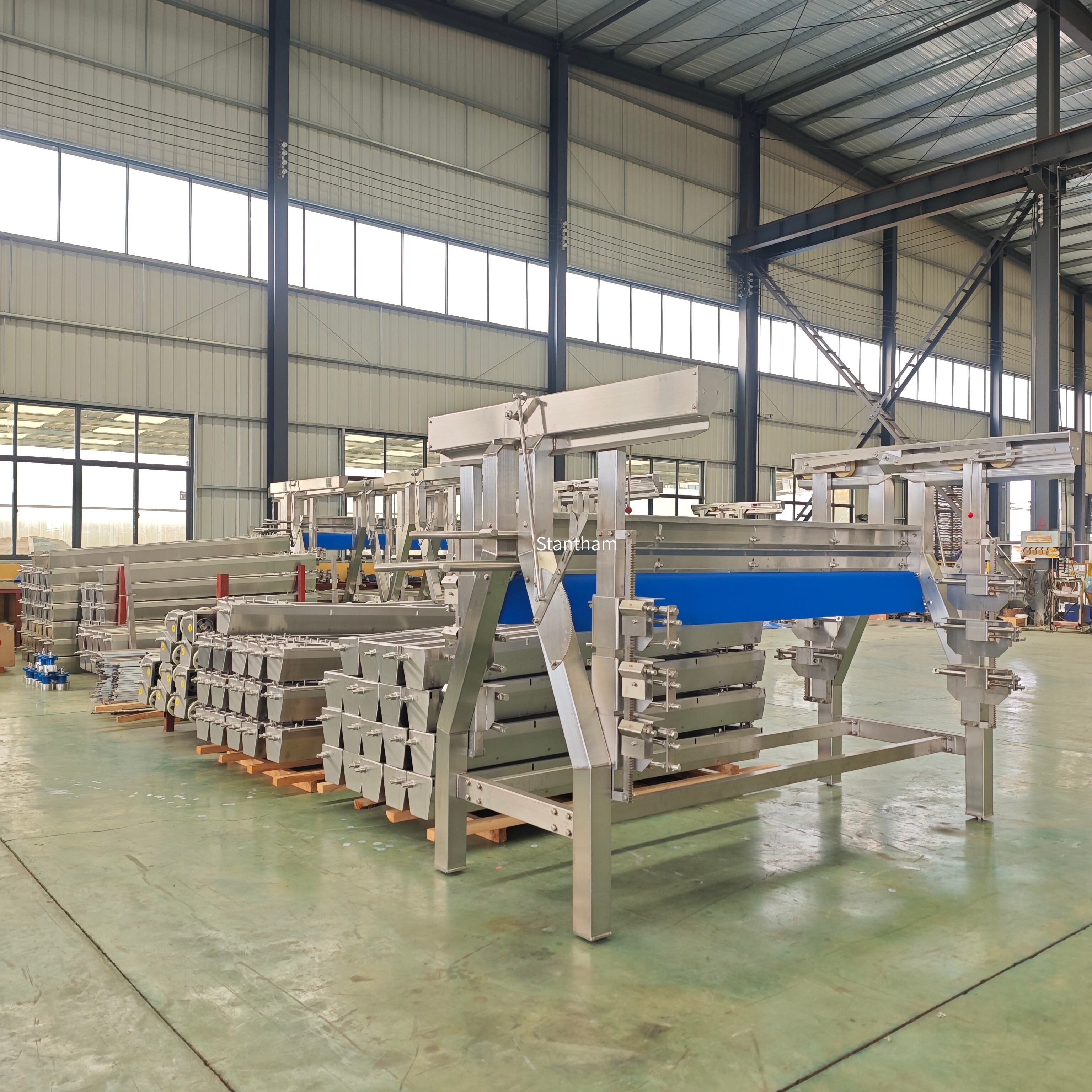
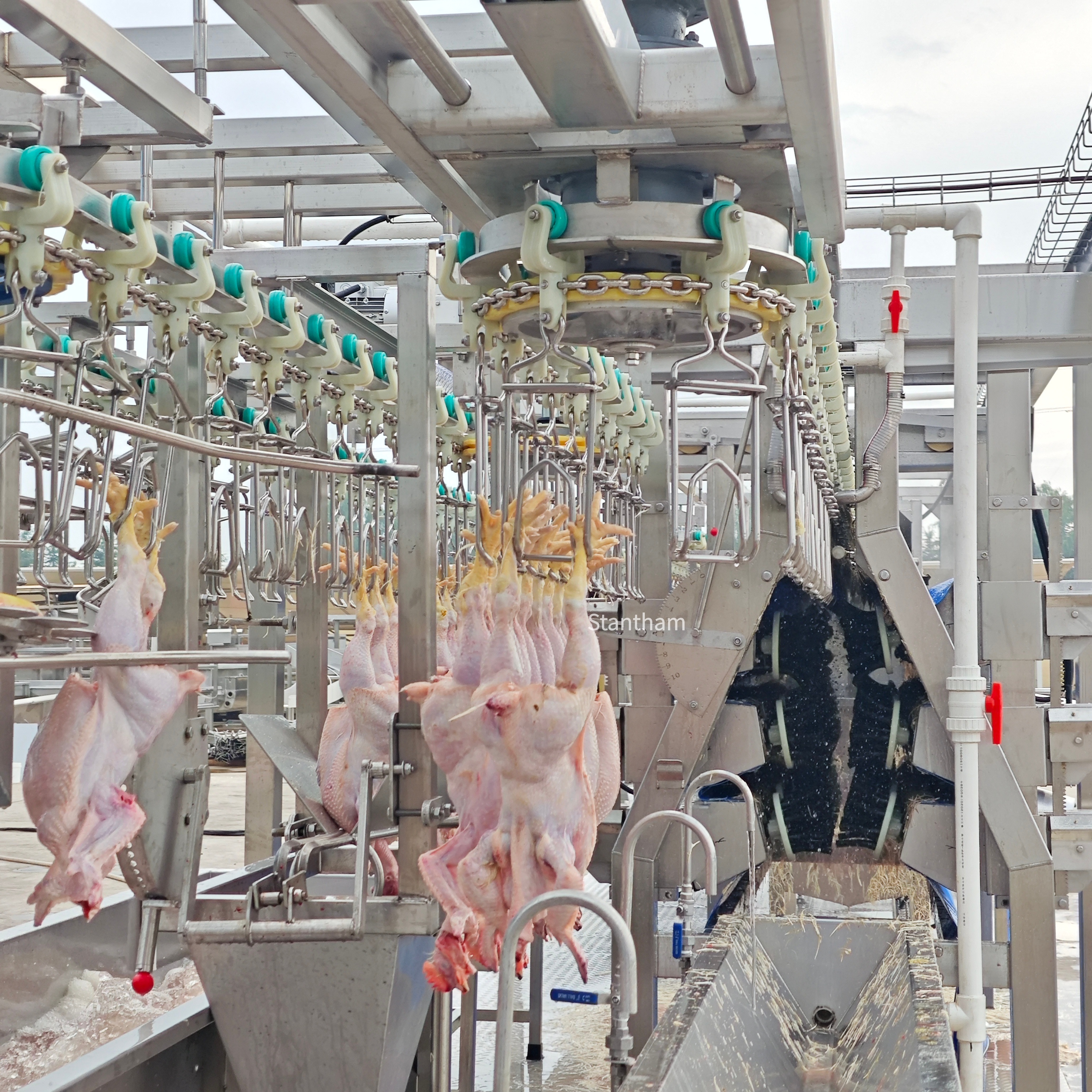
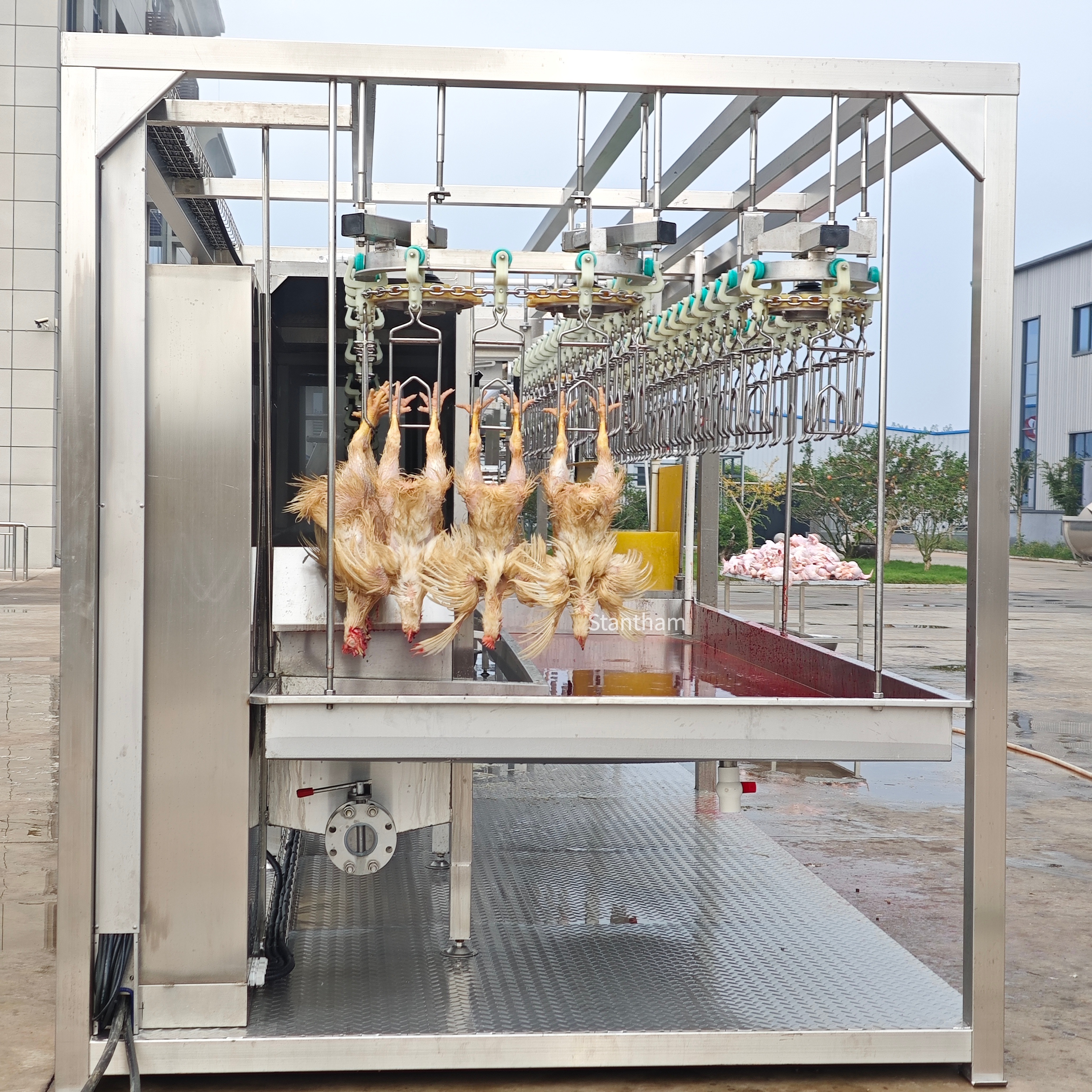
Turnkey designs mobile abattoirs that place a complete, sanitary slaughter floor on a single trailer. Built for cattle, hogs, sheep, goats, and poultry, each unit integrates stunning, bleed rail, hide puller or dehairer, evisceration table, and refrigerated holding within a 48- to 53-foot chassis. The interior is fabricated from fully welded 304 stainless steel with sloped floors and sealed bearings, surviving daily foaming and delivering consistent pre-op ATP pass rates above 97%. An onboard 300-gallon potable water tank and high-pressure, low-flow sprayers cut water use to 140 gallons per bovine while capturing all effluent in a separate tank for land application. A Colorado cooperative using our unit processed 500 beef in one year, cutting live haul by 19,000 miles and eliminating dark cutters entirely. Real-time temperature logging and RFID carrier tracking generate audit-ready records for USDA or provincial inspection. Whether you run a single ranch or a multi-farmer cooperative, Turnkey provides two weeks of operator training, a HACCP template, and remote support. The modular design accepts cold-weather packages, solar arrays, and quick-change tooling, ensuring your mobile abattoir remains profitable and compliant wherever your animals are raised.

Frequently Asked Questions

What species can a mobile abattoir process?

Our standard units handle cattle, hogs, sheep, goats, and poultry. Quick-change stunning tools, adjustable rails, and convertible scalding tanks allow species changeover in under 20 minutes. A single trailer can serve beef one day and pork the next without mechanical modifications.
Yes, it is built to USDA mobile slaughter guidelines with distinct clean and dirty zones, hot water hand sinks, and sealed wastewater capture. We provide HACCP plan templates and guide you through the grant-of-inspection process so you can sell meat legally.
You need a level pad, a 240V generator or shore power, and a potable water source. The onboard tank supplies a full processing day, and all waste is captured onboard for later land application or composting, requiring no sewer or concrete slab.
Eliminating live transport reduces cortisol and preserves muscle glycogen, preventing dark, tough meat. Immediate on-trailer chilling locks in color and tenderness. Producers consistently report zero dark cutters and a measurable improvement in tenderness and shelf life.
Most operations recoup costs in 12 to 18 months through savings on freight, reduced shrink, and premium direct-market pricing. Cooperatives also generate slaughter-fee revenue. One Montana ranch documented a 28% price uplift and full payback in 14 months.

Related article

Is a Poultry Chiller Machine Right for Your Facility?

10

Jun

Is a Poultry Chiller Machine Right for Your Facility?

Understanding What a Poultry Chiller Actually Does A poultry chiller machine is not simply a cold water tank. It is a controlled thermal exchange system designed to bring freshly eviscerated carcasses from roughly thirty-five degrees Celsius down t...
View More
How does a mechanical chicken slaughter system minimize bone breakage compared to manual methods?

22

Jun

How does a mechanical chicken slaughter system minimize bone breakage compared to manual methods?

The Bone Breakage Problem Nobody Talks About Walk into any medium-sized poultry processing plant and ask the quality control manager about their biggest headache. Chances are, bone breakage ranks near the top. Not the dramatic compound fractures, b...
View More
How does chicken slaughter equipment with an integrated bleeding tunnel improve blood drainage efficiency?

03

Jul

How does chicken slaughter equipment with an integrated bleeding tunnel improve blood drainage efficiency?

The Bleeding Tunnel: More Than Just a Conveyor Walk into any medium-to-large poultry processing facility, and the bleeding section tells a story about the operation's overall discipline. Some plants run tight, clean lines where carcasses move through...
View More
Advanced Optimization of Custom Chicken Slaughter Equipment

10

Jul

Advanced Optimization of Custom Chicken Slaughter Equipment

The Customization Imperative in Poultry Processing Poultry processing lines look similar from a distance—shackles, conveyors, scalders, pluckers, evisceration stations. But step closer and the differences become obvious. One plant runs 12,000 b...
View More

Customer Testimonials

Dan K.

Our mobile abattoir processes 8 cattle per day on pasture. We have had zero dark cutters since day one, and tenderness scores are excellent. Direct beef sales now earn a 32% premium. Cleanup is fast, and inspections are always clean. The unit paid for itself in 13 months. It gave us complete control over our product.

Ellen M.

We run a cooperative mobile abattoir for seven farms, handling beef, hogs, and lamb. Species changeover is quick, and the air-chill quality is superb. Our regional brand commands a 24% price premium. Turnkey’s training and support were first-rate. This unit is the engine of our local meat economy.

Get a Free Quote

Our representative will contact you soon.
Email
Name
Company Name
Mobile/WhatsApp
Message
0/1000
Humane On-Farm Harvest for Superior Meat Quality

Humane On-Farm Harvest for Superior Meat Quality

A mobile abattoir eliminates the single greatest threat to meat quality: live transport stress. Animals are handled quietly in familiar surroundings, keeping cortisol low and muscle glycogen high. This stabilizes pH decline and prevents dark cutters, producing bright, firm beef and pork that consistently grades higher. One grass-fed cooperative documented a 9% improvement in Warner-Bratzler shear force tenderness and a zero-dark-cutter record over 400 animals after switching to on-farm slaughter. Immediate post-slaughter chilling on the trailer locks in that quality within minutes. For niche producers marketing premium meat, this welfare-first approach delivers measurable eating quality gains that justify a 25% to 30% retail premium, building brand trust and repeat customers.
Rapid Multi-Species Changeover and Deployment

Rapid Multi-Species Changeover and Deployment

Turnkey’s mobile abattoir is engineered for operational flexibility across species and locations. A single trailer converts from cattle to hogs to lambs by swapping the stunning apparatus, adjusting the overhead rail height, and engaging the hydraulically operated scalder. The entire changeover takes under 20 minutes using quick-release pins. The unit deploys from the hitch to full operation in 40 minutes on compacted gravel or a concrete pad, needing only a generator and water source. This rapid setup enabled an Iowa cooperative to process three different species across four farms in a single week, maximizing asset utilization. The modular design also accepts cold-weather insulation and solar panel packages, making it viable for remote sites and year-round scheduling without the multi-year capital timeline of a fixed brick-and-mortar plant.
Closed-Loop Waste Capture and Water Stewardship

Closed-Loop Waste Capture and Water Stewardship

Processing waste management is built into the design of a Turnkey mobile abattoir. Blood, paunch, and process water are captured in dedicated sealed compartments—blood is pumped for composting or rendering, while paunch contents remain contained for land application. High-pressure, low-flow sprayers reduce water consumption to 140 gallons per bovine, about half the usage of a typical small fixed plant, with all wastewater stored in a 400-gallon sealed tank. A Wisconsin cooperative processed 130 animals in one year without a single environmental complaint, as verified by county inspectors. The trailer’s impervious floor bunding prevents any spill, and biodegradable foamers ensure washdown chemicals break down safely. For producers pursuing organic or regenerative certifications, this closed-loop system turns a regulatory challenge into a documented nutrient-cycling asset that strengthens the farm’s sustainability credentials and consumer story.

Get a Free Quote

Our representative will contact you soon.
Email
Name
Company Name
Mobile/WhatsApp
Message
0/1000