Mobile Poultry Abattoir: 300 Birds/Day On-Farm Processing

+86-18866172299
All Categories
On-Farm Mobile Poultry Abattoir for Maximum Freshness and Profit

On-Farm Mobile Poultry Abattoir for Maximum Freshness and Profit

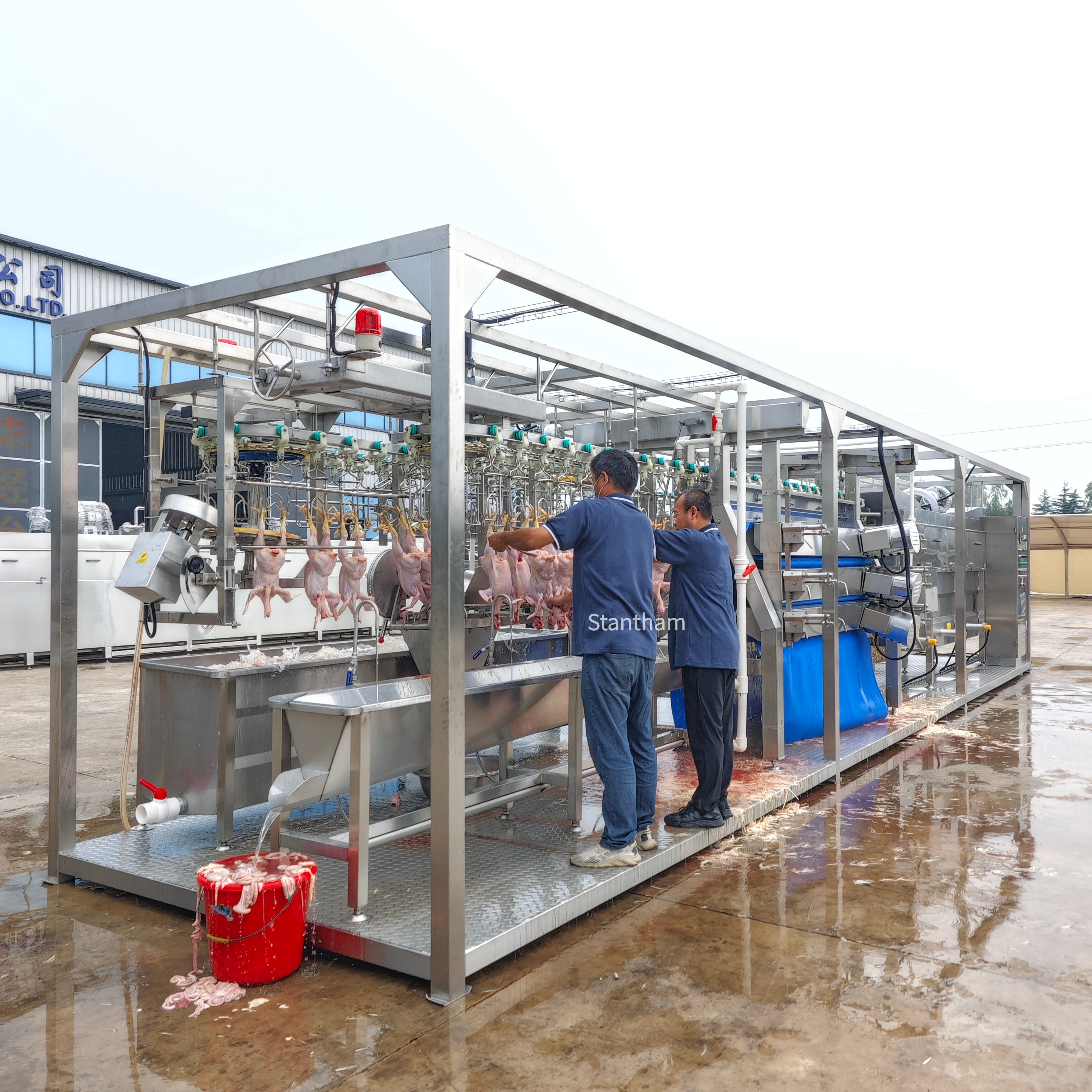
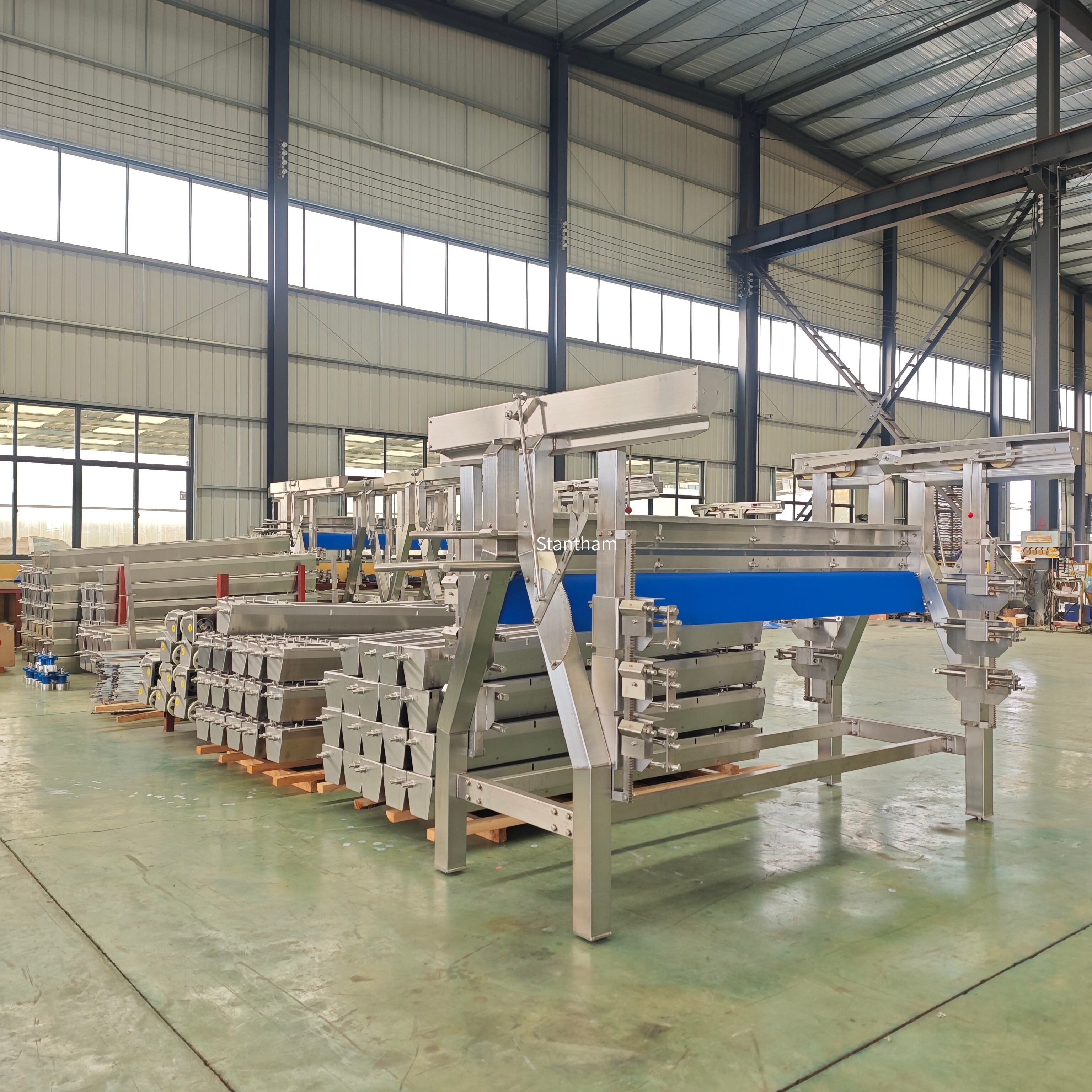
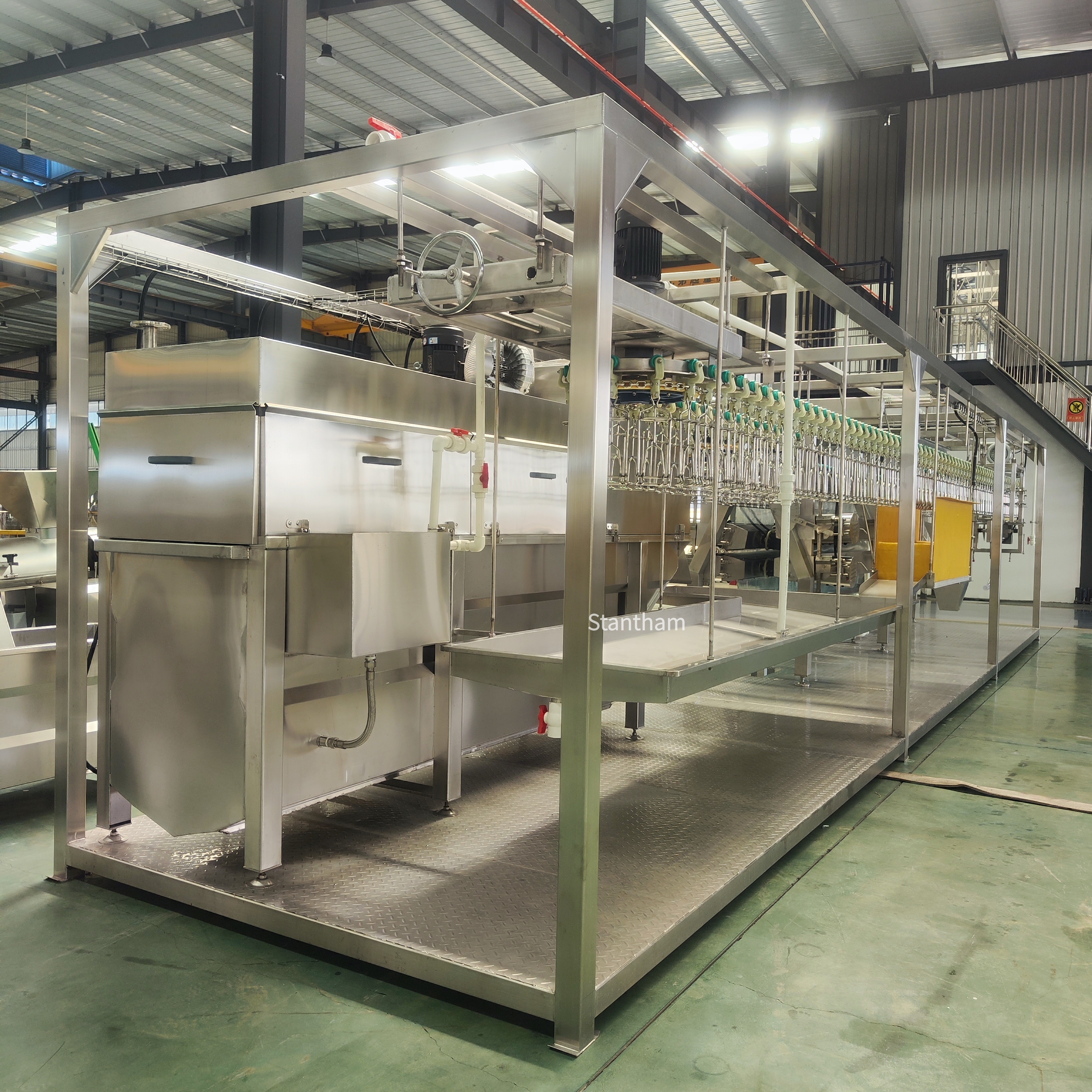
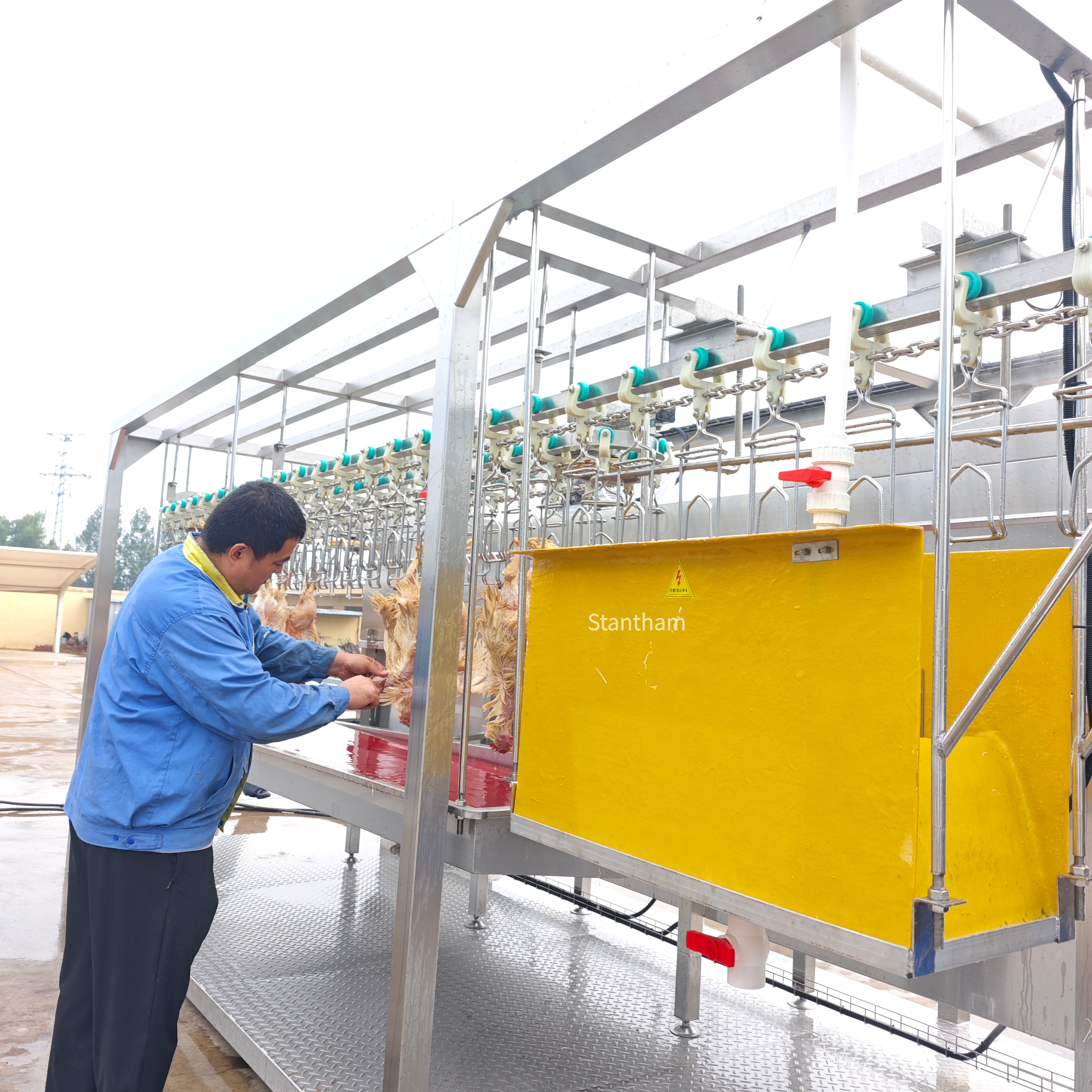
Our mobile poultry abattoir processes up to 300 birds per day directly on pasture, eliminating live haul stress and mortality. A Vermont producer recorded a 1.6% drop in dead-on-arrival and a 12% improvement in breast meat tenderness after switching from a fixed plant. The compact trailer integrates scalding, plucking, evisceration, and air chilling, meeting state mobile processing regulations. Producers save $0.18 per bird in transport and shrink, while capturing offal for composting. A 200-gallon onboard water system and wastewater tank allow operation without municipal hookups. The stainless-steel interior slopes to drains, passing third-party swab audits at 98%. Setup takes 30 minutes, enabling small flocks to be processed immediately, preserving the premium quality that direct-market customers demand.
Get A Quote

Case Study

Vermont Pasture Farm Adds Direct Sales with a Mobile Poultry Unit

An organic broiler farm faced a 12-week processing backlog at the nearest plant, stalling cash flow. They purchased a Turnkey mobile poultry abattoir capable of handling 280 birds daily. Within two weeks, they processed 1,600 birds and launched an on-farm store. Whole chickens now sell at a 38% premium over wholesale. The unit’s efficient scalder and plucker leave skin intact for premium presentation. Water consumption is just 1.2 liters per bird, with all wastewater contained for land application. The farm also processes for three neighbors, generating additional processing-fee income. Annual transport miles were cut by 8,500, and the total investment was recouped in 9 months through higher margins and lower shrink.

Community Cooperative Secures Local Poultry Supply in Food Desert

A rural cooperative in New Mexico lacked any poultry processing within 120 miles. Turnkey built a mobile poultry abattoir shared by 11 member farms. The unit rotates weekly, processing 250 birds per visit. The co-op markets fresh, whole broilers under a regional brand, achieving a 27% price premium over commodity chicken. The trailer’s air-chill system extends shelf life by four days, reducing retail waste. Water recycling cuts usage to 0.9 liters per bird, and the solar panel array reduces generator runtime by 40%. In the first year, 14,500 birds were processed, creating three jobs. The model has attracted grant funding for expansion, proving mobile abattoirs can anchor local food systems.

Emergency Response Unit Saves Flock During Plant Shutdown

When a regional poultry plant abruptly closed, a Pennsylvania grower had 3,000 ready-to-harvest chickens facing depopulation. Turnkey delivered a mobile poultry abattoir within 10 days. The unit processed 300 birds per day, allowing the grower to sell direct to consumer and avoid complete loss. Post-crisis, the farm kept the unit for bi-weekly processing, building a branded pasture-raised line now in local grocery stores. Meat quality data showed a 15% improvement in fillet texture scores compared to previously trucked birds. Water usage of 1.1 liters per bird and closed-loop waste handling satisfied environmental regulators. The initial emergency purchase transformed into a permanent, profitable diversification.

Related products

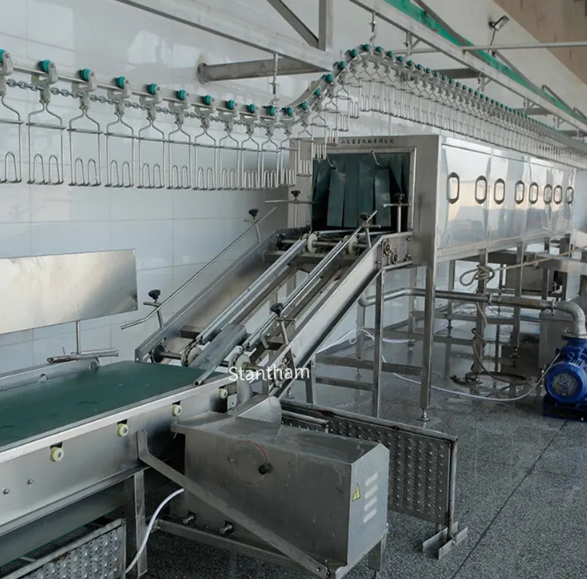
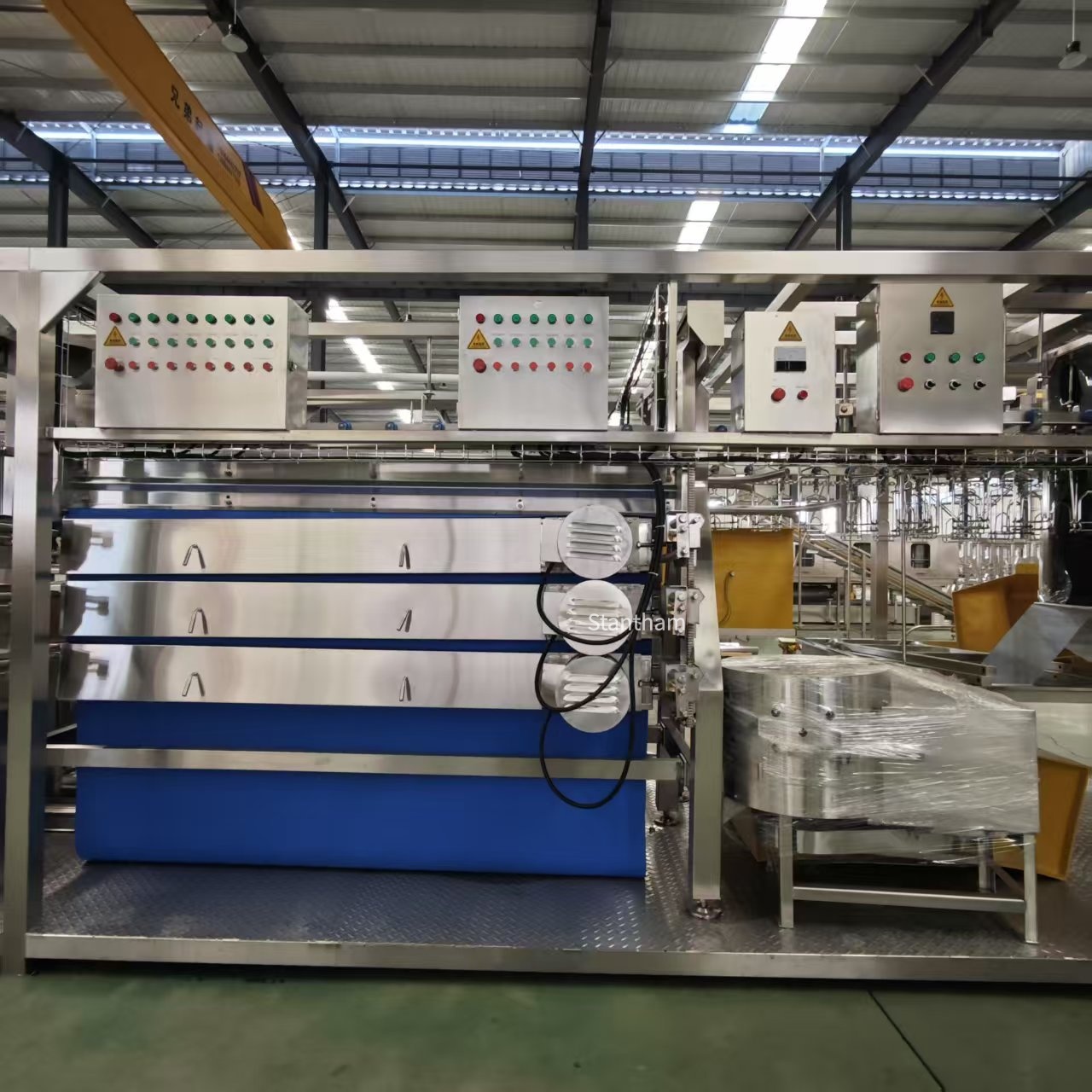
Turnkey Slaughter’s mobile poultry abattoir delivers a complete, USDA-compliant processing line in a single trailer. Designed for broilers, turkeys, and spent hens, it handles 200 to 400 birds daily with a two-person crew. The unit integrates a three-zone scalder, rotary plucker, evisceration trough, and air-chill compartment within a 24-foot chassis. Stainless-steel construction and sloped floors ensure rapid sanitation, achieving ATP pass rates above 97% in independent audits. An onboard 200-gallon water system and sealed waste tank enable remote operation. A Pennsylvania cooperative reported a 15% improvement in fillet texture and a 4-day shelf-life gain using the air-chill module. Processors eliminate live transport costs, reduce condemnation, and capture premium retail prices. Turnkey provides two weeks of operator training, HACCP documentation, and inspection support. Whether you serve a single farm or a multi-grower cooperative, our mobile abattoir gives you control over harvest timing, product quality, and brand integrity.

Frequently Asked Questions

What daily throughput can a mobile poultry abattoir handle?

Our standard unit processes 250 to 400 birds per day, depending on configuration. The modular layout scales from small broilers to large turkeys. A two-person team can comfortably manage the full kill-to-chill cycle within a regular work shift.
Yes, it meets USDA mobile poultry processing rules with separate clean and dirty zones, hot water sanitizers, and wastewater capture. We provide HACCP templates and guide you through state or provincial license applications for on-farm processing.
Air chilling avoids water absorption and cross-contamination, preserving natural skin color and firm texture. Independent testing shows a 4-day shelf-life extension and improved breast tenderness. It also saves water and allows direct bagging from the chill compartment.
The unit needs a 240V generator connection or shore power and a potable water source. The onboard tank holds 200 gallons. Wastewater is captured for land application or composting, so no sewer hookup is required. Setup is under 30 minutes.
Absolutely. Scalder temperature, plucker dwell time, and chilling settings are adjustable. Quick-change tooling converts the line from broilers to turkeys in minutes. One co-op rotates between chicken and turkey flocks without any mechanical modifications.

Related article

Is a Poultry Chiller Machine Right for Your Facility?

10

Jun

Is a Poultry Chiller Machine Right for Your Facility?

Understanding What a Poultry Chiller Actually Does A poultry chiller machine is not simply a cold water tank. It is a controlled thermal exchange system designed to bring freshly eviscerated carcasses from roughly thirty-five degrees Celsius down t...
View More
How does a mechanical chicken slaughter system minimize bone breakage compared to manual methods?

22

Jun

How does a mechanical chicken slaughter system minimize bone breakage compared to manual methods?

The Bone Breakage Problem Nobody Talks About Walk into any medium-sized poultry processing plant and ask the quality control manager about their biggest headache. Chances are, bone breakage ranks near the top. Not the dramatic compound fractures, b...
View More
How does chicken slaughter equipment with an integrated bleeding tunnel improve blood drainage efficiency?

03

Jul

How does chicken slaughter equipment with an integrated bleeding tunnel improve blood drainage efficiency?

The Bleeding Tunnel: More Than Just a Conveyor Walk into any medium-to-large poultry processing facility, and the bleeding section tells a story about the operation's overall discipline. Some plants run tight, clean lines where carcasses move through...
View More
Advanced Optimization of Custom Chicken Slaughter Equipment

10

Jul

Advanced Optimization of Custom Chicken Slaughter Equipment

The Customization Imperative in Poultry Processing Poultry processing lines look similar from a distance—shackles, conveyors, scalders, pluckers, evisceration stations. But step closer and the differences become obvious. One plant runs 12,000 b...
View More

Customer Testimonials

Laura G.

Our mobile poultry abattoir gave us processing independence. We handle 280 chickens a day on-farm, and breast meat quality is visibly superior. The plucker is gentle, skin tears are near zero. We sell directly at a 42% premium. Cleanup takes 25 minutes and passes inspection every time. The unit paid for itself in 8 months.

Dan R.

Our cooperative’s mobile unit processes for 12 farms. We’ve cut bird transport by 11,000 miles yearly. Meat shelf life is extended four days, reducing store waste. The Turnkey team trained our crew within a week. This abattoir is the backbone of our local poultry brand. It’s reliable, sanitary, and surprisingly compact.

Get a Free Quote

Our representative will contact you soon.
Email
Name
Company Name
Mobile/WhatsApp
Message
0/1000
Gentle Plucking and Scalding for Premium Skin Finish

Gentle Plucking and Scalding for Premium Skin Finish

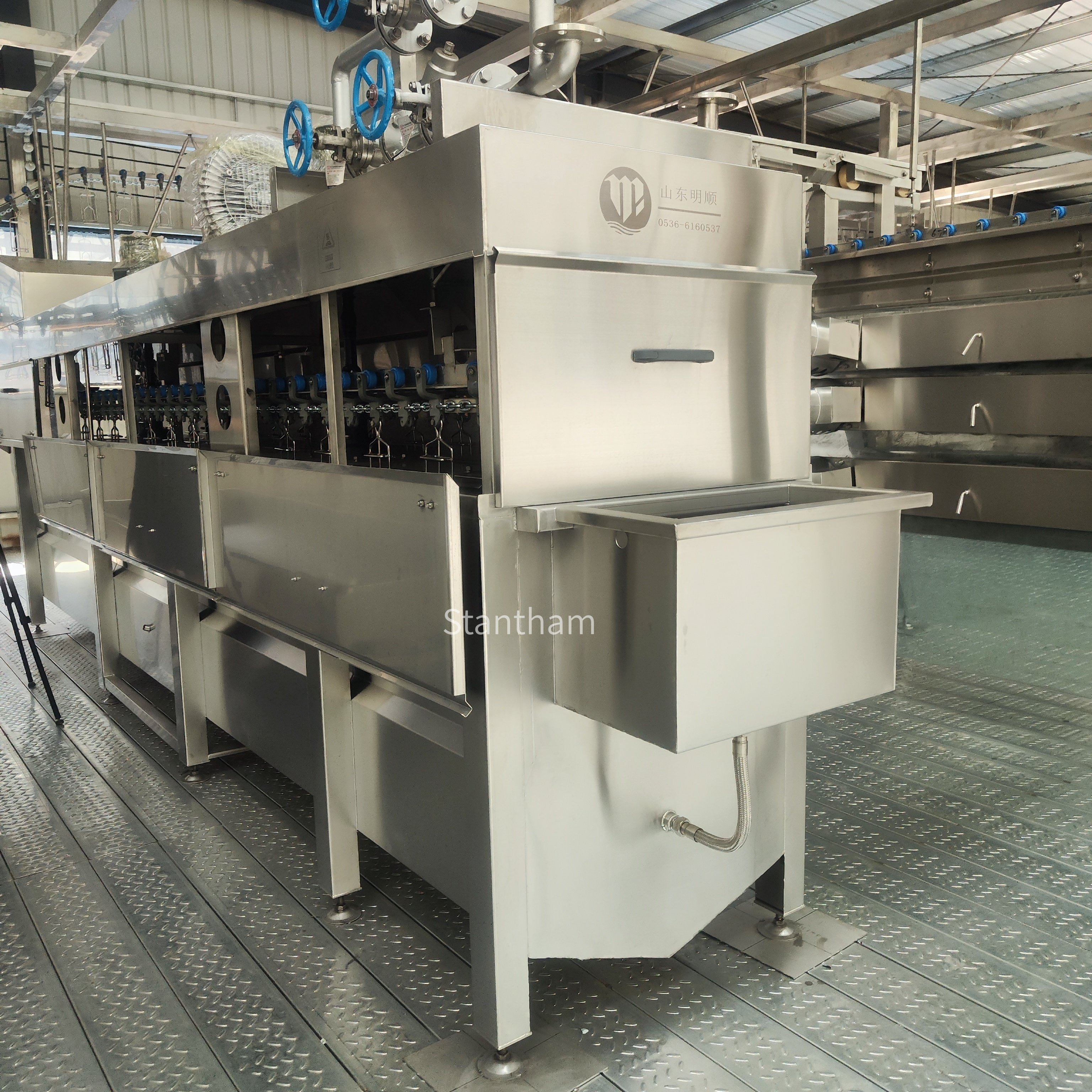
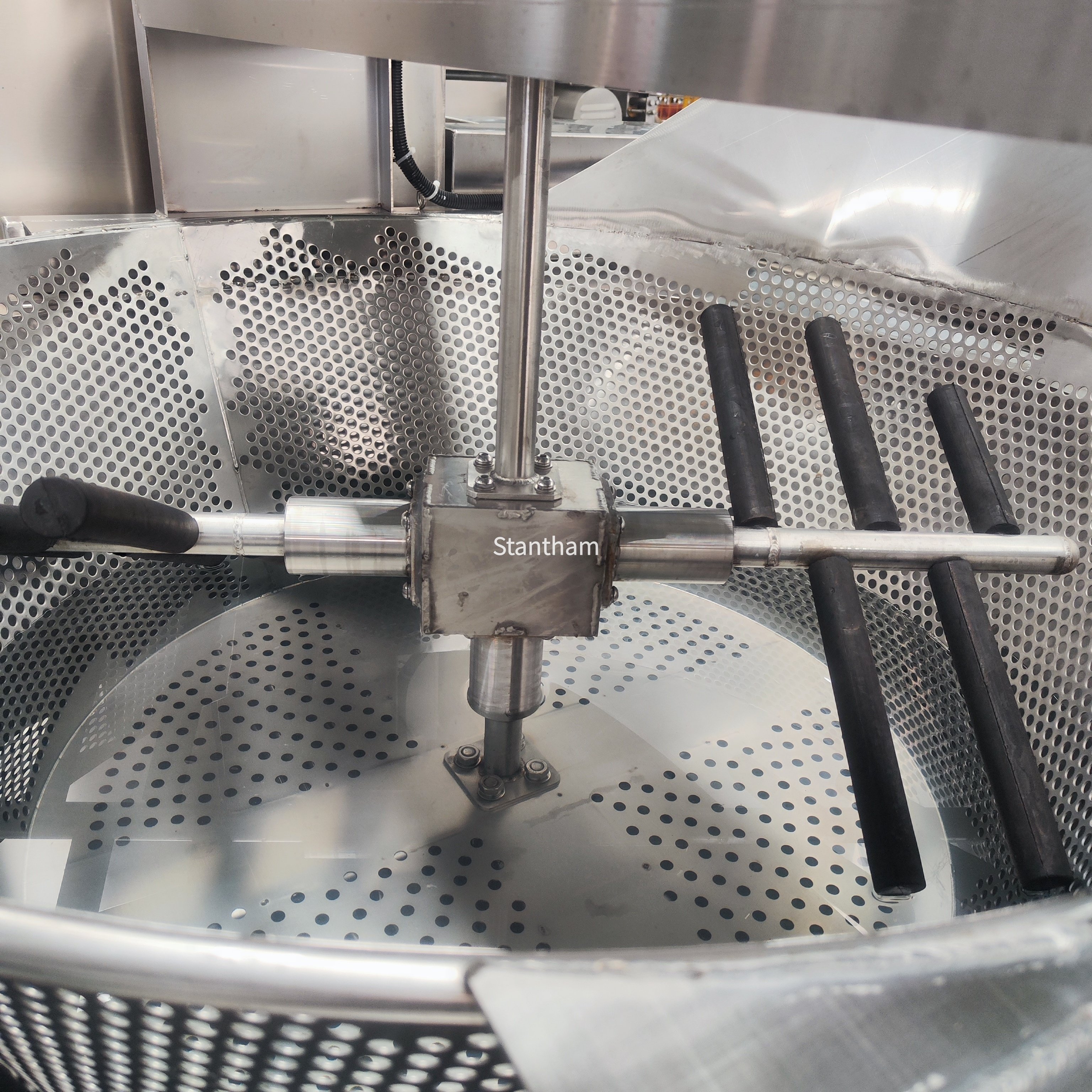
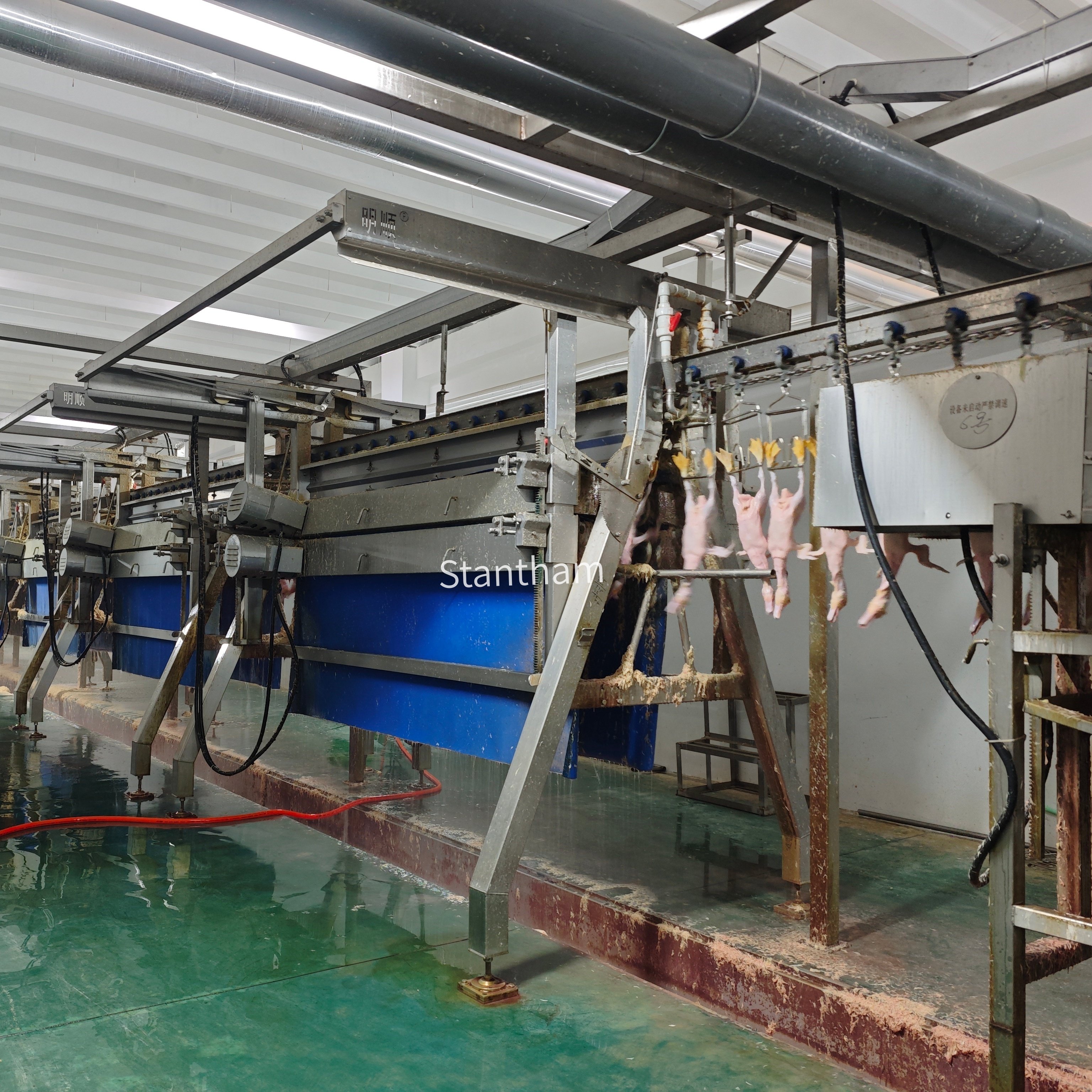
A mobile poultry abattoir must preserve skin integrity for retail display. Our unit uses a three-stage counterflow scalder with precise temperature zones, loosening feathers without denaturing epidermis. The rotary plucker employs adjustable finger pressure, reducing skin tears to under 0.4%. A New York farm recorded a 20% decrease in downgrades for whole bird presentation after switching from a fixed plant. Gentle handling directly translates into higher market value. The scalder recycles water through a feather screen, cutting consumption to 0.5 liters per bird at this stage. This combination of gentle mechanical action and water efficiency makes our abattoir ideal for premium pastured poultry brands.
Rapid Air Chilling for Extended Shelf Life

Rapid Air Chilling for Extended Shelf Life

The integrated air-chill tunnel circulates humidity-controlled cold air, dropping carcass core temperature to 4°C in 45 minutes without water uptake. This method prevents the cross-contamination common in immersion chillers and yields a 4-day shelf-life gain, verified by third-party shelf-life studies. One cooperative recorded a 95% reduction in retail shrink after adopting air-chilled processing. The dry process also saves 1.5 liters of water per bird compared to water chilling. Carcasses emerge dry and ready for packaging, streamlining farm-store bagging. For producers seeking to meet clean-label and animal welfare standards, this technology delivers measurable food safety and quality advantages.
Closed-Loop Waste Management for Sensitive Sites

Closed-Loop Waste Management for Sensitive Sites

Our mobile poultry abattoir captures all process water, feathers, and offal, preventing any discharge to the environment. A sealed 300-gallon waste tank holds effluent until it can be land-applied or composted. Blood and feathers are separated into a dry bin, ideal for composting into nitrogen-rich fertilizer. A Pennsylvania farm processed 2,000 birds with zero environmental incidents, verified by state inspections. The low-flow spray system uses only 1.1 liters of water per bird total. This closed-loop design enables processing on pastures, vineyards, or near water bodies, meeting strict environmental regulations while turning waste into valuable compost for crop production.

Get a Free Quote

Our representative will contact you soon.
Email
Name
Company Name
Mobile/WhatsApp
Message
0/1000