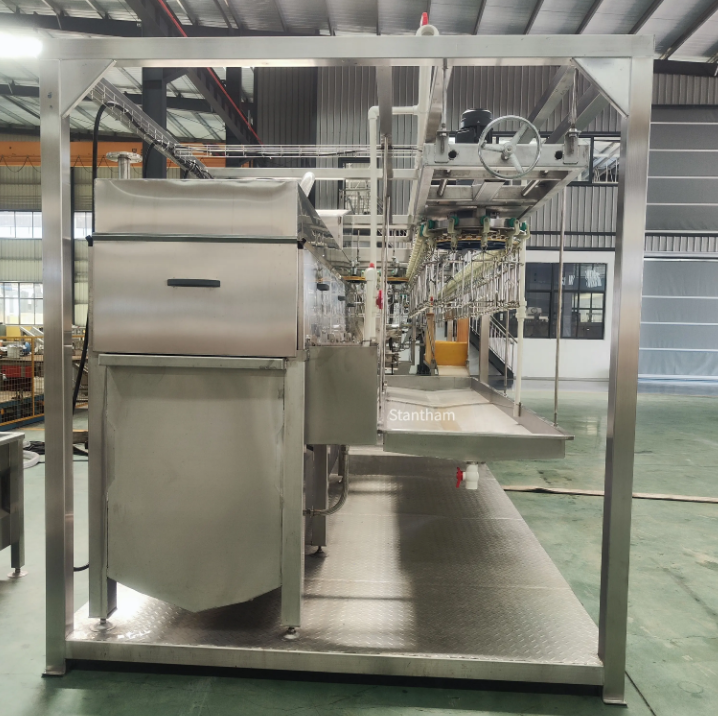
Navigating Industrial Hygiene Standards in Modern Meat Facilities Maintaining immaculate hygiene standards remains the ultimate priority for animal protein processors operating within heavily regulated international markets. Facility managers and qua...
VIEW MORE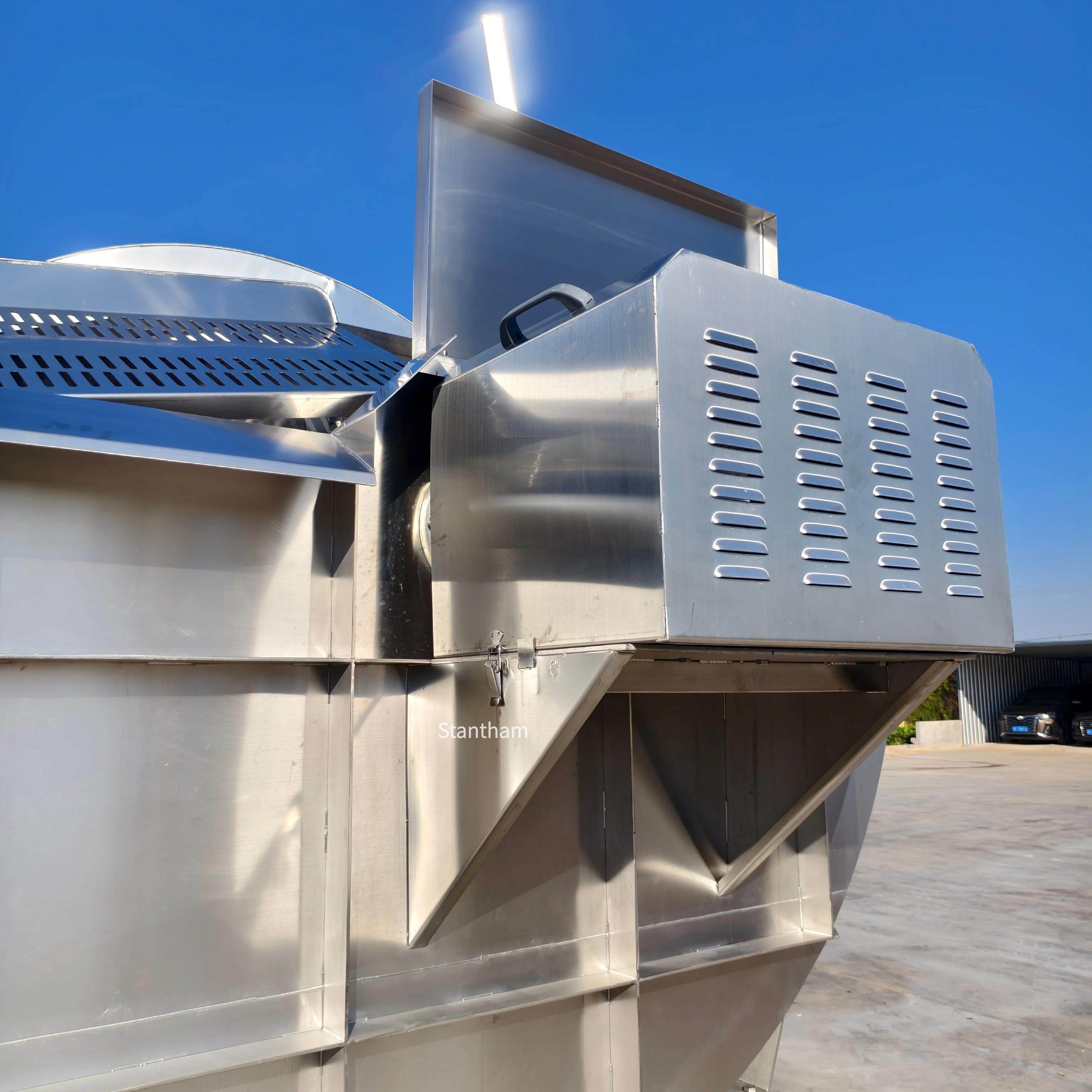
Overcoming Sanitation Challenges in Poultry Processing Environments Maintaining immaculate hygiene standards is the ultimate priority for animal protein processors operating in highly regulated global markets. Plant quality assurance directors cons...
VIEW MORE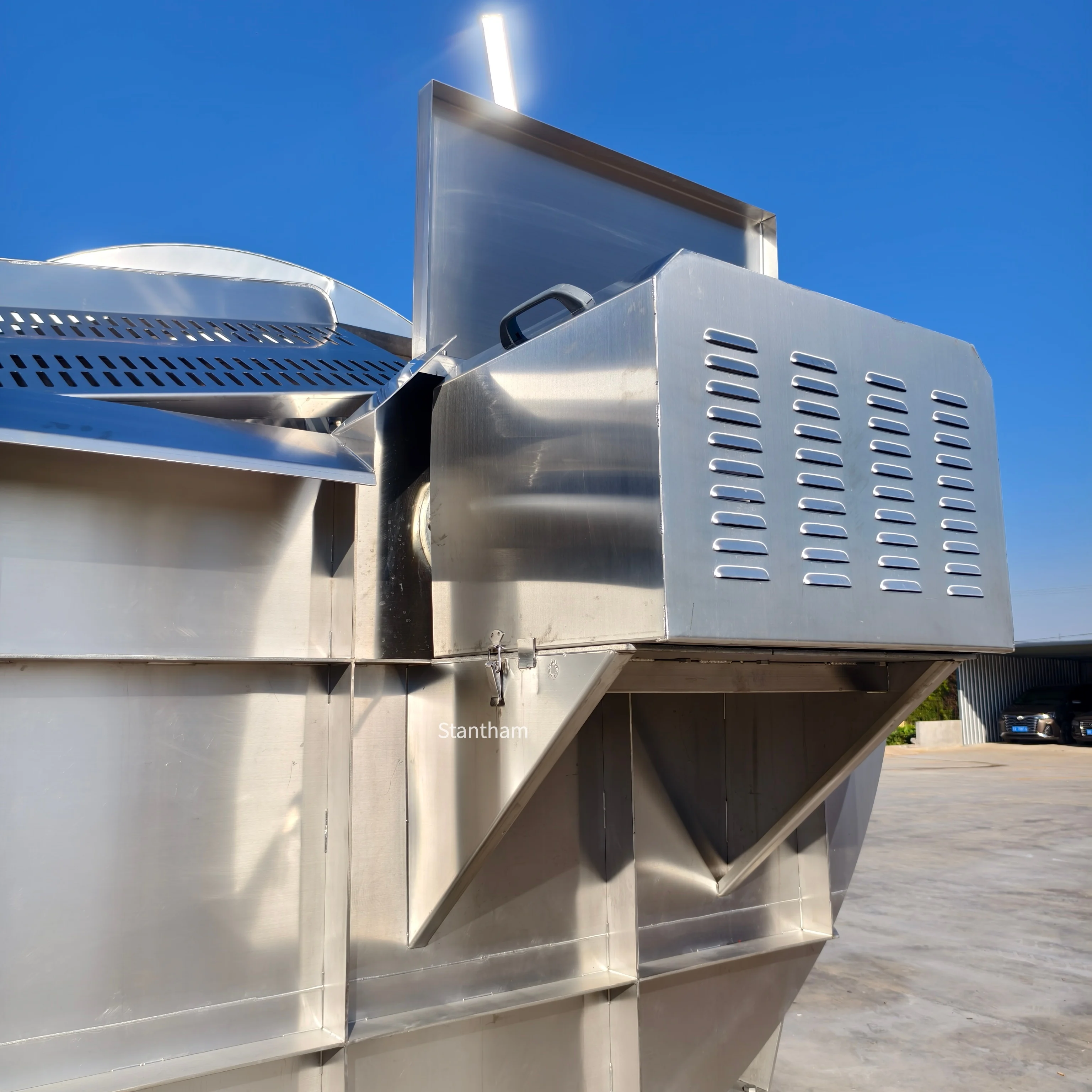
Transforming Industrial Residues into Value in Poultry Processing Managing biological by-products efficiently is one of the greatest economic and environmental challenges facing modern animal protein producers worldwide. Plant directors and sustain...
VIEW MORE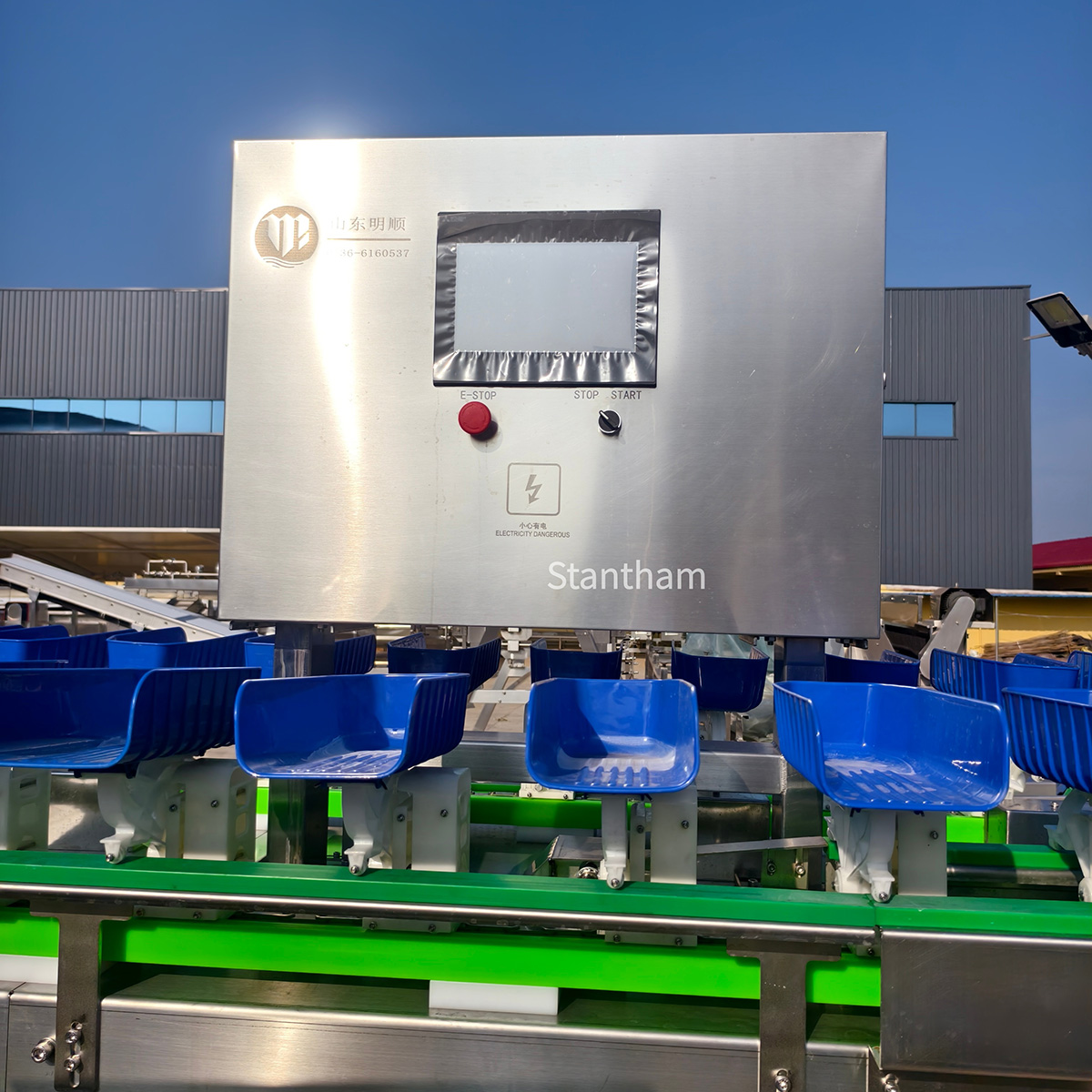
The Evolution of Thermal Management in Poultry Processing Operating a high-capacity animal protein facility requires strict control over environmental variables, particularly the speed and efficiency of core temperature reduction. Plant managers an...
VIEW MORE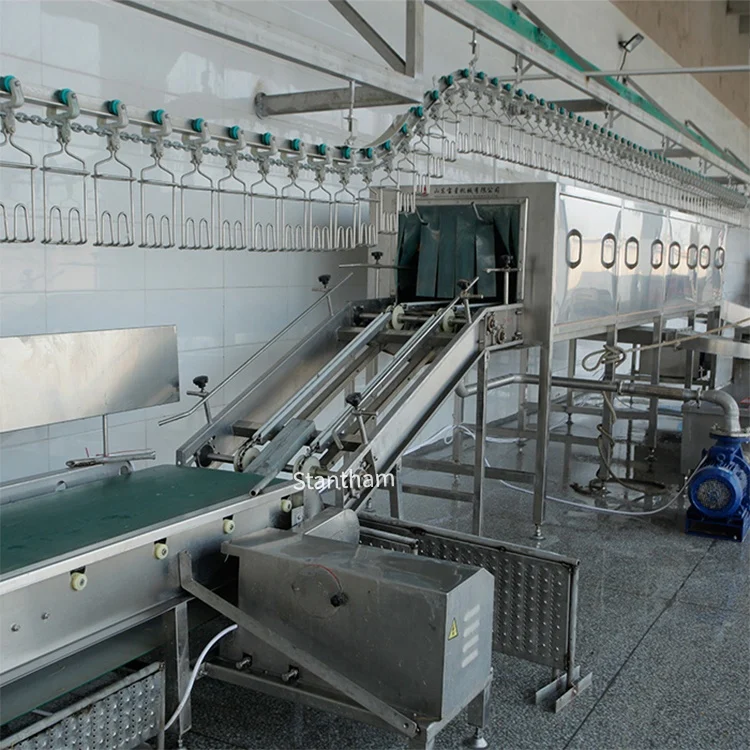
Managing Mechanical Wear in High-Speed Processing Lines Running an efficient animal protein processing facility requires a sharp eye on the mechanical parts that handle daily friction, heavy overhead loads, and harsh daily chemical washdowns. Plant...
VIEW MORE
The Upgrade Question That Keeps Coming Up Every few years, the question surfaces in plant manager meetings and capital expenditure reviews: is it time to replace the carbon steel equipment with stainless? The answer is never simple. Carbon steel cost...
VIEW MORE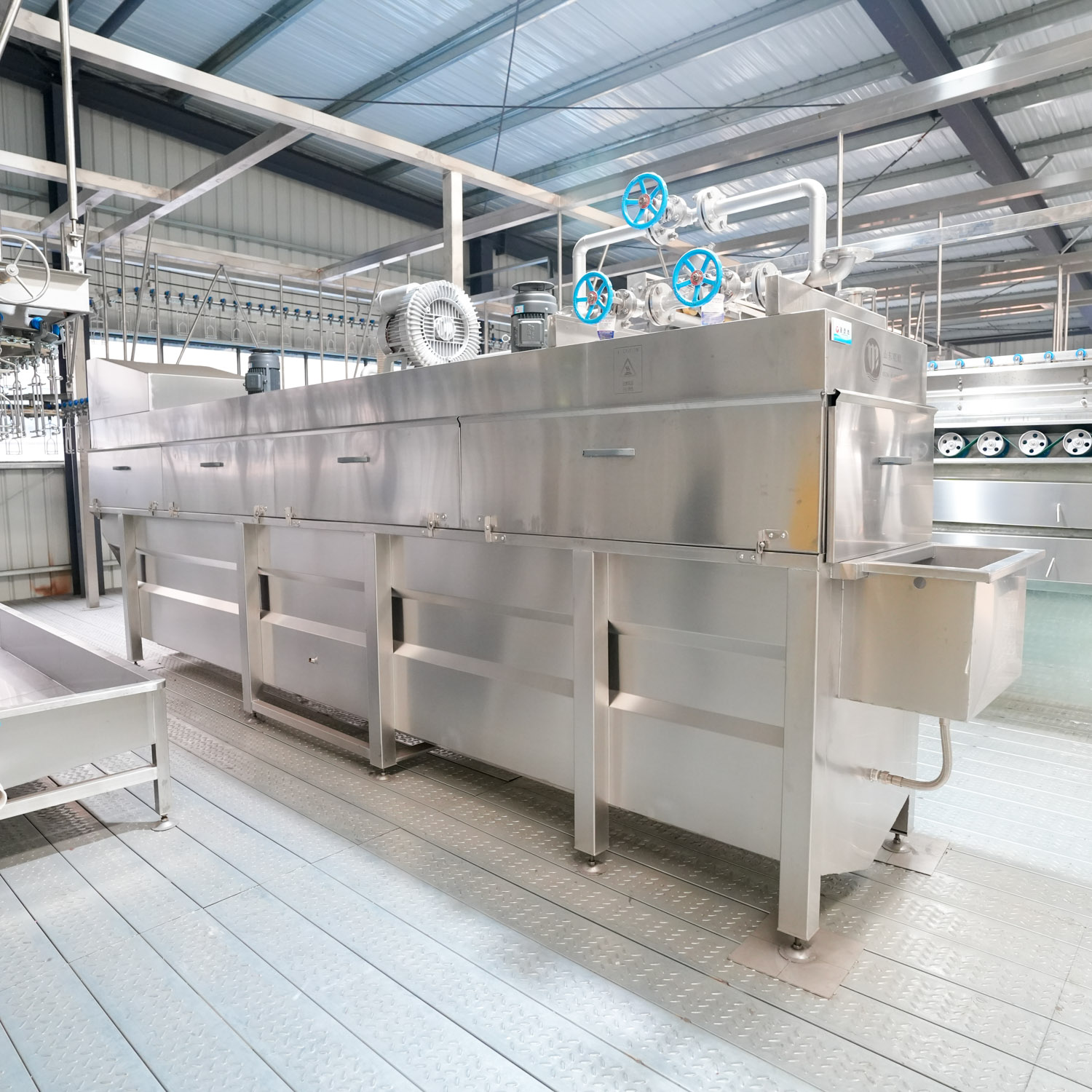
The Hidden Cost of Handling Damage Walk onto any poultry processing floor and look closely at the carcasses moving down the line. Those dark spots, the discolored patches, the occasional fracture visible at the wing joint, each one represents a downg...
VIEW MORE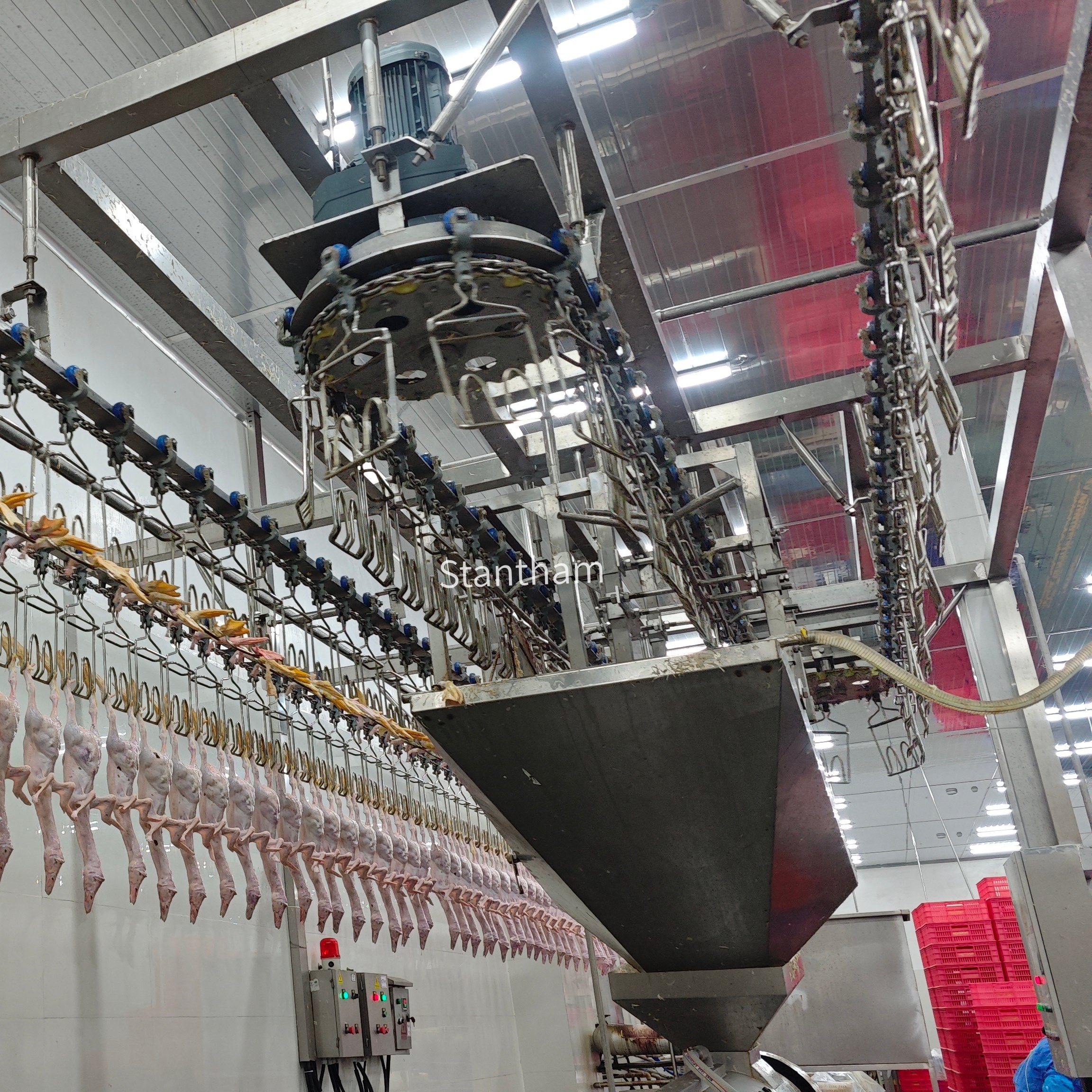
The Real Cost of Leaving Meat on the Bone Every processing manager knows the sinking feeling of watching trimmed meat go down the waste chute. That pinkish-red stream represents not just lost product but lost margin. In poultry processing, yield isn'...
VIEW MORE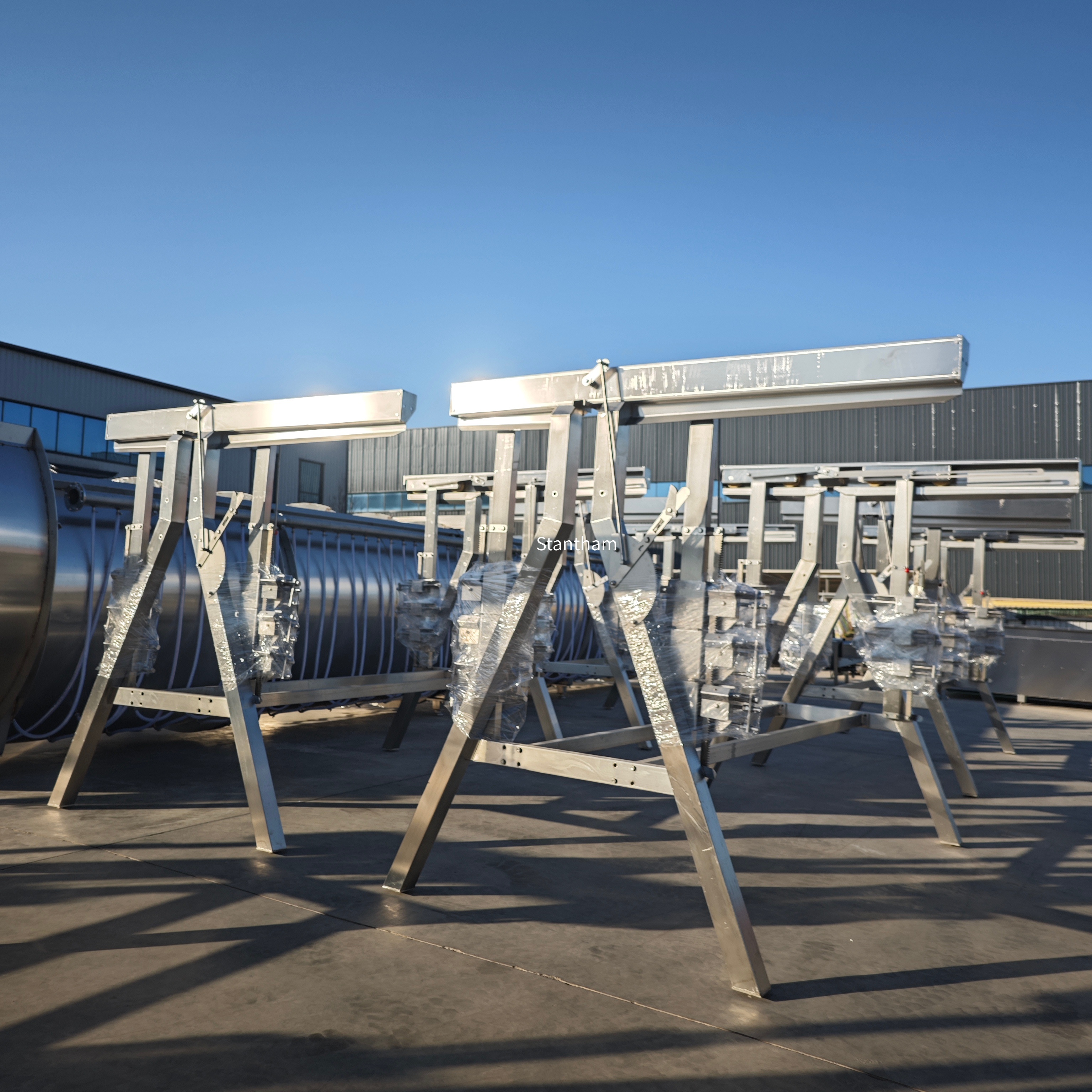
The Batch Mindset and Its Limits Batch processing in poultry slaughter has a long history, and for good reason. It's straightforward, requires less sophisticated controls, and the capital investment to get started is relatively modest. Birds arrive, ...
VIEW MORE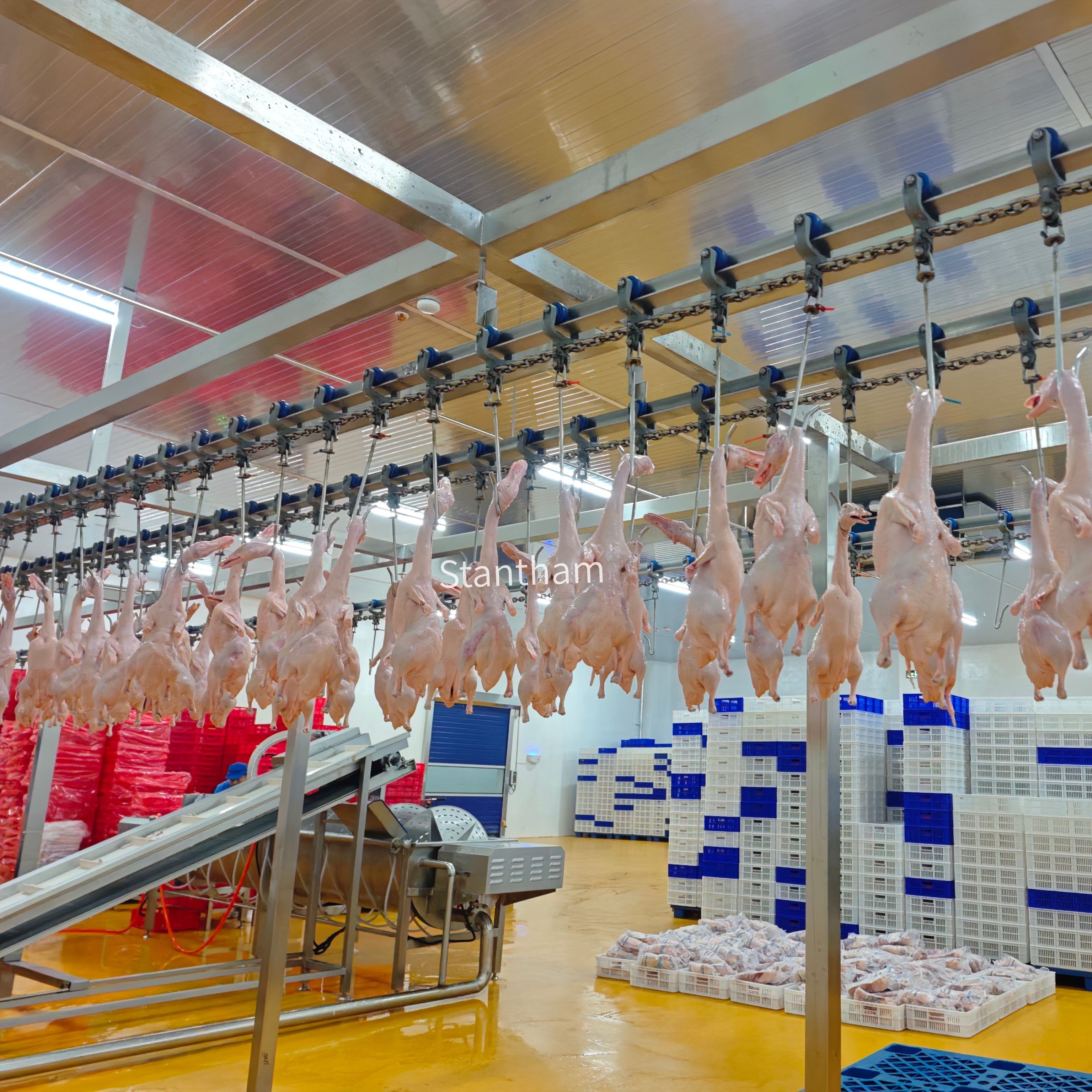
The First Question: Why Turnkey Instead of Piecemeal The decision to adopt a complete chicken slaughterhouse turnkey solution usually starts the same way—a processing manager looking at a scattered collection of secondhand equipment, patchwork ...
VIEW MORE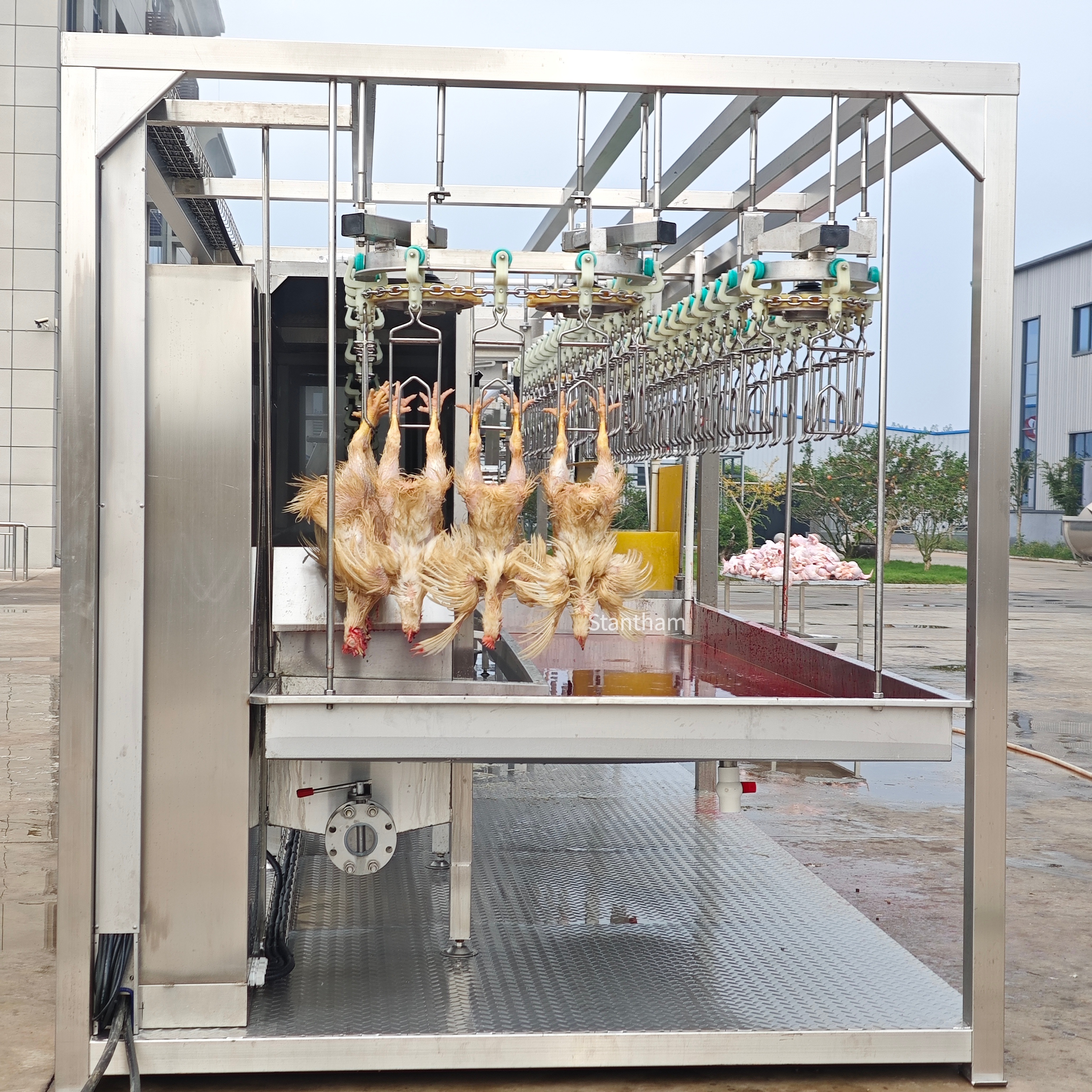
The Chilling Decision That Changes Everything Chilling isn‘t the most glamorous step in poultry processing, but it might be the one that matters most for product quality. The choice between air chilling and water chilling affects everything fro...
VIEW MORE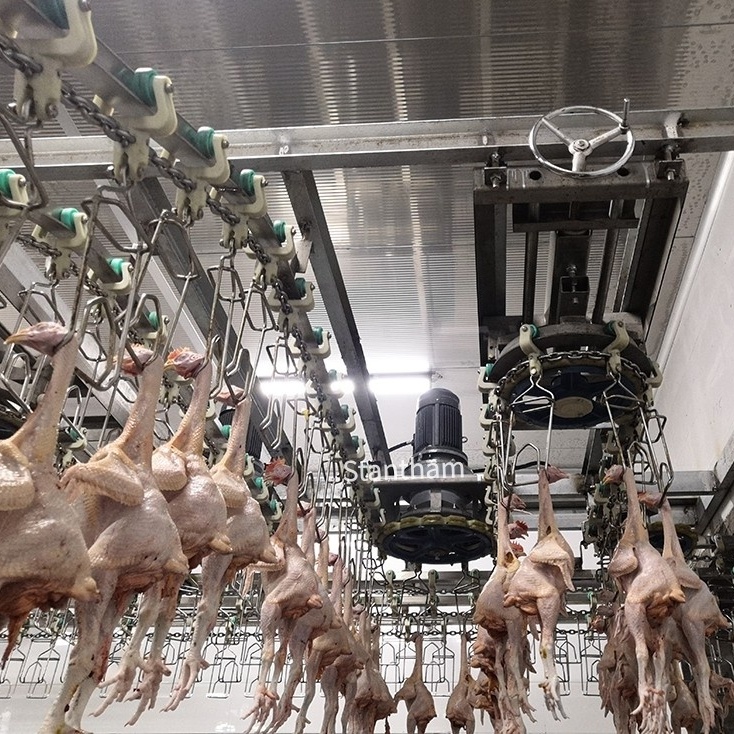
The Economics of Every Gram Left Behind In poultry processing, waste isn‘t just the stuff that goes to rendering. It’s the edible meat left on the frame after evisceration, the organs damaged during extraction, the carcasses downgraded be...
VIEW MORE EN
EN