Chicken Meat Processing Machine: Precision Deboning & Portioning

+86-18866172299
All Categories
Compact Chicken Meat Processing Machine For Precise Deboning And Portioning

Compact Chicken Meat Processing Machine For Precise Deboning And Portioning

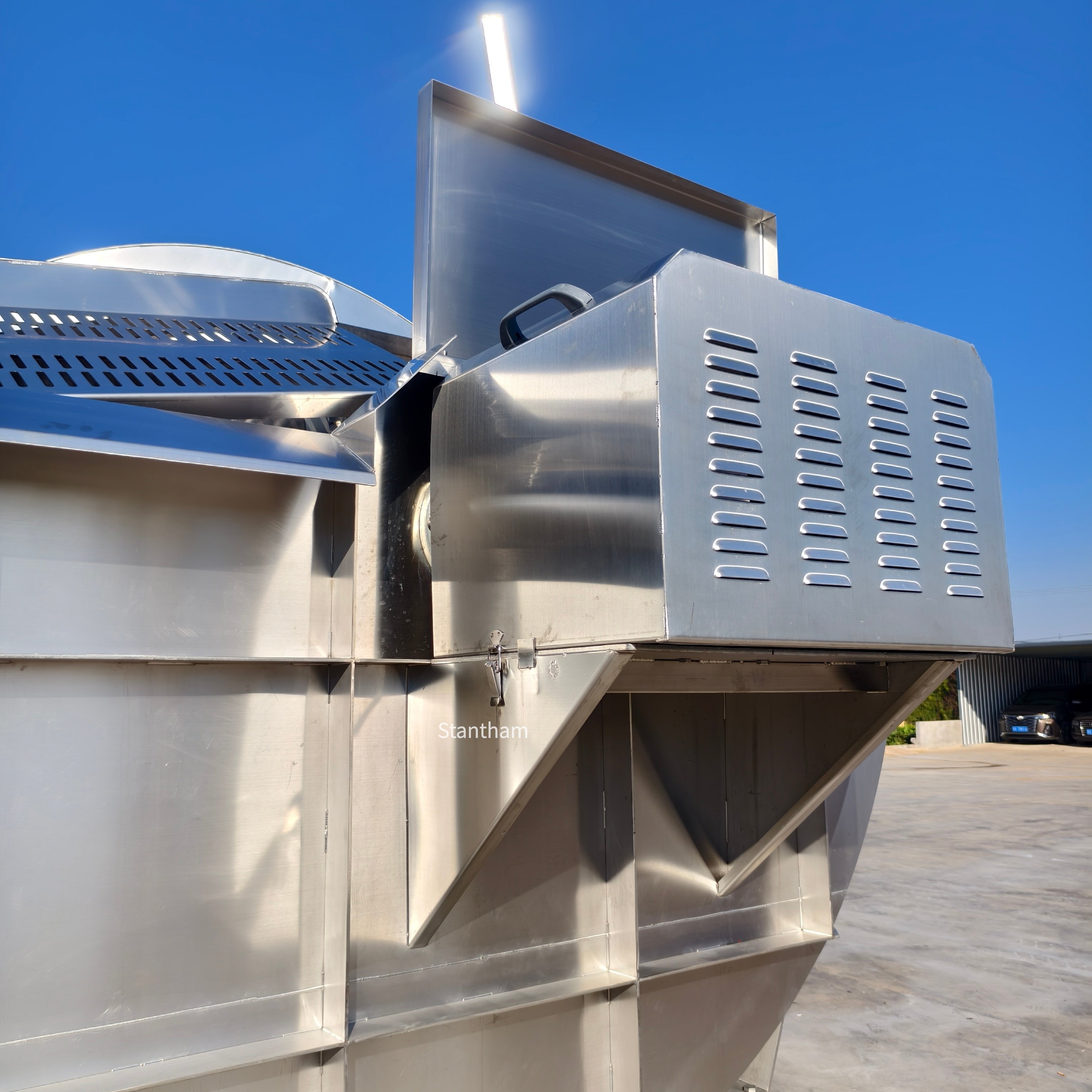
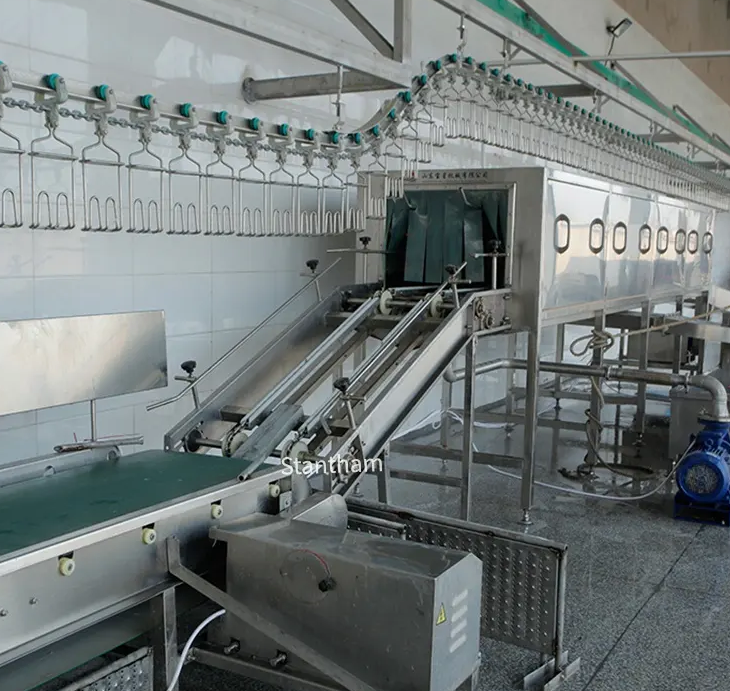
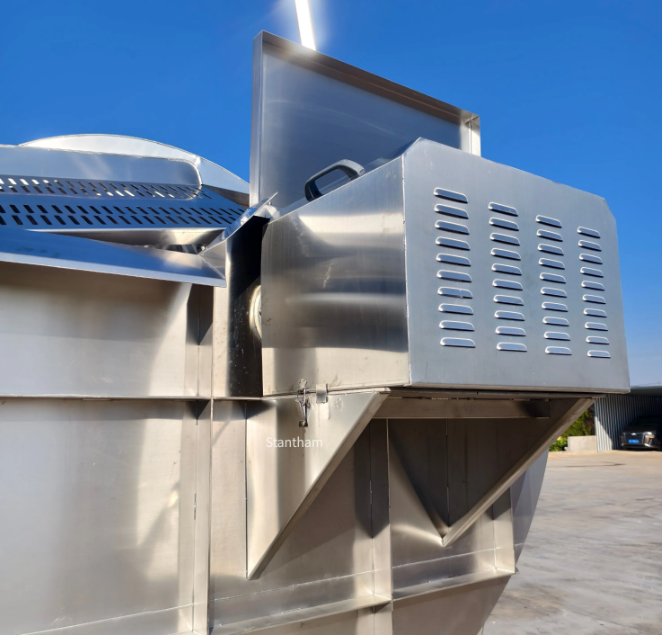
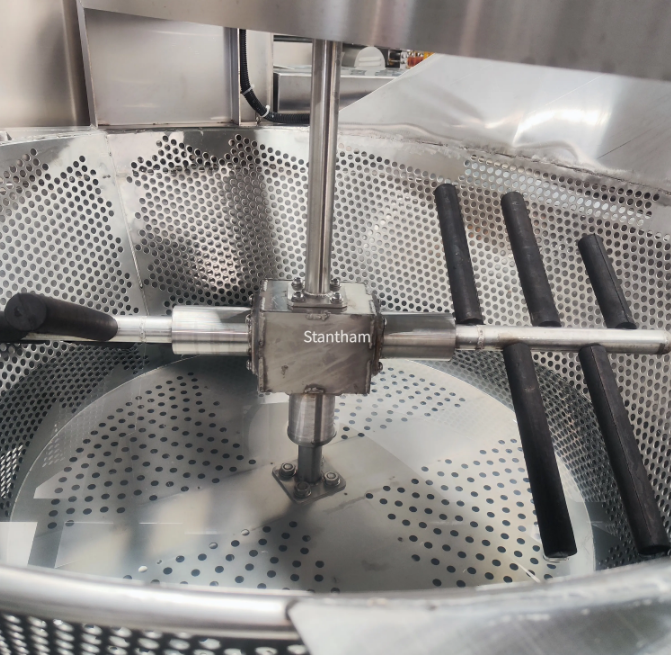
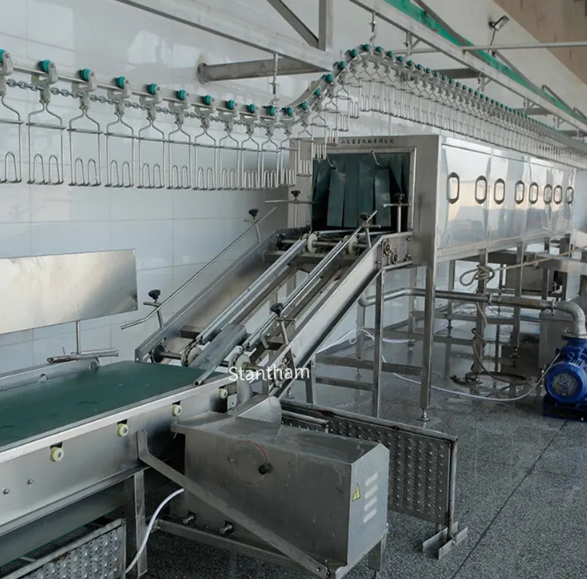
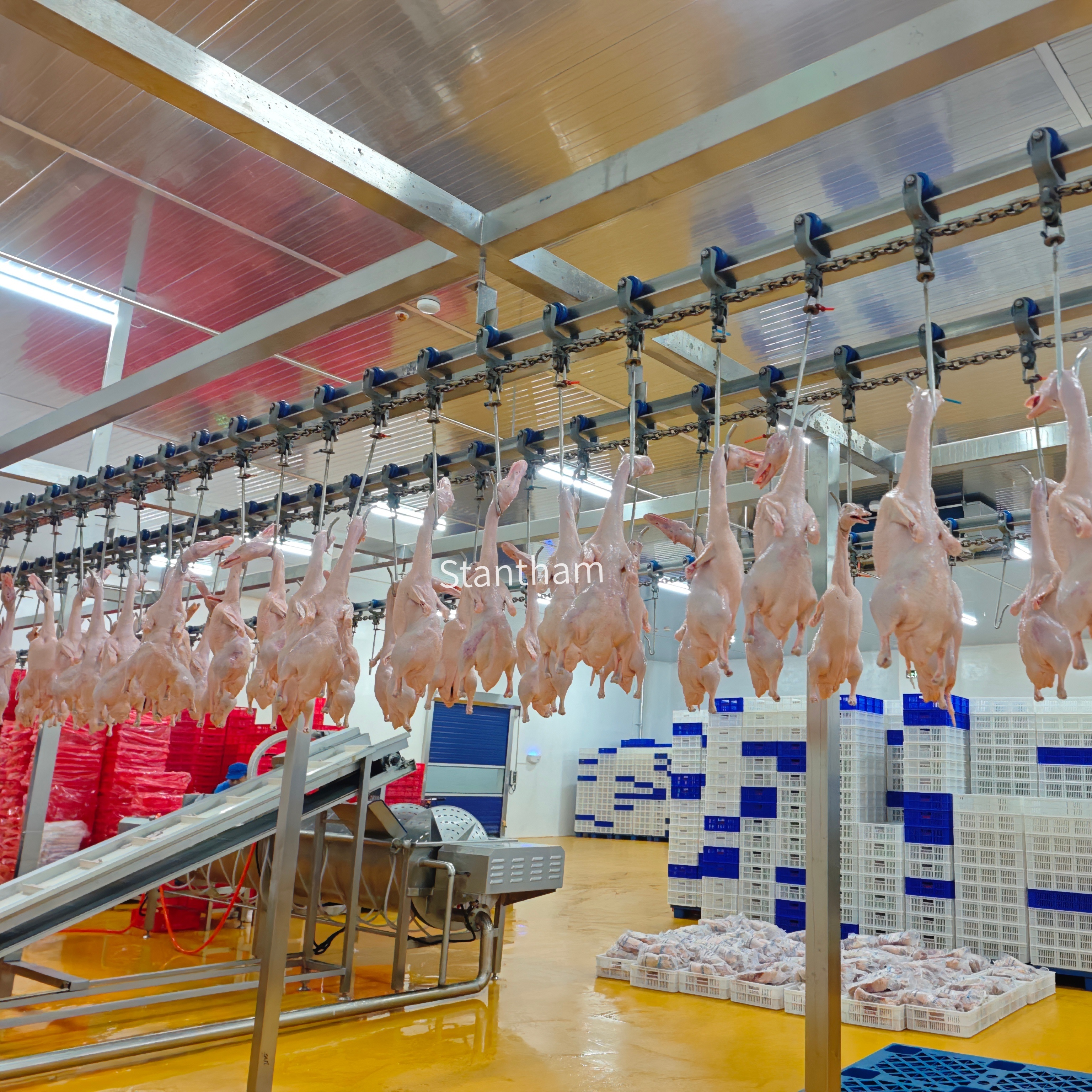
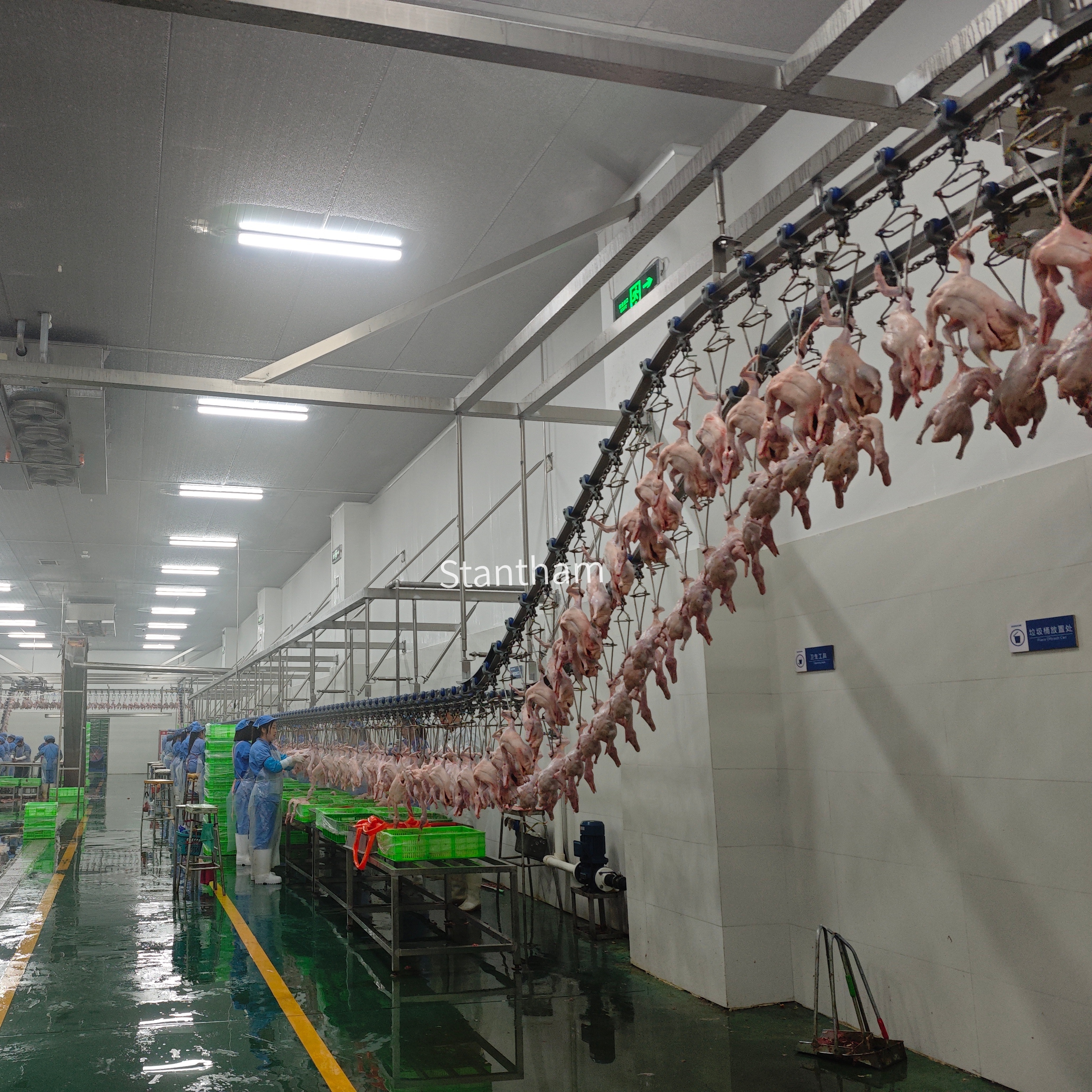
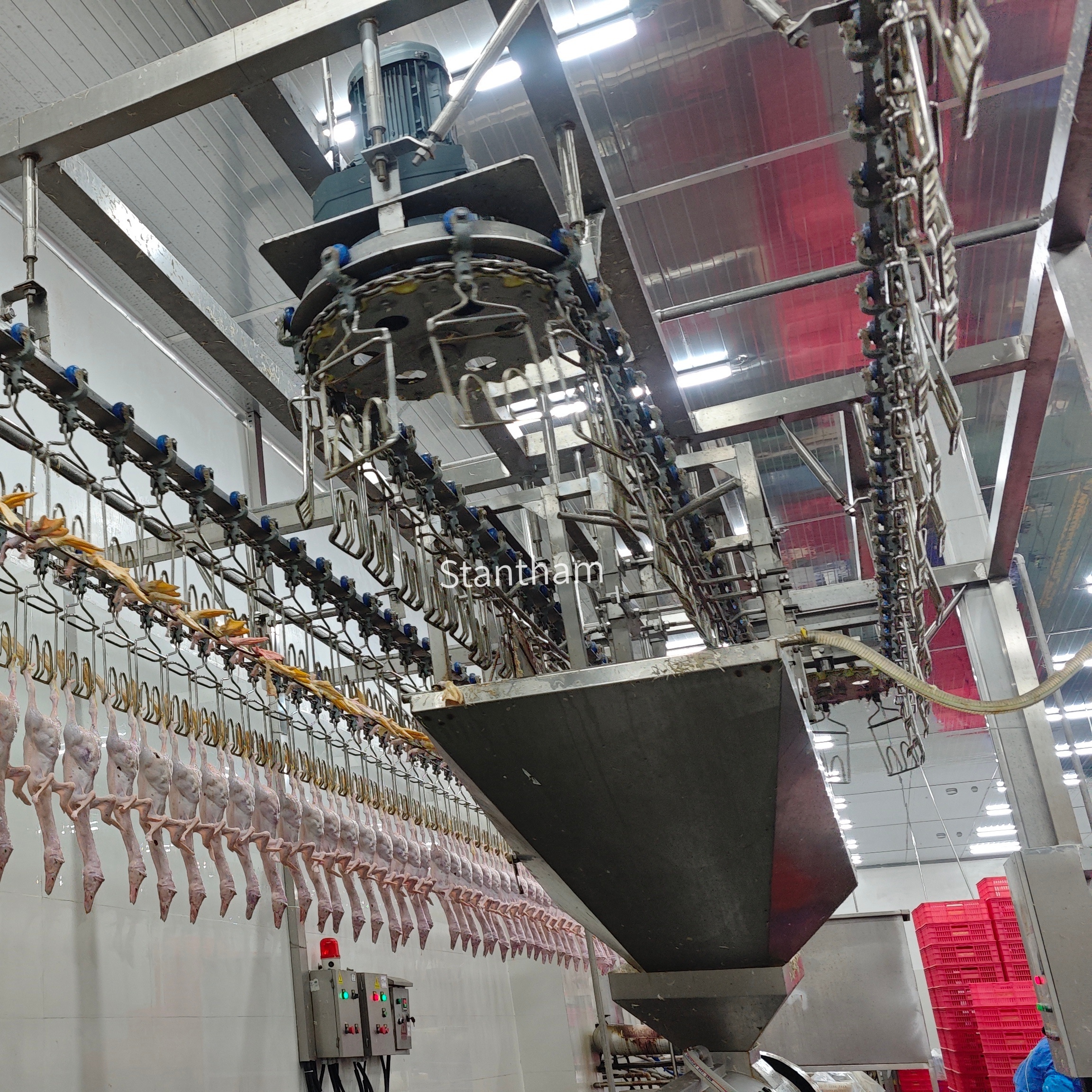
Smaller plants cannot justify a full line, yet hand cutting still drains profit through uneven portions and bone fragments that trigger retail complaints. Our chicken meat processing machine combines deboning, portioning, and weighing in one cabinet-sized unit that fits a tight floor and runs 1,500 birds per hour. Servo-guided blades hold tolerances within two grams, lifting saleable yield by up to 6% versus hand work. Washdown 304 stainless and CIP-ready surfaces meet HACCP and EU rules, and tool-free blades swap in minutes. One butcher-supplier installed the machine and recovered the cost in ten months by selling uniform fixed-weight packs that previously failed supermarket specs, proving one smart machine beats a room full of knives.
Get A Quote

Case Study

Butcher Supplier Cuts Labor With One Machine

A butcher supplier in Ireland hand-cut chickens for local shops but lost margin to inconsistent portions and skilled-cutter wages. We installed a chicken meat processing machine—deboning and portioning with load-cell weighing—rated for 1,500 birds per hour in a compact footprint. Weight variance dropped to under two grams, eliminating supermarket chargebacks, and saleable yield rose 6% from meat once left on frames. The 304 stainless unit passed EU audit without retrofit, and one operator ran the machine where four cutters worked before. Within ten months the supplier doubled fixed-weight pack sales and recovered the machine through premium pricing, then added a second unit to serve two supermarket chains without hiring additional staff during peak demand.

Poultry Shop Adds Value Packs With Compact Unit

A poultry shop in Canada sold whole birds but watched supermarkets capture the cut-up margin. To compete, the owner installed a chicken meat processing machine—a deboner, portioner, and vacuum sealer—running 1,200 birds per hour in a back-room corner. Uniform breasts and thighs with under two-gram variance won two grocery accounts, and marinated strips became a signature SKU. The CIP-ready stainless unit passed health inspection without changes, and one clerk operated it alongside counter duties. Within eight months the shop recovered the machine and lifted weekly revenue 40%, proving a single compact machine can open a whole new value-added product line without expanding the building or hiring specialized butchers.

Processor Replaces Hand Cutting To Meet Retail Specs

A processor in New Zealand supplied supermarkets but hand cutting produced packs varying by twelve grams, triggering weekly chargebacks and lost listings. We supplied a chicken meat processing machine with vision-guided blades and load-cell feedback that held portions within two grams at 1,800 birds per hour. Chargebacks stopped, and saleable yield rose 5% as recovered meat that used to stay on carcasses. The washdown stainless machine passed audit without retrofit, and one operator replaced three cutters. Within nine months the processor secured a new national contract worth 1.2 million dollars yearly and recovered the machine through avoided penalties and premium fixed-weight pricing, turning a chronic quality problem into a dependable retail supply line that grew steadily.

Related products

Our chicken meat processing machine is engineered as a single, cabinet-sized unit that performs deboning, portioning, weighing, and sealing in one place, so small producers get line-level consistency without a full plant. Servo-driven and vision-guided blades hold each cut within two millimeters and every portion within two grams, protecting yield and presentation at up to 2,000 birds per hour. We build the frame from washdown-rated 304 stainless with CIP-ready surfaces, so daily sanitation is fast and the machine meets HACCP and EU rules from first use. With two decades supporting abattoirs and butchers, we size each machine to your species, target weights, and retail specs, and supply recipe presets that switch products in minutes. Beyond the machine, we provide on-site setup, operator training, and a spare-parts network that keeps downtime below 2%. Industry data shows automated cutting lifts saleable yield five to seven percent and cuts portion complaints by up to 70% versus hand work, gains that often recover a single machine inside a year. Whether you run a shop, a butcher supply, or a startup line, our machine delivers precise, audit-ready packs that protect margin.

Frequently Asked Questions

What speed does the machine achieve?

Our machine runs up to 2,000 birds per hour, depending on cut complexity and species. Servo and vision guidance hold accuracy within two millimeters, so higher speed never sacrifices yield. We match the setup to your portions and target output, ensuring steady throughput across full shifts without manual rework slowing the work.
Quick-change fixtures and tool-free blades let one operator switch products in under ten minutes. Recipe presets stored in the controller recall blade positions and speeds automatically, so moving from breasts to marinated strips takes a single selection. This flexibility supports short runs and same-day customer changes without losing productive cutting time on the floor.
Yes. All contact parts use 304 stainless steel with smooth, cleanable surfaces and CIP-ready design. Sloped drainage and separated zones prevent juice crossover, helping plants meet HACCP and EU standards. Many clients pass hygiene audits soon after setup, with measurable drops in microbial counts across every batch produced by the machine.
We provide on-site setup, operator training, recipe presets, and maintenance manuals. A spare-parts network keeps downtime below 2%, and remote diagnostics resolve most faults within hours. Our engineers also help tune cut plans for your products, so your team sustains high yield and food-safety compliance long after the machine ships to your site.
Share your species, target hourly volume, and desired cuts—breasts, thighs, or marinated strips. We model blade types and conveyor speed to match that plan, then validate yield with a trial cut. This avoids overspending on unused capacity while securing headroom for future growth in your local demand.

Related article

How does a mobile slaughterhouse bring processing capacity directly to remote poultry farms?

04

Jun

How does a mobile slaughterhouse bring processing capacity directly to remote poultry farms?

Redefining Slaughter Infrastructure for Geographically Dispersed Farms Processing poultry in isolated regions has always been a logistical headache. Fixed slaughterhouses demand large capital outlays, centralized collection routes, and reliable col...
View More
Is a Poultry Chiller Machine Right for Your Facility?

10

Jun

Is a Poultry Chiller Machine Right for Your Facility?

Understanding What a Poultry Chiller Actually Does A poultry chiller machine is not simply a cold water tank. It is a controlled thermal exchange system designed to bring freshly eviscerated carcasses from roughly thirty-five degrees Celsius down t...
View More
Why is proper scalding temperature critical for feather removal efficiency in a chicken abattoir?

17

Jun

Why is proper scalding temperature critical for feather removal efficiency in a chicken abattoir?

The Scalding Window: A Delicate Balance Between Feather Release and Skin Integrity Scalding is the bridge between bleeding and plucking in a chicken abattoir. The birds pass through a tank of heated water, and the heat loosens the feather follicles...
View More
How does a mechanical chicken slaughter system minimize bone breakage compared to manual methods?

22

Jun

How does a mechanical chicken slaughter system minimize bone breakage compared to manual methods?

The Bone Breakage Problem Nobody Talks About Walk into any medium-sized poultry processing plant and ask the quality control manager about their biggest headache. Chances are, bone breakage ranks near the top. Not the dramatic compound fractures, b...
View More

Customer Testimonials

Liam Murphy

We hand-cut for local shops but lost margin to uneven portions until this machine arrived. It runs 1,500 birds per hour with variance under two grams, ending supermarket chargebacks, and saleable yield rose 6% from meat we used to discard. One operator now does the work of four cutters, and the 304 stainless passed EU audit without retrofit. Within ten months fixed-weight packs doubled and the machine paid for itself.

Hannah Cole

Our shop sold whole birds while supermarkets took the cut-up margin, so we installed the compact machine in a back corner. It runs 1,200 birds per hour with under two-gram variance, won two grocery accounts, and marinated strips became a signature SKU. The CIP stainless passed inspection without changes, and one clerk runs it. Within eight months weekly revenue rose 40% and the machine paid for itself without hiring butchers.

Get a Free Quote

Our representative will contact you soon.
Email
Name
Company Name
Mobile/WhatsApp
Message
0/1000
Precision In A Cabinet-Sized Footprint

Precision In A Cabinet-Sized Footprint

Our chicken meat processing machine packs line-level precision into a single cabinet that fits a back room, a butcher counter, or a startup cell. Servo and vision-guided blades hold each cut within two millimeters and every portion within two grams, so small producers sell premium fixed-weight packs instead of discounting variable trays. One Irish supplier lifting saleable yield by 6% recovered the machine in ten months through higher-grade sales. Tool-free blade swaps keep sanitation fast and changeovers under ten minutes, so the same unit serves breasts, thighs, and marinated strips without losing cutting time. For growing shops, this consistency also means fewer chargebacks and steadier retail relationships, turning one compact machine into a reliable margin engine.
Low Labor That Ends The Cutter Shortage

Low Labor That Ends The Cutter Shortage

Skilled butchers are scarce and costly, yet hand cutting lives or dies by them, so our chicken meat processing machine runs with a single operator where four cutters once stood. Vision-guided blades and load-cell feedback hold portions within two grams at 1,800 birds per hour, as a New Zealand processor proved while ending weekly chargebacks. One operator replaced three cutters and the plant secured a 1.2 million dollar retail contract on uniform product alone. Because the machine self-checks and alerts remotely, owners avoid the recruitment cycle that drains supervisor time and keeps output steady despite turnover. This labor independence lets small shops compete with large plants, protecting both margin and peace of mind when the local workforce is thin.
Hygienic Build That Passes Audit First Time

Hygienic Build That Passes Audit First Time

Audits block retail listings when hygiene is an afterthought, so our chicken meat processing machine builds compliance in from the first run. The frame uses 304 stainless steel with smooth welds, sloped drainage, and CIP-ready surfaces that simplify daily sanitation and prevent juice crossover. Automated checks record each batch, helping plants meet HACCP and EU rules without retrofit. A Canadian shop passed health inspection without changes, and one clerk ran the unit alongside counter work. Because cleaning is fast and records are digital, owners prove compliance in minutes instead of days, and remote diagnostics keep the machine running through peak season. This built-in hygiene lets small producers enter premium retail, turning a former audit risk into a dependable supply advantage.

Get a Free Quote

Our representative will contact you soon.
Email
Name
Company Name
Mobile/WhatsApp
Message
0/1000