 EN
EN

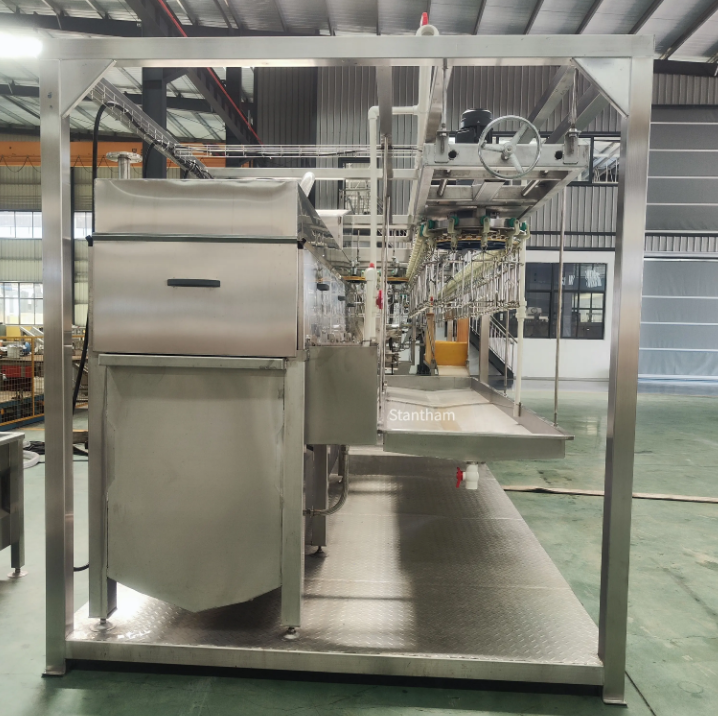
ለ2,000 ዓሳዎች በሰዓት የሚገነባ ቤት
የዓሳ ሂደት አገልግሎት ወደ 2,000 ዓሳዎች በሰዓት ማድረግ በአንድ ምንም አይነት መሣሪያ ትልቅ ቅጅ የማይገኝ ነው። ይህ ከሕያው የተቀበለ እስከ የተቀዘቀዘ የዓሳ ክርክር ድረስ የተለየ የአፈፃፀም ፍሰት ማስተዳደር ነው። ይህ የተገነባ ግቢ በዚያ ደረጃ በመስመር ላይ በአጠቃላይ ስለ 33 ዓሳዎች በደቂቃ ይንቀሳቀሳል። እያንዳንዱ ሰከንድ የማይሰራ ጊዜ፣ እያንዳንዱ የማይታገል ነጥብ፣ እያንዳንዱ የማይጣጣም ክፍል ገንዘብ ይወስዳል። የመሣሪያ ስብስብ ሙሉ እና የተዋሃደ መሆን አለበት፣ እና የተገነባ ለተቀጣዩ ምርት የሚሰራ የስራ ዘመን ላይ።
ፓሲፊክ ምዕራብ ውስጥ ያለ ፋሲሊቲ ከ 18 ወራት ውስጥ በሰአት 800 ከ 2,000 የአፄፅ ማዕበል ወደ ተቀየረ። የመጀመሪያ ስህተታቸው ከሶስት የተለያዩ አቅራቢዎች መሳሪያዎች በድንገተኛ ሁኔታ ማሰባሰብ ሆነ። አንድ አቅራቢ የተሰጠው የላይ ማስተላለፊያ ማሽን ሌላ አቅራቢ የተሰጠው የማስቆራረጥ ስርዓት ላይ ያለውን ማስገበያ ክፍተት አይዛመድም። የማስሞት መሳሪያ ለተከተለው የማስወርድ መሳሪያ በጣም ትልቅ ነበር። የማዋል አዋቂ ጉዳዮችን ለማስተካከል ብቻ ስድስት ሳምንት ምርት ጊዜ አጡ። ይህ ሁኔታ መሰረታዊ እውነት ያሳያል፡ በ 2,000 bph፣ መሳሪያ ስብስብ ስርዓት ነው፣ የመሳሪያዎች ስብስብ አይደለም።
የሕያው አፄፅ ማዋል እና ማስቆራረጥ
ትወልደው የመጀመሪያው በርድ ከተገናኘ በፊት ይጀምራል። በዚህ አቅም ያለው የცოንስ በሆነ በርድ የተቀበለ ስርዓት የሚከተሉትን ያካትታል፡ የክሬት ትራንስፖርት በረሎች የተጓዙ የተራንስፖርት ካጅ ወደ የማሰብሰቢያ ቦታ በቀጥታ ይላካሉ። የባዶ ካጅ የሚጠፋው የክሬት የሚጠፋው መሳሪያ ጥሩ የተሞላ በስትีም የተሞላ ከፍተኛ ግፊት ያለው የስፕሬይ ስርዓት ነው፣ ከዚያም ካጅ ወደ ፋርም ይመለሳሉ። እነዚህ እንደ ጎን አካላት ሊመስሉ ይችኁ ሲሆን በቀጥታ የአፈፃፀም ደረጃ ይነካሉ። በክሬት የሚጠፋው መሳሪያ የሚከሰቱ ችግሮች ሙሉውን የተቀበለ ቦታ ይቆጣጠራሉ።
የማሰብሰቢያ ቦታ በራሱ የሰው ልጅ የሰውነት ምህንድስና ከአፈፃፀም የሚገናኙበት ቦታ ነው። በሰዓት 2,000 በርድ የሚሰብስቡ ሲሆን የእጅ አጠቃቀም የሚያደርገው በጣም ቅፅል ነው። የሚሽከረከር የማገናኛ መሳሪያዎች እንደ የተስተካከለ height የሚያስተዳድር ፔላቲፎርም እና የበርድ ቦታ የሚያስተዳድር መመሪያዎች የሰው ልጅ ላይ የሚያሳድር ጭንቀትን ያቀንሳሉ እና የማሰብሰቢያ ተስተካክል ይሻሻላሉ።
በዚህ አቅም ላይ ያለው የማስደንቀት ስርዓት በተለይ የውሃ ብናዝ የኤሌክትሪክ መሳንያ ነው፣ በትክክል የቮልቴጅ እና የፍሬኩንሲ ቁጥጥር ያለው። አንዳንድ ክስተቶች የጋዝ መሳንያ ስርዓቶችን ይጠቀማሉ፣ ነገር ግን የኤሌክትሪክ መሳንያ በዚህ የአቅም ክልል ውስጥ የኢንዱስትሪ ደረጃ ነው። ዋነኛው የስፔሲፊኬሽን የተስተካከለ የእርግዝና ነው። የታላቅ በሮች በኮንቬዮር ላይ በተወሰነ የውሃ ውስጥ ማስገባት ጊዜ በመሳንያው ውስጥ ይፈስፋሉ፣ ይህም የተመሳሳይ የማስደንቀት ሂደትን ያስከብረዋል። የትክክለኛ መሳንያ የተቀጠረ አይደለም፣ በዙርያ ሕይወት ብቻ ሳይሆን በዱራ የሥራ አቅም እና በጣም የተሻለ የደም መውጣት ጥራት እንዲሁ ይጠበቅናል።
የስካልዲንግ፣ የፀፀብ መውጣት እና የሚገቡበት አስፈላጊ የስተዋል ሂደት
የስካልዲንግ የሰውነት ክርክሩን ለፀፀብ መውጣት ያዘጋጃል። በሰዓት 2,000 በሮች የሚሠራ መስመር በተለይ በራስ-ሰር የሙቀት ቁጥጥር ያለው በብዙ ደረጃ የስካልዲንግ መሳሪያ ይጠቀማል። የውሃ ሙቀት በግምት 58-61°C ነው፣ እና የውሃ ውስጥ ማስገባት ጊዜ በታላቅ በሮች መጠን ላይ በመሰረት 60-90 ሰከንድ ነው። በጣም የሚስካልድ የሰውነት ሽፋን ይበላሽታል። በጣም የማይስካልድ የፀፀብ መውጣት አስቸጋሪ ይሆናል። የሙቀት ቁጥጥር ስርዓቱ በቀረጸው ትንሽ የሙቀት ክልል ውስጥ መቆየት አለበት፣ ምን ዓይነት ብዙ በረዶ ክርክሮች ቢገቡም።
የፀሐይ ማስወገጃ ክፍል የእንግዳ ነገር የሚሆነው እዚህ ነው። ብዙ ፕላክር ማሽኖች በተከታታይ በተደረደሩ ሁኔታ፣ ብዙውን ጊዜ ሦስት ወይም አራት መሣሪያዎች፣ በደረጃ የፀሐይ ማስወገጃ ይሰራሉ . እያንዳንዱ አሃዝ የሚሽከረከር ዳር ላይ የተጠቀሰ ሮባር ጠንቃቃዎችን ይጠቀማል። ጠንቃቃዎች ለዶሮ መጠን እና ለጸጋ ሁኔታ መስተካከል አለባቸው። በጣም ጠንካራ ከሆነ ፖሳ ይቁረጣል ወይም ሐዋሳት ይሰበራሉ። በጣም ሰፊ ከሆነ ጸጋዎች ይቀራሉ። 2,000 bph የሚሮጡ ማዕከላት ብዙውን ጊዜ አግድም እና ቀጥ ያለ ጠንቃቃ ያቀናሉ የተለያዩ ጸጋ ዓይነቶች እና የሰውነት አካላት ለመሸፈን።
| Component | ተግባር | ዋና ደረጃ የሚጠበቀ መለያ |
|---|---|---|
| የክሬት ማዳመር መንገድ | የማጓጓዣ ጭንቅላቶችን ወደ ማስቀመጫ አካባቢ ይዛል | የቀረበ ዳር ውቅር የሚዛመድ |
| የክሬት ማጽዳት መሣሪያ | ባዶ ጭንቅላቶችን ያጽዳል እና ያስተካክላል | ብርድ ሙቀት የተሞኝ ከፍተኛ ግፊት ያለው ማፍራር |
| ኤሌክትሪክ ስታናር | በመገደል በፊት የማንነት ማጣት | የትክክለኛ የቮልቴጅ/የፍሬኩንሲ፣ የተስተካከለ የውሃ ውስብስብነት |
| ብዙ ደረጃ የሚሰራ የውሃ መጠንያ መሳሪያ | የእግር ጥቅል ለማስወገድ ያስተዋውቀዋል | 58-61°C፣ 60-90 ሰከንድ የውሃ ውስብስብነት |
| የጥቅል ማስወገድ ቅደም ተከተል | በቅደም ተከተል የእግር ጥቅል ያስወግዳል | 3-4 ክፍሎች፣ የሚስተካከሉ የሩበር ግድፈቶች |
| የውስጣዊ አካላት ማስወገድ መስመር | የውስጣዊ አካላትን ያስወግዳል | ቫንት ካተር፣ ልንግ ሱክሽን፣ ጂዛርድ ፒለር |
የአንሶስ ማስወገድ እና የውስጣዊ አካላት ማቀነባበር
የአንሶስ ማስወገድ ክፍል ላይ 2,000 bph መስመር ውስጥ ከራስ ማስተካከያ ቢኖር እንኳን ብዙ ስራ የሚፈልግ ክፍል ነው። ዋና አካላት የቬንት ግሶች፣ የሳንባ ስንጠቅ መሳሪያዎች፣ የጉድጓድ እና የወንዝ ግሶች እና የግዝር ግሶች ይጨምራሉ። የቬንት ግስ ትክክለኛ መሆን አለበት የአንገት ግስ እንዳይቁረጥ። የሳንባ ስንጠቅ የተንፈሳ አካላት ሳይቁረጥ የሚቀንስ ነው።
ራስ አውቶሜቲክ ፊት ካተሮች የጉንፋኑን አካል በሆክ ጣት ይለያያሉ። የጎንድ አሳ ፒለሮች የሰውነት ሂደት ለማቀናጀት ያዘጋጃሉ። ጂዛርድ ፒለሮች እና የዚት ማስወገጃ መሣሪያዎች ለተለየ ሽያጭ ወይም ለተጨማሪ ሂደት የመብላት አንሳት ይቀናሰራሉ 2,000 በሰዓት የሚሠራውን ፍጥነት ለመስራት ዋና ክልፍ የሆነው የተገናኘነት ነው። እያንዳንዱ የቤሎች መስቀለኛ ክፍል በኮንቬዮር ፍጥነት የሚሰጠውን ጊዜ ውስጥ የራሱን ተግባር መጨረስ አለበት። የማንኛውም መስቀለኛ ክፍል ከዚህ በታች መውደቅ የאיכותን የሚያሳድር የተከማቸ ስራ ያፈራል።
አንዳንድ አገልግሎቶች ይህን የቅርብ ጊዜ የስራ አቅም ቢኖረውም በእጅ የሚሰራ የቆዳ ማስወገድ ቦታ ይጠቀማሉ። የተለመደው የተዋሃዱ ነገር የፍላሽነት ተቻለኝ እና ፍጥነት መካከል ነው። በእጅ የሚሰራው የስራ ቦታ የጾፋ መጠን ለውጦችን በተሻለ ሁኔታ ማስተዳደር ይችላል። ሙሉ በሙሉ አውቶማቲክ ስистемዎች በፍጥነት ይሠሩ ነገር ግን የጾፋ መጠን በጣም ትንሽ ልዩነት ለመስተዳደር ያስፈልጋሉ። በብዙውን የ2,000 በሰዓት የበረዶ ስርዓቶች የተዋሃዱ አቀራረብ ይጠቀማሉ፣ የከፍተኛ መጠን የተደጋጋሚ ስራዎች ለአውቶማቲክ ሲስተም እና የተለያዩ ስራዎች ለእጅ የሚሰራ ስርዓት ይጠቀማሉ።
የበረዶ ማቀዝቀዣ እና የቆዳ ክፍል አቀራረብ
የቀድሞ በረዶ ማቀዝቀዣ የብዙ ቤተ ምህባቦች የሚያሳየው የተገለጸ የስራ አቅም ነው። በ2,000 በሰዓት የበረዶ ስርዓቱ የቆዳ ሙቀት ከስካልደር ውጣ በተወሰነ ጊዜ ውስጥ ወደ 4°C በታች ማውረድ ያስፈልጋል። በዚህ የስራ አቅም ላይ ስክሩ በረዶ ማቀዝቀዣዎች የተለመዱ ናቸው፣ የሁለት ደረጃ ስርዓቶችን በቀድሞ ማጽዳት እና የዋና በረዶ ማቀዝቀዣ ክፍሎች ይጠቀማሉ። ስክሩ የቆዳ ክፍሎችን በተቀዝቀዘ ውሃ ውስጥ የሚያንቀሳቅስ ሲሆን እነዚህ ክፍሎች ከማሰብሰብ ይከላከላሉ።
የተቆረጠው ክፍል፣ ከሆነ የተካተት፣ ሌላ ደረጃ የስብስብ ያለው ነው። የሙሉ በርድ የማበሰር ውስጥ በማቀዝቀዣ እና በማጣራ ይቆመዋል። ተጨማሪ ሂደቶች የተቆረጠ መስመር ያከምታሉ ይህም የሰውነት ክፍሎችን ወደ ቀዳማ፣ ቀርፎች፣ እግር እና ትንሽ ቀዳማዎች ያካፈላል። እነዚህ መስመሮች ተጨማሪ መሳሪያዎችን ያስፈልጋሉ፡ የቀዳማ ፍሌት ማስወገድ መሳሪያ፣ የቀርፎች አስቀድሞ ማስወገድ መሳሪያ እና የእግር ማለፊያ መሳሪያ። በ2,000 በሰዓት በርዶች የተቆረጠ መሳሪያ የማበሰር መስመር ፍጥነት ጋር ተስማሚ መሆን አለበት፣ ወይም የሙሉ ስርዓቱ ይቆመዋል።
የተባለቀ ክፍሎች
ሙሉ የመሳሪያ ስብስብ የተደረገ ነገሮችን ያካትታል ይህም በቀላሉ ሊታዩ የማይችሉ ናቸው። የክروم ብረት ታቦላዎች፣ ሬክስ እና ቫንስ የምርት መስተዋወቅ በአካባቢዎች መካከል ይዘው ይሄዳሉ። የአየር ሻዎርስ እና የቡት ሻዎርስ በግቤት ነጥቦች ላይ የንጹነት ሁኔታ ያስቀጋሉ። የላይኛው የተራራ ሲስተም በራሱ የሙሉ ክስተት አስተምረኛ ነው፣ እና የዲዛይኑ በርዶች መካከል ያለው ርቀት፣ የጓጓዣ ፍጥነት እና በአካባቢዎች መካከል ያለው የተሻለ ማስተላለፊያ ይወስዳል።
2,000-በሰዓት በርዶች በተለዋዋጭ ህክ ርቀት ያለው የሰንጠረዥ እና ትሮሊ የተራራ ሲስተም በአጠቃላይ ይጠቀማሉ የተከፋፈሉት በሮቦት ማሽን ላይ የሚገኙ የጎረመድ ቅርጾች ከሙሉ የተስፋፋው በሮቦት ክብደት መቻል የሚችሉ መሆን አለባቸው፣ እና በእያንዳንዱ ሂደት ጣቢያ ውስጥ ትክክለኛ ቦታ ማስቀመጥ ያስተዳድራሉ። የተከፋፈሉት ፍጥነት በአጠቃላይ 5 እስከ 15 ሜትር በደቂቃ መካከል የሚስተካከል ነው , ይህም የሰራተኞችን የማቅረብ ፍጥነት በመሳሪያው መዋቅር ላይ ምንም ለውጥ የማያስከትልበት ሁኔታ ያስተዳድራል።
የማጣመር ጉዳዩ ከተለየ ክፍሎች በላይ ነው
2,000 በሰዓት የሚሰራ ተሳትፎ በተሳካ ወይም በቃል የሚሰራ መሆኑ በጣም በጣም በየተለየ ማሽን ጥራት ላይ የተመሰረተ አይደለም። ይህ በተለየ ማሽኖች እንዴ አንድ ላይ ይሰራሉ ላይ የተመሰረተ ነው። የተከፋፈሉት heights መስማማት አለባቸው። የተዛወሩ ነጥቦች ቀላል መሆን አለባቸው። የቆጣሪ ሲስተሞች በአንድ ላይ መገናኘት አለባቸው። ፓሲፊክ ምዕራብ የሚገኘው የፀሐይ ማህደር በማጣመር ላይ የተከሰተው ችግር በመጨረሻ የተለየ አቀራረብ በአንድ ምንጭ የተዘጋጅ የተስማማ ሲስተም በመጠቀም ተተካ። የተቋረጠ ጊዜ በሶስት ወራት ውስጥ ከ14% ወደ 3% ቢቀንስ ነው።
ተርንኪ ሳላተር የሙቀት ባለ አገልግሎት የጎረቤት ስራ መሳሪያዎችን ለዚህ በተለይ የሚገኝ የቅልጥፍና ውስብስብነት ያለው የሙቀት ባለ አገልግሎት ይሰጣል። ስርዓቶቻቸው በብዙ ምድብ ማምረቻ የሚከሰቱ የማዋሃድ አስቸኳሎች ላይ የተመሰረቱ ናቸው፣ በተደራሽ የግንኙነት መስኮች እና በተመጣጣኝ የቆጣሪ ስርዓቶች ላይ የተመሰረቱ ናቸው እና የማምረቻ ፍሰት ይቀጥላል።