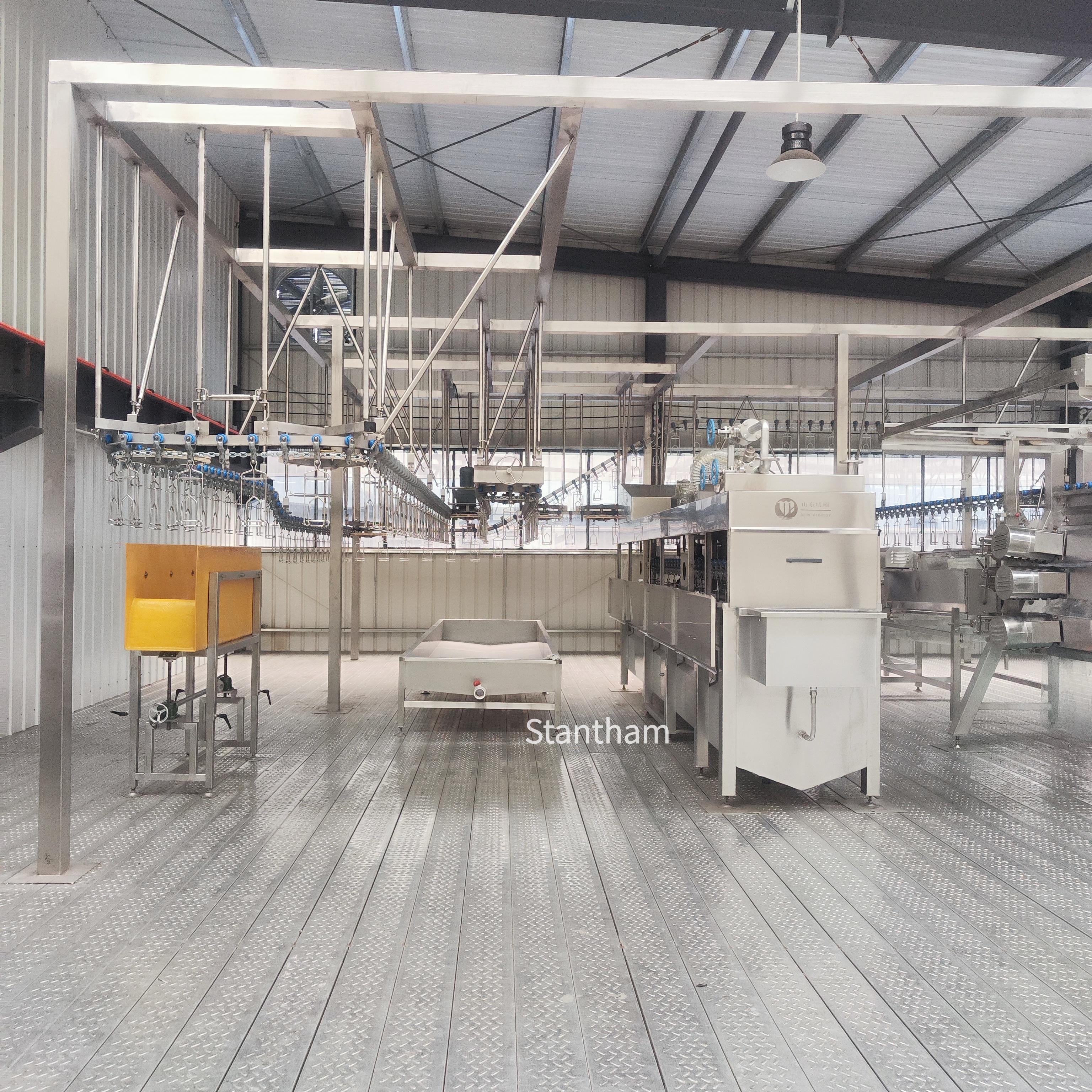
Jalur Pengolahan Ujung-ke-Ujung untuk Hasil dan Laju Alir yang Tak Tertandingi
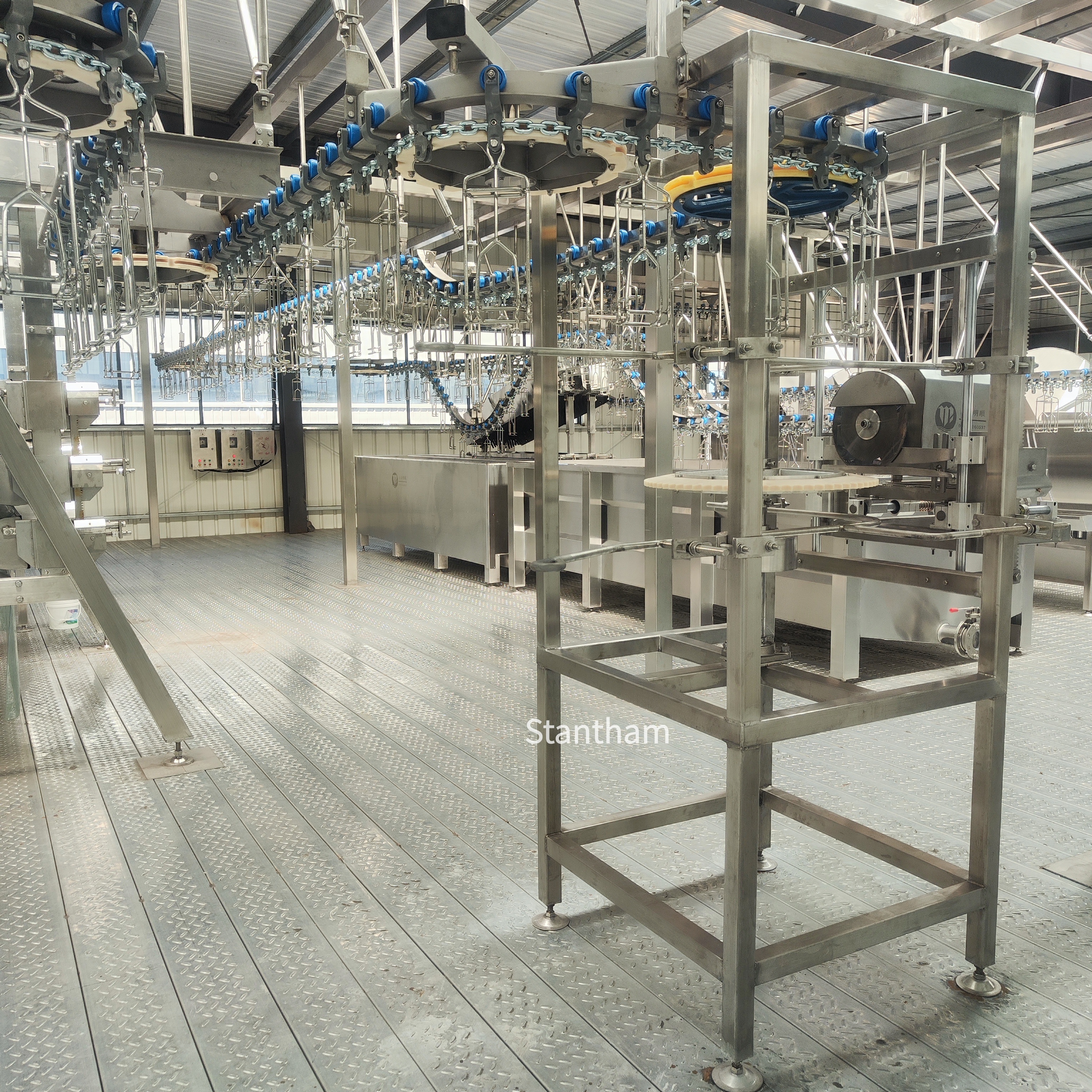
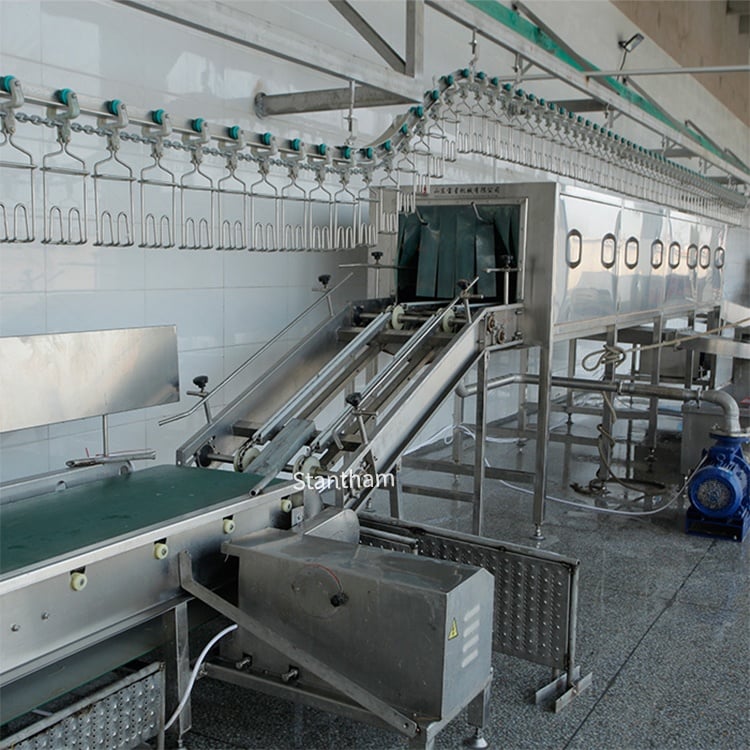
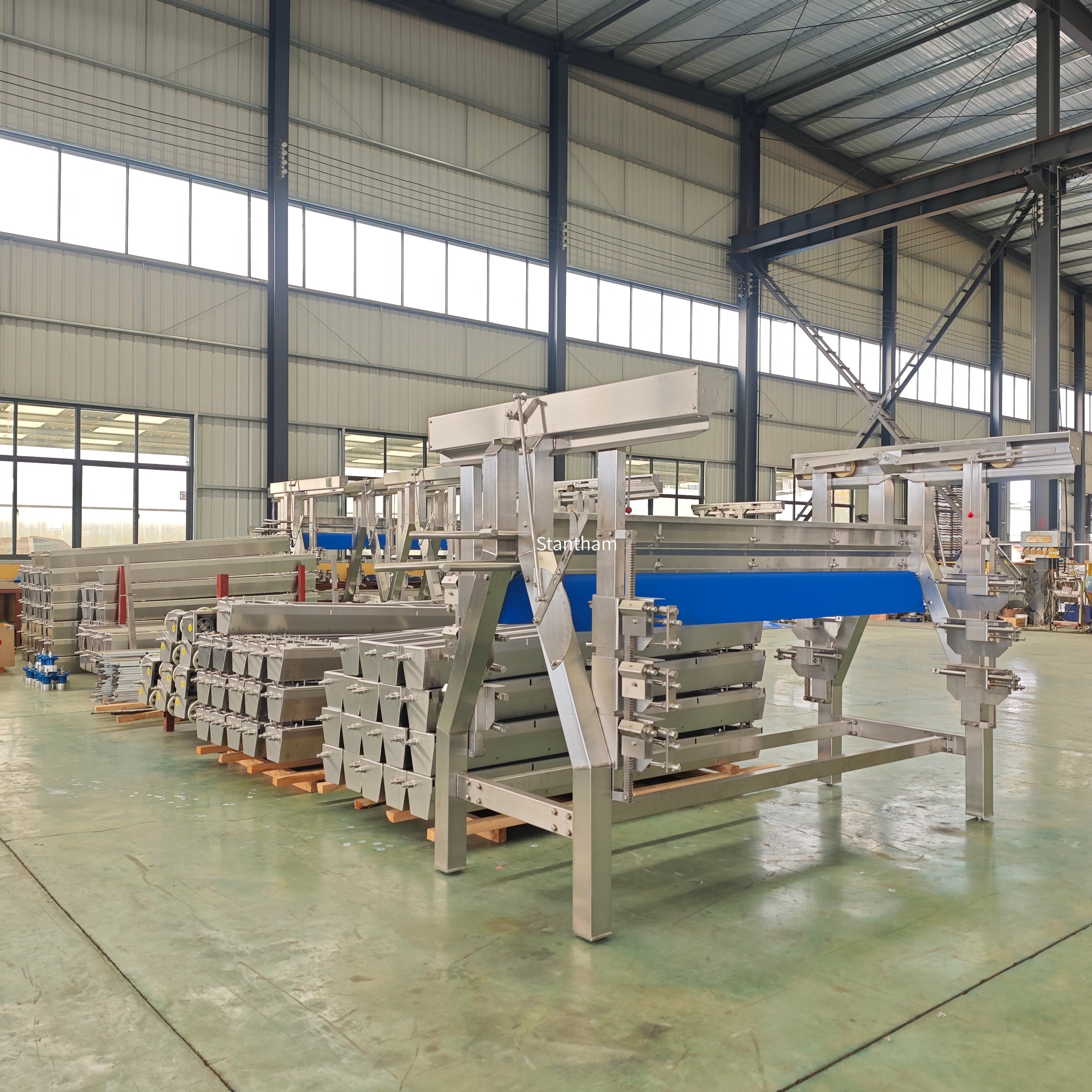
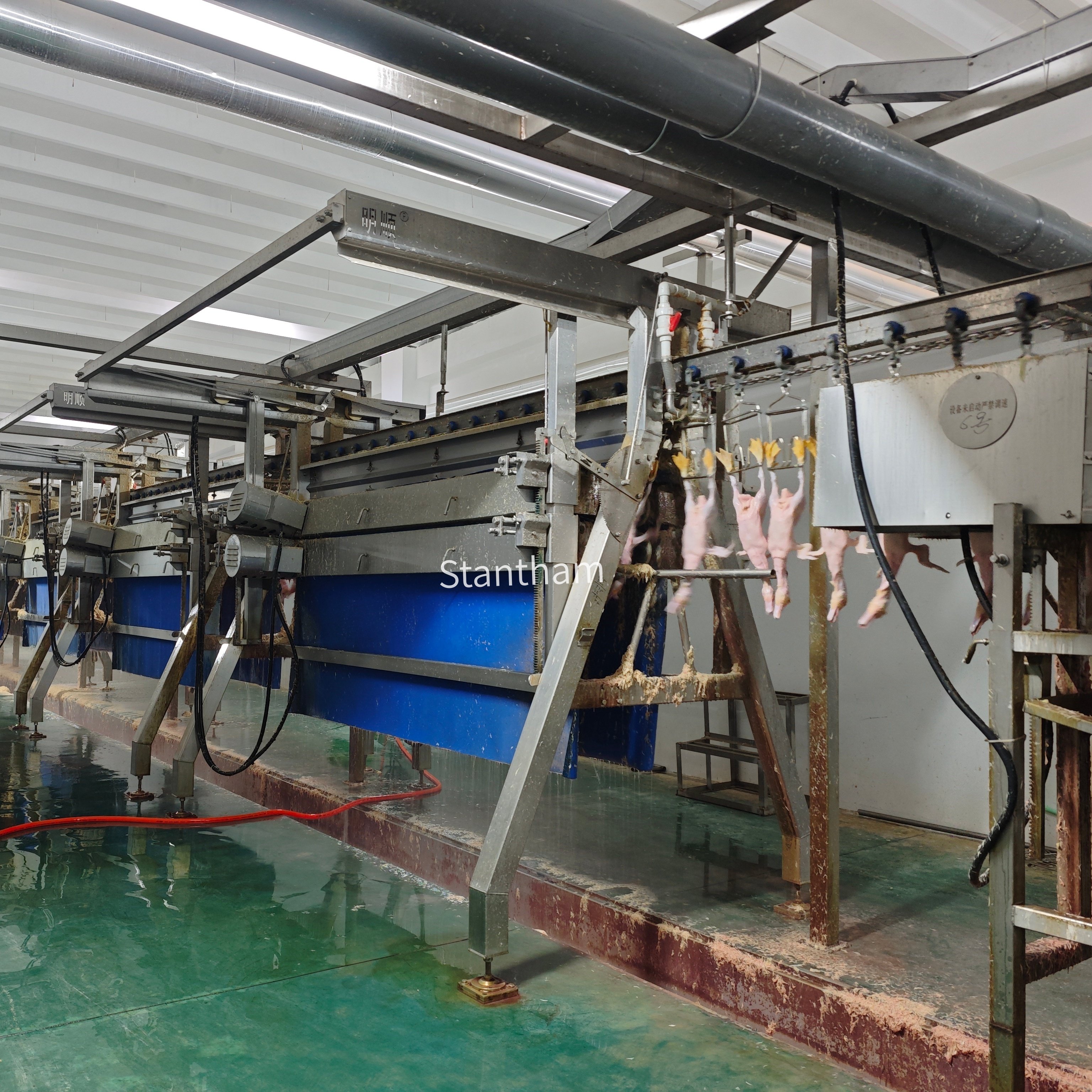
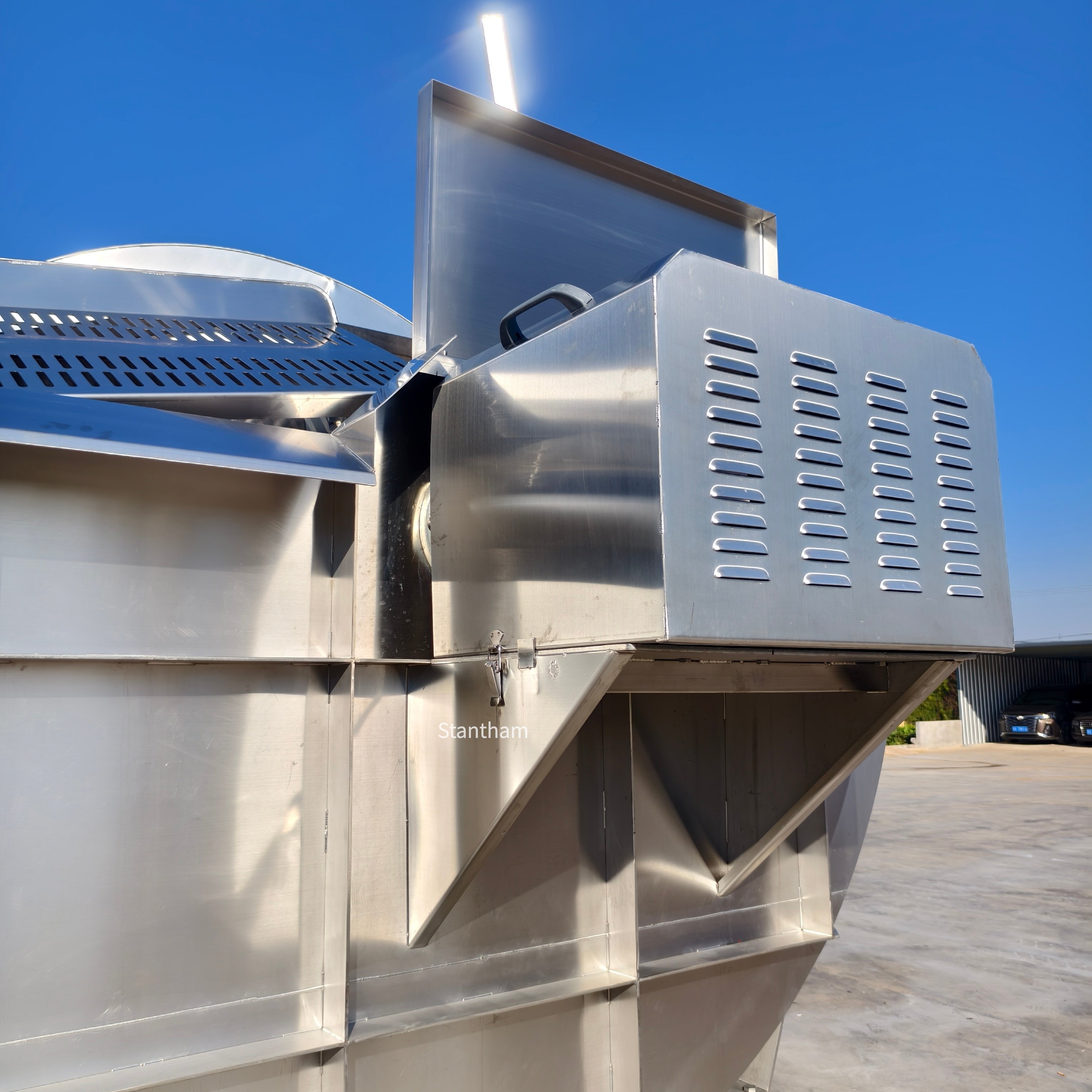
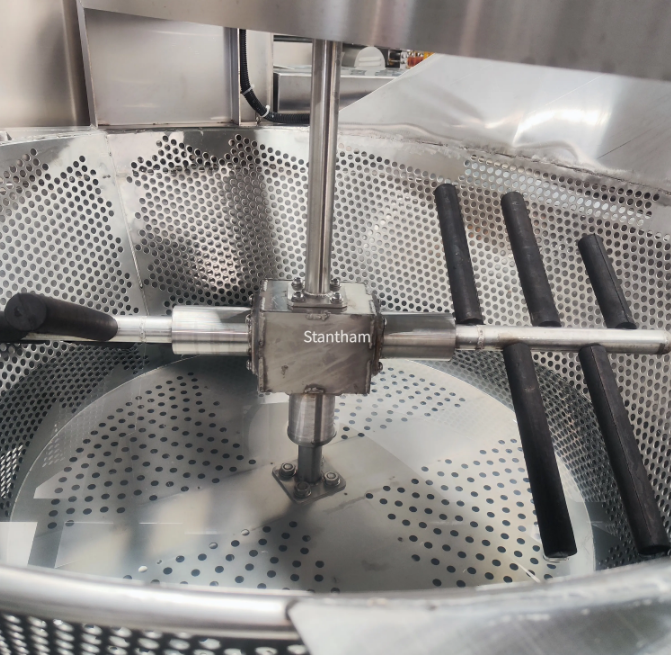
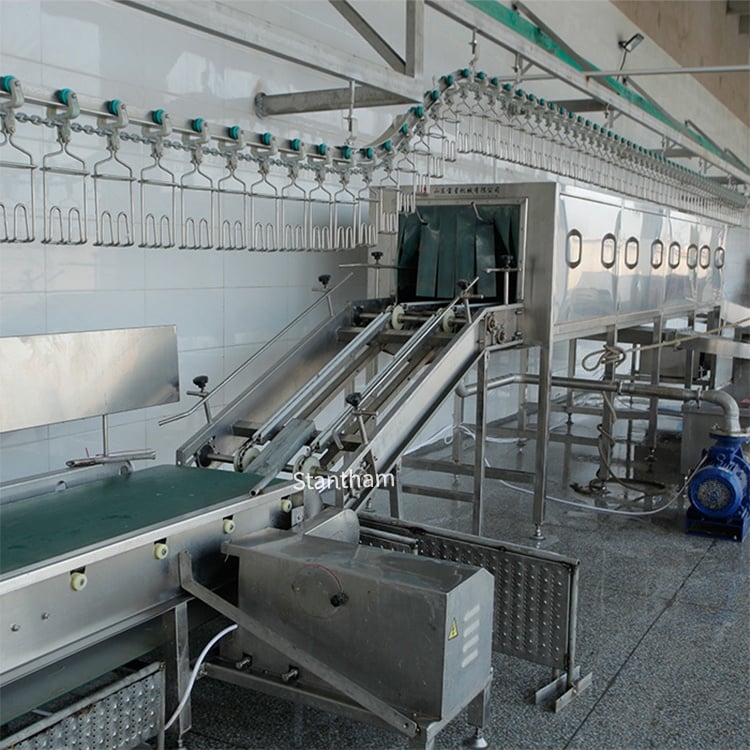
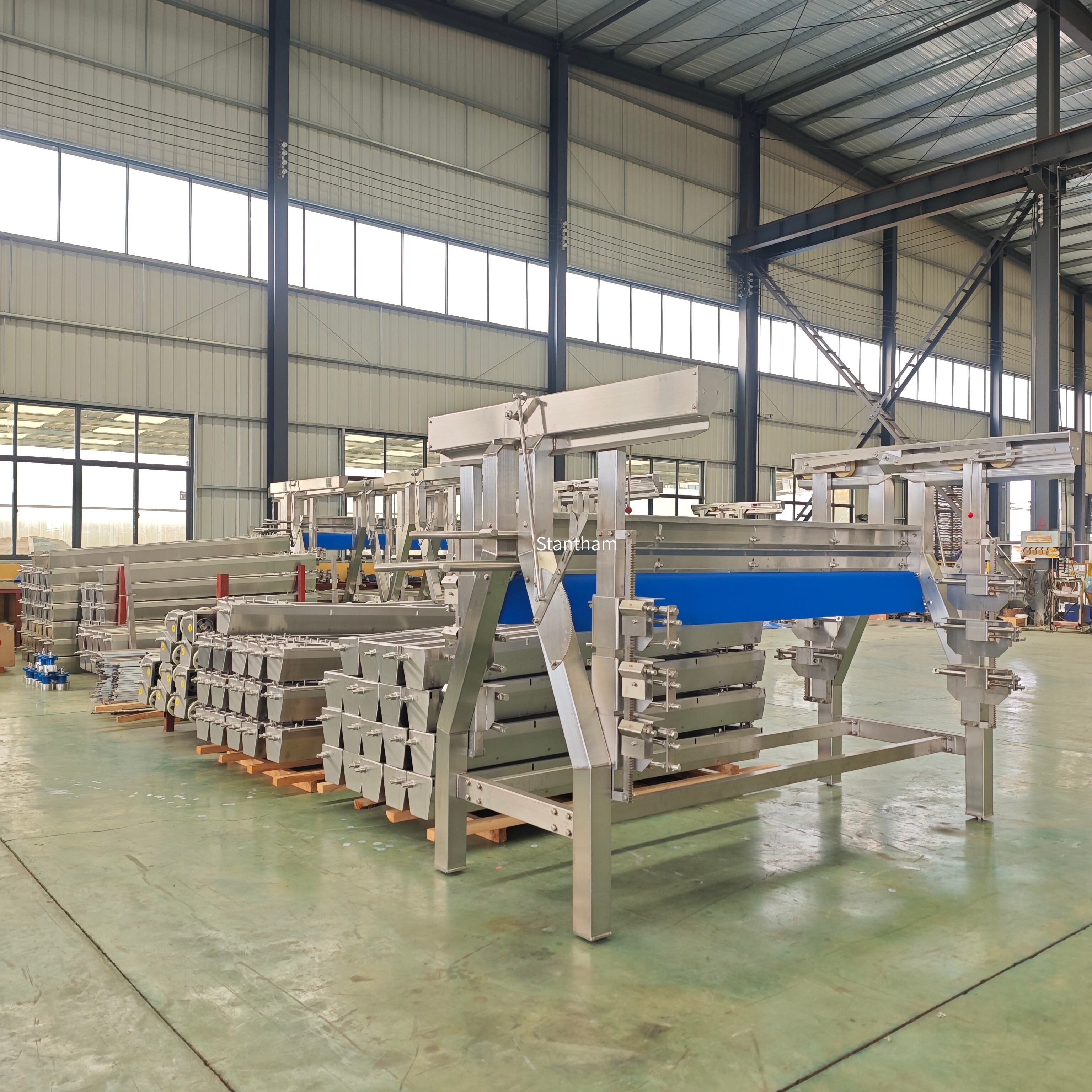
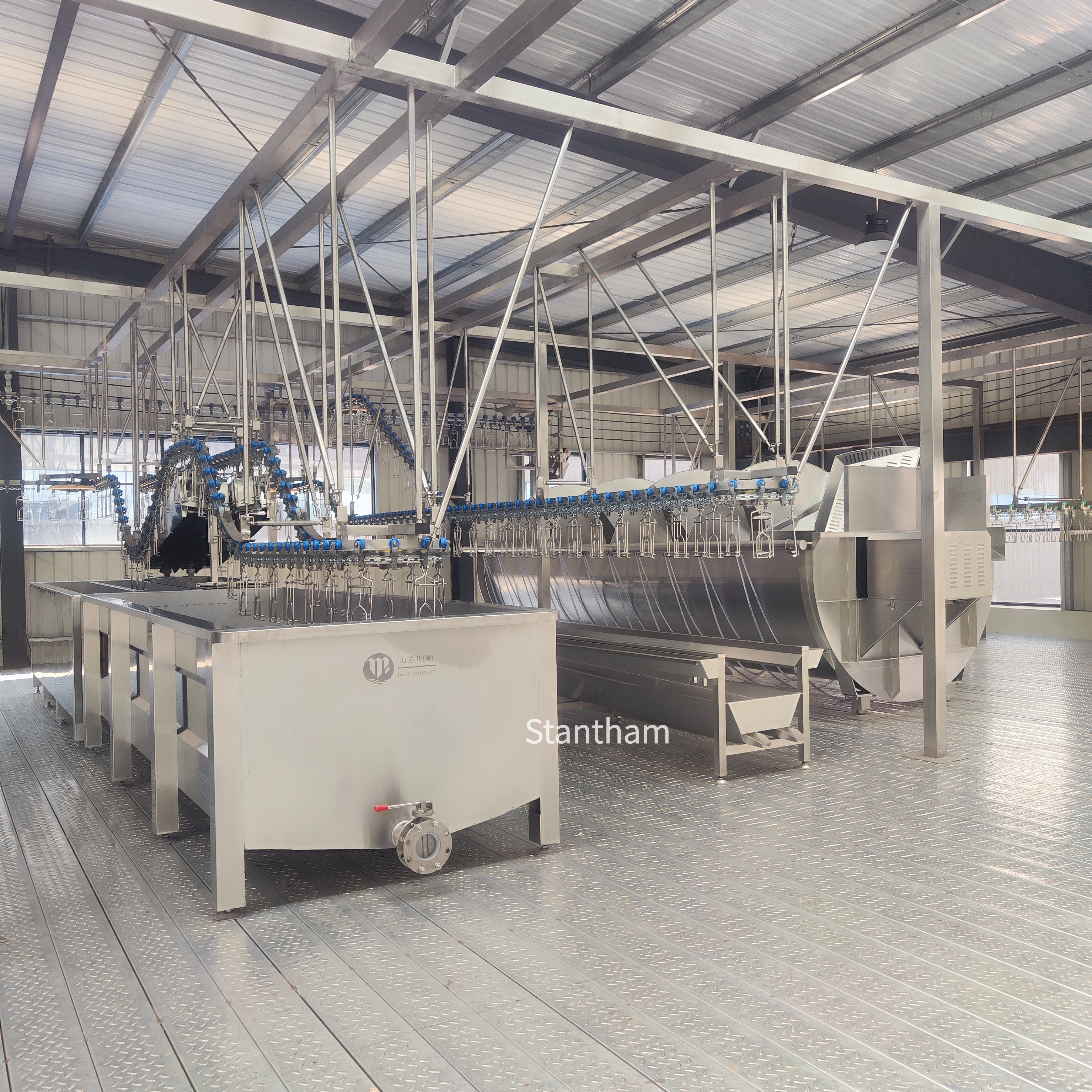
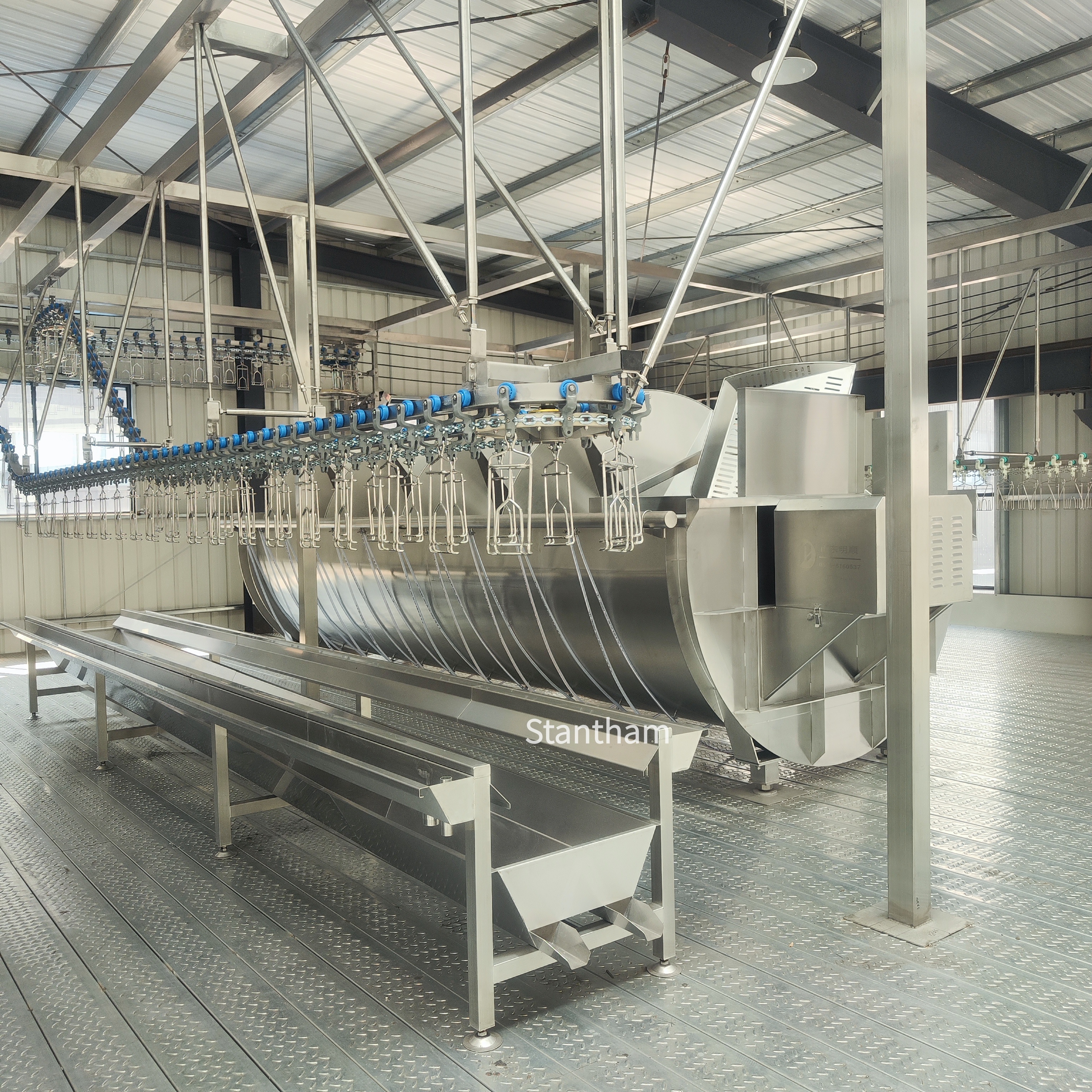
Turnkey Slaughter menyediakan mesin pengolahan unggas terintegrasi penuh yang merampingkan setiap tahap, mulai dari penerimaan unggas hidup hingga pemotongan akhir. Jalur kami secara konsisten mencapai kapasitas 12.000 ekor unggas per jam sekaligus meningkatkan hasil daging yang dapat dikonsumsi sebesar 2,1% dibandingkan peralatan standar, yang telah diverifikasi dalam studi longitudinal selama 12 bulan di sebuah fasilitas di AS. Integrasi tanpa celah antara tahap penyembelihan, pencabutan bulu, pengeluaran jeroan, dan pendinginan menghilangkan ketidaksesuaian dalam proses transfer, sehingga mengurangi penurunan kualitas akibat memar sebesar 18%. Salah satu pabrik di Nigeria memasang peralatan kami dan langsung mencatat penurunan jumlah bakteri aerob pada sampel air sebelum pendinginan menjadi di bawah 3,2 log CFU/mL, melampaui ambang batas ekspor. Sistem daur ulang air terintegrasi pada tahap pembilasan akhir memulihkan 0,8 liter air per ekor unggas, sehingga menekan biaya utilitas bagi operator yang memproses lebih dari 200.000 ekor unggas setiap hari.
DAPATKAN PENAWARAN
 EN
EN