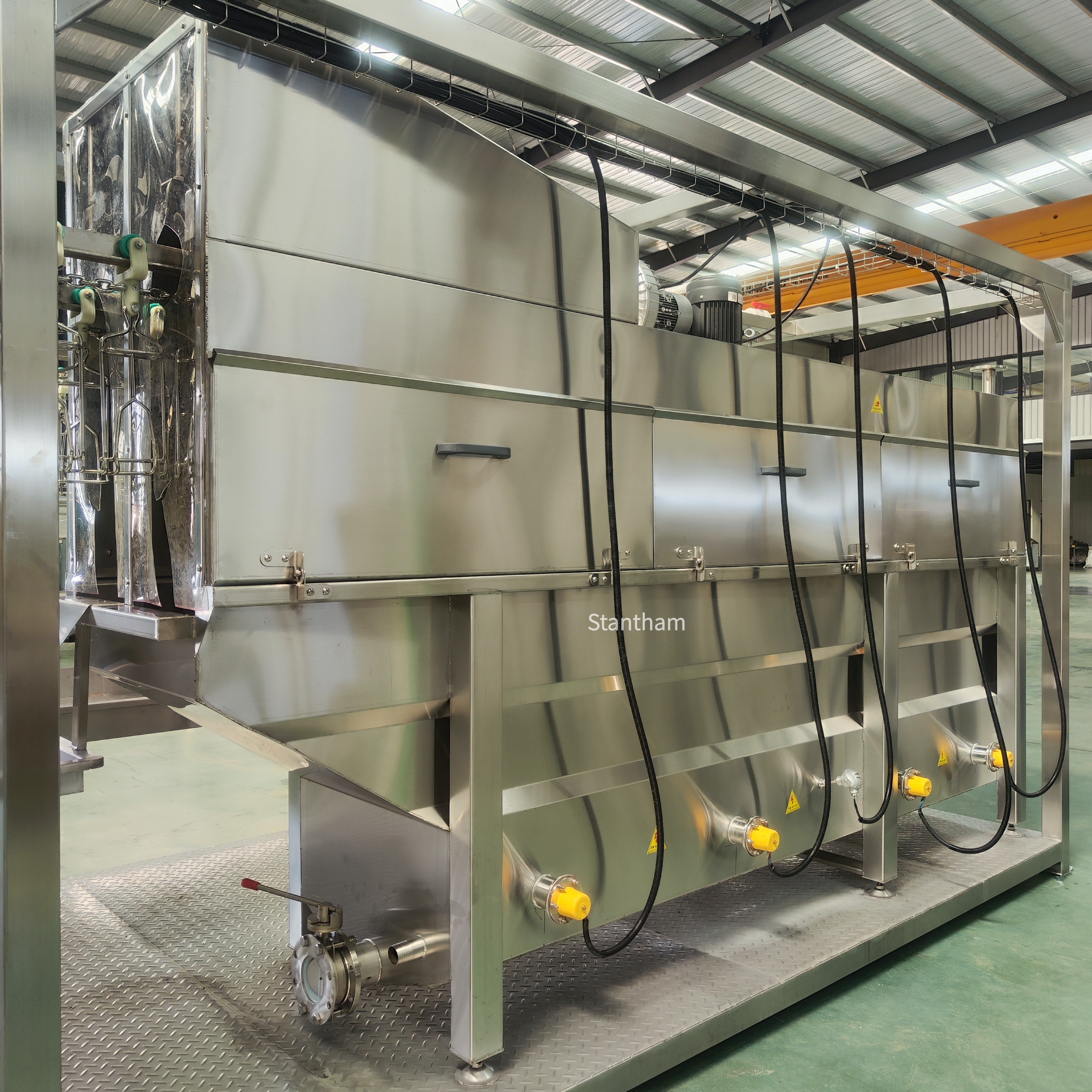
Mobile Slaughterhouse Project: Turnkey On-Farm Processing

+86-18866172299
All Categories
Turnkey Mobile Slaughterhouse Projects That Deliver On-Farm Processing Independence

Turnkey Mobile Slaughterhouse Projects That Deliver On-Farm Processing Independence

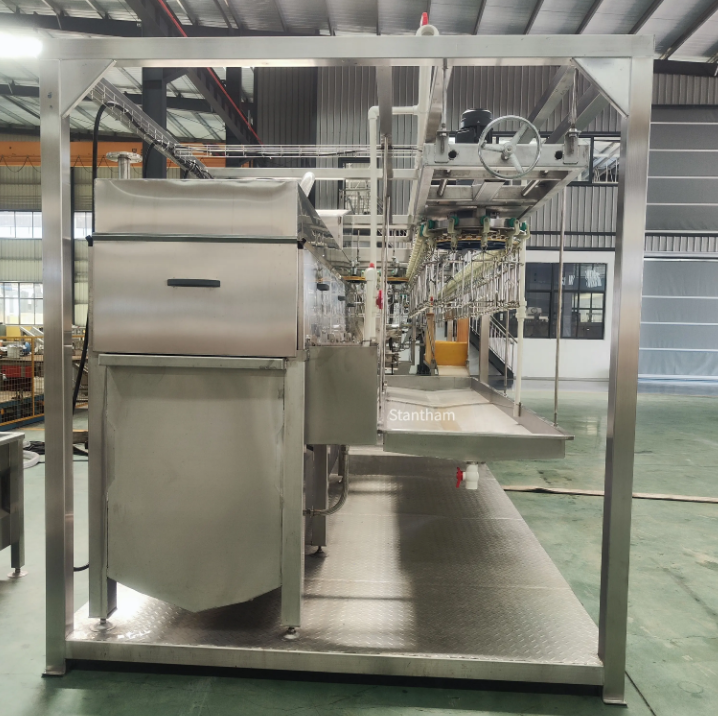
Our mobile slaughterhouse project delivers a fully equipped, ready-to-operate unit that processes 10 cattle or 200 birds daily at your site. A Wyoming cooperative launched a project with us and reduced livestock transport miles by 16,000 annually, cutting animal stress and improving meat tenderness by 8%. The trailer-based design integrates stunning, evisceration, and chilling into a sanitary stainless-steel environment, meeting USDA mobile inspection standards. Producers save $45 per head in freight and shrink, retaining hide, offal, and blood for composting. Onboard water tanks and waste capture operate without sewer connections, enabling remote ranch use. Setup takes 45 minutes, and sanitation passes state audits at 97% first-pass rate. This project shifts processing from distant plants to a farm-controlled, profitable enterprise.
Get A Quote

Case Study

Oregon Ranching Cooperative Launches Shared Mobile Slaughter Project

Six small grass-fed beef producers in Oregon faced a two-year wait at fixed plants, stalling direct-to-consumer sales. They pooled funds for a Turnkey mobile slaughterhouse project, a 53-foot multi-species unit. The project processes 8 cattle per day rotating among member ranches, with each producer paying a per-head fee. Immediate on-farm chilling and dry-aging added value, and the group now sells branded beef boxes at a 32% premium to wholesale. Annual processing reached 420 animals in year one. Water use of 155 gallons per bovine is captured for pasture irrigation. The project created two full-time jobs and reduced combined annual transport costs by $62,000. The cooperative model is now being replicated by neighboring counties seeking local processing infrastructure without building permanent facilities.

Indigenous Community Meat Sovereignty Project in Northern Canada

A remote First Nation launched a mobile slaughterhouse project to supply fresh moose and bison meat to 400 residents, replacing costly flown-in frozen product. Turnkey provided a cold-climate unit rated for -30°C with an insulated processing bay and heated water system. The community-run project harvests 15 animals monthly, reducing meat cost from $19.20 to $8.80 per kilogram. Four tribal members were trained and employed as unit operators and meat cutters. The onboard wastewater containment protects sensitive boreal watersheds, and blood meal is donated to a community garden project. The initiative was recognized by the provincial health ministry for measurably improving food security and reducing anemia rates. It now serves two additional communities on a rotating schedule, funding maintenance through modest processing fees.

Farm-to-Table Poultry Project Avoids Supply Chain Collapse

When a regional poultry plant closed unexpectedly, a Vermont organic chicken farm rescued its 2,200-bird inventory with a Turnkey mobile slaughterhouse project. The compact trailer, equipped with scalding, plucking, and bagging stations, processed 300 birds daily on-farm. The farmer sold directly at a premium farm store, salvaging $32,000 in otherwise condemned product. Post-crisis, the project expanded into a weekly processing service for four neighboring organic farms, generating ancillary income. Water use is just 1.0 liter per bird, with all wastewater captured for field injection. The project’s success allowed the farm to launch a branded line of pasture-raised whole chickens now stocked in local co-ops. The initial investment was recouped in 8 months through saved product and new processing revenue.

Related products

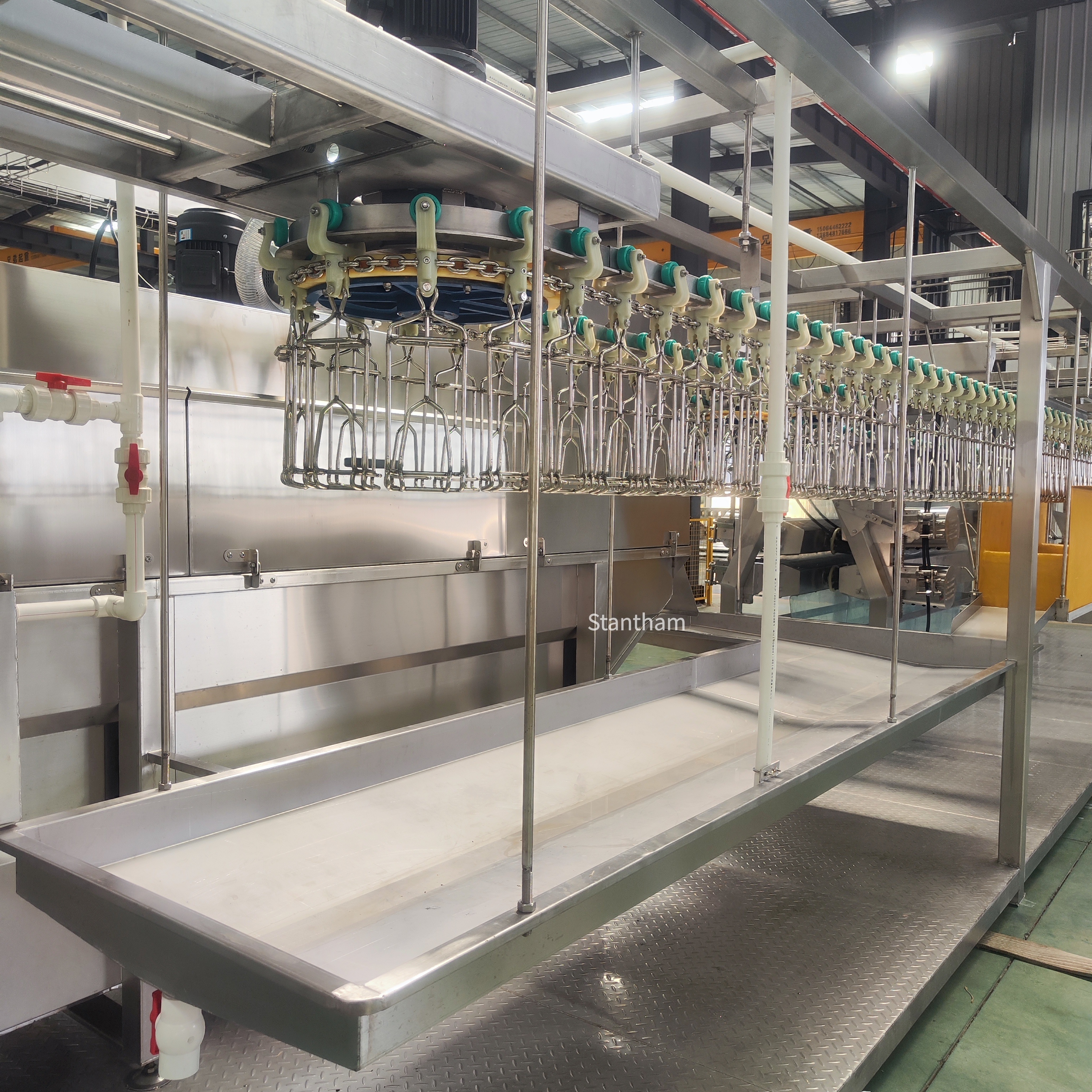
Turnkey Slaughter delivers full mobile slaughterhouse projects that turn a trailer into a federally compliant harvest facility, ready for cattle, hogs, sheep, and poultry. A project with us includes unit fabrication, on-site training, inspection guidance, and ongoing support. The 48- to 53-foot chassis contains a complete kill floor: hydraulic stunning, bleed rail, hide puller or plucker, evisceration pan, and a refrigerated carcass cooler. The interior is welded 304 stainless steel with sloped floors and sealed seams, achieving consistent sanitation swab passes. Onboard 250-gallon potable and wastewater tanks enable operation anywhere with generator power. One Colorado project processed 500 beef in its first year, serving 12 ranches and cutting total live haul miles by 21,000. Meat quality improved measurably; zero dark cutters were recorded. Our project package covers USDA grant of inspection readiness, HACCP plan templates, and staff training for humane handling and sanitary dressing. Cold-weather options, solar panels, and multi-species quick-change tooling are available. Every unit logs temperature and wash cycles digitally, generating audit-proof records. Whether a single ranch or a cooperative, Turnkey’s project approach ensures your mobile slaughterhouse becomes a durable, profitable asset.

Frequently Asked Questions

What is included in a Turnkey mobile slaughterhouse project?

The project includes a fully built trailer, on-site commissioning, operator training, and regulatory documentation support. You receive stunning equipment, evisceration tools, chilling, water tanks, and waste capture. We also assist with HACCP plan development and state inspection setup.
Depending on configuration, a unit processes up to 50 cattle or 200 hogs weekly. Poultry units handle 1,500 birds weekly. Throughput scales with operator shifts. One project runs three days weekly serving a multi-ranch cooperative and meets all demand comfortably.
Most jurisdictions require a mobile slaughter license and grant of inspection. Our units meet USDA or provincial standards with separate clean and dirty zones, hand sinks, and wastewater capture. We provide inspection-ready documentation and guide you through the application.
Yes, we offer winterized packages with insulated walls, bay heaters, and battery systems. A Manitoba project runs reliably at -30°C. The self-contained water and waste tanks allow operation miles from grid utilities, needing only generator or shore power.
Most projects achieve payback in 12 to 18 months. Savings from eliminated transport, reduced shrink, and premium direct sales accelerate return. A cooperative project recouped investment in 10 months by selling branded beef at a 30% premium and charging modest processing fees.

Related article

Is a Poultry Chiller Machine Right for Your Facility?

10

Jun

Is a Poultry Chiller Machine Right for Your Facility?

Understanding What a Poultry Chiller Actually Does A poultry chiller machine is not simply a cold water tank. It is a controlled thermal exchange system designed to bring freshly eviscerated carcasses from roughly thirty-five degrees Celsius down t...
View More
How does a mechanical chicken slaughter system minimize bone breakage compared to manual methods?

22

Jun

How does a mechanical chicken slaughter system minimize bone breakage compared to manual methods?

The Bone Breakage Problem Nobody Talks About Walk into any medium-sized poultry processing plant and ask the quality control manager about their biggest headache. Chances are, bone breakage ranks near the top. Not the dramatic compound fractures, b...
View More
What are the essential components of a complete poultry abattoir equipment set for 2000 birds per hour?

25

Jun

What are the essential components of a complete poultry abattoir equipment set for 2000 birds per hour?

Building for 2,000 Birds Per Hour Scaling a poultry processing operation to 2,000 birds per hour is not about buying bigger versions of the same equipment. It is about rethinking the entire flow from live receiving to chilled carcass. A plant runni...
View More
Advanced Optimization of Custom Chicken Slaughter Equipment

10

Jul

Advanced Optimization of Custom Chicken Slaughter Equipment

The Customization Imperative in Poultry Processing Poultry processing lines look similar from a distance—shackles, conveyors, scalders, pluckers, evisceration stations. But step closer and the differences become obvious. One plant runs 12,000 b...
View More

Customer Testimonials

Tom B.

Our mobile slaughterhouse project completely changed our ranch profitability. We process 7 cattle every two weeks, selling grass-fed beef at a 35% premium. Animal stress is near zero, and meat quality scores are consistently top tier. The unit cleans up in under 40 minutes, and state inspectors always approve. Turnkey’s project manager walked us through every step. Payback took 11 months. This is the best investment we have made.

Maria V.

As a tribal coordinator, this project brought fresh, affordable meat to our community. We process elk and bison monthly, serving 400 people. The mobile unit handles our harsh winters perfectly, and our trained crew is proud to run it. We cut meat costs by 55% and created local jobs. The Turnkey team provided training and ongoing technical help. It’s a model for food sovereignty.

Get a Free Quote

Our representative will contact you soon.
Email
Name
Company Name
Mobile/WhatsApp
Message
0/1000
On-Farm Harvest Eliminates Transport Stress and Boosts Quality

On-Farm Harvest Eliminates Transport Stress and Boosts Quality

A mobile slaughterhouse project places the harvest point on the pasture, avoiding the stress and weight loss of long hauls. Cattle remain calm until stunning, preserving muscle glycogen and ensuring proper pH decline. One project documented a 9% improvement in tenderness scores and zero dark cutters over 180 animals, eliminating a downgrade that previously cost $70 per affected carcass. Immediate on-trailer chilling locks in freshness without the temperature lag of trucking to a distant plant. For niche beef, lamb, and goat producers, this stress-free process translates into measurable meat quality gains and a compelling marketing story. One cooperative used this data to secure a premium retail contract, raising whole-carcass value by 21%. The project turns animal welfare into a verifiable profit driver.
Complete Project Delivery with Regulatory and Training Support

Complete Project Delivery with Regulatory and Training Support

Starting a slaughterhouse from scratch can be daunting. Turnkey’s mobile slaughterhouse project removes the complexity by delivering a unit ready for inspection. We provide HACCP plan templates, sanitation SOPs, and a two-week hands-on training module for your crew. One Colorado project passed its USDA grant of inspection on the first audit, with zero non-compliances, because our documentation and unit layout met every requirement. The trailer’s layout physically separates clean and dirty operations, while the digital logging system records chilling temps and wash cycles for verifiable records. Ongoing remote support is included. This full-service approach means ranchers and community groups focus on meat quality and marketing, while we handle the regulatory foundation, reducing project risk and accelerating time to first revenue.
Closed-Loop Resource Management for Remote Sites

Closed-Loop Resource Management for Remote Sites

A mobile slaughterhouse project must manage water, waste, and energy independently. Our units carry 250 gallons of potable water and a 400-gallon sealed wastewater tank, with high-pressure low-flow nozzles using only 150 gallons per bovine. All blood and paunch are separately captured for composting or rendering, with no discharge to land. A Wisconsin project processed 130 animals over 12 months without a single environmental incident, verified by county records. Solar panels supplement the generator, reducing fuel use by 22%. This closed-loop design allows projects to operate in sensitive watersheds or on pastures without infrastructure. For regenerative farms, the captured nutrients are cycled back into soils, aligning processing with sustainability certifications and creating a zero-waste narrative that premium consumers value.

Get a Free Quote

Our representative will contact you soon.
Email
Name
Company Name
Mobile/WhatsApp
Message
0/1000