Poultry Processing Equipment: 500–12,000 BPH Integrated Lines

+86-18866172299
All Categories
Complete Poultry Processing Equipment For Every Species And Throughput

Complete Poultry Processing Equipment For Every Species And Throughput

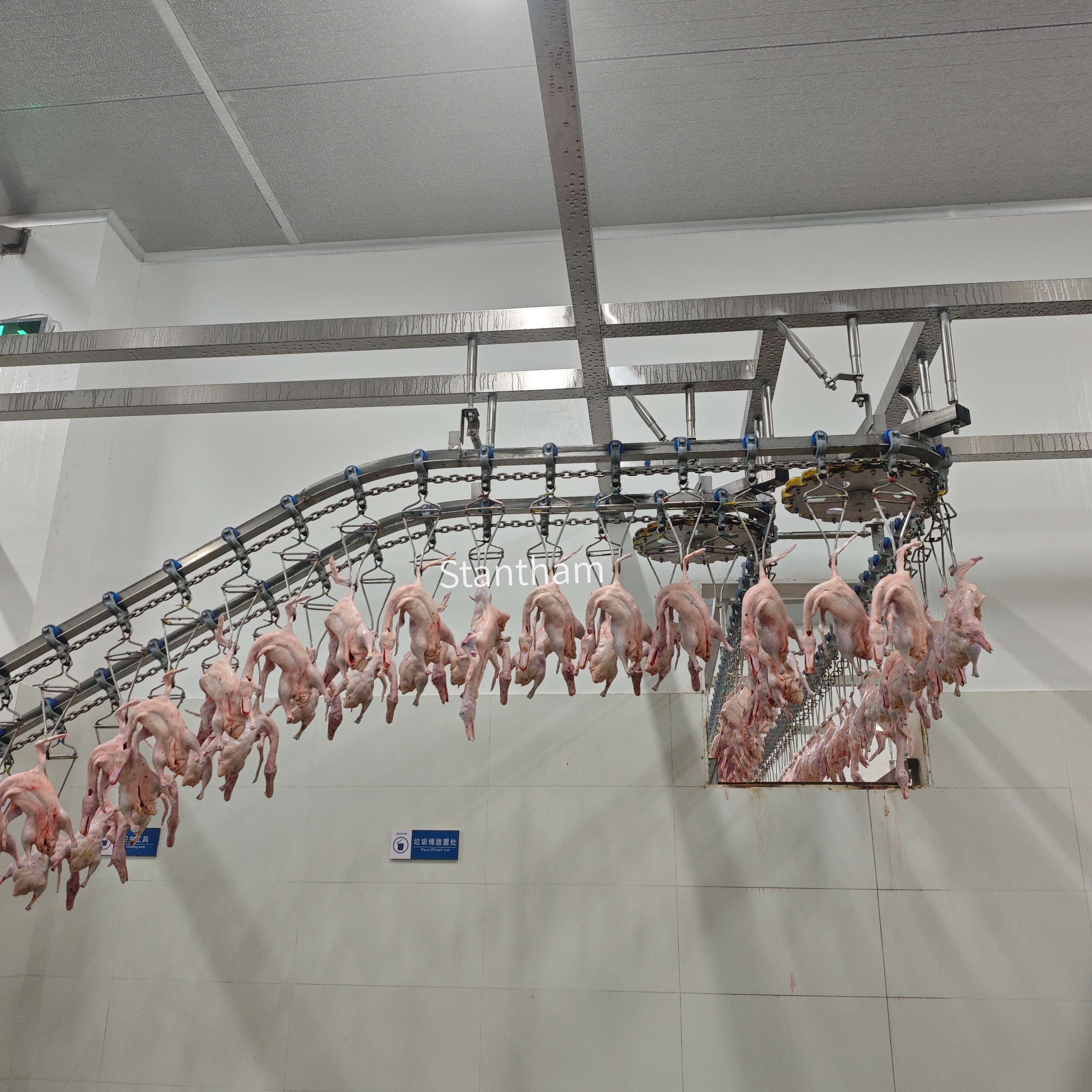
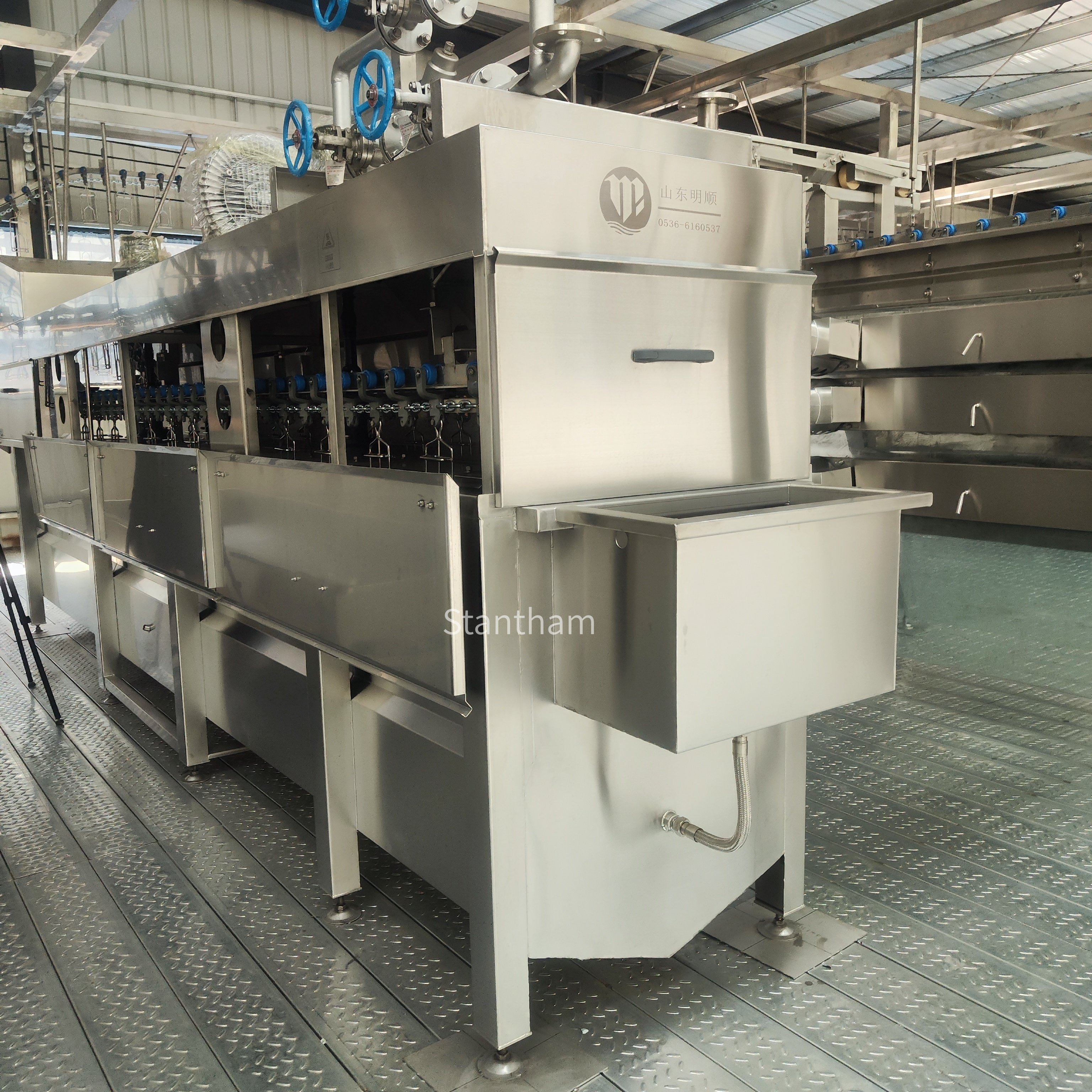
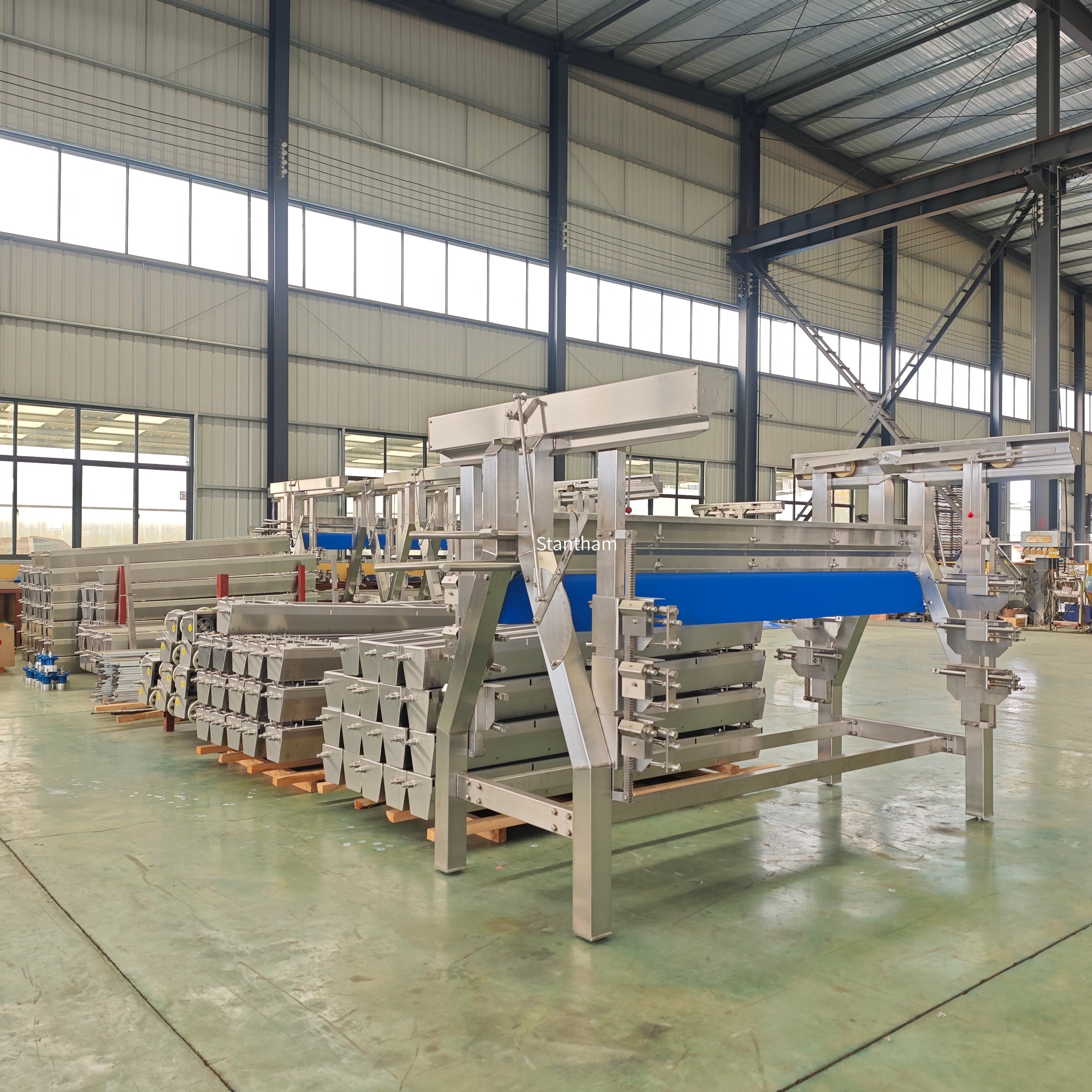
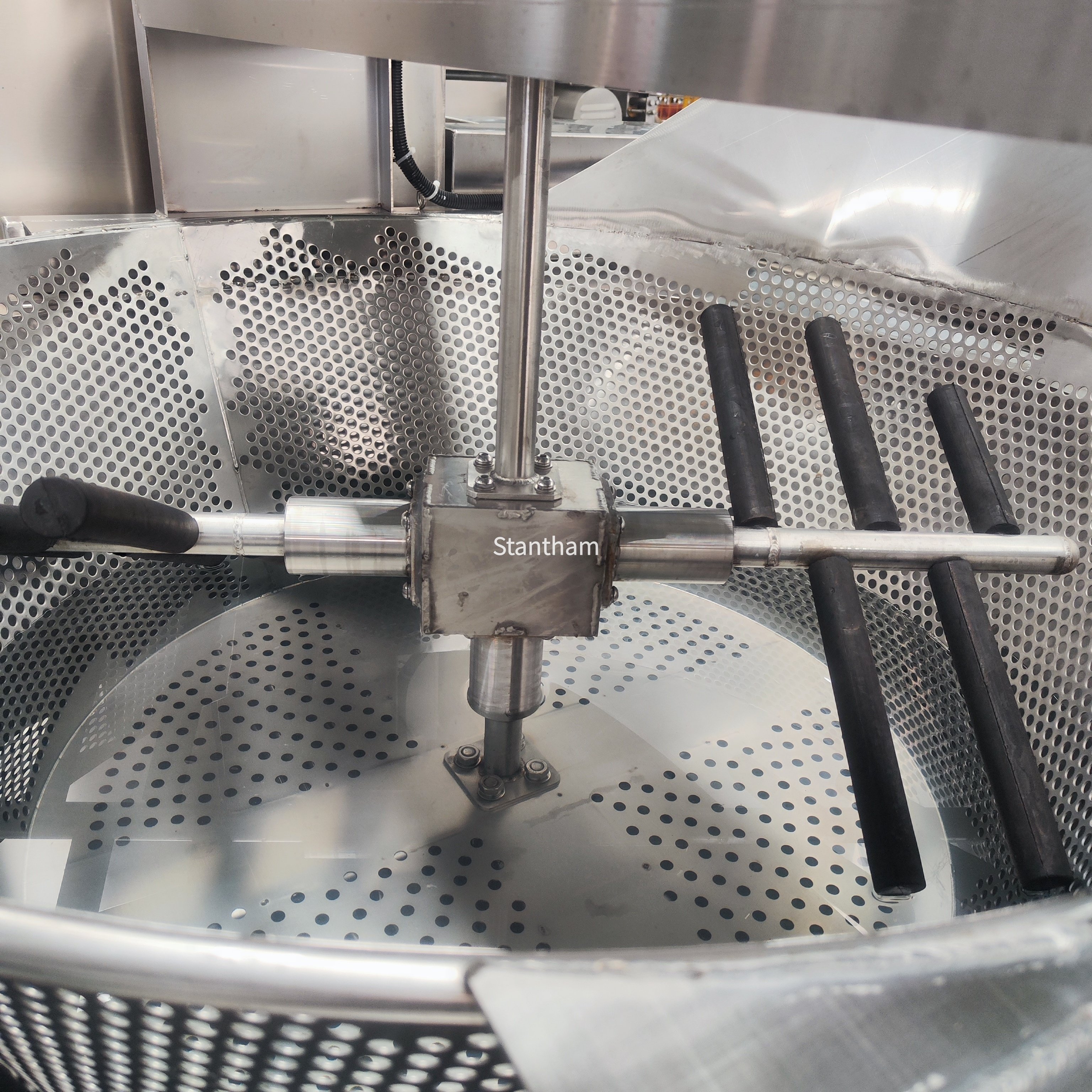
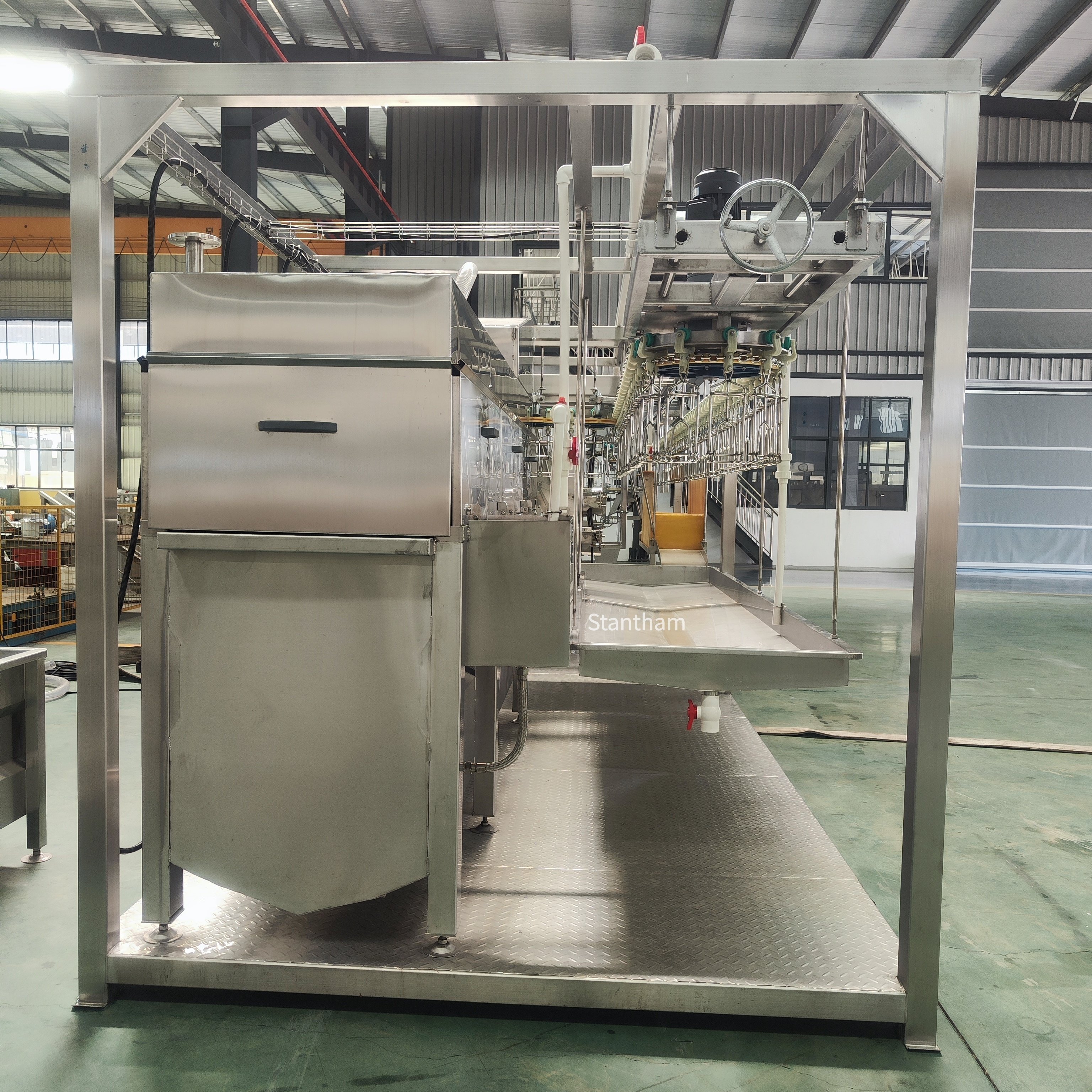
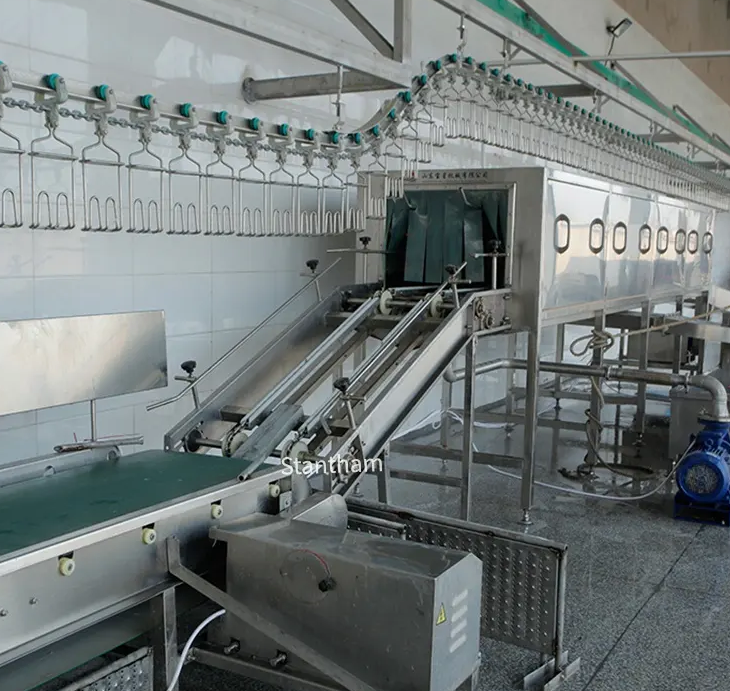
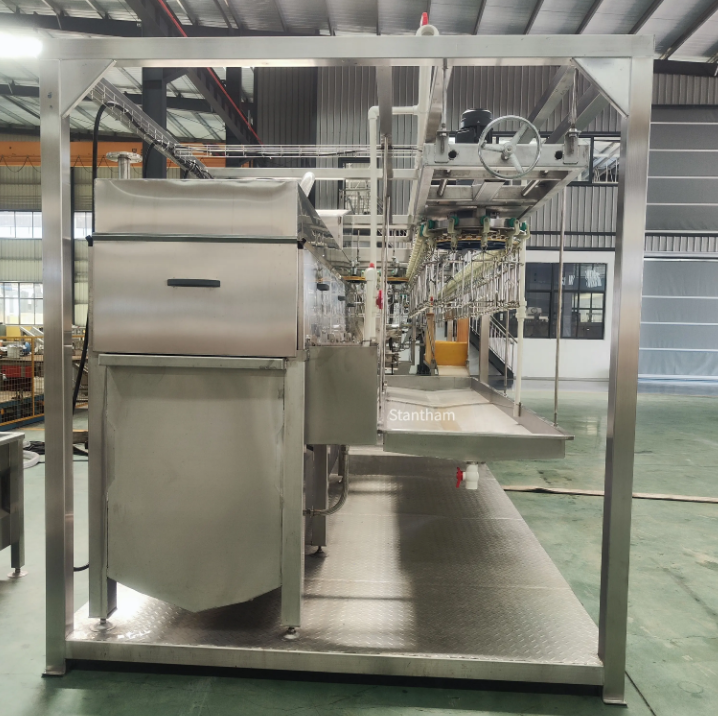
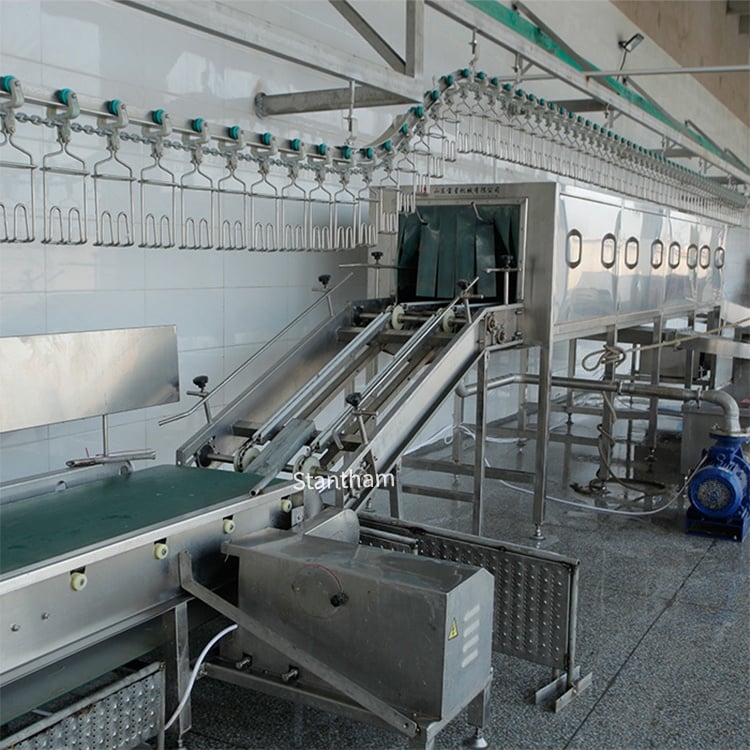
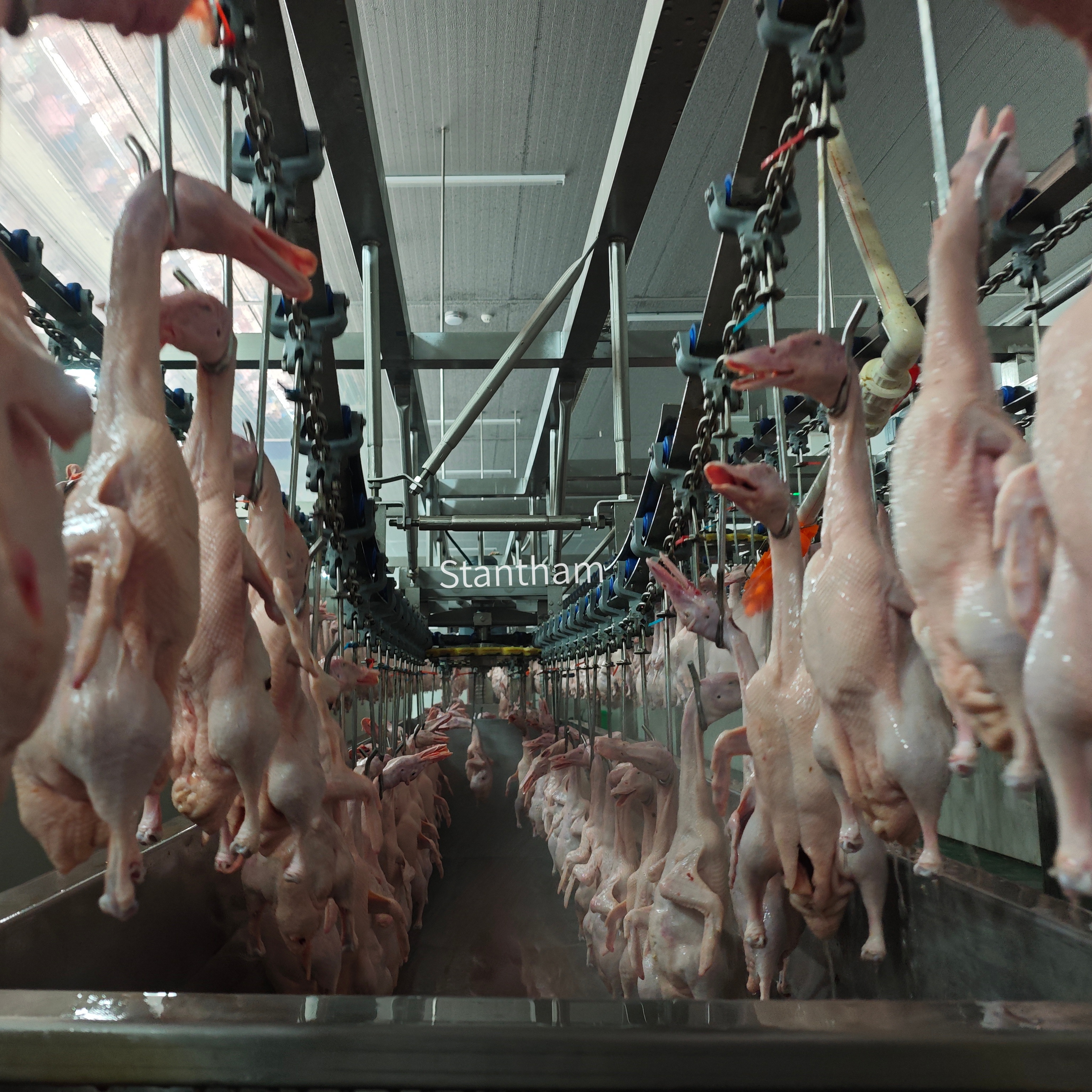
Choosing poultry processing equipment means matching every stage—stunning, scalding, plucking, evisceration, chilling, and grading—to one balanced flow, yet most buyers assemble mismatched machines that create bottlenecks. Our equipment integrates all stages on a single control platform rated from 500 to 12,000 birds per hour, so output stays steady and yield stays high. Washdown 304 or 316 stainless with CIP-ready zones meets HACCP and EU rules from first run. One integrator unified a fragmented plant and lifted Grade-A yield 6% while cutting labor 45%, recovering the cost in fourteen months through higher output and premium export sales. Remote monitoring flags faults before stoppages, protecting uptime during peak shifts without surprises or emergency overtime.
Get A Quote

Case Study

Integrator Unifies Fragmented Plant Into One Flow

An integrator in Turkey ran five disconnected stations bought from different suppliers, capping output at 2,500 birds per hour with frequent stoppages during evisceration. We delivered poultry processing equipment—one platform with stunning, scalding, plucking, evisceration, and chilling on a shared conveyor—that unified the flow at 5,000 birds per hour. Grade-A yield rose 6%, carcass damage fell below 2%, and labor dropped 45% as manual hand-offs disappeared. The CIP-ready 316 stainless line passed EU audit without retrofit, and remote alarms prevented peak-shift stoppages. Within fourteen months the integrator recovered the equipment through higher output and premium export contracts, then added grading lanes without rebuilding. Management credited the unified design with ending the daily firefighting between mismatched machines.

Duck Processor Standardizes Hygiene For Export

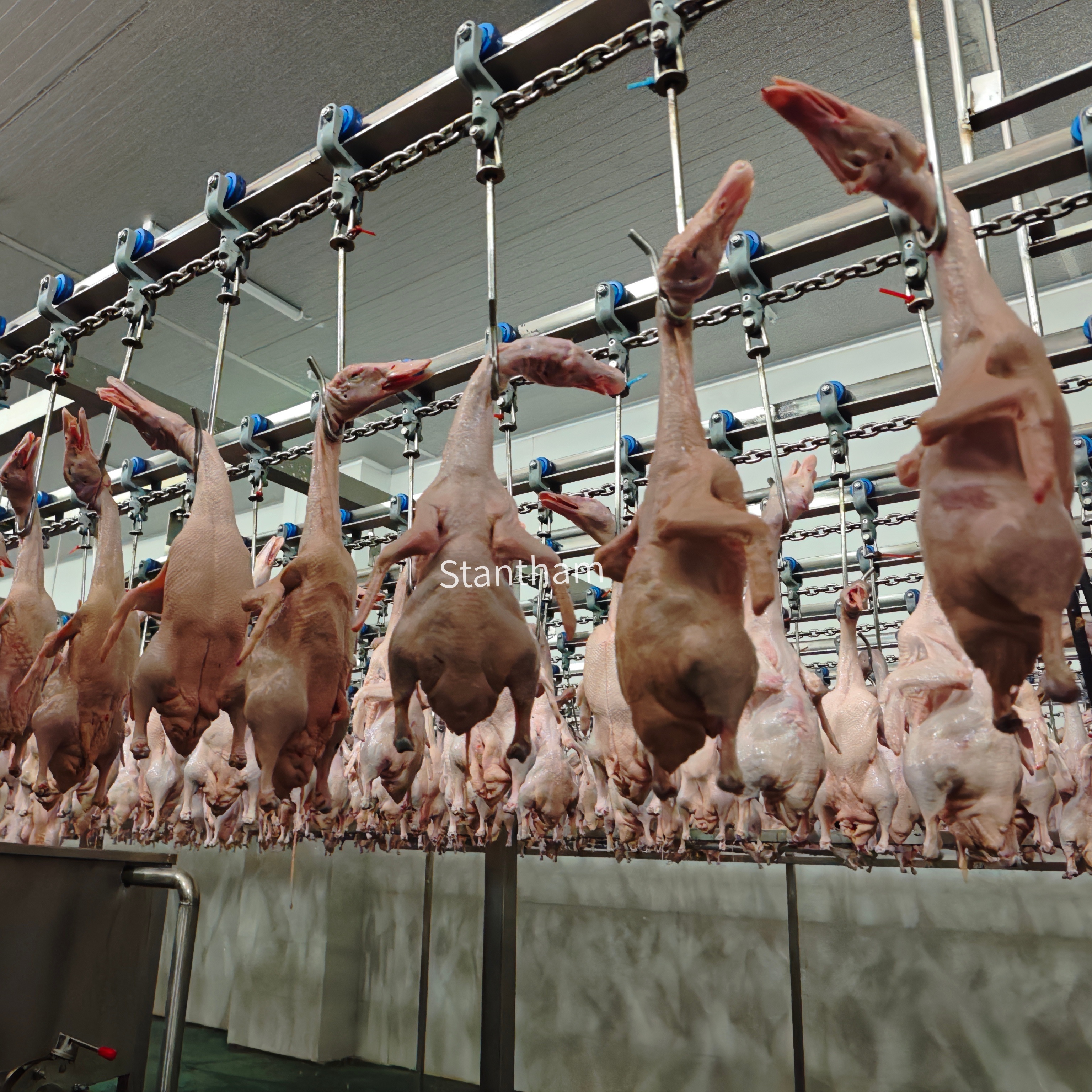
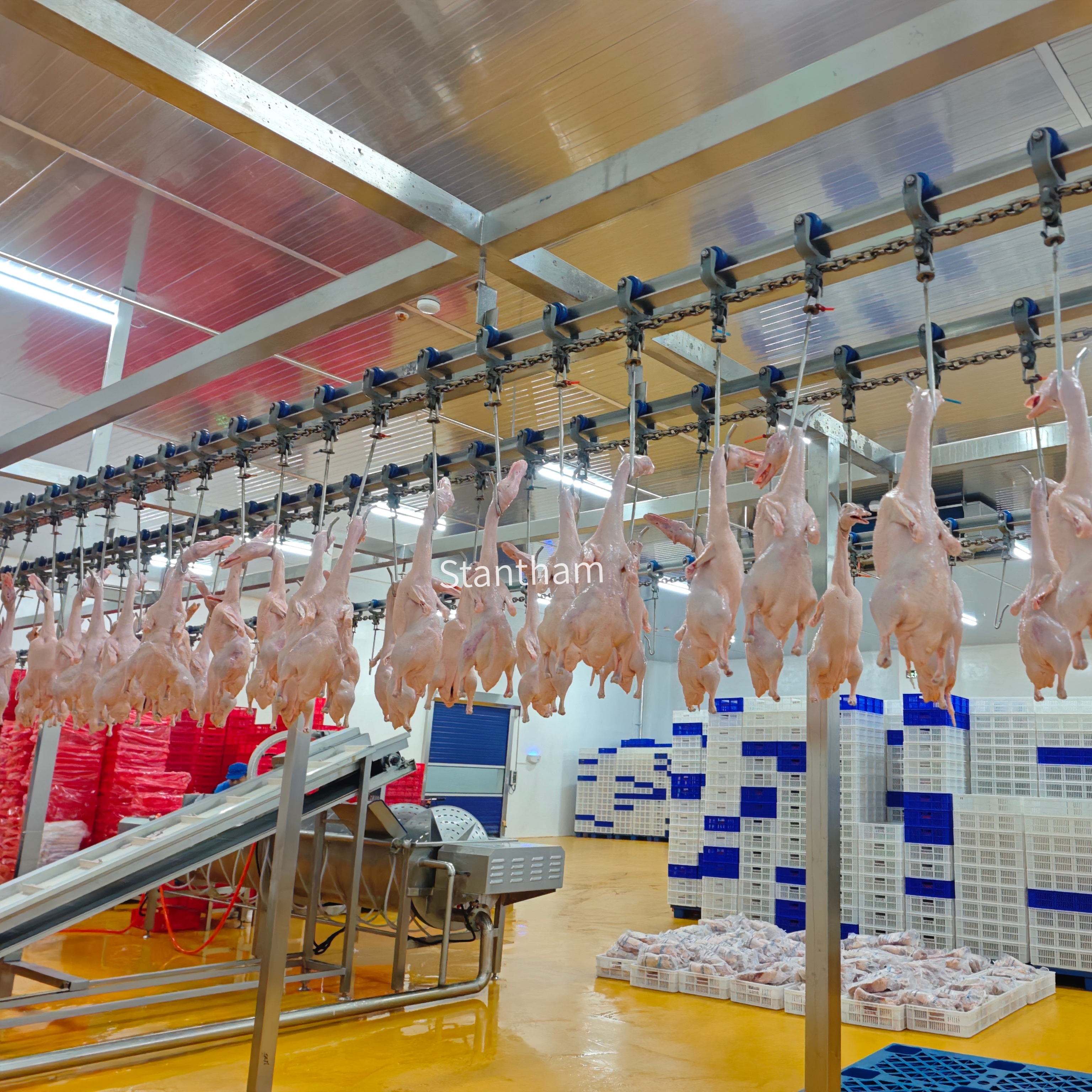
A duck processor in France met retail demand but failed EU hygiene audits because manual evisceration tables crossed clean and dirty zones. We supplied poultry processing equipment with separated zones, water-recycling scalders, and inline organ inspection that lifted output from 1,800 to 3,600 ducks per hour. Microbial counts dropped 60%, and the plant secured EU certification within one quarter. The 304 stainless line needed no construction changes, and CIP-ready surfaces cut sanitation labor by two hours daily. Within ten months the processor doubled portion-pack revenue and shipped chilled duck to five countries, crediting the standardized line with turning a compliance liability into a competitive advantage that supports premium pricing across wholesale contracts.

Startup Builds First Plant With Scalable Line

A first-time operator in Vietnam wanted a plant but feared vendor chaos and a thin local workforce. We built poultry processing equipment as a turnkey, modular line from live reception to packed product, rated for 4,000 birds per hour with only nine supervisors on the floor. Grade-A yield reached 94% from opening week, and commissioning finished in three weeks. Robotic shackling and vision-guided cutting meant consistent shifts despite scarce skilled labor, and the plant shipped its first export container within a month. The investor recovered the build in fifteen months through steady volume and premium contracts, proving that unified, scalable equipment lets new entrants compete with established processors without an experienced team.

Related products

Our poultry processing equipment is engineered as one continuous system that carries birds through stunning, killing, scalding, defeathering, evisceration, chilling, cut-up, and grading without manual re-handling between stages. Every station shares common mounts and one control platform, so a single recipe preset keeps the whole line synchronized and operators monitor output from one screen. We specify washdown-rated 304 or 316 stainless with CIP-ready, separated zones that meet HACCP and EU rules at any volume, and a regional spare-parts network keeps unplanned downtime below 2%. With two decades building turnkey abattoirs, we size lines from 500 to 12,000 birds per hour, validated against species, target weights, and export grade, then provide layout, PLC programming, and operator certification. Industry data shows integrated lines lift Grade-A yield by five to seven percent and cut labor 40 to 60 percent versus manual plants, gains that usually decide whether an investment pays back inside fifteen months. Whether you are a startup, a regional abattoir, or an exporter, our equipment delivers hygienic, scalable processing that grows with your business.

Frequently Asked Questions

What throughput can the equipment handle?

Our lines are configurable from 500 to 12,000 birds per hour. Capacity depends on scalder length, plucker banks, evisceration lanes, and chilling volume. We size every component to your target speed so no single stage becomes a bottleneck, ensuring stable, sustained output during full production shifts.
Yes. We build dedicated configurations for broilers, layers, ducks, geese, and turkeys. Scalding temperature, plucker fingers, and shackle spacing are adjusted per species. Some clients run mixed lines with quick-change tooling, though species-specific setups deliver the highest yield and cleanest finish for demanding export markets.
Absolutely. Contact surfaces use 304 or 316 stainless steel, with separated clean and dirty zones, sloped drainage, and CIP-ready modules. These features support HACCP plans and EU export certification. Many clients have passed audits shortly after commissioning, achieving significant reductions in microbial counts and cross-contamination risk.
Standard lines usually ship within 45 to 75 days after design confirmation, while large turnkey plants take longer. On-site installation and commissioning typically run two to four weeks, depending on scale. Our engineers also handle layout, utility connections, and operator training to accelerate your production ramp-up.
Evaluate engineering experience, turnkey capability, after-sales network, and documented case results. Ask for reference plants, spare-part availability, and training scope. A reliable partner sizes the line to your species and market, not just sells machines. Our two-decade turnkey track record and global installs demonstrate that end-to-end commitment.

Related article

How does a mobile slaughterhouse bring processing capacity directly to remote poultry farms?

04

Jun

How does a mobile slaughterhouse bring processing capacity directly to remote poultry farms?

Redefining Slaughter Infrastructure for Geographically Dispersed Farms Processing poultry in isolated regions has always been a logistical headache. Fixed slaughterhouses demand large capital outlays, centralized collection routes, and reliable col...
View More
How does a mechanical chicken slaughter system minimize bone breakage compared to manual methods?

22

Jun

How does a mechanical chicken slaughter system minimize bone breakage compared to manual methods?

The Bone Breakage Problem Nobody Talks About Walk into any medium-sized poultry processing plant and ask the quality control manager about their biggest headache. Chances are, bone breakage ranks near the top. Not the dramatic compound fractures, b...
View More
What are the essential components of a complete poultry abattoir equipment set for 2000 birds per hour?

25

Jun

What are the essential components of a complete poultry abattoir equipment set for 2000 birds per hour?

Building for 2,000 Birds Per Hour Scaling a poultry processing operation to 2,000 birds per hour is not about buying bigger versions of the same equipment. It is about rethinking the entire flow from live receiving to chilled carcass. A plant runni...
View More
How does chicken slaughter equipment with an integrated bleeding tunnel improve blood drainage efficiency?

03

Jul

How does chicken slaughter equipment with an integrated bleeding tunnel improve blood drainage efficiency?

The Bleeding Tunnel: More Than Just a Conveyor Walk into any medium-to-large poultry processing facility, and the bleeding section tells a story about the operation's overall discipline. Some plants run tight, clean lines where carcasses move through...
View More

Customer Testimonials

Selin Demir

We ran five stations from different suppliers that capped us at 2,500 birds per hour with constant stoppages. The unified line now runs 5,000, Grade-A yield rose 6%, and labor dropped 45% as hand-offs disappeared. The 316 stainless passed EU audit without retrofit, and remote alarms prevent peak stoppages. Within fourteen months we recovered the equipment and added grading lanes without rebuilding. The daily firefighting between machines is finally over.

Philippe Moreau

Our manual duck tables failed EU audits until we installed their equipment with separated zones and water-recycling scalders. Output rose from 1,800 to 3,600 ducks per hour, microbial counts dropped 60%, and we secured EU certification in one quarter. The 304 stainless needed no construction, and CIP surfaces save two labor hours daily. Within ten months portion-pack revenue doubled and we shipped to five countries on consistent quality alone.

Get a Free Quote

Our representative will contact you soon.
Email
Name
Company Name
Mobile/WhatsApp
Message
0/1000
One Integrated Flow That Ends Bottlenecks

One Integrated Flow That Ends Bottlenecks

Our poultry processing equipment turns scattered machines into one synchronized flow, so output no longer stalls at the slowest station. From stunning to grading, common control logic keeps every stage balanced at 500 to 12,000 birds per hour and carcass damage below 2%, protecting saleable weight across the whole run. A Turkish integrator that capped at 2,500 birds per hour unified five stations and reached 5,000 with 45% less labor, recovering the equipment in fourteen months. Because the platform is coordinated from day one, owners avoid the finger-pointing between vendors that delays fixes. This integration turns a fragmented plant into a predictable line, lifting both yield and peace of mind for managers who used to firefight every shift.
Built-In Hygiene For Fast Audit Clearance

Built-In Hygiene For Fast Audit Clearance

Audits block exports when hygiene is an afterthought, so our poultry processing equipment builds compliance in from the first run. Every module uses 304 or 316 stainless steel with separated clean and dirty zones, sloped drainage, and CIP-ready surfaces that simplify daily sanitation. Automated time-temperature logging records each batch digitally, ending the paper-trail scramble inspectors dislike. A French duck processor cleared EU certification within one quarter and shipped to five countries on consistent quality. Because the design meets rules without retrofit, owners avoid rework cost and delay. This built-in hygiene lets plants of any size enter premium markets quickly, turning a former audit liability into a dependable, recurring revenue stream that grows with every contract.
Scalable From Startup To Export Volume

Scalable From Startup To Export Volume

Demand rarely stays fixed, so our poultry processing equipment uses a modular architecture that scales from 500 to 12,000 birds per hour without disruptive rebuilds. Processors start with an entry line and add evisceration lanes, graders, or a night shift as orders grow, because mounts and utilities stay standardized. A Vietnam startup opened at 4,000 birds per hour with nine supervisors and recovered the build in fifteen months through steady export volume. A regional spare-parts stock keeps unplanned downtime below 2%, and remote diagnostics resolve most faults within hours. This future-proof approach protects capital, shortens expansion, and lets any operator chase new contracts without outgrowing the equipment or missing delivery windows.

Get a Free Quote

Our representative will contact you soon.
Email
Name
Company Name
Mobile/WhatsApp
Message
0/1000