Commercial Chicken Processing Equipment | 3,000–8,000 BPH

+86-18866172299
All Categories
Commercial Chicken Processing Equipment Built For Retail And Foodservice Volume

Commercial Chicken Processing Equipment Built For Retail And Foodservice Volume

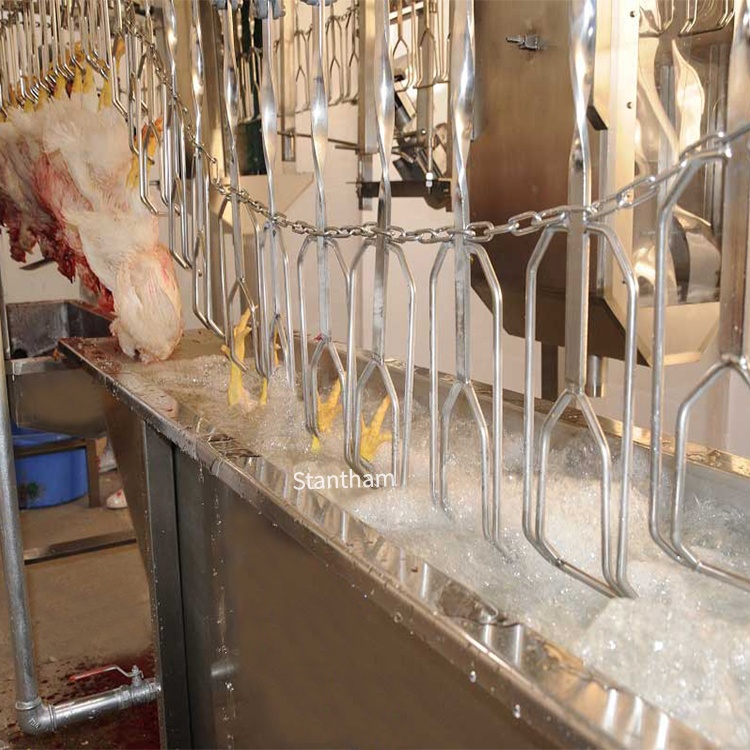
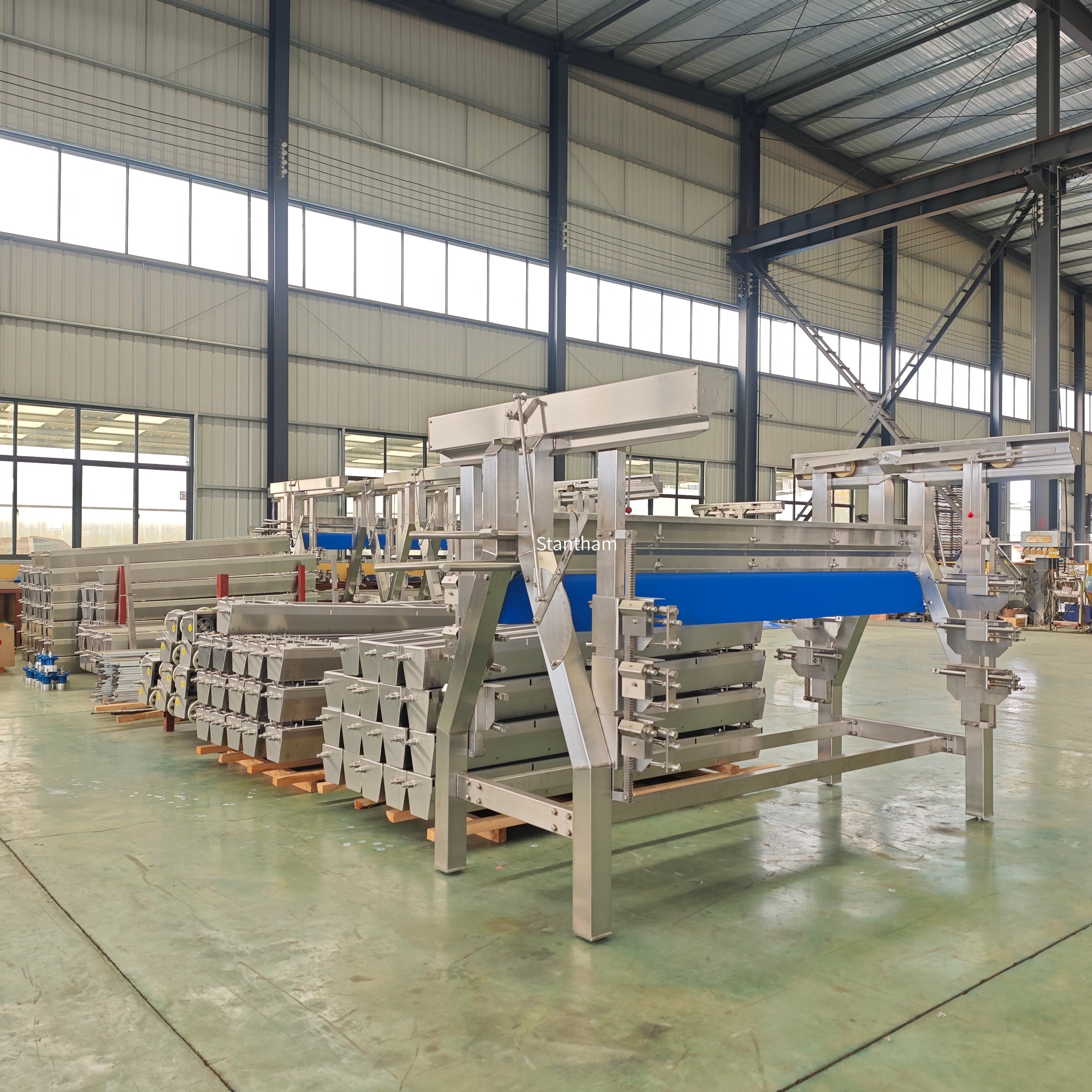
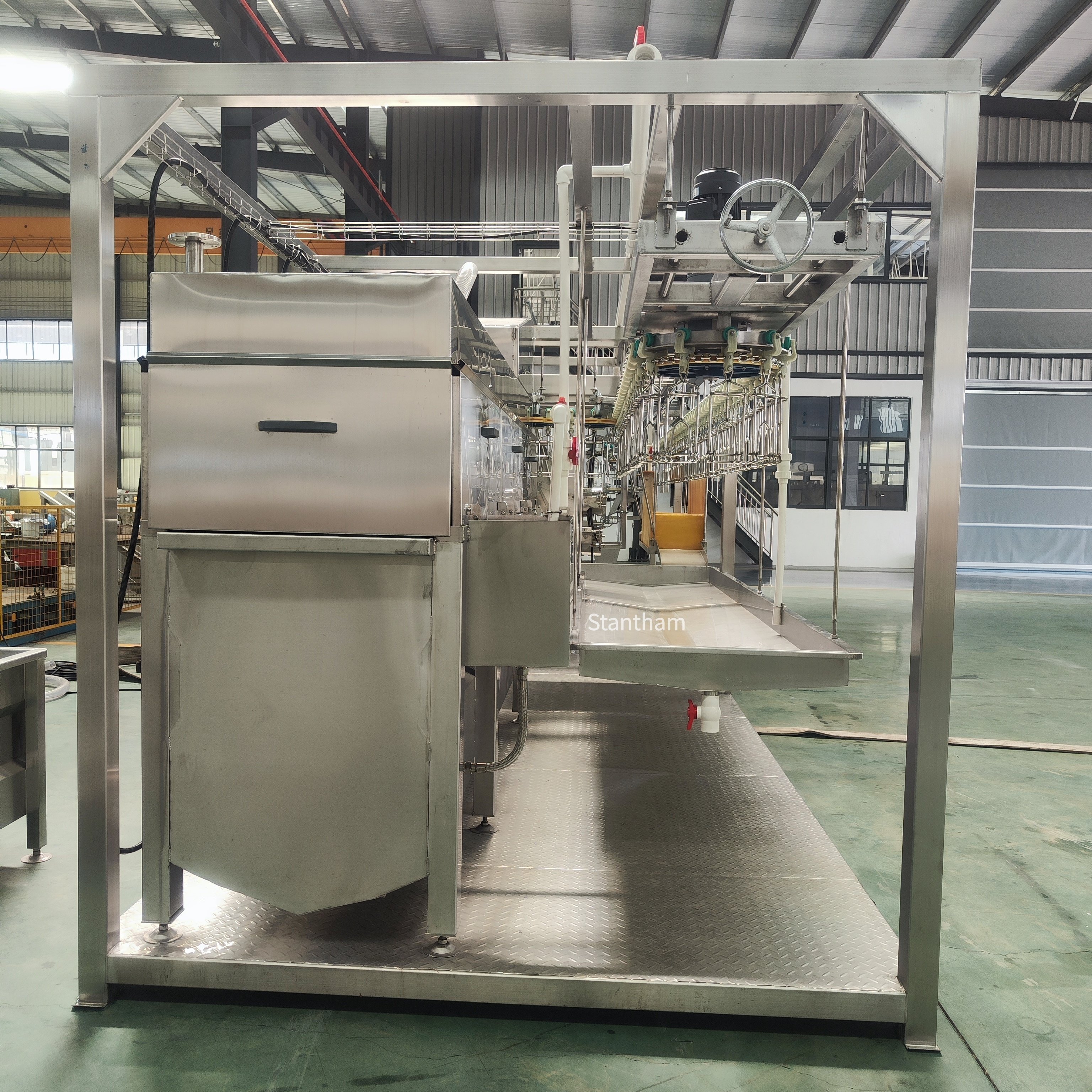
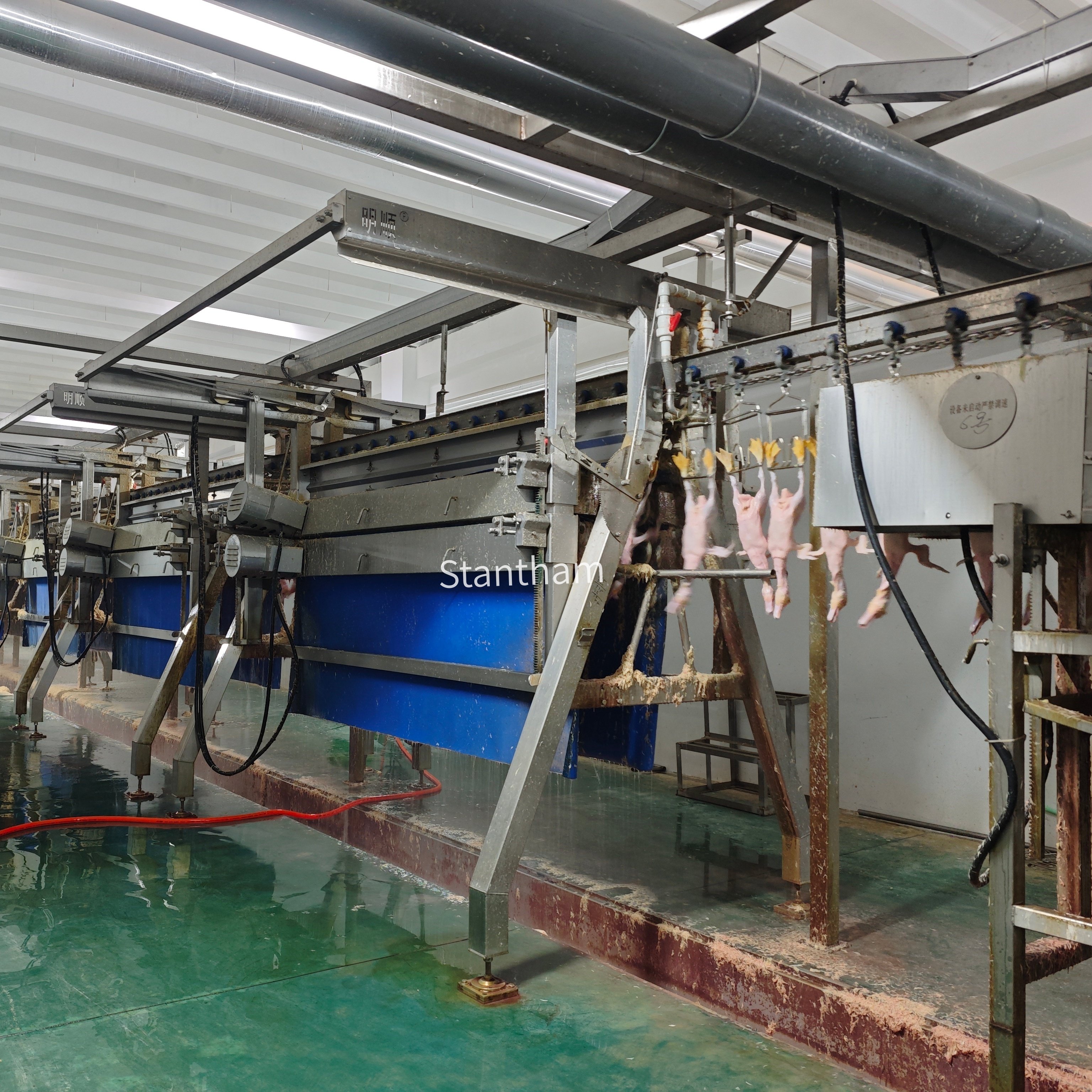
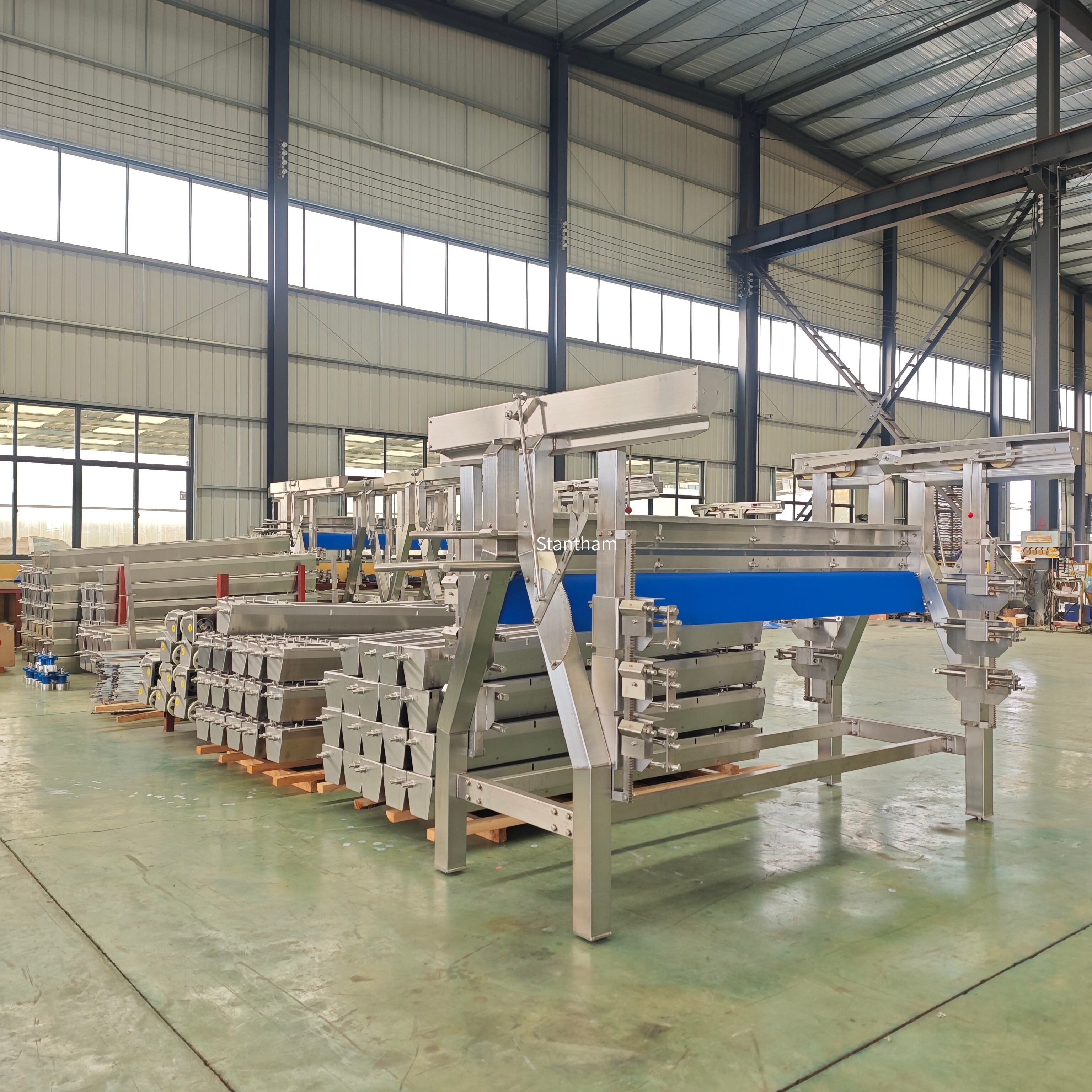
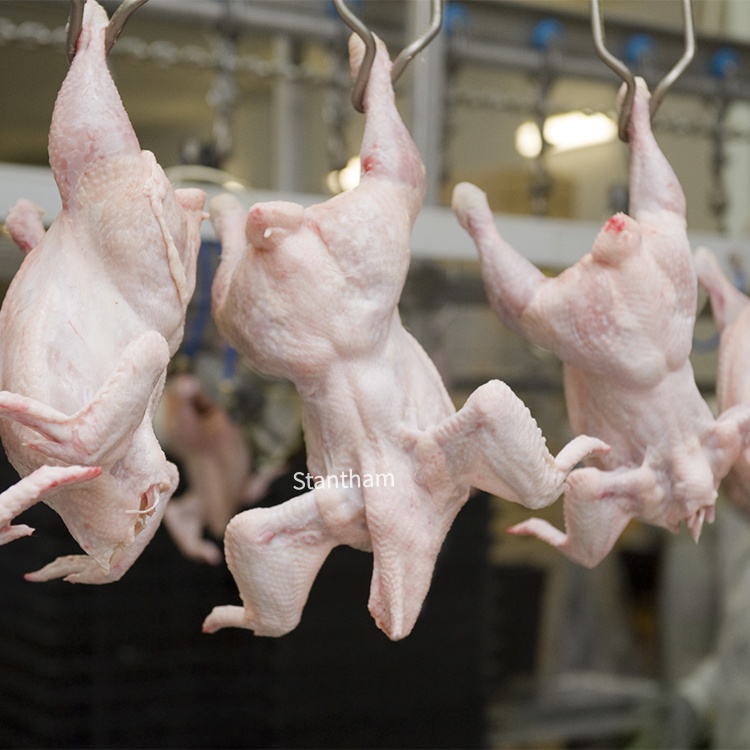
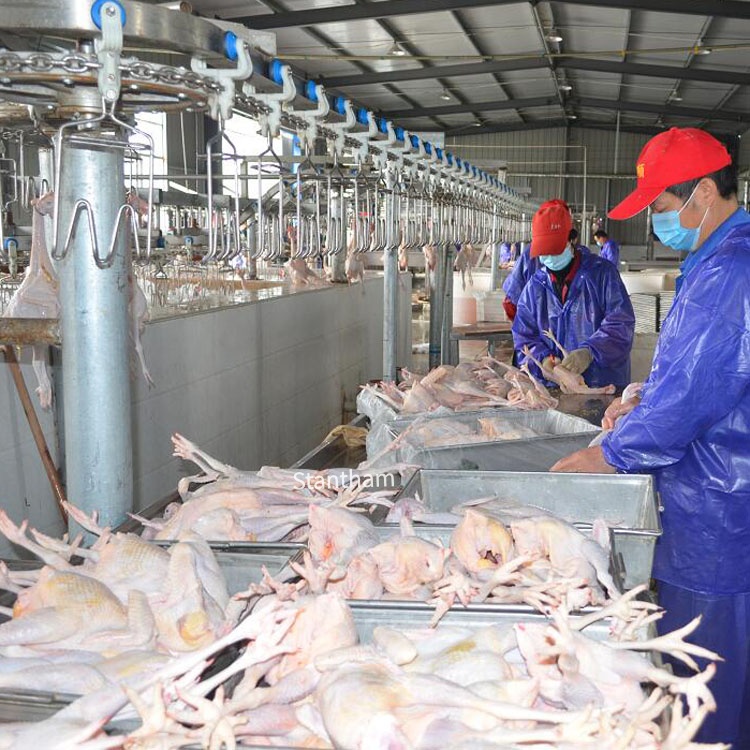
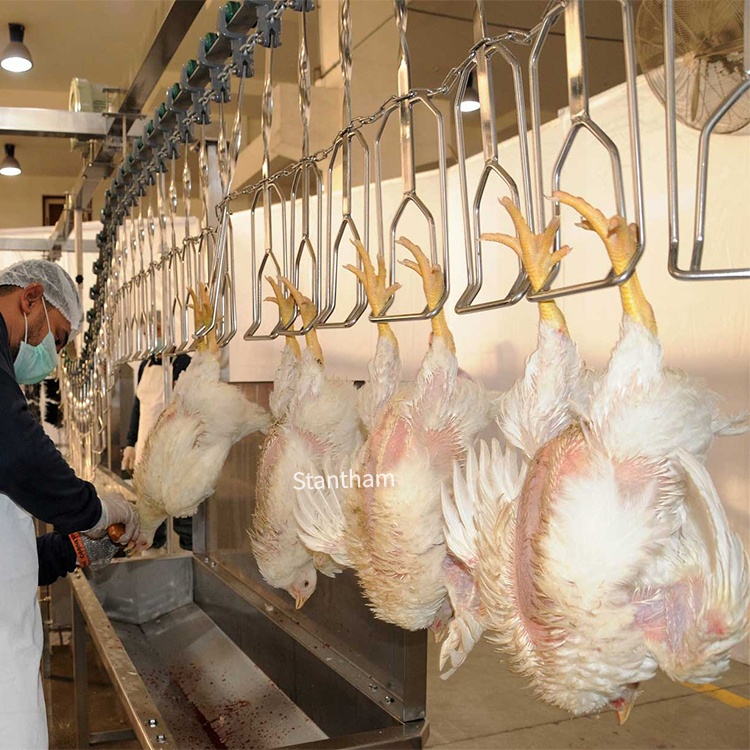
Commercial buyers—supermarkets, QSR chains, and distributors—need steady volume and uniform packs, but mixed-vendor lines create speed gaps that miss delivery windows. Our commercial chicken processing equipment integrates stunning, evisceration, chilling, cut-up, and grading into one balanced flow rated for 3,000–8,000 birds per hour. Recipe presets switch species in minutes, and CIP-ready 304 stainless meets HACCP and EU rules at industrial load from first run. One distributor installed our line and cut short-shipments by 90% while lifting Grade-A yield 6%, recovering the cost in thirteen months through penalty avoidance and premium contracts. Remote monitoring flags faults before stoppages, so commercial volumes ship on time and audit-ready every single shift without surprises.
Get A Quote

Case Study

Distributor Cuts Short-Shipments With Balanced Line

A distributor in Australia supplied supermarkets but mixed-vendor lines stalled at 3,000 birds per hour, missing weekly delivery windows and paying short-ship penalties. We delivered commercial chicken processing equipment—one balanced flow from evisceration to grading rated for 6,000 birds per hour. Short-shipments fell 90%, Grade-A yield rose 6%, and uniform packs cleared retail specs first time. The CIP-ready stainless line passed audit without retrofit, and remote alarms prevented stoppages during peak runs. Within thirteen months the distributor recovered the line through avoided penalties and premium contracts, and added a second shift without new floor space. Management credited the balanced design with turning chronic late deliveries into on-time service that secured two new supermarket accounts in the region.

QSR Supplier Hits Uniform Specs At Volume

A QSR supplier in the United States needed fixed-weight fillets at 5,000 birds per hour but hand cutting drifted with fatigue, triggering contract complaints. We installed commercial chicken processing equipment—vision-guided portioners and graders on one conveyor—that held weights within two grams across full shifts. Tear defects fell below 2%, and consistent packs earned a national chain renewal worth 3 million dollars yearly. The 304 stainless build passed audit without modifications, and recipe presets switched between products in minutes. Within twelve months the supplier recovered the line and added a night shift, lifting annual volume 1.8 times without expanding the building. The uniform output also cut customer complaints by 75%, protecting the long-term restaurant relationship.

Exporter Meets EU Retail Volume With One Line

A Brazilian exporter won EU retail tenders but its two-shift line capped output at 4,000 birds per hour, risking penalty clauses in the contract. We built commercial chicken processing equipment as one continuous flow rated for 8,000 birds per hour with redundant modules. Output doubled, Grade-A yield held at 94%, and automated logs satisfied every audit. Running the extra shift lifted annual volume 2.1 times without a new building, and the exporter met each weekly target on time for the first time. A regional spare-parts stock kept downtime below 2%, and the line recovered its cost in fourteen months through penalty avoidance and premium EU pricing. The consistent supply secured the retail relationship long term.

Related products

Our commercial chicken processing equipment is built for the buyers who set the schedule—supermarkets, QSR chains, and distributors—delivering one balanced flow from live reception through stunning, evisceration, chilling, cut-up, and grading at 3,000 to 8,000 birds per hour. Every station shares common mounts and one control platform, so a single recipe preset keeps the whole line synchronized and operators monitor output from one screen. We specify washdown-rated 304 stainless with CIP-ready, separated zones that meet HACCP and EU rules at commercial load, and a regional spare-parts network keeps unplanned downtime below 2%. With two decades supplying high-volume abattoirs, we validate each line against species, target weights, and retail specs, then provide layout, PLC programming, and operator certification. Industry data shows balanced commercial lines cut short-shipments by up to 90% and lift Grade-A yield five to seven percent versus mixed-vendor setups, gains that usually decide whether a volume investment pays back inside fifteen months. Whether you serve national retail or export containers, our equipment keeps commercial volumes on time and audit-ready.

Frequently Asked Questions

What volume can a commercial line handle?

Our commercial lines run from 3,000 to 8,000 birds per hour, sized to your building and buyer schedule. Redundant modules and one control platform hold that speed through peaks without jams, so planned volume is what you actually ship across every shift and season.
We balance every stage to one flow and add remote alarms that flag faults before stoppage, so deliveries stay on schedule. One distributor cut short-shipments 90% after installing our line and added a second shift without new floor space, protecting retail accounts through steady, on-time service week after week.
Yes. All contact parts use 304 stainless steel with separated zones, sloped drainage, and CIP-ready surfaces that meet HACCP and EU rules at commercial load. Automated logs prove every batch stayed safe, so plants clear audits within weeks and keep certification through continuous, high-volume operation without costly retrofits.
We provide PLC training, remote diagnostics, maintenance manuals, and a regional spare-parts network that limits downtime below 2%. Our engineers also tune recipes for your products and help scale to extra shifts, so your commercial line performs reliably through every peak and seasonal surge without missing deliveries.
Yes. We deliver commercial equipment as a phased upgrade—adding evisceration, cut-up, or grading to an existing hall. One distributor added capacity in eight weeks, ended short-ship penalties, and won new retail accounts, recovering the cost in thirteen months without rebuilding its site from the ground up.

Related article

How does a mobile slaughterhouse bring processing capacity directly to remote poultry farms?

04

Jun

How does a mobile slaughterhouse bring processing capacity directly to remote poultry farms?

Redefining Slaughter Infrastructure for Geographically Dispersed Farms Processing poultry in isolated regions has always been a logistical headache. Fixed slaughterhouses demand large capital outlays, centralized collection routes, and reliable col...
View More
Why is proper scalding temperature critical for feather removal efficiency in a chicken abattoir?

17

Jun

Why is proper scalding temperature critical for feather removal efficiency in a chicken abattoir?

The Scalding Window: A Delicate Balance Between Feather Release and Skin Integrity Scalding is the bridge between bleeding and plucking in a chicken abattoir. The birds pass through a tank of heated water, and the heat loosens the feather follicles...
View More
How does chicken slaughter equipment with an integrated bleeding tunnel improve blood drainage efficiency?

03

Jul

How does chicken slaughter equipment with an integrated bleeding tunnel improve blood drainage efficiency?

The Bleeding Tunnel: More Than Just a Conveyor Walk into any medium-to-large poultry processing facility, and the bleeding section tells a story about the operation's overall discipline. Some plants run tight, clean lines where carcasses move through...
View More
Advanced Optimization of Custom Chicken Slaughter Equipment

10

Jul

Advanced Optimization of Custom Chicken Slaughter Equipment

The Customization Imperative in Poultry Processing Poultry processing lines look similar from a distance—shackles, conveyors, scalders, pluckers, evisceration stations. But step closer and the differences become obvious. One plant runs 12,000 b...
View More

Customer Testimonials

Olivia Bennett

Our mixed-vendor line stalled at 3,000 birds per hour and we paid short-ship penalties every week. The balanced commercial line now runs 6,000, short-shipments fell 90%, and Grade-A yield rose 6%. Uniform packs clear retail specs first time, and remote alarms prevent stoppages. Within thirteen months we recovered the line through avoided penalties and premium contracts, then added a second shift without new floor space.

James Carter

We needed fixed-weight fillets at 5,000 birds per hour but hand cutting drifted and triggered contract complaints. The vision-guided line holds weights within two grams, tear defects are below 2%, and a national chain renewed worth 3 million dollars yearly. The 304 stainless passed audit without modifications, and recipe presets switch products in minutes. Within twelve months we recovered the line and lifted annual volume 1.8 times.

Get a Free Quote

Our representative will contact you soon.
Email
Name
Company Name
Mobile/WhatsApp
Message
0/1000
One Balanced Flow That Ends Short-Shipments

One Balanced Flow That Ends Short-Shipments

Our commercial chicken processing equipment balances every stage to one synchronized flow, so commercial volumes ship on the delivery window instead of piling up at a slow station. From evisceration to grading, common control logic keeps throughput steady at 3,000 to 8,000 birds per hour and carcass damage below 2%, protecting saleable weight across the whole run. A distributor that once stalled at 3,000 birds per hour cut short-shipments 90% after installing our line and added a second shift without new floor space. Because the design is coordinated from day one, owners avoid the speed gaps that plague mixed-vendor builds. This reliability turns chronic late deliveries into on-time service that wins and keeps major retail accounts.
Audit-Ready At Commercial Load

Audit-Ready At Commercial Load

Retail and EU buyers audit every shipment, so our commercial chicken processing equipment builds compliance in for high-volume duty. Every module uses 304 stainless steel with separated clean and dirty zones, sloped drainage, and CIP-ready surfaces that simplify daily sanitation. Automated time-temperature and weight logs record each batch digitally, ending the paper-trail scramble inspectors dislike. A Brazilian exporter cleared audits at 8,000 birds per hour and met every weekly target on time, then secured the EU retail relationship long term. Because the design meets rules without retrofit, owners avoid rework cost and delay. This built-in assurance lets commercial plants pursue premium contracts with confidence, knowing the line withstands any audit at full speed.
Scalable For Peak And Seasonal Demand

Scalable For Peak And Seasonal Demand

Commercial demand swings with seasons and promotions, so our commercial chicken processing equipment uses a modular architecture that scales without disruptive rebuilds. Processors start at 3,000 birds per hour and add evisceration lanes, extra graders, or a night shift as orders grow, because mounting points and utilities are standardized. A QSR supplier added a night shift and lifted annual volume 1.8 times without expanding the building, protecting retail supply during promotions. A regional spare-parts stock keeps unplanned downtime below 2%, and remote diagnostics resolve most faults within hours. This future-proof approach protects capital, shortens expansion timelines, and lets commercial buyers respond quickly to new contracts without outgrowing their equipment or missing delivery windows.

Get a Free Quote

Our representative will contact you soon.
Email
Name
Company Name
Mobile/WhatsApp
Message
0/1000