Poultry Meat Processing Equipment: 98.5% Yield & EU Compliance

+86-18866172299
All Categories
Integrated Poultry Meat Processing Equipment for Higher Yield and Food Safety

Integrated Poultry Meat Processing Equipment for Higher Yield and Food Safety

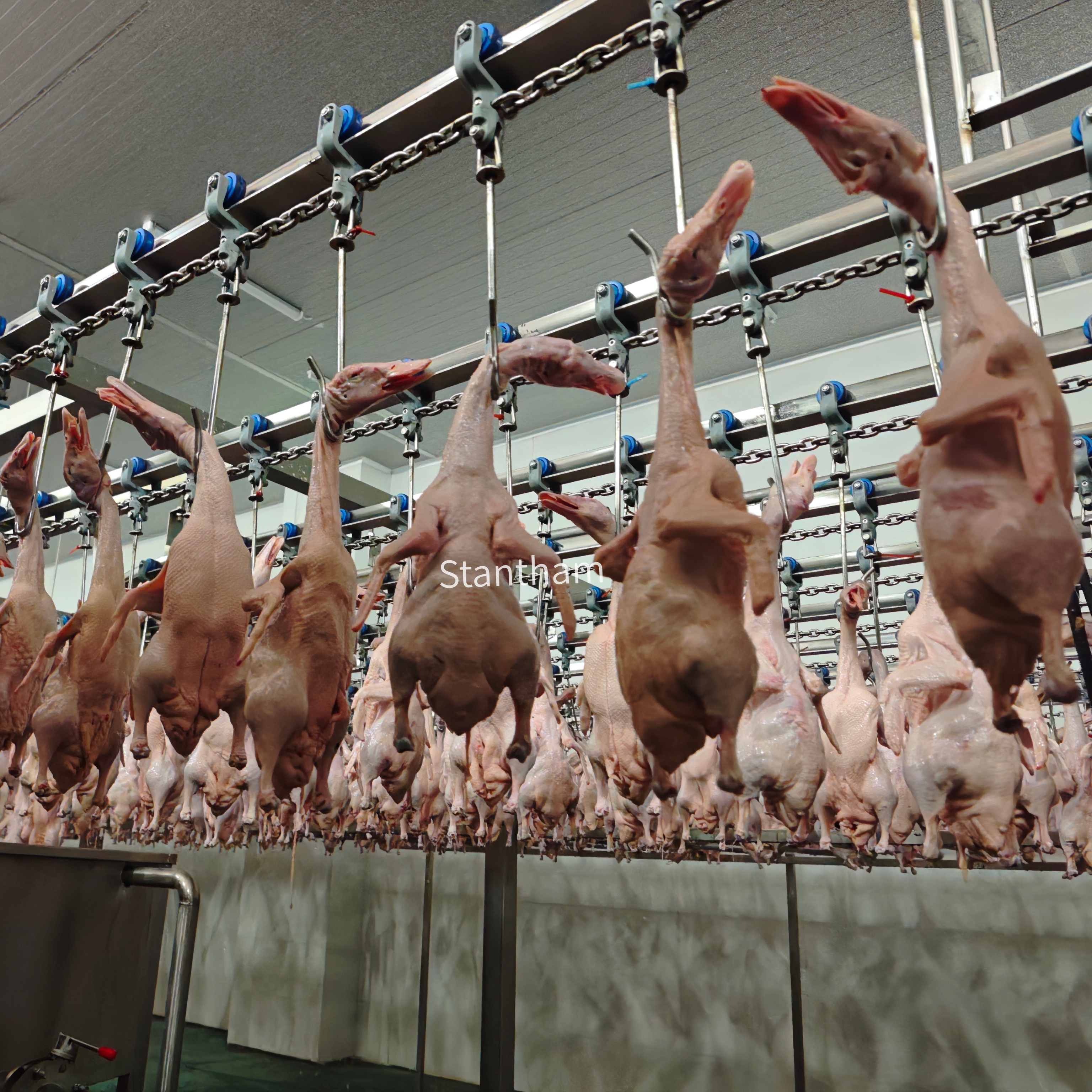
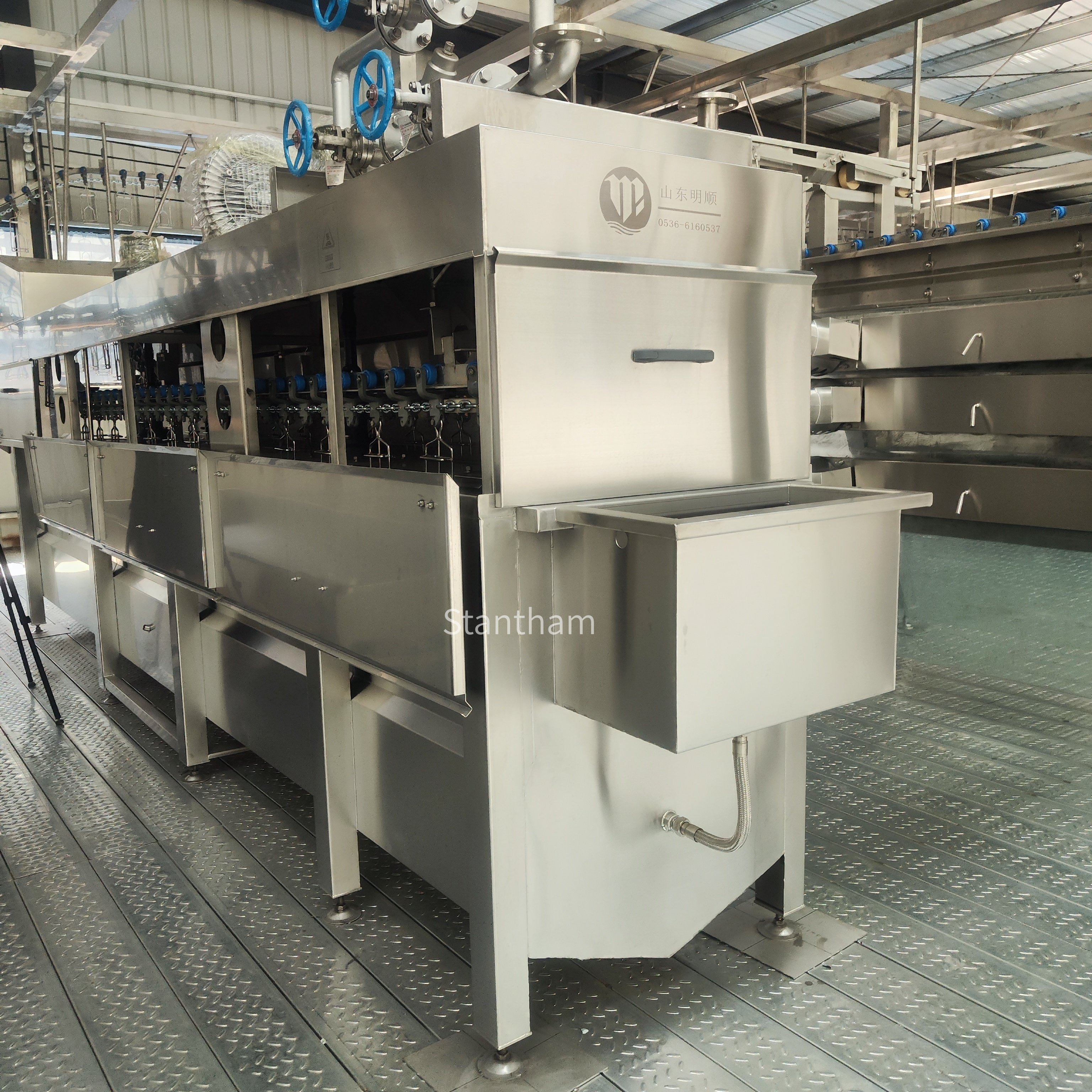
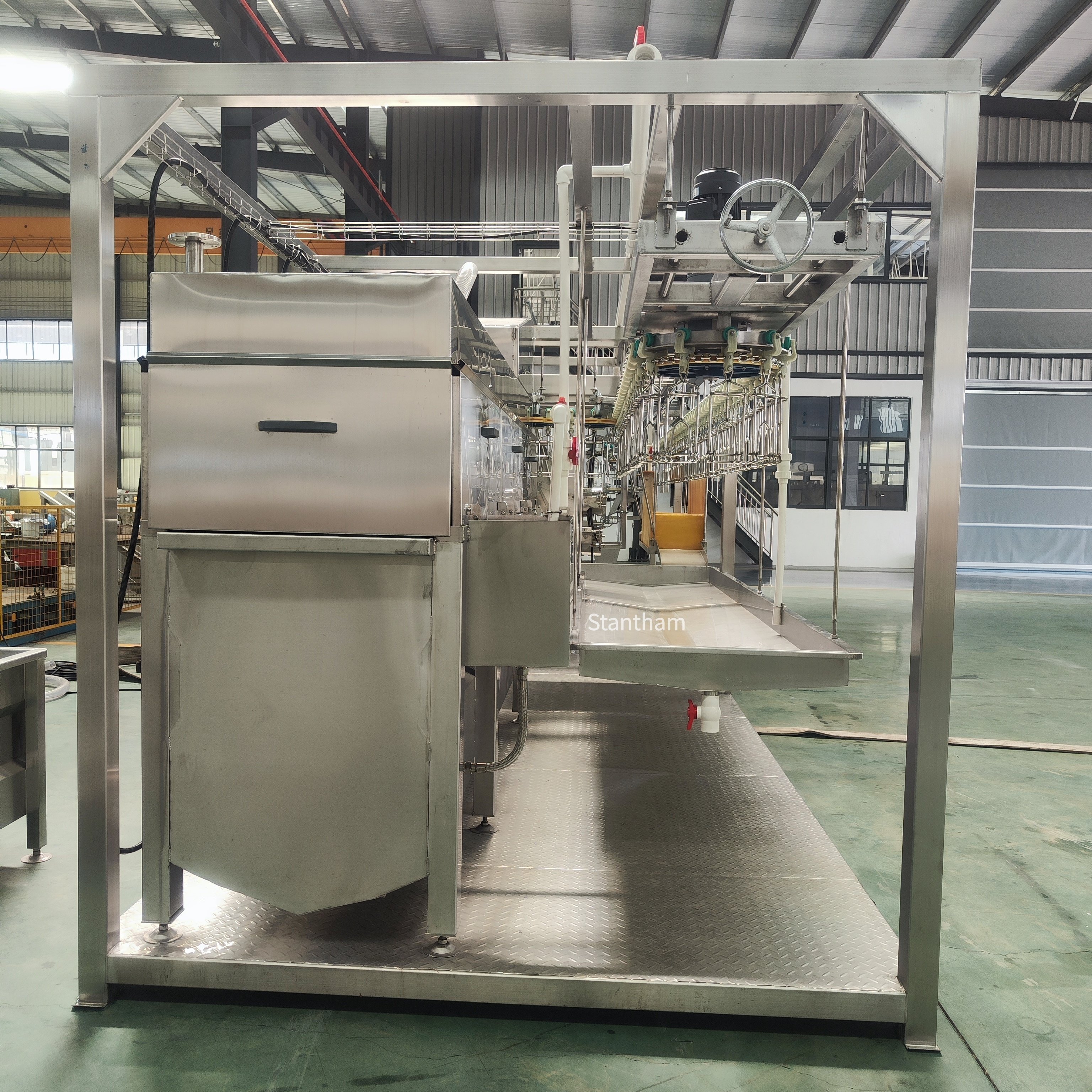
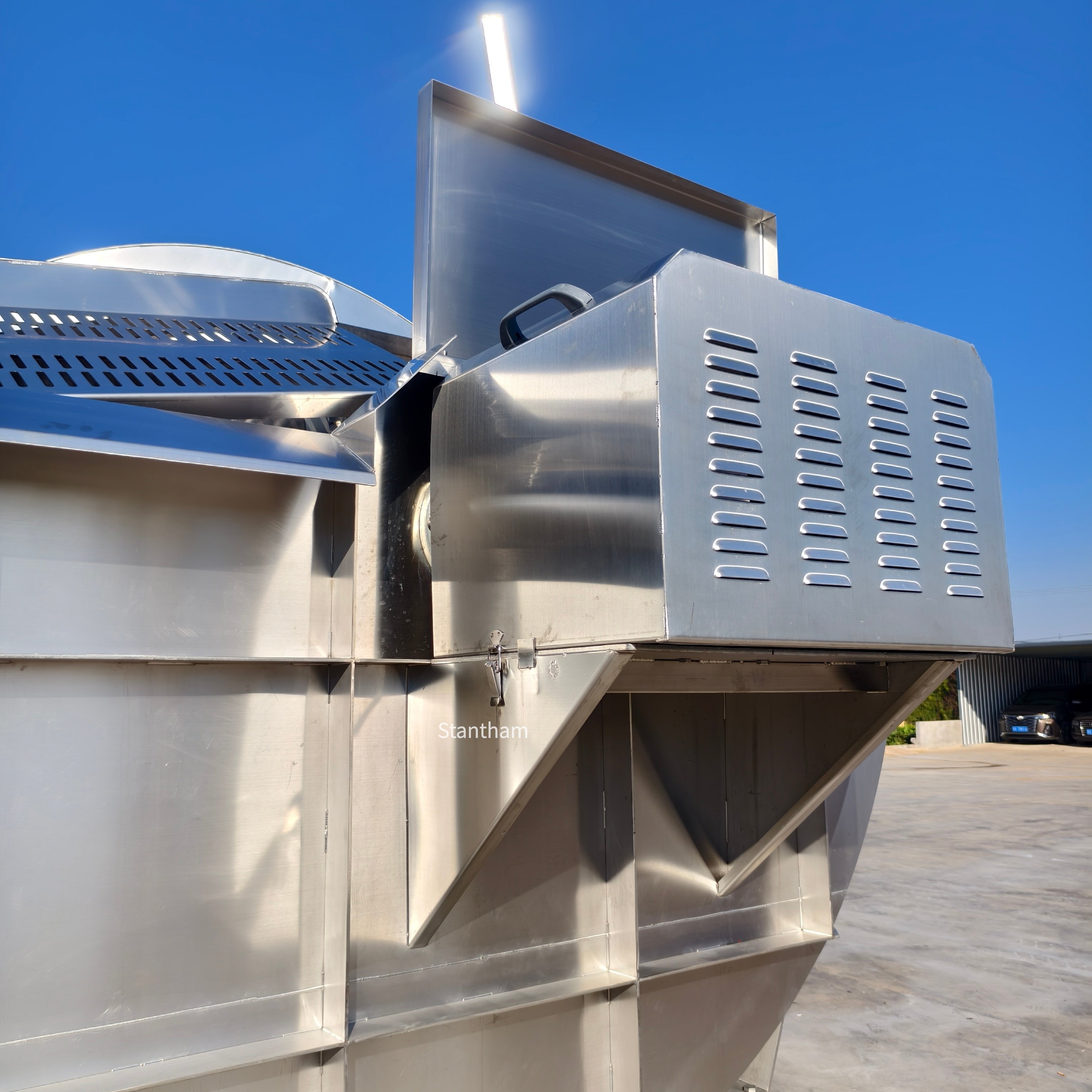
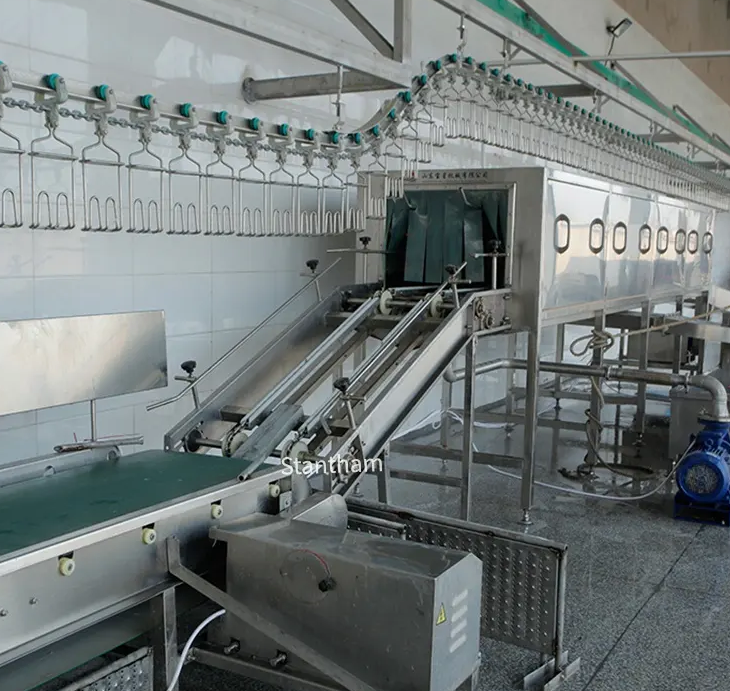
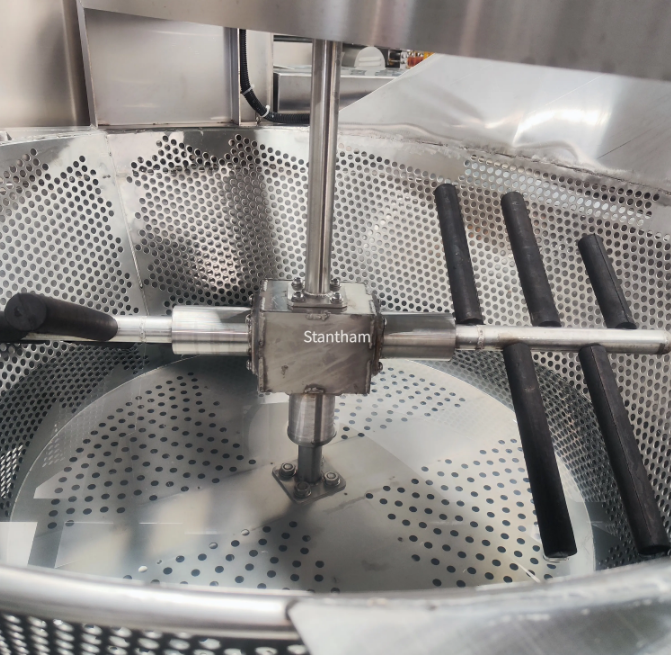
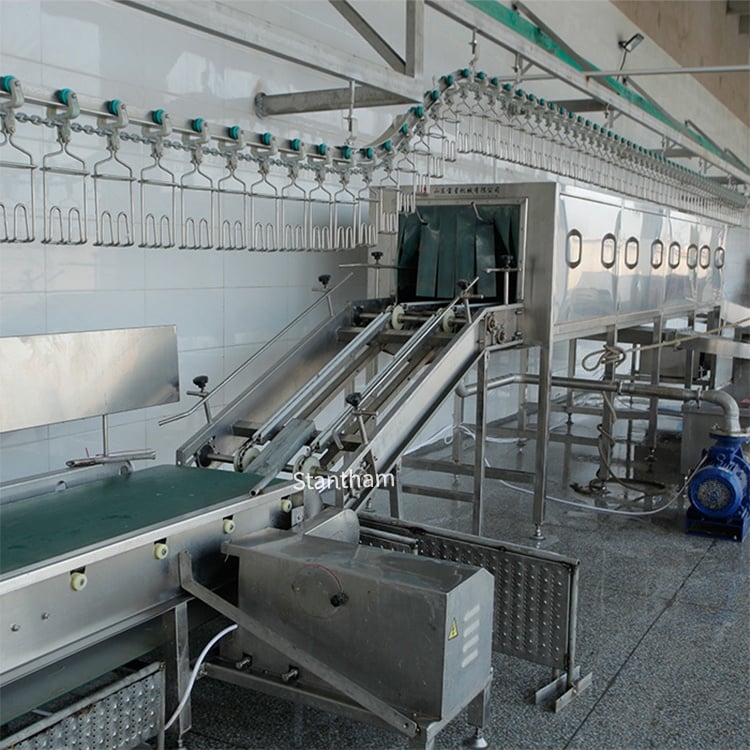
Turnkey Slaughter’s poultry meat processing equipment covers the complete chain from stunning and evisceration to automated deboning and packaging. A Spanish processor installed our breast harvesting system and immediately recorded a 2.3% increase in fillet weight per bird, adding €320,000 in annual revenue. The fully electric servo drives eliminate pneumatic variability, cutting energy consumption by 32% while delivering precise cut accuracy that reduces bone fragment complaints to below 0.03%. Integrated counterflow chilling and atomized organic acid spray cabinets achieve a 2.4-log reduction in Campylobacter on skin, meeting EU export standards without manual intervention. The open, sloped stainless-steel frames drain completely, allowing sanitation crews to achieve ATP pass rates above 99% in under 45 minutes. Modular conveyors adapt to broilers, turkeys, and spent hens with automatic tooling adjustment, enabling a single line to process multiple species.
Get A Quote

Case Study

Dutch Plant Boosts Leg Meat Recovery to 98.5%

A processor in the Netherlands sought to automate thigh deboning for a high-volume supermarket supply. Their manual line yielded 91% meat recovery and faced rising labor shortages. We installed our vision-guided thigh deboning module, which uses magnetic carriers and adaptive rotary knives. The system maps the femur and tibia in real time, peeling meat cleanly while leaving the skeleton intact. Meat recovery immediately climbed to 98.5%, generating an extra 11 grams of saleable meat per leg. Bone fragment presence dropped to 0.02%, verified by X-ray inspection, eliminating a recurring customer complaint. The line now processes 68 thighs per minute with two operators instead of nine, saving €280,000 annually in wages. The machine’s cantilevered design and CIP spray circuit allow full sanitation in 36 minutes between shifts, enabling the plant to run three daily production windows without microbial risk. This rapid payback justified the investment within 8 months.

Brazilian Exporter Extends Shelf Life by Four Days

A São Paulo integrator faced frequent load rejections from Middle Eastern clients due to insufficient chilled shelf life. We retrofitted their primary processing area with a closed-loop spray chilling tunnel and inline antimicrobial dips. The tunnel uses precisely controlled air at 0.5°C and 92% humidity, reducing carcass core temperature to 4°C in 48 minutes without moisture loss. Peracetic acid dosing is automatically adjusted based on real-time organic load sensors, maintaining a consistent 1.9-log Salmonella reduction. Post-chill skin samples now consistently show aerobic plate counts below 2.6 log CFU/cm². The retailer confirmed a four-day shelf-life extension in controlled tests, allowing the exporter to negotiate a 14% price premium for air-chilled parts. Water consumption fell by 1.6 liters per bird, and the system’s self-cleaning heat exchangers prevent biofilm formation, slashing maintenance downtime.

UK Processor Automates Whole Bird Grading for Retail Packs

A British cooperative needed to supply exact-weight whole birds to a major grocer while reducing giveaway. We integrated in-motion weighing and 3D vision graders into their existing overhead conveyor. The system sorts carcasses into six weight bands and adjusts downstream bagging robots in real time. Giveaway dropped from 4.2% to 0.8%, saving 240 metric tons of meat annually. Simultaneously, wingtip and skin tear defects are detected and diverted to a trim line, ensuring only Grade A birds reach the retail tunnel. Labor for manual grading reduced from 5 inspectors to 1 system supervisor. The grader’s RFID link provides full traceability from farm gate to pack label, a non-negotiable for the retailer’s blockchain pilot. Installation required a three-day shutdown, and the modular frame bolted to the existing floor without structural changes. Within four months, the cooperative secured an additional 5,000 birds per week contract due to superior pack consistency.

Related products

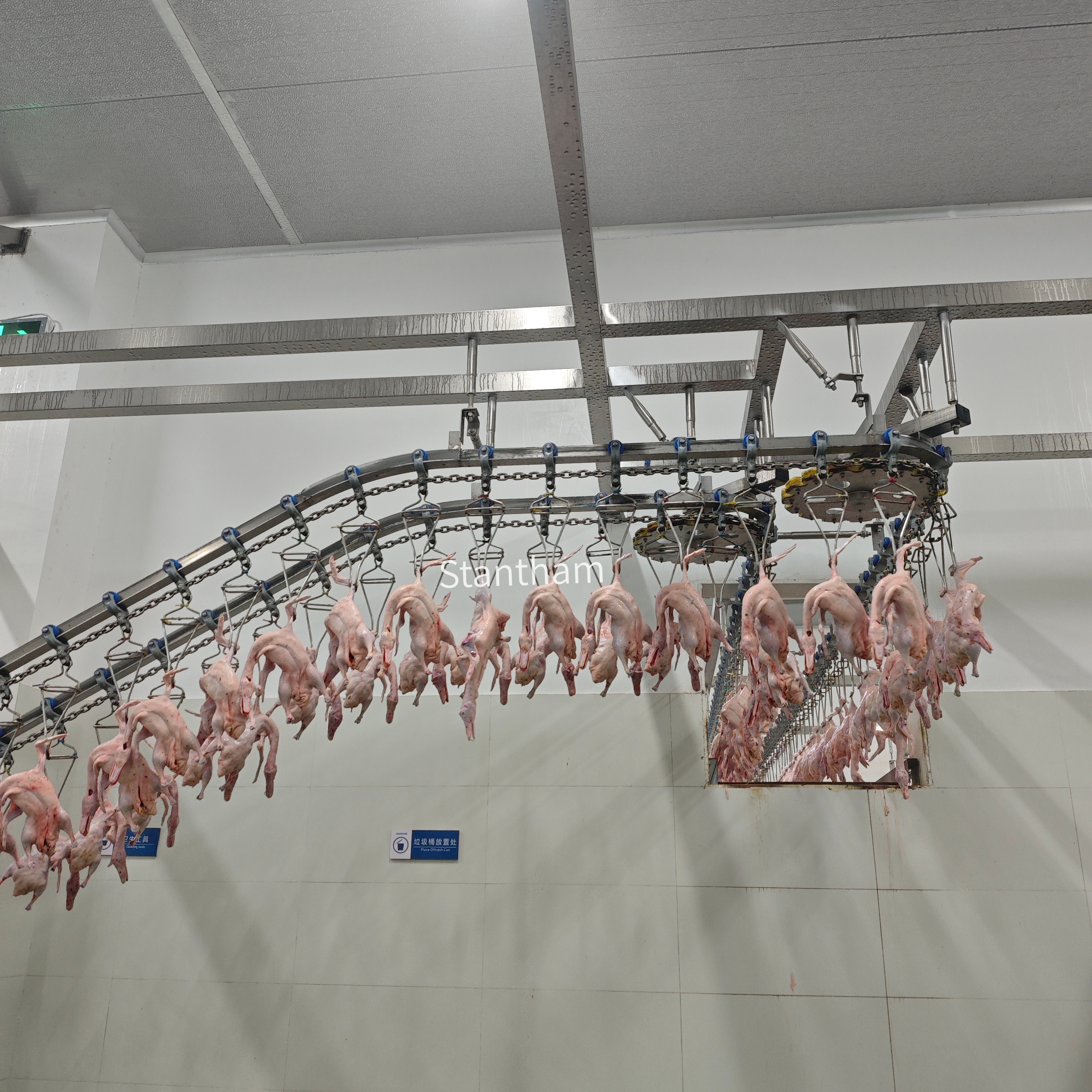
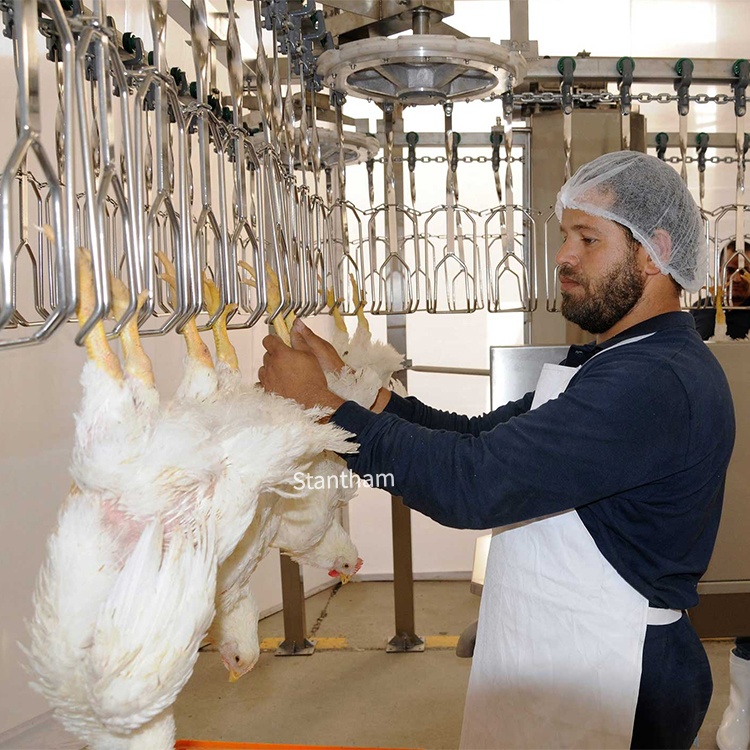
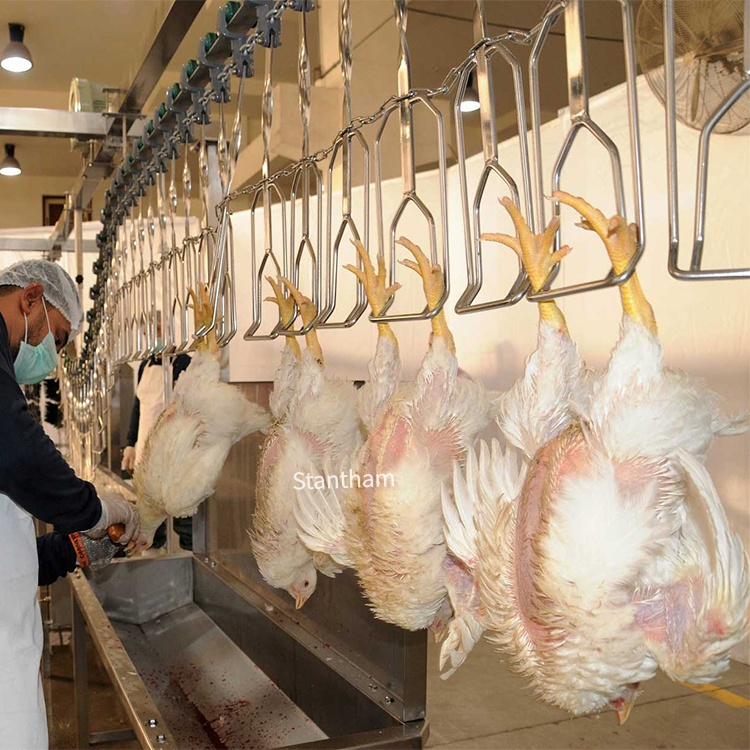
Turnkey Slaughter engineers fully integrated poultry meat processing equipment that treats the entire factory as a synchronized digital ecosystem. Our systems handle broilers, turkeys, ducks, and spent fowl at speeds reaching 15,000 birds per hour, covering stunning, scalding, plucking, evisceration, chilling, and secondary cut-up. Each overhead carrier carries an RFID chip that transmits carcass origin, weight, and defect status to a central PLC. This enables adaptive processing: scalder temperature adjusts to flock size, plucker finger pressure varies by zone, and evisceration spoons modulate extraction force based on organ resistance, reducing gut rupture to 0.12%. A Mexican integrator using this architecture saw whole carcass condemnations drop by 43% and liver recovery rise by 2.4 grams per bird. Hygiene is built into every frame; sloped 316L stainless surfaces and sealed bearings survive daily foaming, achieving consistent pre-op ATP pass rates above 99%. Water management is embedded through counterflow cascades that reduce total consumption to 5.8 liters per bird, verified at a 200,000-bird-per-day site. The cut-up and deboning modules use 3D vision and force-feedback blades to produce consistent portions with less than 1.2% weight variation, maximizing premium fillet yield. Our OEE dashboard provides real-time throughput, downtime Pareto charts, and predictive maintenance alerts based on vibration signatures. This industrial IoT backbone empowers plant managers to run at 98.5% uptime. Modular, bolt-together construction allows phased investment, starting with an evisceration upgrade and adding deboning later without cutting concrete. Turnkey’s global support includes remote VPN diagnostics and regional parts hubs, ensuring that your poultry meat processing line remains a profitable, future-ready asset.

Frequently Asked Questions

What types of poultry can your meat processing equipment handle?

Our systems process broilers, turkeys, ducks, and spent hens. Quick-change tooling and automatic size detection adjust guides, plucker pressure, and cut-up blades within seconds. A single line can switch between species mid-shift without mechanical reconfiguration, verified in multi-species plants.
In-motion 3D cameras map each carcass’s bone structure, driving servo-controlled blades to follow exact cut paths. This adaptive method achieves a weight coefficient of variation below 1.5%, reducing costly giveaway. One UK plant eliminated manual trimming stations entirely after implementation.
Absolutely. Frames are open, sloped 316L stainless with continuously welded seams. No hollow sections trap water. Cantilevered designs separate carcass paths from drives. Sanitation crews consistently achieve first-pass ATP swab success, and CIP circuits clean deboning modules in under 40 minutes.
Yes, we match infeed starwheels to your existing shackle pitch and height. Modules bolt to the floor without welding or concrete work. This enables a phased retrofit where you might add an automatic eviscerator and air chill tunnel while the original kill line continues to run.
We offer 24/7 remote troubleshooting via secure VPN, plus regional service hubs in Europe, Americas, and Asia. Critical spare parts are stocked for 48-hour delivery. Annual maintenance plans include vibration analysis, thermal imaging, and OEE benchmarking to predict failures before production is affected.

Related article

How does a mobile slaughterhouse bring processing capacity directly to remote poultry farms?

04

Jun

How does a mobile slaughterhouse bring processing capacity directly to remote poultry farms?

Redefining Slaughter Infrastructure for Geographically Dispersed Farms Processing poultry in isolated regions has always been a logistical headache. Fixed slaughterhouses demand large capital outlays, centralized collection routes, and reliable col...
View More
Why is proper scalding temperature critical for feather removal efficiency in a chicken abattoir?

17

Jun

Why is proper scalding temperature critical for feather removal efficiency in a chicken abattoir?

The Scalding Window: A Delicate Balance Between Feather Release and Skin Integrity Scalding is the bridge between bleeding and plucking in a chicken abattoir. The birds pass through a tank of heated water, and the heat loosens the feather follicles...
View More
How does a mechanical chicken slaughter system minimize bone breakage compared to manual methods?

22

Jun

How does a mechanical chicken slaughter system minimize bone breakage compared to manual methods?

The Bone Breakage Problem Nobody Talks About Walk into any medium-sized poultry processing plant and ask the quality control manager about their biggest headache. Chances are, bone breakage ranks near the top. Not the dramatic compound fractures, b...
View More
How does chicken slaughter equipment with an integrated bleeding tunnel improve blood drainage efficiency?

03

Jul

How does chicken slaughter equipment with an integrated bleeding tunnel improve blood drainage efficiency?

The Bleeding Tunnel: More Than Just a Conveyor Walk into any medium-to-large poultry processing facility, and the bleeding section tells a story about the operation's overall discipline. Some plants run tight, clean lines where carcasses move through...
View More

Customer Testimonials

Pedro M.

We installed Turnkey’s fully automated breast deboning system and saw an immediate 2.1% yield gain, worth over $400,000 yearly. The 3D vision guidance is incredibly precise; bone chip complaints dropped from 0.15% to 0.01%. Sanitation time was halved thanks to the open-frame design. After 18 months of double-shift operation, we’ve had zero unplanned downtime on the module. The training was straightforward, and our ROI was achieved in 11 months.

Anna S.

The integrated chilling and cut-up line transformed our export program. Shelf life increased by three days, and weight giveaway dropped below 0.7%. Customer deductions ceased completely. The system’s real-time OEE dashboard helps us identify bottlenecks in seconds. We now process 130,000 birds daily with fewer staff and far less water. Turnkey’s support team is responsive, and the machinery remains rust-free after aggressive chemical cleaning.

Get a Free Quote

Our representative will contact you soon.
Email
Name
Company Name
Mobile/WhatsApp
Message
0/1000
3D Vision-Guided Deboning for Premium Fillets

3D Vision-Guided Deboning for Premium Fillets

Our poultry meat processing equipment features advanced vision-guided deboning that dramatically improves yield and product safety. High-speed cameras map the clavicle, keel, and wing joints with 0.4mm accuracy, feeding coordinates to adaptive rotary blades that follow the natural bone contour. This dynamic path correction adds an average of 5.2 grams of breast fillet per bird compared to fixed-path machines, as verified over a 500,000-bird trial at a German facility. Bone fragment incidence plummets to 0.015%, meeting the most stringent baby food and pet food specifications. The system compensates automatically for crooked keels and broken wishbones, which typically cause yield loss and line stoppages. Quick-release tooling enables a switch from boneless breast to bone-in portioning in under two minutes.
Hygienic Air-Chilling with Antimicrobial Integration

Hygienic Air-Chilling with Antimicrobial Integration

Poultry meat safety and shelf life hinge on rapid, hygienic chilling. Turnkey’s air-chill tunnels use a three-zone counterflow design with precisely controlled temperature and humidity profiles that lower core temperature to 4°C in 50 minutes without weight loss from water absorption. Integrated atomized spray bars apply a peracetic acid mist at 2.0 bar, verified to achieve a 2.2-log reduction in Salmonella and a 2.5-log reduction in Campylobacter on neck skin. This combination enabled a Chilean exporter to extend retail shelf life by five days and eliminate chlorine-based interventions, aligning with clean-label market trends. The tunnel’s helical heat exchangers are coated with an anti-fouling finish, maintaining thermal efficiency for 18 months between CIP cycles. Dwell time, mist concentration, and airflow automatically adjust when the line speed changes, guaranteeing consistent microbial kill.
Digital Twin Analytics for Predictive Yield Management

Digital Twin Analytics for Predictive Yield Management

Turnkey transforms poultry meat processing equipment into a data-rich digital twin. Each carrier’s RFID tag tracks the exact weight, farm code, and processing history of every carcass. The OEE dashboard provides real-time metrics on throughput, downtime reasons, and per-bird yield, allowing supervisors to compare shifts instantly. A Colombian integrator used this data to identify a 1.1% yield gap in the afternoon shift caused by dull plucker fingers, recovering $290,000 annually. Predictive algorithms monitor motor vibration and current draw, sending maintenance alerts before failures halt production. The system also correlates pre-slaughter transport conditions with evisceration rupture rates, closing the feedback loop to improve live bird handling. All data integrates with existing ERP platforms, enabling full traceability from the processing floor to the final consumer pack.

Get a Free Quote

Our representative will contact you soon.
Email
Name
Company Name
Mobile/WhatsApp
Message
0/1000