Automatic Poultry Food Processing Equipment | 50–70% Labor Reduction

+86-18866172299
All Categories
Automatic Poultry Processing Equipment That Runs With Minimal Labor

Automatic Poultry Processing Equipment That Runs With Minimal Labor

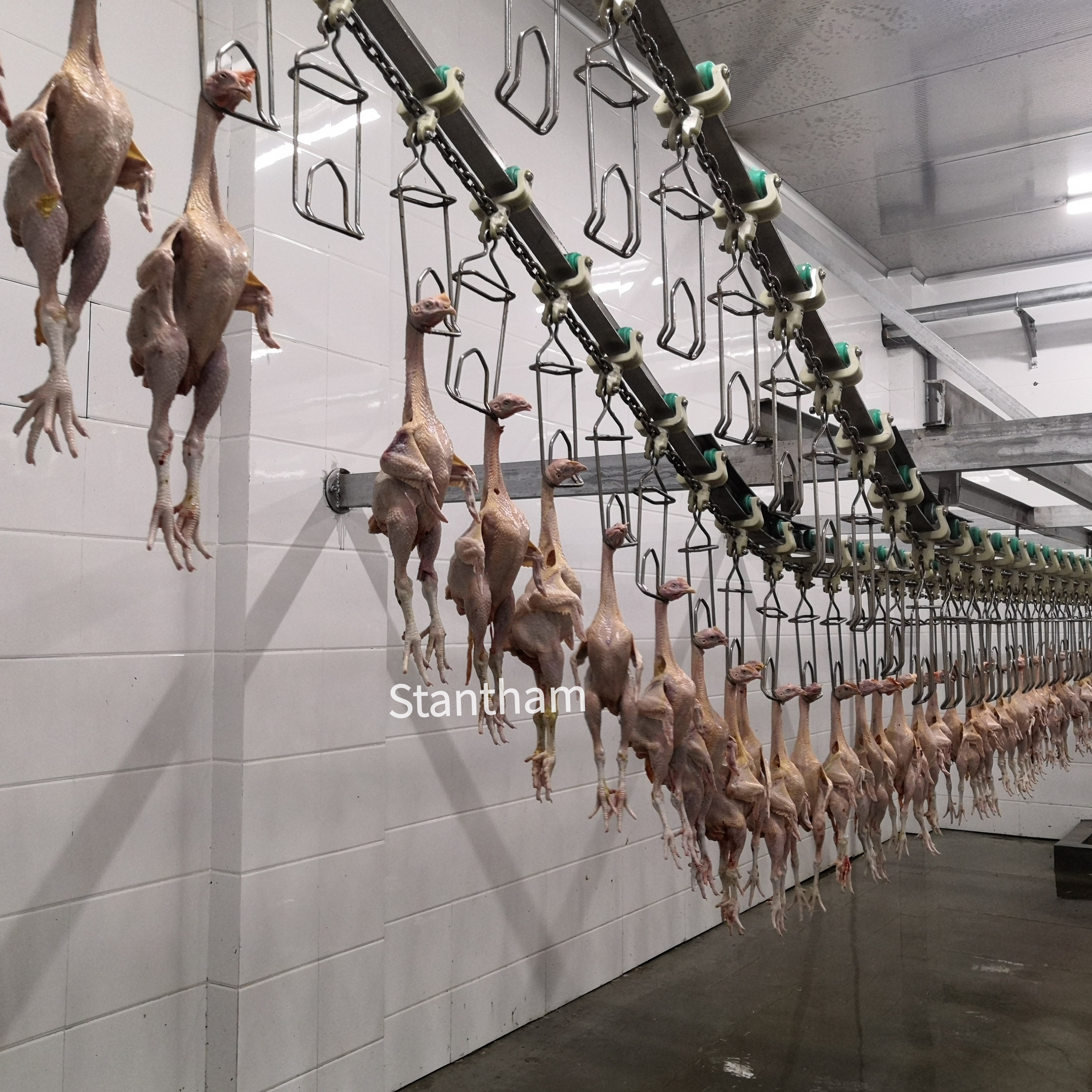
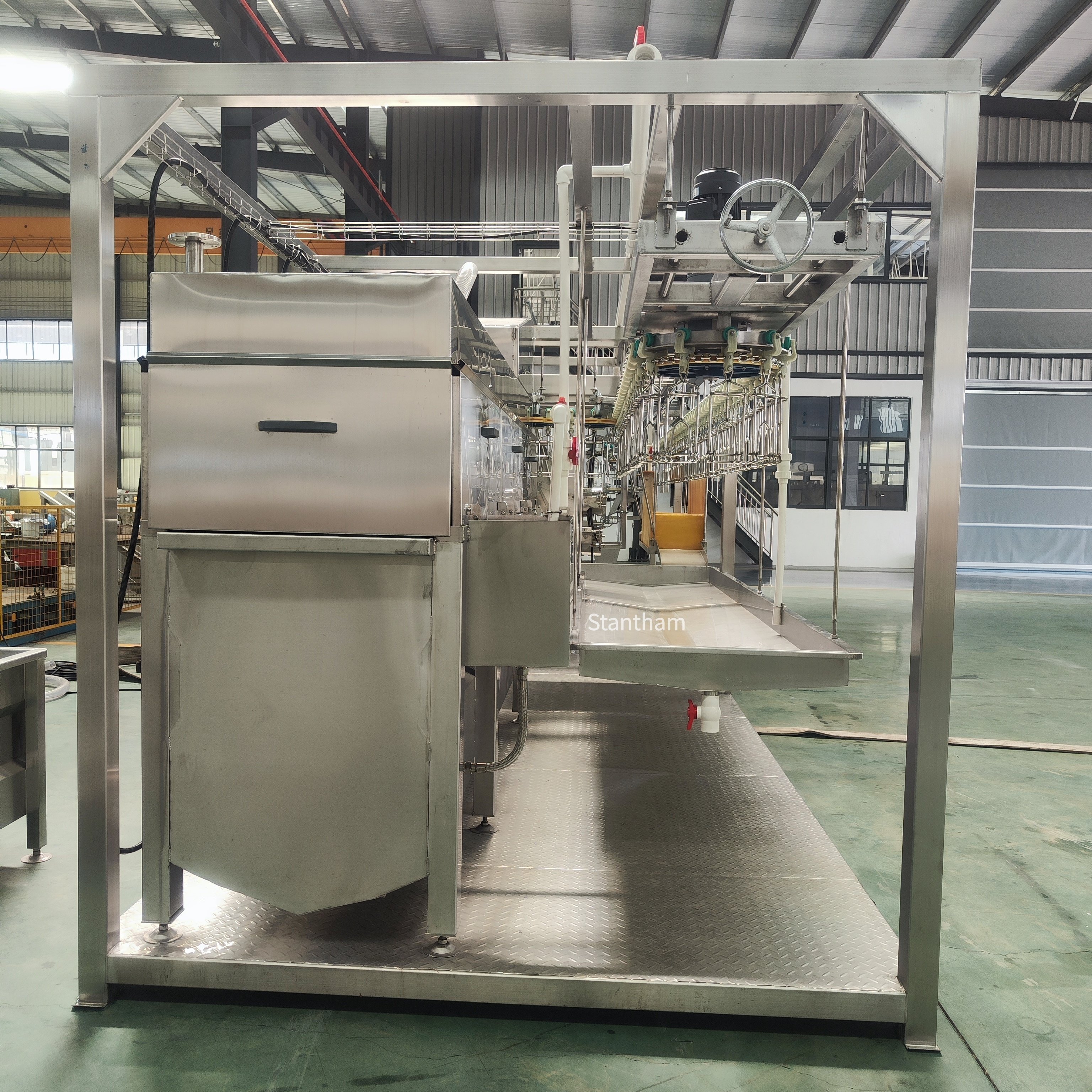
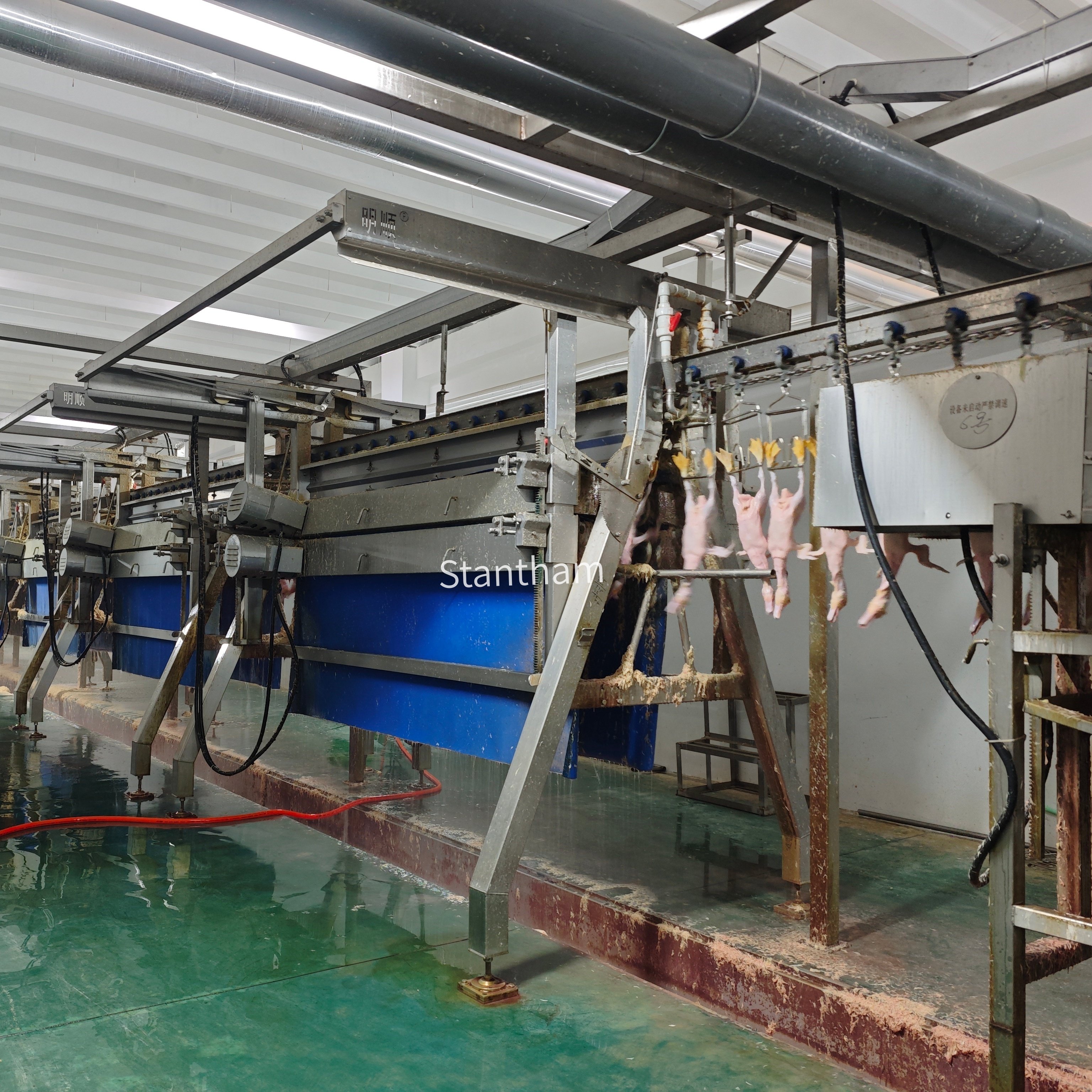
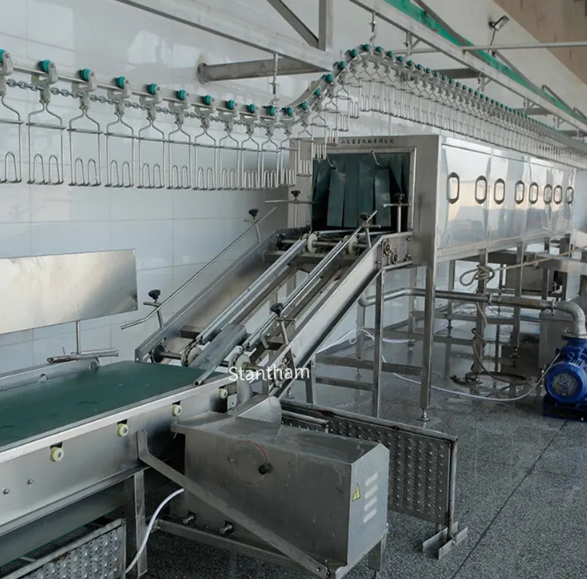
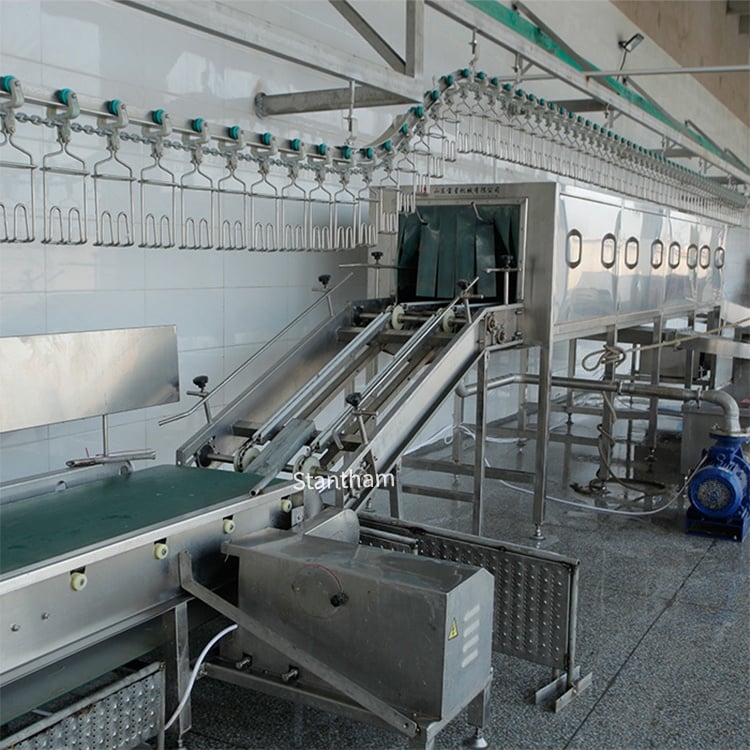
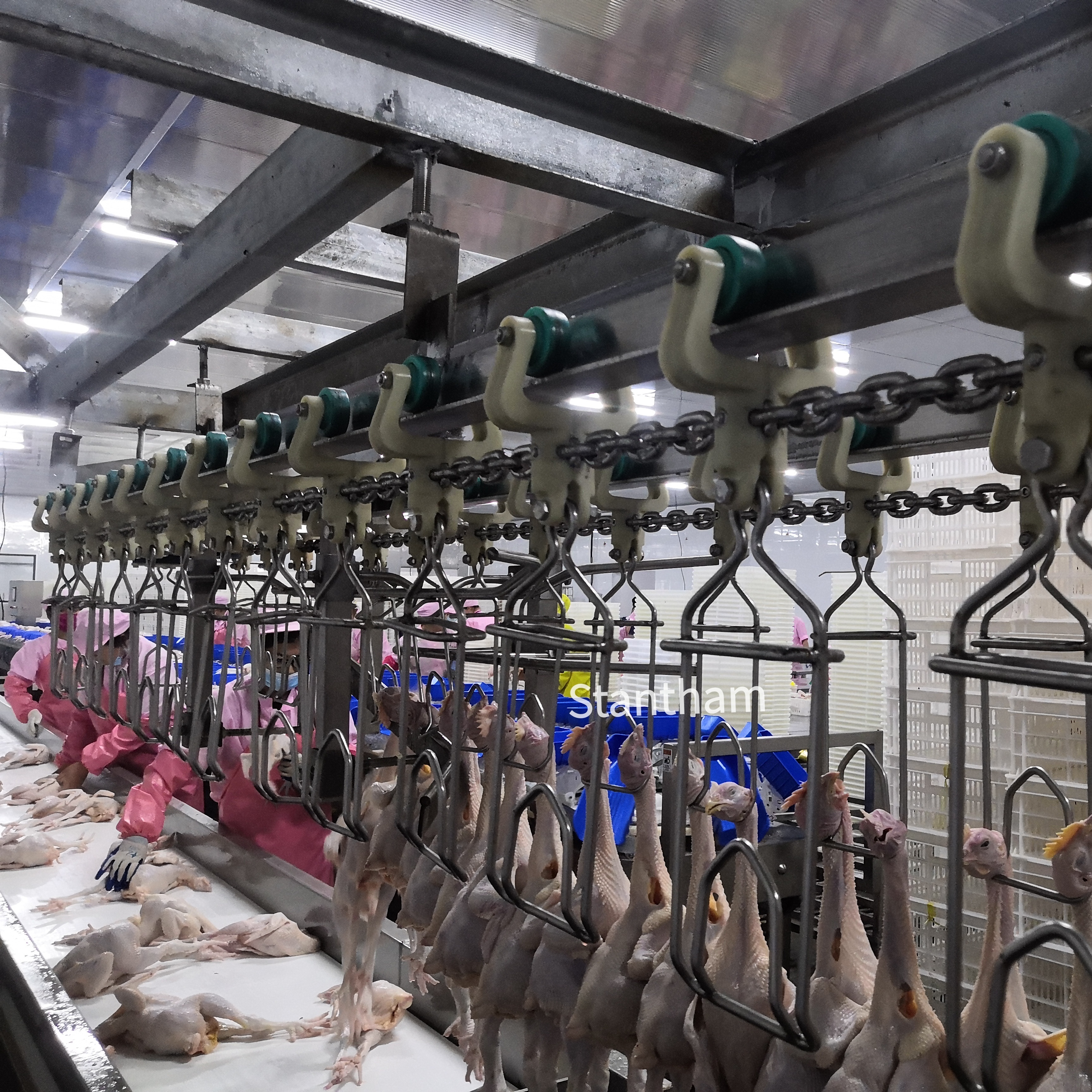
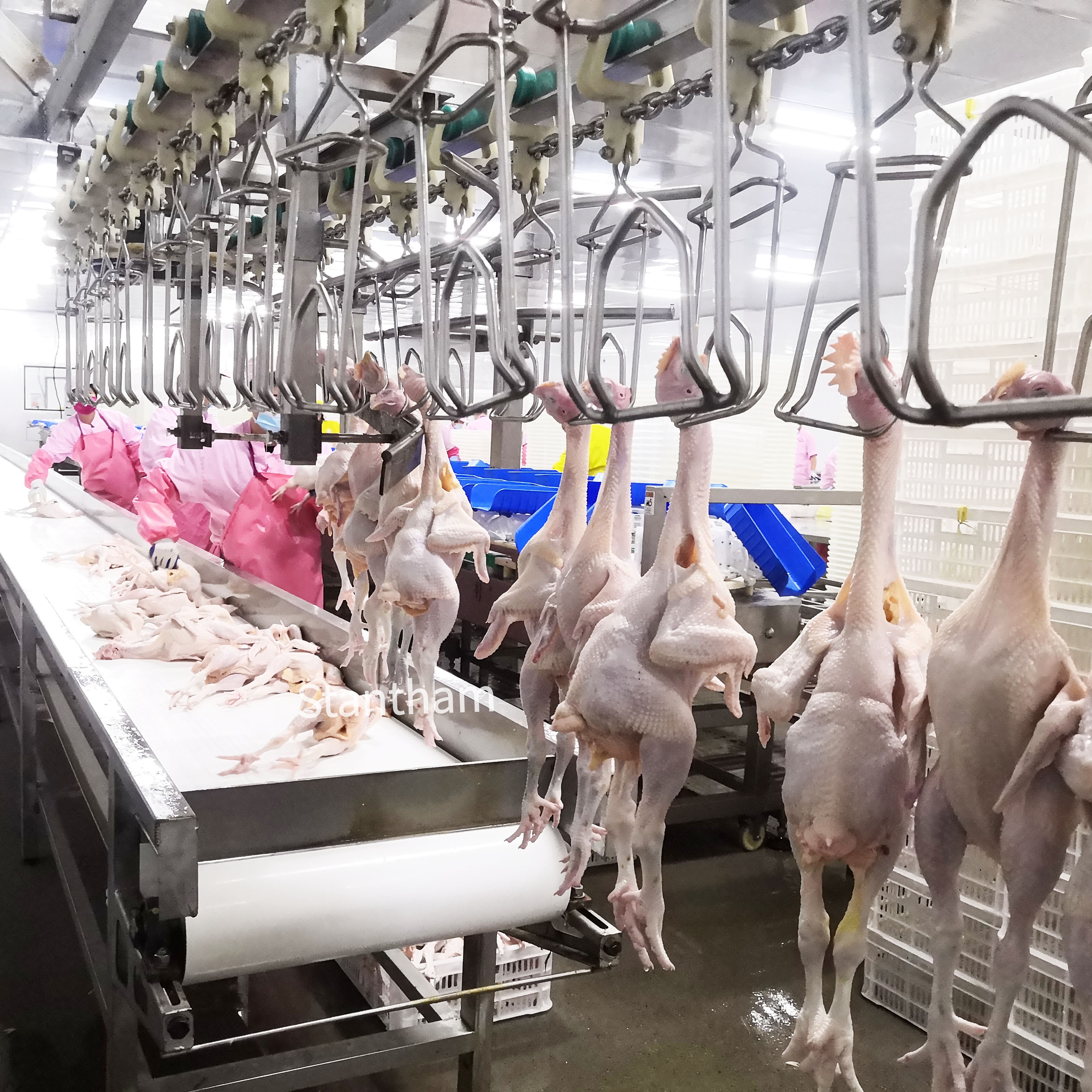
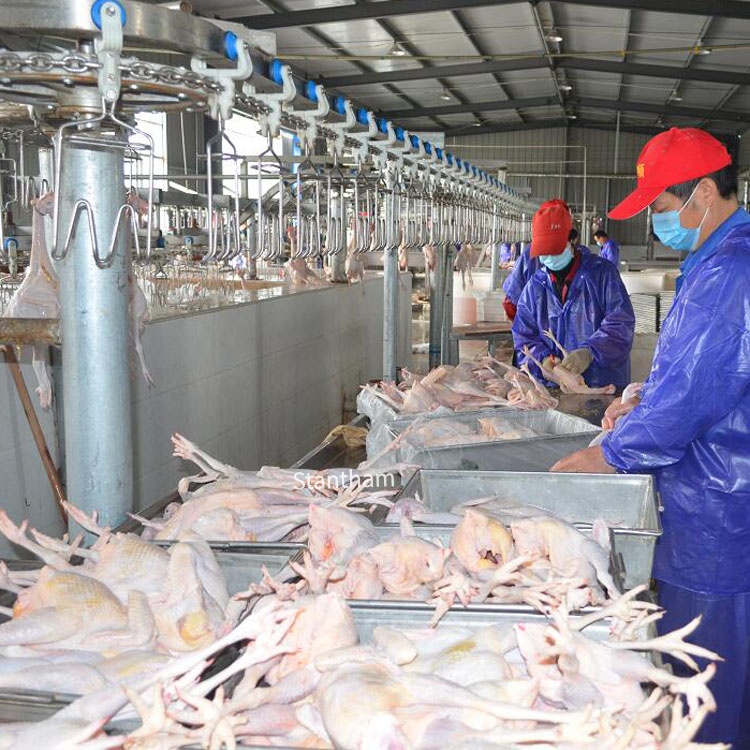
Manual lines tie output to headcount, so when labor runs short, throughput collapses and grade slips. Our automatic poultry processing equipment replaces manual handling with synchronized conveyors, vision-guided cutting, and servo drives that run the whole plant from a single control panel. Plants report labor falling 50–70% while output climbs to 6,000–12,000 birds per hour with steady quality. Stainless-steel, washdown-rated modules and CIP-ready surfaces keep hygiene audit-ready, and recipe presets switch species in minutes. One integrator automated a broiler plant and cut payroll by 26 workers yet raised Grade-A yield 6%, recovering the system cost in thirteen months through labor savings and premium export sales alone. Remote monitoring flags faults before they stop the line, protecting uptime during peak shifts.
Get A Quote

Case Study

Integrator Automates Broiler Plant And Cuts 26 Workers

A broiler plant in Brazil ran manual evisceration and cut-up with forty workers, capping output at 3,000 birds per hour and suffering 8% tear defects. We delivered automatic poultry processing equipment—overhead conveyors, vision-guided filleters, and automated graders—controlled from one panel. Headcount dropped to fourteen while output reached 7,500 birds per hour, and tear defects fell below 2%. Recipe presets let the plant switch between whole-bird and portion packs in six minutes, supporting mixed retail orders. Grade-A yield rose 6%, and the uniform product secured a QSR contract worth 2 million dollars annually. Management recovered the automation cost in thirteen months, then redirected freed labor to further-processing lines that lifted total margin without hiring during seasonal demand peaks.

Duck Plant Achieves Consistent Output With Automated Line

A duck processor in the Netherlands struggled with labor turnover that caused daily output swings between 1,500 and 2,800 birds per hour. We installed automatic poultry processing equipment with synchronized scalding, plucking, and evisceration controlled by one PLC, stabilizing throughput at a steady 3,600 birds per hour regardless of shift. Carcass damage dropped to 1.8%, and automated weighing removed the overweight giveaway that had cost 3% of revenue. The stainless steel line passed EU audit without modifications, and remote diagnostics cut unplanned downtime to under 2%. Within ten months the plant doubled portion-pack volume with the same crew size, and management credited automation with ending the recruitment cycle that previously drained supervisor time every single week.

Startup Builds Fully Automated Plant From Day One

A first-time operator in Vietnam wanted a plant that did not depend on scarce skilled labor, so we built automatic poultry processing equipment as a turnkey, hands-free line from live reception to packed product. Robotic shackling, vision-guided cutting, and automatic graders handled 4,000 birds per hour with only nine supervisors on the floor. Because the line self-monitors, the owner ran consistent shifts despite a thin local workforce, and Grade-A yield reached 94% from opening week. Commissioning finished in three weeks, and the plant shipped its first export container within a month. The investor recovered the build cost in fifteen months through steady volume and premium contracts, proving that automation lets new entrants compete with processors without an experienced labor pool.

Related products

Our automatic poultry processing equipment is built so a single control panel runs the entire plant—from live reception and stunning through scalding, plucking, evisceration, chilling, cutting, and grading—without manual re-handling between stages. Robotic shackling, vision-guided blades, and servo-driven portioners execute repeatable cuts within two millimeters, protecting yield and presentation at industrial speed. With two decades engineering turnkey abattoirs, we deliver lines from 3,000 to 12,000 birds per hour, validated against species, target weights, and export grade, all on washdown-rated 304 stainless steel with CIP-ready zones. Beyond machines, we provide layout, PLC programming, operator certification, and a spare-parts network that keeps unplanned downtime below 2%. Industry data shows automation can cut labor 50–70% and lift Grade-A yield by five to seven percent versus manual plants, gains that usually decide whether a turnkey investment pays back inside eighteen months. Whether you battle labor shortages or chase export volume, our lines give you predictable, audit-ready output every shift.

Frequently Asked Questions

How much labor does automation replace?

Automatic lines typically cut floor labor by 50 to 70%, depending on how many stages run unattended. One broiler plant dropped from forty to fourteen operators while raising output to 7,500 birds per hour. Freed staff move to higher-value roles, so automation protects margin without forced layoffs.
Yes. Our PLC integrates stunning, evisceration, chilling, and grading into one interface with recipe presets for each species. Operators start, monitor, and switch products from a single screen, and alarms flag faults before they stop production, keeping control simple even for new teams.
Automation reduces hand contact, so contamination risk drops versus manual lines. Stainless-steel, CIP-ready zones and automated temperature logs meet HACCP and EU rules. Many plants pass export audits within weeks, with digital records proving every batch stayed within safe limits throughout the run.
We engineer automatic lines from 3,000 to 12,000 birds per hour, sized to your building and market. Vision-guided cutting and synchronized conveyors hold steady speed without jams, so planned output is what you actually achieve across full shifts and peak seasonal demand alike.
We provide PLC training, remote diagnostics, maintenance manuals, and a regional spare-parts stock that limits downtime below 2%. Our engineers also tune recipes for your products and help scale the line later, so your automatic plant keeps performing long after commissioning ends.

Related article

Is a Poultry Chiller Machine Right for Your Facility?

10

Jun

Is a Poultry Chiller Machine Right for Your Facility?

Understanding What a Poultry Chiller Actually Does A poultry chiller machine is not simply a cold water tank. It is a controlled thermal exchange system designed to bring freshly eviscerated carcasses from roughly thirty-five degrees Celsius down t...
View More
Why is proper scalding temperature critical for feather removal efficiency in a chicken abattoir?

17

Jun

Why is proper scalding temperature critical for feather removal efficiency in a chicken abattoir?

The Scalding Window: A Delicate Balance Between Feather Release and Skin Integrity Scalding is the bridge between bleeding and plucking in a chicken abattoir. The birds pass through a tank of heated water, and the heat loosens the feather follicles...
View More
How does a mechanical chicken slaughter system minimize bone breakage compared to manual methods?

22

Jun

How does a mechanical chicken slaughter system minimize bone breakage compared to manual methods?

The Bone Breakage Problem Nobody Talks About Walk into any medium-sized poultry processing plant and ask the quality control manager about their biggest headache. Chances are, bone breakage ranks near the top. Not the dramatic compound fractures, b...
View More
How does chicken slaughter equipment with an integrated bleeding tunnel improve blood drainage efficiency?

03

Jul

How does chicken slaughter equipment with an integrated bleeding tunnel improve blood drainage efficiency?

The Bleeding Tunnel: More Than Just a Conveyor Walk into any medium-to-large poultry processing facility, and the bleeding section tells a story about the operation's overall discipline. Some plants run tight, clean lines where carcasses move through...
View More

Customer Testimonials

Carlos Mendes

We automated a forty-worker plant down to fourteen and lifted output to 7,500 birds per hour with tear defects under 2%. Recipe presets switch packs in six minutes, and the single control panel means new operators learn fast. Grade-A yield rose 6% and a QSR contract followed. The system paid back in thirteen months through labor savings, and we moved staff into further processing for extra margin.

Lucas de Wit

Labor turnover used to swing our output daily until we installed the automatic line. Now throughput holds at 3,600 birds per hour on every shift, carcass damage is 1.8%, and automated weighing ended our 3% overweight giveaway. Remote diagnostics keep downtime under 2%, and we doubled portion-pack volume with the same crew. Ten months in, automation ended our weekly hiring headache for good.

Get a Free Quote

Our representative will contact you soon.
Email
Name
Company Name
Mobile/WhatsApp
Message
0/1000
Single-Panel Control That Simplifies Every Shift

Single-Panel Control That Simplifies Every Shift

Our automatic poultry processing equipment puts the whole plant behind one PLC, so operators start, monitor, and adjust stunning, evisceration, chilling, and grading from a single screen. Recipe presets for each species mean switching from broiler to duck takes minutes, not a reconfiguration project, and alarms flag faults before they halt production. A duck plant stabilized throughput at 3,600 birds per hour on every shift after installing our line, ending the daily swings caused by labor turnover. Because control is centralized, new teams learn fast and supervisors spend time on quality instead of firefighting. This simplicity protects output consistency, shortens training, and lets owners run predictable shifts even with a thin or inexperienced workforce, turning complex automation into manageable operation.
Labor Independence That Ends Hiring Headaches

Labor Independence That Ends Hiring Headaches

Skilled butchers are scarce and costly, yet manual lines live or die by them, so our automatic poultry processing equipment runs with a fraction of the headcount. Robotic shackling and vision-guided cutting handle 4,000 birds per hour with only nine floor supervisors, as a Vietnam startup proved from opening week. Grade-A yield reached 94% without an experienced crew, and commissioning finished in three weeks. Because the line self-monitors and alerts remotely, owners avoid the recruitment cycle that drains supervisor time and keeps output steady despite turnover. This labor independence lets new entrants and remote plants compete with established processors, protecting both margin and peace of mind when the local workforce is thin or unstable.
Consistent Yield That Protects Margin At Scale

Consistent Yield That Protects Margin At Scale

Manual cutting drifts with fatigue, but our automatic poultry processing equipment holds every cut within two millimeters and every portion within three grams, shift after shift. Plants report Grade-A yield up to 94% and tear defects below 2%, gains that compound across millions of birds each year. One broiler plant lifted yield 6% and secured a 2-million-dollar QSR contract on uniform product alone. Automated weighing also ends overweight giveaway that silently erodes revenue, as a duck plant recovered 3% previously lost to inconsistent portions. By making quality repeatable instead of skill-dependent, automation protects margin at scale and gives exporters the uniform, audit-ready packs that win and keep premium international contracts.

Get a Free Quote

Our representative will contact you soon.
Email
Name
Company Name
Mobile/WhatsApp
Message
0/1000