Chicken Slaughter Machine Line: 94% Grade A Yield, 500–3000 BPH

+86-18866172299
All Categories
One Line, Every Station

One Line, Every Station

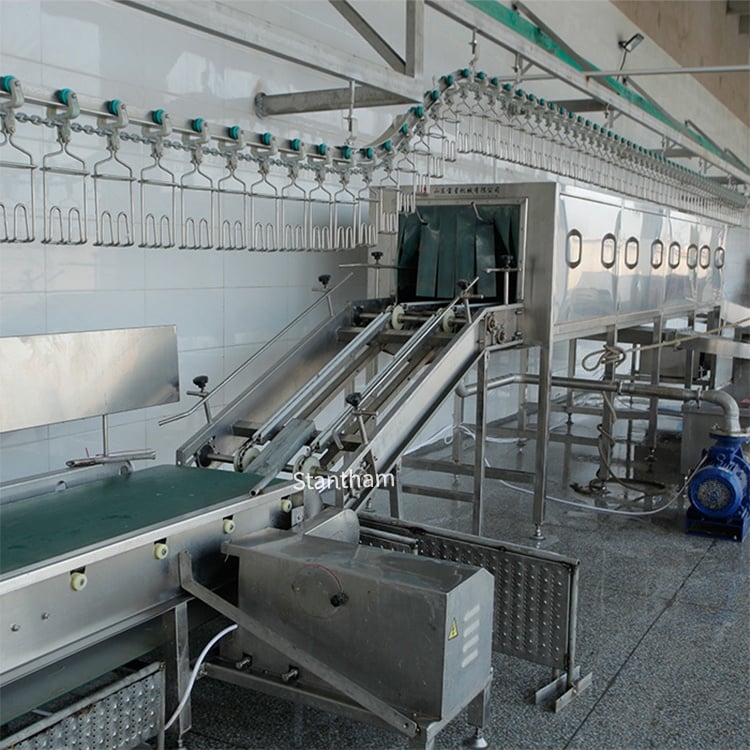
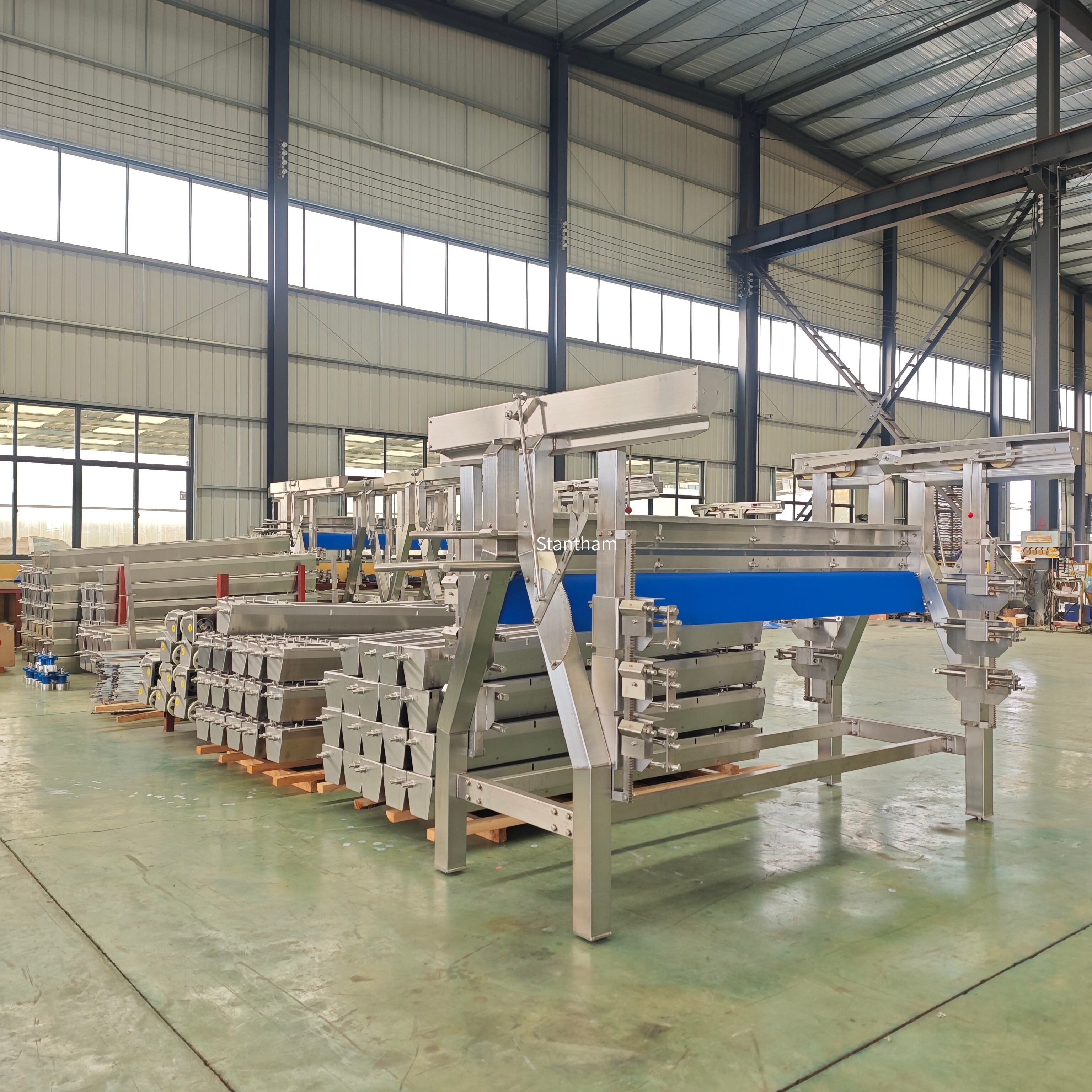
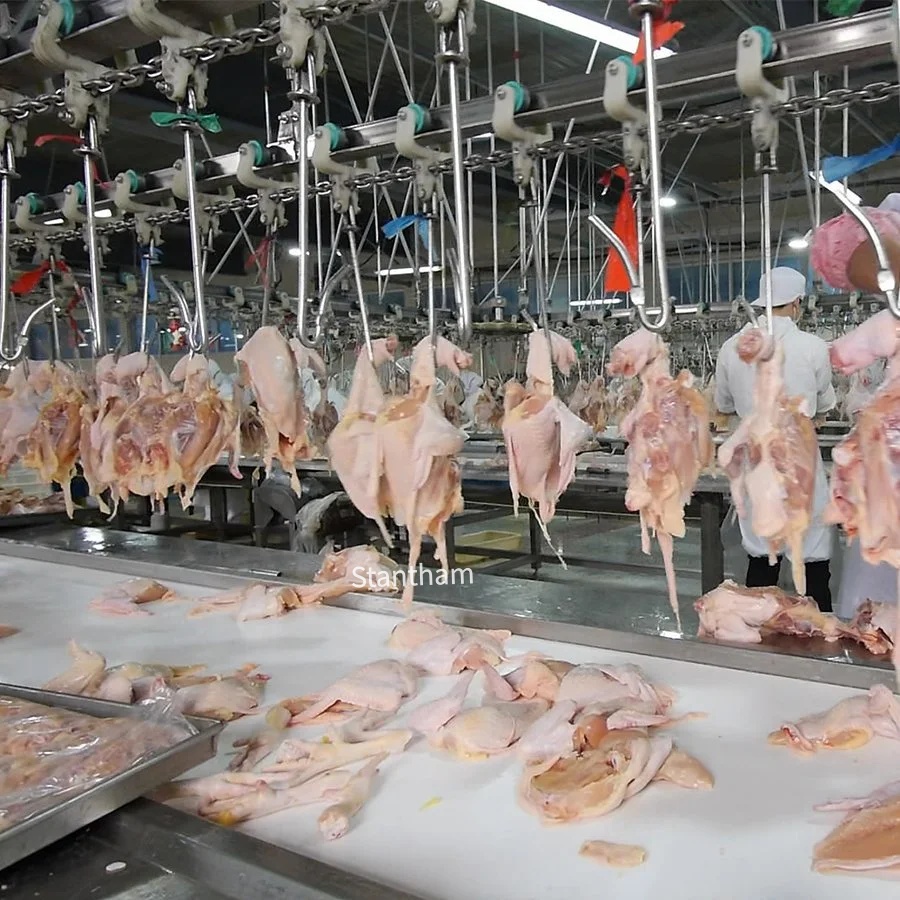
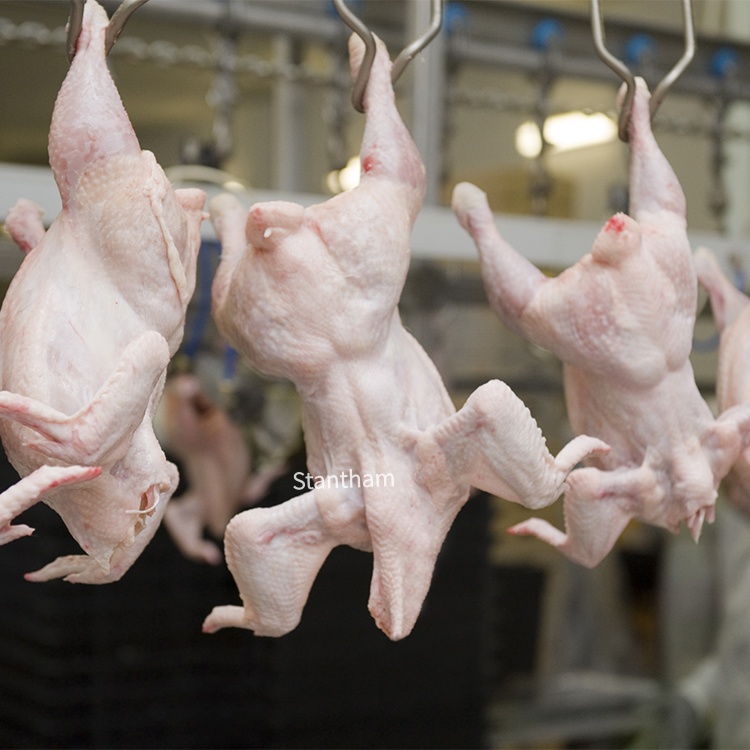
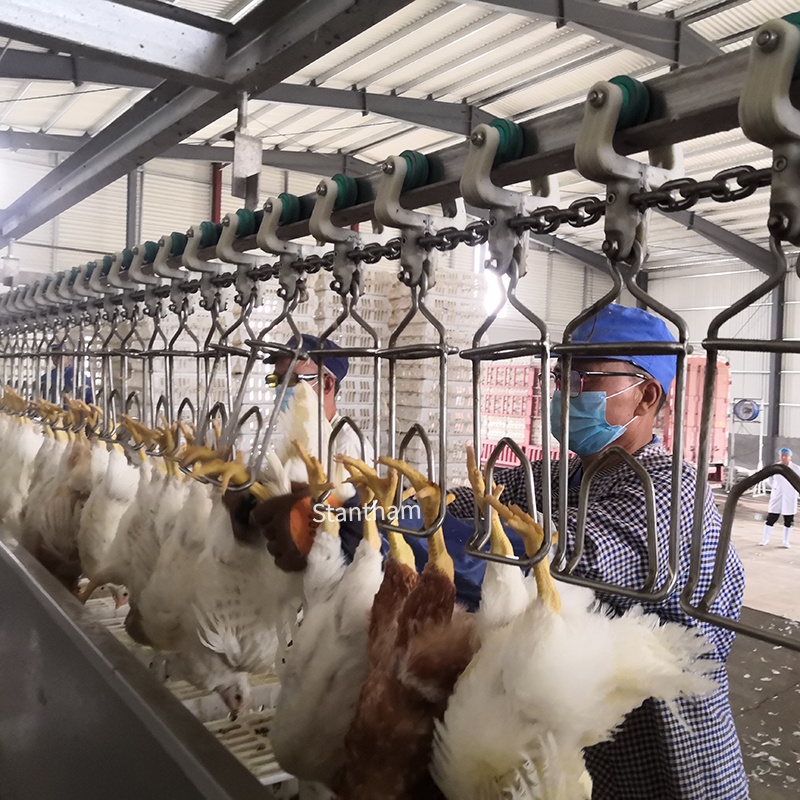
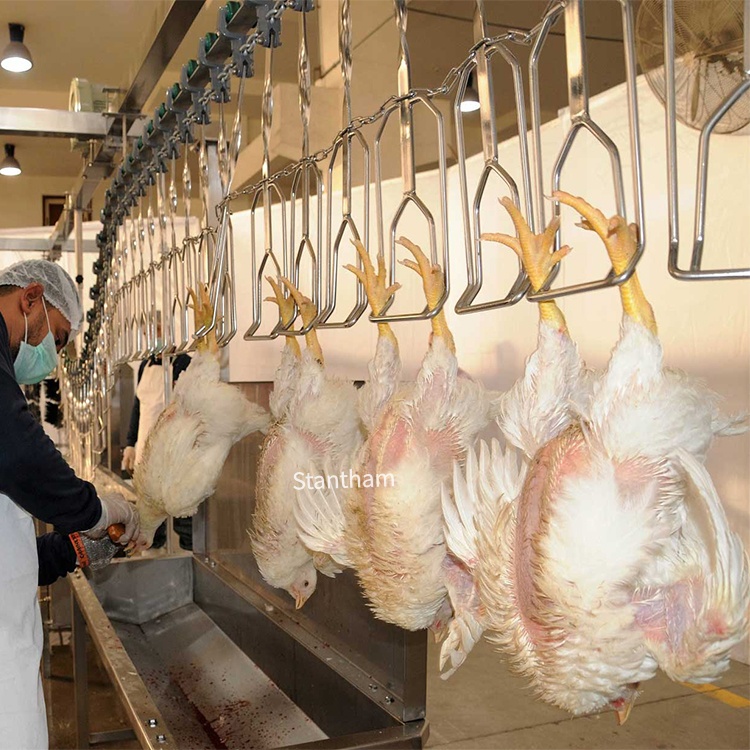
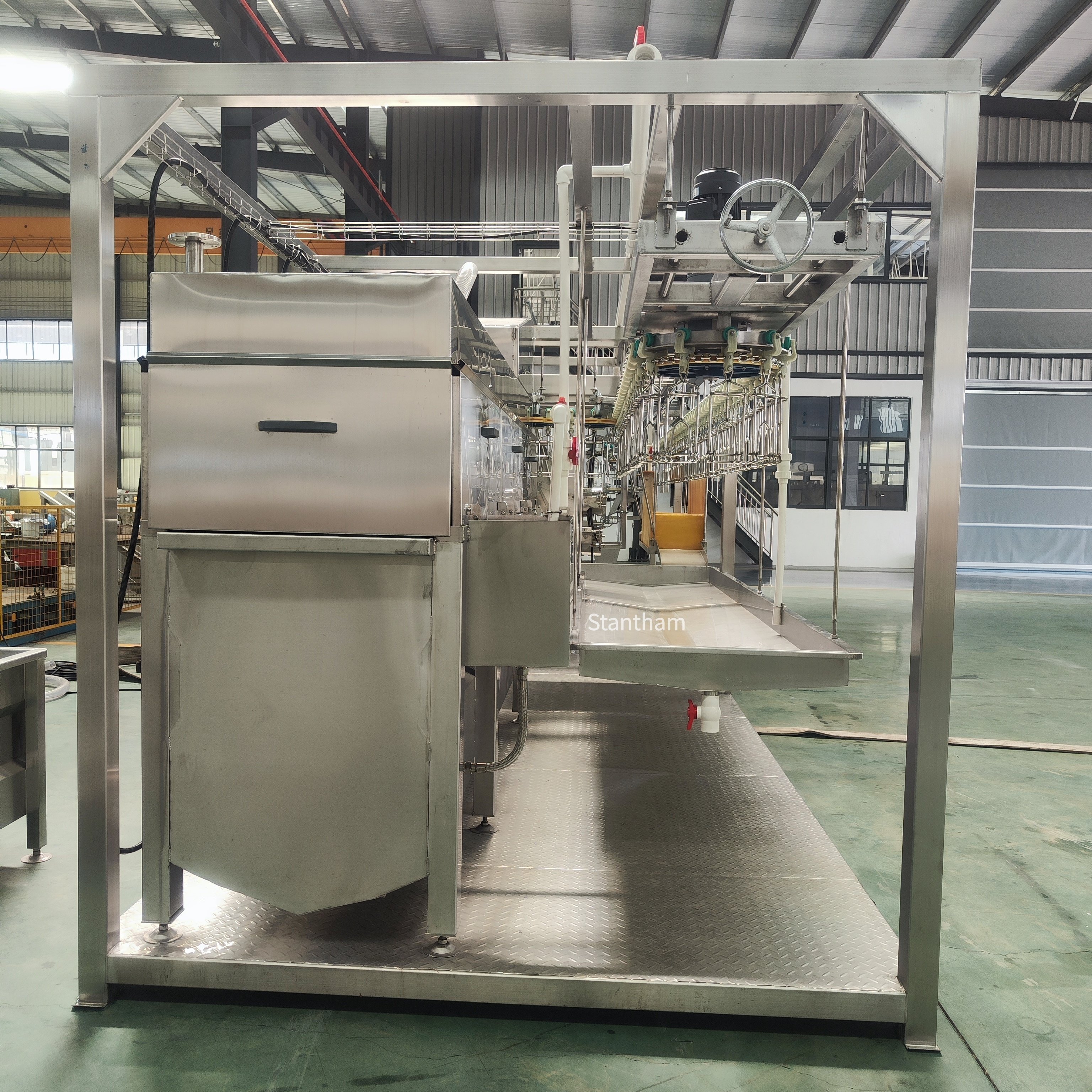
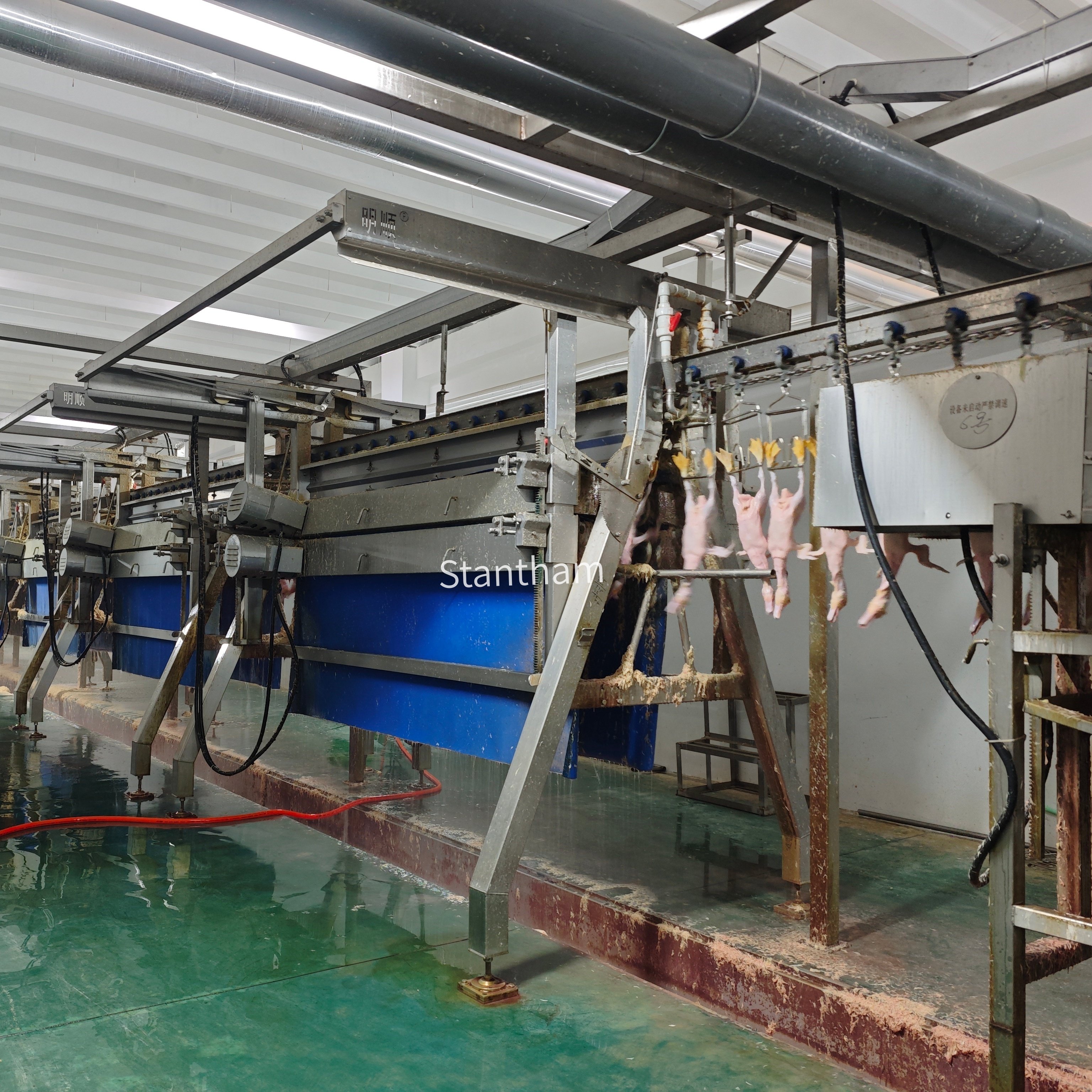
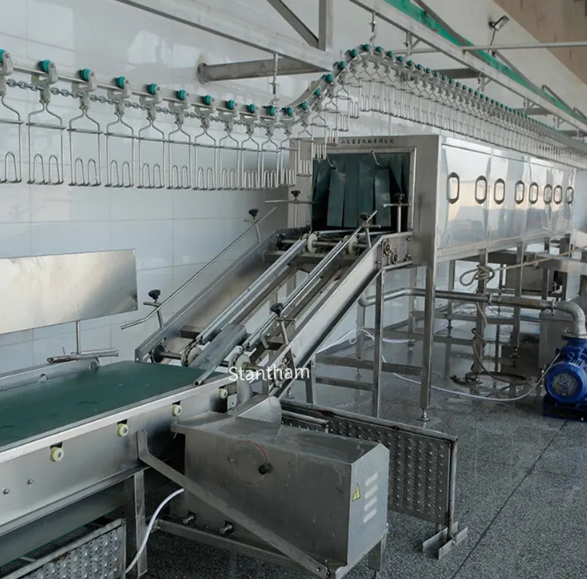
A chicken slaughter machine line integrates stun, scald, pluck, eviscerate, and chill into one synchronized path so no station caps your throughput. Tuned for chicken physiology, it protects the breast through every step and lifts grade A above ninety-four percent. Food-grade stainless and sealed drives survive daily washdown and pass hygiene audits on first visit. Capacities run 500 to 3000 birds per hour, fitting a growing processor without relaying the floor. One control logic trains operators fast, and downtime stays under two percent. Owners report payback inside two years through yield, speed, and fewer audit fixes on the line.
Get A Quote

Case Study

Processor In Egypt

An Egyptian processor running 1500 birds per hour replaced separate second-hand stations with a chicken slaughter machine line that synchronized every step. Grade A rose from eighty-nine to ninety-five percent as evisceration losses fell and pluck improved. The unified stainless path passed the Gulf audit first visit, opening new export orders. Downtime dropped to under two percent because one supplier owned the whole line. The plant met Ramadan peak demand without adding shifts. Payback came in twenty-one months on grade and speed gains, and the freed crew moved to cut-up where margins are higher on the floor.

Plant In Serbia

A Serbian plant wanted a chicken slaughter machine line sized for 1000 birds per hour with room to grow. The integrated design lifted grade A to ninety-four percent and held throughput steady through winter flock swings. Sealed drives and CIP-ready zones passed EU audit first visit with no retrofitting. Manual touch-up fell by four workers per shift, freeing them for packing. Payback arrived in twenty months, and bolt-on chilling later lifted capacity without new foundations. Local technicians serviced the unified system without overseas calls, keeping quarterly downtime under five hours through the cold season.

Co-Op In Peru

A Peruvian co-op processing 800 birds per hour chose a chicken slaughter machine line to replace hand work that capped Saturday volume. The synchronized stations cleared the backlog in one shift, lifting grade A from eighty-six to ninety-three percent. The food-grade stainless survived humid washdown and passed the regional audit first visit. Members reinvested labor savings into feed, raising bird weight next cycle. Payback came in nineteen months, and neighboring co-ops toured the line as their reference for a shared upgrade. The simple controls meant one trained member managed the whole path.

Related products

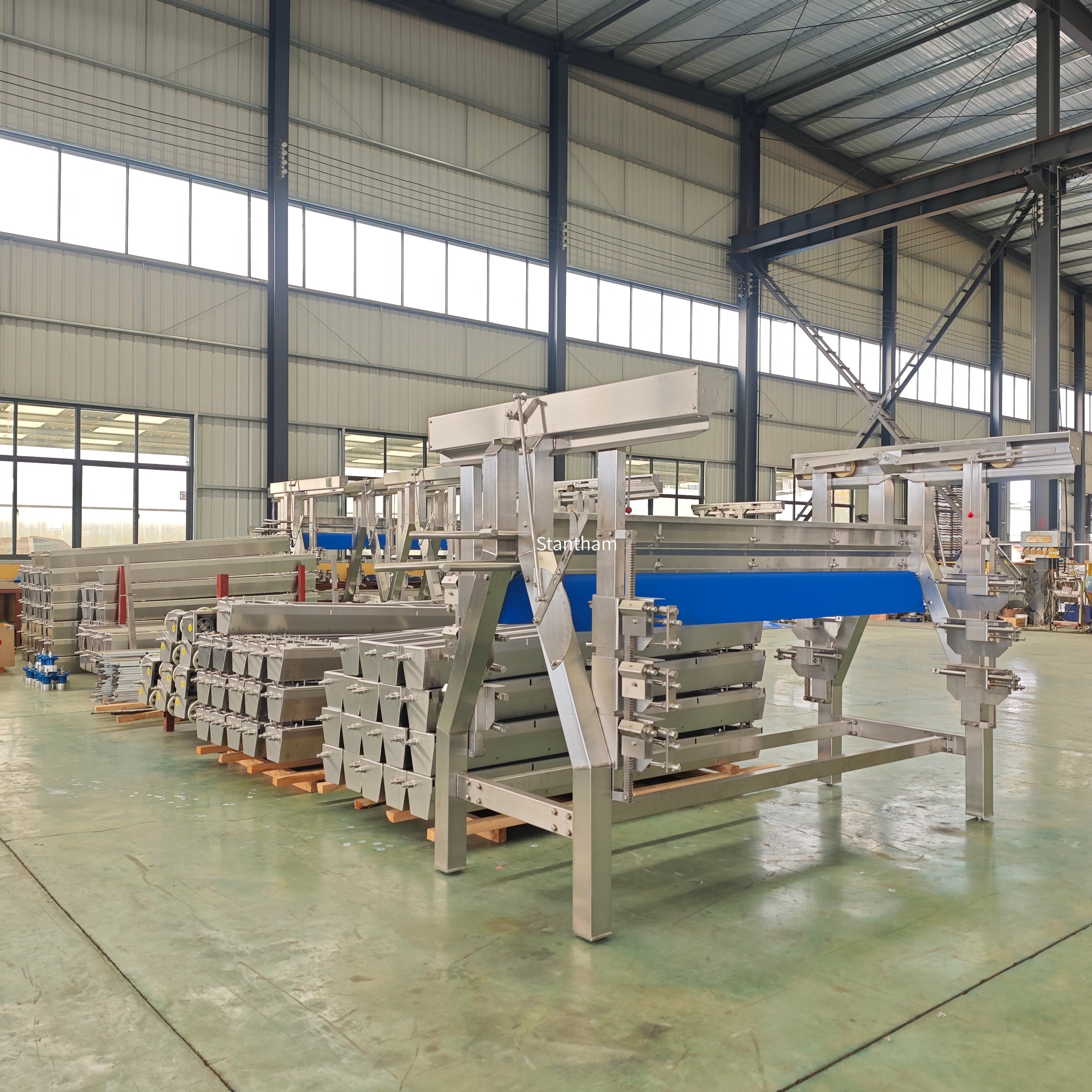
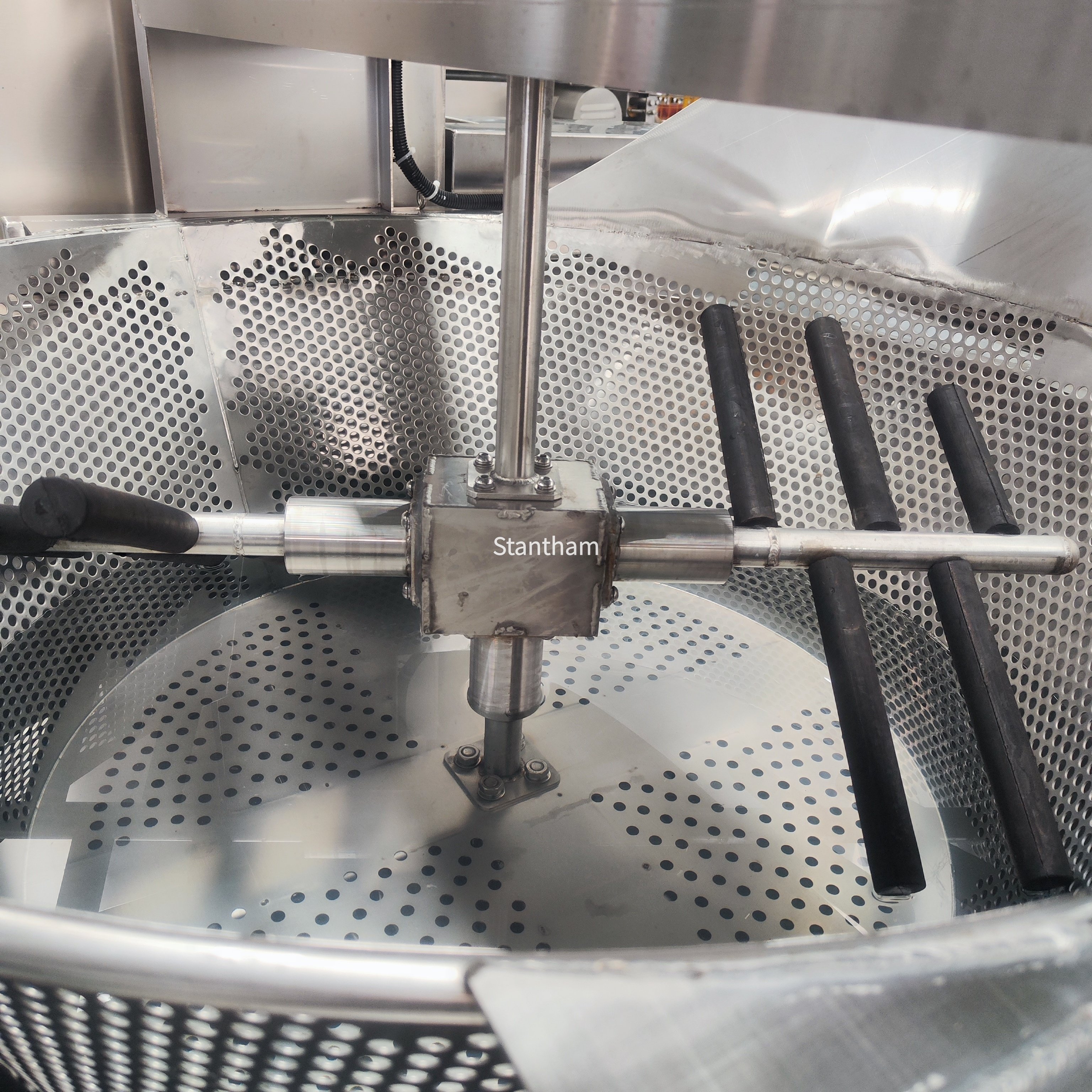
A chicken slaughter machine line should make the whole path predictable, so we engineer stun, scald, pluck, eviscerate, and chill as one coordinated system tuned to your bird weight and hourly volume. Every line is modeled for balance, water, and steam before fabrication, then passivated and run-tested before shipping. Our local agents commission it with a signed acceptance test and operator training. Stainless contact zones and audit-ready records satisfy EU, USDA, and Gulf inspectors without retrofitting. A ten-year spare commitment and regional hubs keep wear parts within seventy-two hours of most ports. When volume grows, bolt-on chilling or cut-up extends throughput without relaying foundations. Annual hygiene reviews from our engineers protect your export eligibility as standards tighten.

Frequently Asked Questions

What stations are included?

A full chicken slaughter machine line covers stun, scald, pluck, eviscerate, and chill as one synchronized path, so no single station caps your throughput or your grade.
Integrated lines run 500 to 3000 birds per hour, fitting a growing processor, with bolt-on chilling or cut-up available when order volume later rises beyond the original design.
Stainless, CIP-ready zones, and audit-ready temperature and hygiene records satisfy EU, USDA, and Gulf inspections without retrofitting or after-market modifications.
Most plants cut manual touch-up by four or more workers per shift, freeing crew for grading and packing while the line runs continuously through the batch.
Owners typically recover the line within twenty to twenty-one months through higher grade A, steady throughput, and fewer audit fixes across the whole synchronized path.

Related article

Why is proper scalding temperature critical for feather removal efficiency in a chicken abattoir?

17

Jun

Why is proper scalding temperature critical for feather removal efficiency in a chicken abattoir?

The Scalding Window: A Delicate Balance Between Feather Release and Skin Integrity Scalding is the bridge between bleeding and plucking in a chicken abattoir. The birds pass through a tank of heated water, and the heat loosens the feather follicles...
View More
How does a mechanical chicken slaughter system minimize bone breakage compared to manual methods?

22

Jun

How does a mechanical chicken slaughter system minimize bone breakage compared to manual methods?

The Bone Breakage Problem Nobody Talks About Walk into any medium-sized poultry processing plant and ask the quality control manager about their biggest headache. Chances are, bone breakage ranks near the top. Not the dramatic compound fractures, b...
View More
How does chicken slaughter equipment with an integrated bleeding tunnel improve blood drainage efficiency?

03

Jul

How does chicken slaughter equipment with an integrated bleeding tunnel improve blood drainage efficiency?

The Bleeding Tunnel: More Than Just a Conveyor Walk into any medium-to-large poultry processing facility, and the bleeding section tells a story about the operation's overall discipline. Some plants run tight, clean lines where carcasses move through...
View More
Advanced Optimization of Custom Chicken Slaughter Equipment

10

Jul

Advanced Optimization of Custom Chicken Slaughter Equipment

The Customization Imperative in Poultry Processing Poultry processing lines look similar from a distance—shackles, conveyors, scalders, pluckers, evisceration stations. But step closer and the differences become obvious. One plant runs 12,000 b...
View More

Customer Testimonials

M. Haddad

Our old separate stations capped everything until we installed this chicken slaughter machine line; grade A rose from eighty-nine to ninety-five percent and the unified stainless passed the Gulf audit first visit, opening export orders. Downtime stayed under two percent with one supplier owning the path. Payback came in twenty-one months, and the freed crew moved to higher-margin cut-up on the floor.

D. Petrov

Sized for 1000 birds per hour, our chicken slaughter machine line lifted grade A to ninety-four percent and held throughput through winter swings. Sealed drives and CIP zones passed EU audit first visit, and we dropped four touch-up workers per shift. Payback in twenty months let us bolt on chilling later without new foundations, and local techs service it without overseas calls through the cold season.

Get a Free Quote

Our representative will contact you soon.
Email
Name
Company Name
Mobile/WhatsApp
Message
0/1000
No Station Left Behind

No Station Left Behind

A chicken slaughter machine line wins because the stations move together. When stun, scald, pluck, eviscerate, and chill are tuned to one bird flow, nothing caps the plant and grade A stays high at every step. Owners stop chasing bottlenecks across mismatched second-hand units from different suppliers. One control logic trains operators fast, and one supplier owns the whole path when something drifts. This coordination turns separate chores into a single predictable output, protecting both daily volume and the capital invested on the floor.
Yield Across The Path

Yield Across The Path

In an integrated chicken slaughter machine line, yield is protected at every station, not just the plucker. Tuned action from stun through evisceration lifts grade A to ninety-four or ninety-five percent versus the low nineties on patched lines. The consistent, traceable output also protects premium price points that brokers erode with deductions. Owners turn synchronized throughput into measurable margin on every bird. This is how a line pays for itself, converting coordination into grade rather than just moving volume from one end to the other.
Grows When You Do

Grows When You Do

A chicken slaughter machine line should scale without relaying the floor, so our design adds bolt-on chilling or cut-up as orders rise. When export grows, capacity lifts from 500 to 3000 birds per hour on one coordinated system. Standardized stainless keeps the hygienic finish consistent as the line expands, and common spares simplify inventory. Plants scale from regional to multi-destination export on the same path. The approach protects the first investment while keeping every future upgrade straightforward for your own trained crew to execute.

Get a Free Quote

Our representative will contact you soon.
Email
Name
Company Name
Mobile/WhatsApp
Message
0/1000