Broiler Slaughter Line: 3000–6000 BPH, 96% Grade A Yield

+86-18866172299
All Categories
High-Speed Yield For Broiler Integrators

High-Speed Yield For Broiler Integrators

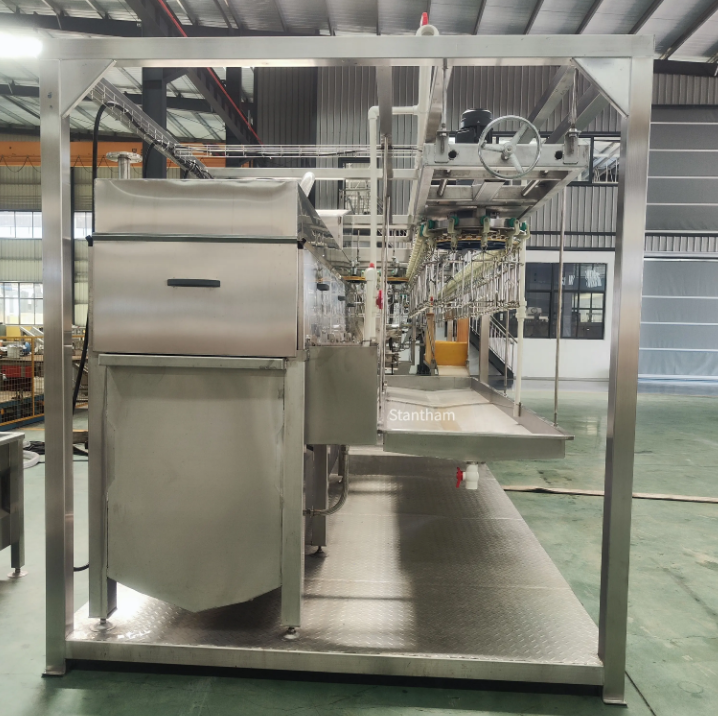
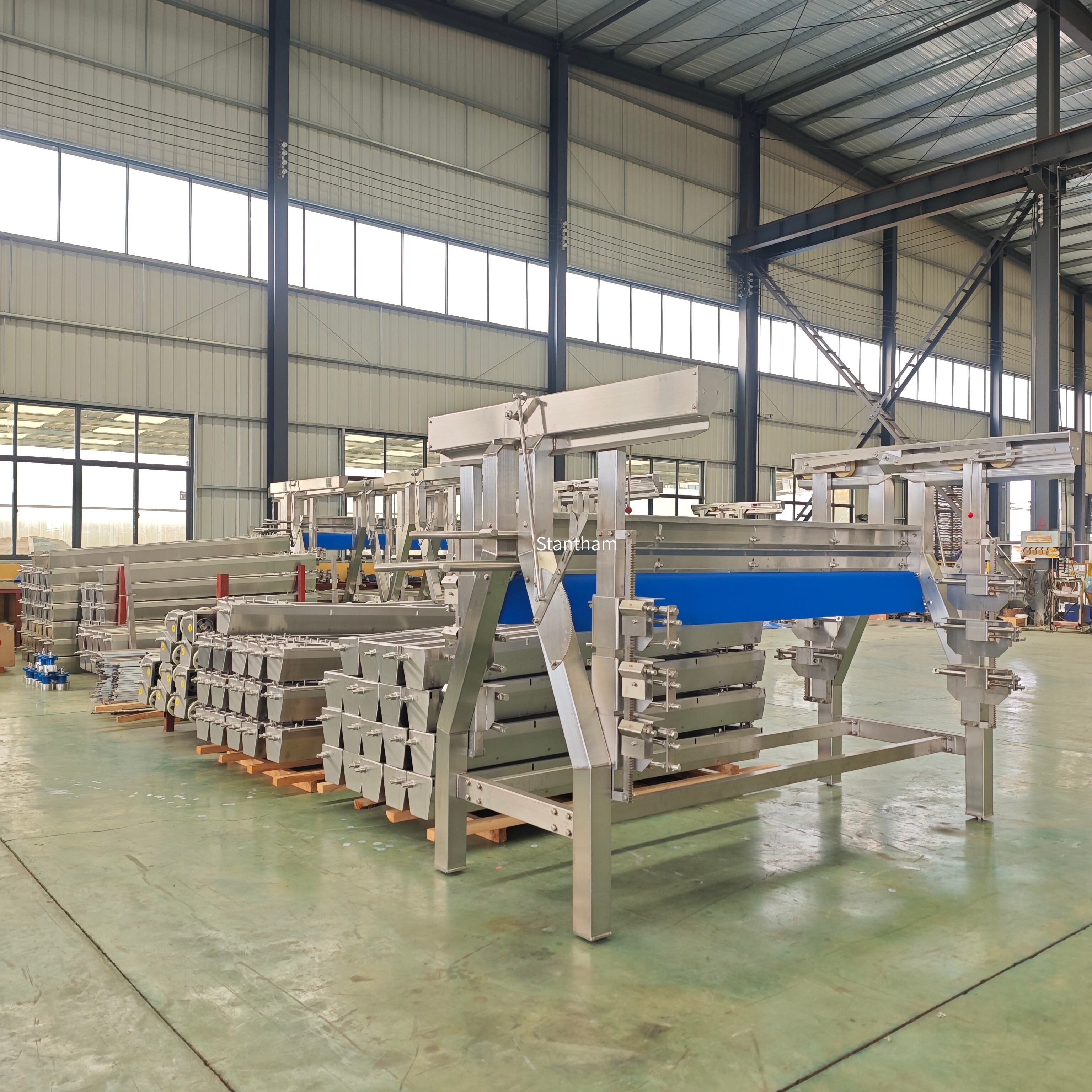
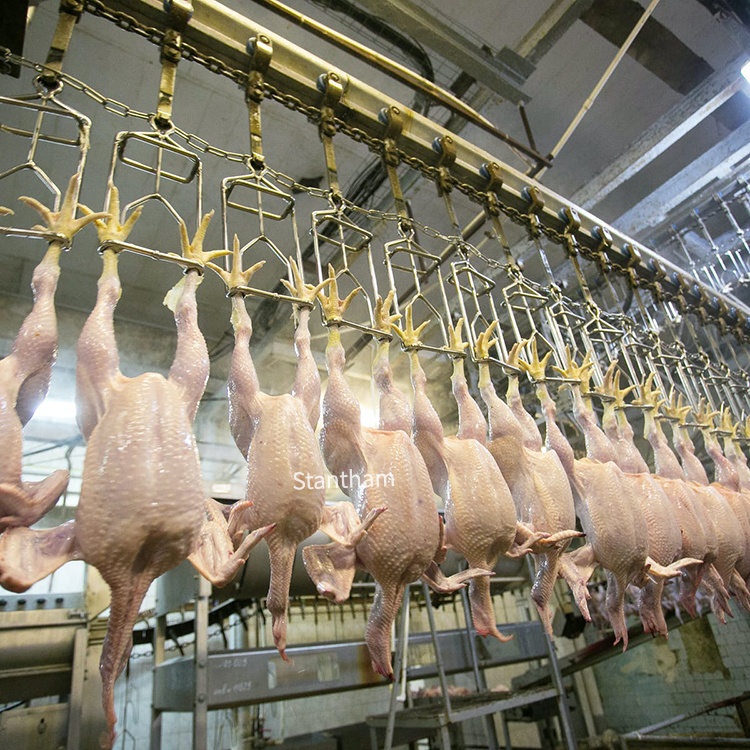
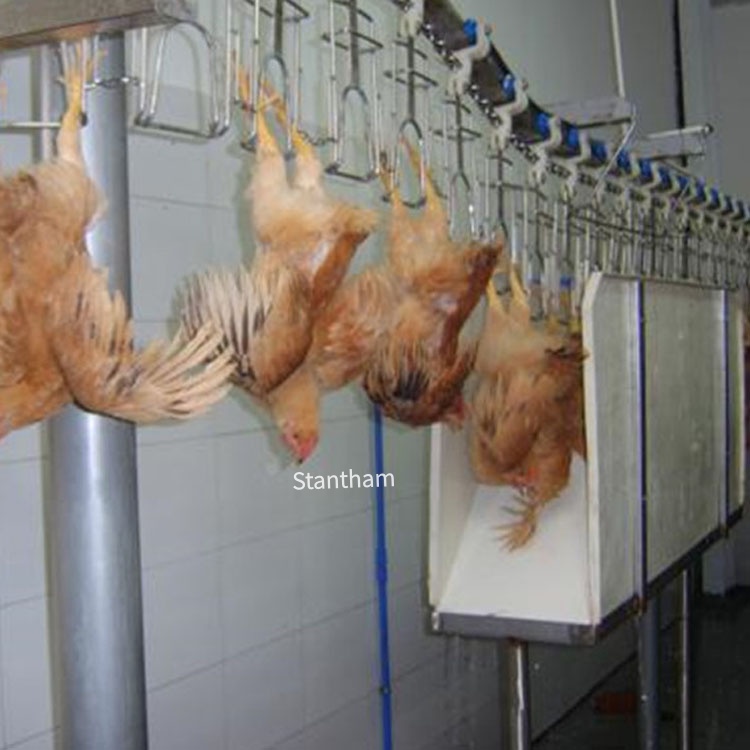
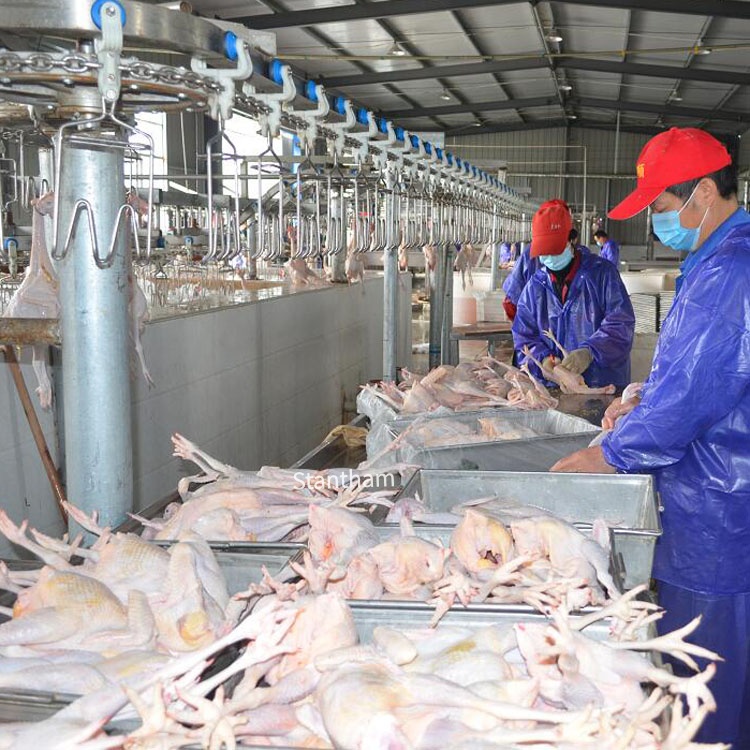
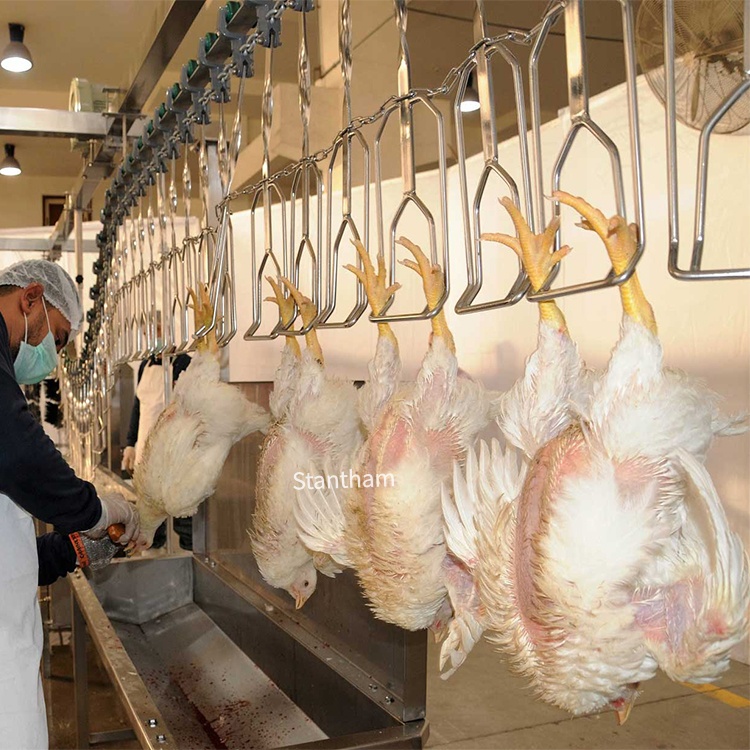
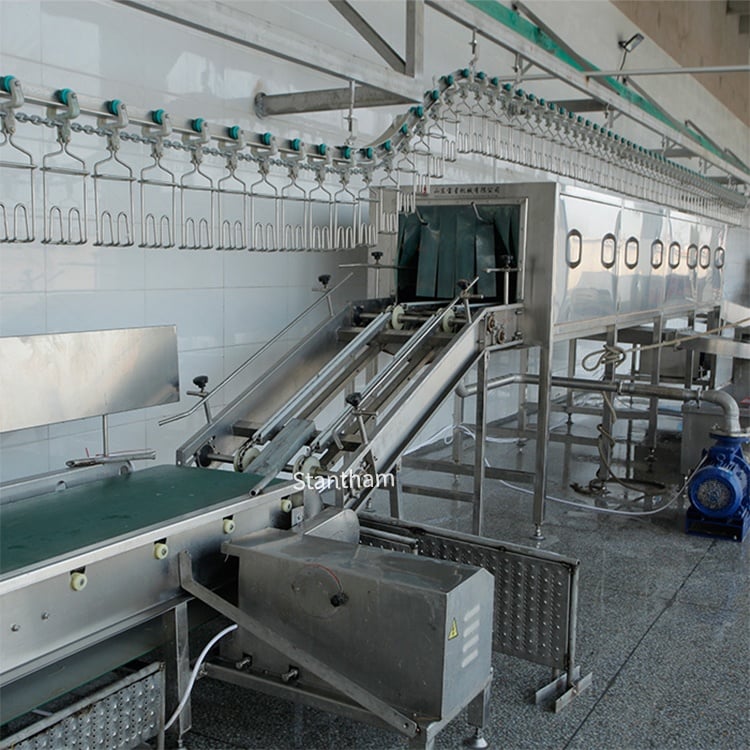
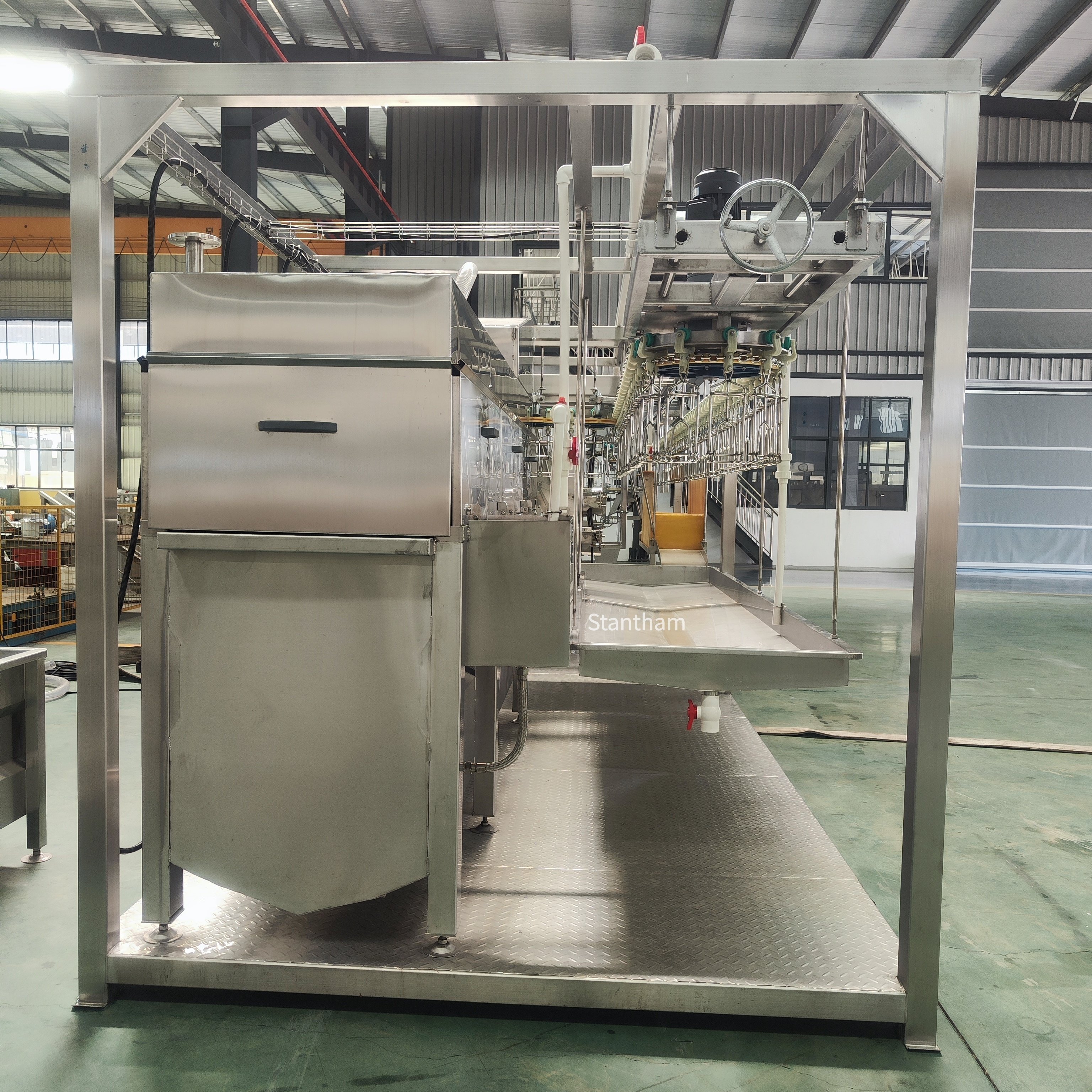
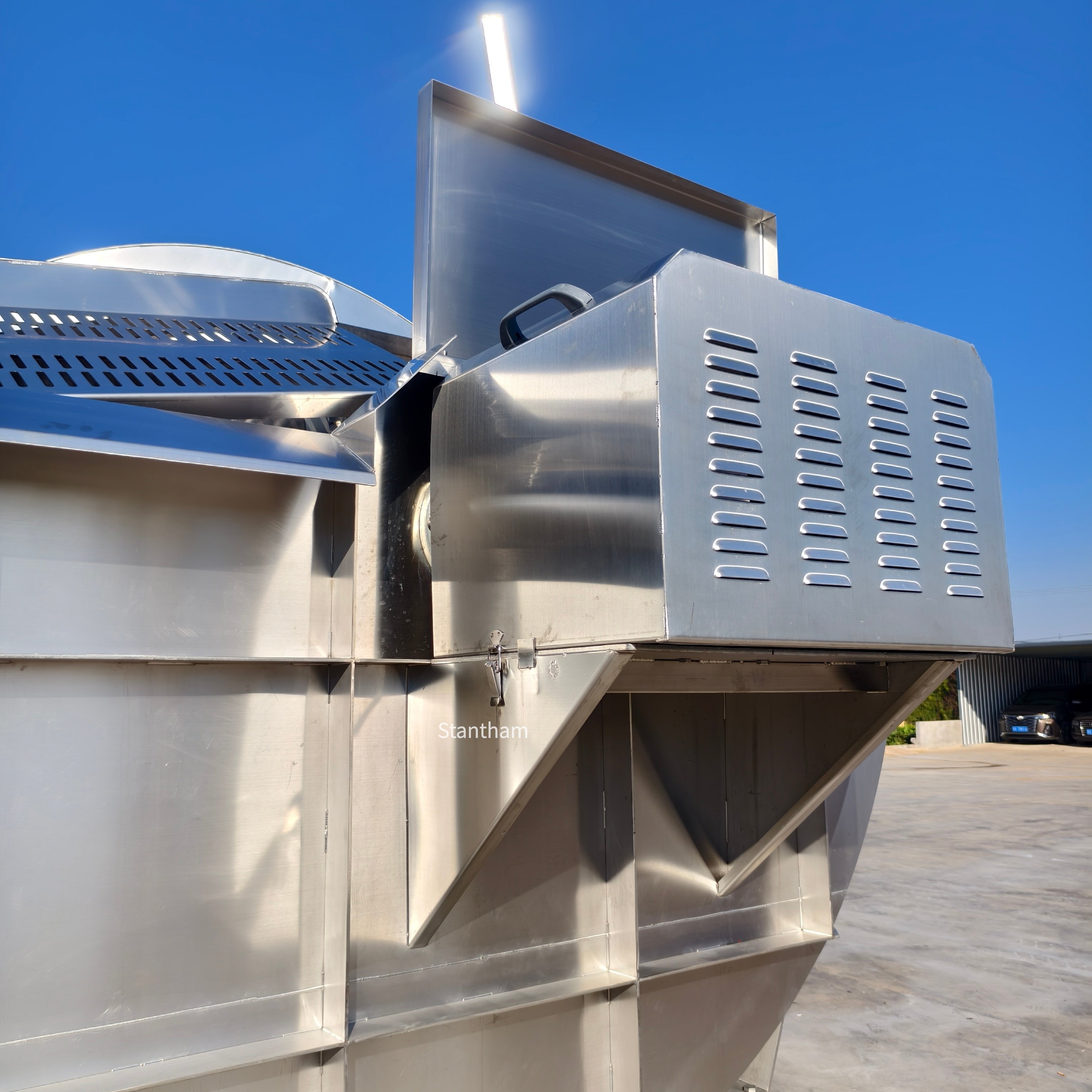
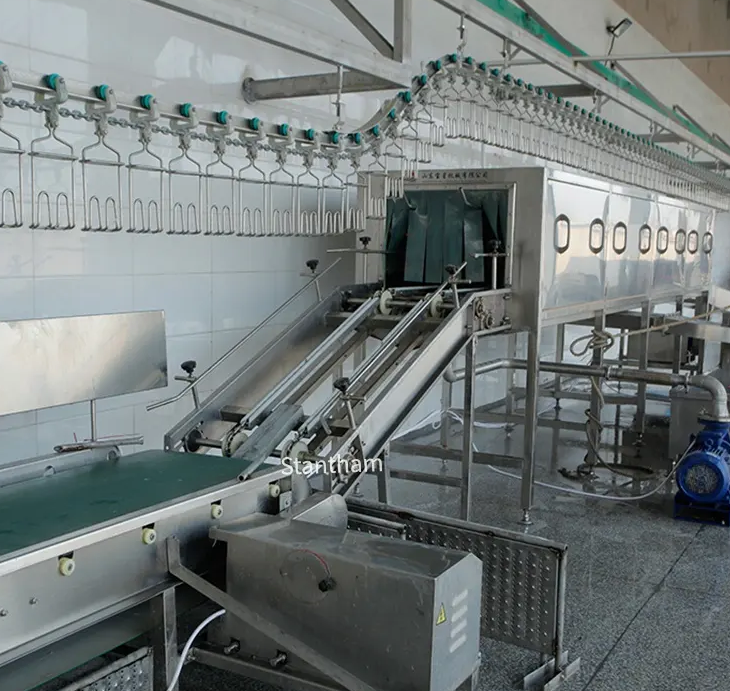
A broiler slaughter line is built for the relentless pace of commercial broiler plants, where birds average 2.5 kilos and volume drives every decision. Lines run from 3000 to 6000 birds per hour with synchronized stations that protect breast yield, the most valuable cut. Stainless construction and CIP cleaning meet the strictest export audits. Automated weighing and grading sort carcasses by weight class before chill, lifting saleable value per bird. Operators report downtime under two percent because every station is tuned to broiler physiology. The line usually pays back inside twenty months on yield and speed alone.
Get A Quote

Case Study

Integrator In Georgia USA

A 5000 birds per hour Georgia integrator replaced a bottlenecked line that capped breast yield. The new broiler slaughter line synchronized scald, pluck, and eviscerate to bird flow, lifting grade A recovery from ninety-one to ninety-six percent. Automated graders sorted carcasses into four weight classes before chill, adding value per bird. Downtime fell to under two percent across the first quarter. The plant met a national retailer's just-in-time volume without adding shifts. Training took two shifts given the higher speed. Payback came in nineteen months on yield and grade gains, and the freed crew moved to value-added cut-up where margins are higher.

Processor In Thailand

A Thai broiler exporter running 4000 birds per hour needed speed and EU documentation for whole-bird shipments. The broiler slaughter line synchronized stations so throughput held steady at peak flock size. Grade A recovery reached ninety-five percent as evisceration losses fell. Audit trails covered EU and Gulf requirements simultaneously, shortening clearance at the port. Cold-chain entry sped up, extending shelf life for export. Within twenty-one months the efficiency gain funded an automated cut-up wing. Local technicians serviced the unified system without overseas calls, keeping quarterly downtime under five hours through the hot season.

Cooperative In Russia

A Russian broiler cooperative processing 3000 birds per hour wanted to cut post-slaughter losses during winter peaks. The broiler slaughter line kept throughput steady despite flock-size swings, while powered evisceration reduced contamination versus manual tables. Grade downgrades fell from eight to three percent. Cold-chain entry sped up by fifteen minutes per batch, protecting product at distant retail. Members reinvested savings into feed, raising average bird weight next cycle. The simple control layout meant a single trained operator managed the line. Payback came in twenty months, and neighboring cooperatives began visiting as a reference site for their own upgrade.

Related products

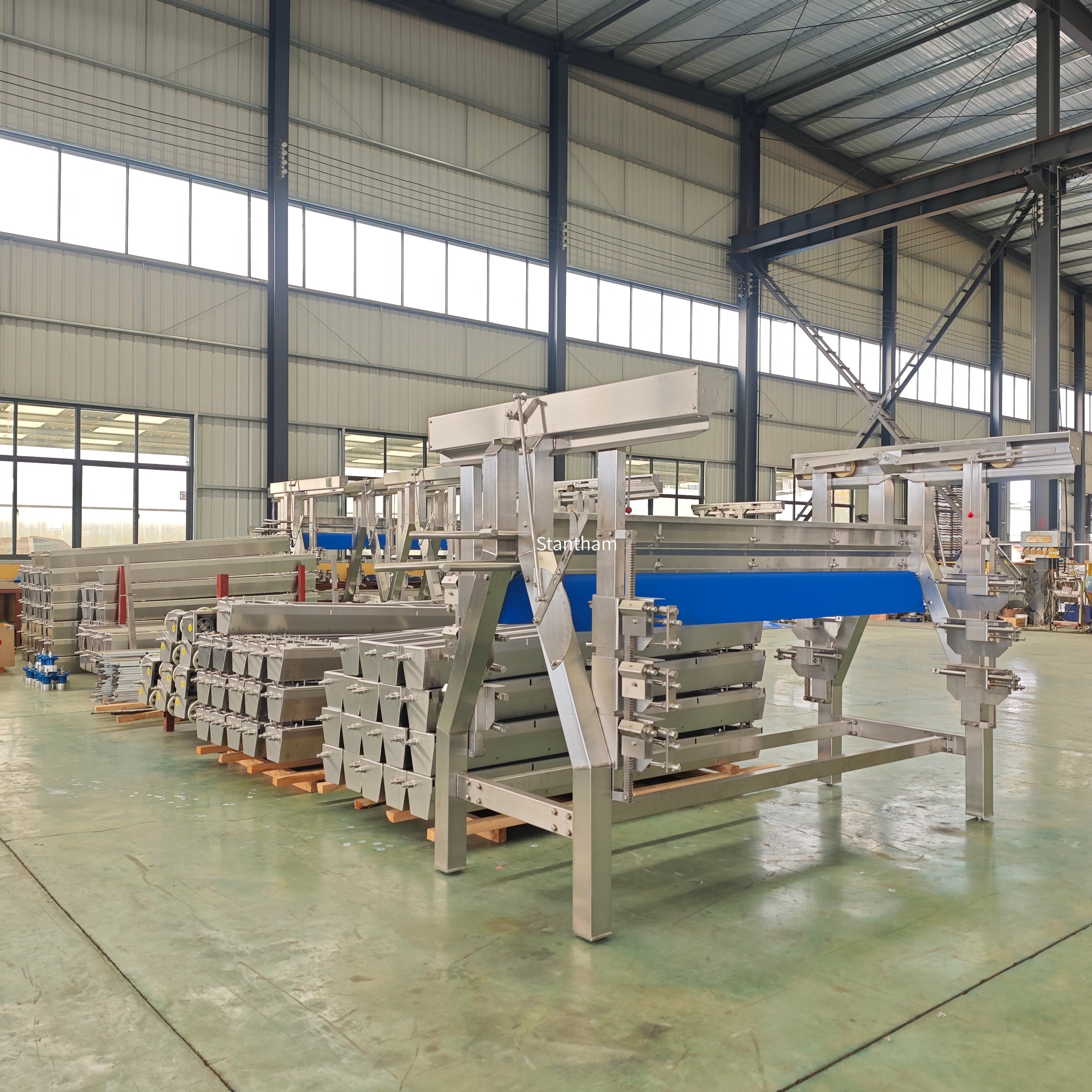
A broiler slaughter line lives or dies on speed and yield, so we engineer every station around broiler physiology and your target bird weight. We model line balance, water, and steam use before fabrication, then commission with a signed acceptance test and operator training. Stainless contact zones are passivated for verified food safety, and automated graders sort carcasses by weight class to lift saleable value. A ten-year spare commitment guards against obsolescence. Regional hubs keep wear parts within seventy-two hours of most ports. When capacity grows, bolt-on cut-up or further chilling extends throughput without relaying foundations. Our engineers stay available for annual hygiene audits that protect both uptime and your export eligibility as standards tighten.

Frequently Asked Questions

What speed do broiler lines run?

Commercial broiler lines typically run 3000 to 6000 birds per hour, synchronized so no station becomes a bottleneck that caps breast yield or overall plant throughput.
Stations are tuned to broiler physiology and bird flow, with automated graders sorting carcasses by weight before chill, so the most valuable cut is preserved and value per bird rises.
Yes. The line keeps throughput steady across flock-size and weight swings, protecting output during peak seasons when demand and bird supply both rise sharply.
Daily washdown, weekly lubrication, and quarterly inspection keep the line running. Most faults are mechanical and fixed by your own technician, avoiding overseas service calls and long unplanned stoppages.
Stainless, CIP-ready zones and audit-ready records of temperature, timing, and hygiene satisfy EU, USDA, and Gulf inspections without retrofitting or after-market modifications.

Related article

How does a mobile slaughterhouse bring processing capacity directly to remote poultry farms?

04

Jun

How does a mobile slaughterhouse bring processing capacity directly to remote poultry farms?

Redefining Slaughter Infrastructure for Geographically Dispersed Farms Processing poultry in isolated regions has always been a logistical headache. Fixed slaughterhouses demand large capital outlays, centralized collection routes, and reliable col...
View More
Is a Poultry Chiller Machine Right for Your Facility?

10

Jun

Is a Poultry Chiller Machine Right for Your Facility?

Understanding What a Poultry Chiller Actually Does A poultry chiller machine is not simply a cold water tank. It is a controlled thermal exchange system designed to bring freshly eviscerated carcasses from roughly thirty-five degrees Celsius down t...
View More
What are the essential components of a complete poultry abattoir equipment set for 2000 birds per hour?

25

Jun

What are the essential components of a complete poultry abattoir equipment set for 2000 birds per hour?

Building for 2,000 Birds Per Hour Scaling a poultry processing operation to 2,000 birds per hour is not about buying bigger versions of the same equipment. It is about rethinking the entire flow from live receiving to chilled carcass. A plant runni...
View More
Advanced Optimization of Custom Chicken Slaughter Equipment

10

Jul

Advanced Optimization of Custom Chicken Slaughter Equipment

The Customization Imperative in Poultry Processing Poultry processing lines look similar from a distance—shackles, conveyors, scalders, pluckers, evisceration stations. But step closer and the differences become obvious. One plant runs 12,000 b...
View More

Customer Testimonials

T. Carter

Our old line capped breast yield and we were leaving money on the table; the broiler slaughter line synchronized every station and lifted grade A from ninety-one to ninety-six percent. Automated graders sort four weight classes before chill, adding real value per bird. Downtime stayed under two percent, and we met a national retailer's just-in-time volume without adding shifts. Payback came in nineteen months, and the freed crew moved to cut-up where margins are higher.

P. Srisai

As a 4000 birds per hour Thai exporter, we needed speed plus EU paperwork for whole-bird shipments. The line held steady at peak flock size, grade A hit ninety-five percent, and audit trails covered EU and Gulf rules at once. Cold-chain entry sped up and shelf life extended for export. Payback in twenty-one months funded an automated wing cut-up, and local techs service it without overseas calls.

Get a Free Quote

Our representative will contact you soon.
Email
Name
Company Name
Mobile/WhatsApp
Message
0/1000
Speed Without Bottlenecks

Speed Without Bottlenecks

A broiler slaughter line is engineered so no single station caps the plant's throughput, which matters when you run thousands of birds every hour. Stations are synchronized to bird flow, keeping grade A yield high and downtime under two percent in most plants. Automated graders sort carcasses before chill, lifting value per bird without slowing the line. Operators learn one control logic and reach full speed within two shifts. Buyers gain a partner who owns the whole path from receiving to chill. This coordination protects daily output and the value of the capital invested on the floor.
Yield Is The Bottom Line

Yield Is The Bottom Line

In broiler processing the breast is the profit, so the line is tuned to broiler physiology to protect that cut at every stage. Automated weighing and grading sort carcasses into weight classes before chill, turning uniform throughput into differentiated, higher-value saleable product. Plants recover three to five percent more grade A versus unbalanced lines. The consistent, traceable output also protects premium price points that brokers otherwise erode with deductions. Owners gain a line built for the economics of broiler farming, turning speed into measurable margin rather than just volume on the floor.
Scales With The Flock

Scales With The Flock

Broiler supply swings with season and contract, so the line is built modular to absorb those changes without stopping. When export orders grow, bolt-on cut-up or extra chilling adds capacity without relaying foundations or extending the hall. Standardized stainless stations keep the hygienic finish consistent as the line expands. Common spare parts simplify inventory across old and new sections. Plants scale from regional to multi-destination export volume on one coordinated system. The approach protects the first investment while keeping every future upgrade straightforward for your own trained crew to execute.

Get a Free Quote

Our representative will contact you soon.
Email
Name
Company Name
Mobile/WhatsApp
Message
0/1000