Poultry Processing Equipment Line: 3,000–6,000 BPH Integrated Solution

+86-18866172299
All Categories
Integrated Poultry Processing Equipment Line Engineered For Consistent Throughput And Hygiene

Integrated Poultry Processing Equipment Line Engineered For Consistent Throughput And Hygiene

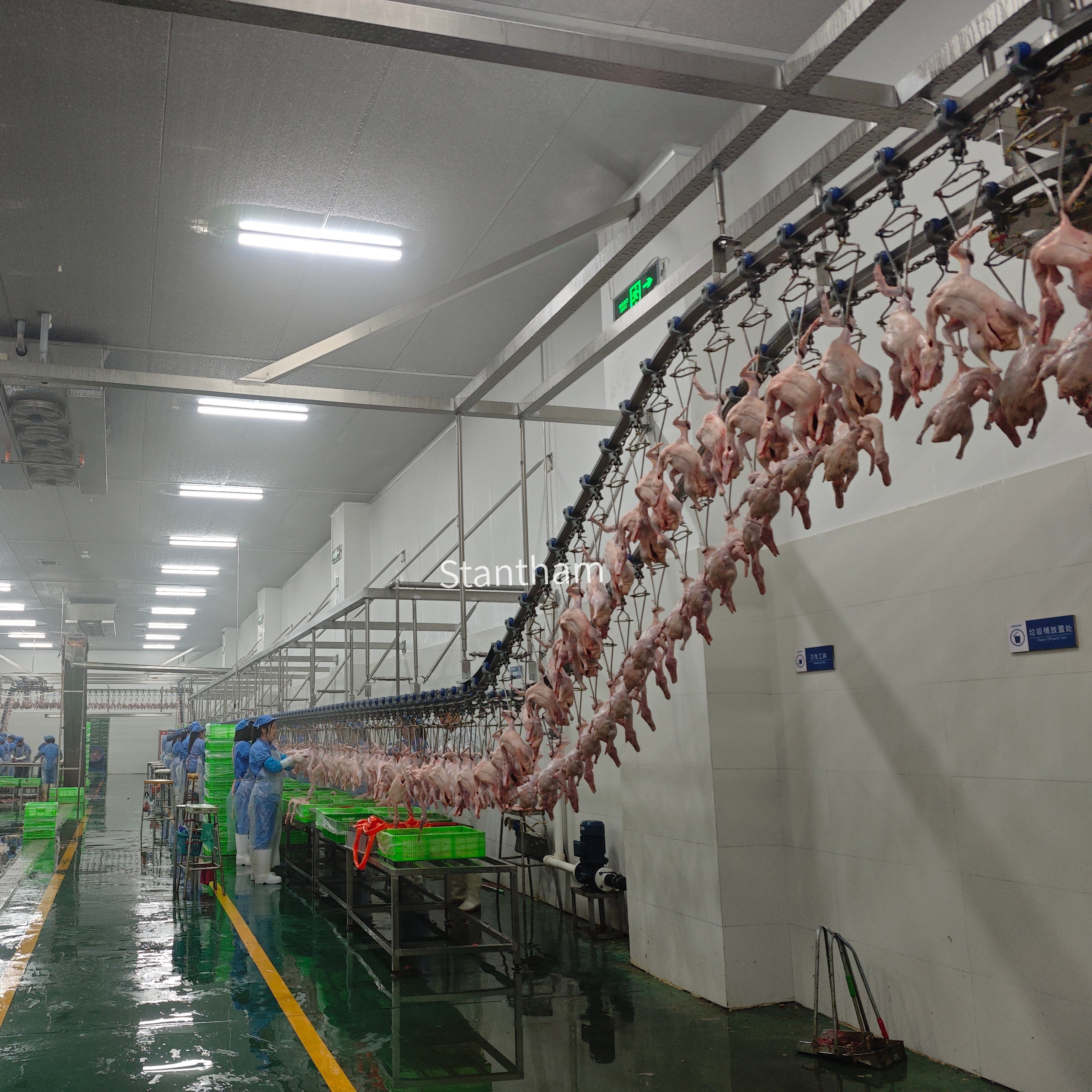
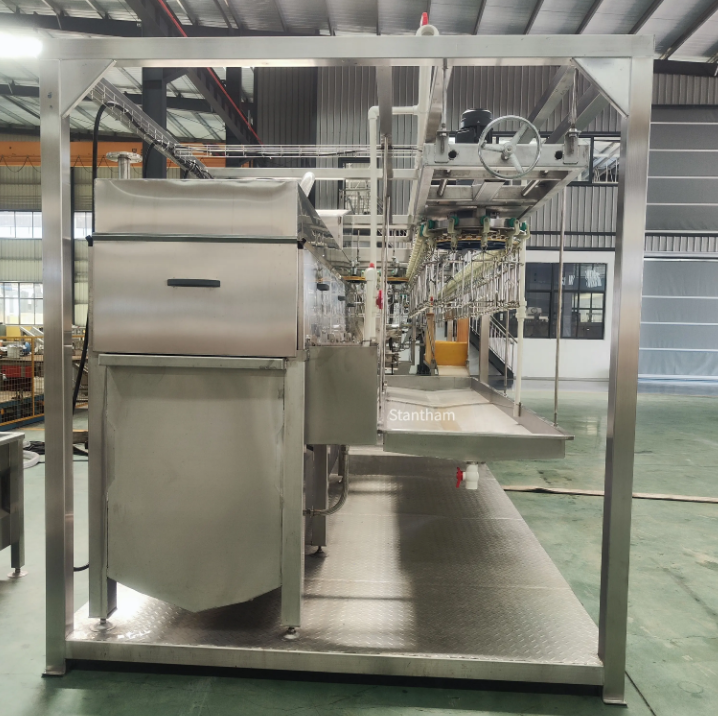
A well-configured poultry processing equipment line removes the bottlenecks that limit mid-sized abattoirs, where manual evisceration and uneven scalding cap output at roughly 1,500 birds per hour. Our modular line integrates stunning, defeathering, evisceration, chilling, and grading into one synchronized flow, lifting throughput to 3,000–6,000 birds per hour while cutting labor by up to 40%. Stainless-steel contact surfaces and CIP-ready sections keep microbial counts within HACCP limits, a decisive factor for exporters facing strict audits. One Southeast Asian processor upgraded from a semi-manual setup and reached 4,200 birds per hour within three weeks, recovering the investment in under fourteen months through higher yield, reduced downtime, and consistently lower product rework.
Get A Quote

Case Study

Regional Broiler Plant Doubles Hourly Capacity After Full Line Modernization

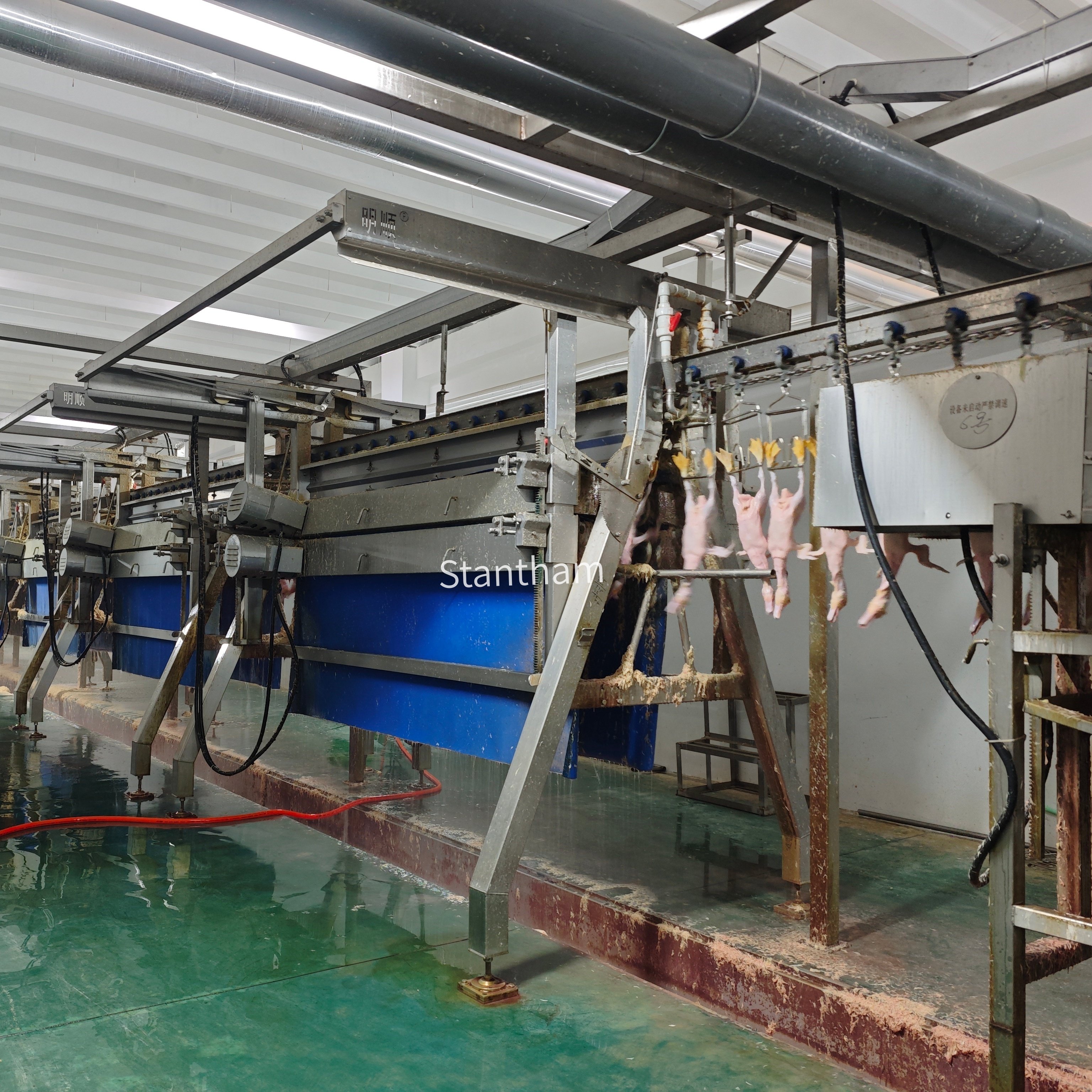
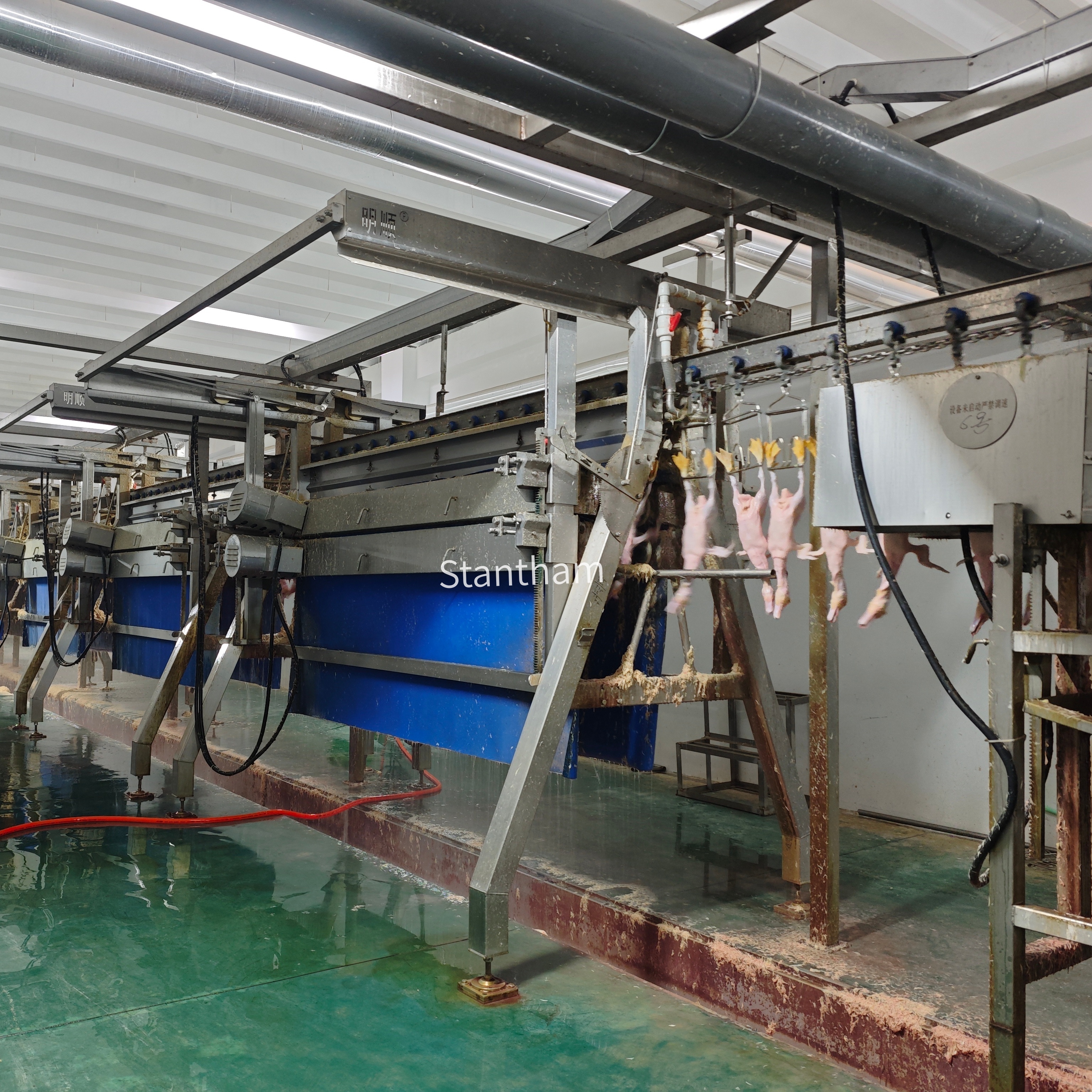
A broiler plant in the Middle East operated three disconnected stations that produced 2,000 birds per hour with frequent stoppages during evisceration. After installing our complete poultry processing equipment line, the facility unified stunning, scalding, plucking, and automated evisceration on a single overhead conveyor. Hourly capacity rose to 4,500 birds, and carcass damage fell below 2%, improving Grade-A yield significantly. The chilling section, sized for a 4°C core within forty minutes, extended shelf life and satisfied a new supermarket contract. Management reported a 35% reduction in labor cost per bird and eliminated weekend overtime, allowing the plant to accept larger export orders without adding floor space, extra shifts, or new warehouse capacity.

Duck Slaughterhouse Achieves Export-Grade Hygiene With Automated Processing Line

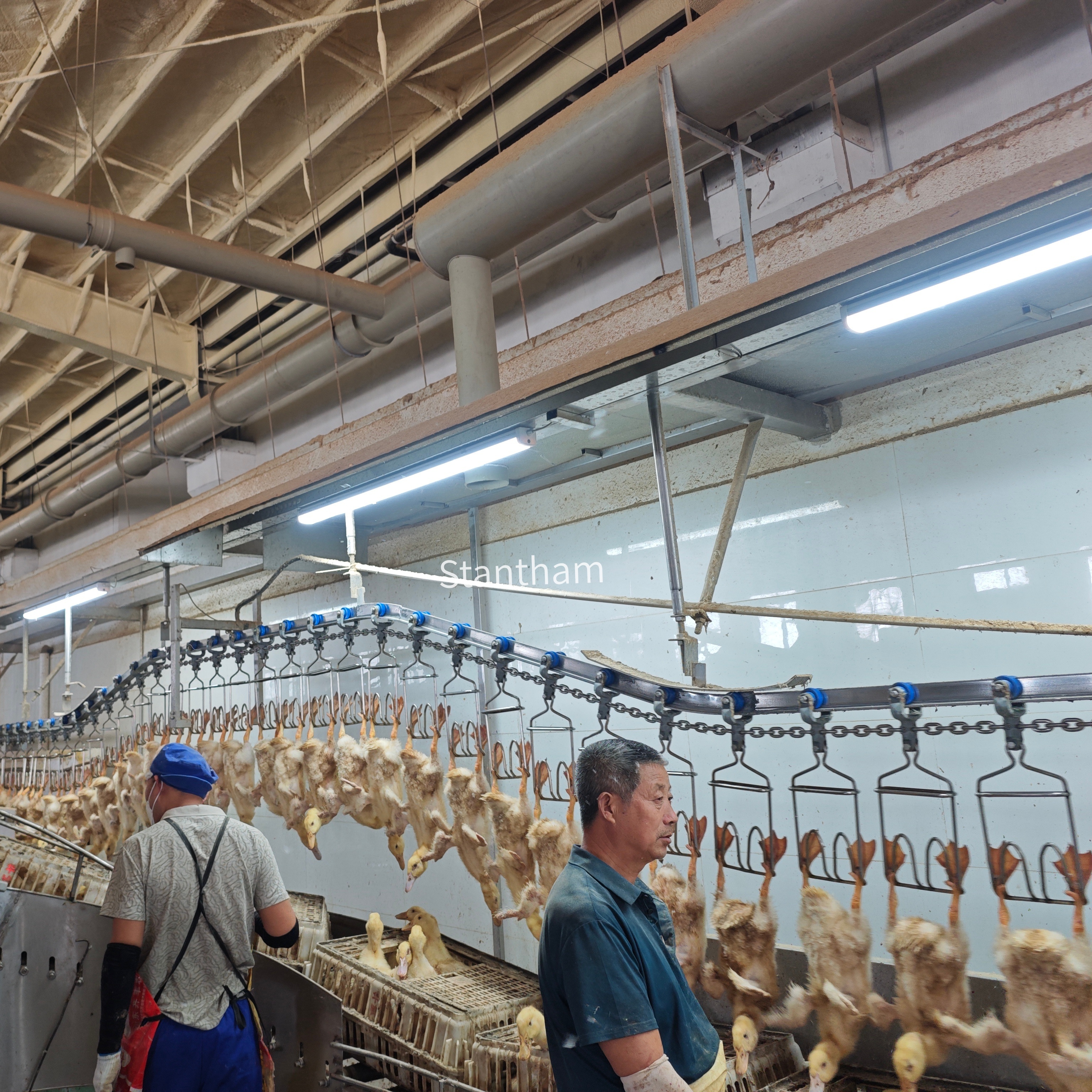
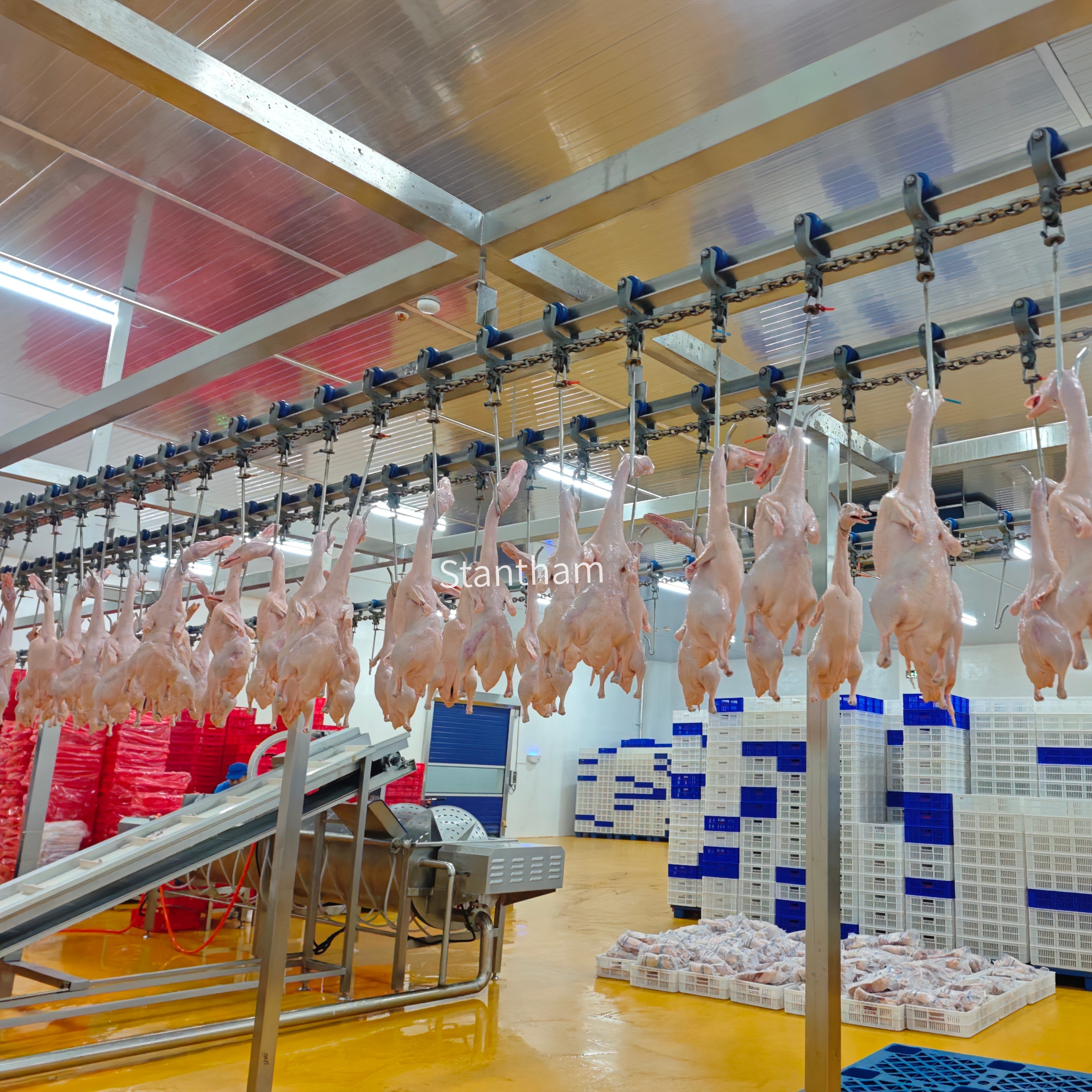
An established duck slaughterhouse in Eastern Europe struggled to pass EU hygiene audits because cross-contamination occurred between manual evisceration tables. We supplied a dedicated poultry processing equipment line featuring separated clean and dirty zones, water-recycling scalders, and inline organ inspection stations. Following commissioning, total viable microbial counts dropped by 60%, and the plant secured EU export certification within one quarter. Processing speed increased from 1,800 to 3,600 ducks per hour, while water consumption per bird fell 25% thanks to counter-flow scalding. The client now ships chilled duck to five countries and credits the standardized line with turning a compliance liability into a competitive advantage that supports premium pricing and repeat wholesale contracts.

Startup Processor Scales From Batch Killing To Continuous Line Production

A newly founded processor in South America began with batch killing that handled only 800 chickens per hour and relied heavily on seasonal labor. Seeking predictable volumes, the owner chose a compact yet scalable poultry processing equipment line with a modular layout designed for future expansion. The initial configuration reached 2,500 birds per hour, and a phased upgrade later added a second evisceration lane, pushing output to 5,000 without relocating existing machines. Automated weighing and grading reduced customer complaints about inconsistent portioning by 70%. Because the line was engineered for local voltage and limited floor width, installation finished in eleven days, and the business signed two supermarket supply agreements within its first operating year, confirming rapid commercial payback.

Related products

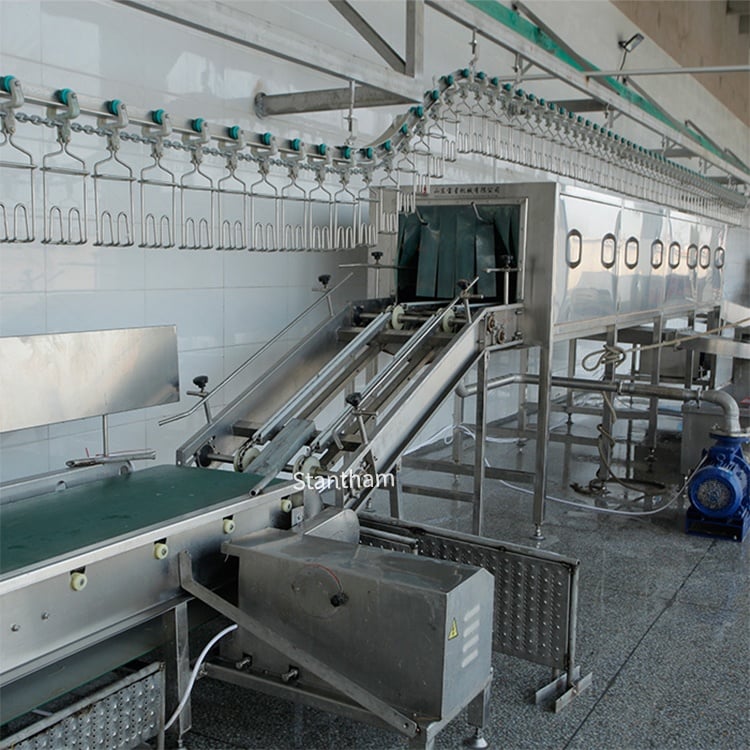
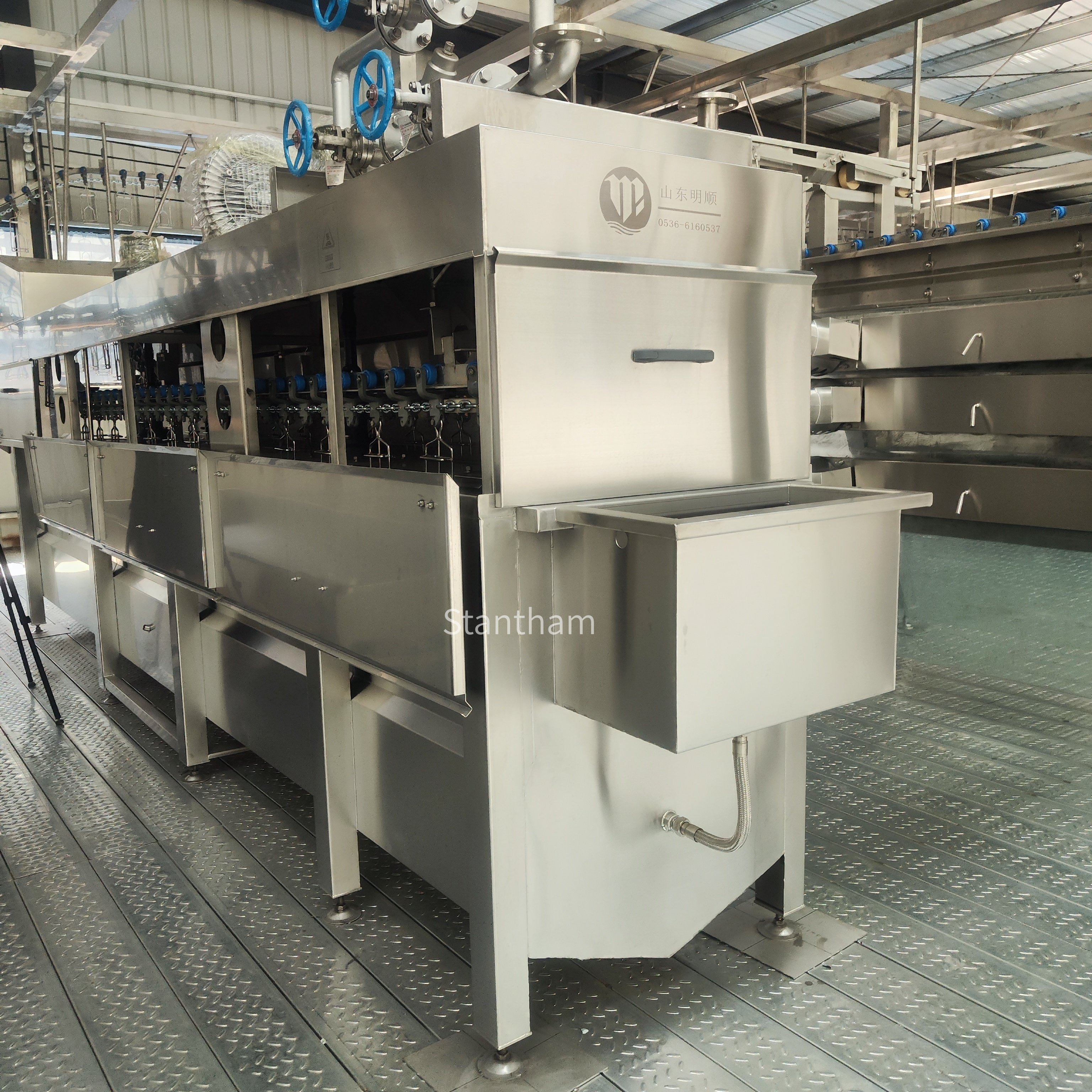
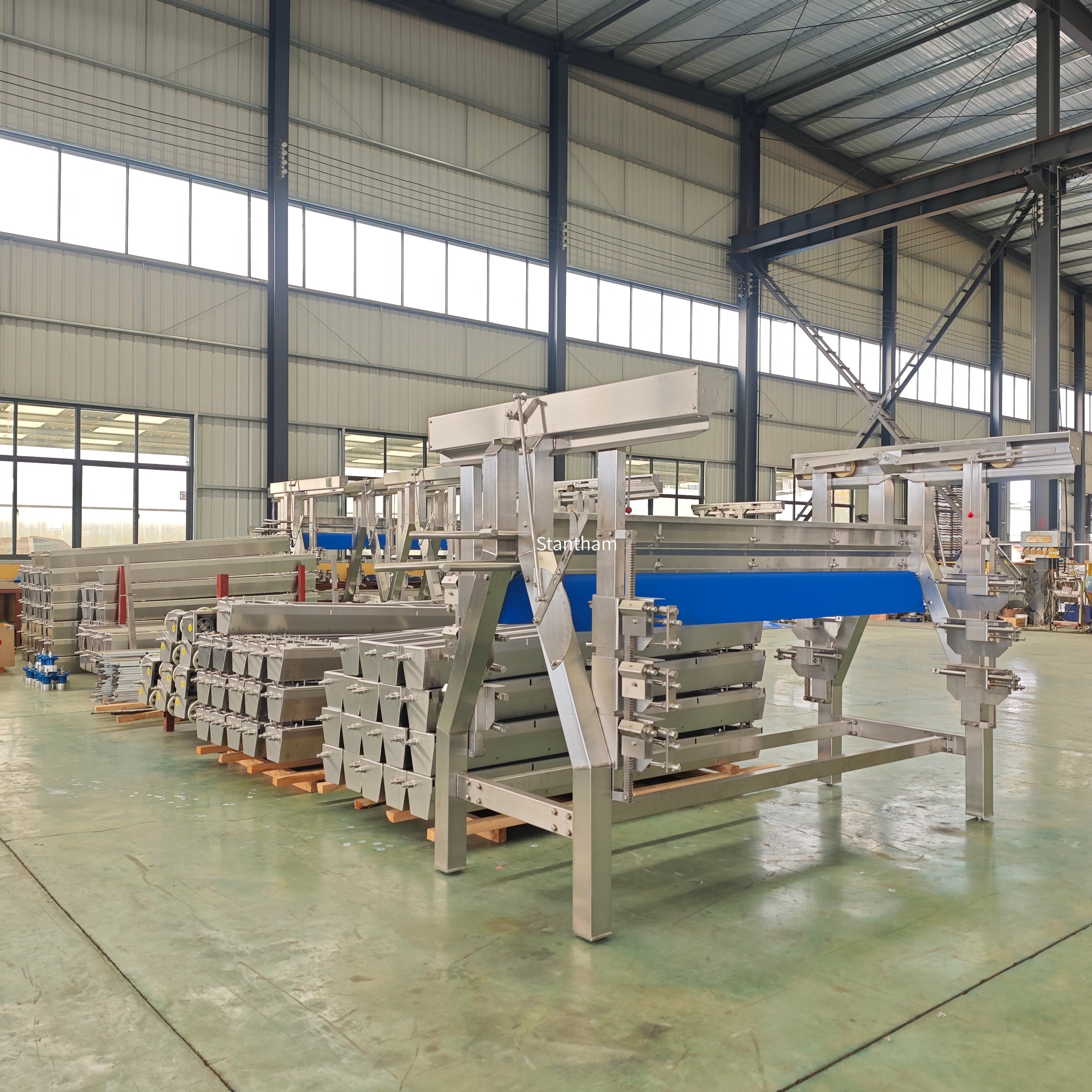
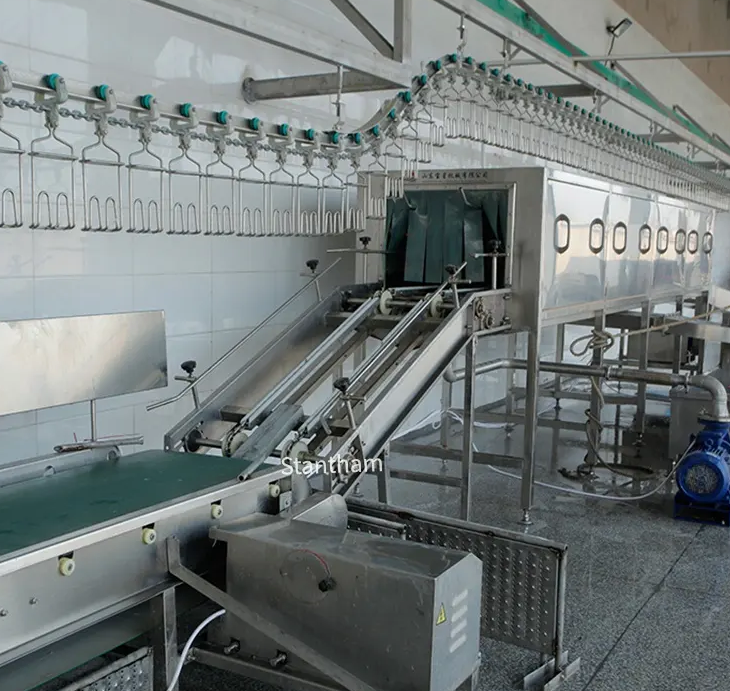
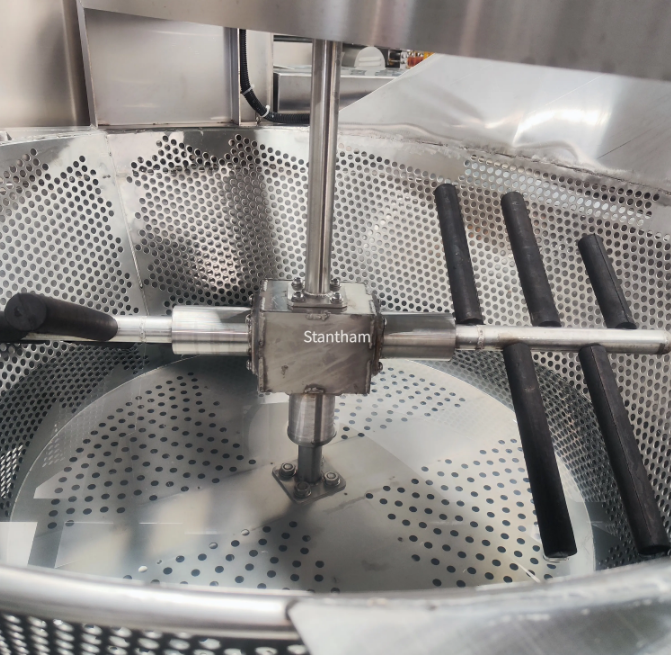
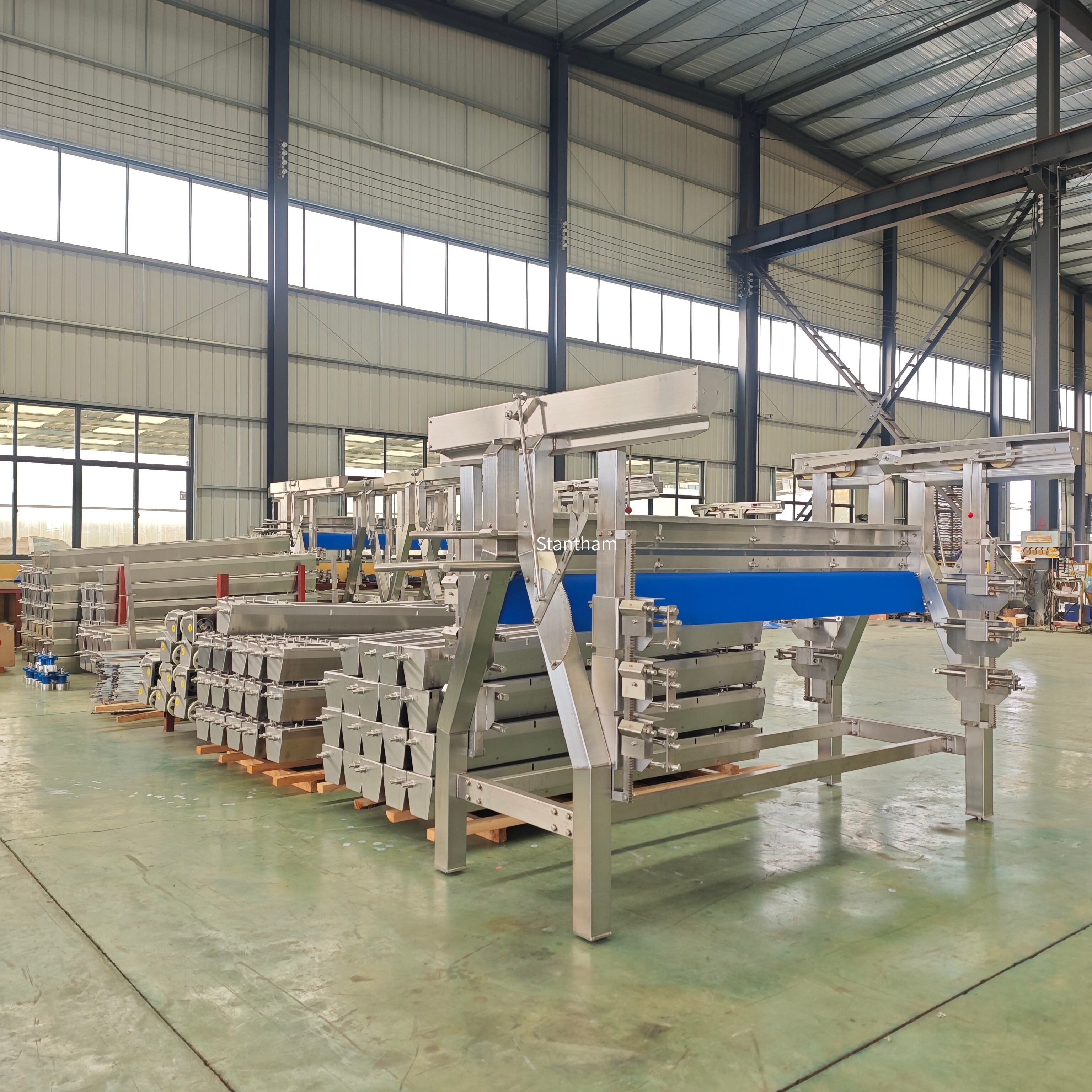
Our poultry processing equipment line is engineered as a fully integrated system that carries live birds through stunning, killing, scalding, defeathering, evisceration, chilling, cut-up, and grading without manual re-handling. Each stage is matched to the same conveyor speed, so processors avoid the imbalances that cause downtime when standalone machines are combined from different suppliers. With more than fifteen years building turnkey slaughterhouses, we size lines from 1,000 to 12,000 birds per hour, tailoring scalder length, plucker fingers, and chilling capacity to species, climate, and export targets. Every contact surface uses 304 or 316 stainless steel, and CIP-ready modules simplify sanitation for HACCP and EU compliance. Beyond hardware, our engineers deliver layout drawings, utility planning, installation, operator training, and spare-part support, shortening ramp-up time and protecting yield. Industry data shows automated lines can raise Grade-A recovery by five to eight percent versus manual plants, a margin that often decides profitability. Whether you are a startup building your first facility or an exporter expanding capacity, we deliver a dependable, hygienic, and scalable foundation for long-term growth.

Frequently Asked Questions

What throughput can a poultry processing equipment line handle?

Our lines are configurable from 1,000 to 12,000 birds per hour. Capacity depends on scalder length, plucker banks, evisceration lanes, and chilling volume. We size every component to your target speed so no single stage becomes a bottleneck, ensuring stable, sustained output during full production shifts.
Yes. We build dedicated configurations for broilers, layers, ducks, geese, and turkeys. Scalding temperature, plucking fingers, and shackle spacing are adjusted per species. Some clients run mixed lines with quick-change tooling, though species-specific setups deliver the highest yield and cleanest finish for demanding export markets.
Standard lines usually ship within 45 to 75 days after design confirmation, while large turnkey plants take longer. On-site installation and commissioning typically run two to four weeks, depending on scale. Our engineers also handle layout, utility connections, and operator training to accelerate your production ramp-up.
Absolutely. Contact surfaces use 304 or 316 stainless steel, with separated clean and dirty zones, sloped drainage, and CIP-ready modules. These features support HACCP plans and EU export certification. Many clients have passed audits shortly after commissioning, achieving significant reductions in microbial counts and cross-contamination risk.
Evaluate engineering experience, turnkey capability, after-sales network, and documented case results. Ask for reference plants, spare-part availability, and training scope. A reliable partner sizes the line to your species and market, not just sells machines. Our fifteen-year turnkey track record and global installations demonstrate that end-to-end commitment.

Related article

How does a mobile slaughterhouse bring processing capacity directly to remote poultry farms?

04

Jun

How does a mobile slaughterhouse bring processing capacity directly to remote poultry farms?

Redefining Slaughter Infrastructure for Geographically Dispersed Farms Processing poultry in isolated regions has always been a logistical headache. Fixed slaughterhouses demand large capital outlays, centralized collection routes, and reliable col...
View More
Why is proper scalding temperature critical for feather removal efficiency in a chicken abattoir?

17

Jun

Why is proper scalding temperature critical for feather removal efficiency in a chicken abattoir?

The Scalding Window: A Delicate Balance Between Feather Release and Skin Integrity Scalding is the bridge between bleeding and plucking in a chicken abattoir. The birds pass through a tank of heated water, and the heat loosens the feather follicles...
View More
What are the essential components of a complete poultry abattoir equipment set for 2000 birds per hour?

25

Jun

What are the essential components of a complete poultry abattoir equipment set for 2000 birds per hour?

Building for 2,000 Birds Per Hour Scaling a poultry processing operation to 2,000 birds per hour is not about buying bigger versions of the same equipment. It is about rethinking the entire flow from live receiving to chilled carcass. A plant runni...
View More
Advanced Optimization of Custom Chicken Slaughter Equipment

10

Jul

Advanced Optimization of Custom Chicken Slaughter Equipment

The Customization Imperative in Poultry Processing Poultry processing lines look similar from a distance—shackles, conveyors, scalders, pluckers, evisceration stations. But step closer and the differences become obvious. One plant runs 12,000 b...
View More

Customer Testimonials

Daniel Foster

We replaced three aging machines with a single integrated poultry processing equipment line, and the difference was immediate. Output climbed from 2,200 to 4,800 birds per hour, and carcass damage dropped noticeably. The chilling section holds a steady 3°C, which extended our shelf life and opened two retail contracts. Installation was fast, and the training gave our operators real confidence. Twelve months in, the line has paid for itself and still runs flawlessly.

Markus Bauer

As a duck processor targeting the EU market, hygiene was our biggest hurdle. This line's separated zones and water-recycling scalders cut our microbial counts by more than half, and we cleared certification within a quarter. Speed rose from 1,800 to 3,600 ducks per hour while using 25% less water per bird. The engineering support was excellent from layout to commissioning. It transformed a compliance headache into our strongest selling point.

Get a Free Quote

Our representative will contact you soon.
Email
Name
Company Name
Mobile/WhatsApp
Message
0/1000
Fully Integrated Line Engineering From Live Bird To Packed Product

Fully Integrated Line Engineering From Live Bird To Packed Product

Every poultry processing equipment line we build is designed as one continuous, synchronized system rather than a collection of separate machines. From stunning and killing through scalding, defeathering, evisceration, chilling, cut-up, and grading, each stage shares a common conveyor speed and control logic, eliminating the stop-start delays that plague mismatched setups. This integration typically improves overall equipment effectiveness by fifteen to twenty percent and stabilizes yield across shifts. One client processing 5,000 birds per hour reported near-zero line jams after switching to our unified layout. Because we engineer the whole flow, utilities, drainage, and hygiene zones are coordinated from day one, saving costly retrofits and protecting long-term operating efficiency and predictable production output.
Scalable Modular Design That Grows With Your Production Volume

Scalable Modular Design That Grows With Your Production Volume

Market demand rarely stays fixed, so our poultry processing equipment line uses a modular architecture that expands without disruptive rebuilds. Processors can start with an entry configuration handling 2,000 birds per hour and later add evisceration lanes, extra plucking stations, or longer chilling tunnels as orders grow. Because mounting points, utilities, and conveyor interfaces are standardized, upgrades slot into place with minimal downtime. One South American startup scaled from 2,500 to 5,000 birds per hour simply by adding a second lane, avoiding a full replacement. This future-proof approach protects capital investment, shortens expansion timelines, and lets growing businesses respond quickly to new supermarket or export contracts without outgrowing their equipment.
Hygienic Construction And Full After-Sales Support For Export Compliance

Hygienic Construction And Full After-Sales Support For Export Compliance

Passing international audits demands more than good intentions, so every line is built for verifiable hygiene and backed by lasting support. Food-contact surfaces use 304 or 316 stainless steel, with sloped drainage, separated clean and dirty zones, and CIP-ready sections that simplify daily sanitation. These design choices help clients cut microbial counts sharply and secure HACCP or EU certification, often within a single quarter after commissioning. Our commitment continues beyond delivery: we provide operator training, detailed maintenance manuals, responsive remote troubleshooting, and a stocked spare-part network across multiple regions. This end-to-end support minimizes unplanned downtime, sustains export-grade standards year after year, and gives buyers confidence that their investment remains productive and compliant.

Get a Free Quote

Our representative will contact you soon.
Email
Name
Company Name
Mobile/WhatsApp
Message
0/1000