Automatic Chicken Plucker Machine: 2000–6000 BPH, <2% Loss

+86-18866172299
All Categories
Smart Automatic Plucking With Monitoring

Smart Automatic Plucking With Monitoring

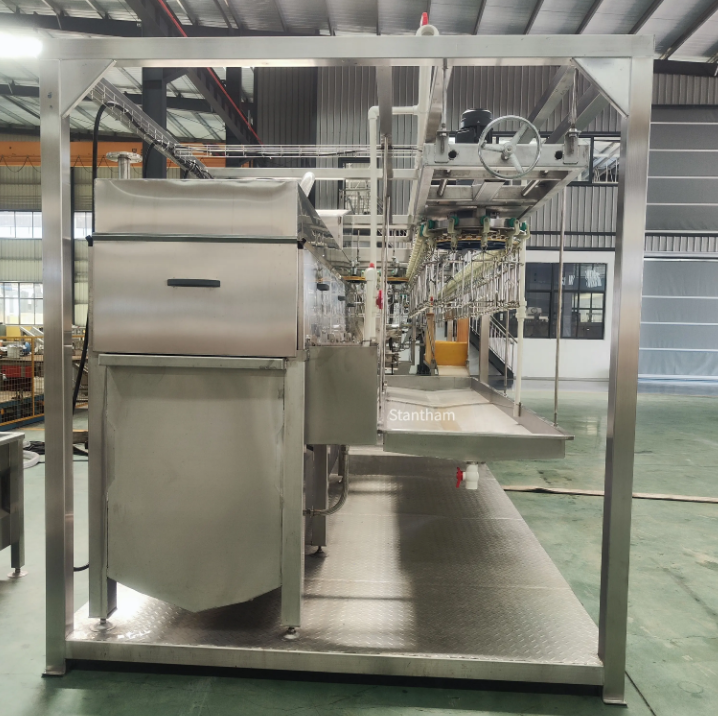
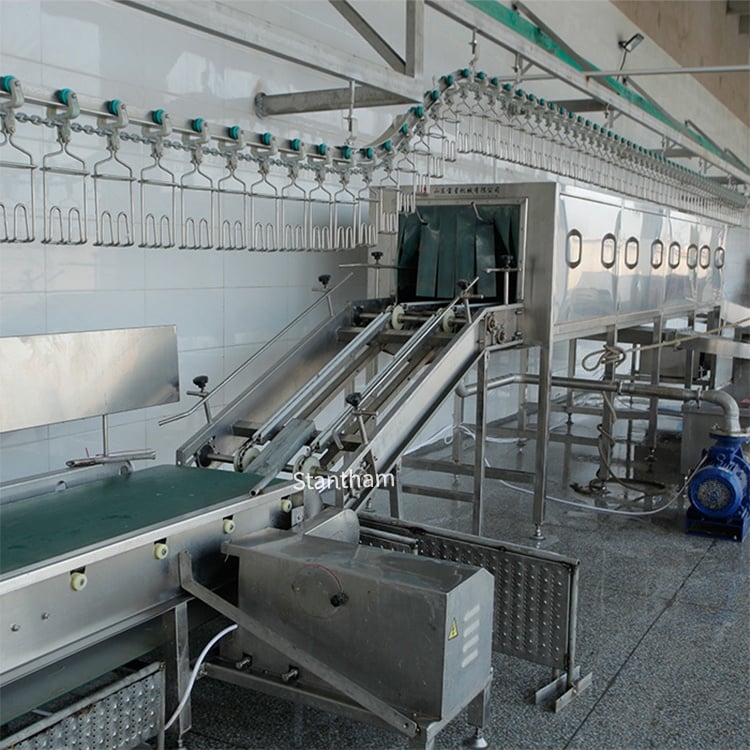
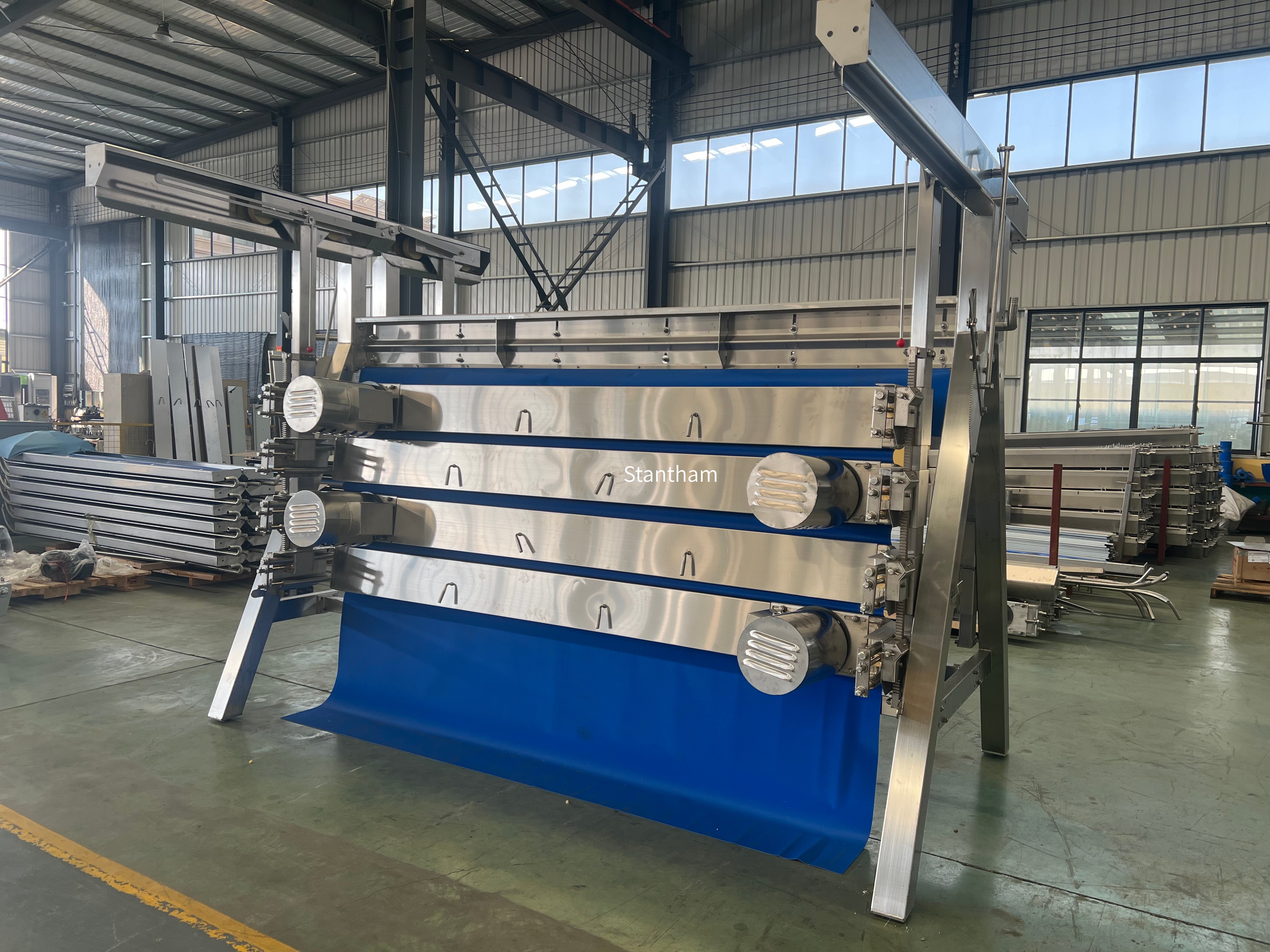
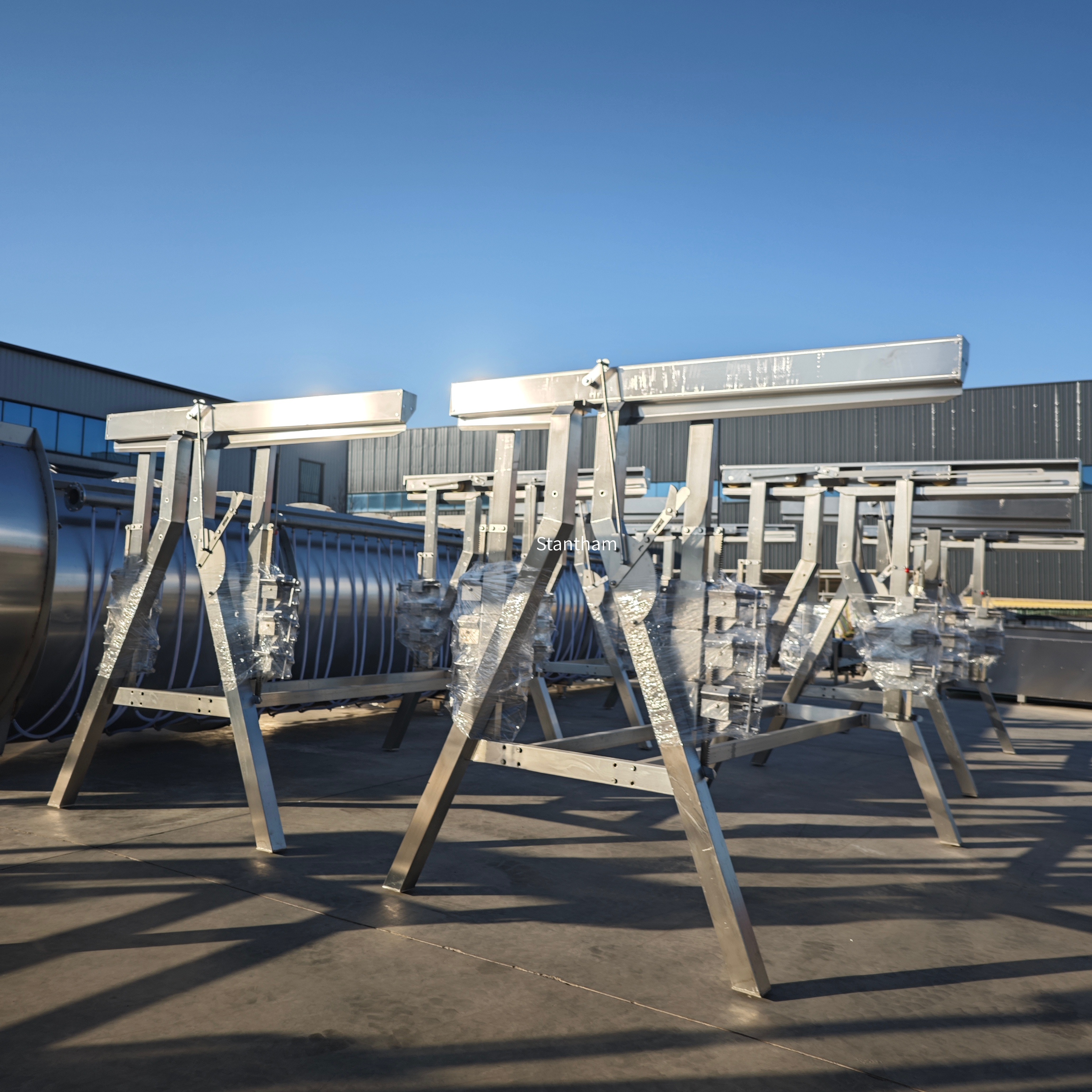
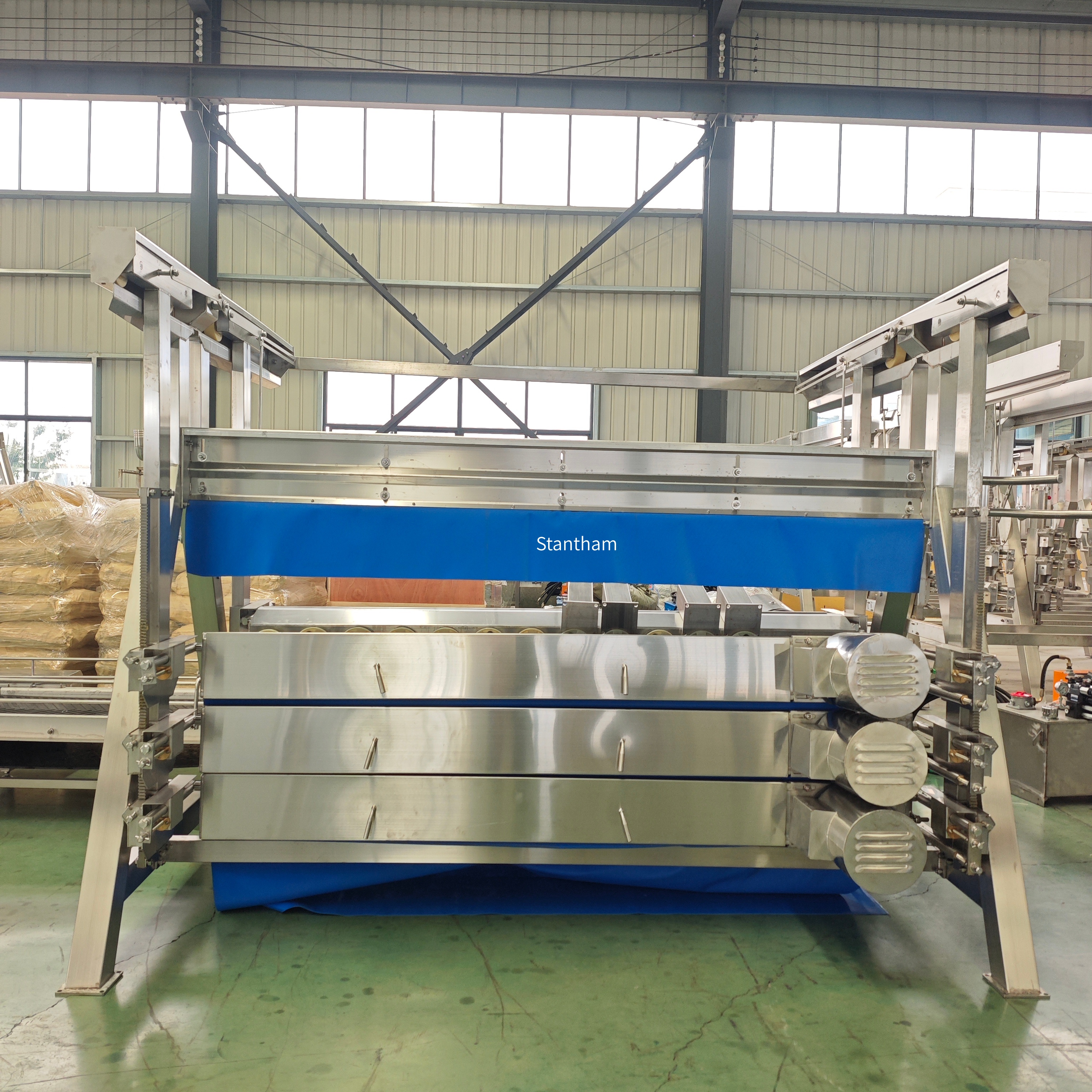
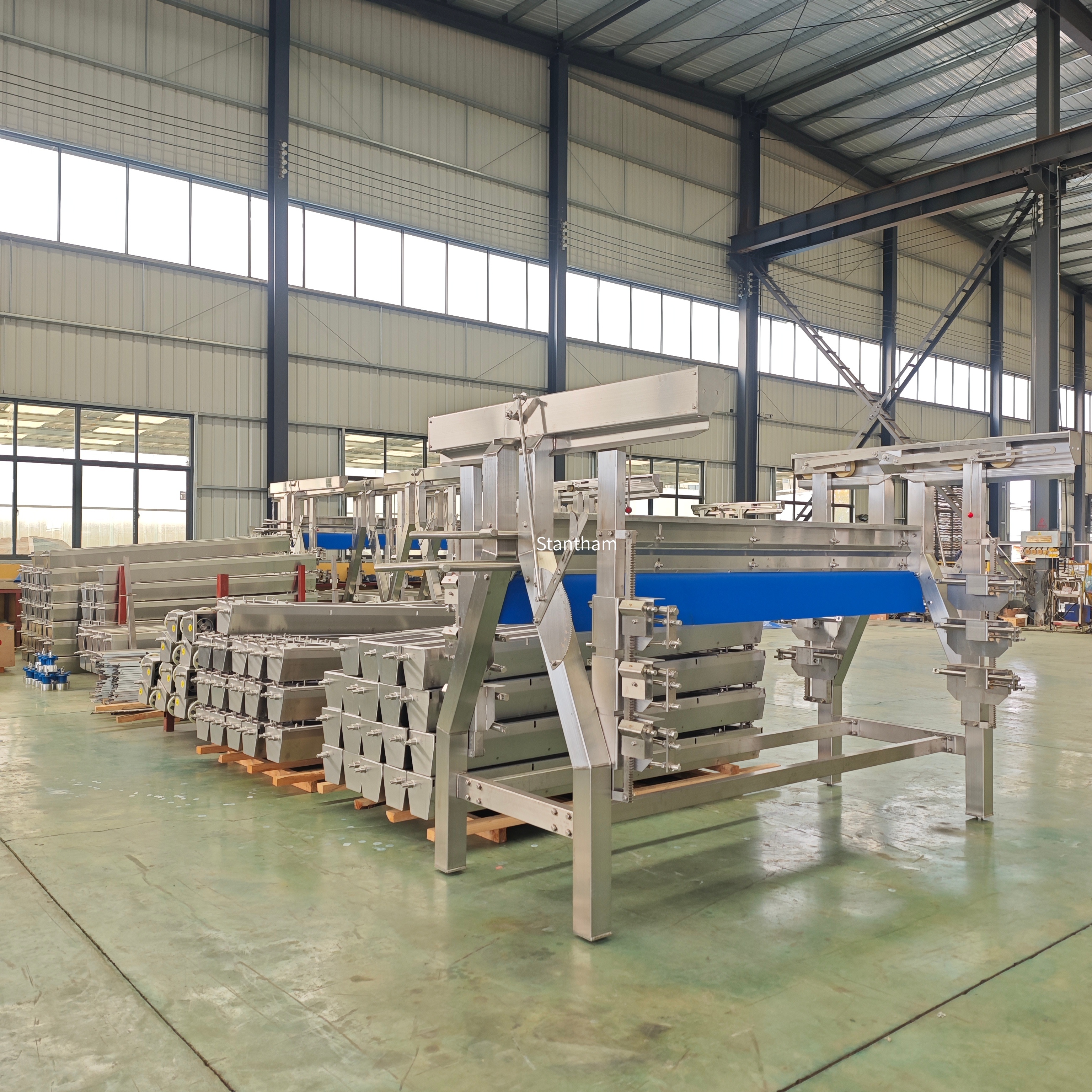
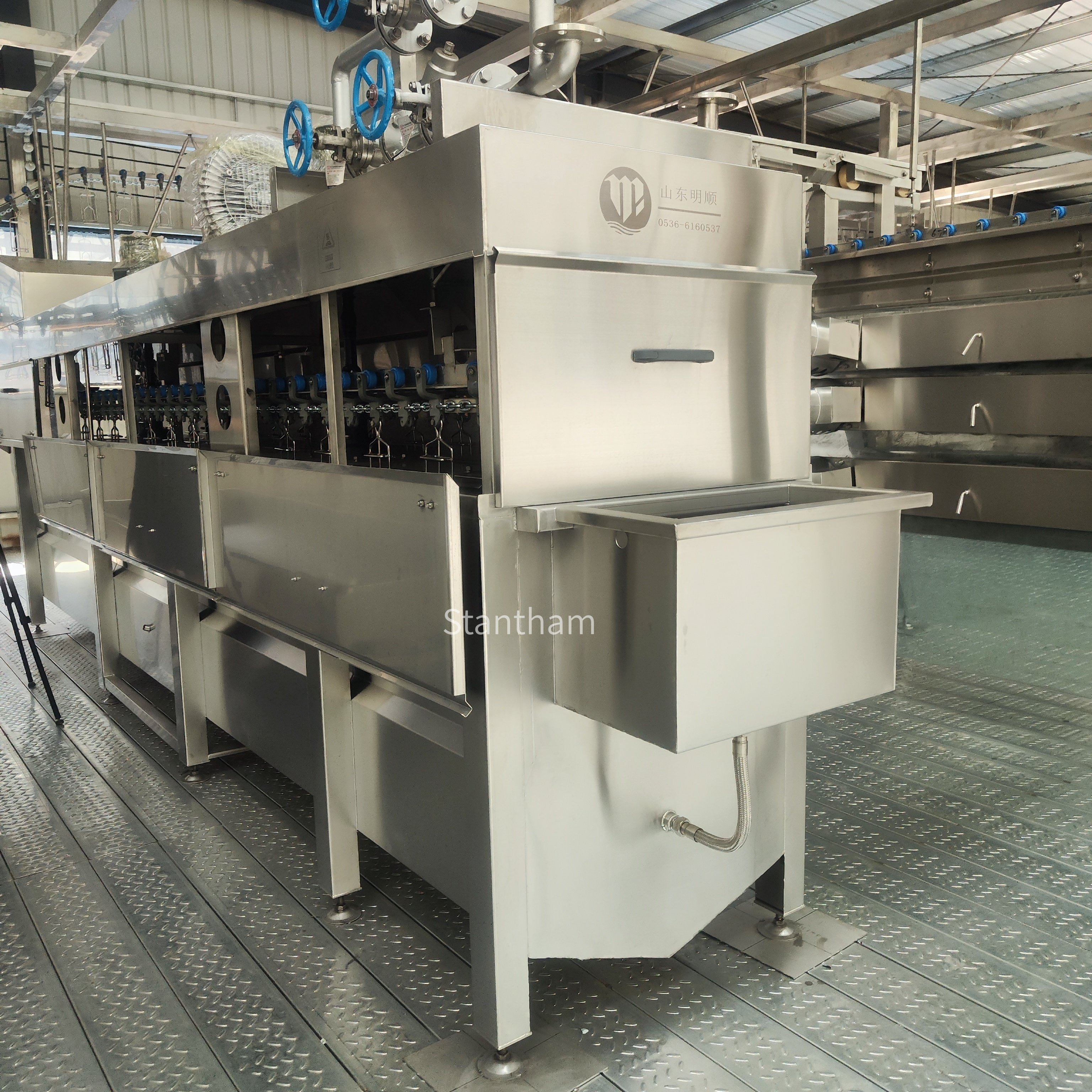
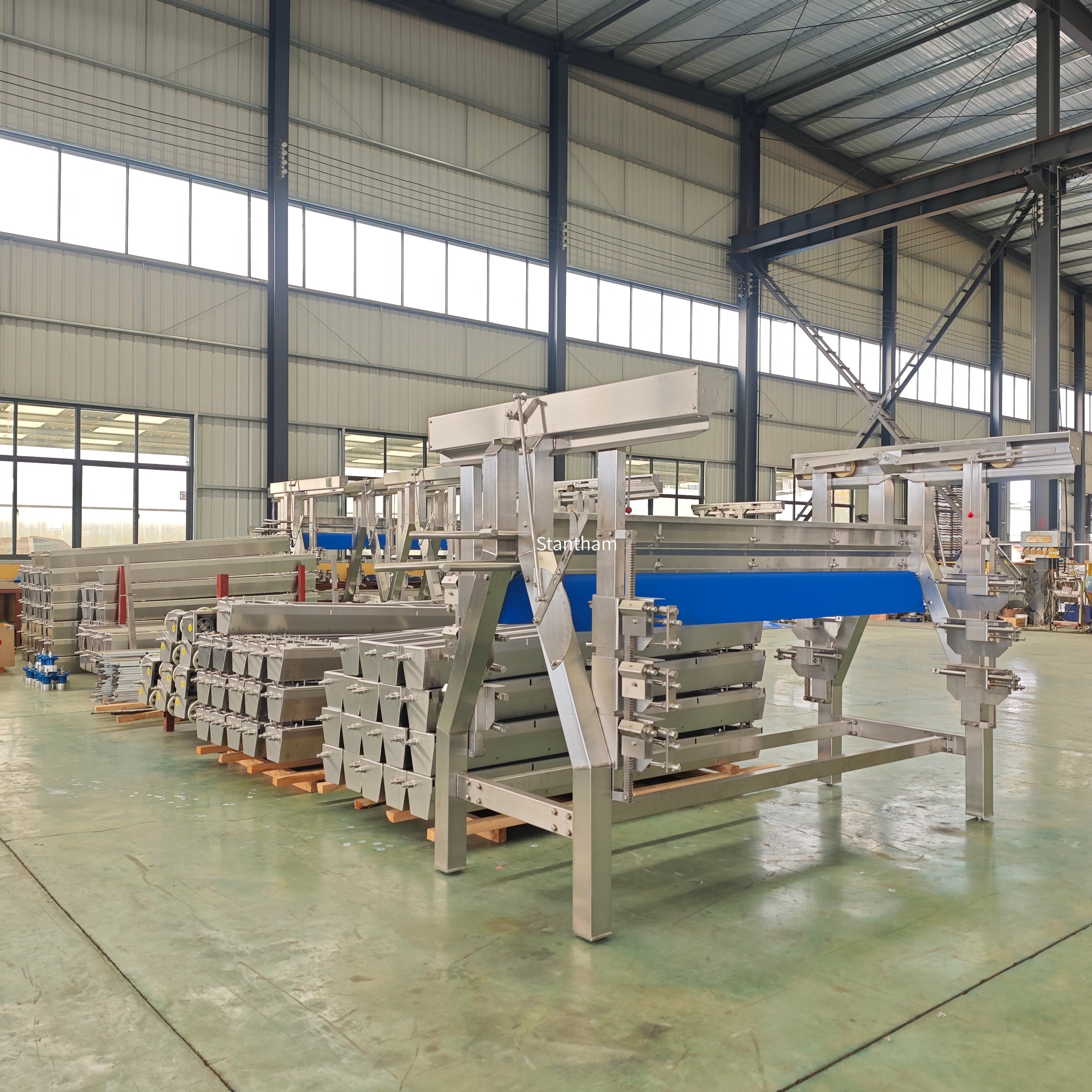
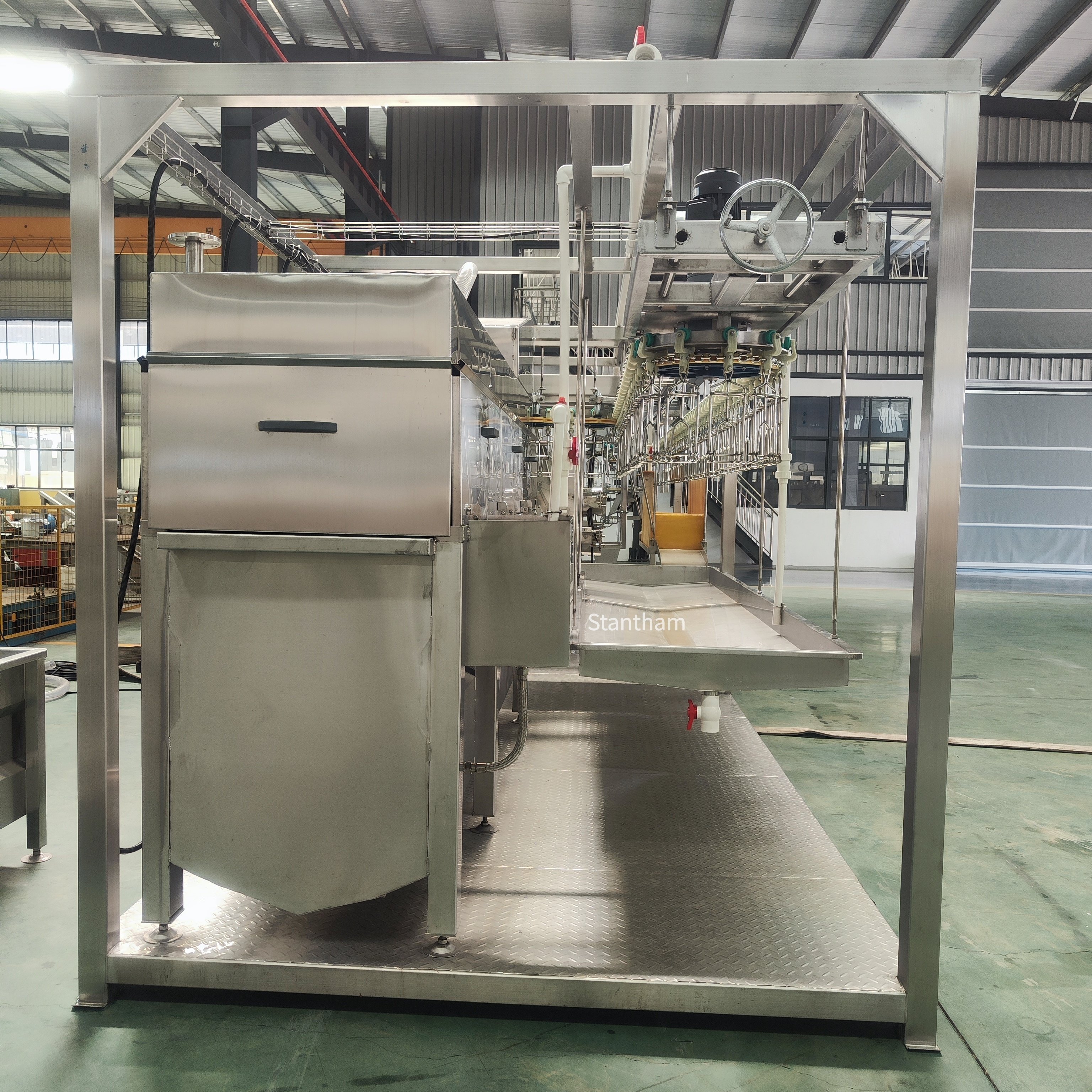
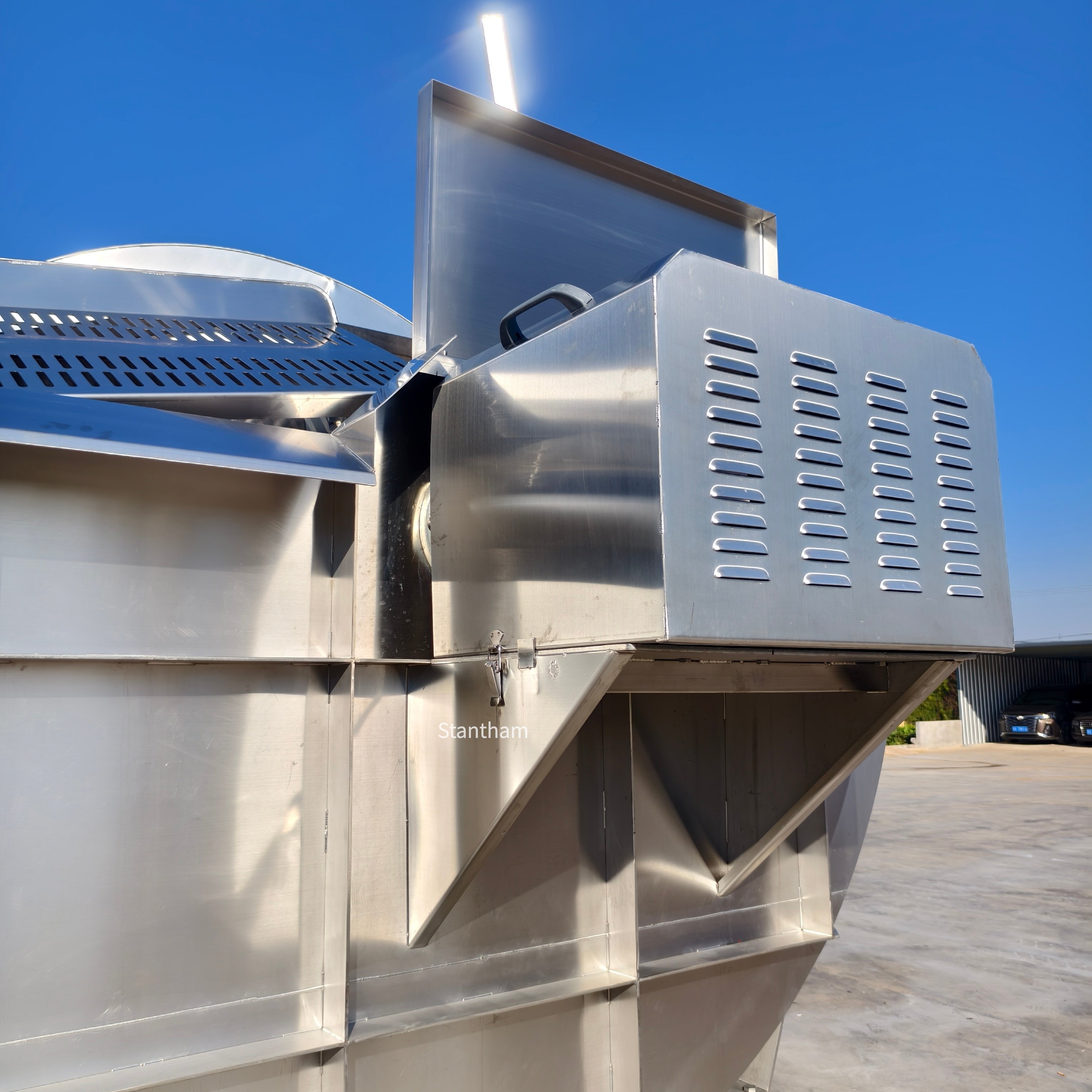
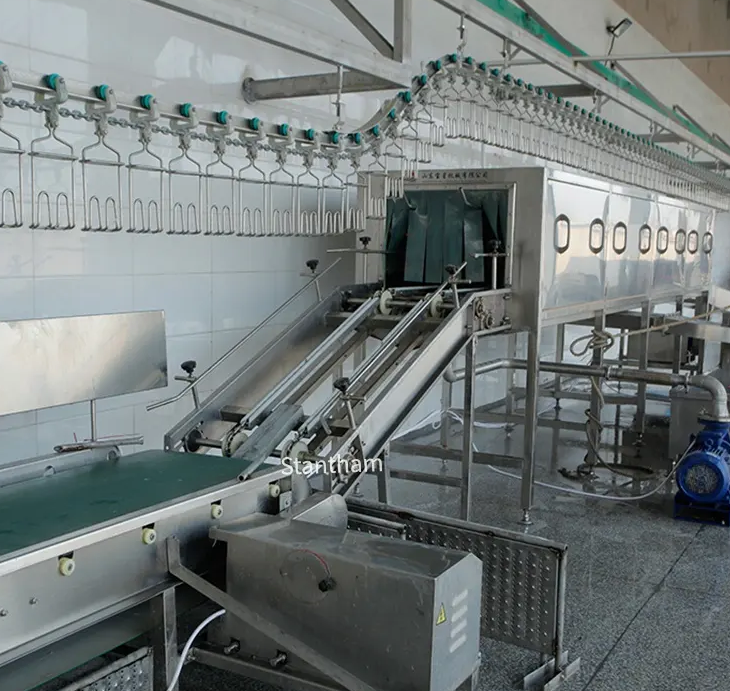
An automatic chicken plucker machine adds intelligent control to hands-free plucking, running 2000 to 6000 birds per hour with sensor-guided fingers and live monitoring that flags faults before they stop the line. Plants cut touch-up labor to near zero while holding pluck loss under two percent. Stainless construction and automated washdown meet export hygiene, and the panel feeds evisceration data to your MES. The system usually pays back within twenty months on labor savings and steadier grade A.
Get A Quote

Case Study

Plant In Denmark

A Danish plant running 3000 birds per hour wanted predictive, not reactive, maintenance. Our automatic chicken plucker machine used sensor-guided fingers and live monitoring that flagged a worn drive before it failed. Pluck loss held under two percent with one monitor instead of six workers, and grade A stayed steady. Automated washdown kept the stainless audit-ready. The freed crew moved to grading. The plant met a retail contract without adding shifts. Payback came in nineteen months on labor savings, and the maintenance chief standardized on the monitoring plant-wide after zero unplanned stops.

Processor In Japan

A Japanese processor needed automatic plucking with data for its MES. Our automatic chicken plucker machine ran 4000 birds per hour inline, feeding evisceration and pluck metrics to the system. Pluck loss held at two percent through demand spikes, and live monitoring caught fingerprint wear early. The plant dropped touch-up labor by seven workers per shift. Within twenty months the labor gain funded a second grading line. Local technicians serviced the sensors without overseas calls, and neighboring plants toured the site as a smart-factory reference.

Integrator In USA

A US integrator running 6000 birds per hour wanted hands-free plucking with oversight. Our automatic chicken plucker machine linked conveyor stations so birds flowed without pause, lifting effective throughput versus manual lines. Pluck loss held under two percent and grade A rose three points. Live monitoring and automated washdown cut hygiene labor, and one operator watched the panel. The plant met a national retailer's just-in-time volume. Payback came in eighteen months, and the freed crew moved to cut-up where margins are higher.

Related products

An automatic chicken plucker machine must run without a hand on the station yet stay observable, so we engineer sensor-guided fingers and live monitoring around your target throughput before fabrication. We model pluck loss, water, drive load, and data needs, then commission with operator training and a signed acceptance test. Stainless contact zones are passivated for food safety, and automated washdown keeps the system audit-ready. The panel feeds evisceration and pluck metrics to your MES for traceability. A ten-year spare commitment guards against obsolescence, and regional hubs keep sensors within seventy-two hours. When capacity grows, matched drums extend the line without relaying foundations.

Frequently Asked Questions

What speed do smart units run?

Smart automatic pluckers handle 2000 to 6000 birds per hour with sensor-guided fingers, tuned so pluck loss stays under two percent without an operator at the station.
Live monitoring flags worn fingers or drives before failure, so you fix faults in planned downtime instead of suffering unplanned stops that erase a shift's output.
Yes. The panel exports pluck and evisceration metrics to your manufacturing system, supporting traceability and the audit records that export buyers require.
Plants typically cut touch-up labor to near zero, moving the freed crew to grading or packing where judgment adds more value than manual plucking on the floor.
Most plants recover the system within twenty months on labor savings and steadier grade A, as the operator moves from the floor to a monitoring panel.

Related article

How does a mobile slaughterhouse bring processing capacity directly to remote poultry farms?

04

Jun

How does a mobile slaughterhouse bring processing capacity directly to remote poultry farms?

Redefining Slaughter Infrastructure for Geographically Dispersed Farms Processing poultry in isolated regions has always been a logistical headache. Fixed slaughterhouses demand large capital outlays, centralized collection routes, and reliable col...
View More
How does a mechanical chicken slaughter system minimize bone breakage compared to manual methods?

22

Jun

How does a mechanical chicken slaughter system minimize bone breakage compared to manual methods?

The Bone Breakage Problem Nobody Talks About Walk into any medium-sized poultry processing plant and ask the quality control manager about their biggest headache. Chances are, bone breakage ranks near the top. Not the dramatic compound fractures, b...
View More
What are the essential components of a complete poultry abattoir equipment set for 2000 birds per hour?

25

Jun

What are the essential components of a complete poultry abattoir equipment set for 2000 birds per hour?

Building for 2,000 Birds Per Hour Scaling a poultry processing operation to 2,000 birds per hour is not about buying bigger versions of the same equipment. It is about rethinking the entire flow from live receiving to chilled carcass. A plant runni...
View More
How does chicken slaughter equipment with an integrated bleeding tunnel improve blood drainage efficiency?

03

Jul

How does chicken slaughter equipment with an integrated bleeding tunnel improve blood drainage efficiency?

The Bleeding Tunnel: More Than Just a Conveyor Walk into any medium-to-large poultry processing facility, and the bleeding section tells a story about the operation's overall discipline. Some plants run tight, clean lines where carcasses move through...
View More

Customer Testimonials

M. Nielsen

We wanted predictive maintenance, not reactive; this automatic chicken plucker machine used sensor-guided fingers and live monitoring that flagged a worn drive before it failed. Pluck loss held under two percent with one monitor instead of six workers, and grade A stayed steady. Automated washdown kept the stainless audit-ready, and the freed crew moved to grading. Payback came in nineteen months on labor savings, with zero unplanned stops.

H. Sato

As a Japanese processor, we needed automatic plucking with MES data. This automatic chicken plucker machine ran 4000 birds per hour inline, feeding evisceration and pluck metrics to the system. Pluck loss held at two percent through spikes and live monitoring caught fingerprint wear early. We dropped seven touch-up workers per shift, and payback in twenty months funded a second grading line. Local techs service the sensors.

Get a Free Quote

Our representative will contact you soon.
Email
Name
Company Name
Mobile/WhatsApp
Message
0/1000
Observable, Not Blind

Observable, Not Blind

Manual plucking hides faults until output drops, so an automatic chicken plucker machine makes the station observable through live monitoring. Sensors flag worn fingers or drives before failure, letting you fix faults in planned downtime instead of losing a shift. Plants cut unplanned stops and touch-up labor at once. Buyers gain steady grade A across every run. This visibility protects both your crew and the capital invested in the line.
Data For Traceability

Data For Traceability

Modern buyers and inspectors demand data, so the panel exports pluck and evisceration metrics to your MES without manual sheets. Owners report smoother audits and fewer failed inspections as traceability becomes automatic. The consistent, documented output also protects premium price points that brokers otherwise erode with deductions. Plants gain a station engineered for the economics of smart supply, turning compliance from a cost into reliable uptime exports depend on.
Scales Without Surprise

Scales Without Surprise

Demand swings with season and contract, so the smart plucker is modular to absorb changes without adding headcount or losing oversight. When orders grow, matched drums extend the line without relaying foundations. Standardized stainless stations keep the hygienic finish consistent as capacity expands. Common spare parts simplify inventory across old and new sections. Plants scale from regional to multi-destination export volume on one coordinated system that protects the first investment.

Get a Free Quote

Our representative will contact you soon.
Email
Name
Company Name
Mobile/WhatsApp
Message
0/1000