Chicken Scalder for Small Plants: ±0.5°C Precision & 18-Mo ROI

+86-18866172299
All Categories
Compact Scald For Chicken Plants

Compact Scald For Chicken Plants

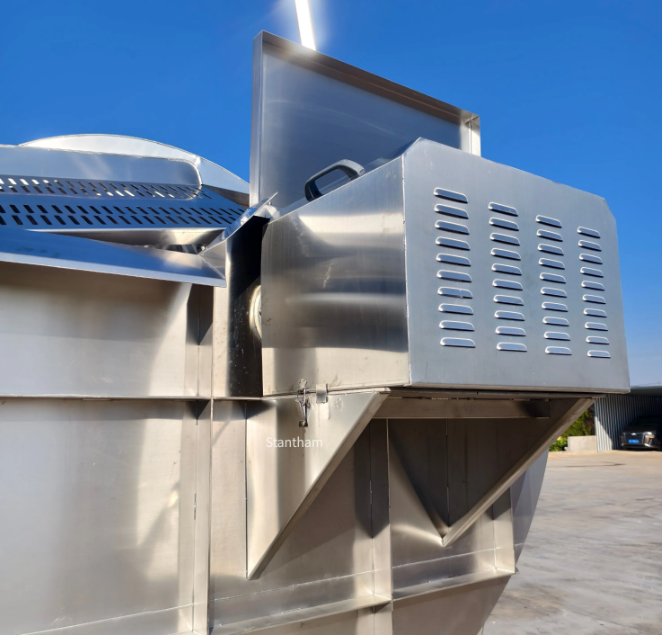
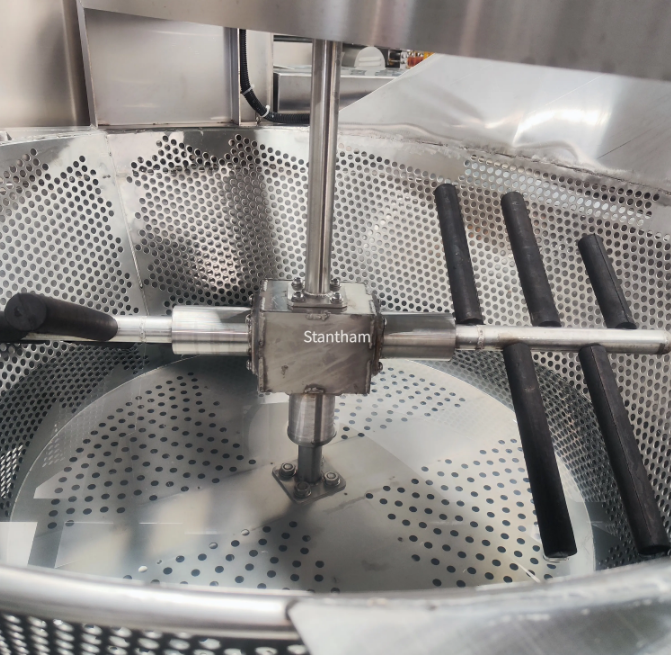
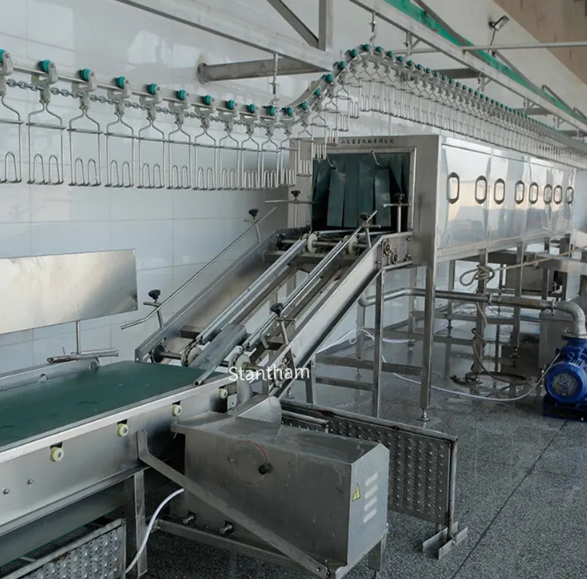
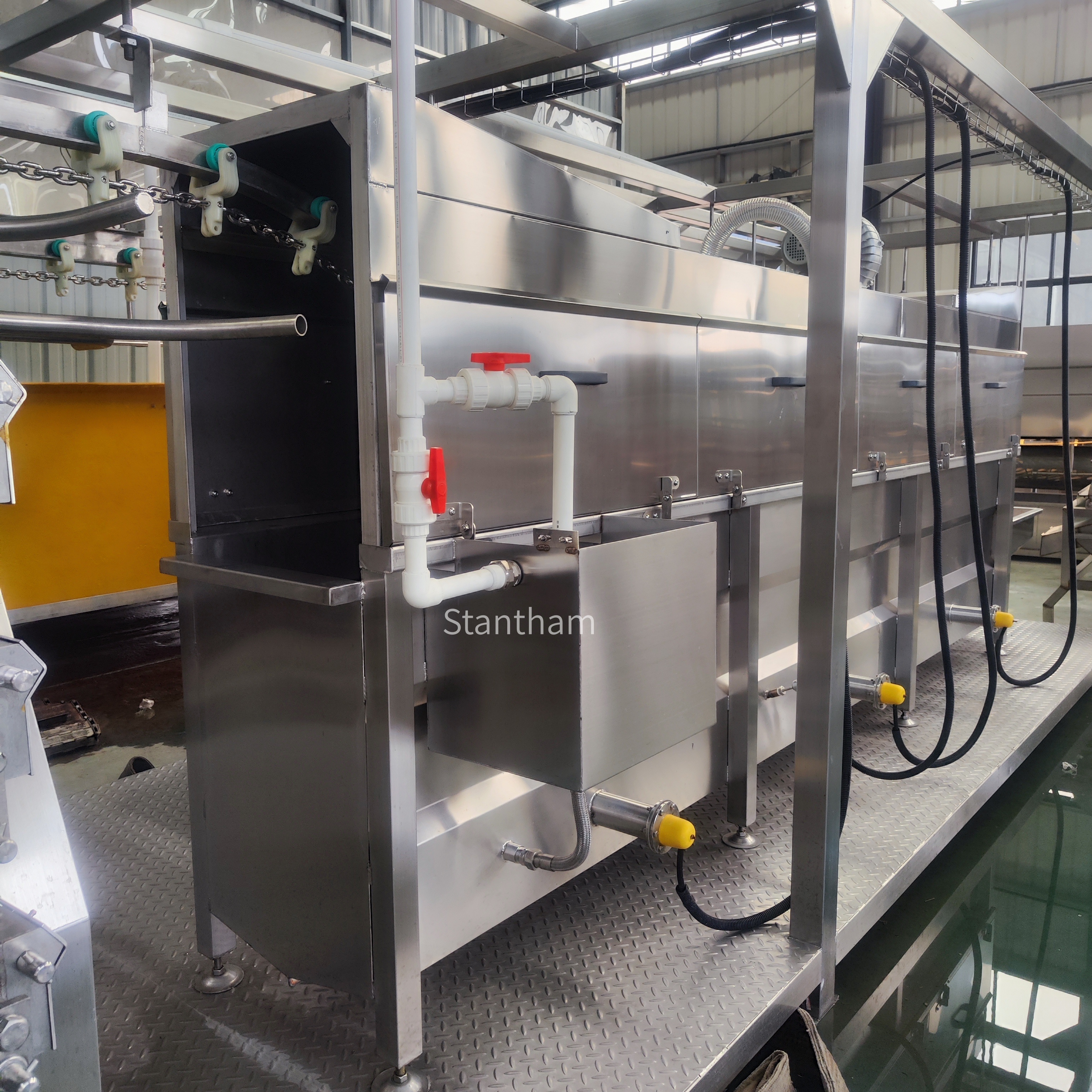
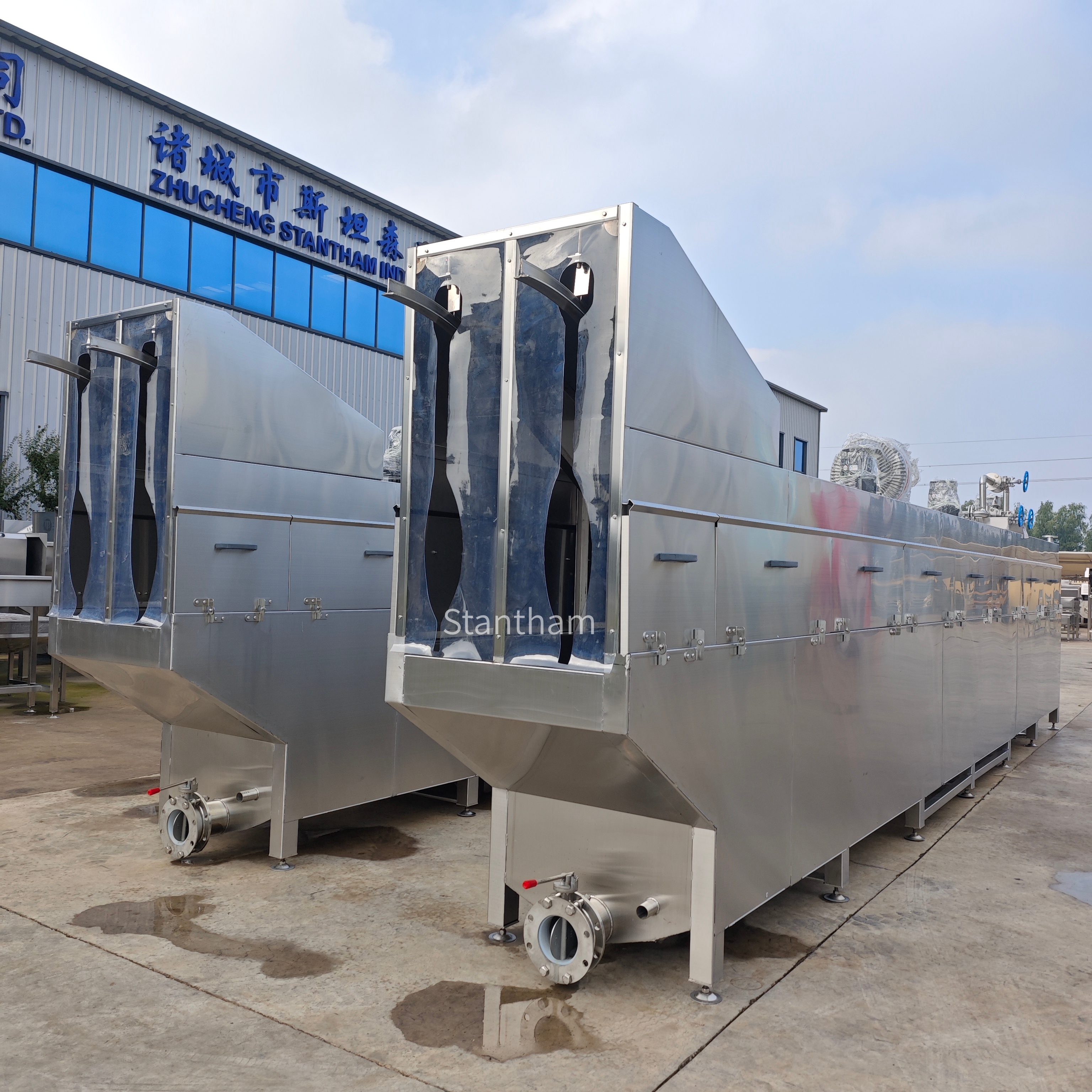
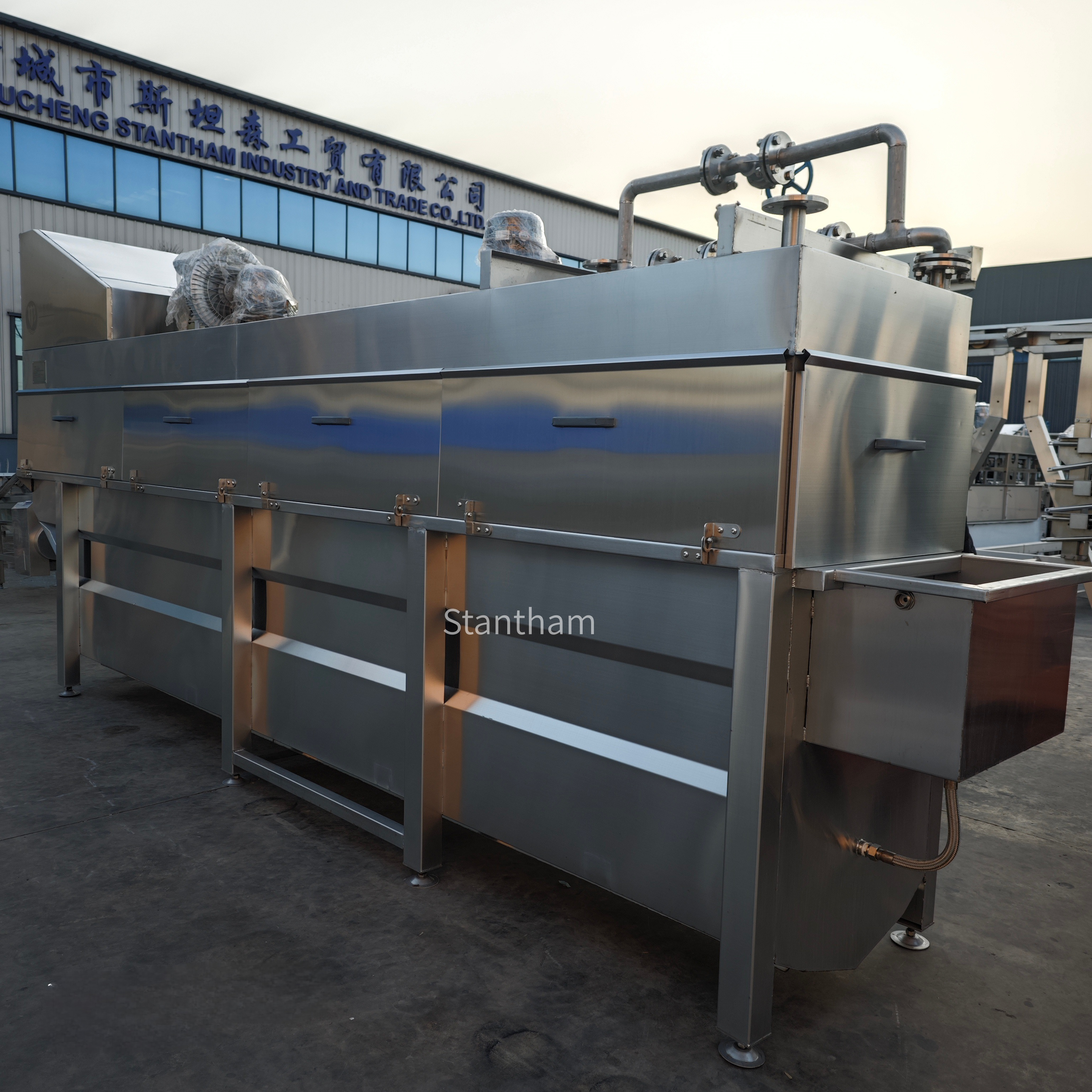
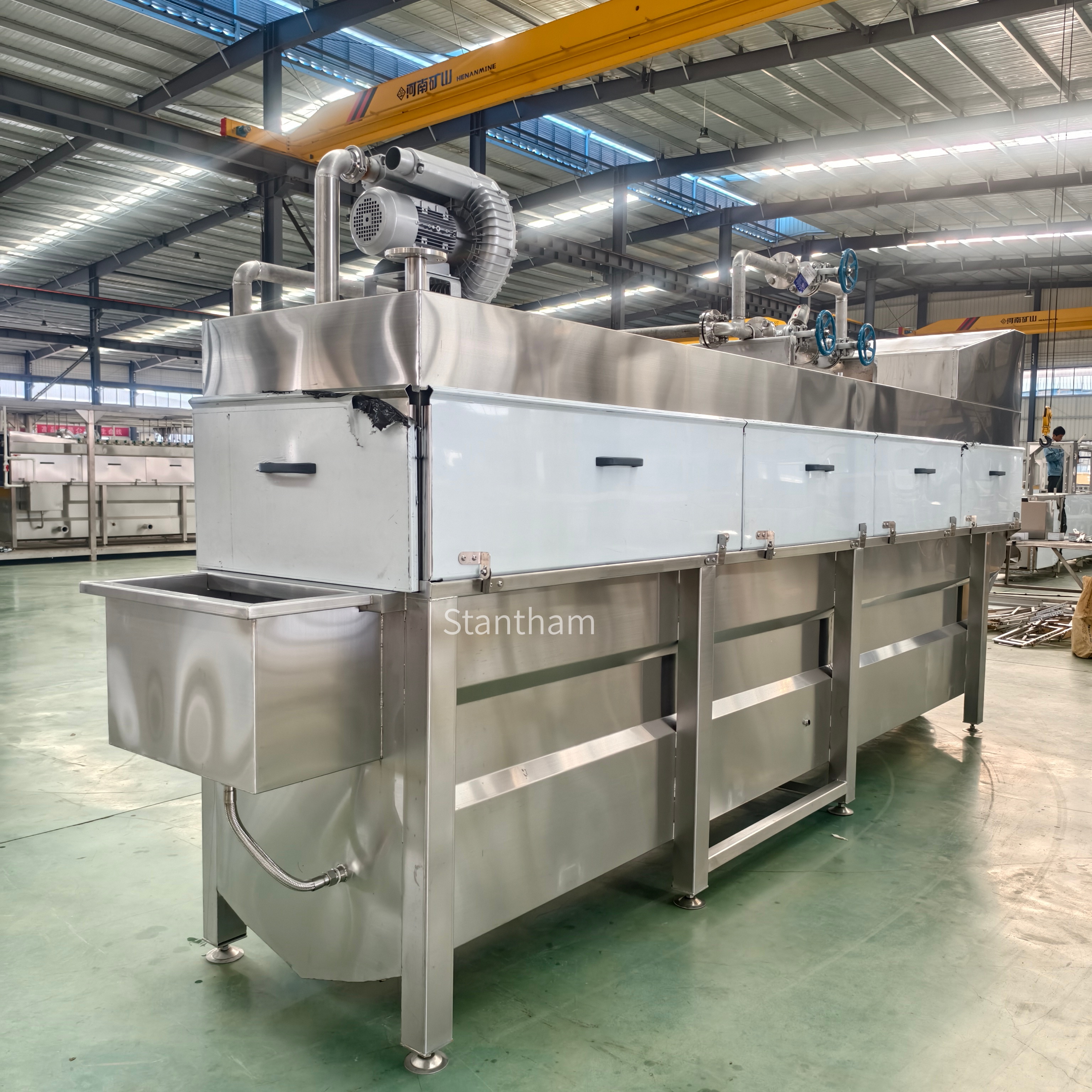
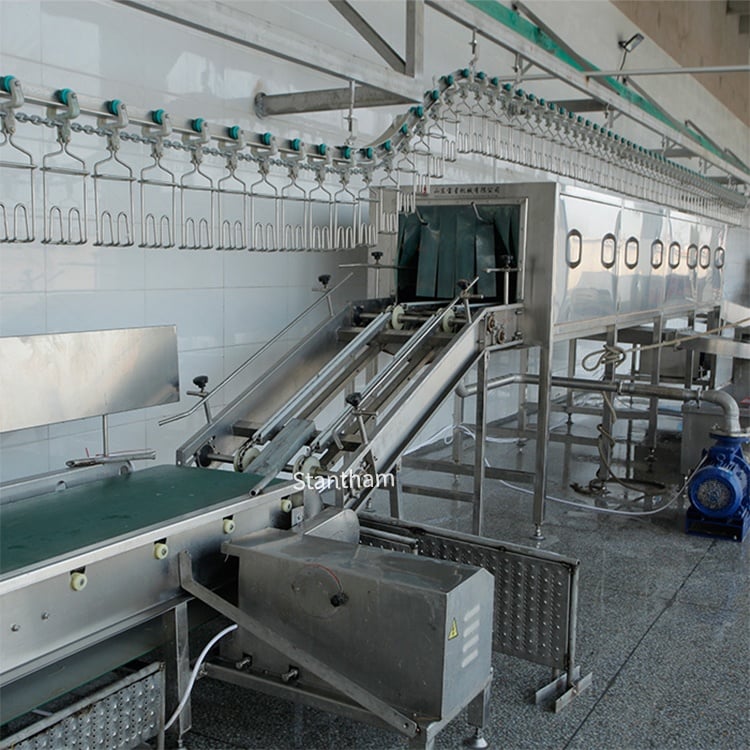
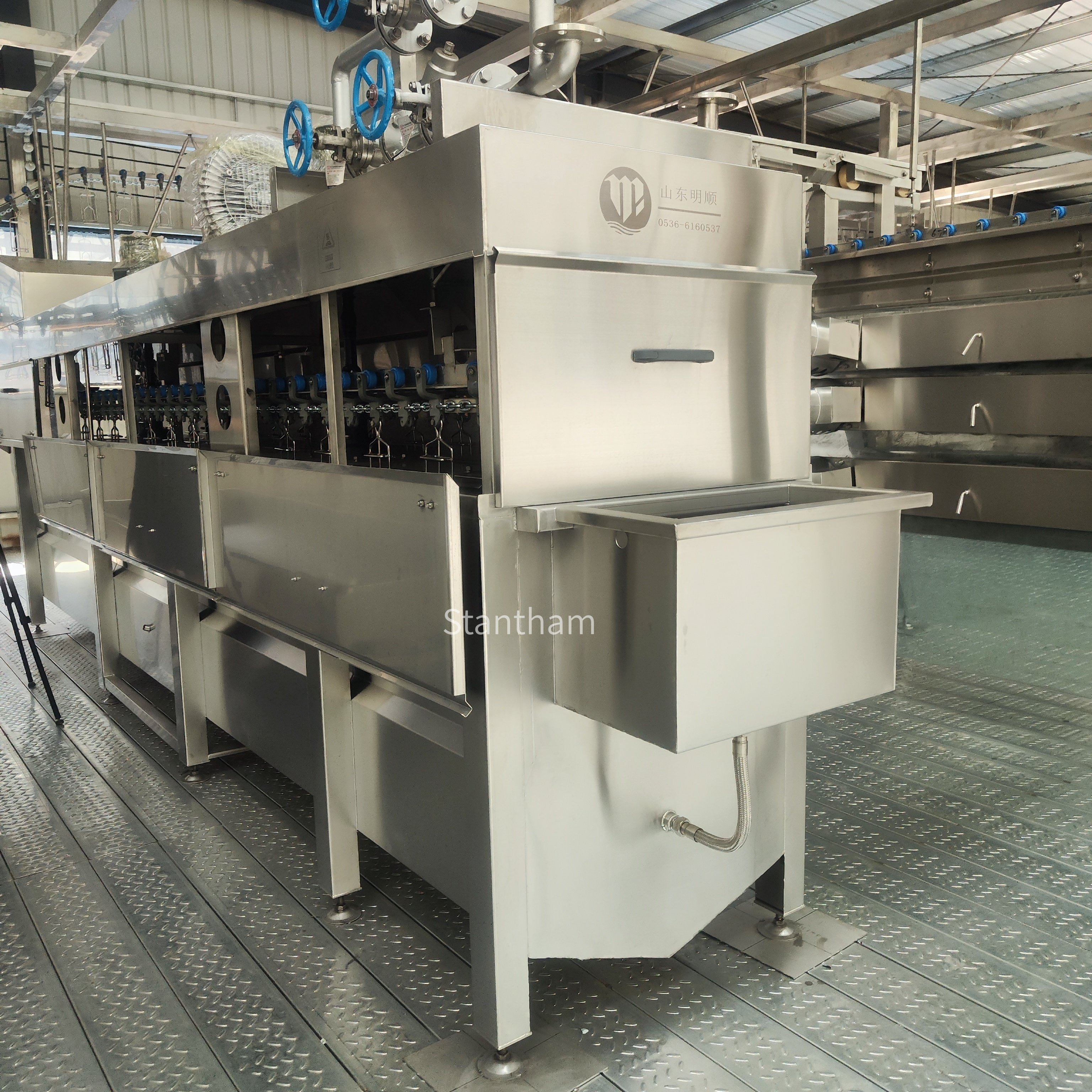
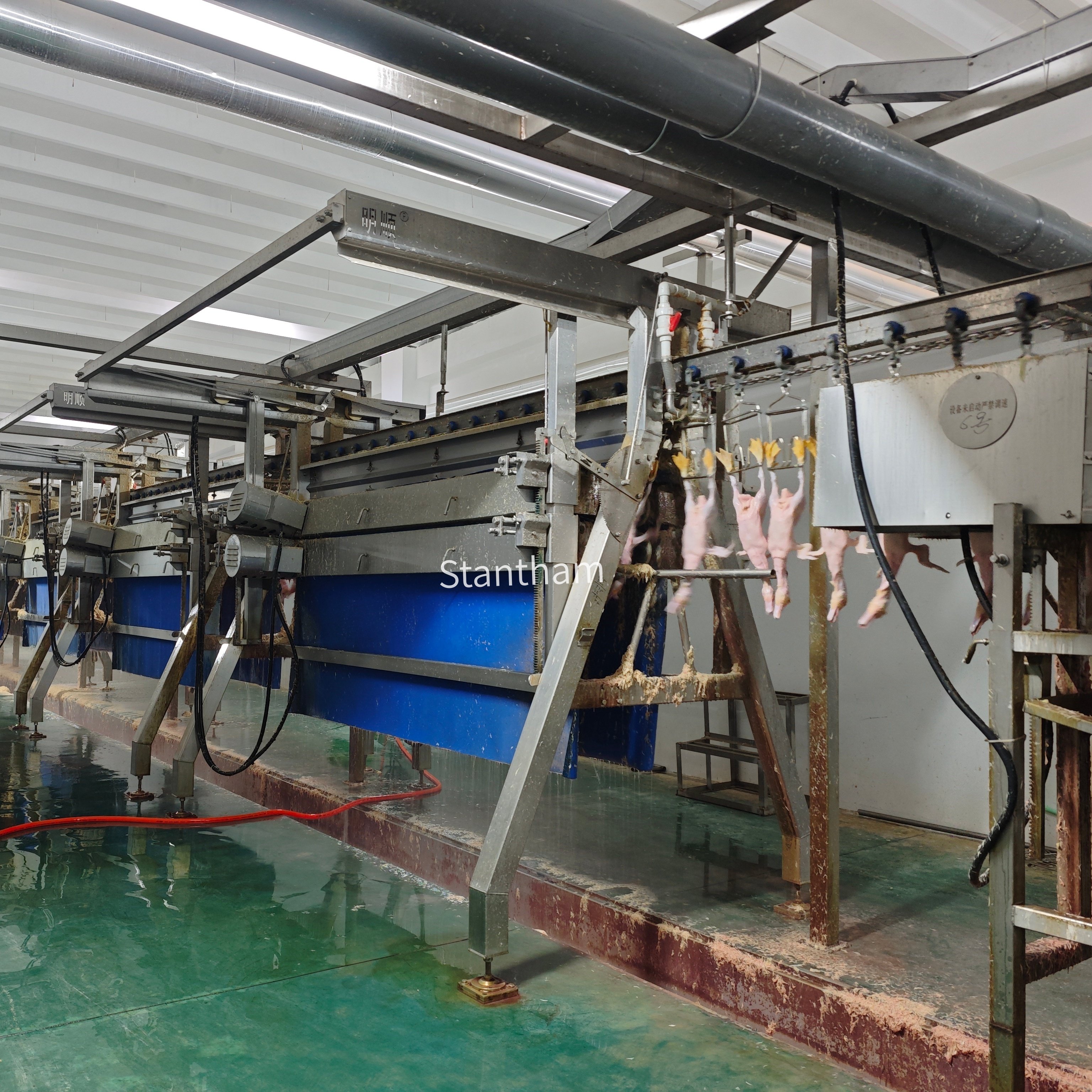
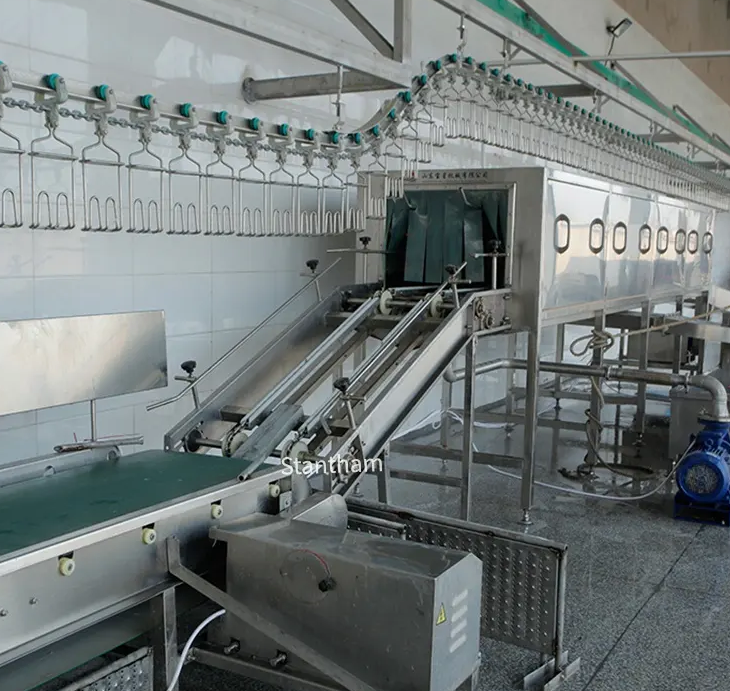
A chicken scalder brings precise, energy-efficient scalding to small and mid chicken plants running 50 to 1500 birds per hour. +/-0.5C control protects thin chicken skin in soft-scald mode, and a compact stainless tank fits an existing shed without relocation. Energy recovery cuts steam cost versus open systems, and the documented temperature log satisfies local and export checks. Operators report cleaner plucking and fewer skin tears downstream. The scalder usually pays back within eighteen months on energy and downgrade savings.
Get A Quote

Case Study

Plant In Greece

A Greek plant dressing 600 chickens per hour fought torn skin from inconsistent scald. Our chicken scalder held +/-0.5C with a soft-scald program, improving feather release so pluck loss fell two points. Skin tears dropped fifty-five percent for the local market. The compact stainless tank fit the shed without relocation, and energy recovery cut steam cost sixteen percent. The plant met a hotel contract on appearance. Payback came in seventeen months on energy and downgrade savings, and the owner standardized on the soft-scald program for every flock.

Processor In Peru

A Peruvian processor needed a scalder that handled flock swings without burning birds. Our chicken scalder used immersion mode with automatic temperature hold from 50 to 800 birds per hour. Soft-scald protected thin skin, and pluck loss fell two points for the regional market. The stainless build survived humid washdown and daily CIP cleaning. Training took one shift for the mixed-skill crew. Within eighteen months the energy saving funded a second pluck drum. Neighboring plants toured the site as a scald reference for small chicken processors.

Exporter In Oman

An Omani exporter needed scald control that passed Gulf hygiene and protected soft chicken skin. Our chicken scalder held +/-0.5C with a documented temperature log for inspectors. Skin tears fell fifty-five percent and grade A held at ninety-three percent for whole-bird shipment. The stainless tank passed the Gulf audit on first visit. Energy recovery cut steam cost fourteen percent through the hot season. Payback came in eighteen months, and the exporter began supplying two new retailers who had rejected its previous birds.

Related products

A chicken scalder must fit a small plant and still protect yield, so we engineer temperature control and immersion mode around your bird size and scald method before fabrication. We model heat, water, and steam load, then commission with operator training and a signed acceptance test. Stainless tanks are passivated for food safety, and energy recovery cuts steam cost versus open systems. A ten-year spare commitment guards against obsolescence, and regional hubs keep elements within seventy-two hours of most ports. When capacity grows, matched tanks extend the line without relaying foundations. Our engineers stay available for annual hygiene audits that protect uptime and your export eligibility.

Frequently Asked Questions

What accuracy does it offer?

The scalder holds temperature within plus or minus 0.5 degrees Celsius, so soft-scald programs protect thin chicken skin and improve feather release without burning the carcass.
Compact units handle 50 to 1500 birds per hour, scaled so precise control does not sacrifice the pluck loss and grade A your buyers in the market demand.
Yes. Energy recovery cuts steam cost by fourteen to sixteen percent versus open systems, and the saving compounds through every peak season on the floor.
Stainless, passivated tanks and documented temperature logs satisfy Gulf and EU inspections without retrofitting or after-market modifications to the station.
Yes. Matched tanks bolt onto the same frame to lift throughput as orders rise, protecting the original investment without relaying foundations or extending the hall.

Related article

How does a mobile slaughterhouse bring processing capacity directly to remote poultry farms?

04

Jun

How does a mobile slaughterhouse bring processing capacity directly to remote poultry farms?

Redefining Slaughter Infrastructure for Geographically Dispersed Farms Processing poultry in isolated regions has always been a logistical headache. Fixed slaughterhouses demand large capital outlays, centralized collection routes, and reliable col...
View More
Is a Poultry Chiller Machine Right for Your Facility?

10

Jun

Is a Poultry Chiller Machine Right for Your Facility?

Understanding What a Poultry Chiller Actually Does A poultry chiller machine is not simply a cold water tank. It is a controlled thermal exchange system designed to bring freshly eviscerated carcasses from roughly thirty-five degrees Celsius down t...
View More
Why is proper scalding temperature critical for feather removal efficiency in a chicken abattoir?

17

Jun

Why is proper scalding temperature critical for feather removal efficiency in a chicken abattoir?

The Scalding Window: A Delicate Balance Between Feather Release and Skin Integrity Scalding is the bridge between bleeding and plucking in a chicken abattoir. The birds pass through a tank of heated water, and the heat loosens the feather follicles...
View More
How does a mechanical chicken slaughter system minimize bone breakage compared to manual methods?

22

Jun

How does a mechanical chicken slaughter system minimize bone breakage compared to manual methods?

The Bone Breakage Problem Nobody Talks About Walk into any medium-sized poultry processing plant and ask the quality control manager about their biggest headache. Chances are, bone breakage ranks near the top. Not the dramatic compound fractures, b...
View More

Customer Testimonials

N. Georgiou

We fought torn skin from inconsistent scald until this chicken scalder held plus or minus 0.5C with a soft-scald program. Feather release improved, pluck loss fell two points, and skin tears dropped fifty-five percent for the local market. The compact stainless tank fit our shed without relocation, and energy recovery cut steam cost sixteen percent. We met a hotel contract on appearance, and payback came in seventeen months on combined savings.

S. Albalushi

As an Omani exporter, we needed scald control that passed Gulf hygiene and protected soft chicken skin. This chicken scalder held plus or minus 0.5C with a documented temperature log for inspectors. Skin tears fell fifty-five percent and grade A held at ninety-three percent for whole-bird shipment. The stainless tank passed the Gulf audit first visit, and energy recovery cut steam cost fourteen percent. Payback came in eighteen months.

Get a Free Quote

Our representative will contact you soon.
Email
Name
Company Name
Mobile/WhatsApp
Message
0/1000
Small Plant, Precise Scald

Small Plant, Precise Scald

Small chicken plants lose yield to rough scald, so a chicken scalder holds temperature within half a degree to release feathers without burning thin skin. Owners see easier plucking and fewer tears that trigger downgrades and complaints. Operators gain a consistent foundation that protects downstream grade A. Buyers gain presentable birds from the first step. This control protects the value of every bird before plucking even begins on the floor.
Fits The Shed

Fits The Shed

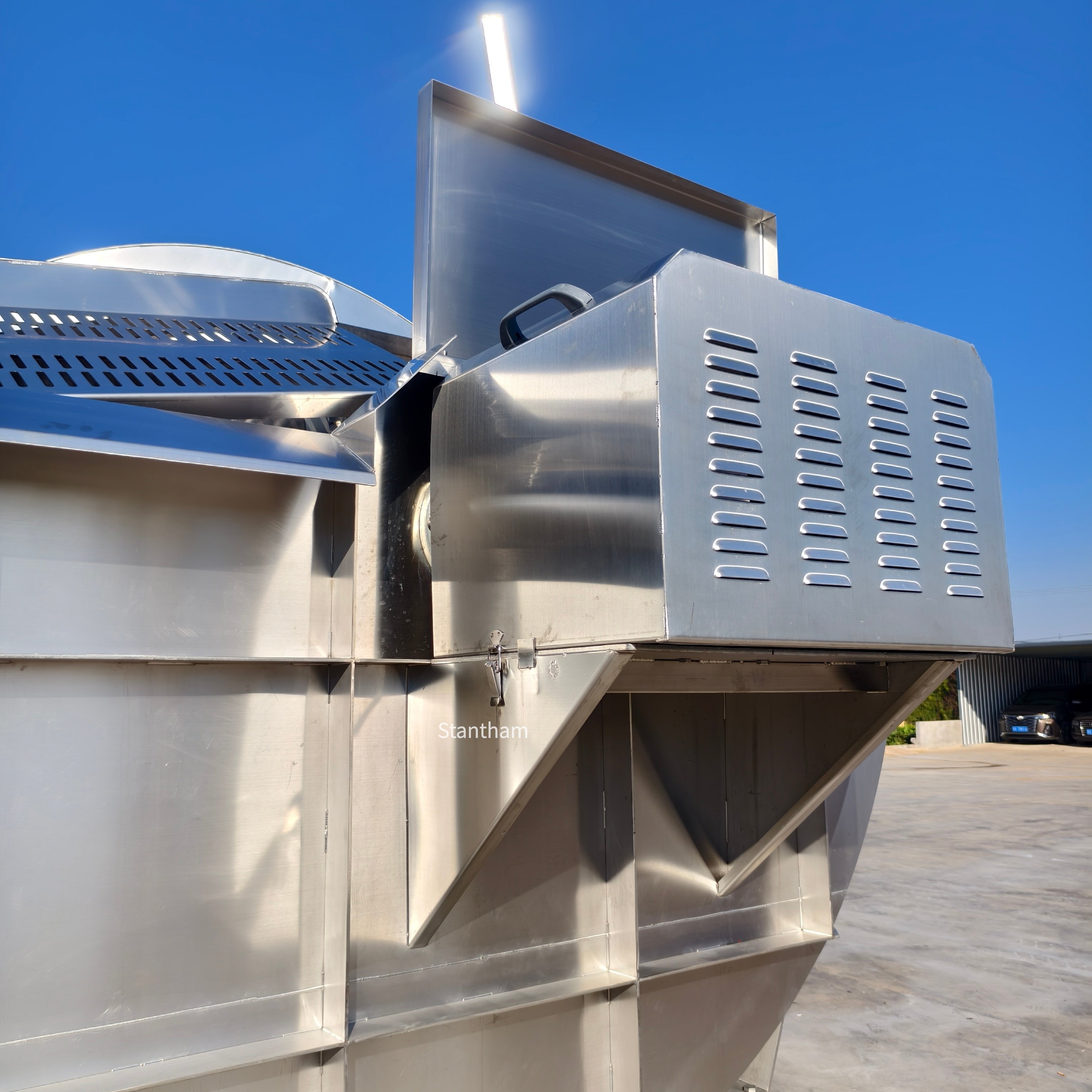
Space is scarce in a small plant, so the scalder uses a compact stainless tank that fits an existing shed without relocation or new construction. Owners add precise, energy-efficient scalding without extending the building or moving other stations. The saving on steam and downgrades funds downstream upgrades within months. Plants gain a scalder engineered for the constraints of real small-scale processing rather than a floor plan drawn by a supplier.
Audit-Ready Heat

Audit-Ready Heat

Buyers demand proof of process, so the scalder logs temperature automatically for the inspector without manual sheets. Stainless, passivated tanks pass Gulf and EU checks on first visit, protecting contracts that a failed audit can void. When capacity grows, matched tanks extend the line without relaying foundations. Common spare parts simplify inventory across old and new sections. Plants scale from local to export volume on one coordinated system that protects the first investment.

Get a Free Quote

Our representative will contact you soon.
Email
Name
Company Name
Mobile/WhatsApp
Message
0/1000