Custom Chicken Slaughtering Machine Design [Engineered]

+86-18866172299
All Categories
Why Our Chicken Slaughtering Machine Design Stands Out

Why Our Chicken Slaughtering Machine Design Stands Out

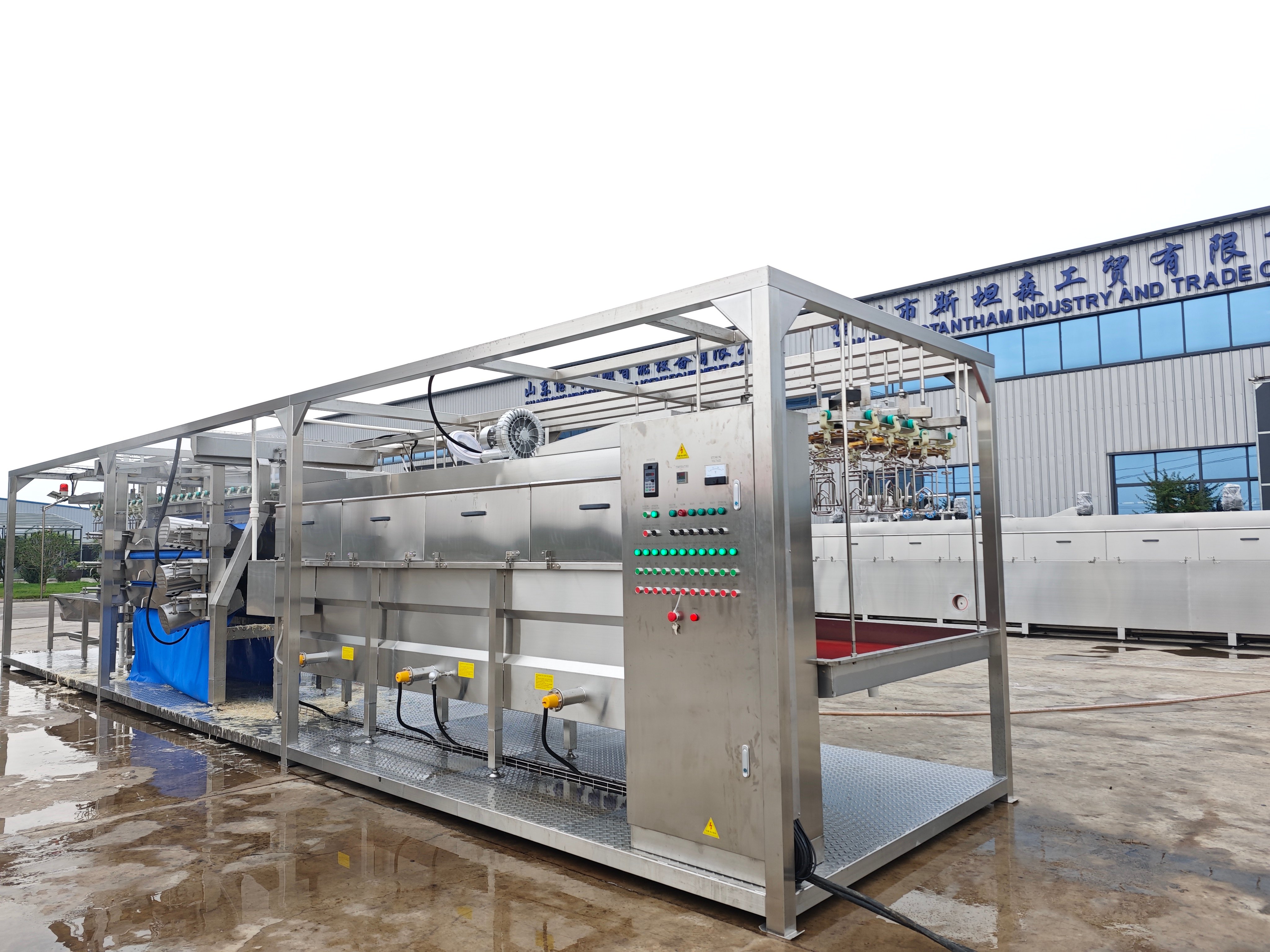
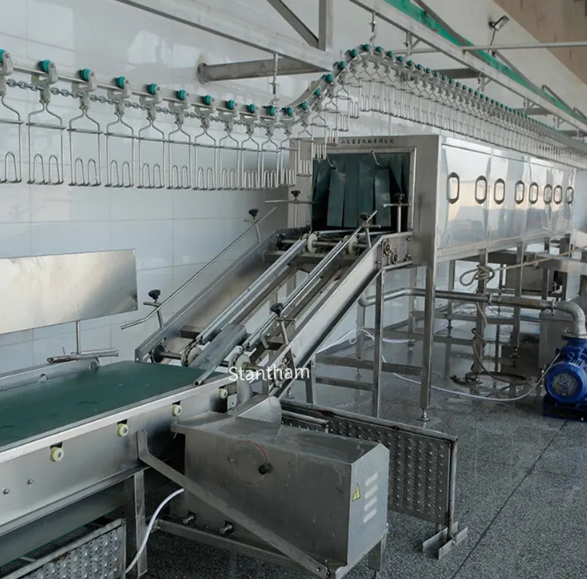
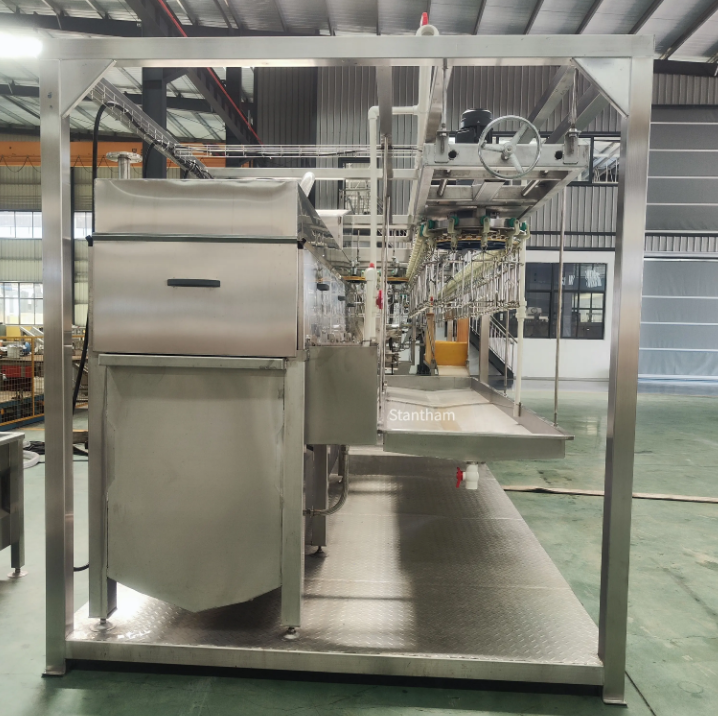
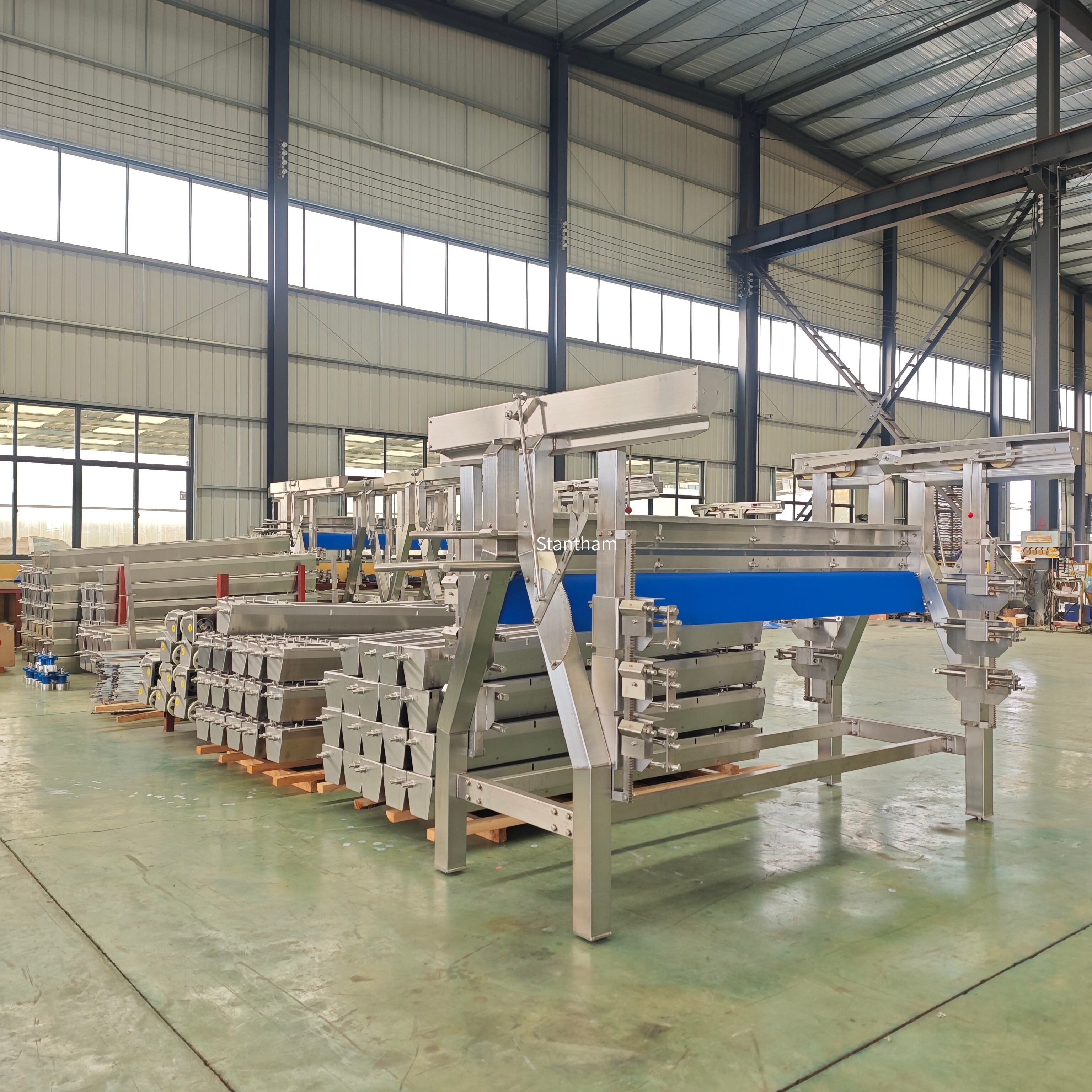
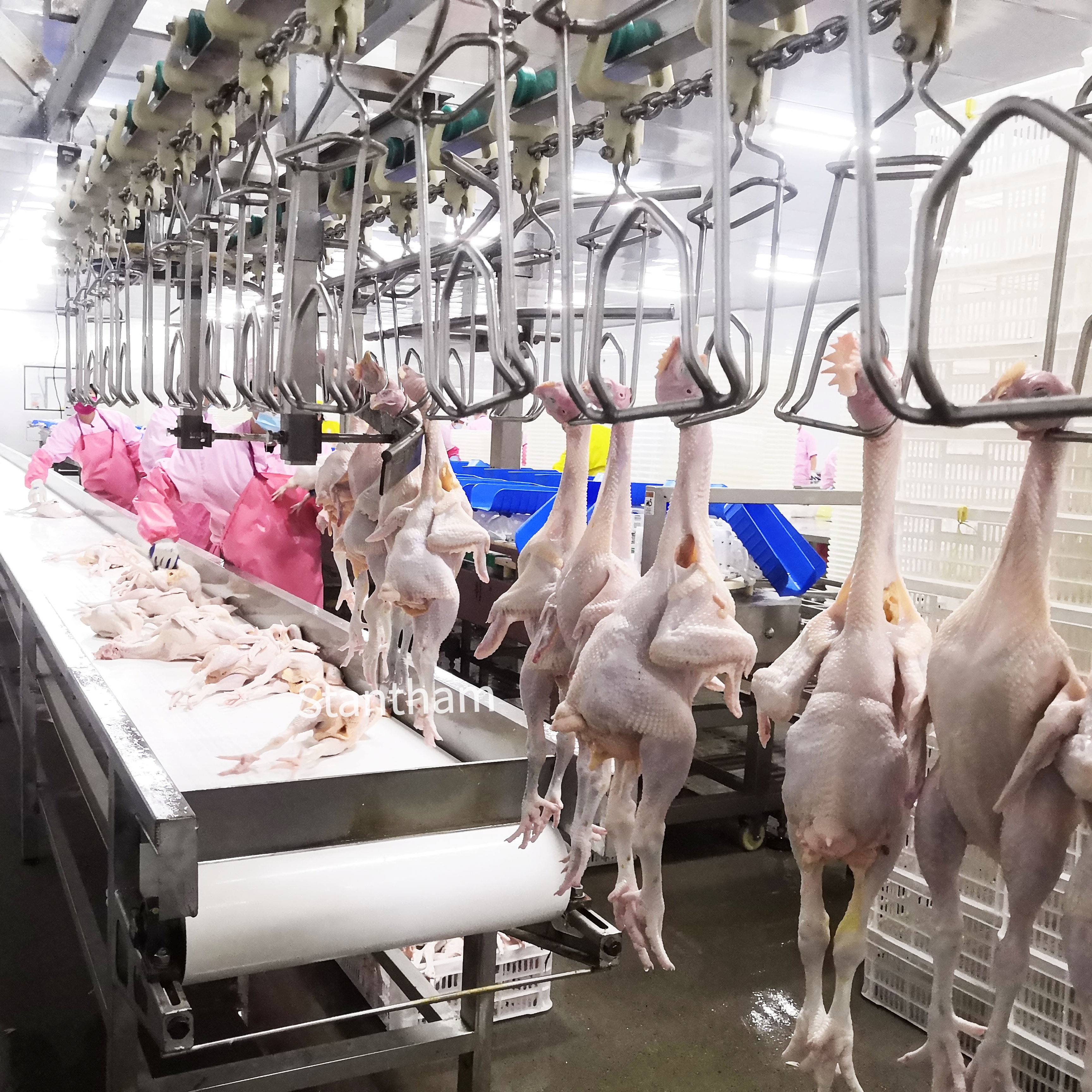
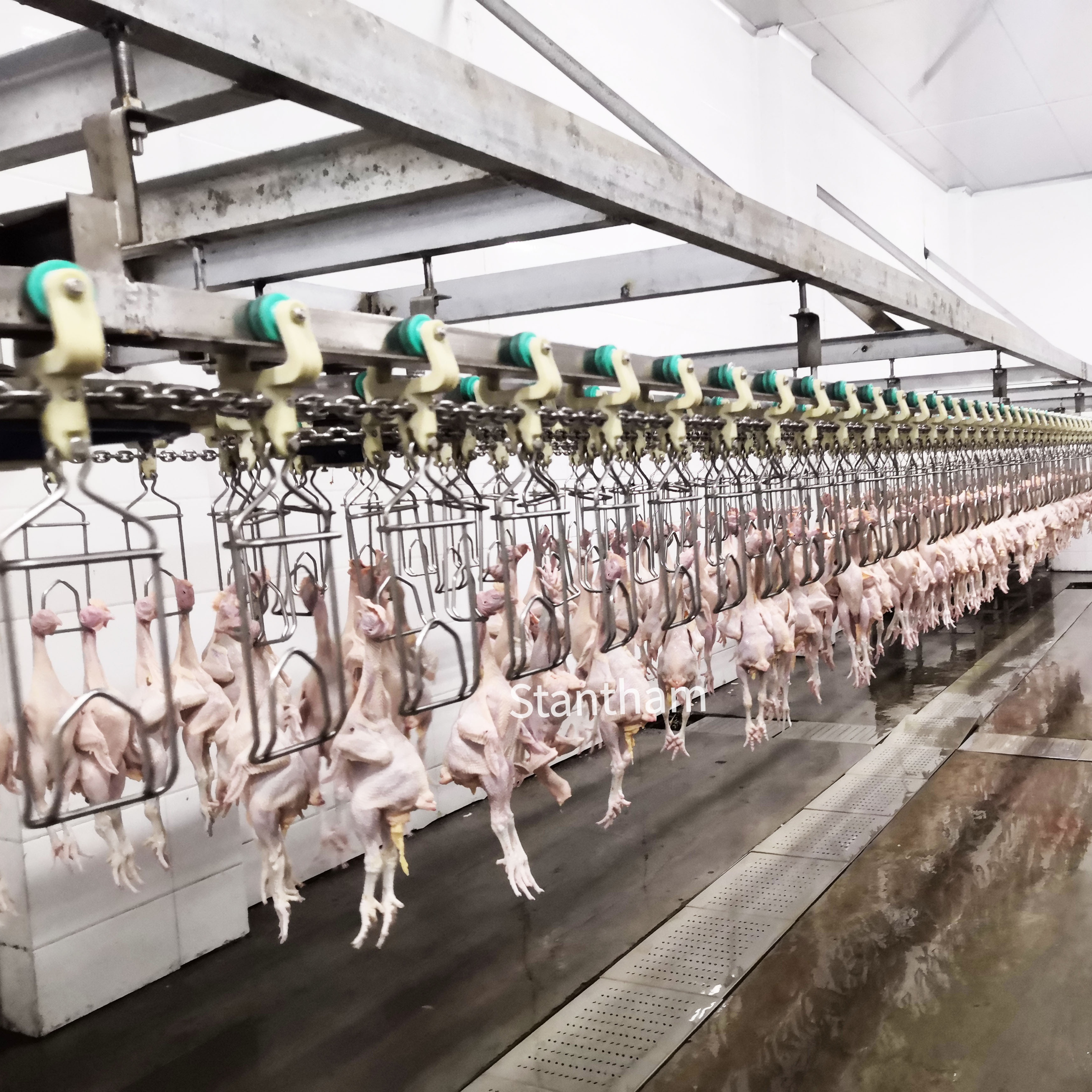
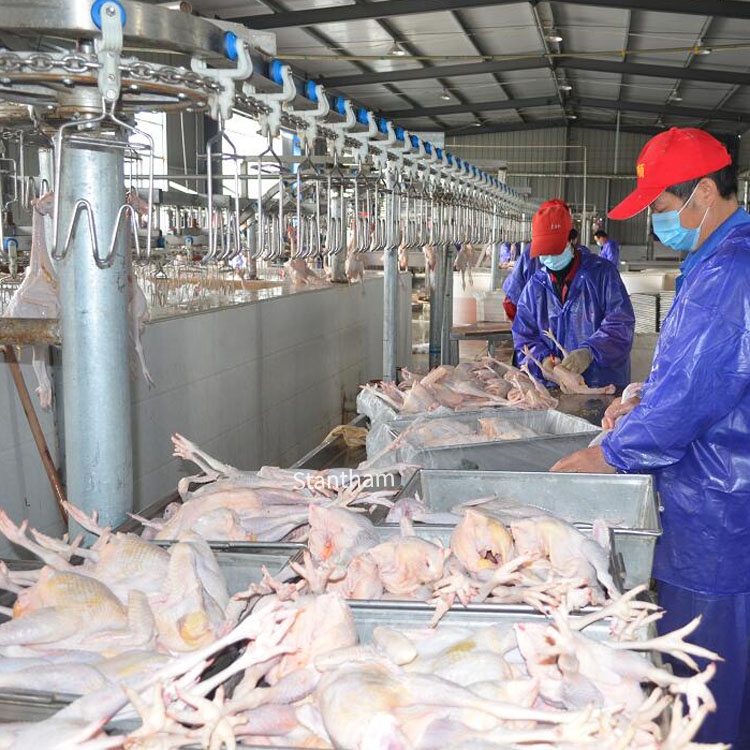
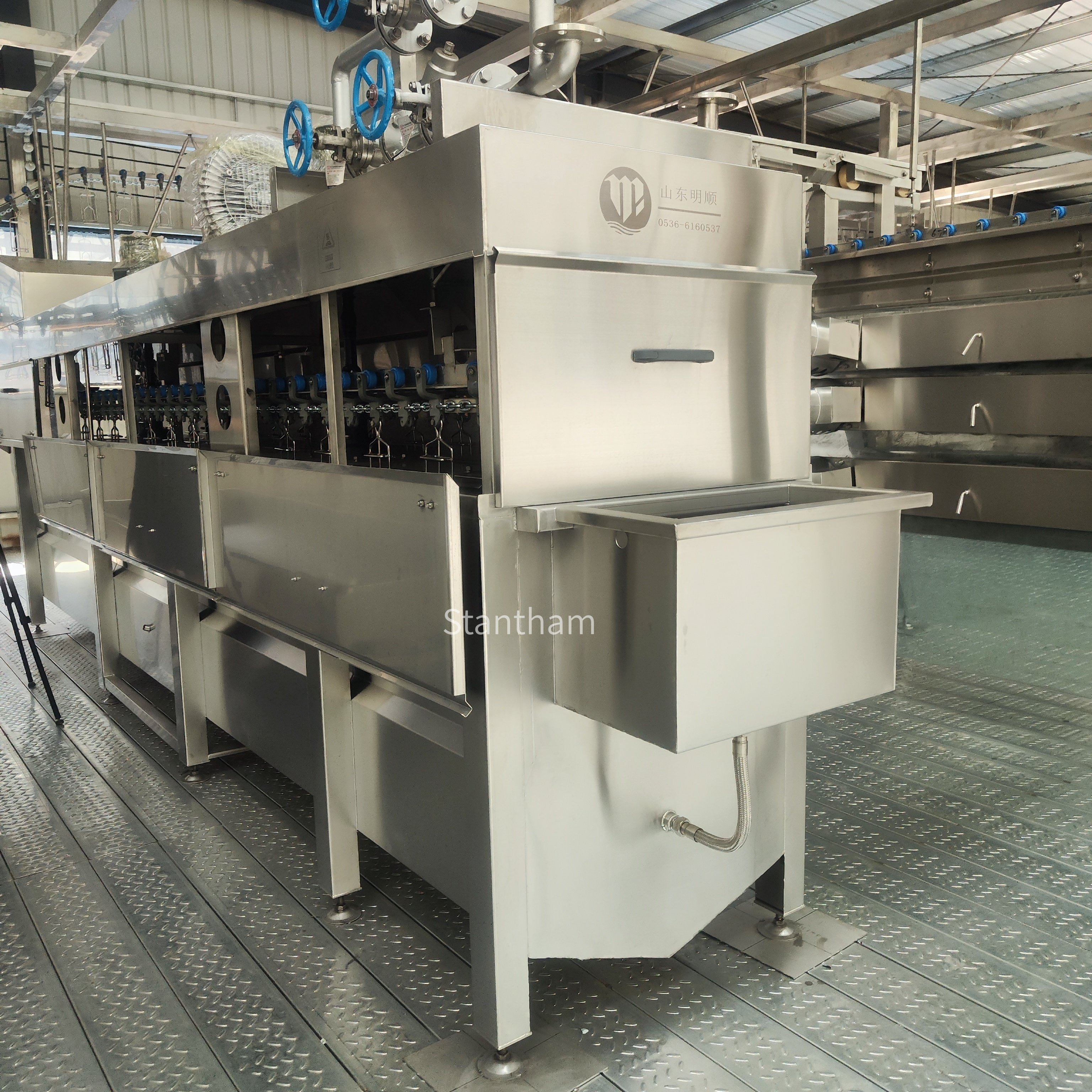
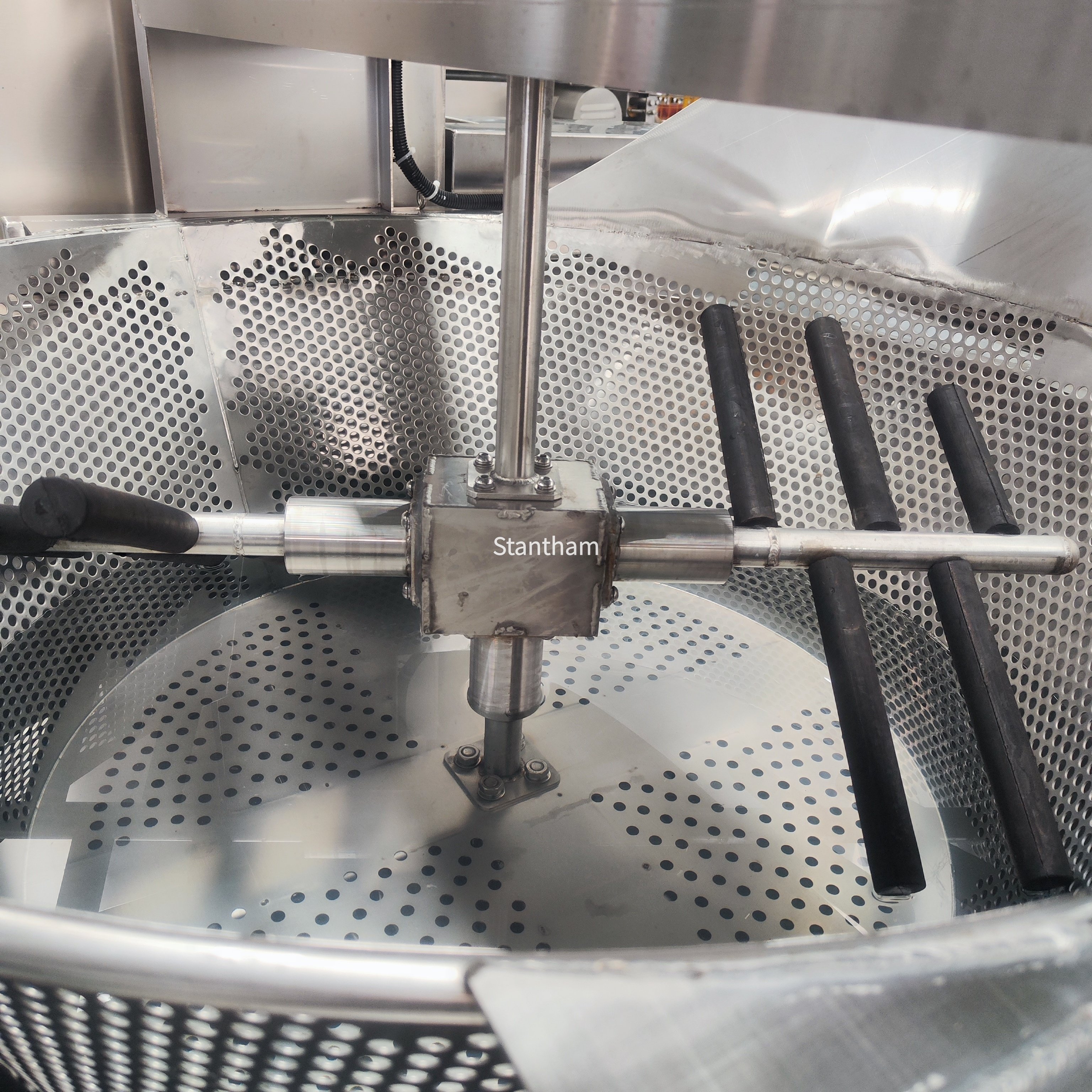
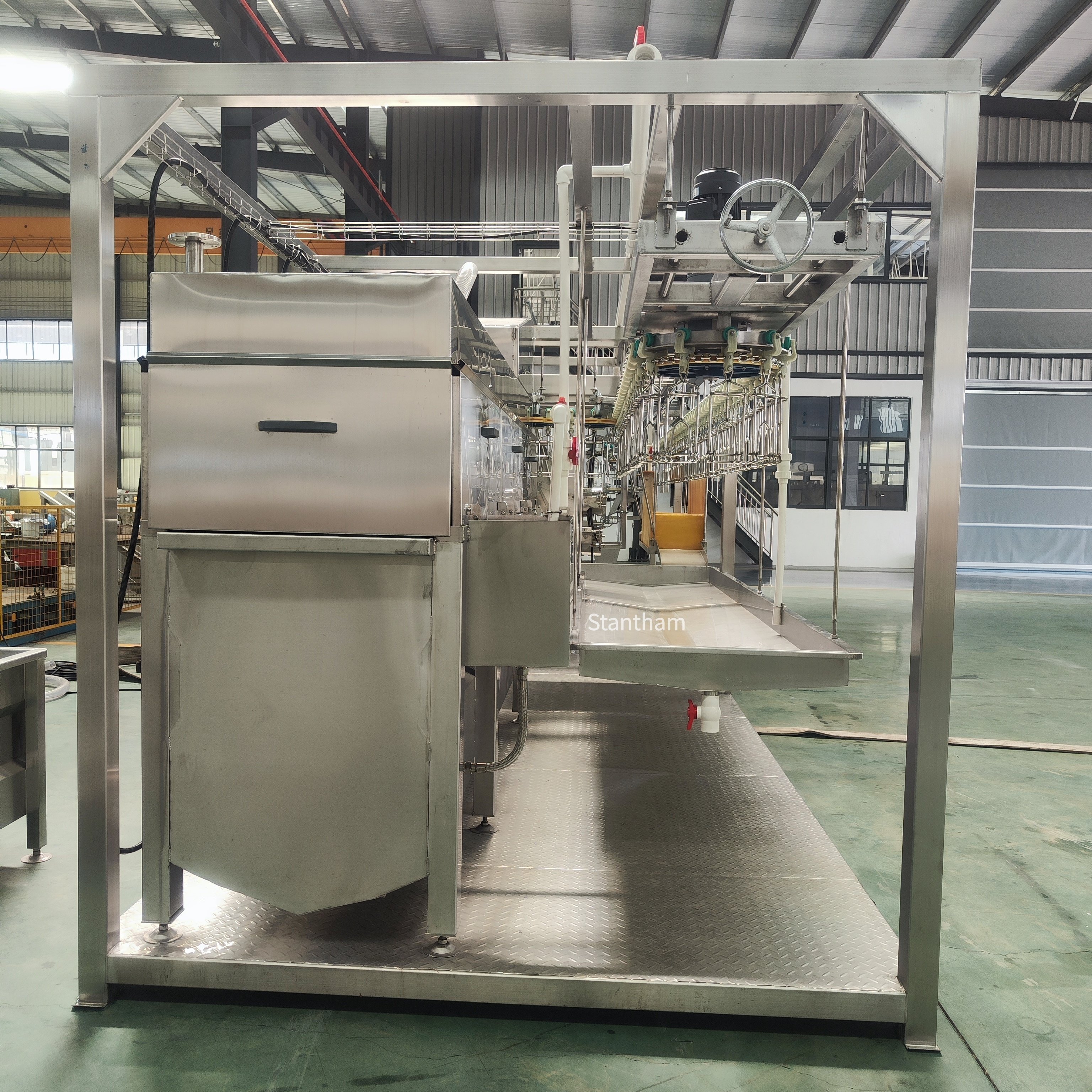
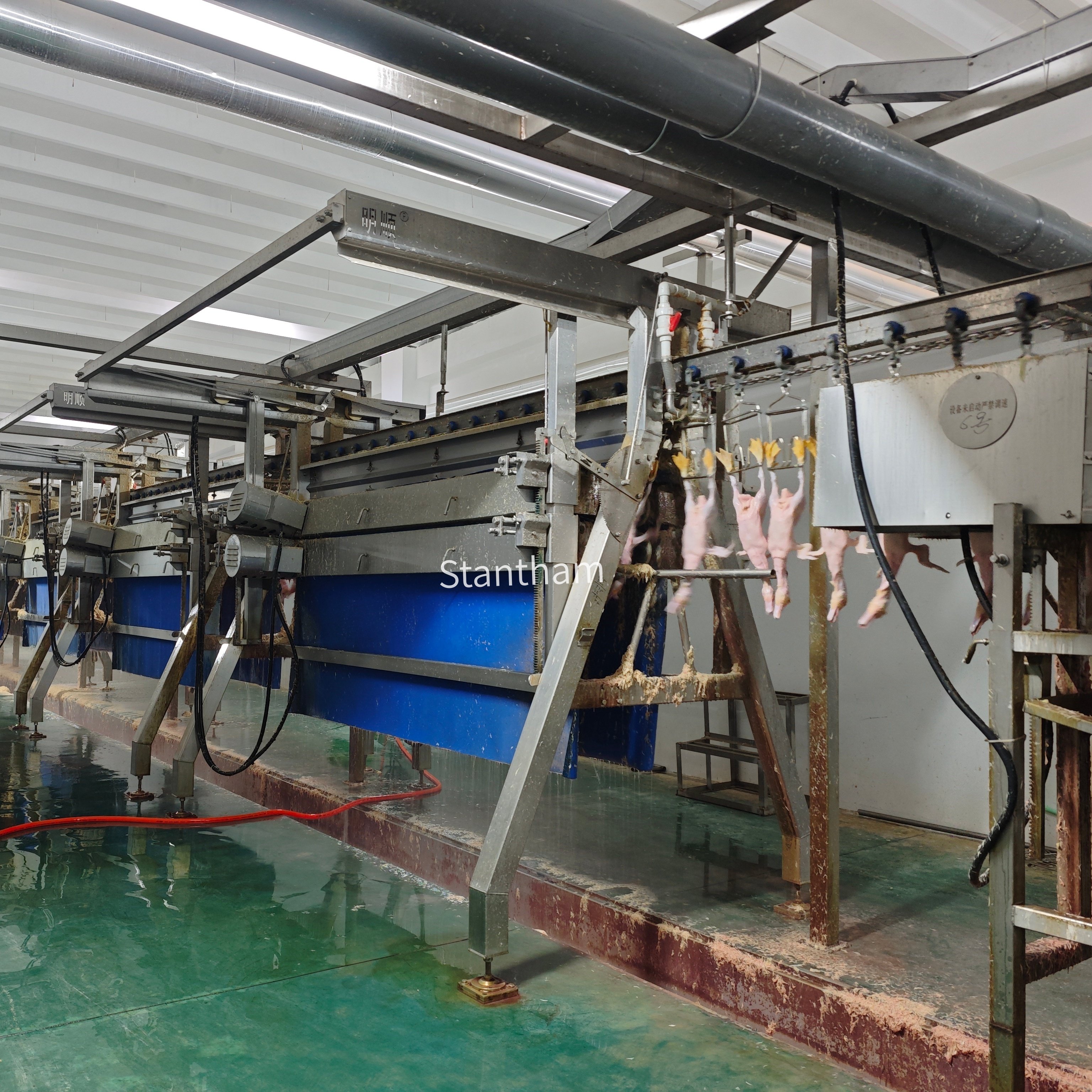
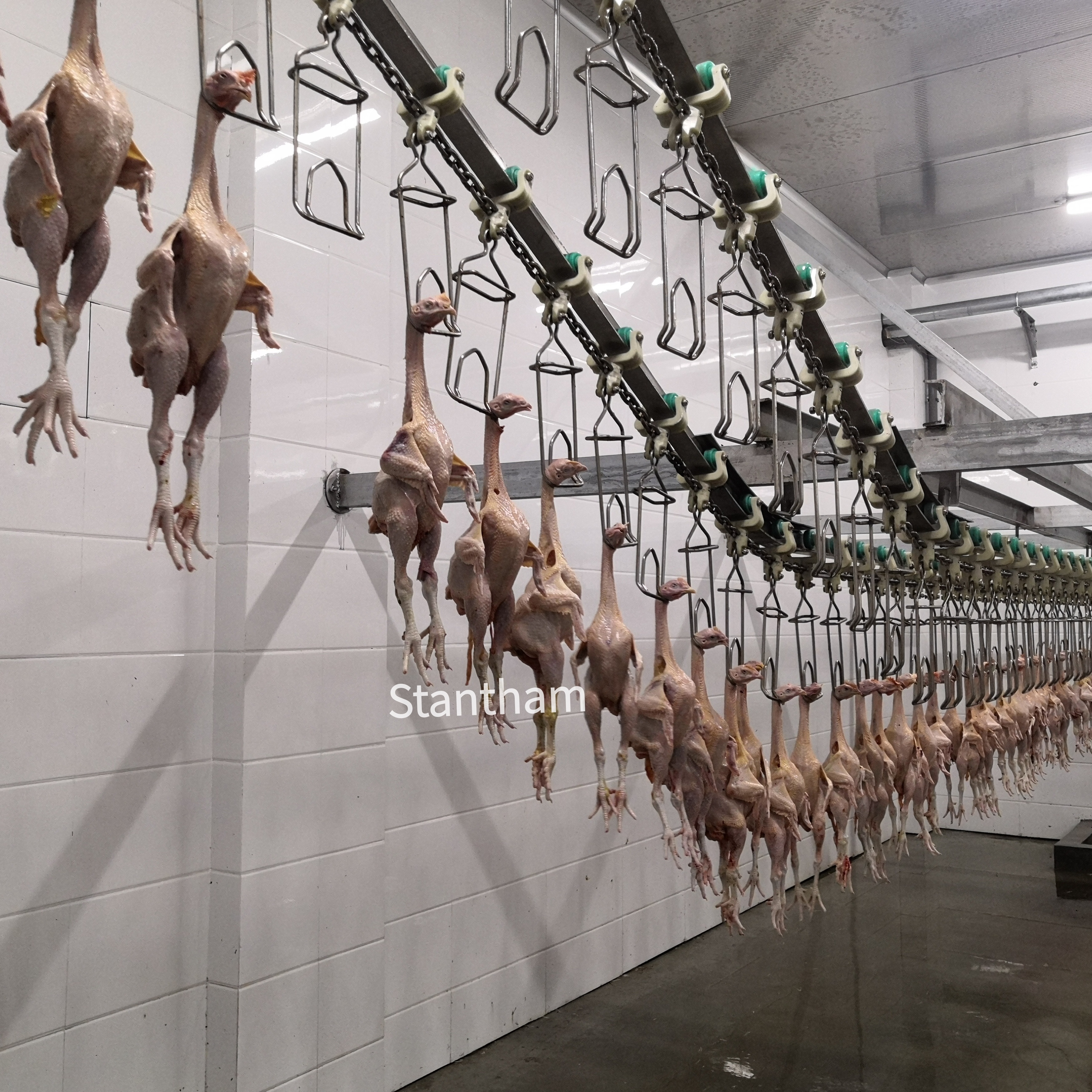
Our chicken slaughtering machine design starts from your workflow, not a catalog, so every station earns its place in the line. Engineers map receiving, stunning, scalding, defeathering, evisceration, chilling, cut-up, and packing to your building, utilities, and target markets before drawing steel. Food-grade stainless, separated zones, and CIP sanitation are designed to HACCP and Halal from the first sketch. Single-PLC control, vision-guided cutting, and servo drives are laid out for yield, access, and cleanability. Modular design lets capacity grow without redesign, and 3D layouts show you the fit before build. Buyers get a line engineered around their reality, reducing risk, change orders, and startup time versus off-the-shelf equipment that never quite fits.
Get A Quote

Case Study

Canada Compact Plant Redesign

A Canadian processor had a tight, irregular building and needed a chicken slaughtering machine design that fit without reconstruction. We modeled the workflow in 3D, then laid out stainless stations with single-line flow, separated zones, and CIP in the available footprint. The design delivered 2,500 birds per hour with vision-guided cut-up and air-chilling meeting local rules. Commissioning took days, not weeks, because the line matched the space exactly, and audit passed on first review. Yield reached 95%, and the compact layout left room for packing and cold storage. The processor valued seeing the fit in 3D before build, which avoided costly changes and let the team plan staffing and sanitation routes in advance of delivery.

Japan Precision Line Design

A Japanese processor wanted a chicken slaughtering machine design optimized for precision and low noise in a dense urban site. We engineered stainless stations with servo drives, vision grading, and sealed electrics on one PLC, tuned for tight portion control and quiet operation. The 3,000-birds-per-hour design met strict local and export hygiene, and separate zones with CIP satisfied auditors on first visit. Giveaway fell 2.6%, and uniform packs suited premium retail. The urban footprint was minimized through vertical layout and careful access planning. The processor noted that designing around their exact constraints, rather than adapting a catalog line, prevented noise complaints and space conflicts that would have delayed the permit and startup significantly.

Saudi Halal Plant Design

A Saudi investor needed a chicken slaughtering machine design compliant with Halal and Gulf standards from the ground up. We designed stainless stations with compliant stunning, spiral chilling, and full traceability, separating clean and dirty zones per regulation. The 5,500-birds-per-hour layout included CIP and generator backup for reliability. Audit passed on first inspection, and Grade-A yield reached 96%. The design's clear flow and labeled zones simplified operator training and daily sanitation. The investor credited the upfront design work with avoiding rework and speeding permits, and the line now supplies multiple retail and food-service customers with consistent, documented Halal chicken produced exactly to the approved plan.

Related products

Our chicken slaughtering machine design process puts your site and markets at the center, so the line fits the first time. Engineers map every stage from receiving through stunning, scalding, defeathering, evisceration, chilling, cut-up, and packing to your building shape, utilities, and compliance targets before any steel is cut. Food-grade stainless, separated clean and dirty zones, and CIP sanitation are designed to HACCP, Halal, and EU export standards from the initial sketch. Single-PLC control, vision-guided cutting, and servo drives are arranged for yield, operator access, and cleanability, not just throughput. Modular design lets you add capacity later without redrawing the line, and 3D layouts show the exact fit, flow, and sanitation routes before build, reducing change orders and startup time. We then fabricate, test, install, and train, so the designed line becomes the running line with no surprises. Designing around your reality turns a purchase into a planned, low-risk outcome.

Frequently Asked Questions

Do you design around my building?

Yes. We map your workflow to your exact footprint, utilities, and markets before drawing steel, and show you a 3D layout so the line fits the first time. Modular design also lets you add capacity later without redrawing the whole line.
Every design builds separated zones, CIP sanitation, and traceability to HACCP, Halal, and EU export standards from the first sketch. We configure compliant stunning and supply documentation that helps you pass audits on the first inspection. This helps you plan capacity and budget with confidence before ordering.
Absolutely. Because the line is engineered to your site, commissioning takes days not weeks, with fewer change orders. Seeing the 3D fit early lets you plan staffing and sanitation routes, so production starts faster and with less risk. Contact us and we will match the configuration to your exact needs.
Single-PLC control, vision-guided cutting, and servo drives are arranged for yield, access, and cleanability, not just speed. We place stations for smooth flow and easy washdown, protecting both efficiency and the hygiene auditors check. Every answer is adjusted to your local rules, climate, and utilities.
Yes. Modular design means you start at your current capacity and bolt on chilling, cut-up, or deboning later without redesign. We plan the layout so future modules integrate on the same stainless language and one PLC, protecting your investment. We can share a reference case similar to your operation on request.

Related article

Stantham’s Compact Chicken Slaughter Line: A Factory-Proven, Turnkey Solution for Global Smallholders

12

May

Stantham’s Compact Chicken Slaughter Line: A Factory-Proven, Turnkey Solution for Global Smallholders

View More
How does a mechanical chicken slaughter system minimize bone breakage compared to manual methods?

22

Jun

How does a mechanical chicken slaughter system minimize bone breakage compared to manual methods?

The Bone Breakage Problem Nobody Talks About Walk into any medium-sized poultry processing plant and ask the quality control manager about their biggest headache. Chances are, bone breakage ranks near the top. Not the dramatic compound fractures, b...
View More
What are the essential components of a complete poultry abattoir equipment set for 2000 birds per hour?

25

Jun

What are the essential components of a complete poultry abattoir equipment set for 2000 birds per hour?

Building for 2,000 Birds Per Hour Scaling a poultry processing operation to 2,000 birds per hour is not about buying bigger versions of the same equipment. It is about rethinking the entire flow from live receiving to chilled carcass. A plant runni...
View More
Advanced Optimization of Custom Chicken Slaughter Equipment

10

Jul

Advanced Optimization of Custom Chicken Slaughter Equipment

The Customization Imperative in Poultry Processing Poultry processing lines look similar from a distance—shackles, conveyors, scalders, pluckers, evisceration stations. But step closer and the differences become obvious. One plant runs 12,000 b...
View More

Customer Testimonials

Liam Scott

Our building was tight and odd-shaped, but the chicken slaughtering machine design fit perfectly. Seeing the 3D layout first avoided costly changes, and commissioning took days. Yield hit 95%, audit passed first time, and the compact layout left room for packing. Designing around our site beat adapting a catalog line.

Yuki Tanaka

We needed a precise, quiet design for a dense urban site, and they delivered. Servo drives and vision grading cut giveaway 2.6%, and the vertical layout fit the footprint without noise complaints. Halal and hygiene passed first visit. Upfront design prevented permit delays we feared with an off-the-shelf line.

Get a Free Quote

Our representative will contact you soon.
Email
Name
Company Name
Mobile/WhatsApp
Message
0/1000
Design Around Your Workflow

Design Around Your Workflow

Good chicken slaughtering machine design begins with your workflow, not a catalog, because the line must serve your building, not the other way around. We map receiving, stunning, scalding, defeathering, evisceration, chilling, cut-up, and packing to the space, utilities, and markets you actually have, then place stainless stations for smooth single-direction flow. Separated clean and dirty zones and CIP are designed in from the sketch, so hygiene is structural, not added. This fit-first approach avoids the rework and permit delays that come from forcing a standard line into a unique site. For owners with awkward or constrained buildings, designing around the workflow is what turns an impossible footprint into a productive, compliant plant without reconstruction or compromise on throughput and safety.
See It Before We Build It

See It Before We Build It

A key benefit of our chicken slaughtering machine design service is the 3D layout you review before any steel is cut. The model shows station placement, flow, access for operators, and sanitation routes, so you catch conflicts early when they cost nothing to fix. Staffing, training, and cleaning plans can be prepared in advance of delivery, shortening startup from weeks to days. For urban or tightly regulated sites, seeing the fit prevents noise, space, and permit issues that would otherwise surface during commissioning. Modular design within the 3D plan also reveals exactly how future capacity bolts on, protecting your expansion path. Designing visibly turns a leap of faith into a reviewed, approved plan that the factory then builds to spec.
Technology Placed For Yield And Care

Technology Placed For Yield And Care

In our chicken slaughtering machine design, technology is placed to serve yield, access, and cleanability together, not throughput alone. Single-PLC control sits where supervisors see the line, vision-guided cutting is positioned for consistent portions with minimal giveaway, and servo drives are arranged to reduce vibration and noise. Stations are spaced for operator reach and for unobstructed washdown, because hygiene audits check access as much as surfaces. Modular joints are designed so future modules share the same stainless language and control, protecting upgrade value. For buyers, this intentional placement means the line runs efficiently, cleans thoroughly, and grows sensibly, with the design itself preventing the small frictions that otherwise erode margin and compliance across years of daily operation.

Get a Free Quote

Our representative will contact you soon.
Email
Name
Company Name
Mobile/WhatsApp
Message
0/1000