Stainless Steel Chicken Plucker: USDA/EU/Gulf Audit-Ready

+86-18866172299
All Categories
Food-Grade Build For Audit Survival

Food-Grade Build For Audit Survival

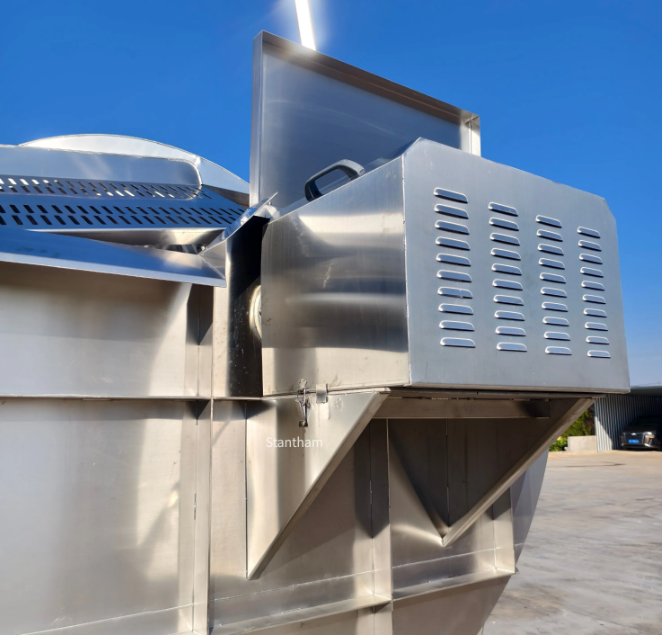
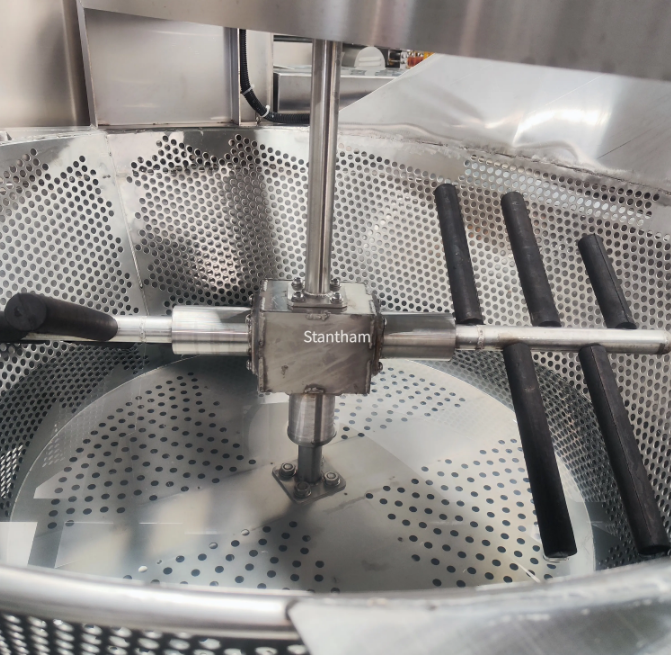
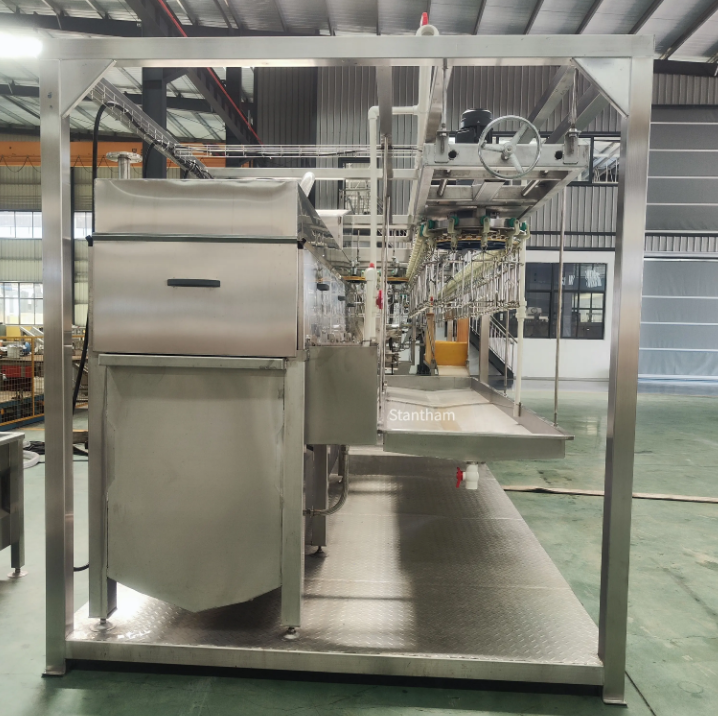
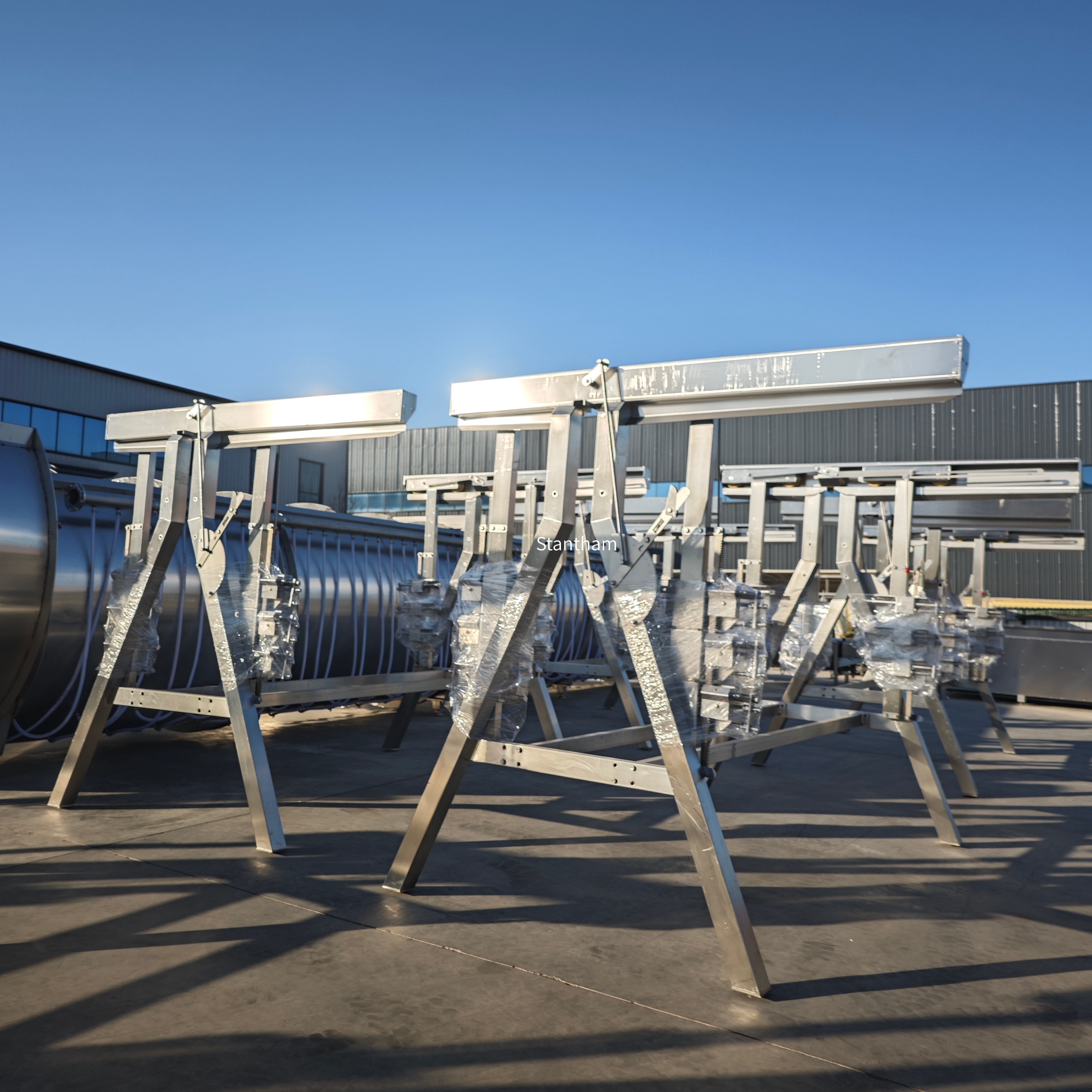
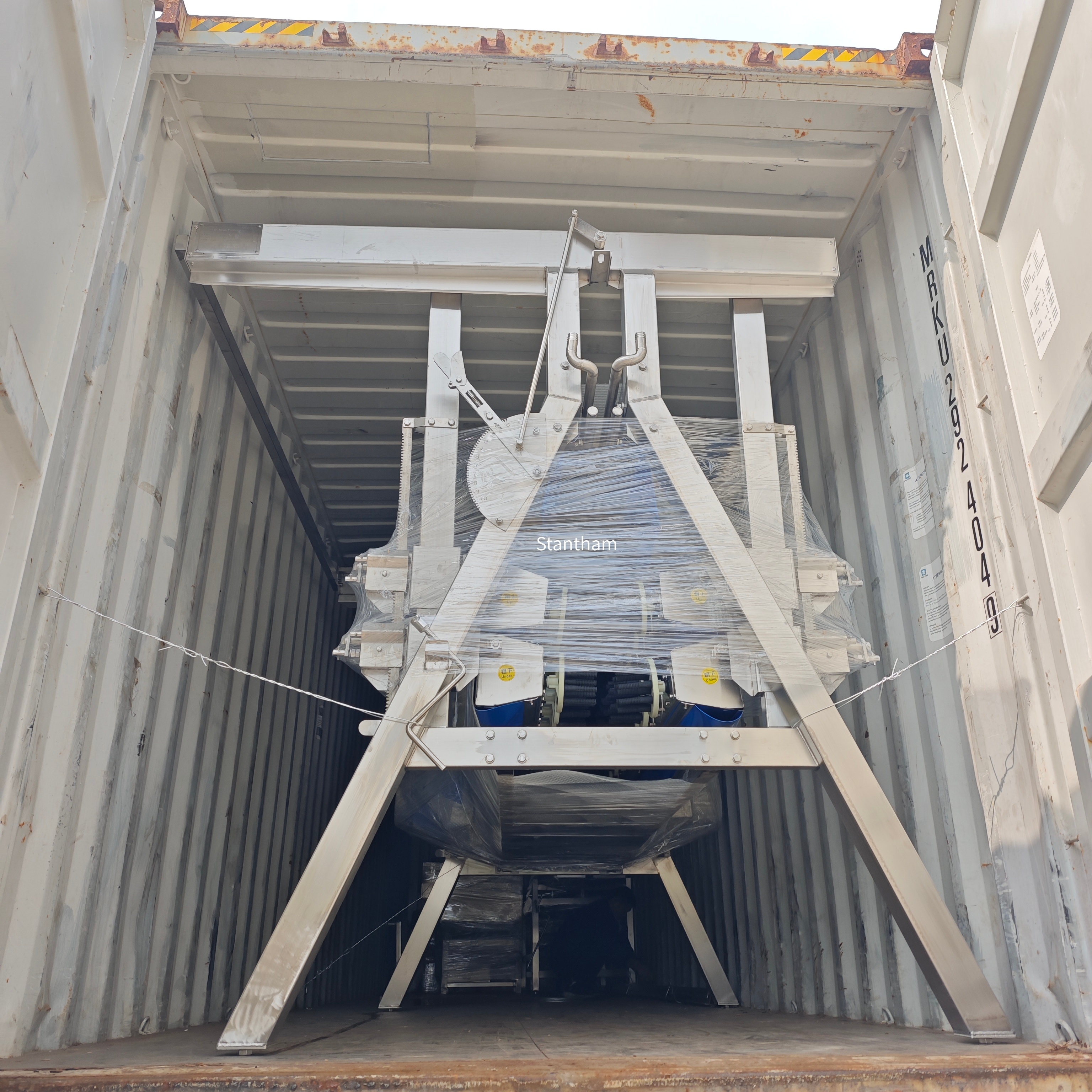
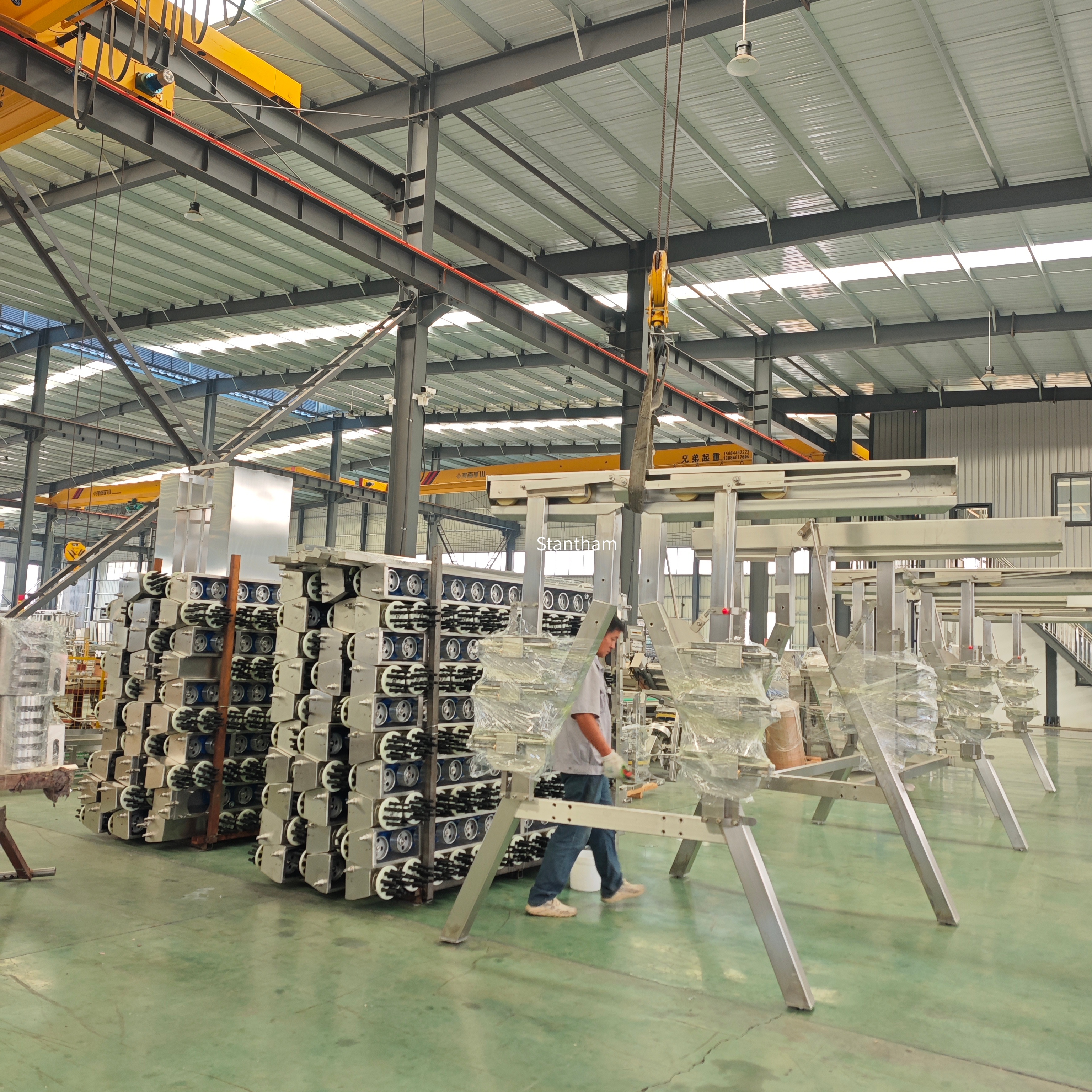
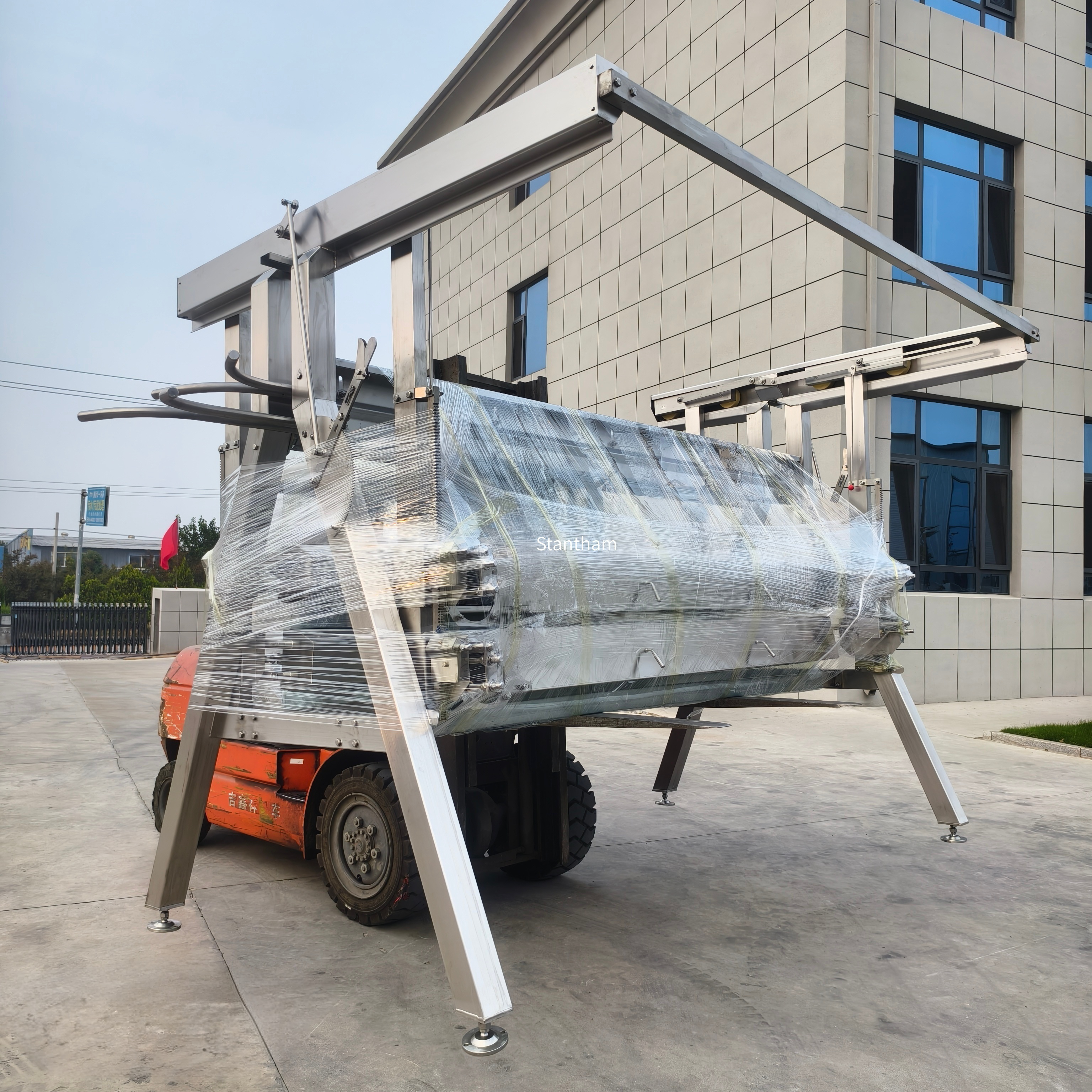
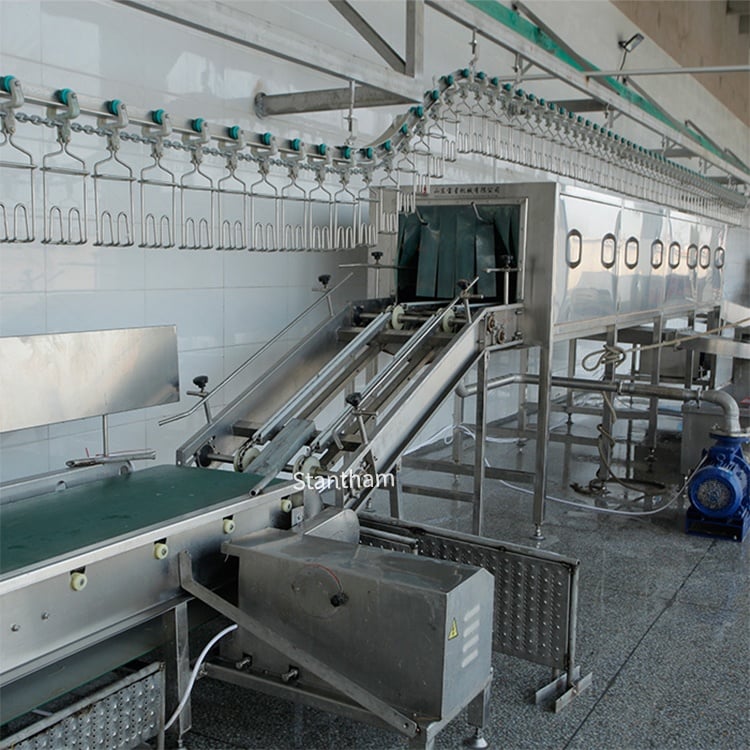
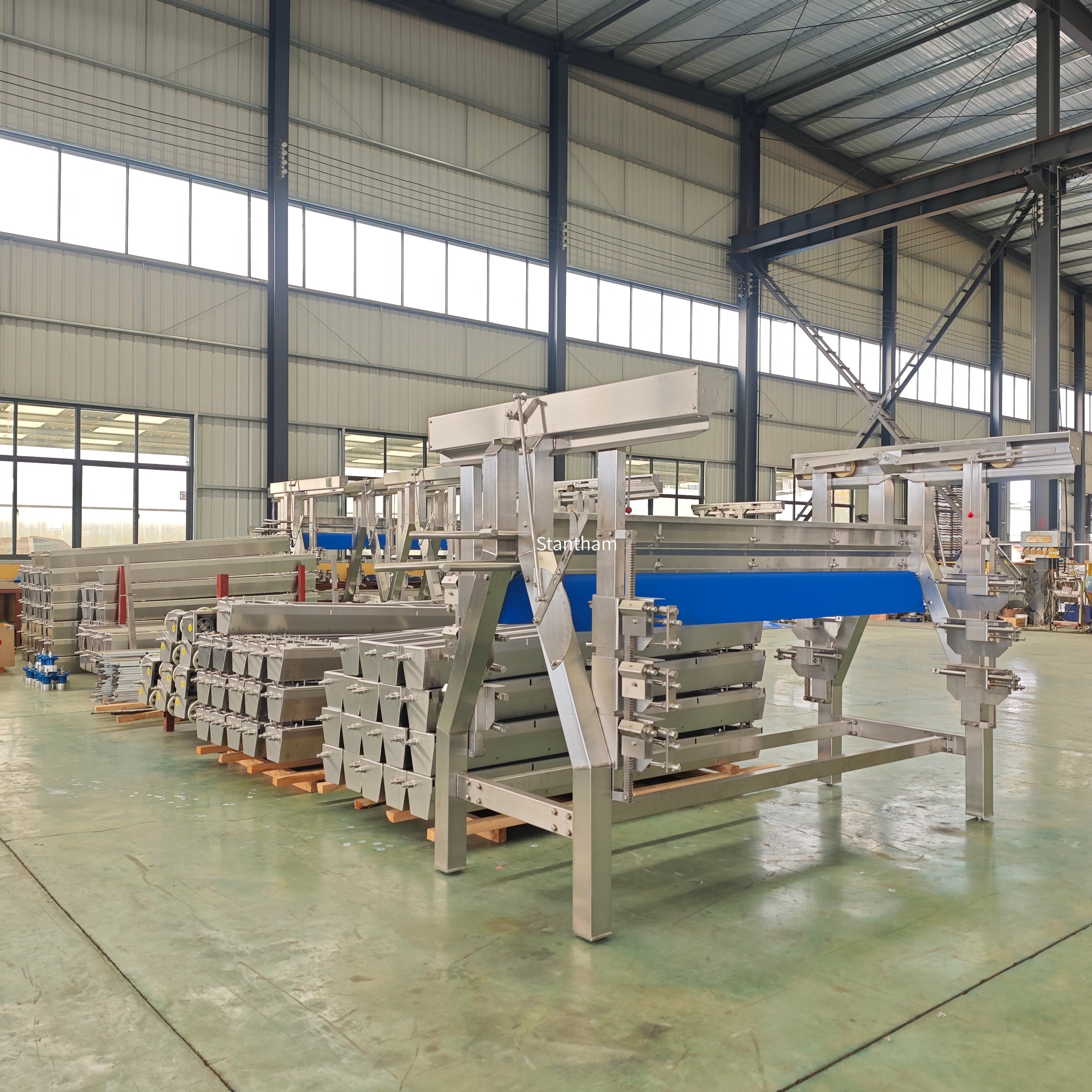
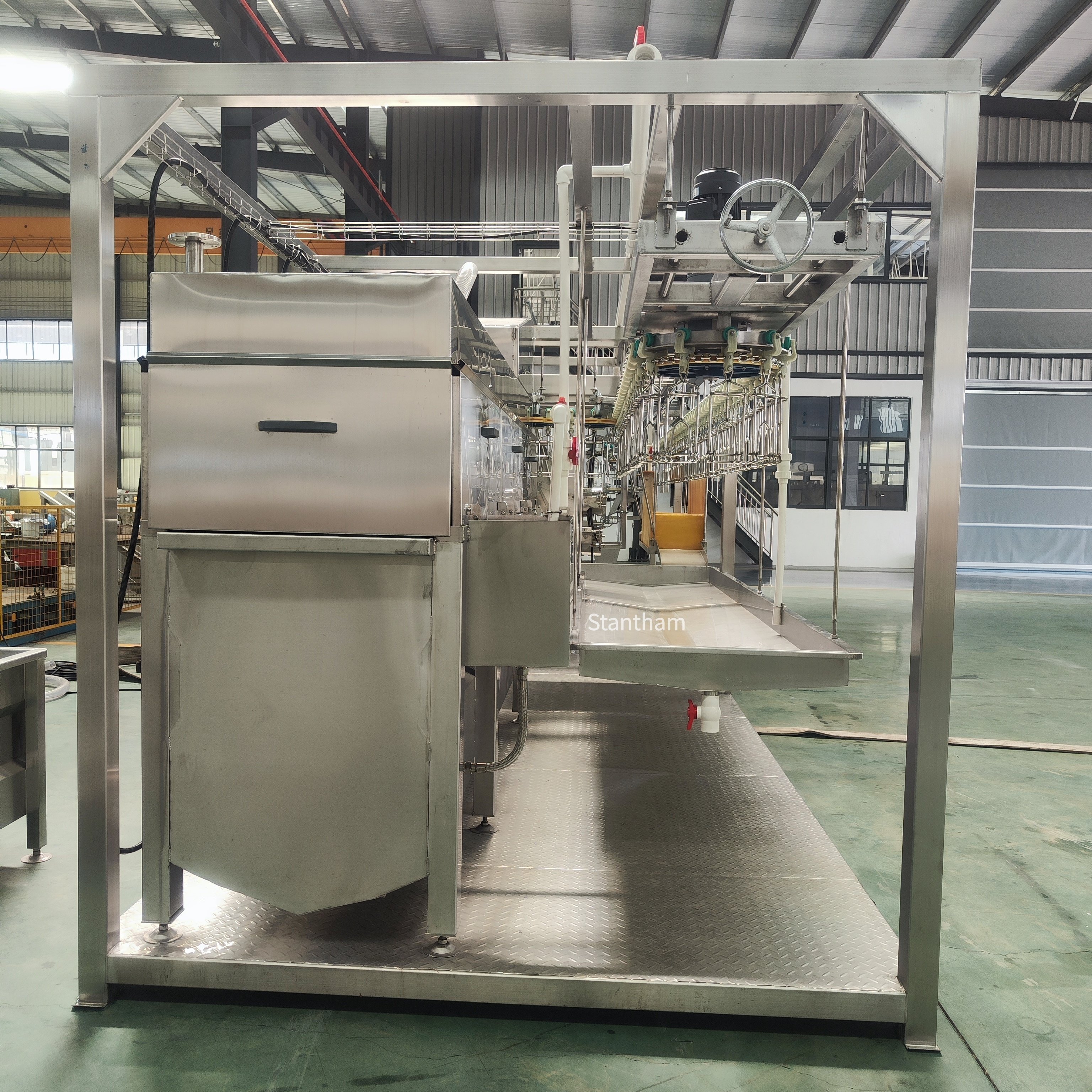
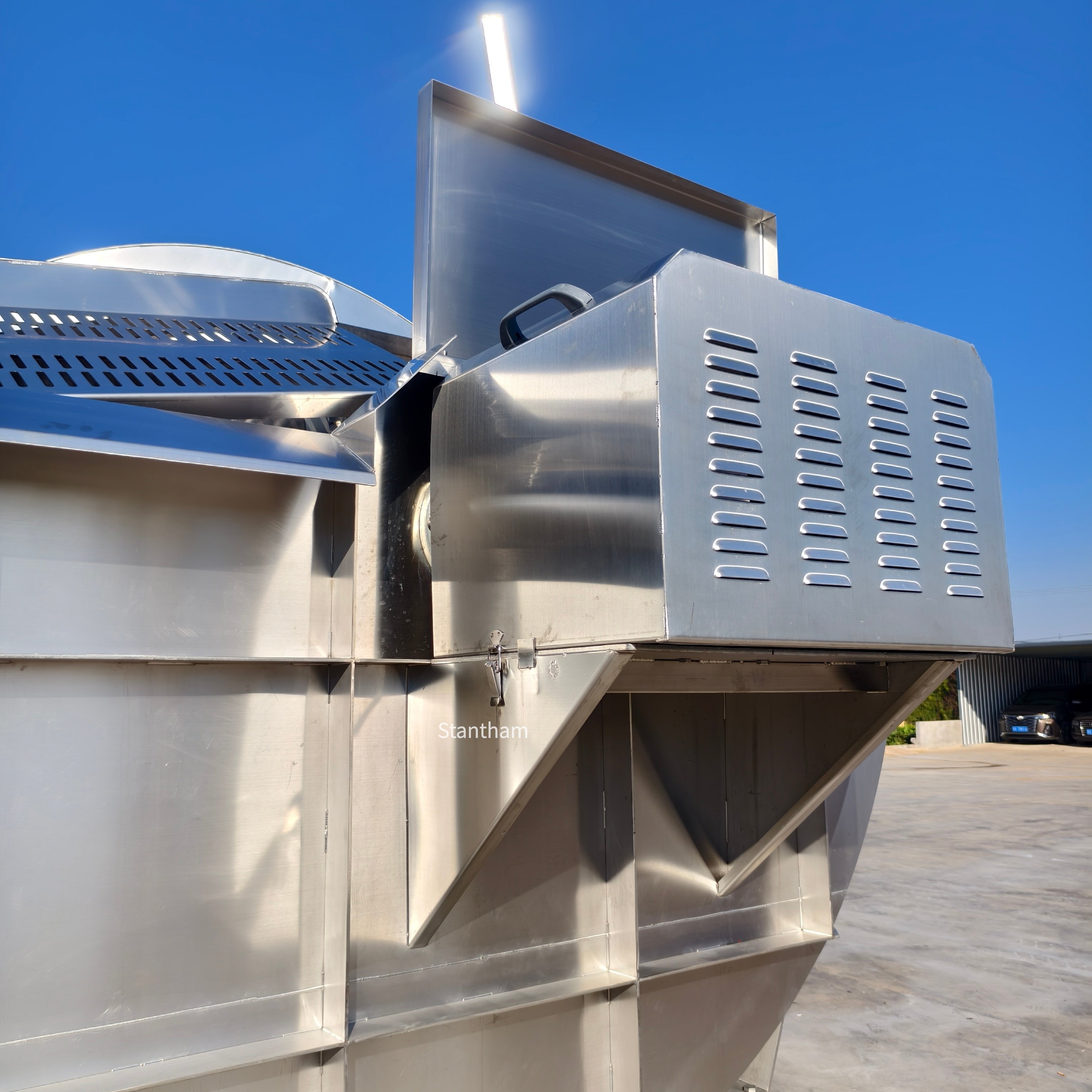
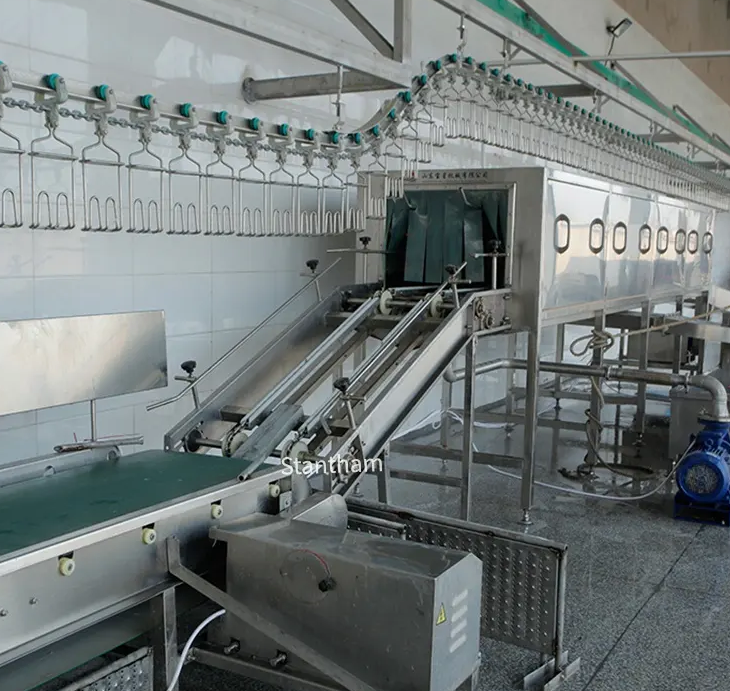
A stainless steel chicken plucker is engineered first for hygiene and audit survival, using 304 and 316 food-grade contact zones that resist corrosion through constant washdown. Batch and inline units run 500 to 4000 birds per hour with passivated surfaces that pass USDA, EU, and Gulf checks on first visit. Operators report fewer biofilm issues and steadier grade A, and the clean finish shortens inspection time. The durable build usually pays back within twenty months on audit savings and reduced downgrades.
Get A Quote

Case Study

Plant In USA

A US plant failed two audits over rust on a coated plucker and lost a USDA contract. Our stainless steel chicken plucker used 304 food-grade contact zones that resisted the daily washdown without corrosion. The plant passed its next USDA audit on first visit, and grade A held steady through the quarter. Biofilm issues dropped because passivated surfaces cleaned faster. The contract returned within a month, and the plant reinvested the saved penalty into a second drum. Payback came in eighteen months on audit and downgrade savings, and the QA lead standardized on stainless plant-wide.

Processor In Spain

A Spanish processor exporting to the EU needed stainless that survived salty washdown. Our stainless steel chicken plucker used 316 marine-grade zones in the wettest sections, outlasting coated drums by years. EU audit preparation dropped to half a day thanks to clean, documented surfaces. Pluck loss held at two percent and grade A rose three points for the export market. The plant dropped manual descaling labor by four workers per shift. Within twenty months the durability gain funded a second evisceration line, and local technicians serviced it without overseas calls.

Exporter In UAE

A UAE exporter needed stainless that passed Gulf hygiene without retrofitting. Our stainless steel chicken plucker used passivated 304 zones and full traceability from pluck to chill. The Gulf inspection passed on first visit, and grade A held at ninety-four percent for whole-bird shipment. The clean finish shortened audit time by a full day per cycle. One operator managed the station after a short demo. Payback came in nineteen months, and the exporter began supplying two new retailers who had rejected its coated-equipment birds before.

Related products

A stainless steel chicken plucker must survive the floor and the inspector, so we build contact zones from 304 and 316 food-grade steel passivated for verified hygiene. We size the unit to your throughput, then commission with operator training and a signed acceptance test. Sealed, washdown-rated drives resist constant cleaning, and passivated surfaces clean faster with fewer biofilm issues. A ten-year spare commitment guards against obsolescence, and regional hubs keep wear parts within seventy-two hours of most ports. When capacity grows, matched stainless drums bolt onto the same frame to lift throughput. Our engineers stay available for annual hygiene audits that protect your export eligibility as standards tighten.

Frequently Asked Questions

What grade steel is used?

Contact zones use 304 and 316 food-grade stainless, with 316 in the wettest sections, passivated for verified hygiene and resistance to corrosion through constant washdown.
Yes. Passivated stainless and full traceability satisfy USDA, EU, and Gulf inspections on first visit, without retrofitting or after-market modifications to the station.
Passivated surfaces clean faster and resist biofilm buildup that coated steel invites, so hygiene stays steadier through peak season and inspection time drops for your crew.
Batch and inline units run 500 to 4000 birds per hour, scaled so the stainless build does not sacrifice the pluck loss and grade A your buyers demand.
Yes. Matched stainless drums bolt onto the same frame to lift throughput as orders rise, protecting the original investment without relaying foundations or extending the hall.

Related article

How does a mobile slaughterhouse bring processing capacity directly to remote poultry farms?

04

Jun

How does a mobile slaughterhouse bring processing capacity directly to remote poultry farms?

Redefining Slaughter Infrastructure for Geographically Dispersed Farms Processing poultry in isolated regions has always been a logistical headache. Fixed slaughterhouses demand large capital outlays, centralized collection routes, and reliable col...
View More
Is a Poultry Chiller Machine Right for Your Facility?

10

Jun

Is a Poultry Chiller Machine Right for Your Facility?

Understanding What a Poultry Chiller Actually Does A poultry chiller machine is not simply a cold water tank. It is a controlled thermal exchange system designed to bring freshly eviscerated carcasses from roughly thirty-five degrees Celsius down t...
View More
Why is proper scalding temperature critical for feather removal efficiency in a chicken abattoir?

17

Jun

Why is proper scalding temperature critical for feather removal efficiency in a chicken abattoir?

The Scalding Window: A Delicate Balance Between Feather Release and Skin Integrity Scalding is the bridge between bleeding and plucking in a chicken abattoir. The birds pass through a tank of heated water, and the heat loosens the feather follicles...
View More
What are the essential components of a complete poultry abattoir equipment set for 2000 birds per hour?

25

Jun

What are the essential components of a complete poultry abattoir equipment set for 2000 birds per hour?

Building for 2,000 Birds Per Hour Scaling a poultry processing operation to 2,000 birds per hour is not about buying bigger versions of the same equipment. It is about rethinking the entire flow from live receiving to chilled carcass. A plant runni...
View More

Customer Testimonials

D. Murphy

We lost a USDA contract to rust on a coated plucker; this stainless steel chicken plucker used 304 food-grade zones that resisted washdown without corrosion. We passed the next audit on first visit, grade A held steady, and biofilm dropped as passivated surfaces cleaned faster. The contract returned within a month and payback came in eighteen months on audit and downgrade savings. Our QA lead standardized on stainless plant-wide.

R. Gomez

As a Spanish EU exporter, we needed stainless that survived salty washdown. This stainless steel chicken plucker used 316 marine-grade zones that outlasted coated drums by years. EU audit prep dropped to half a day, pluck loss held at two percent, and grade A rose three points. We dropped four descaling workers per shift, and payback in twenty months funded a second evisceration line. Local techs service it without overseas calls.

Get a Free Quote

Our representative will contact you soon.
Email
Name
Company Name
Mobile/WhatsApp
Message
0/1000
Audit-Ready By Design

Audit-Ready By Design

Audits fail on surfaces, not promises, so a stainless steel chicken plucker builds contact zones from food-grade steel passivated for verified hygiene. Owners report passing USDA, EU, and Gulf checks on first visit instead of after costly fixes. The clean, documented surface also shortens inspection time and protects contracts that rust can void. Buyers gain a station engineered for the inspector, not just the floor. This focus protects the revenue that a single failed audit can erase.
Outlasts Coated Steel

Outlasts Coated Steel

Coated drums rust and flake under constant washdown, so stainless contact zones and sealed drives are the core of the design rather than an upgrade. Plants report the unit outlasting coated imports by years through humid, salty, and high-pressure conditions. Less corrosion means fewer swaps and steadier grade A through peak season. Owners gain a plucker that survives the floor instead of fighting it, protecting uptime and the export eligibility that audits enforce.
Grows Without Rust

Grows Without Rust

Demand and standards both rise, so the stainless plucker is modular to absorb changes without corrosion risk. When orders grow, matched stainless drums bolt onto the same frame to lift capacity without relaying foundations. Standardized food-grade stations keep the hygienic finish consistent as the line expands. Common spare parts simplify inventory across old and new sections. Plants scale from regional to multi-destination export volume on one coordinated system that protects the first investment.

Get a Free Quote

Our representative will contact you soon.
Email
Name
Company Name
Mobile/WhatsApp
Message
0/1000