Poultry Plucking Equipment: 2% Loss, 10-Min Change & ROI in 18 Months

+86-18866172299
All Categories
The Heart Of Clean Defeathering

The Heart Of Clean Defeathering

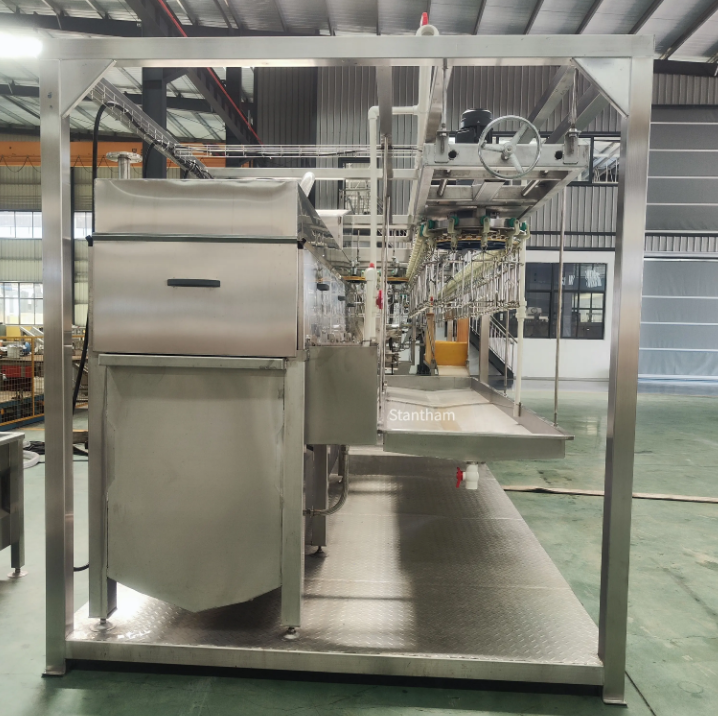
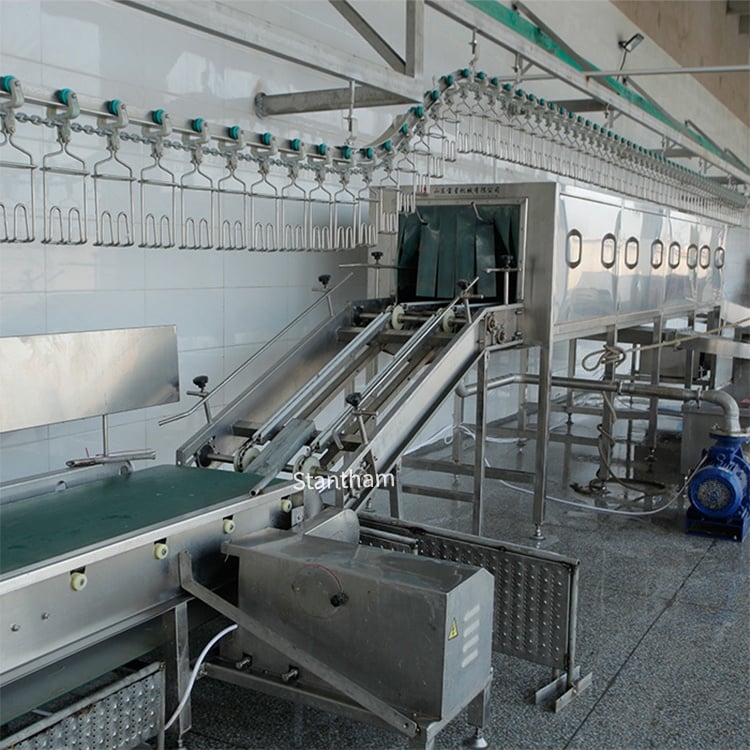
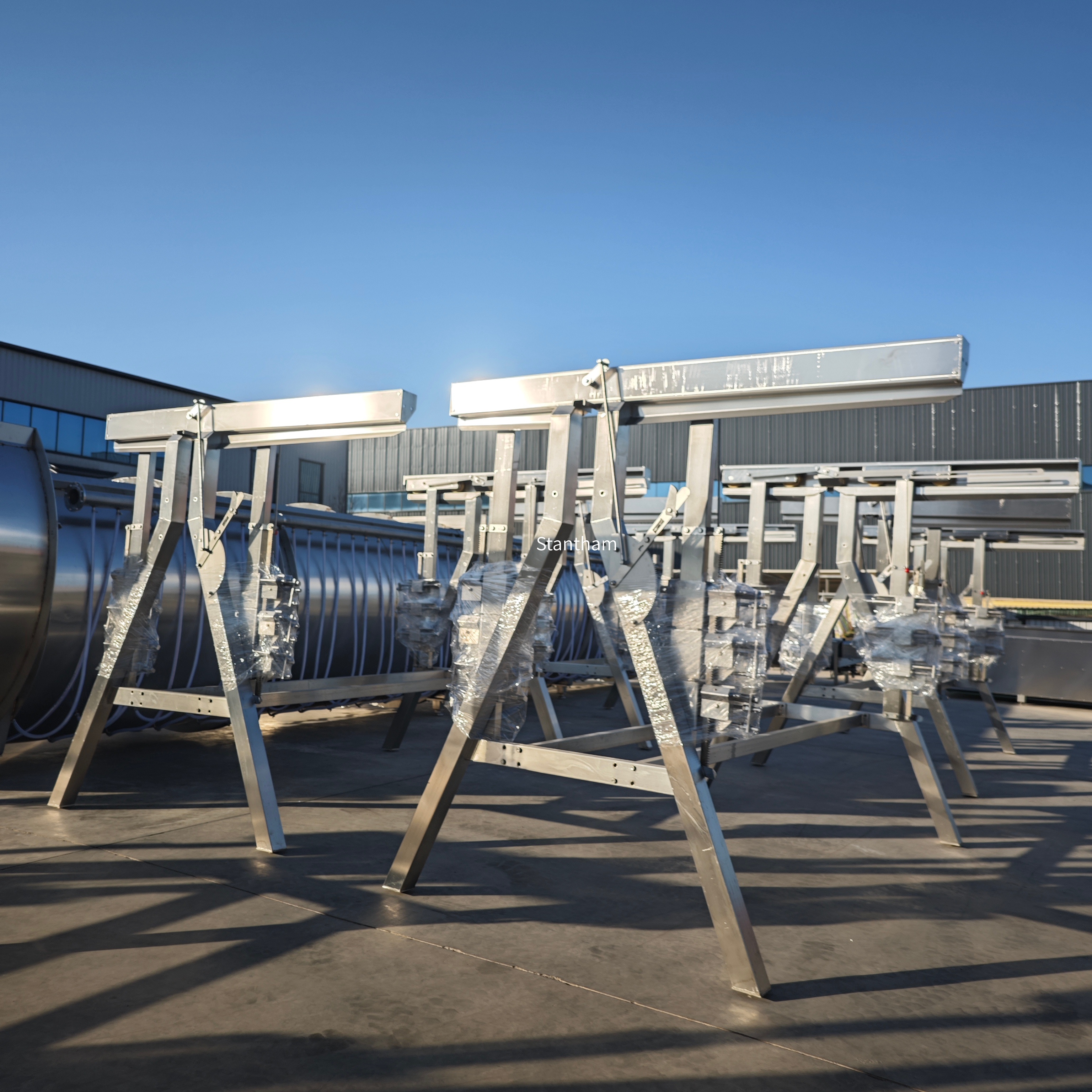
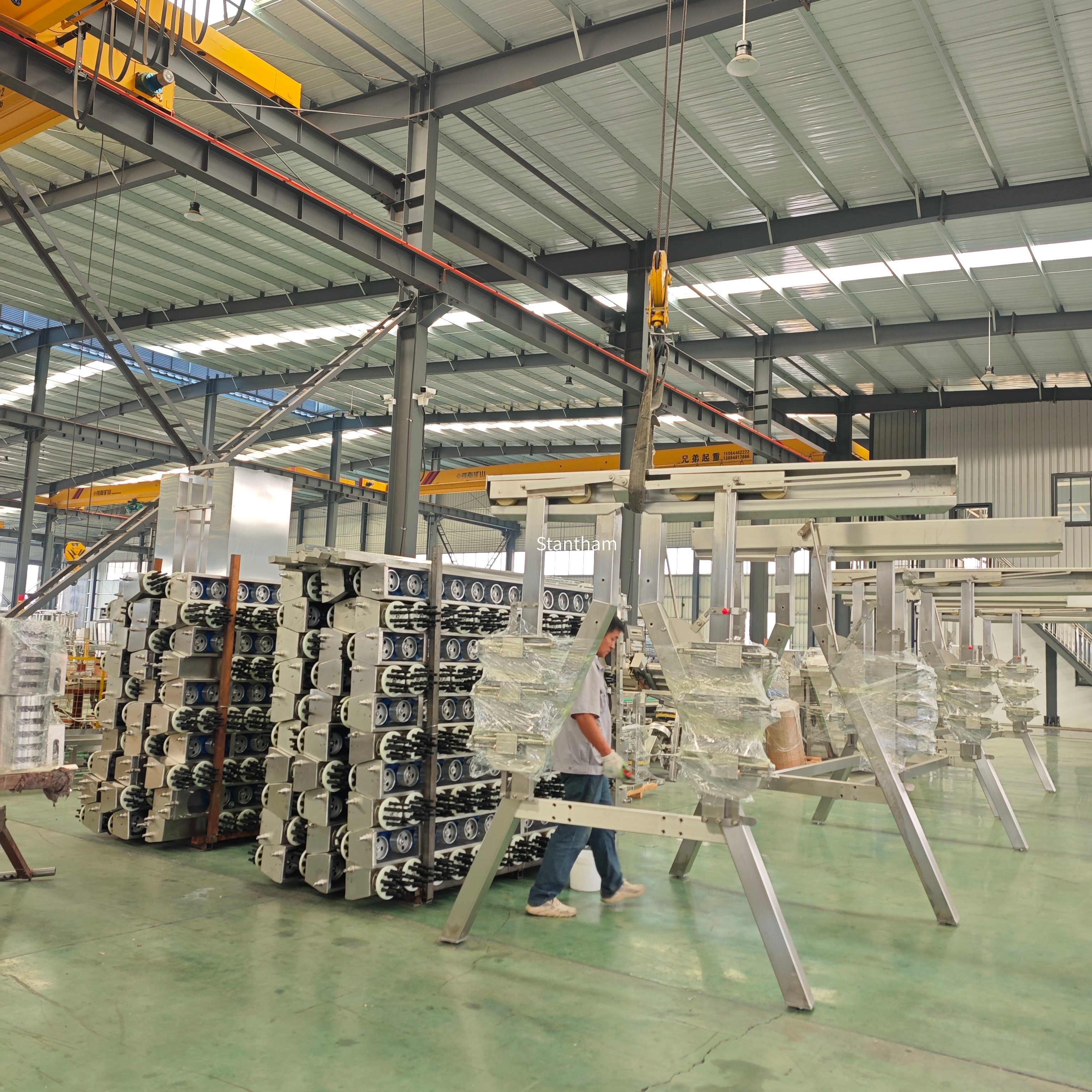
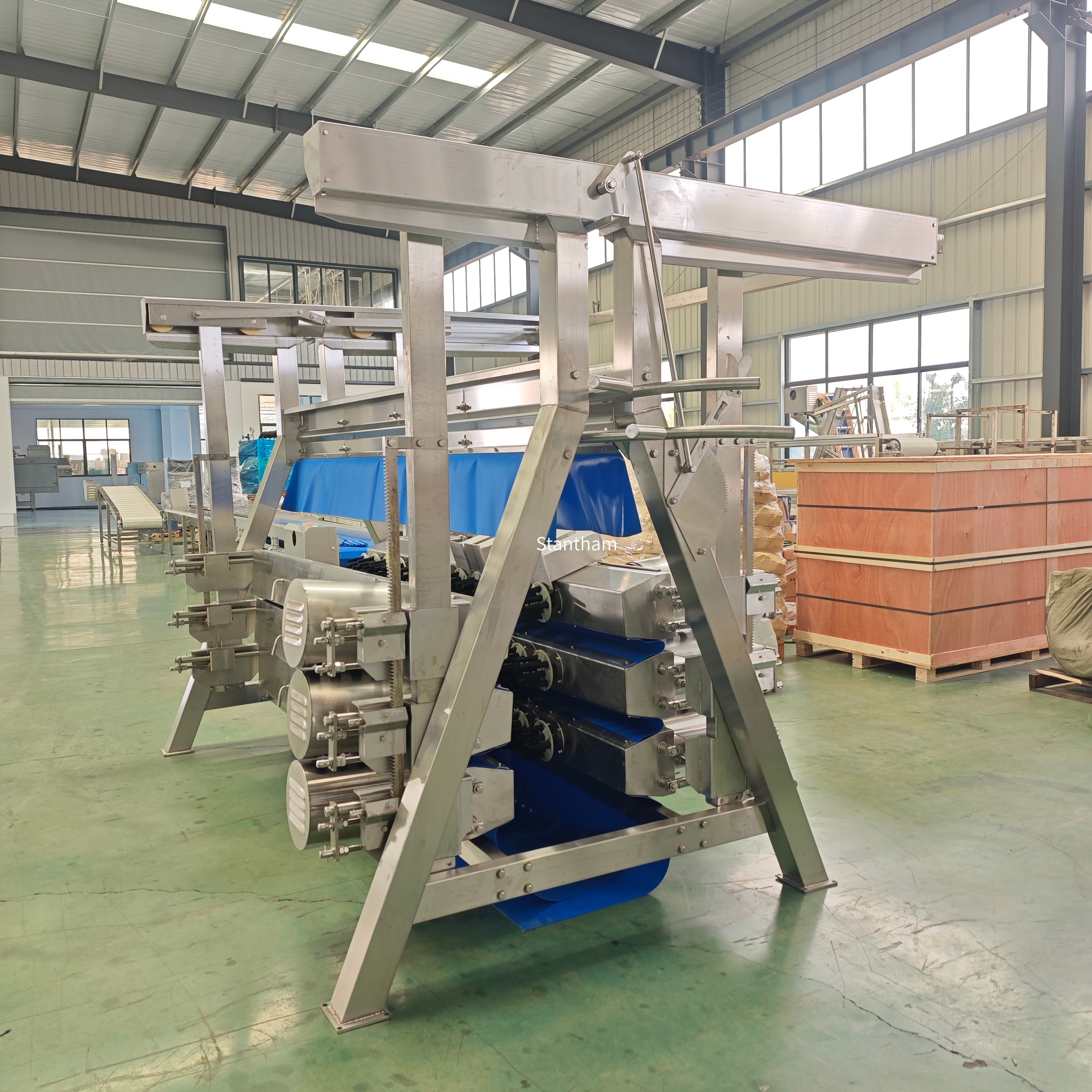
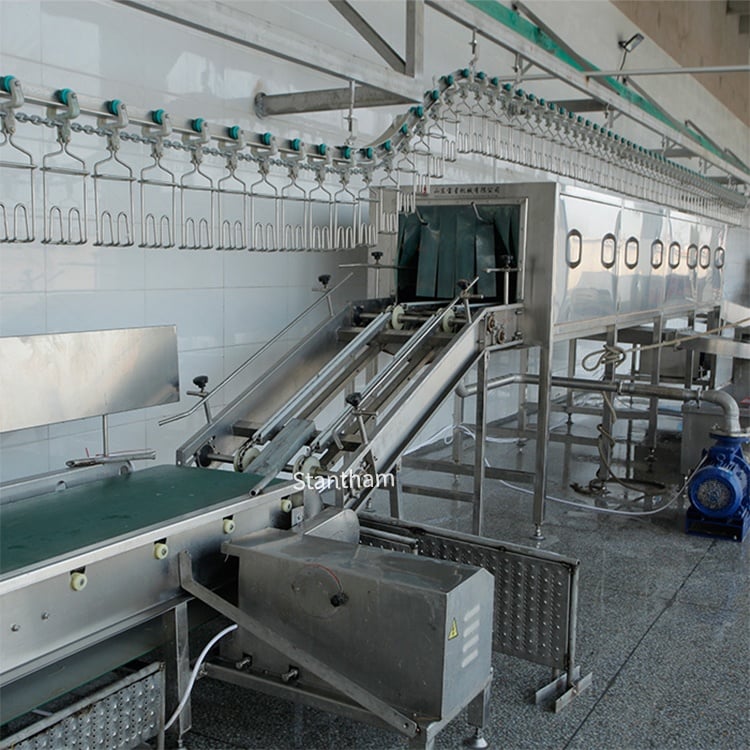
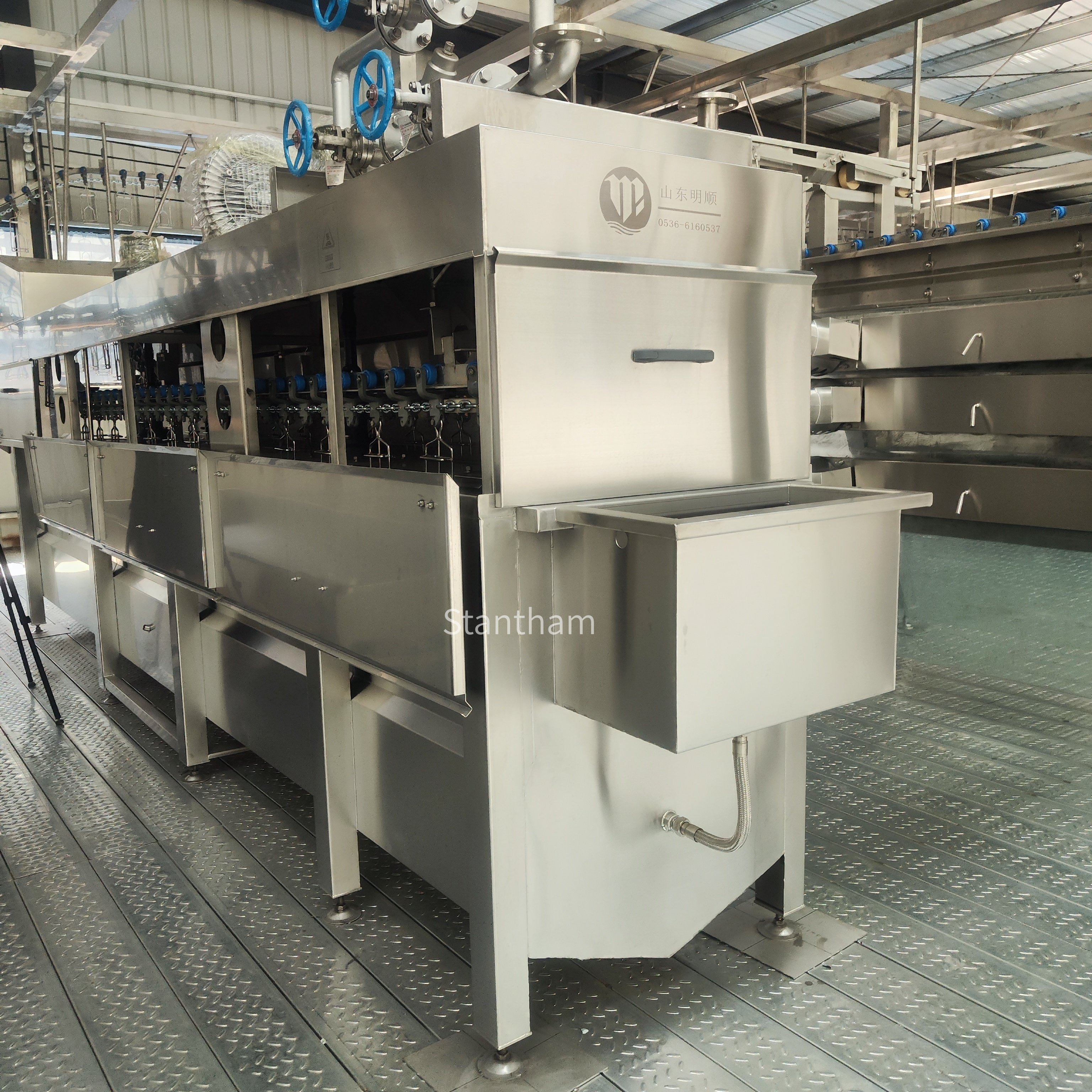
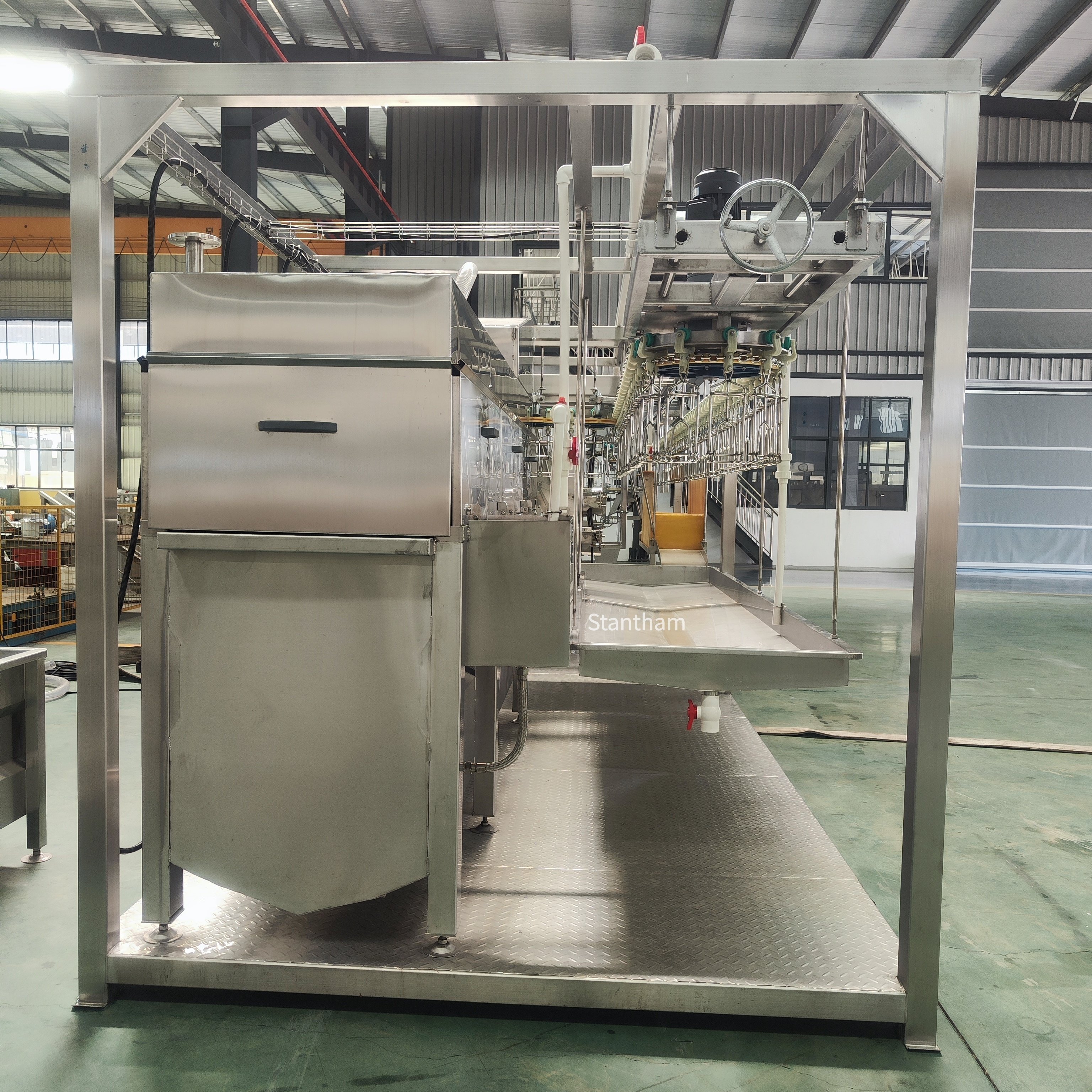
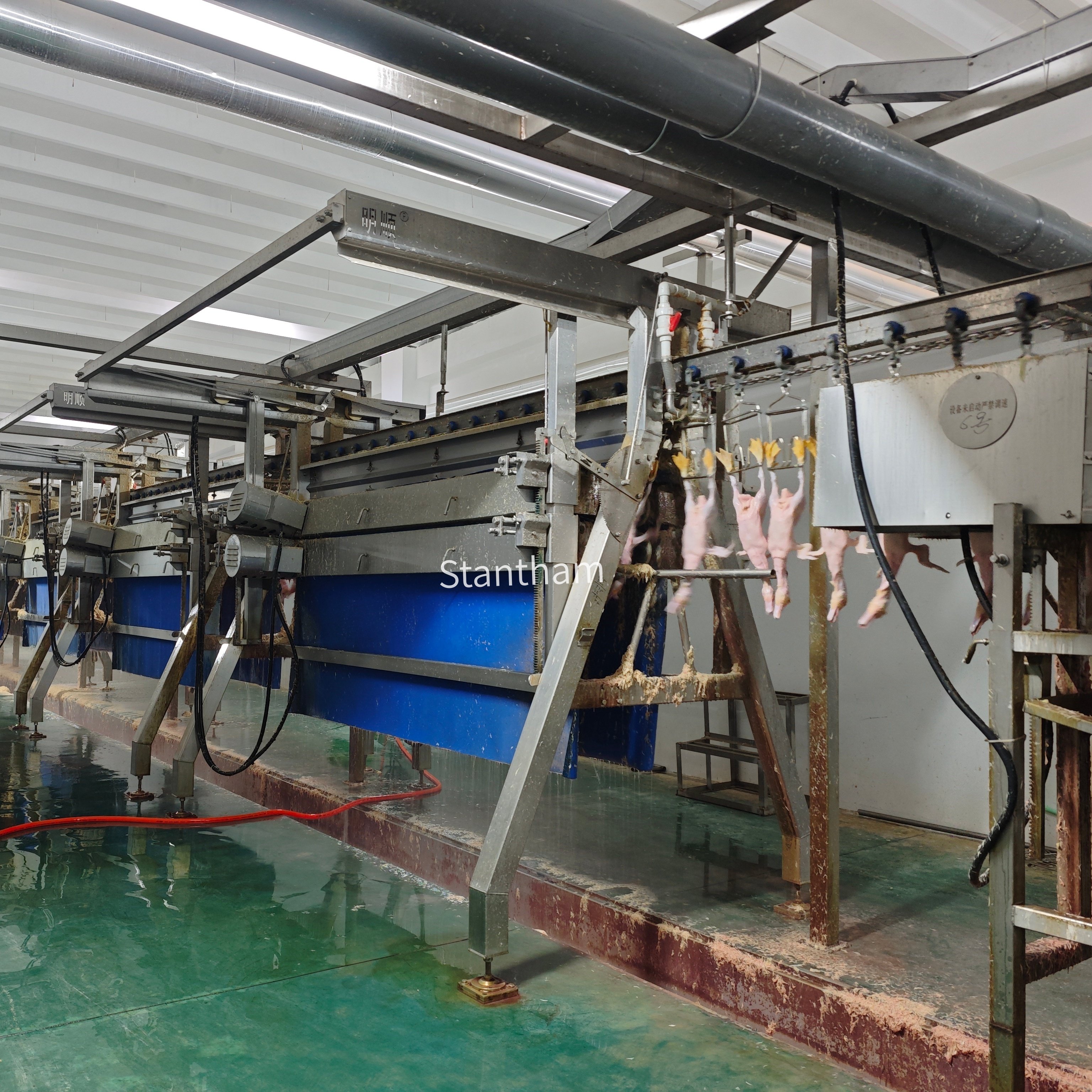
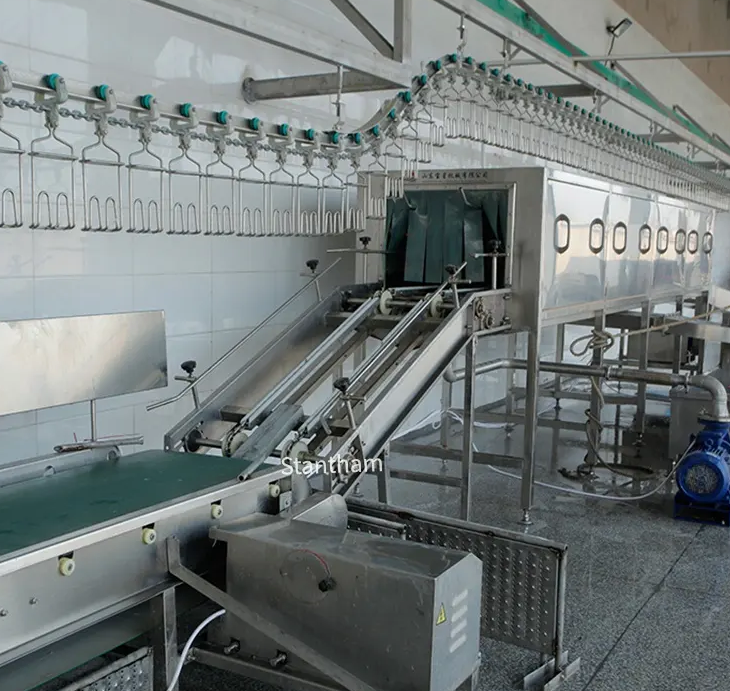
Poultry plucking equipment decides your final yield and appearance more than any other station, so we build it around durable rubber fingers and precise drum speed. Mid-commercial plants running 500 to 1000 birds per hour cut pluck loss below two percent with the right finger hardness. Stainless housings resist the constant washdown, and quick-swap finger plates keep downtime under ten minutes per change. Operators report cleaner carcasses with less manual touch-up, lifting grade A share. The equipment usually pays back within eighteen months on reduced labor and downgrade losses.
Get A Quote

Case Study

Plant In Vietnam

A Vietnamese plant running 800 birds per hour fought high pluck loss and constant finger breakage on cheap import drums. Our poultry plucking equipment used tuned rubber fingers and a stainless drum that resisted the daily washdown. Pluck loss dropped from five to under two percent, and finger changes fell to one per month. Grade A share rose nine points because carcasses needed less manual touch-up. Downtime per change dropped to eight minutes. The plant met a Japanese buyer's appearance spec on the first shipment. Payback came in seventeen months on labor and downgrade savings, and the maintenance chief standardized on our fingers plant-wide.

Processor In Egypt

An Egyptian processor needed plucking that survived hard-water scaling and high humidity. Our poultry plucking equipment used corrosion-resistant stainless and sealed bearings that outlasted the previous import by three times. Pluck loss held at two percent through the summer peak, and grade A stayed steady for Gulf export. Finger plates swapped in under ten minutes, keeping the line moving during ramadan demand spikes. The plant dropped manual touch-up labor by four workers per shift. Within eighteen months the durability gain funded a second plucking drum, and local technicians serviced bearings without overseas calls.

Farm Processor In Mexico

A Mexican family processor running 500 birds per hour wanted to stop buying replacement fingers every week. Our poultry plucking equipment used a harder rubber compound tuned to broiler skin, cutting finger wear by seventy percent. Pluck loss fell to two percent and grade A rose seven points at the local market. Quick-swap plates meant one person changed fingers in nine minutes between flocks. The owner reinvested the savings into a chill tank. Payback came in sixteen months, and neighboring farms began buying the same fingers after seeing the cleaner carcasses at the weekly market.

Related products

Poultry plucking equipment lives or dies on finger life and drum balance, so we engineer both around your bird size and throughput before fabrication. We model finger hardness, drum speed, and washdown cycles, then commission with operator training and a signed acceptance test. Stainless housings are passivated for food safety, and quick-swap finger plates let your crew change wear parts in under ten minutes without special tools. A ten-year spare commitment guards against obsolescence, and regional hubs keep fingers within seventy-two hours of most ports. When capacity grows, matched drums bolt onto the same frame to lift throughput. Our engineers stay available for annual hygiene checks that protect uptime and your export eligibility.

Frequently Asked Questions

What capacity do the drums handle?

Mid-commercial drums run 500 to 1000 birds per hour, tuned so finger speed and hardness match your bird size without raising pluck loss or carcass damage.
With our tuned rubber compound, fingers typically last a month in daily use, and quick-swap plates let one person change them in under ten minutes between flocks.
Yes. Stainless housings and sealed bearings are built for constant high-pressure washdown and humid conditions, outlasting cheap imports by several times in most plants.
Correctly tuned equipment holds pluck loss below two percent, lifting grade A share and cutting the manual touch-up labor that erodes margin on the floor.
Yes. Matched drums bolt onto the same frame to lift throughput as orders grow, protecting the original investment without relaying foundations or extending the hall.

Related article

How does a mobile slaughterhouse bring processing capacity directly to remote poultry farms?

04

Jun

How does a mobile slaughterhouse bring processing capacity directly to remote poultry farms?

Redefining Slaughter Infrastructure for Geographically Dispersed Farms Processing poultry in isolated regions has always been a logistical headache. Fixed slaughterhouses demand large capital outlays, centralized collection routes, and reliable col...
View More
What are the essential components of a complete poultry abattoir equipment set for 2000 birds per hour?

25

Jun

What are the essential components of a complete poultry abattoir equipment set for 2000 birds per hour?

Building for 2,000 Birds Per Hour Scaling a poultry processing operation to 2,000 birds per hour is not about buying bigger versions of the same equipment. It is about rethinking the entire flow from live receiving to chilled carcass. A plant runni...
View More
How does chicken slaughter equipment with an integrated bleeding tunnel improve blood drainage efficiency?

03

Jul

How does chicken slaughter equipment with an integrated bleeding tunnel improve blood drainage efficiency?

The Bleeding Tunnel: More Than Just a Conveyor Walk into any medium-to-large poultry processing facility, and the bleeding section tells a story about the operation's overall discipline. Some plants run tight, clean lines where carcasses move through...
View More
Advanced Optimization of Custom Chicken Slaughter Equipment

10

Jul

Advanced Optimization of Custom Chicken Slaughter Equipment

The Customization Imperative in Poultry Processing Poultry processing lines look similar from a distance—shackles, conveyors, scalders, pluckers, evisceration stations. But step closer and the differences become obvious. One plant runs 12,000 b...
View More

Customer Testimonials

L. Nguyen

We fought finger breakage every week on cheap import drums; this poultry plucking equipment used tuned rubber and a stainless drum that survived the washdown. Pluck loss dropped from five to under two percent and grade A rose nine points with less touch-up. Finger changes take eight minutes, and we met a Japanese buyer's appearance spec on the first shipment. Payback came in seventeen months on labor and downgrade savings.

K. Farouk

In our humid Egyptian plant, import bearings failed fast; this equipment's sealed bearings outlasted them three times and pluck loss held at two percent through summer. Finger plates swap in under ten minutes during ramadan spikes, and we dropped four touch-up workers per shift. Payback in eighteen months funded a second drum, and local techs service it without overseas calls.

Get a Free Quote

Our representative will contact you soon.
Email
Name
Company Name
Mobile/WhatsApp
Message
0/1000
Fingers Decide Yield

Fingers Decide Yield

In plucking, the rubber finger is the product, so we tune hardness and length to your bird skin rather than shipping a generic drum. Correctly matched fingers cut pluck loss below two percent and lift grade A share by several points without damaging the carcass. Operators spend less time on manual touch-up, freeing labor for grading and packing. Buyers gain a station built around yield, not just speed. This focus protects the value of every bird that reaches the chill tank.
Built For Washdown

Built For Washdown

Plucking stations live in constant water and chemicals, so stainless housings and sealed bearings are not optional extras but the core of the design. Plants report import drums failing within months while our equipment runs for years through humid, hard-water, and high-pressure conditions. Less corrosion means fewer bearing swaps and steadier grade A through peak season. Owners gain a station that survives the floor instead of fighting it, protecting uptime and the audit results that exports depend on.
Change In Minutes

Change In Minutes

Downtime during flock change is lost money, so quick-swap finger plates let one person replace wear parts in under ten minutes without special tools. Plants keep the line moving through demand spikes instead of stopping for maintenance. Standardized plates simplify inventory and training across multiple drums. The approach protects daily throughput and lets a small crew manage a larger line. Owners gain a plucking station engineered for the rhythm of real commercial processing, not a showroom demo.

Get a Free Quote

Our representative will contact you soon.
Email
Name
Company Name
Mobile/WhatsApp
Message
0/1000