Poultry Processing Unit: Plug-and-Play Modular Slaughter Lines

+86-18866172299
All Categories
Compact and Scalable Poultry Processing Units for Rapid Production Launch

Compact and Scalable Poultry Processing Units for Rapid Production Launch

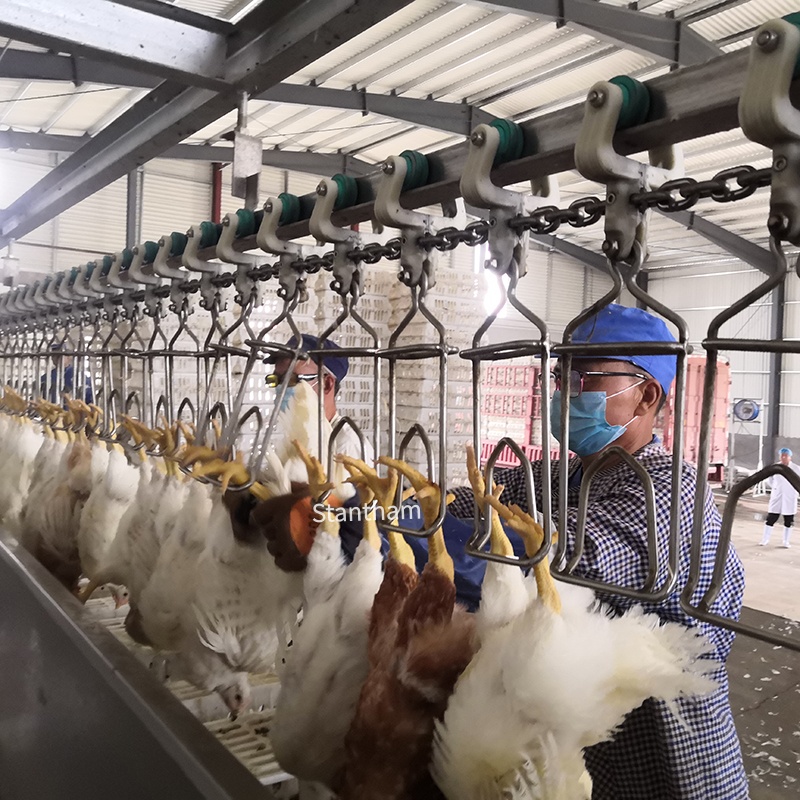
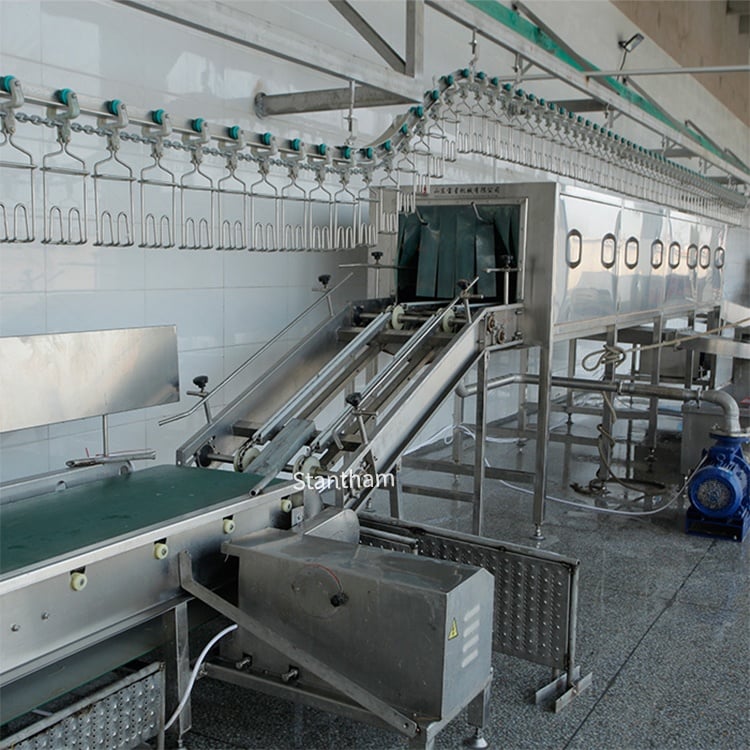
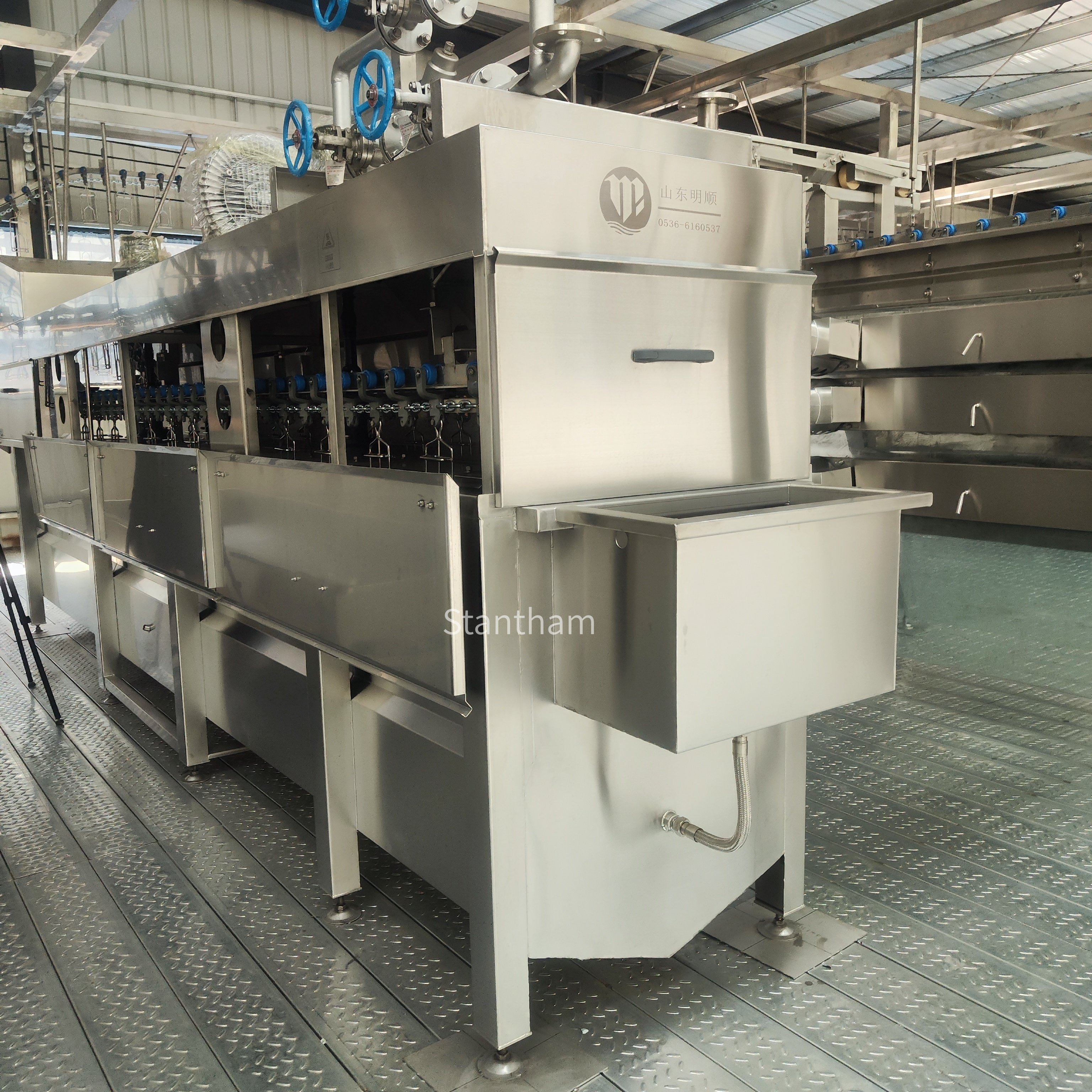
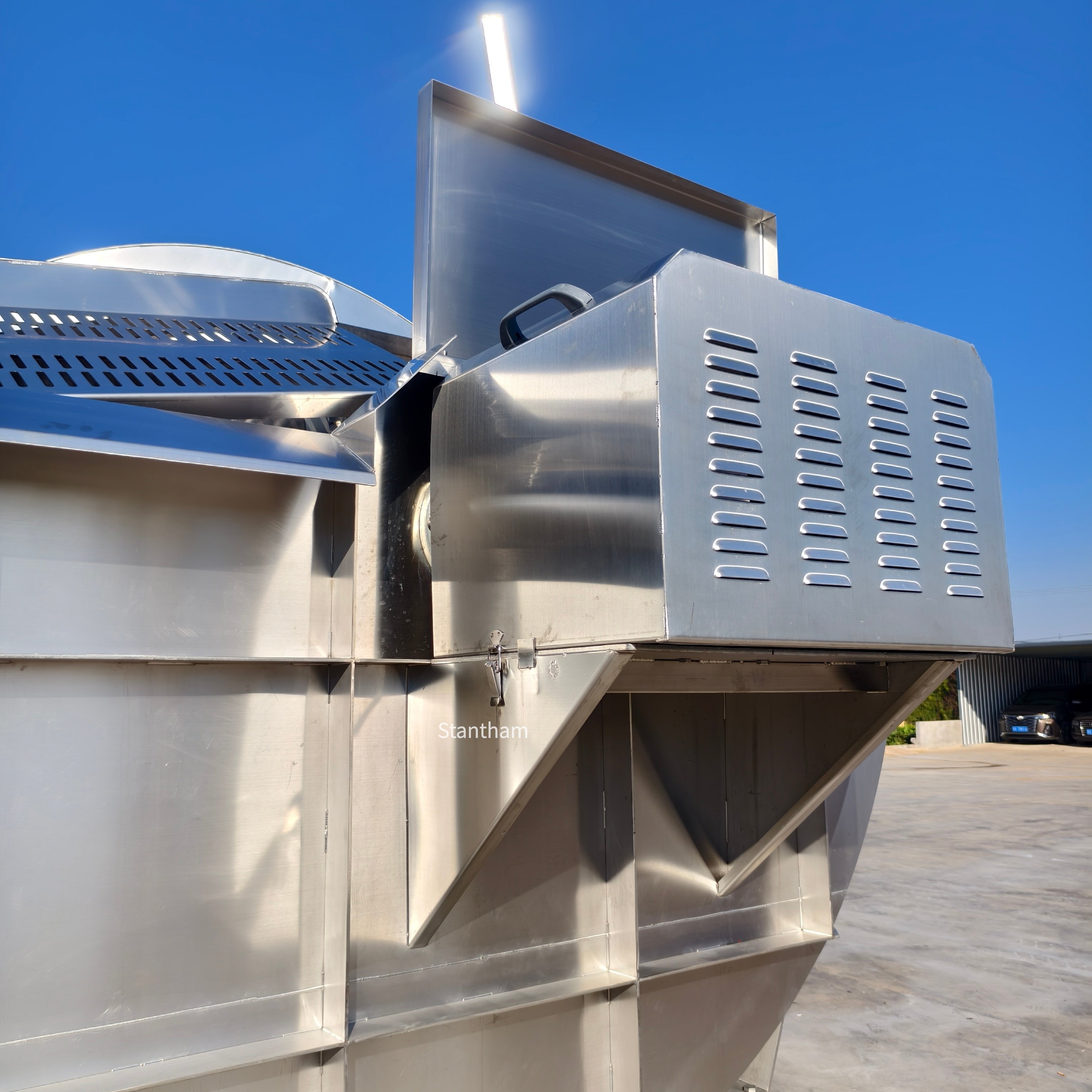
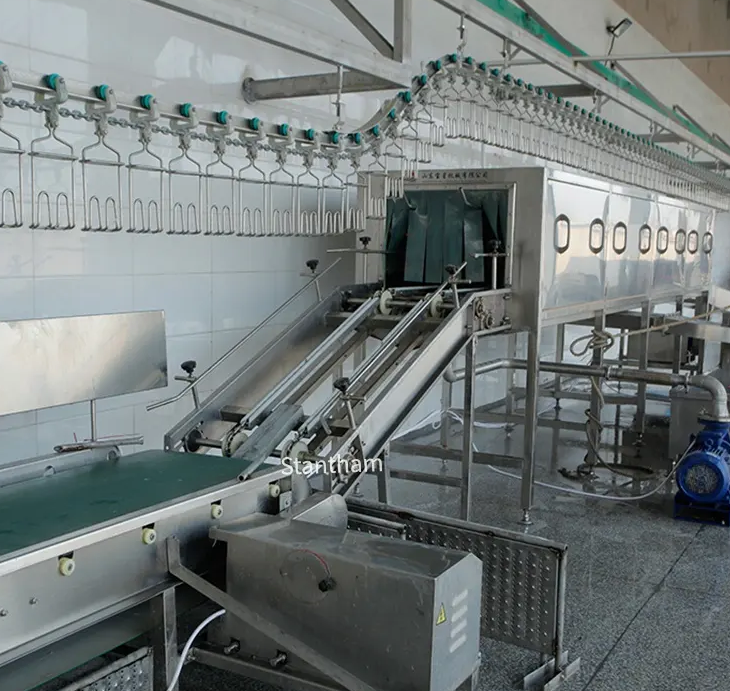
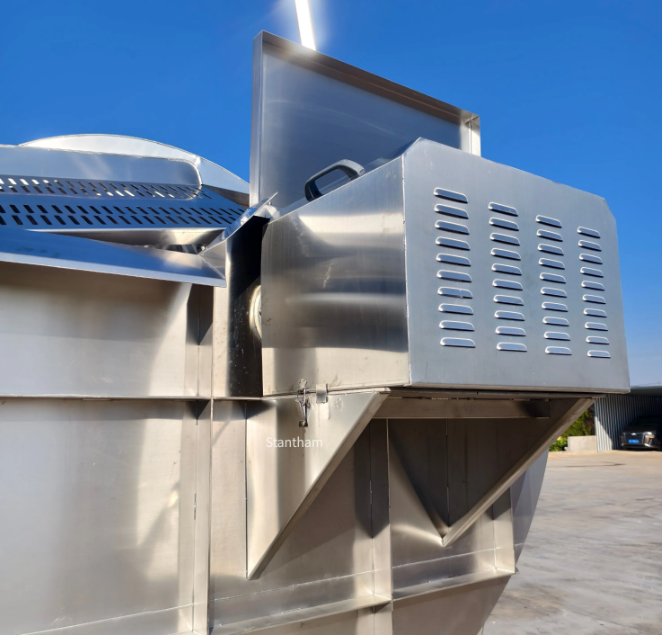
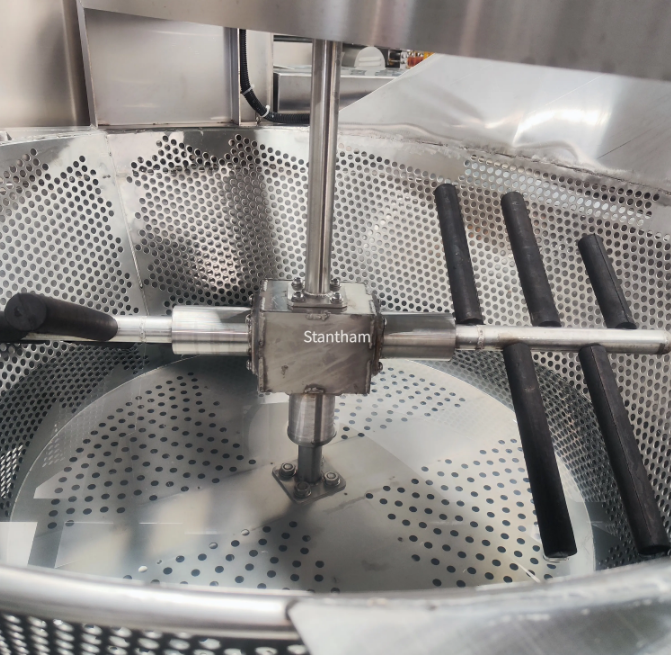
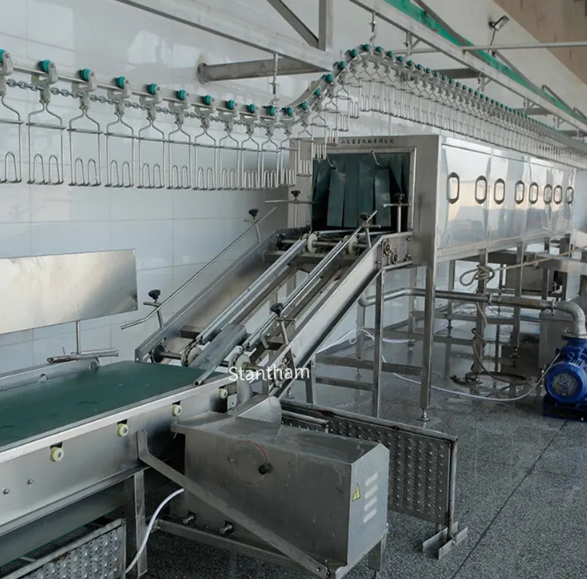
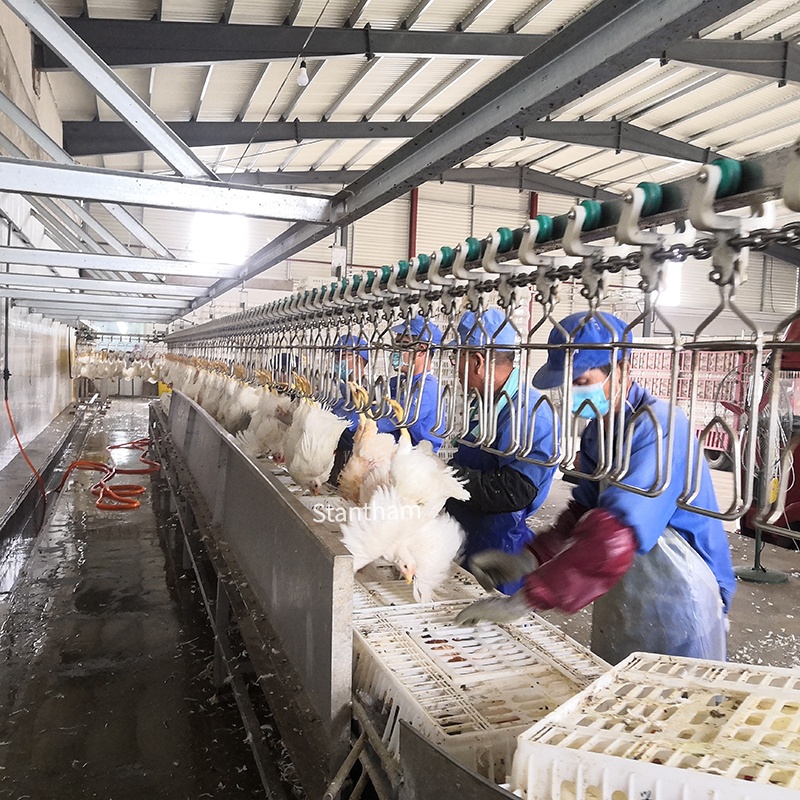
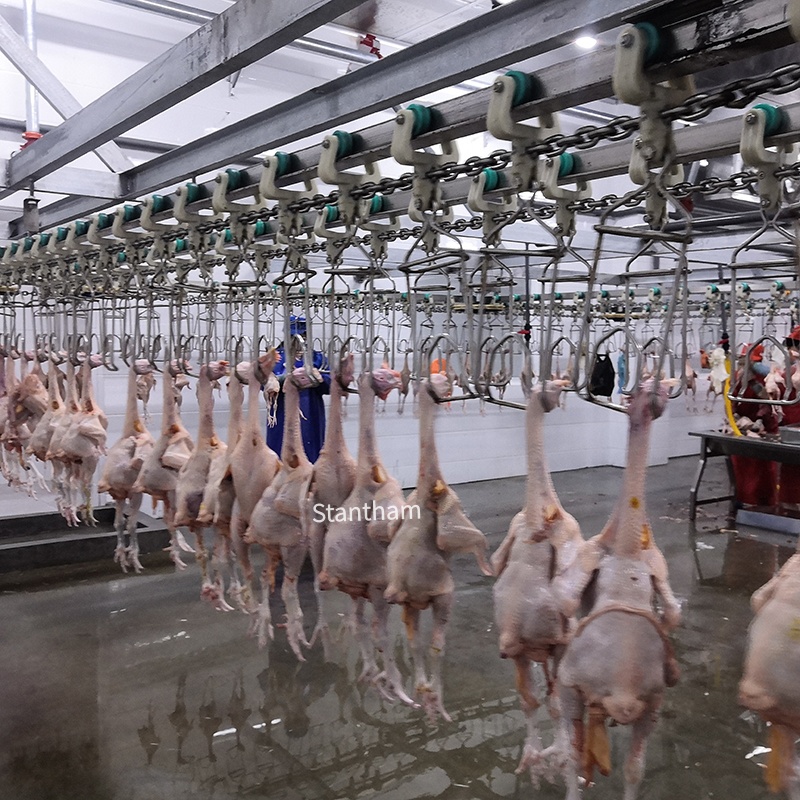
A poultry processing unit from Turnkey Slaughter delivers a fully functional slaughter and dressing facility in a pre-engineered, modular footprint. Ideal for smallholders, cooperatives, and processors testing new markets, these units eliminate the complexity of coordinating multiple equipment suppliers. Every module arrives pre-piped, pre-wired, and factory-tested, compressing on-site setup from months to a remarkably short period. One farmer cooperative in Kenya transitioned from manual backyard slaughter to a hygienic, inspected unit and secured a supply contract with a regional supermarket chain within weeks of commissioning. The integrated design includes stunning, scalding, plucking, evisceration, and chilling in a synchronized flow that dramatically reduces labor while improving carcass quality. Stainless steel construction and sloped surfaces meet international sanitation standards, and integrated water heating and chilling systems minimize utility connections. The unit’s small
Get A Quote

Case Study

Ugandan Cooperative Enters the Formal Market

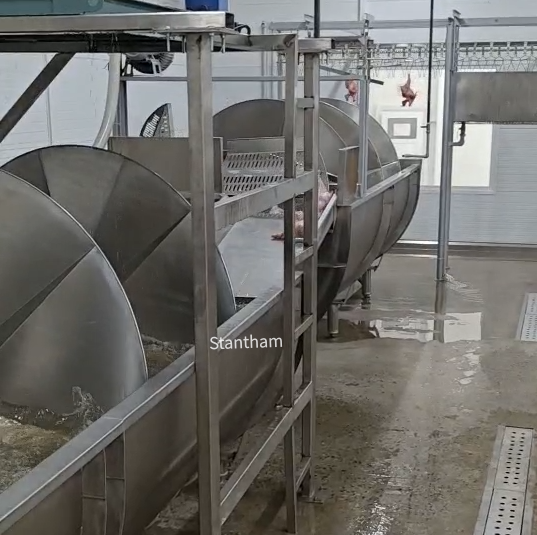
A women-run poultry cooperative near Kampala raised quality birds but sold them live to traders who dictated low prices. Installing our poultry processing unit allowed them to sell chilled, packaged chicken directly to local hotels and supermarkets. The unit’s simple water and electrical connections meant the local technician could commission it quickly, and our remote training got the team operational without expensive on-site visits. Within the first operating month, the cooperative processed a volume that previously took traders several days to collect, and carcass uniformity earned immediate repeat orders. The built-in spiral chiller maintained consistent temperatures even during frequent power fluctuations, preserving shelf life and reducing spoilage losses that had plagued earlier attempts at manual processing. Revenue per bird rose markedly, and the cooperative has since expanded by adding a second unit to meet growing demand, all without the heavy debt burden of a conventional

Festival Demand Met with a Mobile Processing Unit

A mid-size poultry distributor in Thailand faced a predictable but sharp surge in demand during the annual vegetarian festival aftermath, when chicken consumption spiked. Building a permanent expansion was uneconomical for a six-week window. We supplied a containerized poultry processing unit that was trucked to the site, connected to existing water and power, and operational within days. The unit ran alongside their main plant, absorbing the overflow of birds and delivering chilled carcasses that matched the quality of their primary line. Once the peak passed, the unit was cleaned, disconnected, and stored, incurring zero idle facility costs. The distributor now deploys the same unit at satellite buying stations during glut periods, processing cull hens locally and saving substantial transport and live-bird shrinkage costs. The mobile approach has turned a seasonal challenge into a flexible, profit-generating asset.

Satellite Unit Cuts Live-Haul Losses in Brazil

A Brazilian integrator was losing birds to mortality and bruising during long-haul transport from remote farms to a central processing plant. We installed compact poultry processing units directly on two large contract farms, enabling on-farm slaughter and chilling. The units include a small-scale stunner, scalder, plucker, and a counter-flow chiller that cools carcasses to the required temperature before short-distance refrigerated transport to the main cutting facility. Live-bird transport losses dropped almost to zero, and the chilled carcass quality improved so visibly that the deboning hall recorded significantly fewer trimmed-out bruises and blood spots. Water and power consumption per bird remained low thanks to the unit’s integrated heat recovery and efficient chiller design. Within a single grow-out cycle, the integrator saw a clear reduction in overall cost per kilogram of meat delivered, justifying plans to replicate the satellite model across other distant farms.

Related products

Turnkey Slaughter designs and builds poultry processing units that give entrepreneurs, farmers, and established processors a fast track to hygienic, profitable chicken production. Each unit is a complete, compact slaughterhouse inside a robust stainless-steel frame, pre-assembled and rigorously tested at our facility. The standard configuration covers humane stunning, hot-water scalding, mechanical plucking, automatic evisceration, and counter-flow chilling, all controlled from a single user-friendly panel. Because the unit arrives nearly ready to operate, you avoid the drawn-out construction schedules and budget overruns that often accompany conventional plants. A first-time poultry entrepreneur in Senegal recently launched a branded fresh-chicken business using our unit and fulfilled her first retail orders less than a month after taking delivery. The design is intentionally modular: when your market grows, you can add cutting and packaging modules without replacing your initial investment. Hygiene is central to every unit, with fully welded seams, CIP-ready pipes, and sloped floors that support rigorous sanitation. We back every unit with remote diagnostics, spare parts access, and operator training, ensuring that even customers new to poultry processing succeed from day one.

Frequently Asked Questions

What is included in a standard poultry processing unit?

It includes a live-bird hanging station, electrical stunner, scalding tank, plucker, evisceration line with stainless steel troughs, a counter-flow chiller, and the main control panel. All internal conveyors, water heating, and chilling connections are pre-installed, requiring only external utility hookups to begin processing.
Most units can be mechanically set and connected within a few days of arrival. After utility hookup and a brief operator training session, processing can begin almost immediately. This is dramatically faster than a brick-and-mortar plant, which often requires many months of construction.
Yes. The modular frame is designed for truck transport, so you can move it to a new site. You can also connect additional units to form a larger line, or add cutting and packing modules as your market grows, protecting your initial investment.
Typically, a three-phase electrical supply, a reliable water source, and a drainage connection. We can adapt heating and chilling components to match available power and water pressure. If you have constraints, our engineers will specify the exact requirements early in the process.
Absolutely. Construction uses food-grade stainless steel, and the layout supports ante-mortem and post-mortem inspection points. The design complies with international hygiene requirements, helping you obtain necessary local veterinary approvals and maintain clean microbial swab results.

Related article

How does a mobile slaughterhouse bring processing capacity directly to remote poultry farms?

04

Jun

How does a mobile slaughterhouse bring processing capacity directly to remote poultry farms?

Redefining Slaughter Infrastructure for Geographically Dispersed Farms Processing poultry in isolated regions has always been a logistical headache. Fixed slaughterhouses demand large capital outlays, centralized collection routes, and reliable col...
View More
Is a Poultry Chiller Machine Right for Your Facility?

10

Jun

Is a Poultry Chiller Machine Right for Your Facility?

Understanding What a Poultry Chiller Actually Does A poultry chiller machine is not simply a cold water tank. It is a controlled thermal exchange system designed to bring freshly eviscerated carcasses from roughly thirty-five degrees Celsius down t...
View More
Why is proper scalding temperature critical for feather removal efficiency in a chicken abattoir?

17

Jun

Why is proper scalding temperature critical for feather removal efficiency in a chicken abattoir?

The Scalding Window: A Delicate Balance Between Feather Release and Skin Integrity Scalding is the bridge between bleeding and plucking in a chicken abattoir. The birds pass through a tank of heated water, and the heat loosens the feather follicles...
View More
How does a mechanical chicken slaughter system minimize bone breakage compared to manual methods?

22

Jun

How does a mechanical chicken slaughter system minimize bone breakage compared to manual methods?

The Bone Breakage Problem Nobody Talks About Walk into any medium-sized poultry processing plant and ask the quality control manager about their biggest headache. Chances are, bone breakage ranks near the top. Not the dramatic compound fractures, b...
View More

Customer Testimonials

Florence Akinyi

Our cooperative would never have afforded a conventional plant. This unit gave us everything we needed in one compact package. Setup was simple, and we were processing our first chickens within days. Our carcass quality now competes with big commercial brands, and our members receive a far better price. It has completely changed our prospects.

Luis Carvalho

We bought a unit for a remote contract farm to solve transport losses, and it performed beyond expectation. The bird welfare improvement is obvious, and the chiller brings temperature down fast. Integration with our refrigerated truck is seamless, and maintenance has been minimal. I wish we had deployed these units years ago; the payback was extremely fast.

Get a Free Quote

Our representative will contact you soon.
Email
Name
Company Name
Mobile/WhatsApp
Message
0/1000
Plug-and-Play Modular Construction

Plug-and-Play Modular Construction

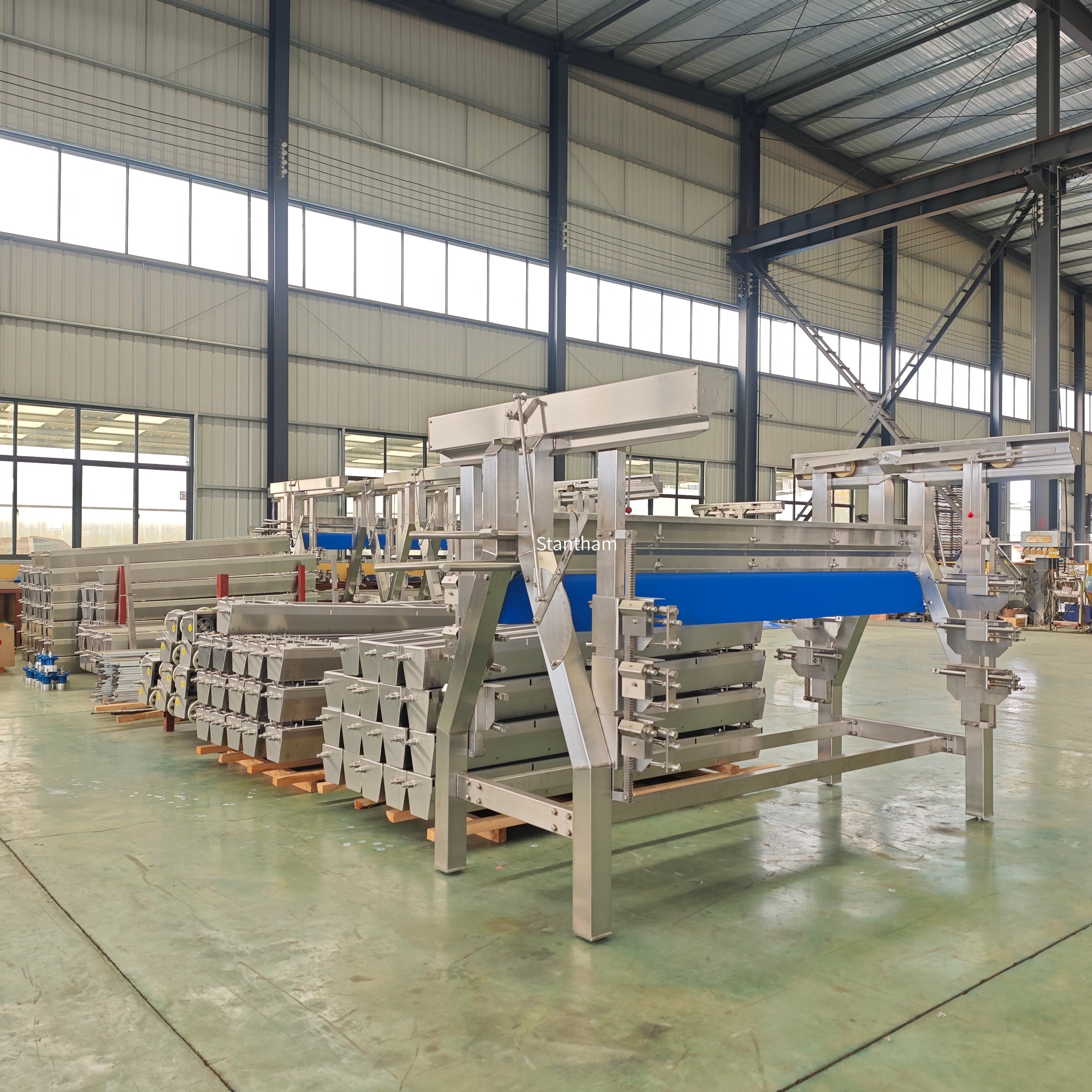
Traditional poultry plants require separate contractors for civil works, refrigeration, conveying, and equipment, leading to coordination delays and cost overruns. Our poultry processing unit challenges that model by delivering a completely pre-engineered processing line inside a single, transportable framework. All components—from the scalder to the chiller—are mounted, aligned, and electrically interconnected before the unit leaves our factory. The customer simply provides a level concrete pad, water, power, and drainage, and our supervision team completes the final commissioning in a fraction of the time a conventional build demands. This approach eliminates the need for specialized local fabrication skills, making it exceptionally suitable for remote or underserved regions. Once on site, the unit’s integrated CIP system and sloped drainage simplify daily sanitation. The modular nature also means that as throughput requirements grow, an identical unit can be positioned adjacent and
Optimized Water and Energy Efficiency

Optimized Water and Energy Efficiency

Utility costs often determine the viability of small-scale poultry processing, especially where electricity tariffs are high or water is scarce. Our processing unit incorporates several features to minimize consumption. The scalder tank uses a high-efficiency insulation jacket and a precise thermostat to keep water hot with minimal energy input, while the counter-flow chiller recirculates and reuses water in stages, dramatically lowering the gallons needed per bird compared to batch chillers. An optional heat recovery module captures warmth from the chiller’s refrigeration circuit and pre-heats incoming scalder water, creating an energy loop that reduces total power draw. A single control panel monitors real-time usage, allowing operators to quickly identify deviations from optimal settings. Processors who switched from makeshift manual setups report a significant drop in monthly utility expenses, despite processing several times more birds. Over the lifespan of the unit, these savings
Training and Remote Support Built In

Training and Remote Support Built In

A processing unit is only as effective as the team operating it, and many new owners have limited experience with mechanized slaughter. We address this by embedding operator training into the commissioning process, using simple, pictogram-based standard operating procedures and hands-on practice runs with the actual machine. The HMI is designed for intuitive use, with clear icons and a recipe system that stores settings for different bird sizes, eliminating daily guesswork. After start-up, integrated remote connectivity allows our service engineers to view the unit’s status in real time and guide on-site staff through any adjustments or troubleshooting steps, often resolving issues without a site visit. This capability is especially valuable for units installed in remote areas where expert help is not locally available. A processor in Zambia recently addressed a chiller temperature deviation through a fifteen-minute video call with our technician, avoiding what could have been a multi-

Get a Free Quote

Our representative will contact you soon.
Email
Name
Company Name
Mobile/WhatsApp
Message
0/1000