Semi Automatic Chicken Slaughter Line | 500–800 BPH, 18-Mo ROI

+86-18866172299
All Categories
Steady Speed Without Full Automation Cost

Steady Speed Without Full Automation Cost

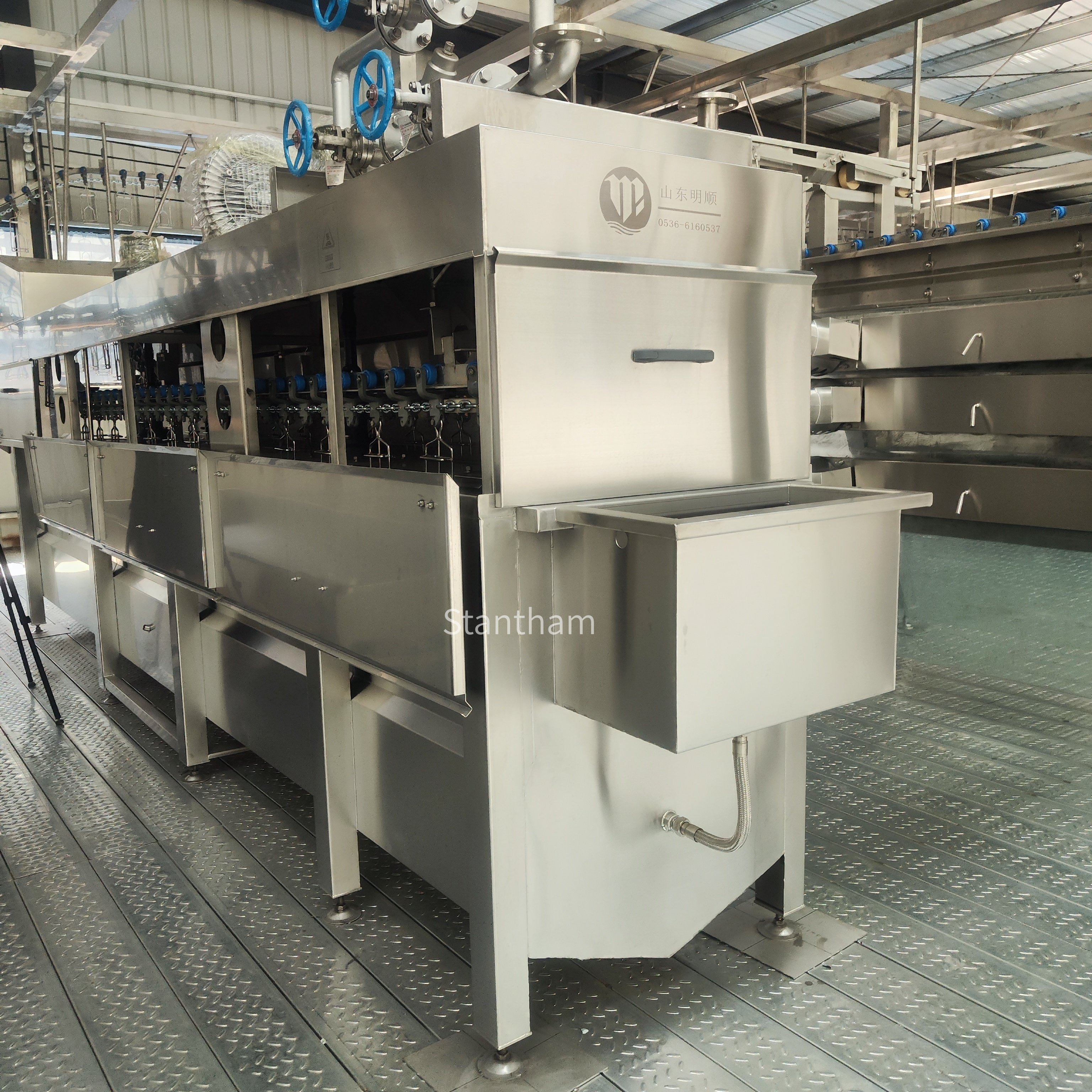
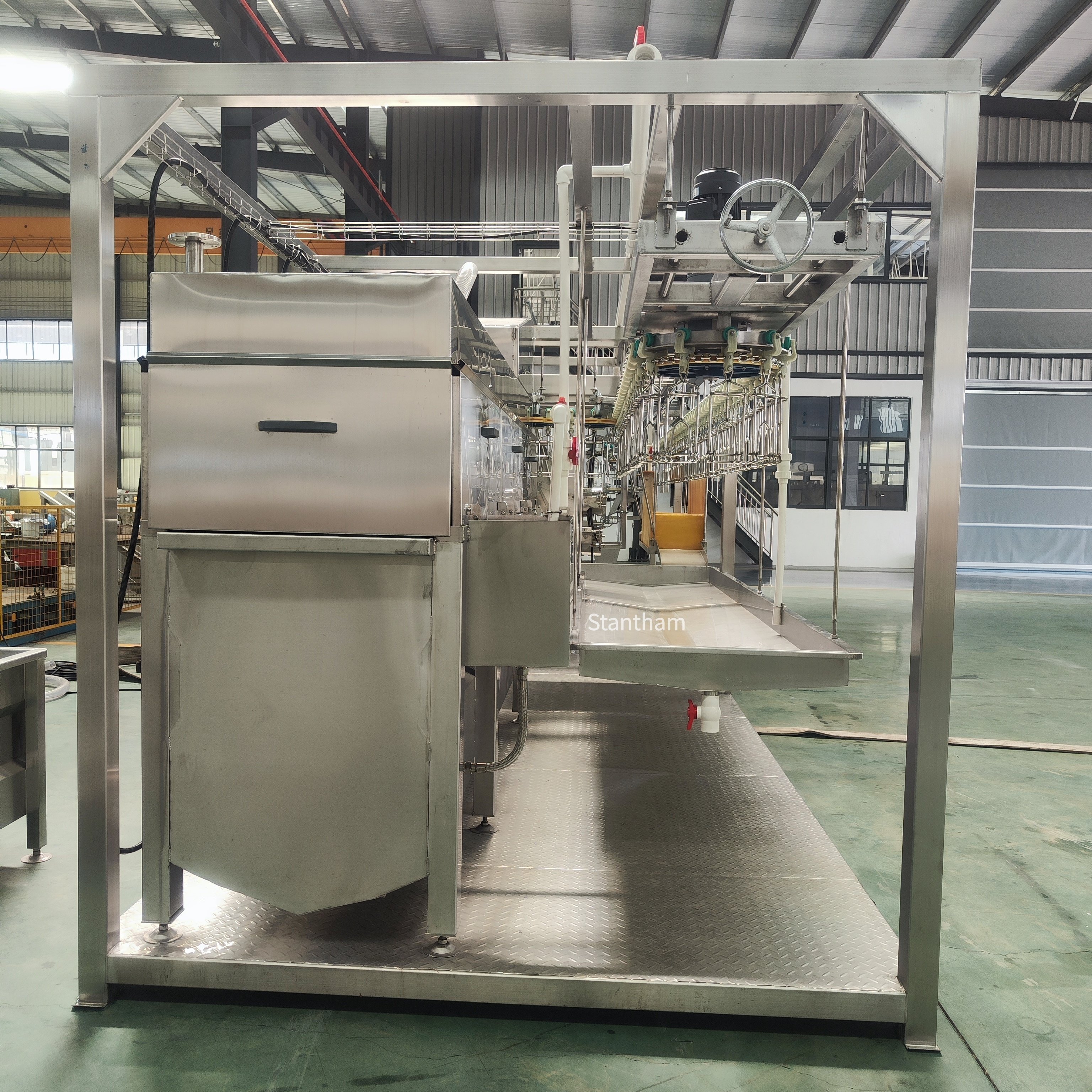
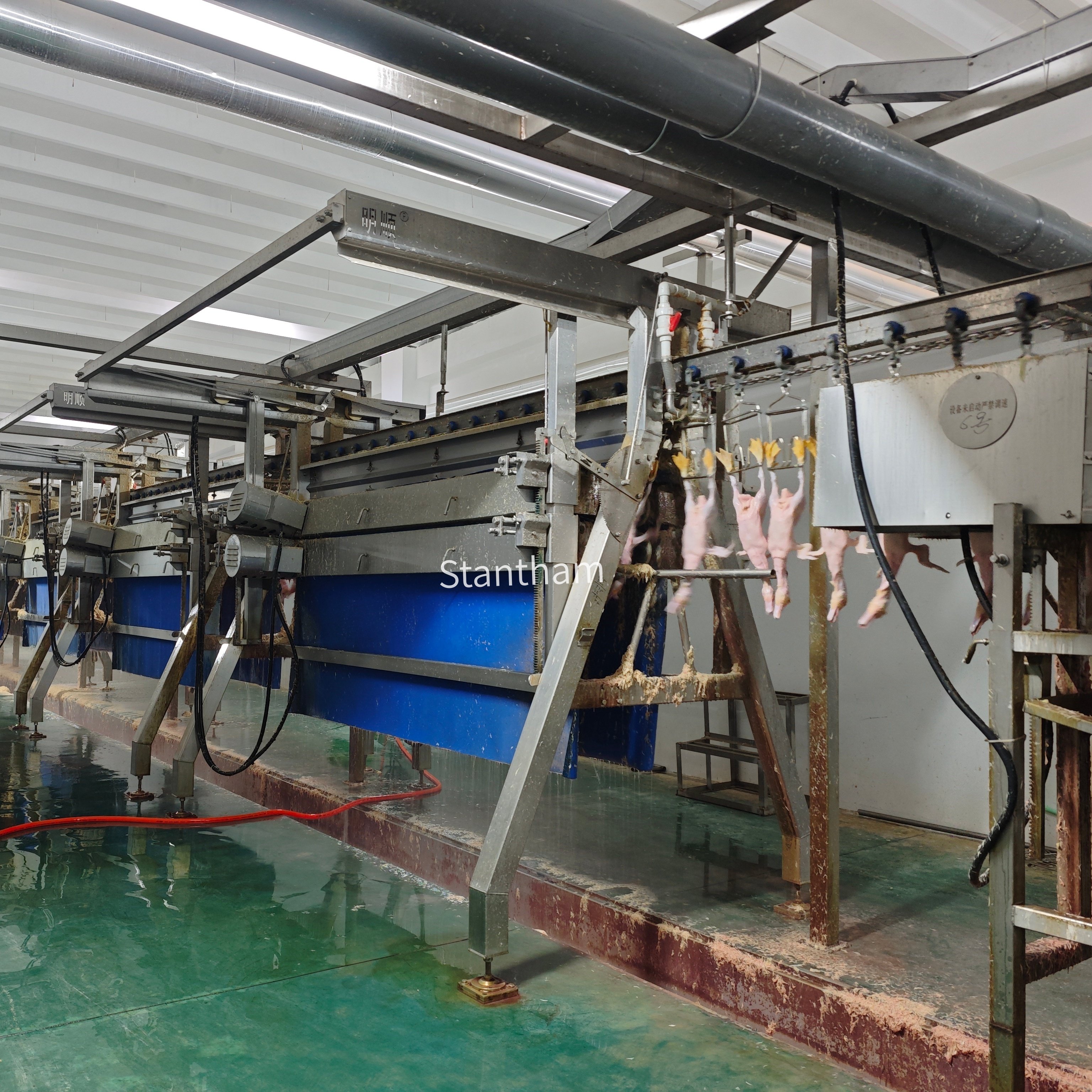
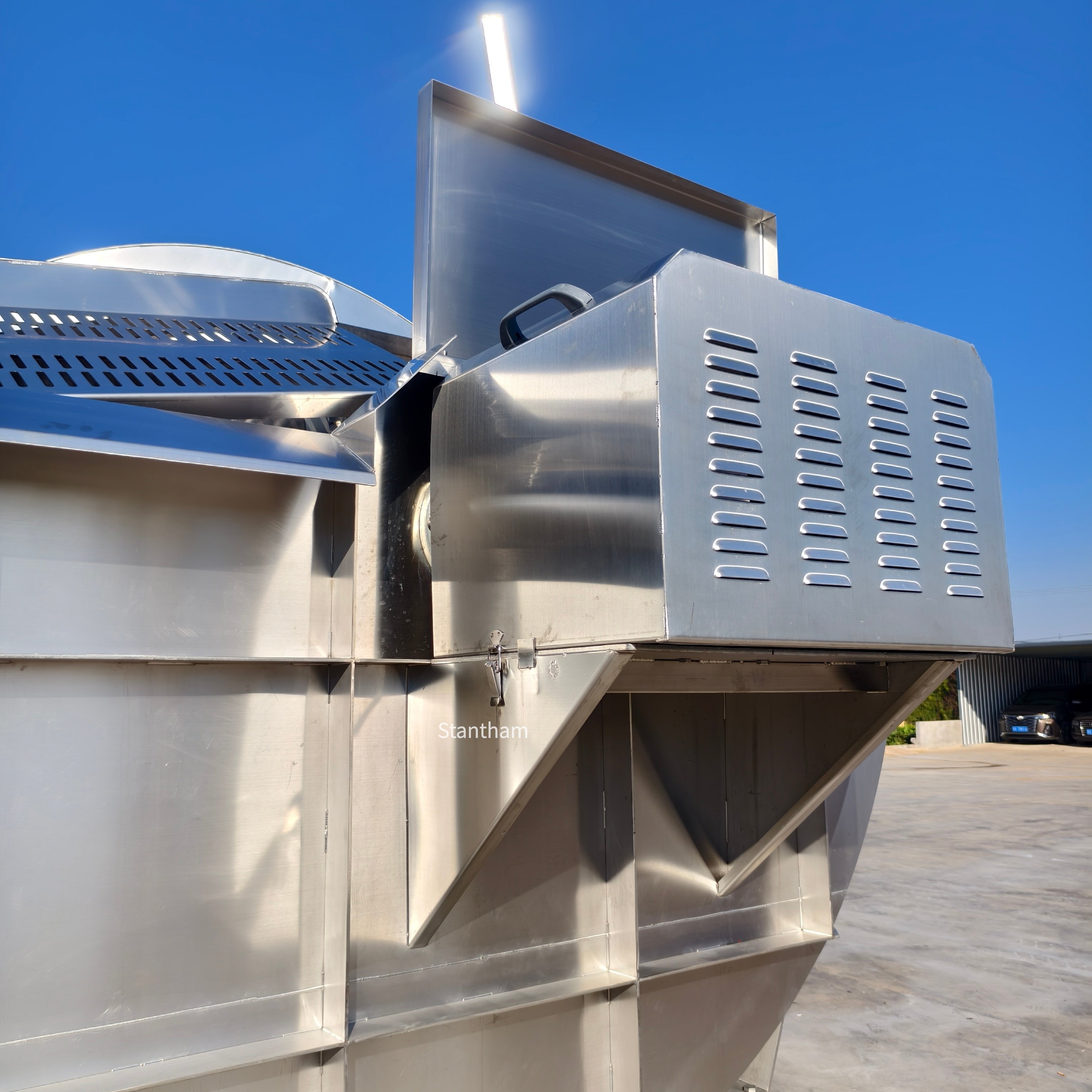
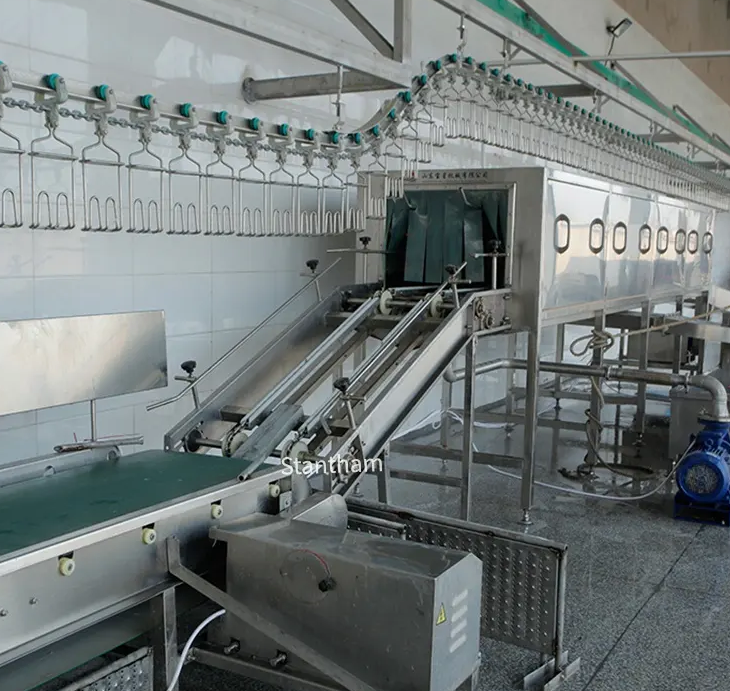
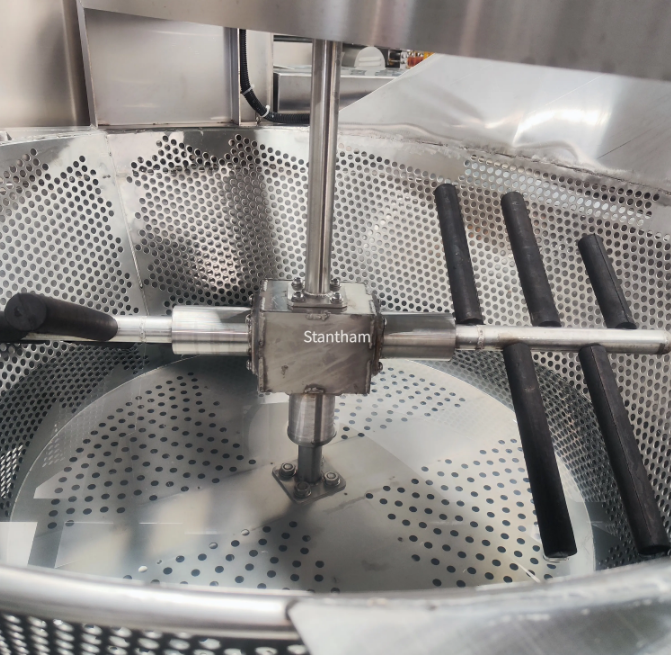
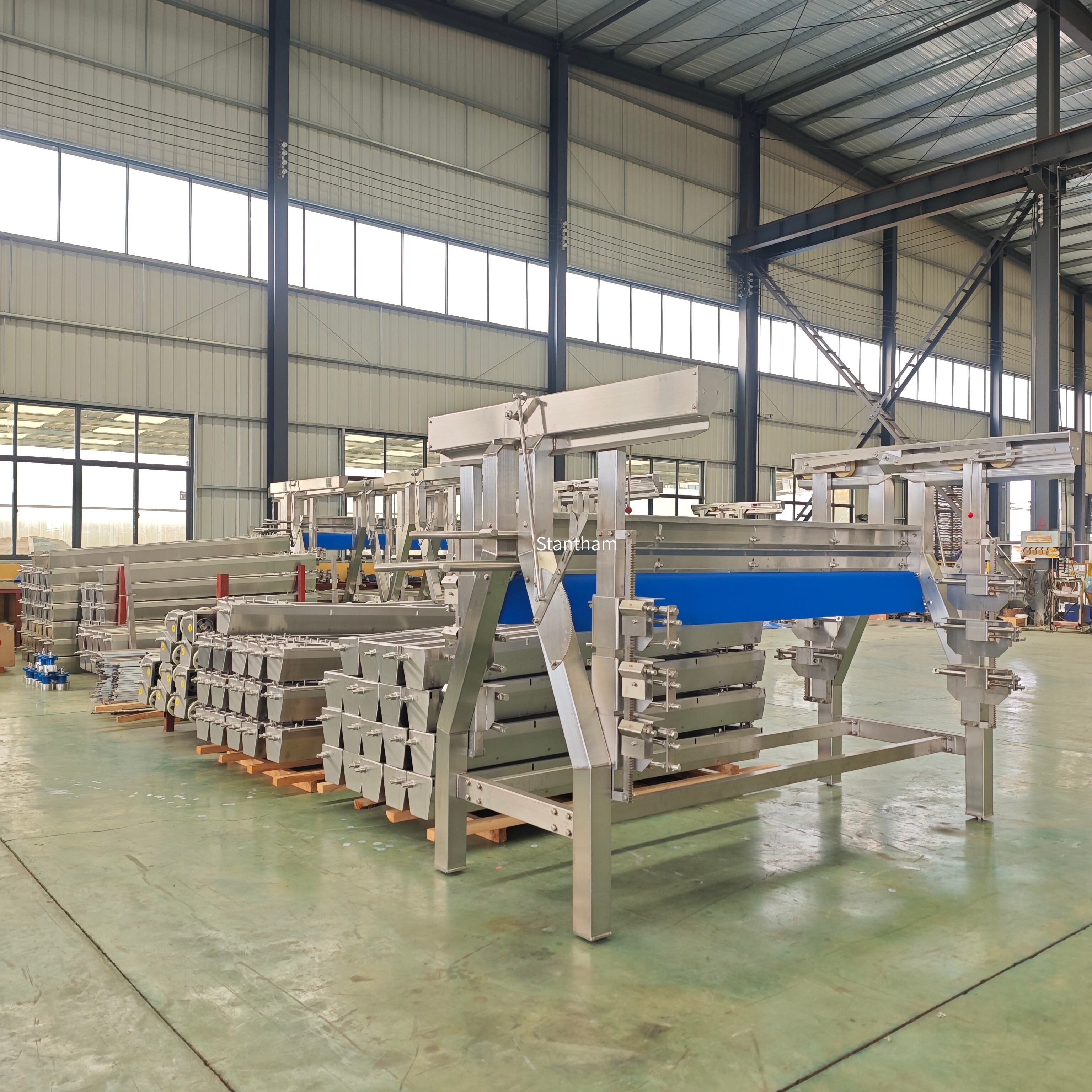
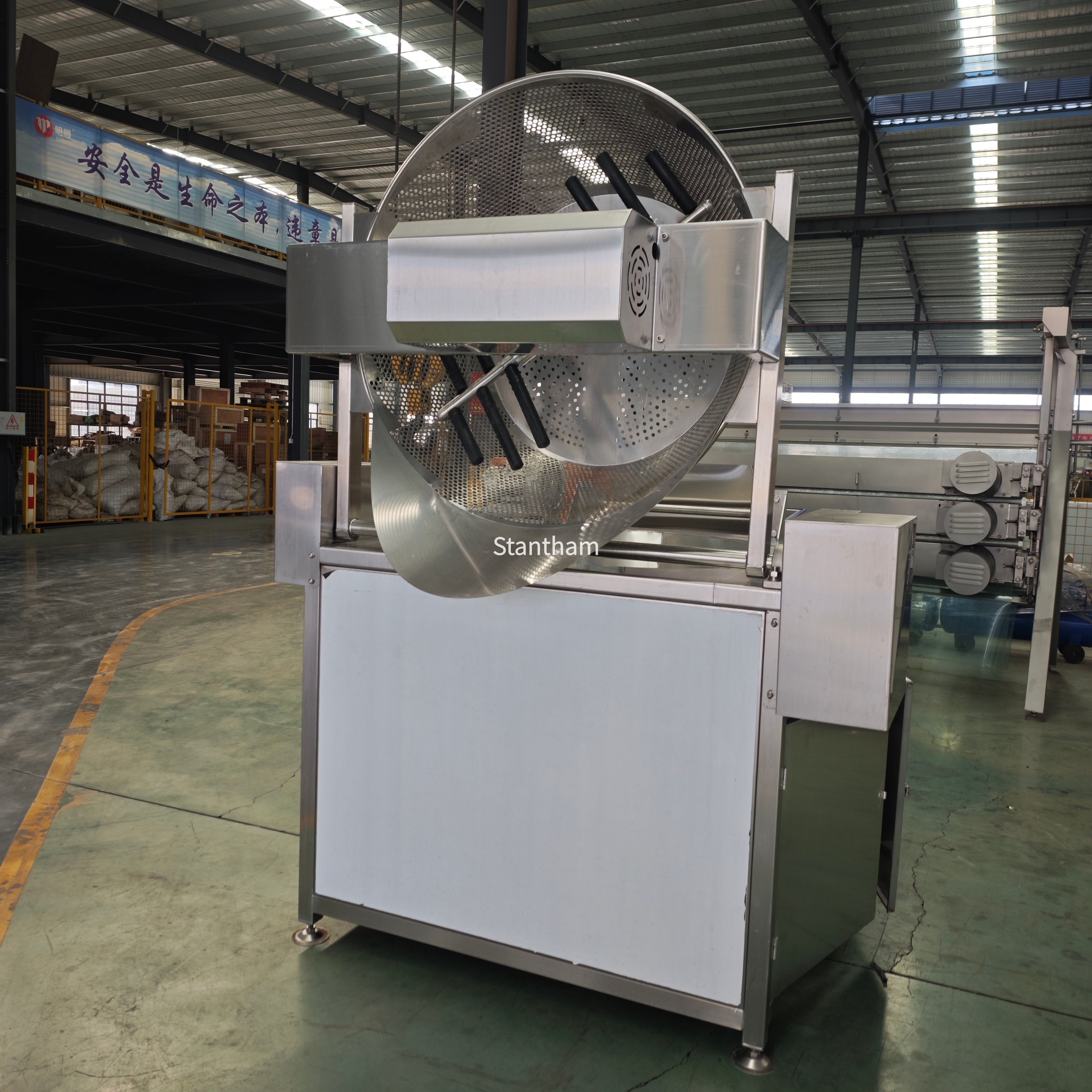
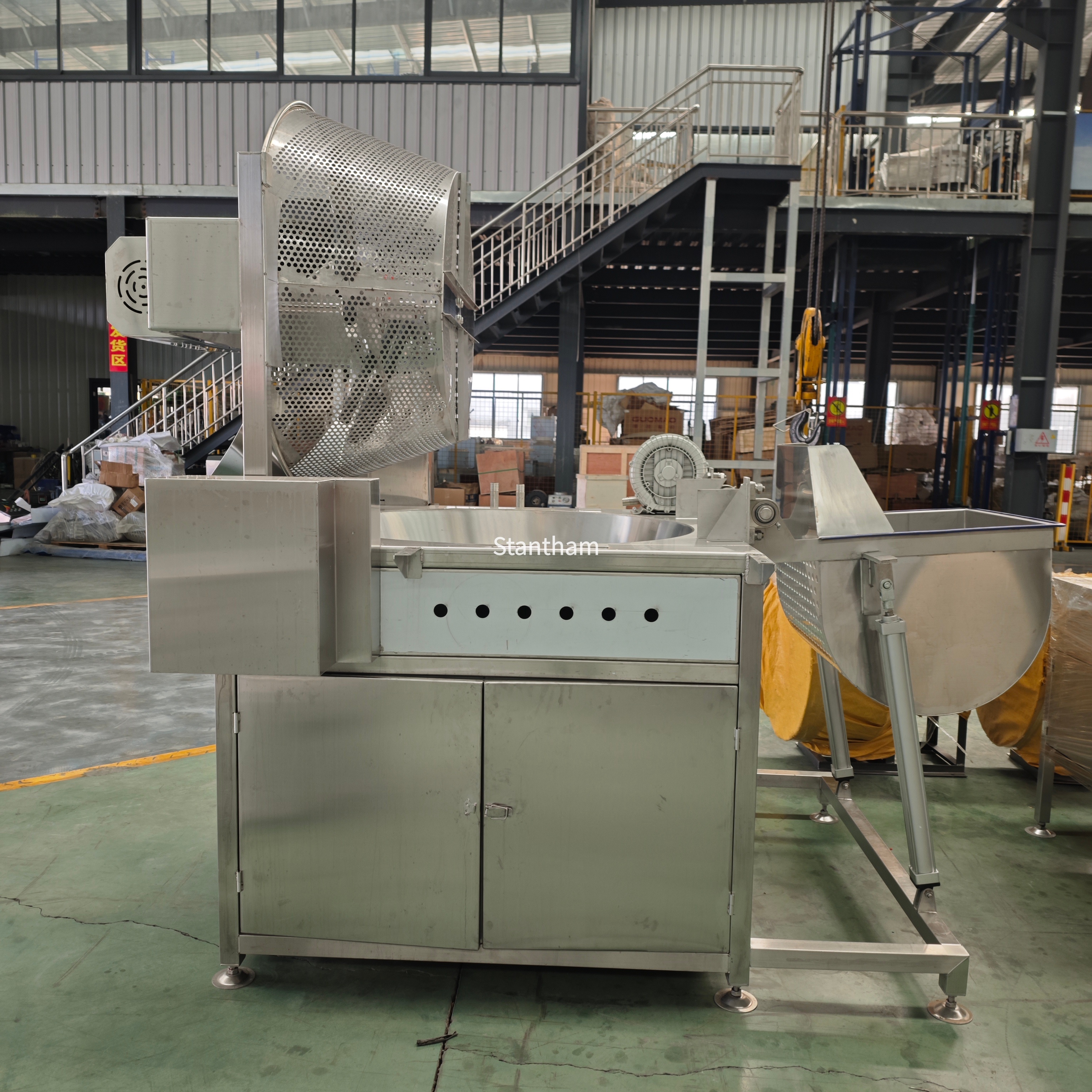
A semi automatic chicken slaughter line suits plants running five hundred to eight hundred birds per hour, where full automation is hard to justify but manual work is too slow. Crews load and hang by hand for control, while powered scald, pluck, and evisceration stations remove roughly forty percent of labor versus fully manual lines. Stainless contact surfaces survive daily washdown and pass basic hygiene audits. Owners in emerging markets appreciate the lower capital outlay and the fact that most faults are mechanical and repairable with standard tools. Grade A recovery typically rises from eighty-eight to ninety-four percent as bruising drops. The line usually pays back within eighteen months once labor savings and fewer downgrades are counted together.
Get A Quote

Case Study

Family Plant In Vietnam

A 600 birds per hour family plant in southern Vietnam replaced hand plucking with a semi automatic line and kept its original six-person crew. Manual hanging preserved bird orientation, while powered scalding and plucking cut processing time per batch from ninety to thirty-five minutes. Labor cost fell twenty-two percent even without layoffs, because the crew shifted to grading and packing. Grade A recovery rose from eighty-nine to ninety-five percent as bruising declined. The owner reached a new convenience-store contract within five months. Stainless parts withstood the tropical humidity with only weekly wiping. Payback arrived in sixteen months on labor and grade gains alone, and the freed crew added value at the packing table.

Halal Exporter In Malaysia

A Malaysian halal exporter running 750 birds per hour needed manual oversight for compliance but wanted faster throughput. The semi automatic line let trained handlers control stunning and bleeding by hand while mechanized scalding and defeathering handled the rest. Audit documentation improved because each station produced consistent, traceable output. Rejection at the port dropped from six to two percent. The plant secured a Gulf cooperative order worth steady weekly volume. Local technicians serviced the line without overseas support, keeping downtime under three hours per quarter. Within fourteen months the efficiency gain funded a second chilling module. The hands-on control satisfied both religious requirements and buyer quality checks.

Andean Cooperative In Peru

A Peruvian cooperative processing 500 birds per hour for highland markets adopted a semi automatic line to reduce post-slaughter losses. Hand loading suited their varied small-flock sizes, while powered evisceration cut contamination risk versus open-table work. Cold-chain entry sped up by twenty minutes per batch, extending shelf life at the village level. Grade downgrades fell from nine to four percent. Members reinvested the savings into feed, raising bird weight the following cycle. The simple mechanical design meant a single trained member handled all maintenance. Payback came in nineteen months, and neighboring cooperatives began visiting as a reference site for their own upgrade plans.

Related products

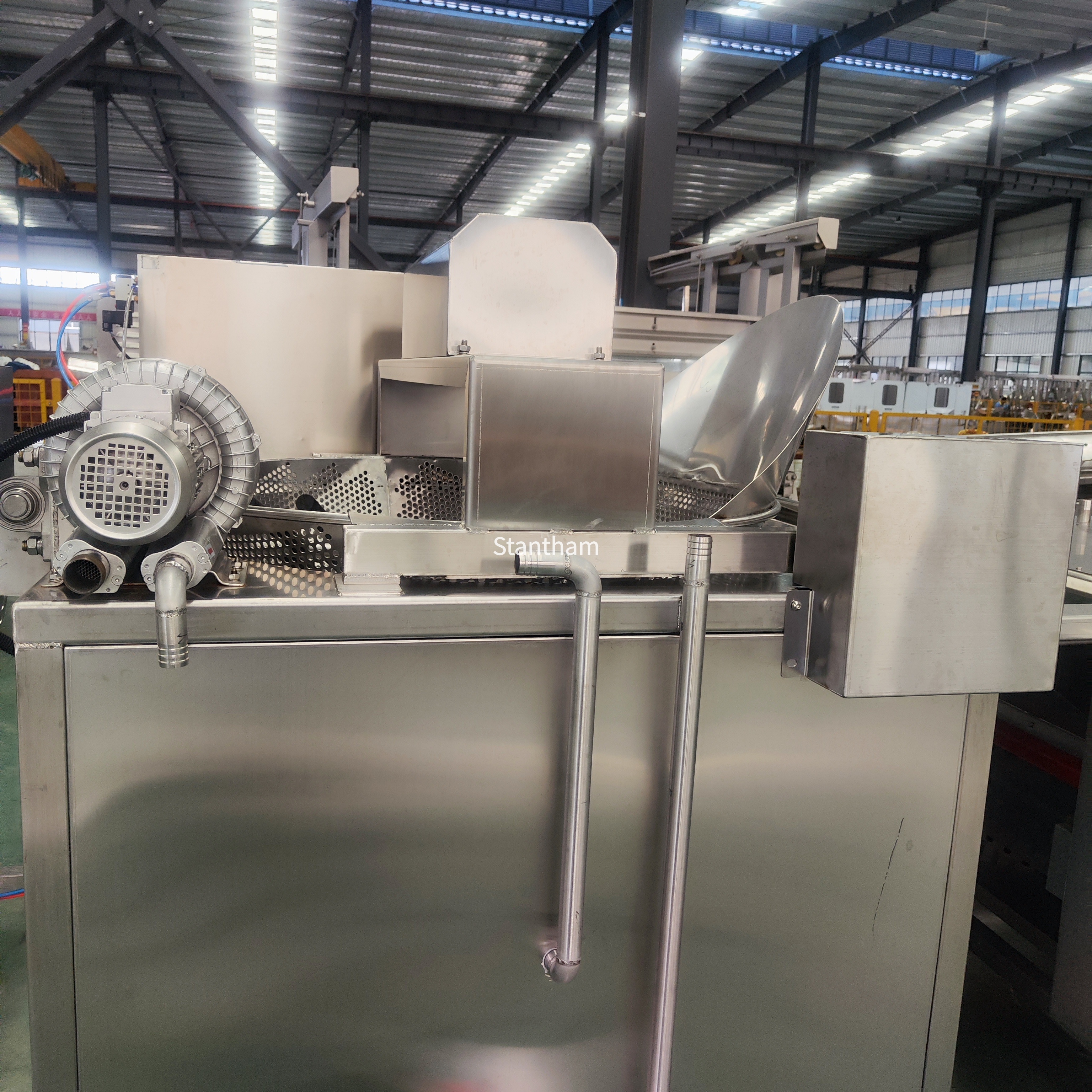
The semi automatic chicken slaughter line bridges manual tradition and mechanized output for plants that cannot justify full robotics. We engineer each station around your bird size, flock rhythm, and local power supply, then commission it with operator training and a signed acceptance test. Stainless steel contact zones are passivated for verified food safety, and our regional stock hubs keep wear parts within seventy-two hours of most ports. Buyers in humid climates value the corrosion-resistant finish that survives daily washdown. A ten-year spare commitment protects you against obsolescence and price spikes. Remote video support resolves most faults within a day. When volume grows, bolt-on chilling or cut-up modules extend capacity without relaying foundations, so the line scales with your market access rather than locking you into a fixed size.

Frequently Asked Questions

What capacity suits a semi automatic line?

Plants running 500 to 800 birds per hour benefit most, where full automation is uneconomic but manual speed is insufficient. Above 1000 birds per hour, fully automatic lines usually deliver better labor economics and consistency.
Yes. Manual stunning and bleeding stations let trained handlers control the process for halal or kosher compliance, while machines handle scalding, plucking, and evisceration. We document each step for audit traceability.
Typical commissioning takes two to three weeks including operator training and a signed acceptance test, depending on building readiness, utility connections, and whether civil works are already complete at your site.
Daily washdown, weekly chain lubrication, and quarterly plucker-disc inspection keep the line running. Most faults are mechanical and fixed with standard tools by your own technician, avoiding overseas service calls and long stoppages.
Yes. Each station produces consistent, traceable output with audit-ready records covering temperature, timing, and hygiene that satisfy EU, USDA, and Gulf export buyer requirements during veterinary inspections.

Related article

How does a mobile slaughterhouse bring processing capacity directly to remote poultry farms?

04

Jun

How does a mobile slaughterhouse bring processing capacity directly to remote poultry farms?

Redefining Slaughter Infrastructure for Geographically Dispersed Farms Processing poultry in isolated regions has always been a logistical headache. Fixed slaughterhouses demand large capital outlays, centralized collection routes, and reliable col...
View More
Why is proper scalding temperature critical for feather removal efficiency in a chicken abattoir?

17

Jun

Why is proper scalding temperature critical for feather removal efficiency in a chicken abattoir?

The Scalding Window: A Delicate Balance Between Feather Release and Skin Integrity Scalding is the bridge between bleeding and plucking in a chicken abattoir. The birds pass through a tank of heated water, and the heat loosens the feather follicles...
View More
How does a mechanical chicken slaughter system minimize bone breakage compared to manual methods?

22

Jun

How does a mechanical chicken slaughter system minimize bone breakage compared to manual methods?

The Bone Breakage Problem Nobody Talks About Walk into any medium-sized poultry processing plant and ask the quality control manager about their biggest headache. Chances are, bone breakage ranks near the top. Not the dramatic compound fractures, b...
View More
Advanced Optimization of Custom Chicken Slaughter Equipment

10

Jul

Advanced Optimization of Custom Chicken Slaughter Equipment

The Customization Imperative in Poultry Processing Poultry processing lines look similar from a distance—shackles, conveyors, scalders, pluckers, evisceration stations. But step closer and the differences become obvious. One plant runs 12,000 b...
View More

Customer Testimonials

A. Rahman

Our six-person crew kept their jobs but stopped the three a.m. manual plucking grind; batches that took ninety minutes now finish in thirty-five, and grade A rose from eighty-nine to ninety-five percent. The Malaysian halal auditor accepted our traceable records without a single query, and we signed a Gulf contract within five months. Payback landed in sixteen months, and the freed hands moved to packing where they add real value.

L. Quispe

We are a 500 birds per hour Andean cooperative, and the semi automatic line cut our downgrades from nine to four percent while speeding cold-chain entry by twenty minutes per batch. One trained member now handles all maintenance, and payback came in nineteen months. Neighboring cooperatives visit us as a reference, and we reinvested savings into better feed that lifted bird weight next cycle.

Get a Free Quote

Our representative will contact you soon.
Email
Name
Company Name
Mobile/WhatsApp
Message
0/1000
Lower Capital, Faster Payback

Lower Capital, Faster Payback

A semi automatic chicken slaughter line needs roughly half the capital of a fully automatic system, which protects owners in emerging markets where credit is tight. Plants recover the investment through labor savings and fewer downgrades, typically inside eighteen months. The mechanical design avoids costly sensors and controllers that break and need specialist repair. Owners keep control of cash flow while still modernizing their floor. This conservative exposure matters when seasonal demand shifts year to year. The result is a line that improves margin from the first commissioned shift without betting the business on full robotics.
Hands-On Control For Compliance

Hands-On Control For Compliance

Manual loading, hanging, stunning, and bleeding give trained crews direct control where compliance or quality demands it, while machines handle the repetitive scalding, plucking, and evisceration. This hybrid suits halal, kosher, and premium niche markets that reject fully automated handling. Audit trails stay clean because each manual step is documented and consistent. Plants win contracts that require verified humane or religious process control. The approach also preserves skilled jobs and local knowledge on the floor. Owners get mechanized speed without surrendering the oversight that discerning buyers now expect from every shipment.
Scales As You Grow

Scales As You Grow

The semi automatic line is built modular, so capacity expands with your market rather than locking you into one size. When export orders arrive, bolt-on chilling or cut-up modules add throughput without relaying foundations or rebuilding the hall. Stainless contact zones are standardized, so added stations match the original hygienic finish. Spare parts stay common across the line, simplifying inventory. Plants move from regional supply to export-grade volume on the same footprint. The design philosophy keeps every upgrade straightforward for your own crew, protecting long-term uptime and the value of the first investment.

Get a Free Quote

Our representative will contact you soon.
Email
Name
Company Name
Mobile/WhatsApp
Message
0/1000