Commercial Chicken Plucker Machine: 2% Pluck Loss, 10-Min Swaps

+86-18866172299
All Categories
Rugged Machines For Daily Commercial Use

Rugged Machines For Daily Commercial Use

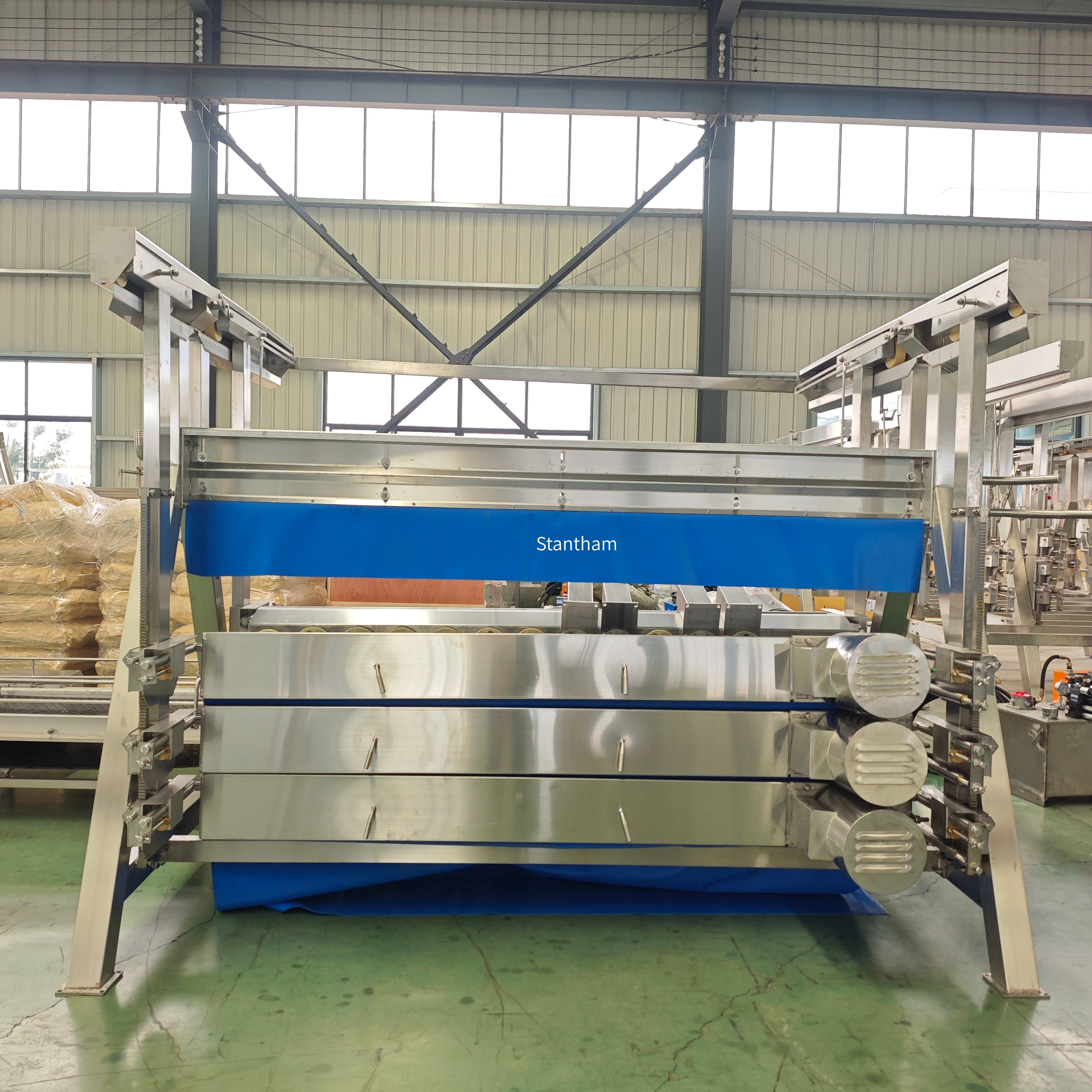
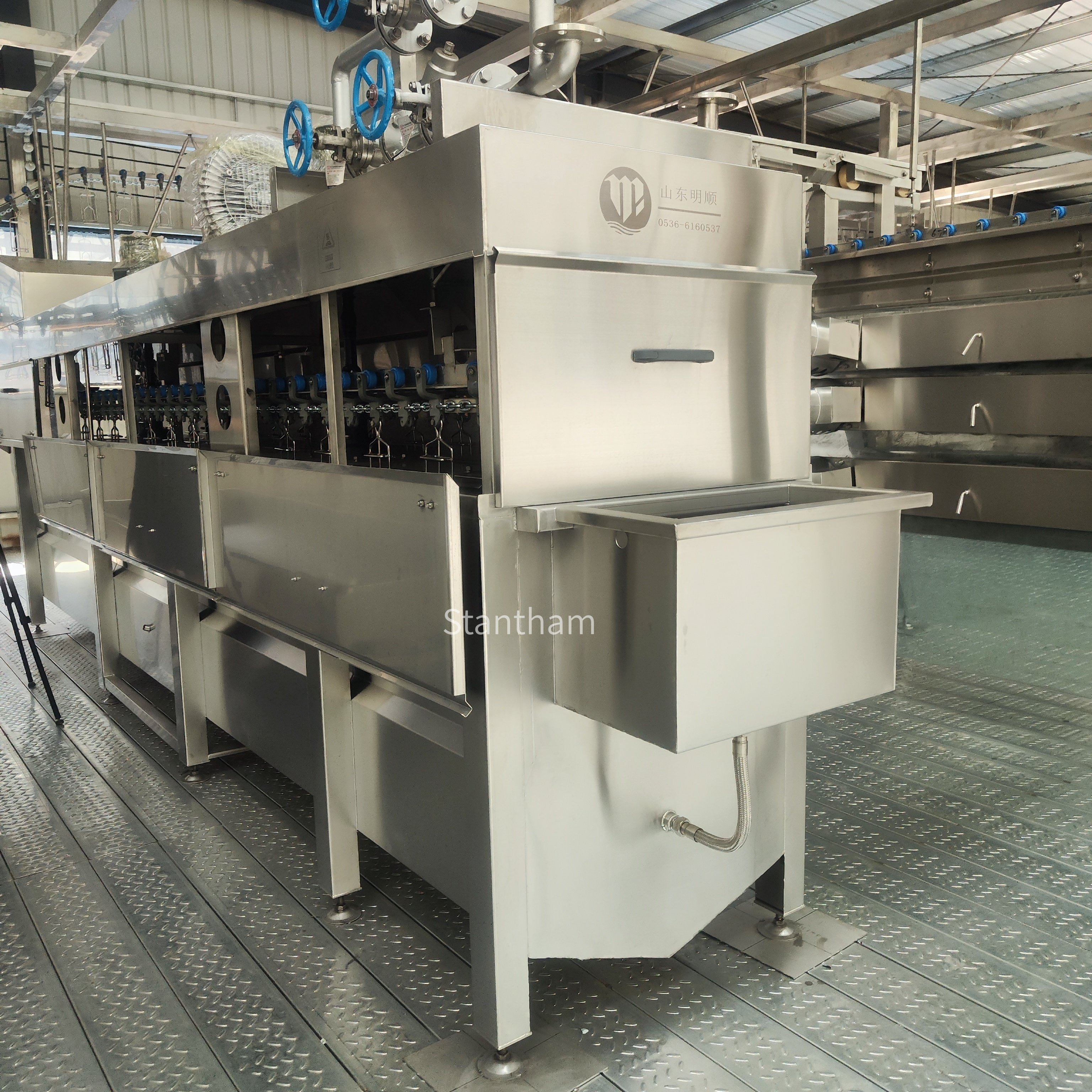
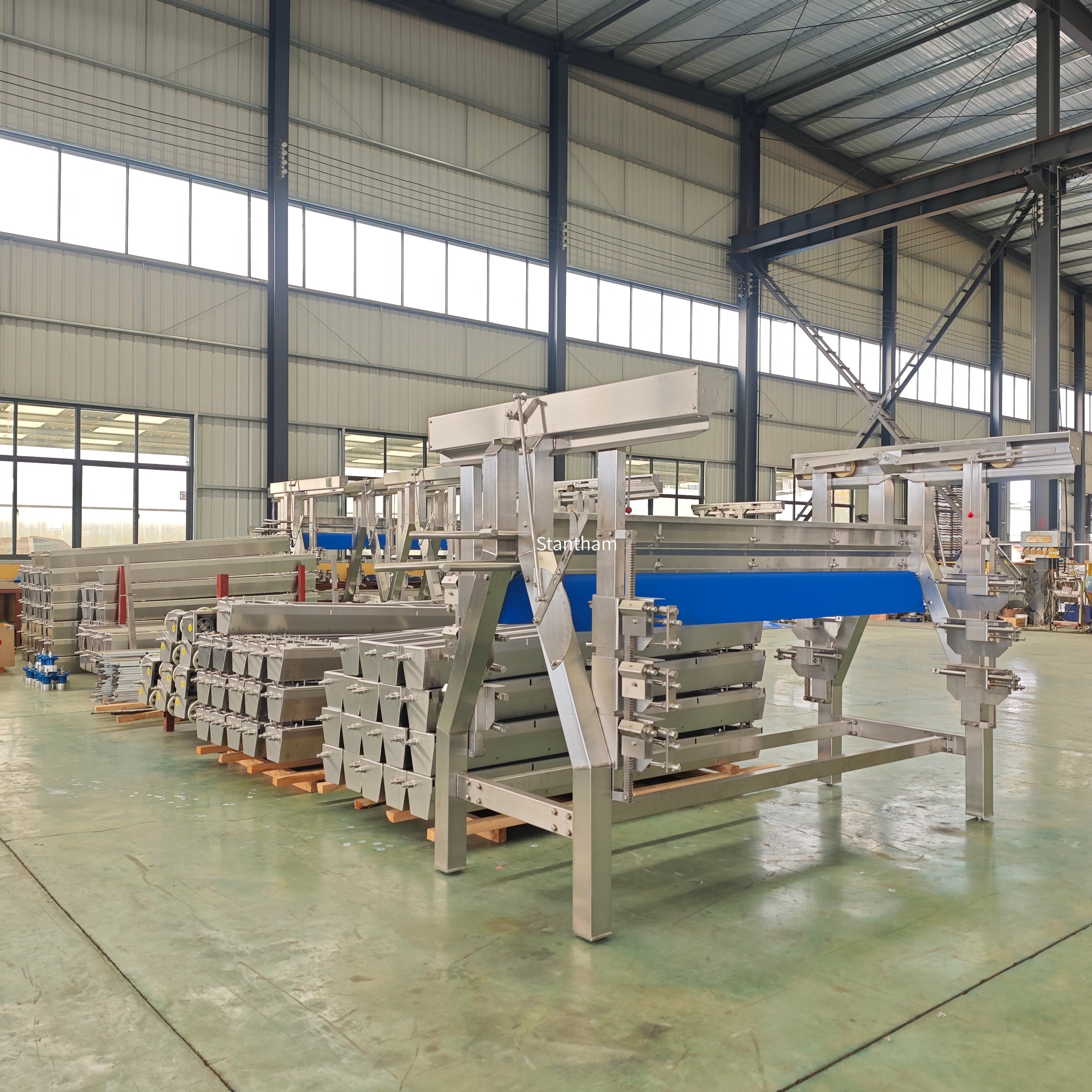
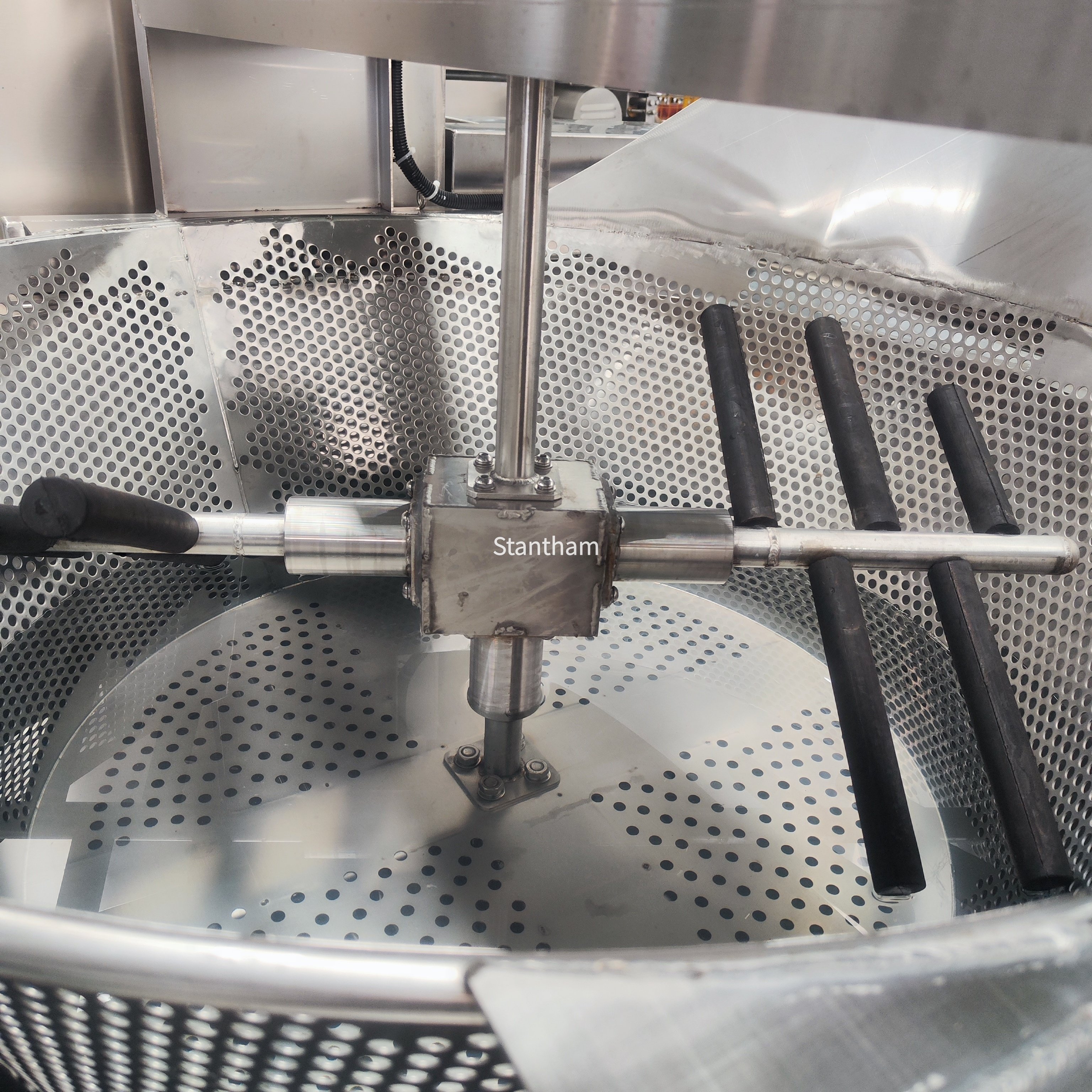
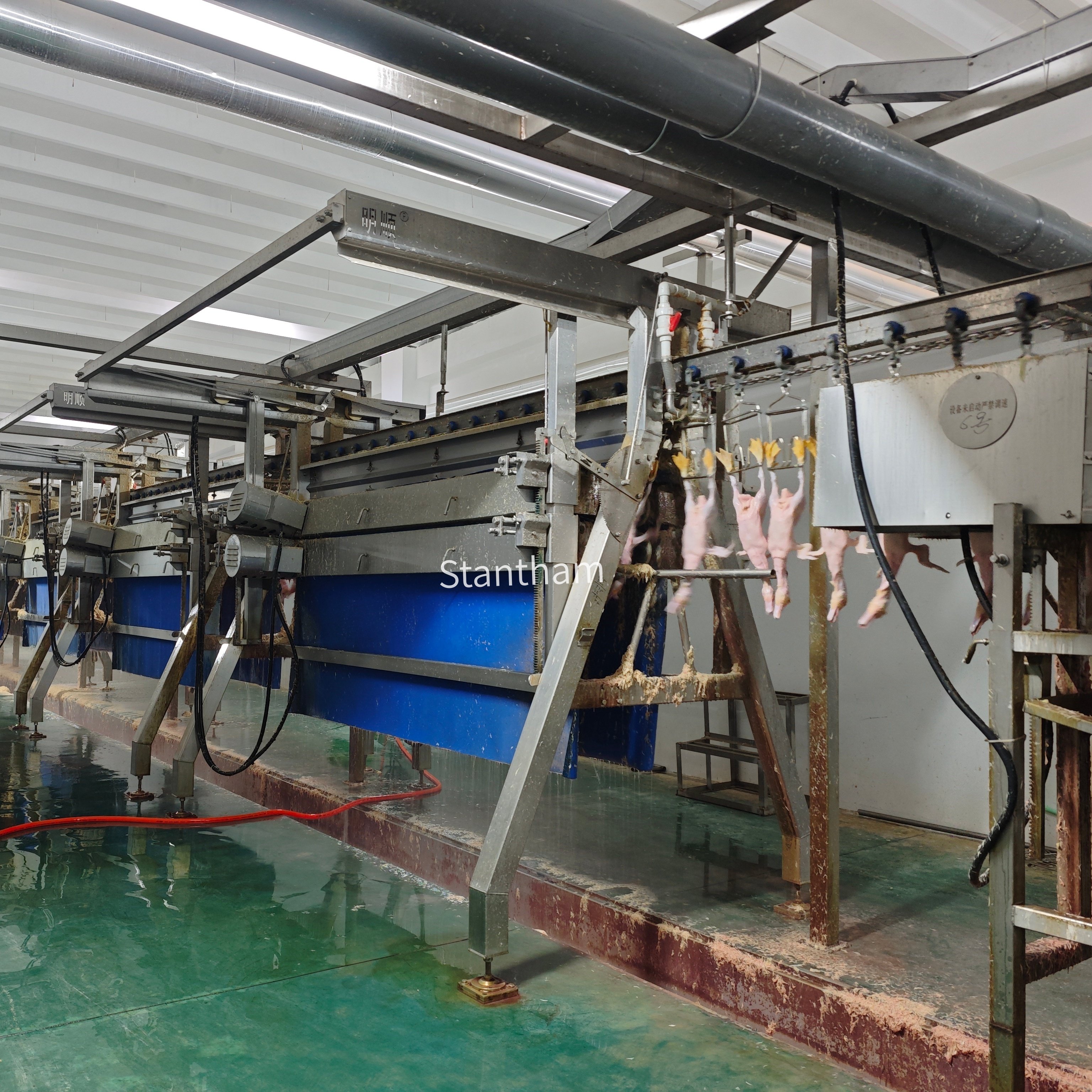
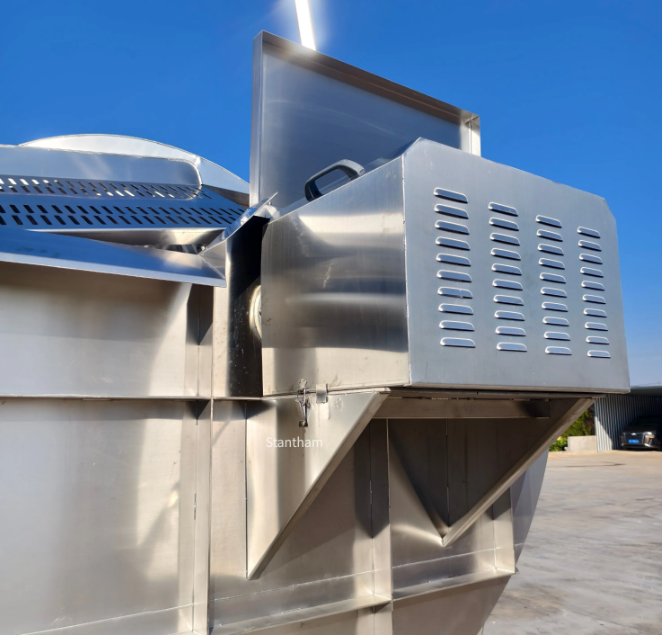
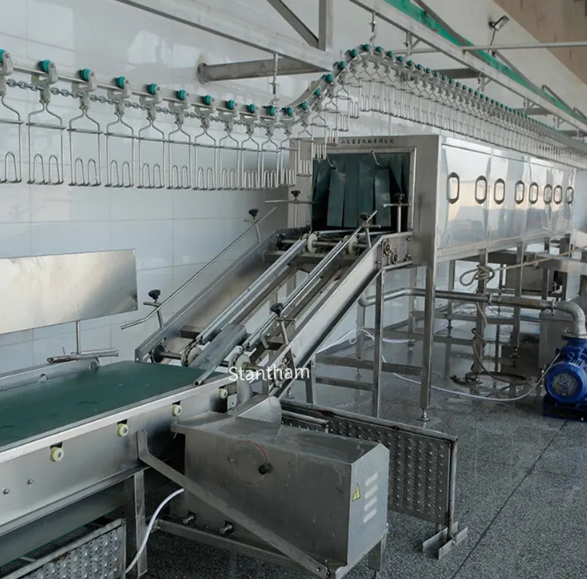
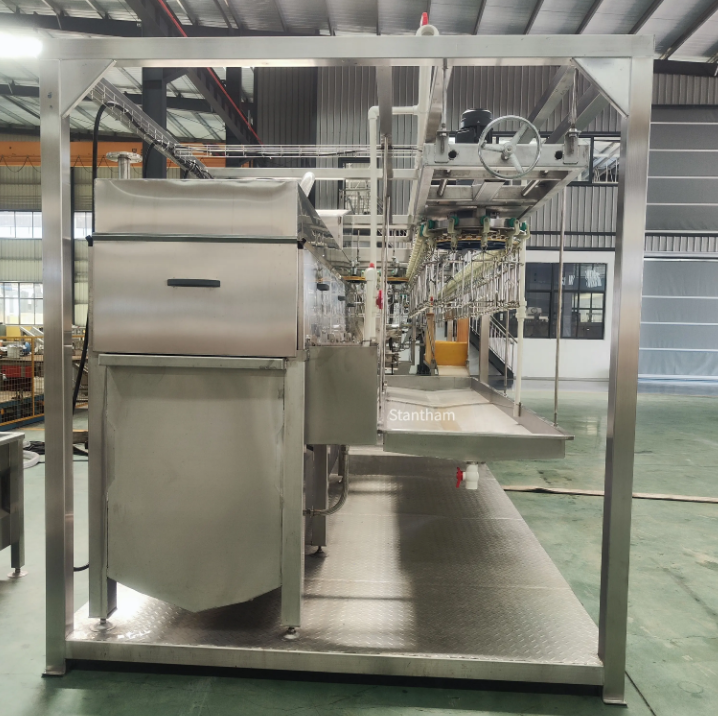
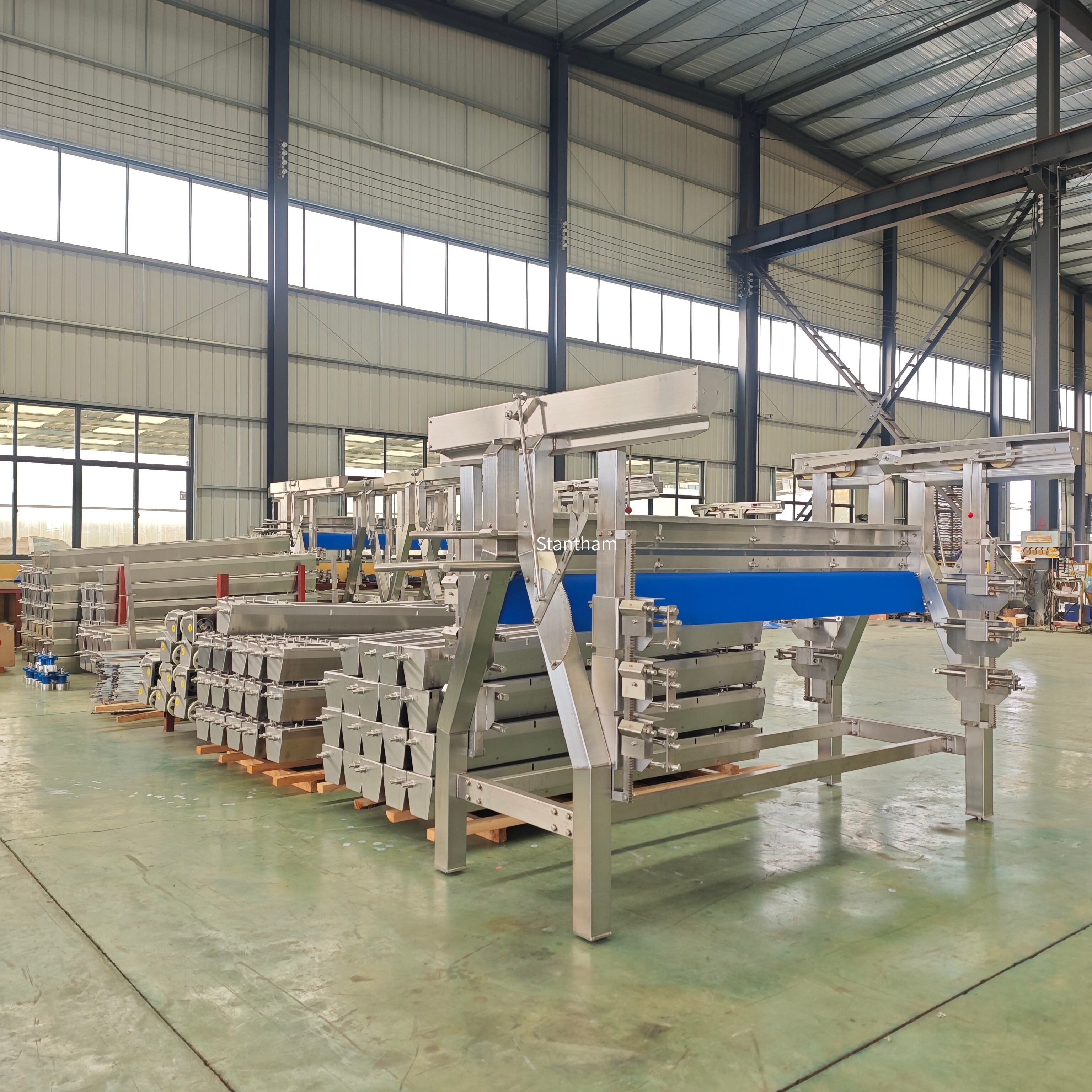
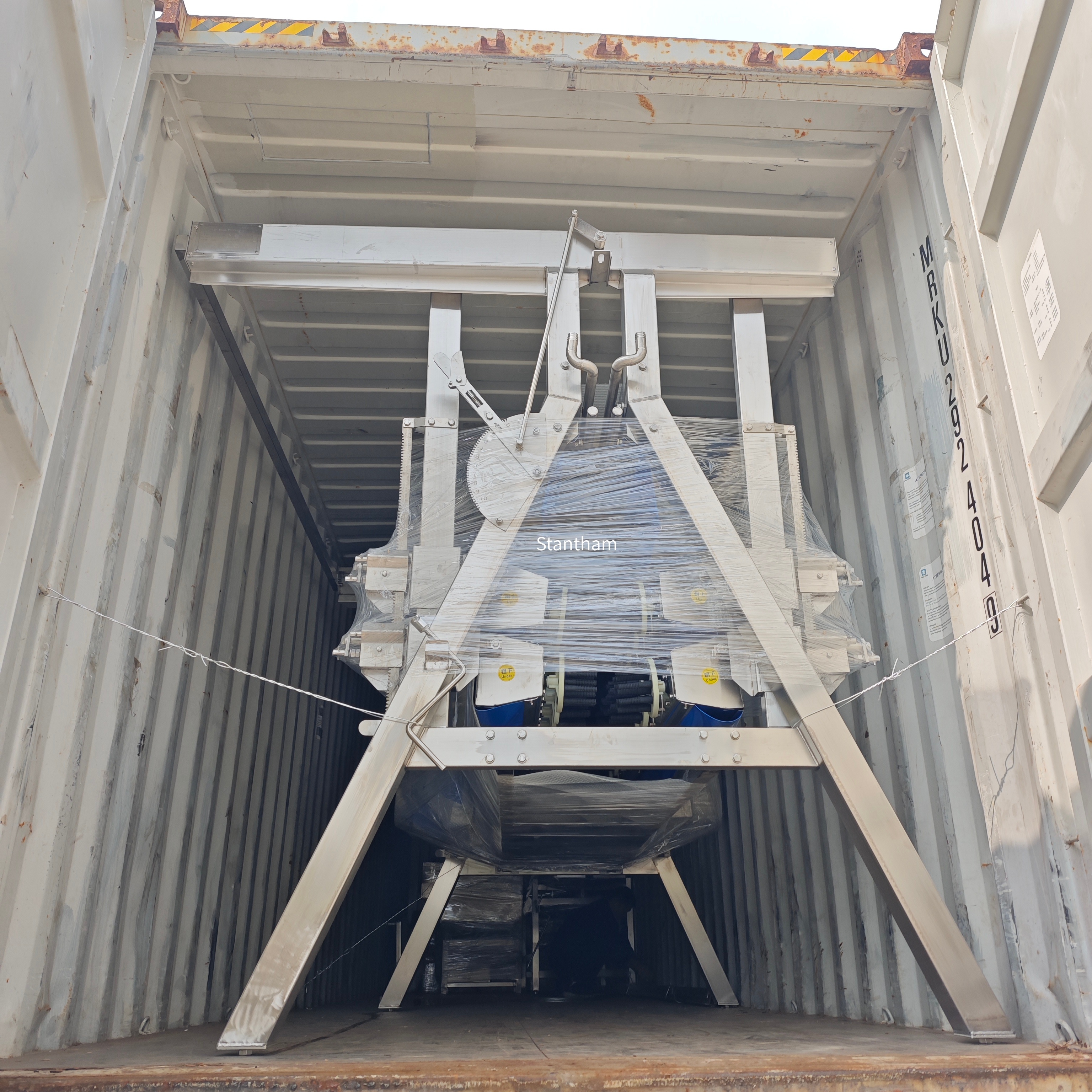
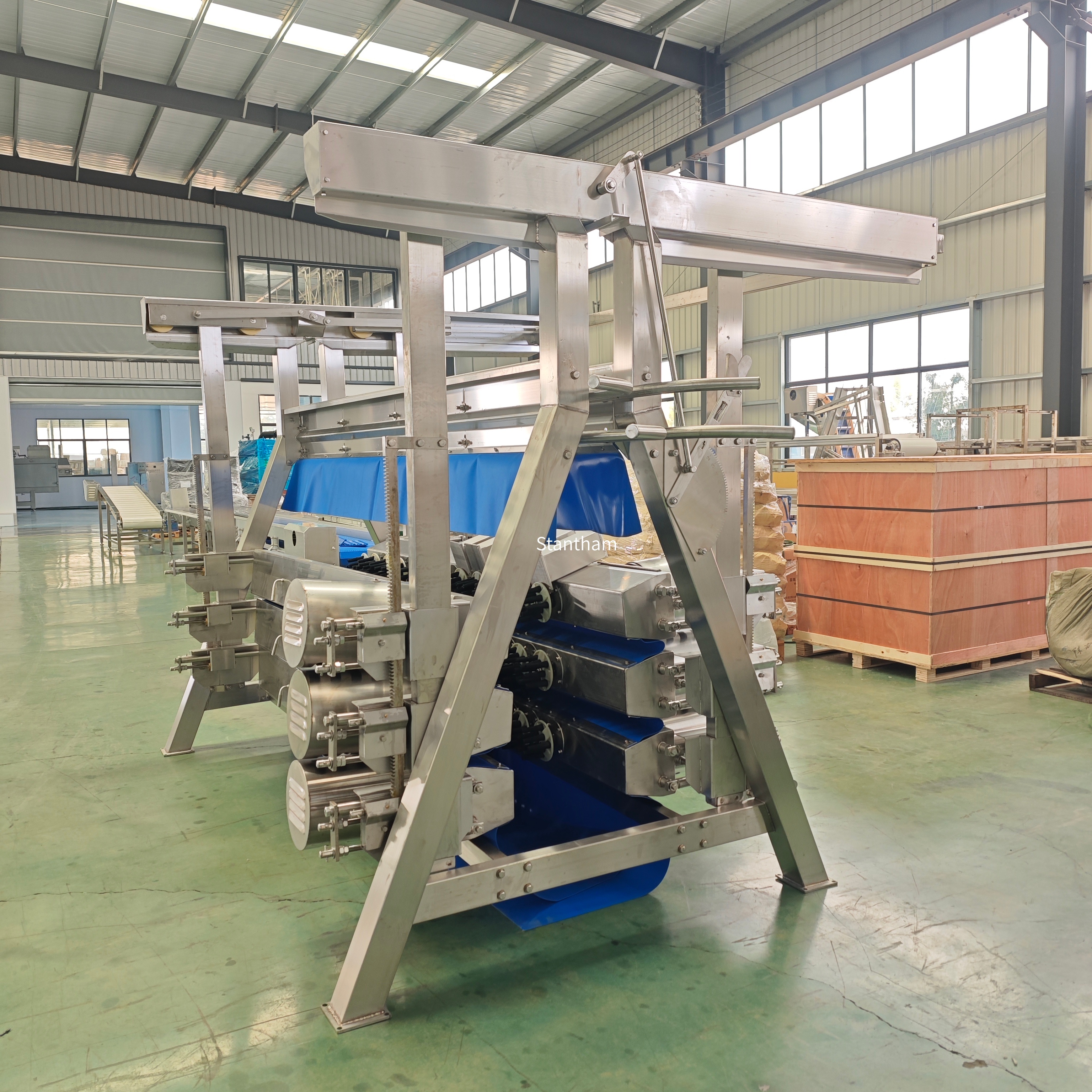
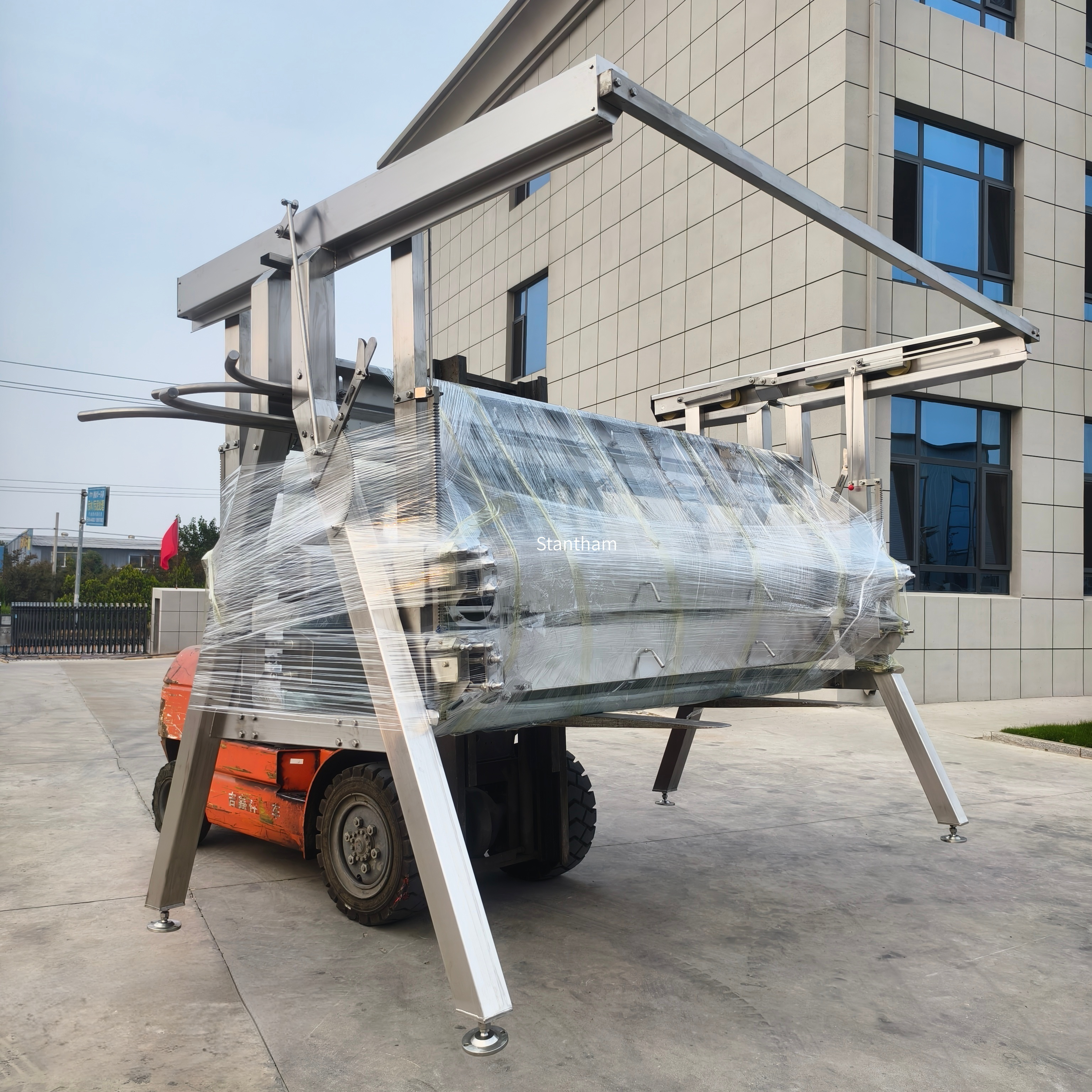
A commercial chicken plucker machine is built for the daily grind of butchers, restaurants, and mid processors who need rugged, serviceable defeathering. Batch and inline units run 100 to 3000 birds per hour with stainless drums and tuned fingers that hold pluck loss near two percent. A local service network keeps wear parts within days, and quick-swap plates cut downtime under ten minutes. Operators report steady grade A and low touch-up labor. The machine usually pays back within eighteen months on labor and reduced downgrades.
Get A Quote

Case Study

Butcher Group In UK

A UK butcher group running 200 birds per hour needed a rugged machine that endured daily washdown. Our commercial chicken plucker machine used a stainless drum and tuned fingers holding pluck loss near two percent. Grade A stayed steady and touch-up labor dropped by four workers per shift. A local service network kept fingers within two days, avoiding shutdowns. The group standardized the unit across four shops after the first location cut labor costs by half. Payback came in seventeen months, and the cleaner birds lifted counter sales at every branch.

Processor In Vietnam

A Vietnamese processor needed a commercial machine that survived humid, salty washdown. Our commercial chicken plucker machine used stainless housings and sealed bearings that outlasted coated imports by years. Pluck loss held at two percent through summer peaks, and grade A stayed steady for the local market. Finger plates swapped in under ten minutes during demand spikes. The plant dropped manual touch-up by five workers per shift. Within eighteen months the durability gain funded a second drum, and local technicians serviced bearings without overseas calls.

Restaurant Supplier In Canada

A Canadian supplier dressing 500 birds per hour wanted reliable machines without debt. Our commercial chicken plucker machine handled the volume with tuned fingers that cut pluck loss to two percent and lifted grade A seven points. Quick-swap plates meant one person changed fingers in nine minutes between flocks. The owner reinvested savings into a chill display. Payback came in sixteen months, and neighboring restaurants began buying dressed birds from the same unit each week after seeing the consistent finish.

Related products

A commercial chicken plucker machine should endure daily use and stay serviceable, so we engineer stainless drums and tuned fingers around your throughput before fabrication. We model finger life, water, and drive load, then commission with operator training and a signed acceptance test. Stainless housings are passivated for food safety, and quick-swap plates let your crew change wear parts in under ten minutes. A local service network keeps fingers within days of most cities, guarding against obsolescence. When capacity grows, matched drums bolt onto the same frame to lift throughput. Our engineers stay available for annual hygiene audits that protect uptime and your export eligibility.

Frequently Asked Questions

What capacity do commercial units run?

Commercial machines handle 100 to 3000 birds per hour, tuned so finger speed and hardness match your bird size without raising pluck loss or carcass damage.
Tuned rubber fingers matched to bird skin hold pluck loss near two percent, lifting grade A and cutting the touch-up labor that erodes margin on the floor.
Yes. A local service network keeps wear parts within days of most cities, so breakdowns never stall your commercial operation for long during peak demand.
Quick-swap finger plates let one person change wear parts in under ten minutes without special tools, keeping the line moving through demand spikes and flock changes.
Yes. Matched drums bolt onto the same frame to lift throughput as orders rise, protecting the original investment without relaying foundations or extending the hall.

Related article

Is a Poultry Chiller Machine Right for Your Facility?

10

Jun

Is a Poultry Chiller Machine Right for Your Facility?

Understanding What a Poultry Chiller Actually Does A poultry chiller machine is not simply a cold water tank. It is a controlled thermal exchange system designed to bring freshly eviscerated carcasses from roughly thirty-five degrees Celsius down t...
View More
How does a mechanical chicken slaughter system minimize bone breakage compared to manual methods?

22

Jun

How does a mechanical chicken slaughter system minimize bone breakage compared to manual methods?

The Bone Breakage Problem Nobody Talks About Walk into any medium-sized poultry processing plant and ask the quality control manager about their biggest headache. Chances are, bone breakage ranks near the top. Not the dramatic compound fractures, b...
View More
What are the essential components of a complete poultry abattoir equipment set for 2000 birds per hour?

25

Jun

What are the essential components of a complete poultry abattoir equipment set for 2000 birds per hour?

Building for 2,000 Birds Per Hour Scaling a poultry processing operation to 2,000 birds per hour is not about buying bigger versions of the same equipment. It is about rethinking the entire flow from live receiving to chilled carcass. A plant runni...
View More
Advanced Optimization of Custom Chicken Slaughter Equipment

10

Jul

Advanced Optimization of Custom Chicken Slaughter Equipment

The Customization Imperative in Poultry Processing Poultry processing lines look similar from a distance—shackles, conveyors, scalders, pluckers, evisceration stations. But step closer and the differences become obvious. One plant runs 12,000 b...
View More

Customer Testimonials

T. Hughes

We needed a rugged machine that endured daily washdown; this commercial chicken plucker machine used a stainless drum and tuned fingers holding pluck loss near two percent. Grade A stayed steady and we dropped four touch-up workers per shift. A local service network kept fingers within two days, avoiding shutdowns, and we standardized across four shops after labor costs fell half. Payback came in seventeen months and cleaner birds lifted counter sales.

D. Tran

In humid Vietnam, coated imports failed fast; this commercial chicken plucker machine's stainless housings and sealed bearings outlasted them by years. Pluck loss held at two percent through summer peaks and grade A stayed steady for the local market. Finger plates swap in under ten minutes during spikes, and we dropped five touch-up workers per shift. Payback in eighteen months funded a second drum, and local techs service it.

Get a Free Quote

Our representative will contact you soon.
Email
Name
Company Name
Mobile/WhatsApp
Message
0/1000
Built For The Daily Grind

Built For The Daily Grind

Commercial kitchens and processors run every day, so a commercial chicken plucker machine is built from stainless and tuned fingers that endure constant washdown without failing. Owners report steady grade A and low touch-up labor across the relentless rhythm of daily service. Operators gain a dependable station that protects margin on the floor. Buyers gain presentable birds without surprises. This durability protects the value of the capital invested in a machine that never gets a day off.
Service Within Days

Service Within Days

A broken machine during peak demand is lost revenue, so a local service network keeps wear parts within days of most cities. Plants avoid the weeks-long waits that overseas-only suppliers impose, and quick-swap plates let crews change fingers in under ten minutes. The approach protects daily throughput and lets a small crew manage a larger line. Owners gain a machine backed by people who can reach the floor fast, not just a warranty document.
Grows With The Business

Grows With The Business

Demand and contracts both rise, so the commercial machine is modular to absorb changes without relaying foundations. When orders grow, matched drums bolt onto the same frame to lift capacity without new construction. Standardized stainless stations keep the hygienic finish consistent as the line expands. Common spare parts simplify inventory across old and new sections. Plants scale from single shop to multi-site volume on one coordinated system that protects the first investment.

Get a Free Quote

Our representative will contact you soon.
Email
Name
Company Name
Mobile/WhatsApp
Message
0/1000