Industrial Chicken Plucker Machine: 8000 BPH, <2% Loss

+86-18866172299
All Categories
Plant-Scale Continuous Plucking

Plant-Scale Continuous Plucking

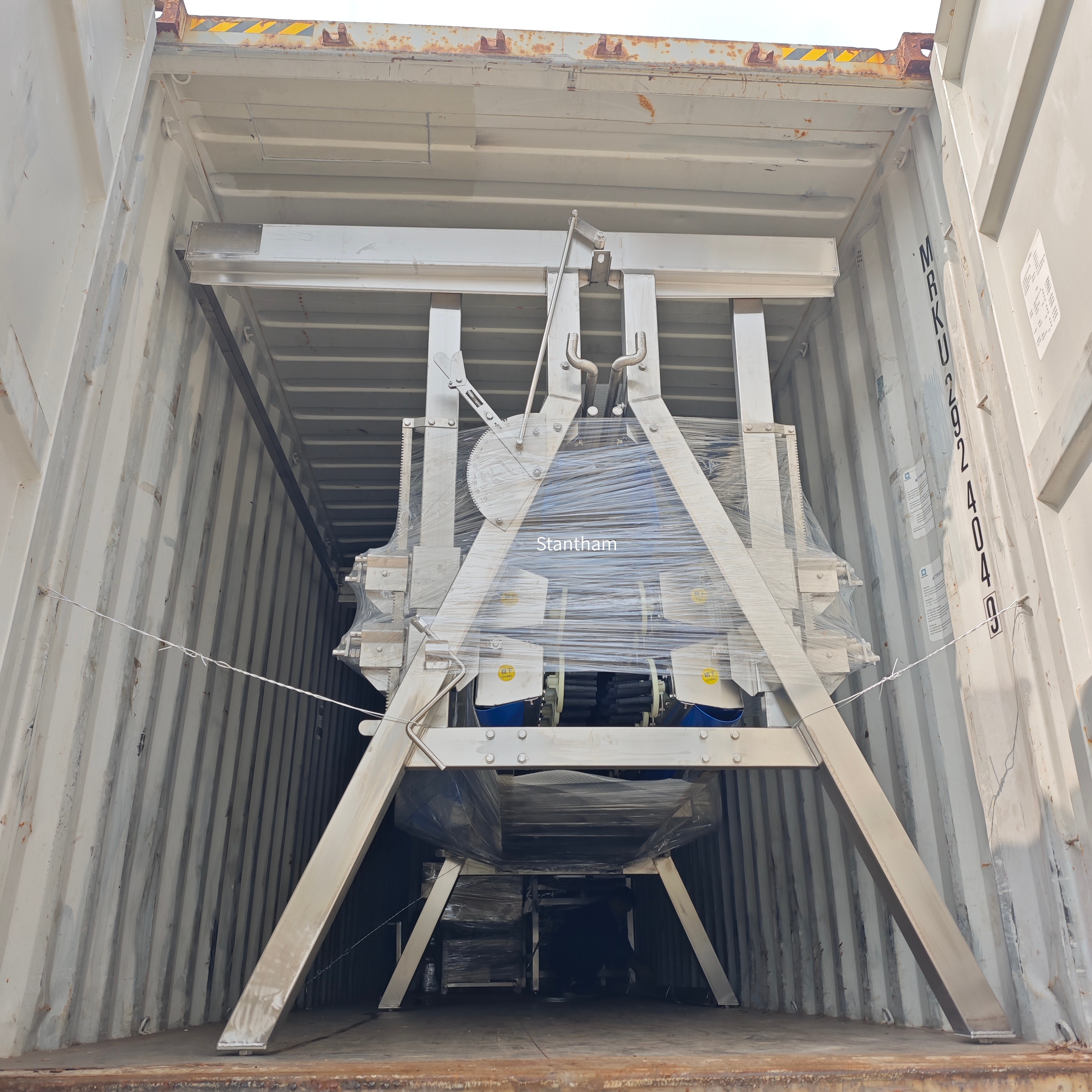
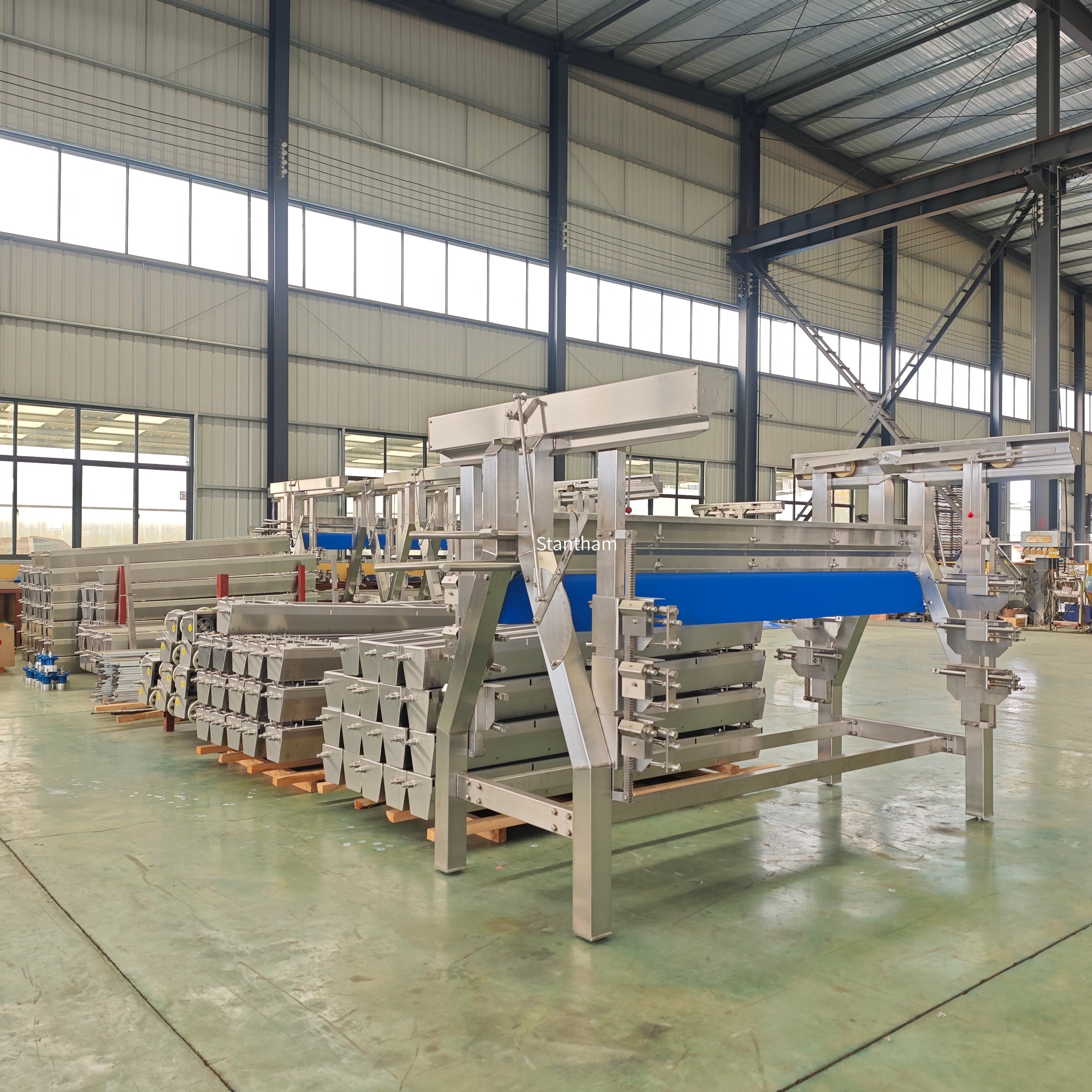
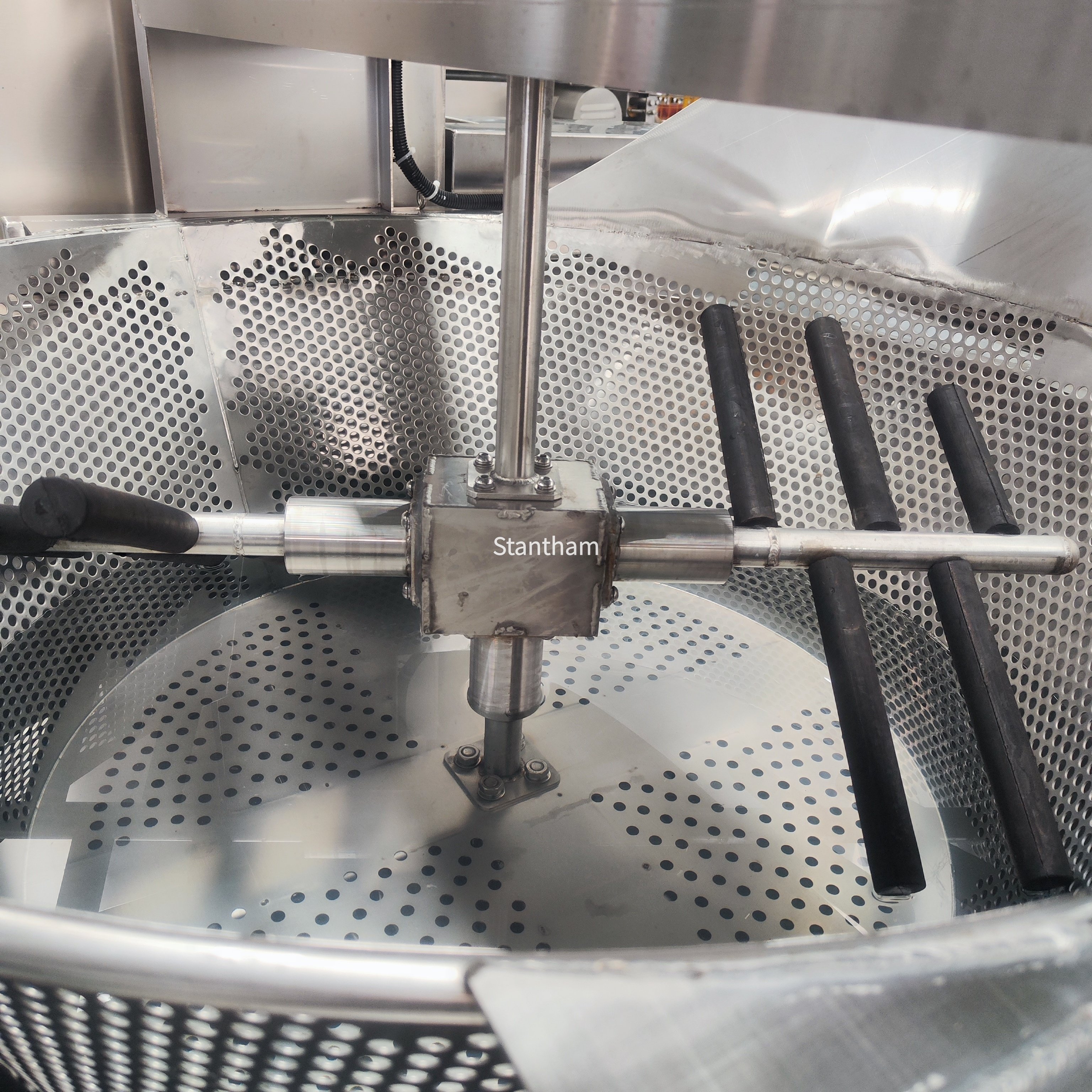
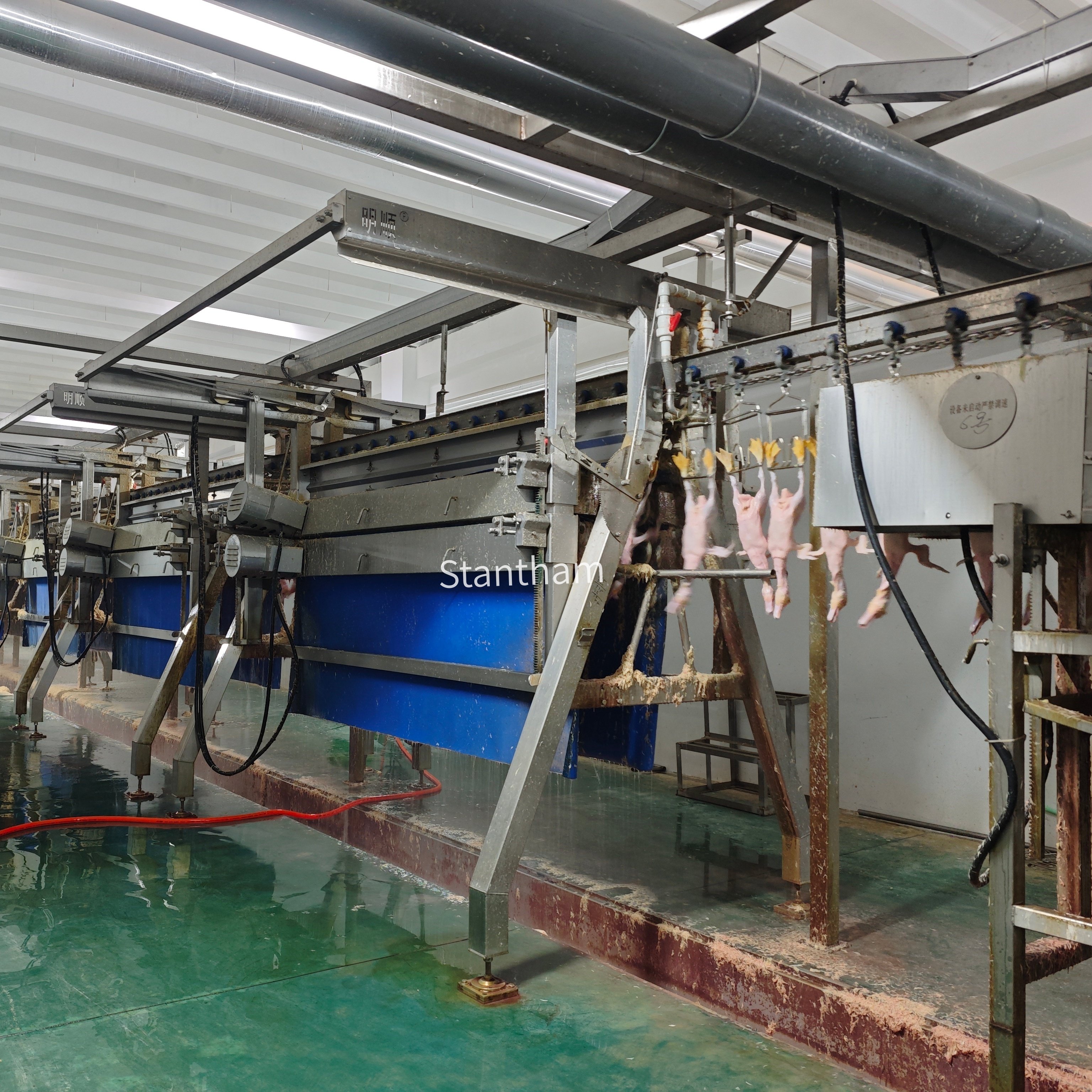
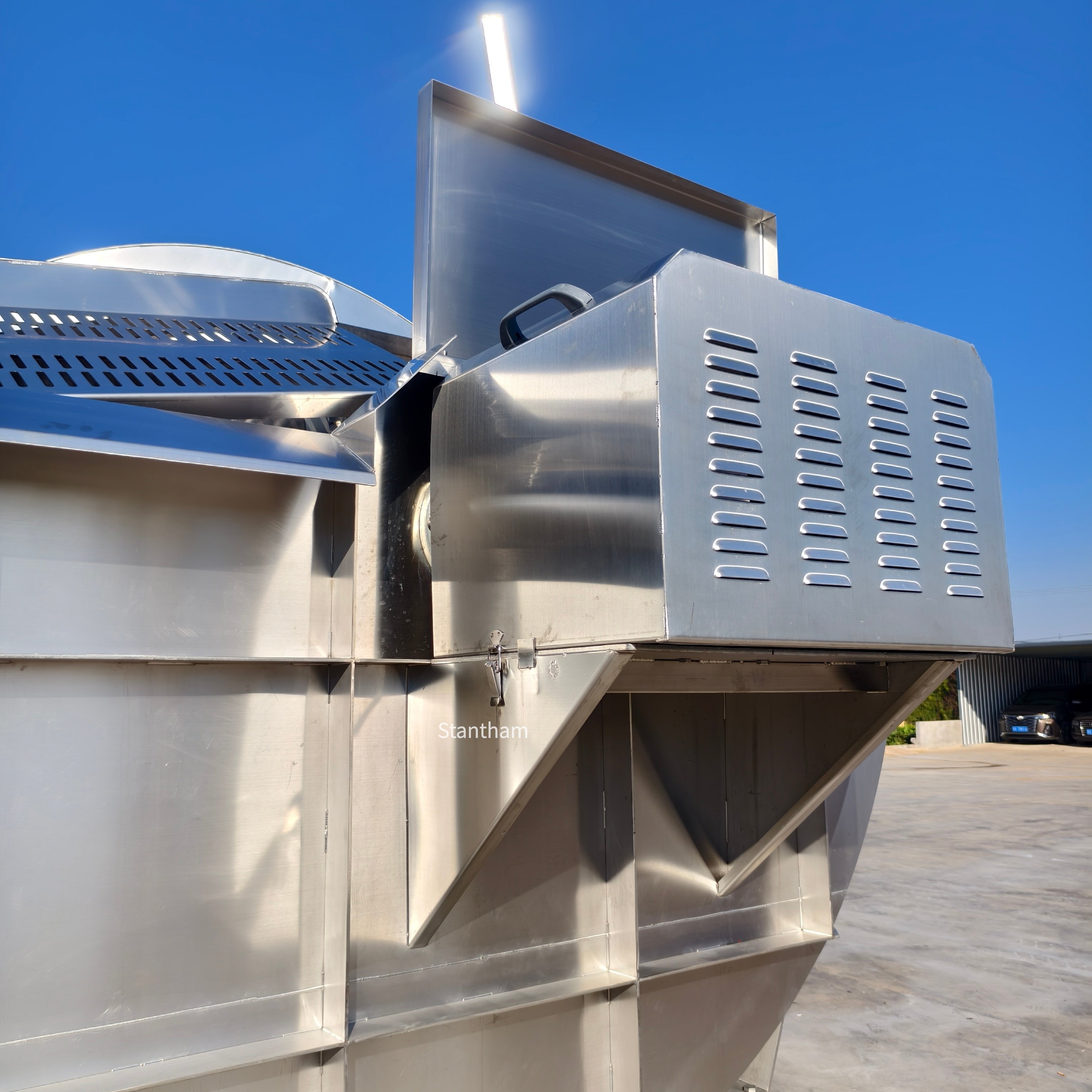
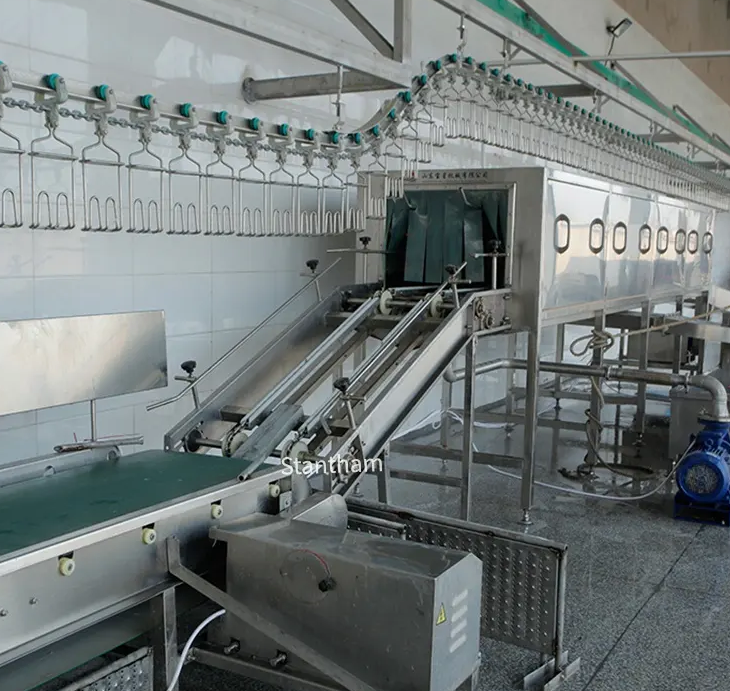
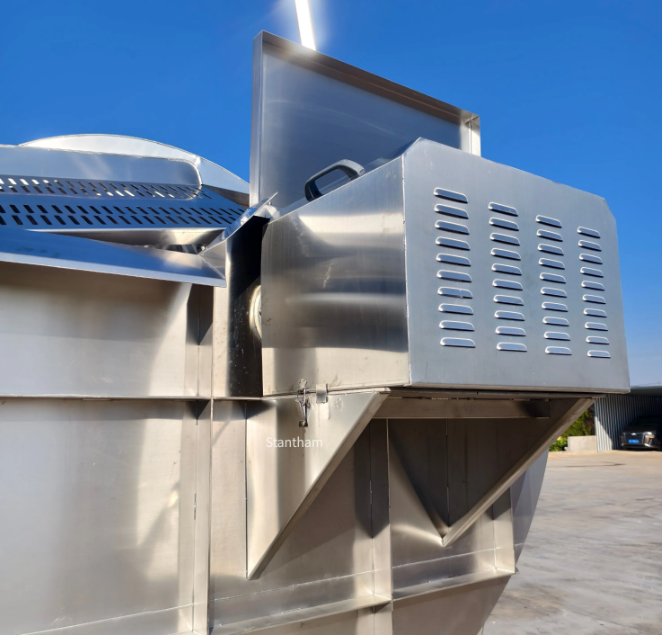
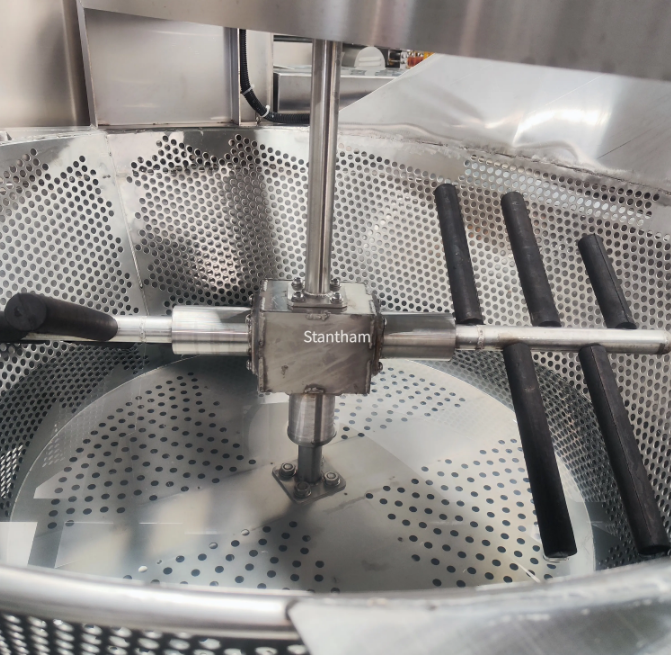
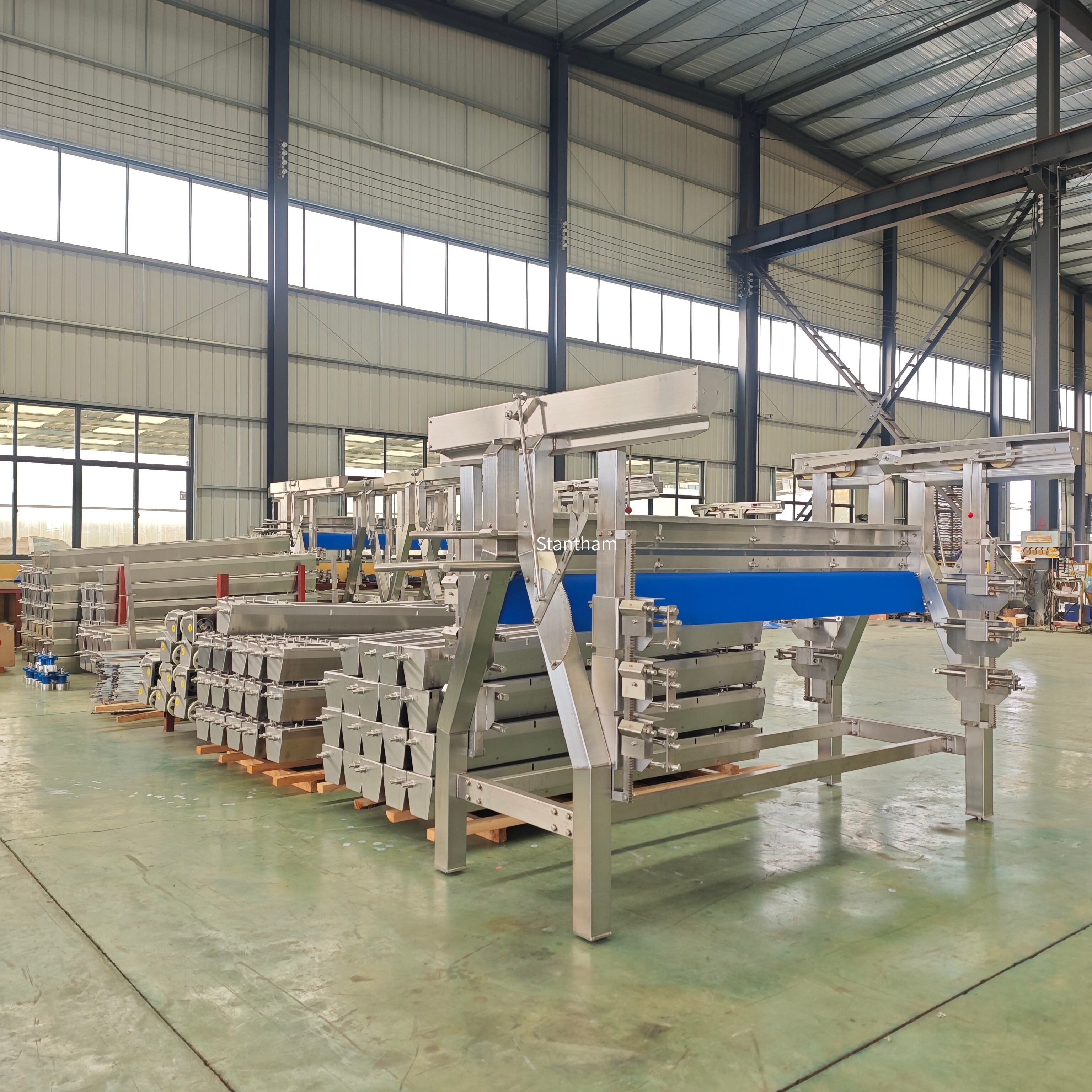
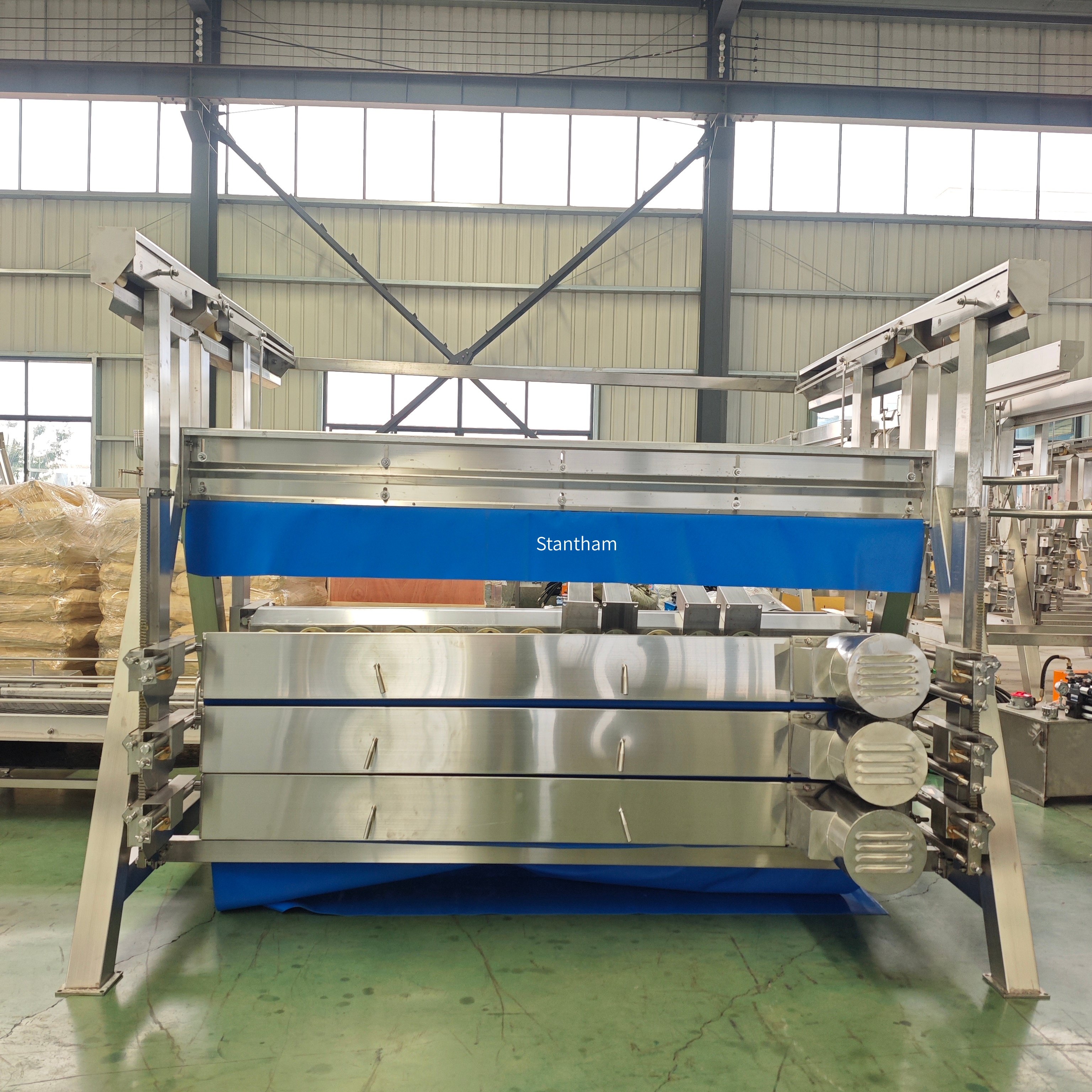
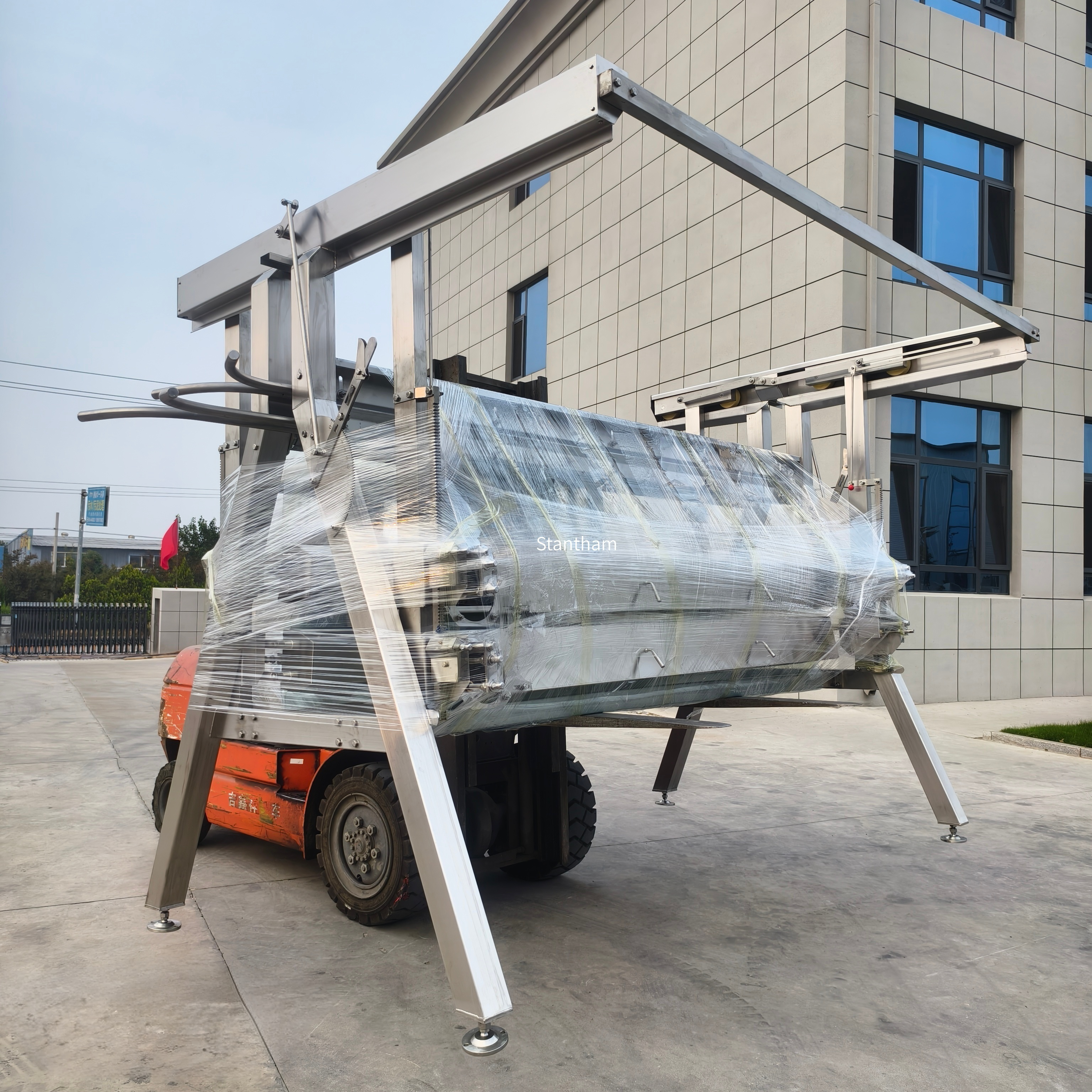
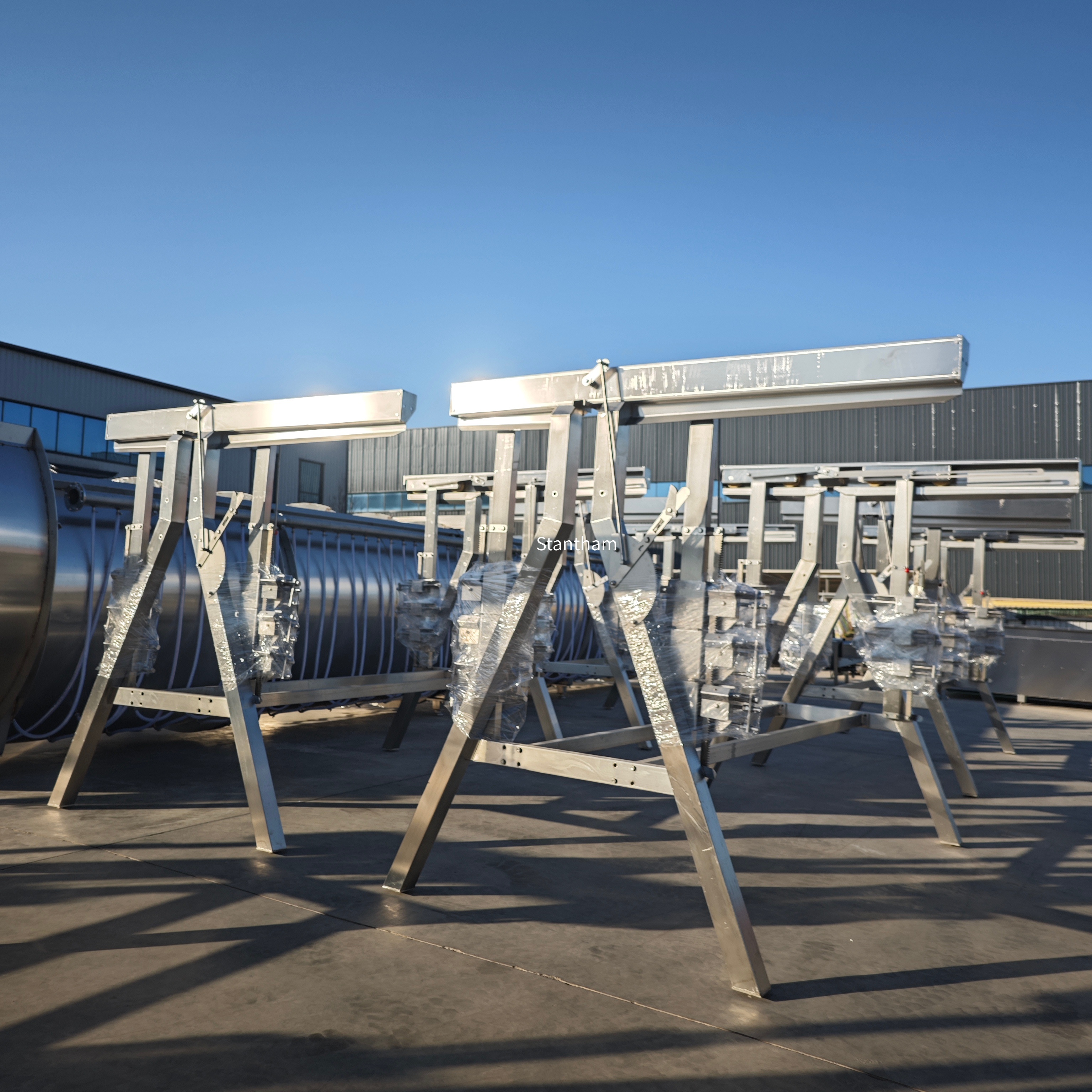
An industrial chicken plucker machine is built for the largest plants, running 4000 to 8000 birds per hour with conveyor-fed stations and tuned finger banks that hold pluck loss under two percent. Stainless construction and sealed drives survive constant washdown, and modular banks let you match length to throughput. Operators report steady grade A and minimal touch-up labor across shifts. The machine integrates directly with evisceration and chill, and usually pays back within twenty months on yield and reduced manual labor.
Get A Quote

Case Study

Plant In Brazil

A Brazilian plant running 6000 birds per hour fought batch-drum bottlenecks that capped output. Our industrial chicken plucker machine used conveyor-fed stations with tuned finger banks, holding pluck loss under two percent at full speed. Grade A stayed steady across shifts, and touch-up labor dropped by eight workers per shift. Sealed drives survived the tropical washdown without corrosion. The plant met a rising export contract without adding shifts. Payback came in nineteen months on labor and yield, and the maintenance crew standardized on our finger banks plant-wide after seeing the consistency.

Processor In USA

A US processor needed industrial plucking that held grade A through holiday peaks. Our industrial chicken plucker machine ran 5000 birds per hour with stainless banks that resisted humidity and daily CIP. Pluck loss held at two percent while competitors saw rises, and the consistent finish won a national retailer listing. Finger changes took under ten minutes between flock sizes, keeping the line moving. The plant dropped manual touch-up by seven workers per shift. Within twenty months the quality gain funded a second cut-up line, and local technicians serviced drives without overseas calls.

Integrator In Russia

A Russian integrator running 4000 birds per hour wanted continuous plucking without batch stoppages. Our industrial chicken plucker machine linked conveyor stations so birds flowed without pause, lifting effective throughput versus the old drum. Pluck loss held under two percent and grade A rose three points. Sealed, washdown-rated drives cut unplanned stops across the quarter. The plant met a national retailer's just-in-time volume. Payback came in eighteen months, and the freed crew moved to cut-up where margins are higher. Neighboring plants began touring the site as a reference.

Related products

An industrial chicken plucker machine for maximum volume must keep birds flowing without pause, so we engineer conveyor-fed stations and tuned finger banks around your target throughput before fabrication. We model pluck loss, water, and drive load, then commission with operator training and a signed acceptance test. Stainless banks are passivated for food safety, and sealed, washdown-rated drives survive constant cleaning. A ten-year spare commitment guards against obsolescence, and regional hubs keep fingers within seventy-two hours of most ports. When capacity grows, matched banks extend the conveyor without relaying foundations. Our engineers stay available for annual hygiene audits that protect uptime and your export eligibility.

Frequently Asked Questions

What capacity do industrial units run?

Industrial machines handle 4000 to 8000 birds per hour with conveyor-fed stations, tuned so pluck loss stays under two percent without the stop-start of batch drums.
Tuned finger banks matched to bird size and drum speed hold pluck loss below two percent, lifting grade A and cutting the touch-up labor that erodes margin on the floor.
Yes. Sealed, washdown-rated drives and stainless banks resist constant cleaning and humidity, outlasting open drives that corrode and cause unplanned stops in most plants.
Yes. Conveyor stations feed evisceration and chill inline without manual transfer, lifting effective throughput and protecting carcass hygiene versus batch handling.
Plants commonly cut seven to eight touch-up workers per shift by linking plucking into a continuous flow, moving the freed crew to cut-up or grading where margins are higher.

Related article

How does a mobile slaughterhouse bring processing capacity directly to remote poultry farms?

04

Jun

How does a mobile slaughterhouse bring processing capacity directly to remote poultry farms?

Redefining Slaughter Infrastructure for Geographically Dispersed Farms Processing poultry in isolated regions has always been a logistical headache. Fixed slaughterhouses demand large capital outlays, centralized collection routes, and reliable col...
View More
Is a Poultry Chiller Machine Right for Your Facility?

10

Jun

Is a Poultry Chiller Machine Right for Your Facility?

Understanding What a Poultry Chiller Actually Does A poultry chiller machine is not simply a cold water tank. It is a controlled thermal exchange system designed to bring freshly eviscerated carcasses from roughly thirty-five degrees Celsius down t...
View More
Why is proper scalding temperature critical for feather removal efficiency in a chicken abattoir?

17

Jun

Why is proper scalding temperature critical for feather removal efficiency in a chicken abattoir?

The Scalding Window: A Delicate Balance Between Feather Release and Skin Integrity Scalding is the bridge between bleeding and plucking in a chicken abattoir. The birds pass through a tank of heated water, and the heat loosens the feather follicles...
View More
Advanced Optimization of Custom Chicken Slaughter Equipment

10

Jul

Advanced Optimization of Custom Chicken Slaughter Equipment

The Customization Imperative in Poultry Processing Poultry processing lines look similar from a distance—shackles, conveyors, scalders, pluckers, evisceration stations. But step closer and the differences become obvious. One plant runs 12,000 b...
View More

Customer Testimonials

C. Santos

Our batch drums capped output at 6000 birds per hour; this industrial chicken plucker machine used conveyor stations with tuned finger banks holding pluck loss under two percent at full speed. Grade A stayed steady and we dropped eight touch-up workers per shift. Sealed drives survived tropical washdown, and we met a rising export contract without adding shifts. Payback came in nineteen months on labor and yield, and maintenance standardized on these finger banks plant-wide.

K. Brooks

As a US processor, we needed industrial plucking through holiday peaks. This industrial chicken plucker machine ran 5000 birds per hour with stainless banks that resisted humidity and CIP, holding pluck loss at two percent while rivals rose. The consistent finish won a national retailer listing and we dropped seven touch-up workers per shift. Payback in twenty months funded a second cut-up line, and local techs service the drives.

Get a Free Quote

Our representative will contact you soon.
Email
Name
Company Name
Mobile/WhatsApp
Message
0/1000
Maximum Flow, No Pause

Maximum Flow, No Pause

Batch drums force stop-start that caps the largest plants, so an industrial chicken plucker machine uses conveyor-fed stations to keep birds moving without pause. Linked flow lifts effective throughput versus drum cycles and protects daily volume during peak demand. Operators see steady grade A across shifts instead of batch-to-batch variation. Buyers gain a station built for continuous industrial volume. This coordination protects the value of the capital invested on the floor.
Yield At 8000 Per Hour

Yield At 8000 Per Hour

At maximum speed, pluck loss is where margin hides, so tuned finger banks matched to bird size hold it under two percent even at 8000 birds per hour. Plants recover grade A that unbalanced lines lose, and touch-up labor drops by several workers per shift. The consistent, traceable output also protects premium price points that brokers otherwise erode with deductions. Owners gain a machine built for the economics of high-volume processing, turning speed into measurable margin.
Built For The Industrial Floor

Built For The Industrial Floor

Industrial floors are wet, humid, and relentless, so stainless banks and sealed washdown-rated drives are the core of the design rather than options. Owners report the machine outlasting open-drive imports that corrode and stop unexpectedly. Modular banks let you extend the conveyor as orders grow without relaying foundations. Common spare parts simplify inventory across the line. The approach protects uptime and the audit results that exports depend on through every season.

Get a Free Quote

Our representative will contact you soon.
Email
Name
Company Name
Mobile/WhatsApp
Message
0/1000