Stainless Steel Poultry Abattoir Equipment: 304/316 Corrosion-Proof Solutions

+86-18866172299
All Categories
Why Stainless Steel Defines Our Abattoir Equipmentstainless steel poultry abattoir equipment

Why Stainless Steel Defines Our Abattoir Equipmentstainless steel poultry abattoir equipment

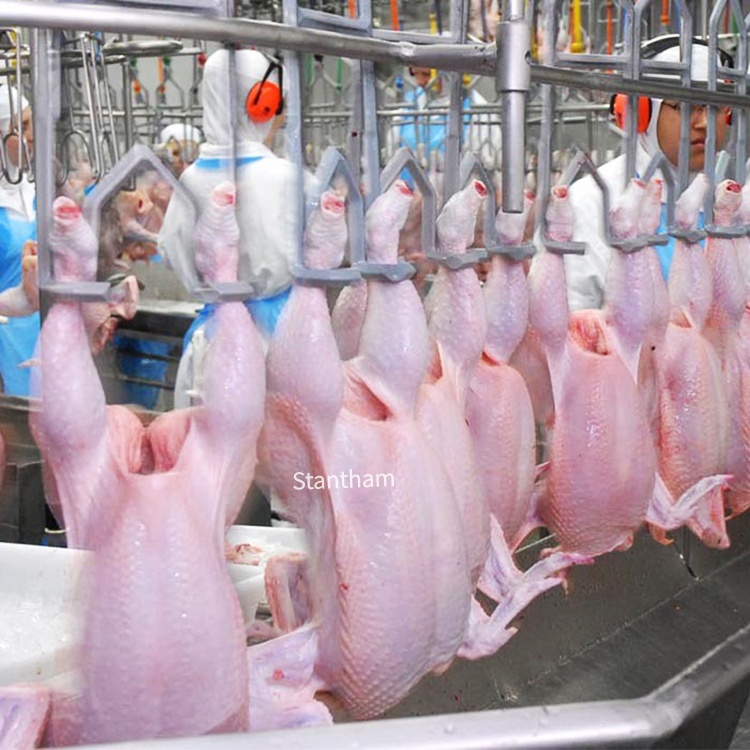
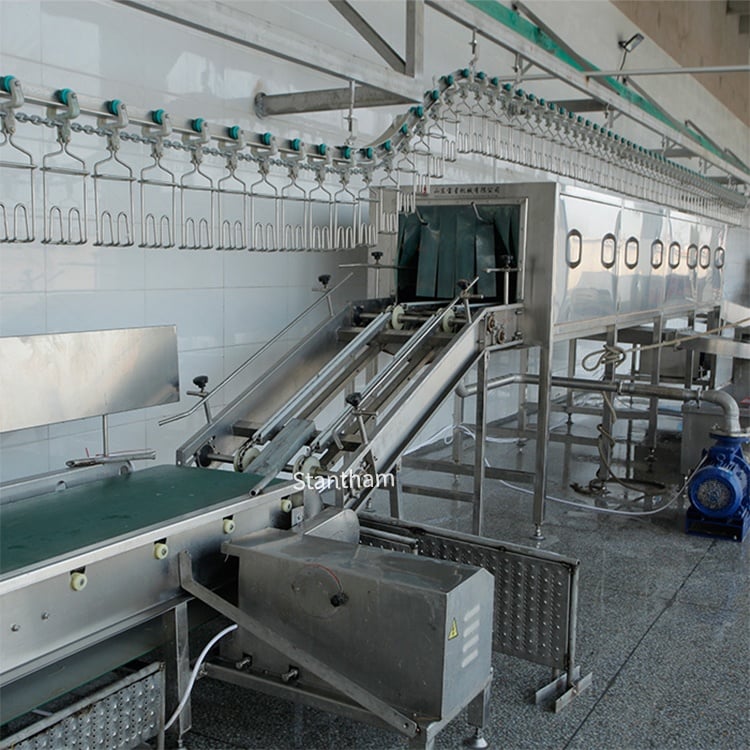
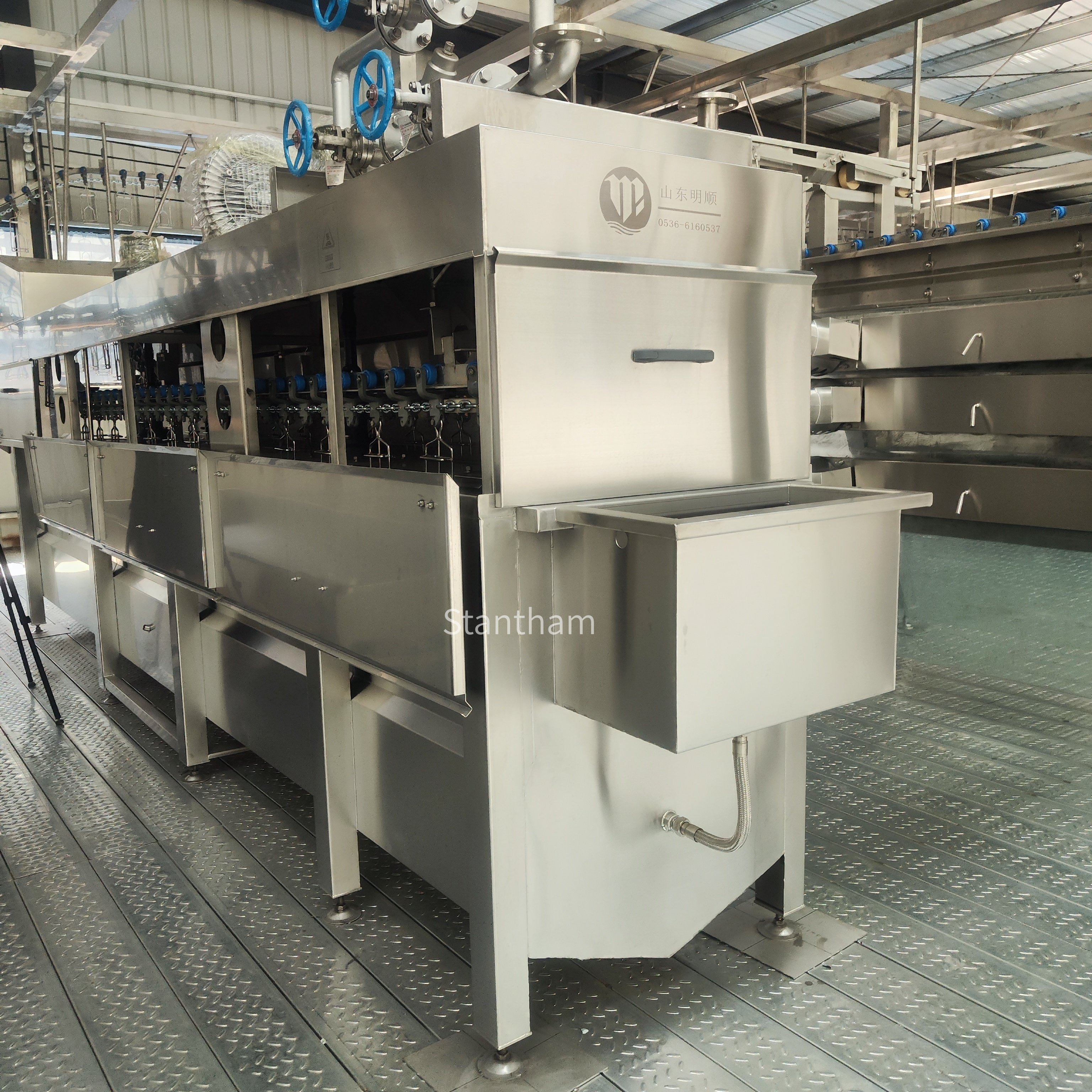
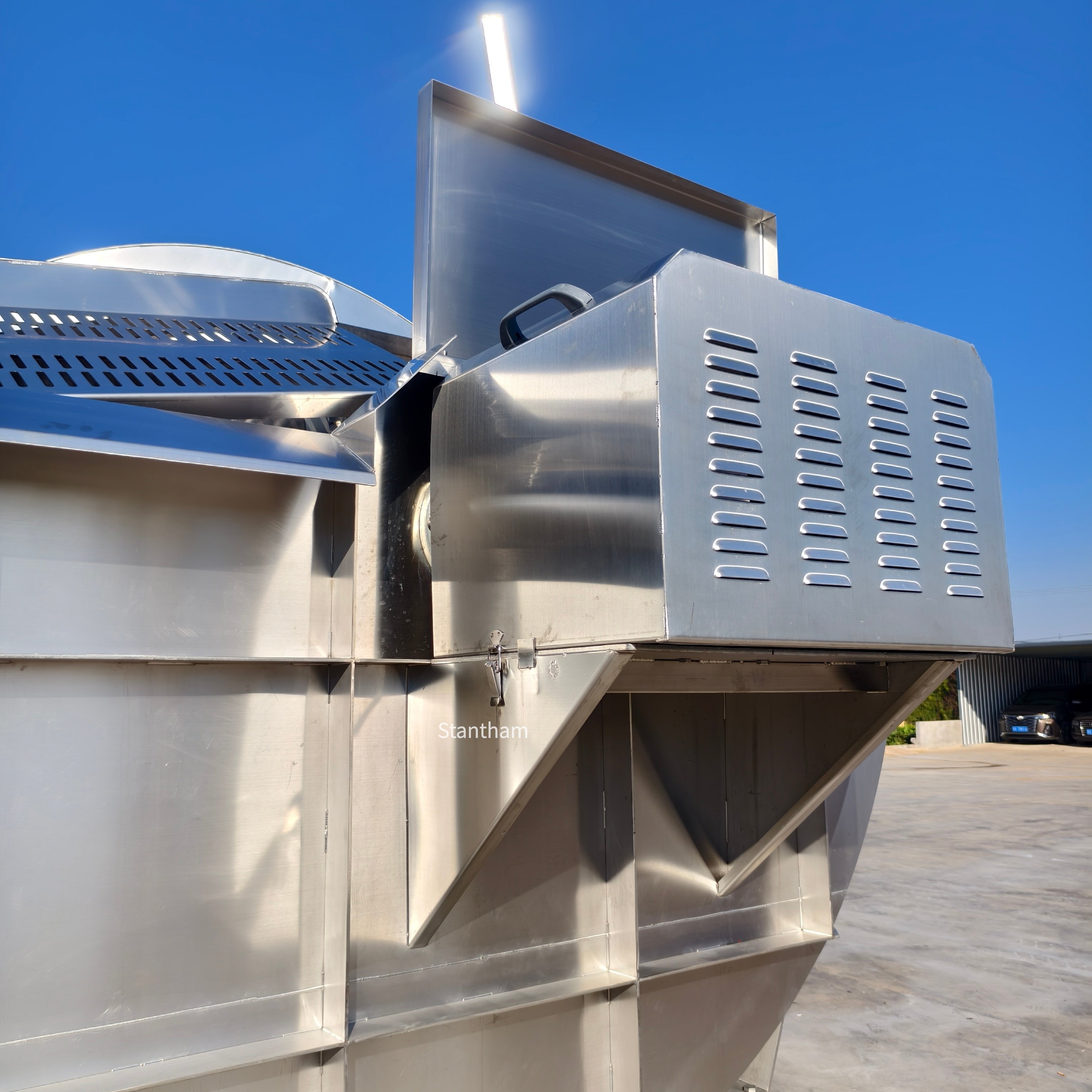
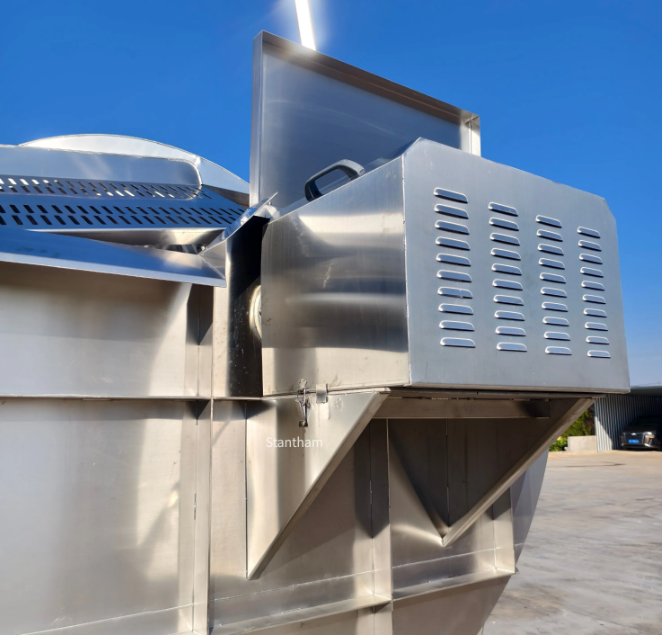
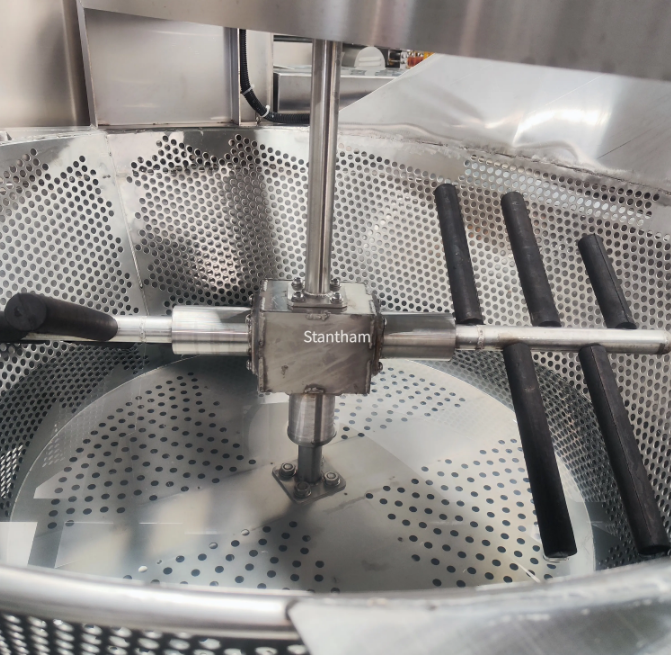
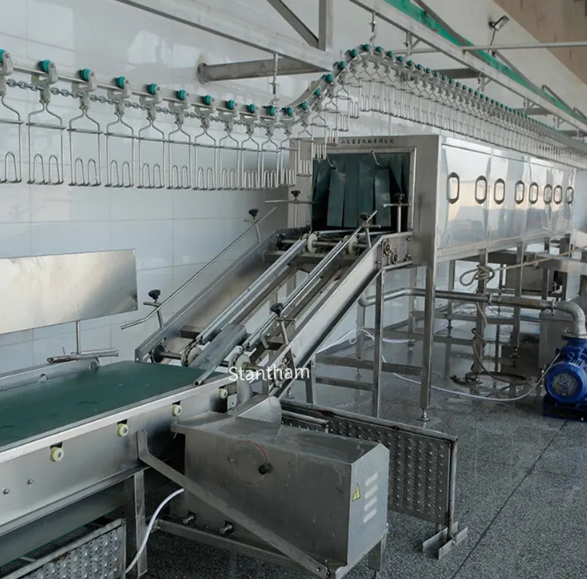
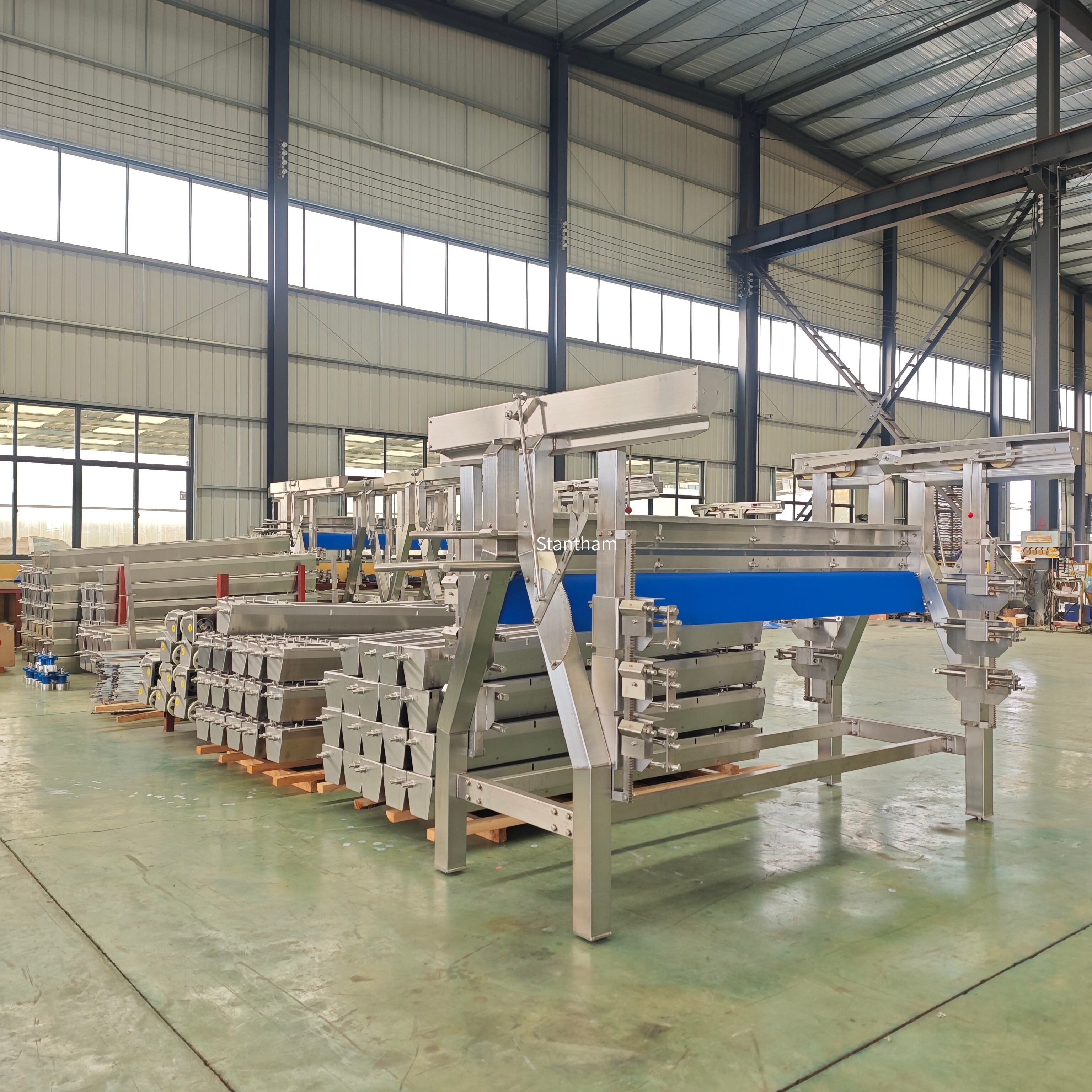
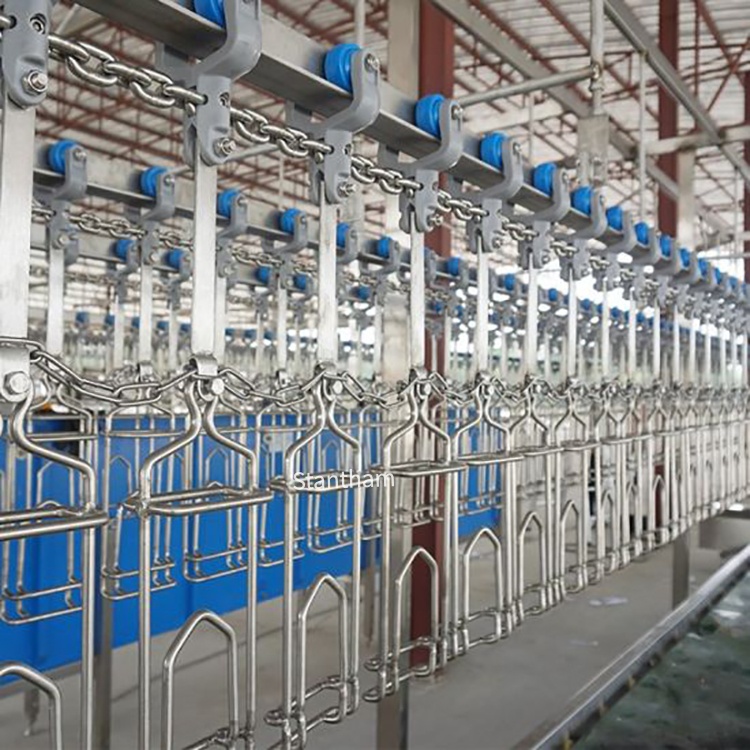
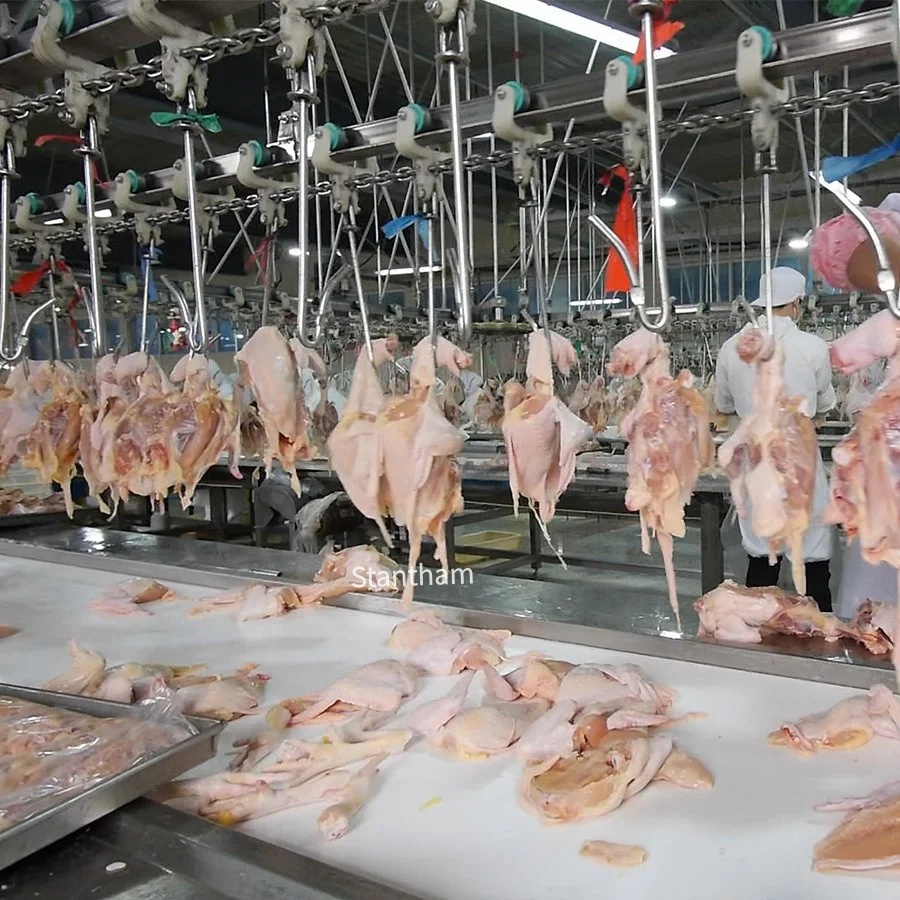
Our stainless steel poultry abattoir equipment is built from 304 and 316 grades chosen for contact and structural roles, so the line resists corrosion in high-wash, high-humidity plants. Hygienic welds, sloped surfaces, and full CIP integration make sanitation thorough and repeatable, while separated clean and dirty zones block cross-contamination. Capacities run from 200 to 12,000 birds per hour across stunning, scalding, defeathering, evisceration, and chilling. In a coastal Nigerian plant, 316 stainless cut rust-related downtime by 70% over three years versus coated steel. Single-PLC control links every station, giving supervisors live yield and temperature data that protect both food safety and equipment life.
Get A Quote

Case Study

Coastal Nigerian Processing Plant

A coastal Nigerian processor fighting rapid rust on coated lines switched to our stainless steel poultry abattoir equipment rated 3,000 birds per hour. We specified 316 stainless for all washdown and contact parts, with sealed electrics and sloped drains that shed brine. Within three years, corrosion-related downtime fell 70% and sanitation time dropped a third, since surfaces needed no repainting. HACCP separation and CIP passed federal inspection on the first visit. The plant extended shelf life for distant markets and reported lower lifecycle cost than its previous steel, crediting the material choice with steadier output through the humid season.

Island Indonesian Tuna-Region Abattoir

An Indonesian island abattoir near a salty strait needed equipment that would survive constant sea-air exposure. Our stainless steel poultry abattoir equipment used 316L for frames and 304 for contact surfaces, with crevice-free welds that resisted pitting. The 1,200 birds per shift line passed provincial inspection first time and ran eighteen months with no corrosion stoppage. Local workers trained on CIP cleaning, and the cooperative cut imported frozen chicken by half. Management noted the stainless build paid back through avoided repair and replacement, proving the value of correct grade selection in coastal, high-salt operating conditions.

Philippines Typhoon-Relief Unit

A Philippine provincial office deployed our stainless steel poultry abattoir equipment in a mobile container after repeated storm damage to ordinary steel plants. 316 stainless and sealed drives shrugged off flood mud and humid washdown, keeping the 1,500 birds per shift unit running where others failed. HACCP separation and traceability sensors logged each batch, while cold storage held product for evacuation centers within a day. Trained local associations restored grower income quickly, and authorities credited the corrosion-proof build with preventing spoilage worth significant revenue during the recovery window when fixed plants were offline.

Related products

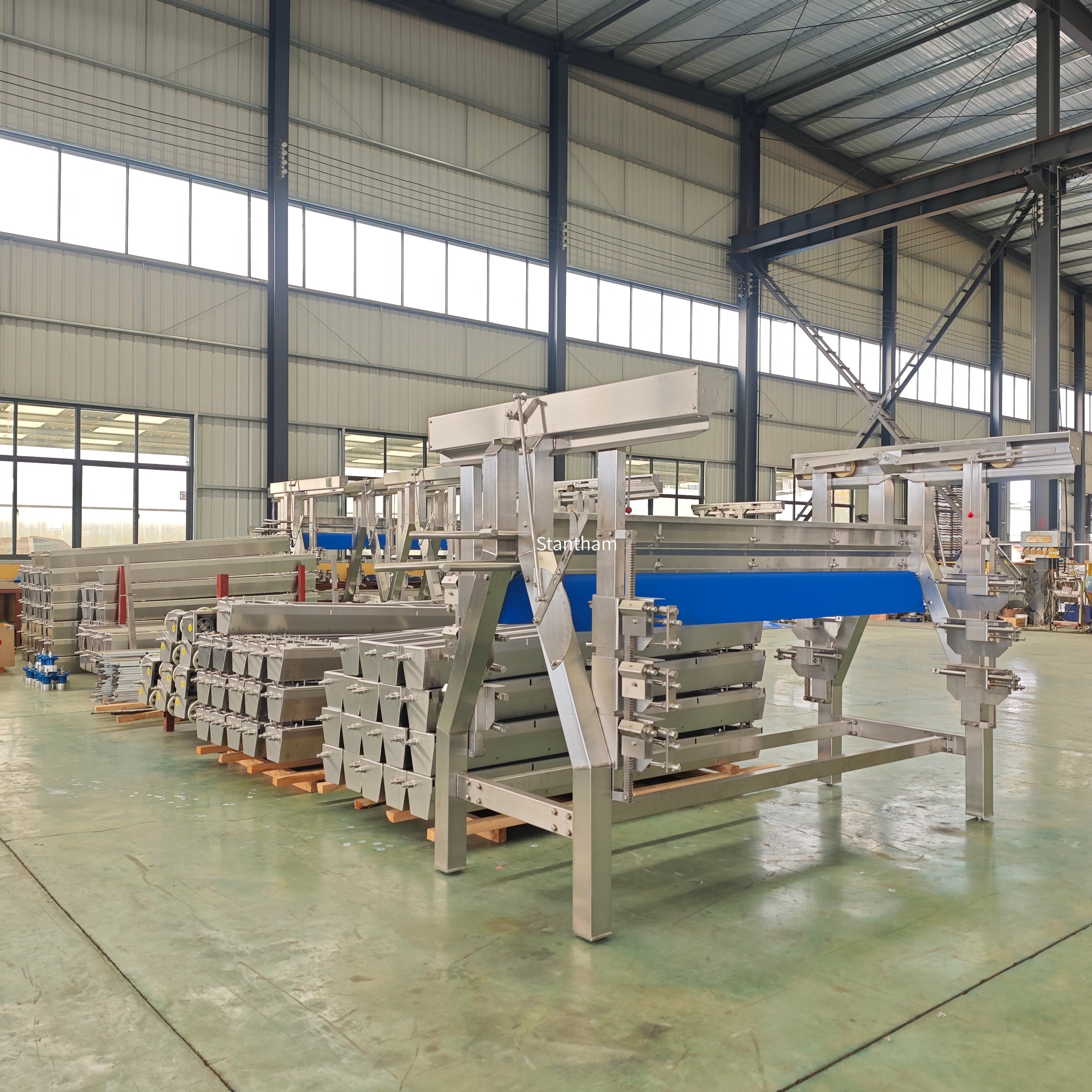
Our stainless steel poultry abattoir equipment is engineered for the harshest washdown environments, where ordinary coated steel fails within months. We select 304 stainless for food-contact surfaces and upgrade to 316 or 316L for frames, drains, and coastal or high-salt sites, with hygienic welds and sloped geometry that eliminate crevices where bacteria and corrosion start. Every station, from stunning through chilling, is CIP-ready with separated clean and dirty zones that meet HACCP, Halal, and EU export rules. Capacities span 200 to 12,000 birds per hour, and single-PLC control links all stages for live yield and temperature visibility. In a coastal Nigerian plant, the 316 build cut rust downtime 70% over three years and lowered sanitation time, lifting both uptime and audit confidence. Corrosion-resistant sealed electrics and fittings extend service life through daily high-pressure cleaning. We deliver full installation, operator training, spare parts, and remote diagnostics, so your stainless investment runs reliably and keeps lifecycle cost low across the plant's working life.

Frequently Asked Questions

Which stainless grade do you recommend?

We use 304 for food-contact surfaces and 316 or 316L for frames, drains, and coastal sites. The right grade choice resists pitting and extends life, lowering lifecycle cost versus coated steel in high-wash, high-salt plants.
Yes. Hygienic welds, sloped drains, and full CIP integration meet HACCP, Halal, and EU export standards. Separated zones and traceability sensors help customers pass audits confidently on the first inspection.
Far less than coated steel. Daily CIP cleaning and periodic inspection suffice, with no repainting. In coastal plants, 316 grades cut corrosion downtime by up to 70%, keeping the line running through humid seasons.
Yes. Our stations integrate with many layouts, letting you replace rust-prone modules individually. We assess your flow and recommend targeted stainless upgrades that boost hygiene and uptime without a full rebuild.
We provide installation, commissioning, training, spare-part kits, and remote diagnostics. Preventive-maintenance guidance and fast response keep downtime low and help your team hold rated capacity through every shift.

Related article

Is a Poultry Chiller Machine Right for Your Facility?

10

Jun

Is a Poultry Chiller Machine Right for Your Facility?

Understanding What a Poultry Chiller Actually Does A poultry chiller machine is not simply a cold water tank. It is a controlled thermal exchange system designed to bring freshly eviscerated carcasses from roughly thirty-five degrees Celsius down t...
View More
Why is proper scalding temperature critical for feather removal efficiency in a chicken abattoir?

17

Jun

Why is proper scalding temperature critical for feather removal efficiency in a chicken abattoir?

The Scalding Window: A Delicate Balance Between Feather Release and Skin Integrity Scalding is the bridge between bleeding and plucking in a chicken abattoir. The birds pass through a tank of heated water, and the heat loosens the feather follicles...
View More
How does a mechanical chicken slaughter system minimize bone breakage compared to manual methods?

22

Jun

How does a mechanical chicken slaughter system minimize bone breakage compared to manual methods?

The Bone Breakage Problem Nobody Talks About Walk into any medium-sized poultry processing plant and ask the quality control manager about their biggest headache. Chances are, bone breakage ranks near the top. Not the dramatic compound fractures, b...
View More
Advanced Optimization of Custom Chicken Slaughter Equipment

10

Jul

Advanced Optimization of Custom Chicken Slaughter Equipment

The Customization Imperative in Poultry Processing Poultry processing lines look similar from a distance—shackles, conveyors, scalders, pluckers, evisceration stations. But step closer and the differences become obvious. One plant runs 12,000 b...
View More

Customer Testimonials

Tunde Bello

We run a coastal plant where coated steel rusted within a year. Switching to their 316 stainless poultry abattoir equipment changed everything. Corrosion downtime dropped 70% over three years, sanitation is faster, and our HACCP audit passed first time. The build quality is obvious and lifecycle cost is far lower. Support has been responsive from install through daily operation.

Maria Santos

Our island abattoir sits in constant sea air, and this stainless line simply does not pit. Eighteen months with no corrosion stoppage, CIP cleaning passed inspection first try, and we cut frozen imports by half. The grade selection clearly mattered. Local staff trained easily, and the unit keeps delivering steady, safe output through the humid season.

Get a Free Quote

Our representative will contact you soon.
Email
Name
Company Name
Mobile/WhatsApp
Message
0/1000
Right Grade For The Right Environment

Right Grade For The Right Environment

Stainless steel is not one material, and our poultry abattoir equipment is specified by environment. We use 304 for contact surfaces and step up to 316 or 316L for frames, drains, and coastal or high-salt sites where pitting destroys ordinary steel. Hygienic welds and sloped geometry remove crevices that trap moisture and bacteria, so cleaning is thorough and fast. In a Nigerian coastal plant, the 316 build cut rust downtime 70% over three years and lowered sanitation time, proving grade choice protects both uptime and audit confidence. For buyers in humid, salty, or flood-prone regions, correct stainless selection is the difference between a line that ages gracefully and one that fails early.
Hygiene Engineered Into The Surface

Hygiene Engineered Into The Surface

Because stainless resists corrosion, it also resists the roughening that hides pathogens, so our poultry abattoir equipment stays audit-ready far longer. Every contact part uses hygienic welds, sloped drainage, and full CIP integration that resets the line quickly between batches. Clean and dirty zones are physically separated to block cross-contamination, and traceability sensors log temperature, weight, and yield for every bird. This documentation satisfies HACCP, Halal, and EU export requirements that modern retailers demand. Sealed electrics and fittings survive daily high-pressure washdown without degrading, extending service life. For exporters, this surface-level hygiene discipline turns consistent quality into long-term retail and distribution contracts.
Lower Lifecycle Cost Over Years

Lower Lifecycle Cost Over Years

Stainless steel costs more upfront but saves far more across the plant's life, and our poultry abattoir equipment is built to prove it. With no repainting, no rust repair, and 316 grades that cut coastal downtime up to 70%, the line keeps producing instead of stopping for fixes. CIP-ready surfaces shorten daily cleaning, freeing labor for production, while sealed components avoid the failures that plague coated steel in humid sites. Buyers report lower total cost of ownership within three years, and the corrosion-proof build protects resale value too. For operators weighing capital against uptime, stainless is the investment that pays back through reliability, hygiene, and a longer, steadier service life.

Get a Free Quote

Our representative will contact you soon.
Email
Name
Company Name
Mobile/WhatsApp
Message
0/1000