Small Poultry Slaughterhouse Equipment | 200–1000 BPH

+86-18866172299
All Categories
Small Footprint, Real Plant

Small Footprint, Real Plant

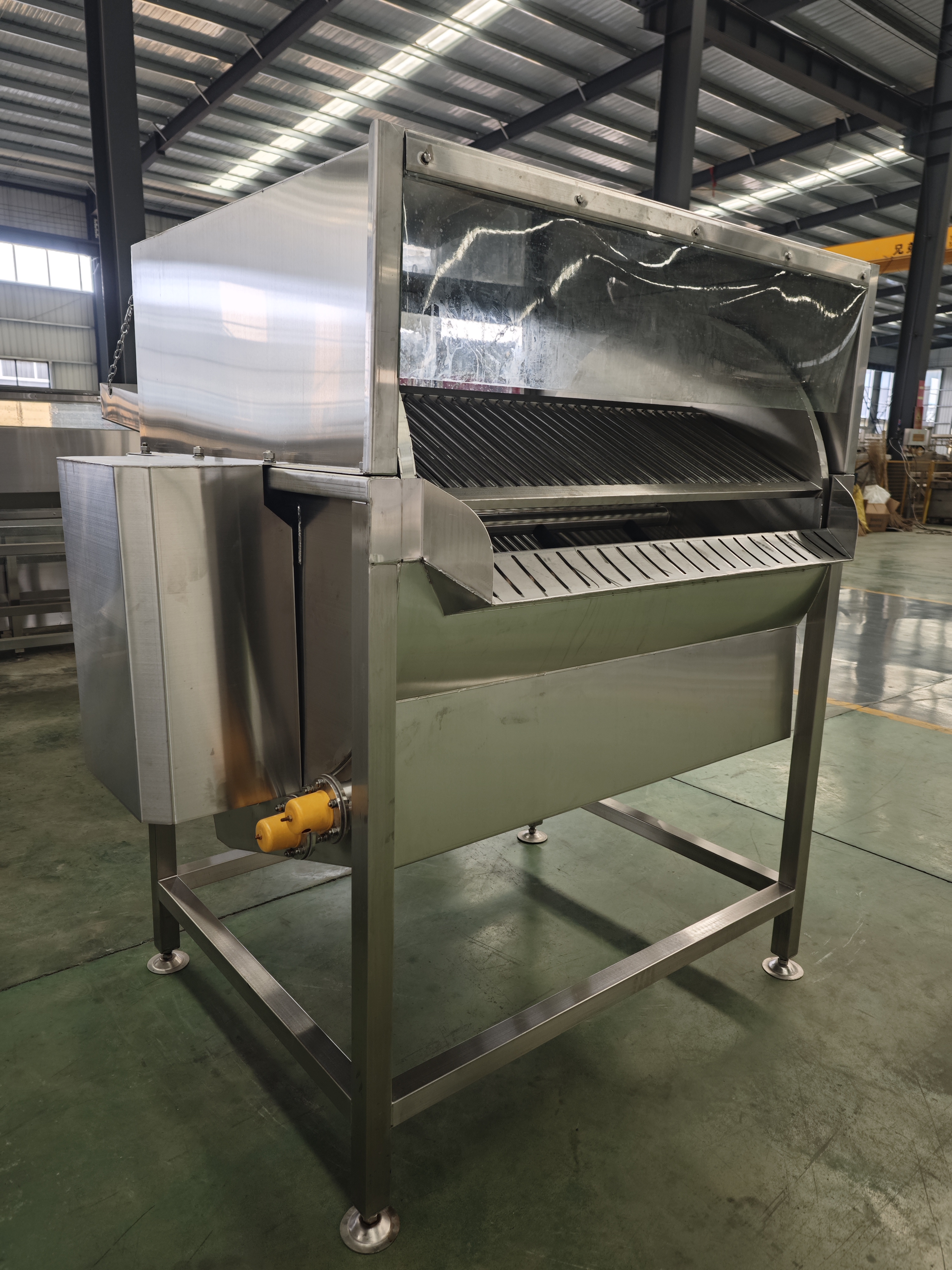
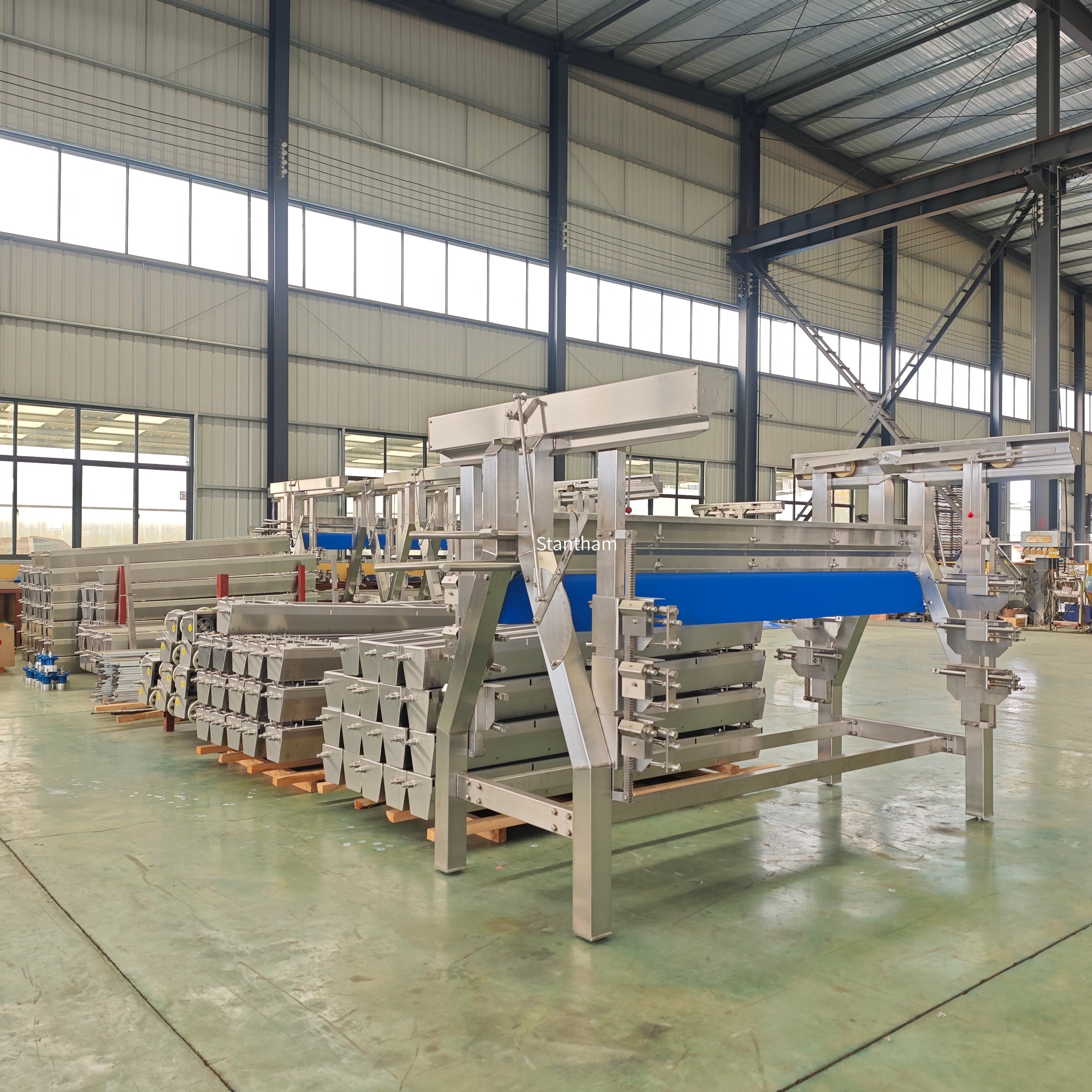
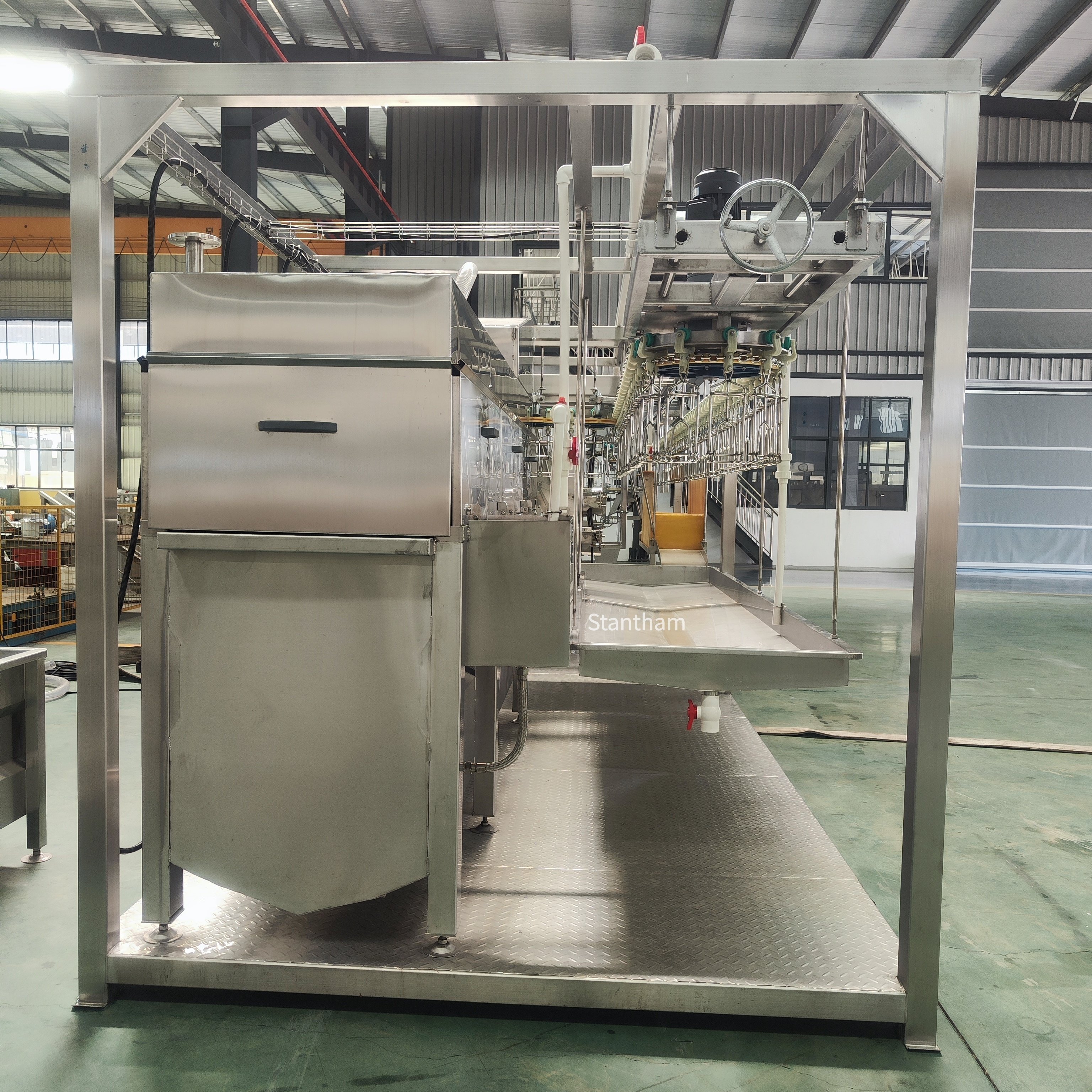
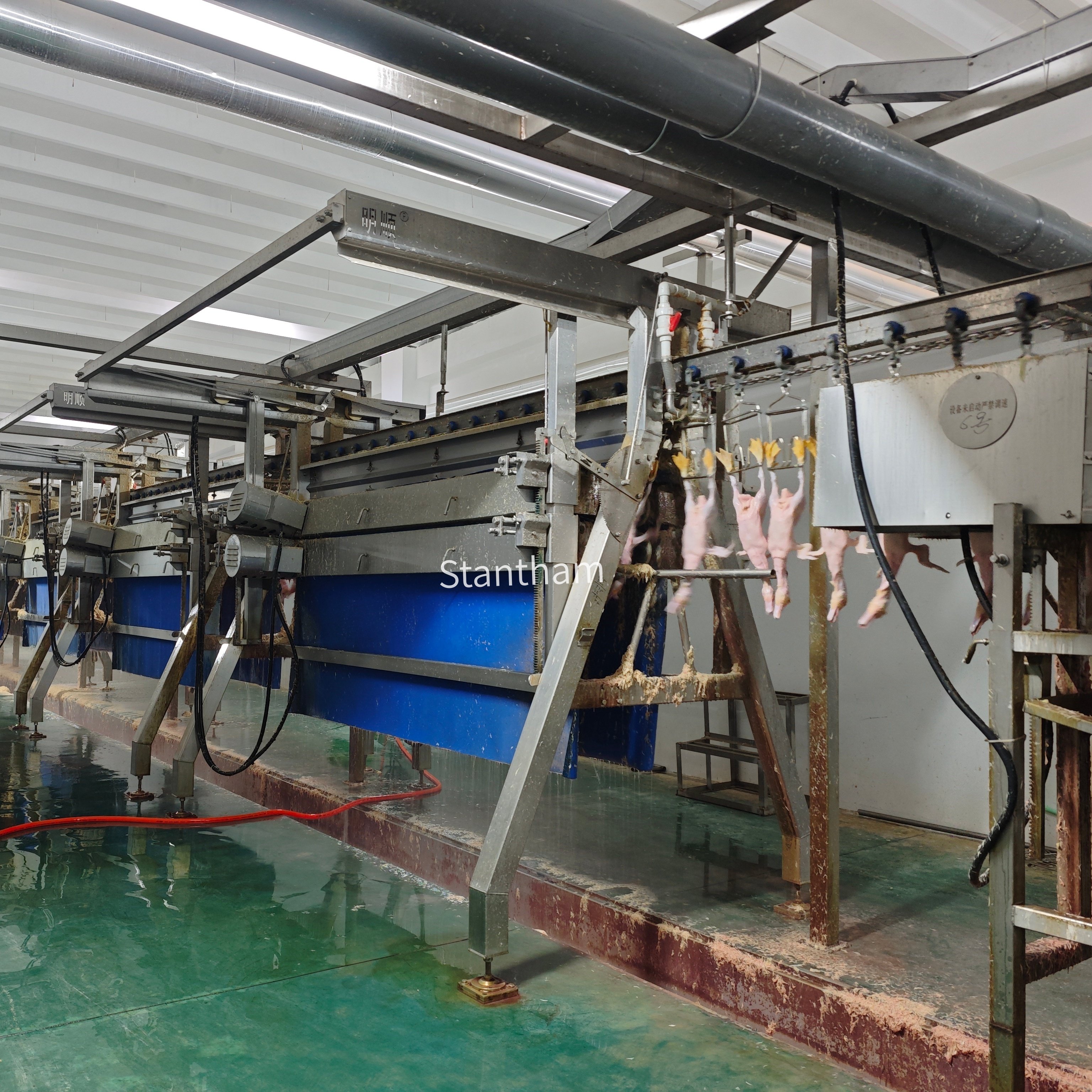
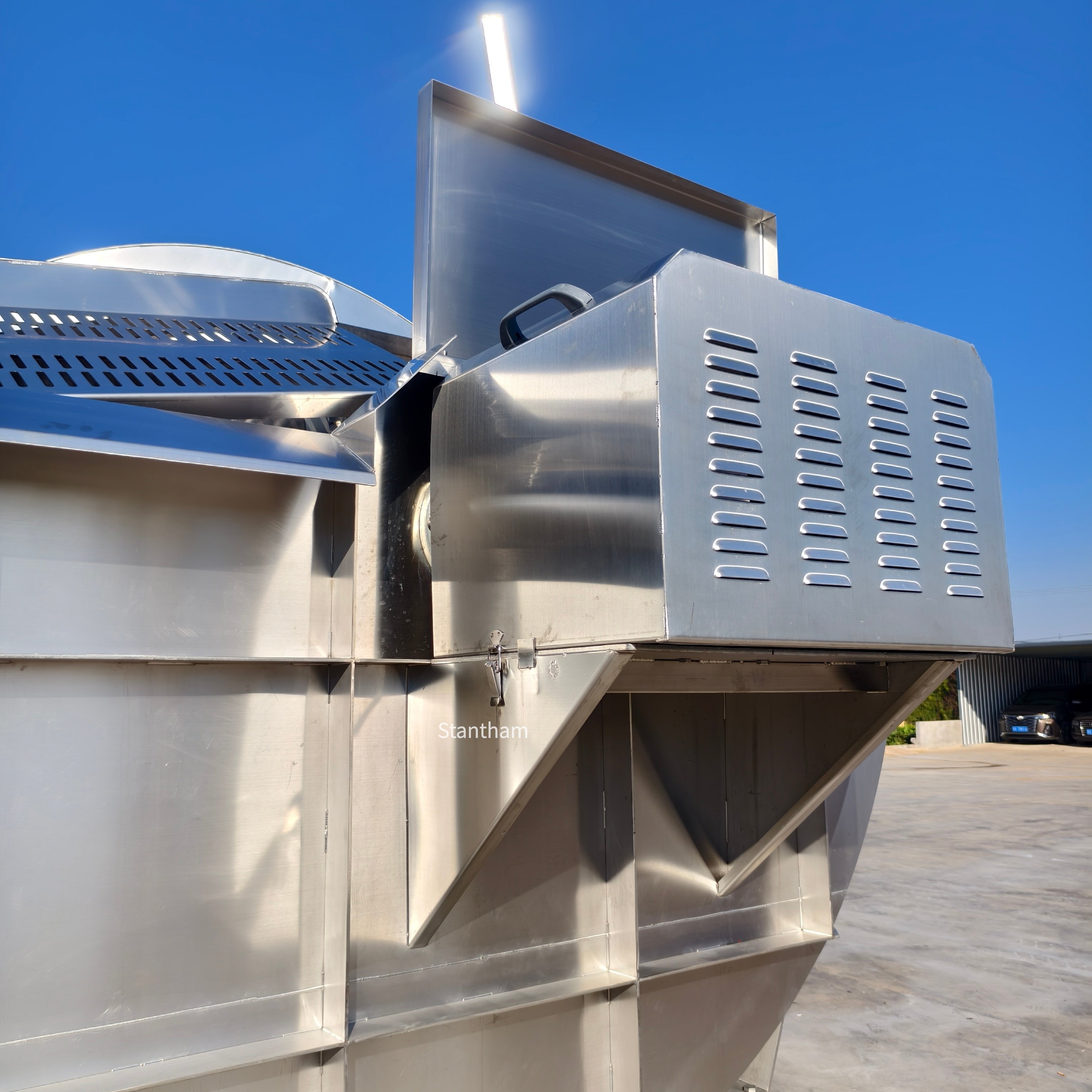
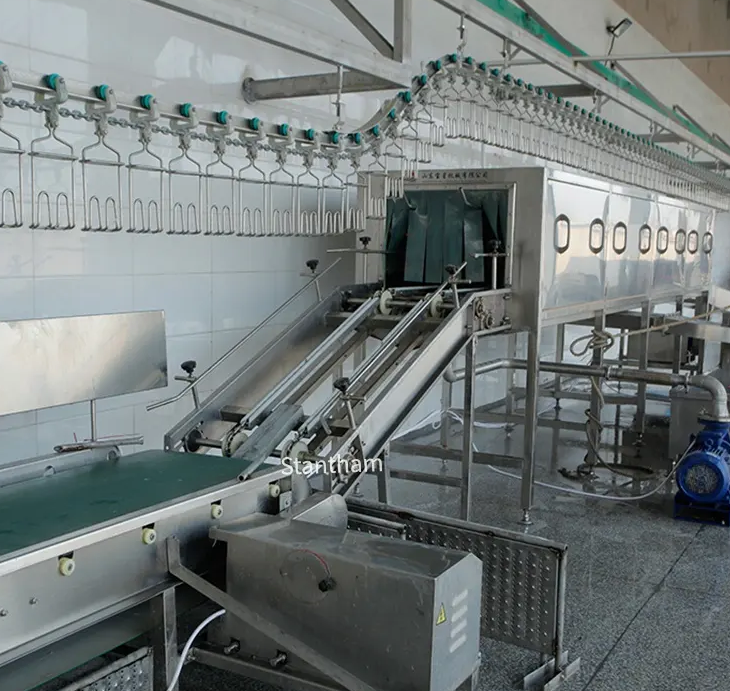
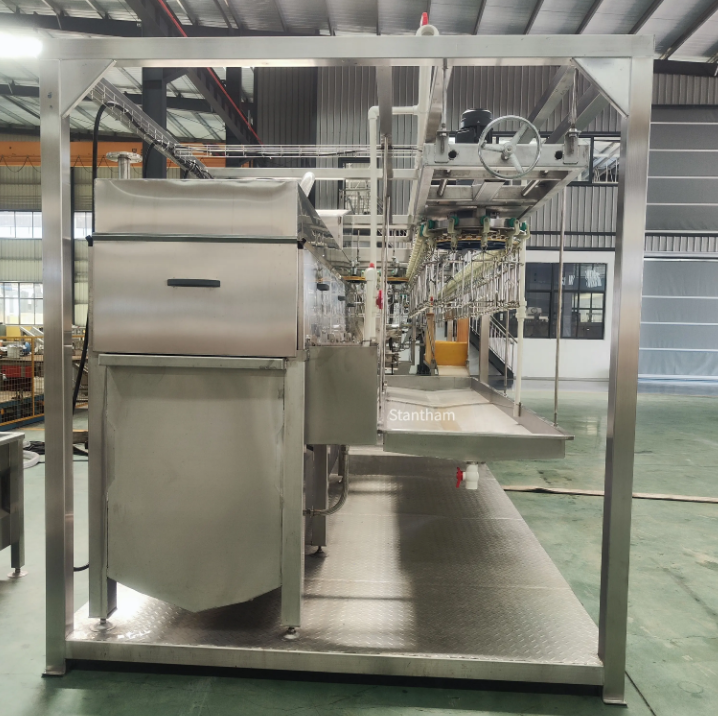
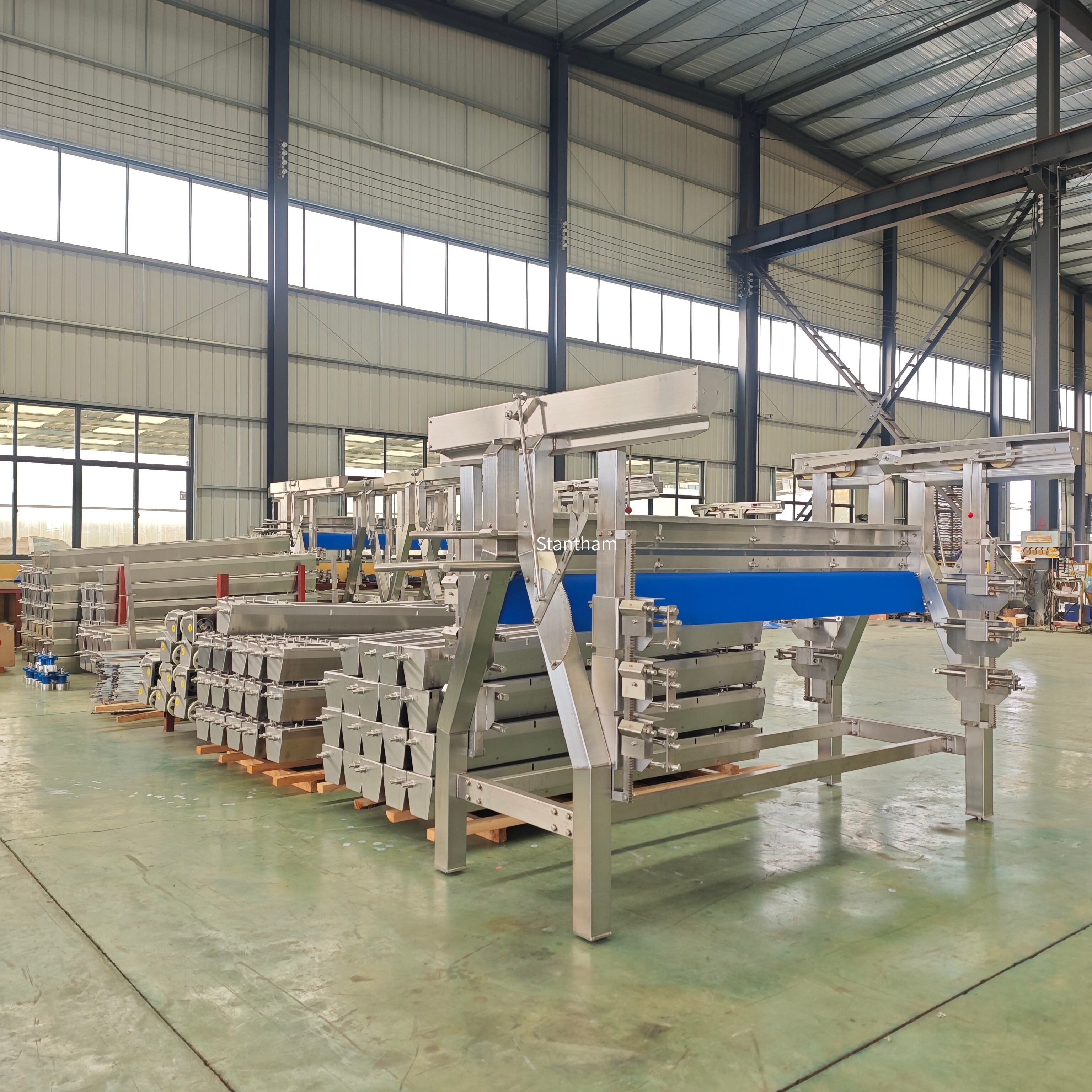
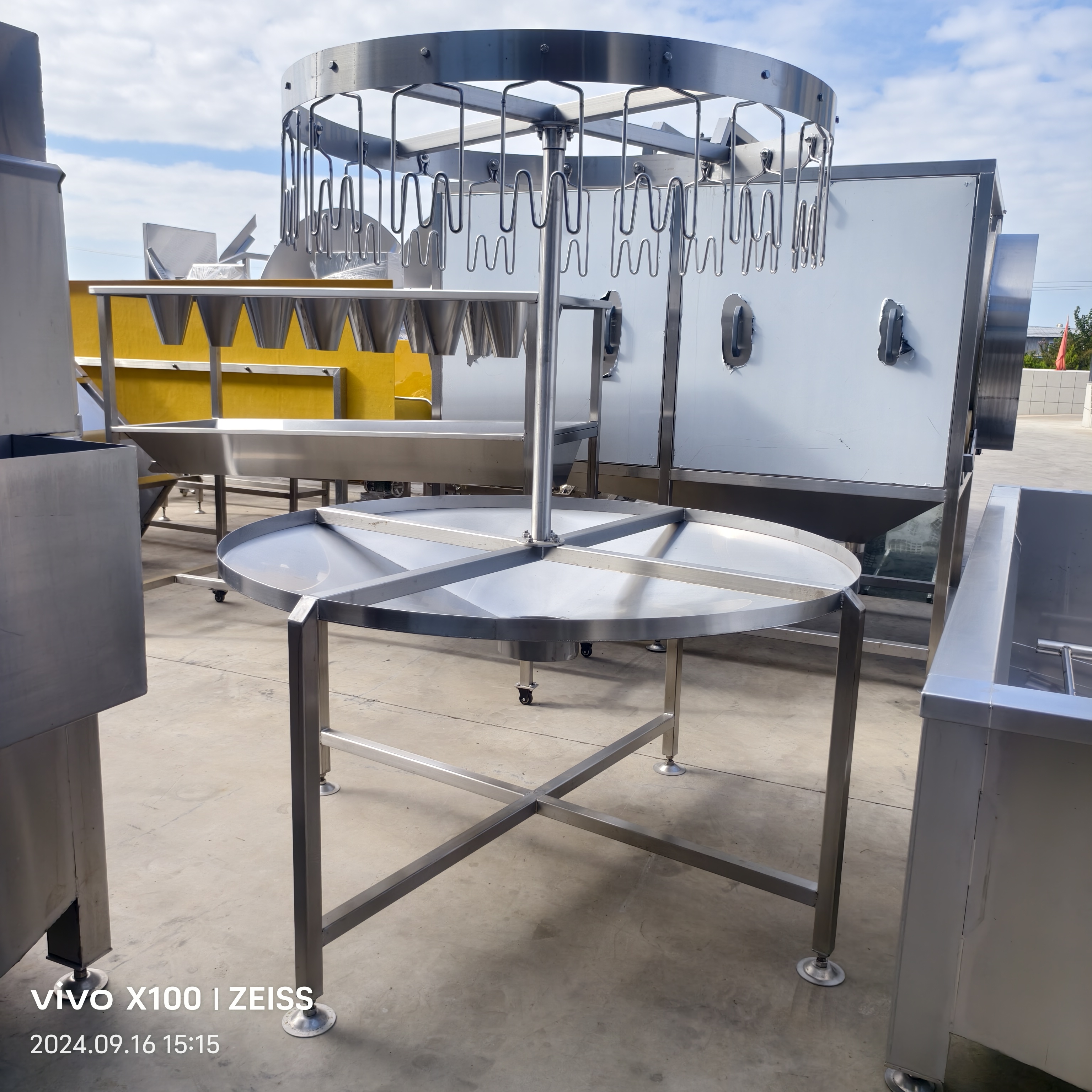
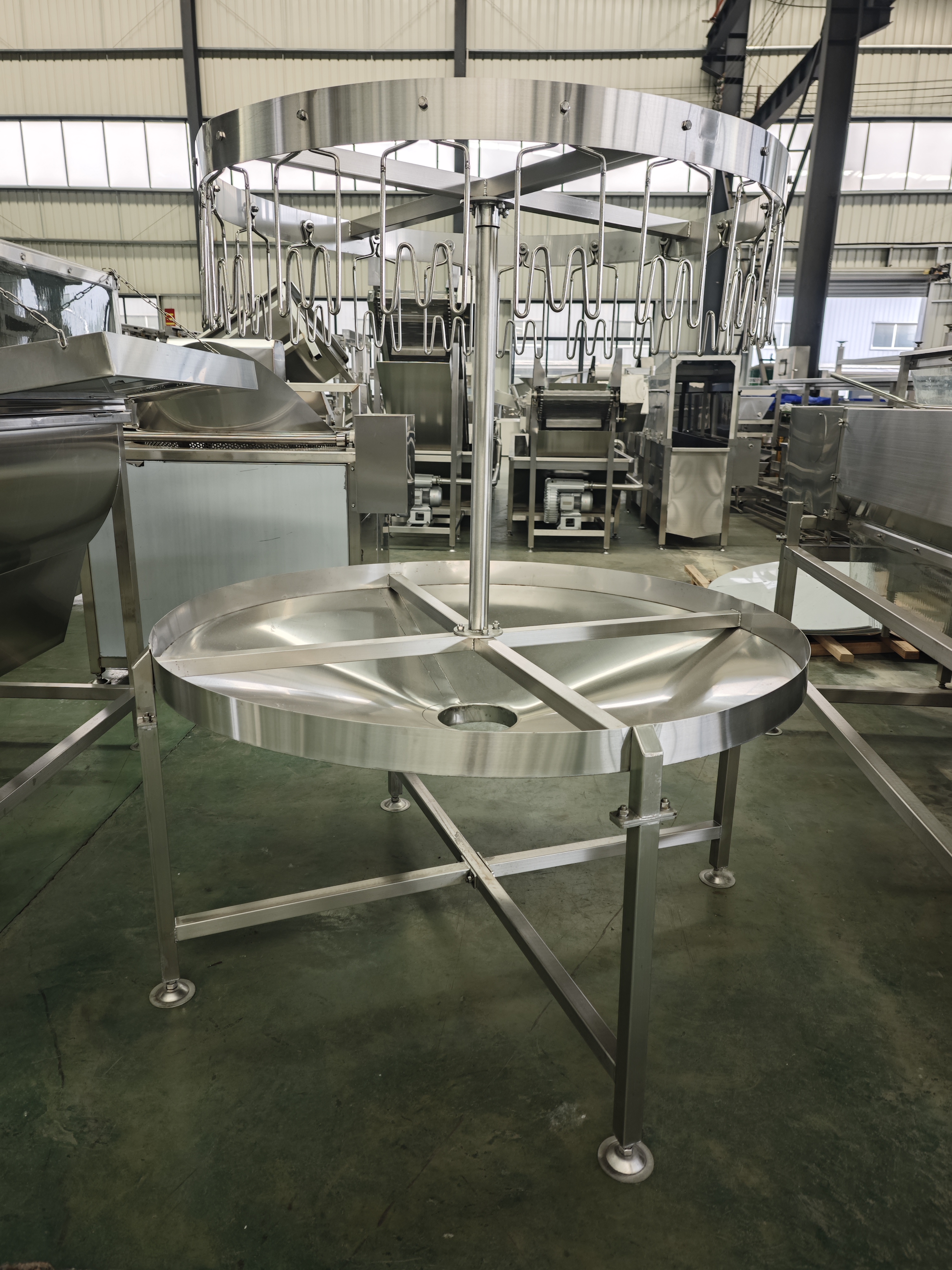
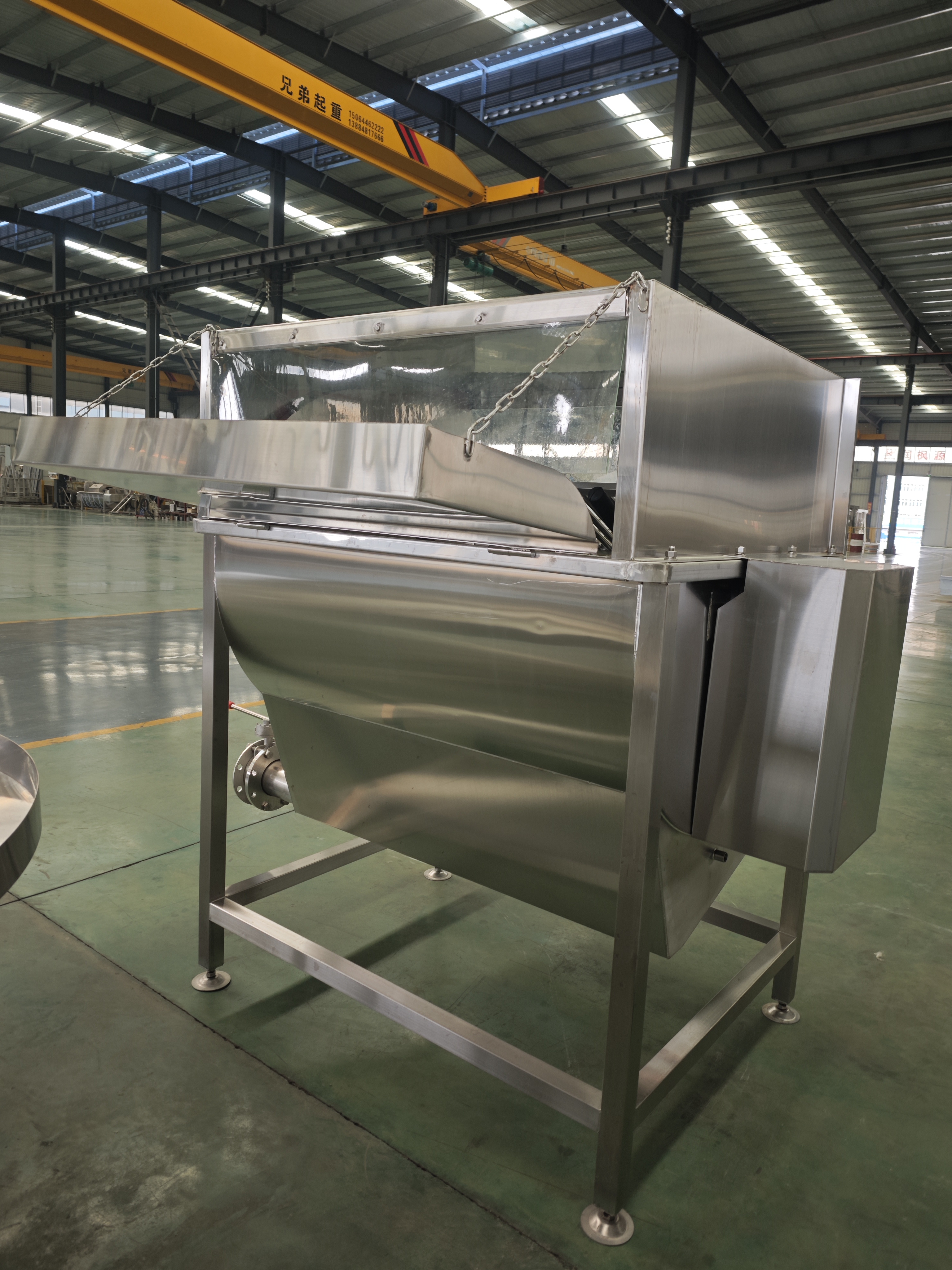
Small poultry slaughterhouse equipment packs stun, scald, pluck, eviscerate, and chill into a compact, modular path built for the small processor with limited floor and budget. Capacities start at 200 to 1000 birds per hour, so a startup or farm plant gets a real line without a warehouse. Food-grade stainless and sealed drives pass hygiene audits on first visit and survive daily washdown. One operator runs the coordinated stations after short training, and downtime stays under three percent. Owners report payback inside eighteen months through labor savings, better grade A, and the ability to sell dressed birds at premium instead of live.
Get A Quote

Case Study

Farm Plant In Nepal

A Nepalese farm plant wanted small poultry slaughterhouse equipment to dress its own flock instead of selling live at a loss. The compact line ran 300 birds per hour in a converted room, and the stainless finish passed the local audit first visit. Grade A rose from eighty to ninety-one percent because tuned stations avoided the damage of hand work. The family sold dressed birds at the village and nearby towns at higher margin. Payback came in fourteen months, and festival demand was met without hiring help. The modular layout later allowed a second pluck drum as the flock grew on the same floor.

Startup In Nigeria

A Nigerian startup with a tight budget chose small poultry slaughterhouse equipment sized for 500 birds per hour to enter the dressed-bird market. The line lifted grade A from seventy-nine to ninety percent on clean stainless surfaces and passed the state hygiene check first visit. Manual touch-up fell by four workers per shift, freeing them for sales and wrapping. Payback arrived in sixteen months on premium dressed sales, and the compact footprint meant low rent in a shared building. Local technicians serviced it without overseas calls, keeping quarterly downtime under six hours through the hot season.

Co-Op In Bolivia

A Bolivian co-op of smallholders pooled funds for small poultry slaughterhouse equipment processing 400 birds per hour. The modular stainless line passed the regional audit first visit, and grade A reached ninety percent versus the low eighties from hand plucking. Members reinvested the labor savings into feed, raising bird weight next cycle. The simple controls meant one trained member managed the whole path. Payback came in fifteen months, and neighboring co-ops toured it as their reference for a shared small-scale upgrade. The line still runs seasons later with only finger changes.

Related products

Small poultry slaughterhouse equipment should let a startup compete without a warehouse, so we design stun, scald, pluck, eviscerate, and chill as a compact, modular kit tuned to 200 to 1000 birds per hour. Every station is food-grade stainless with sealed drives, run-tested before shipping, and commissioned with a signed acceptance check and operator training. The small footprint fits a converted room or shared building, and audit-ready records satisfy local and export inspectors without retrofitting. A ten-year spare commitment protects the investment, and regional hubs keep wear parts close. When volume grows, bolt-on chilling or a second pluck drum extends throughput on the same floor. Our engineers also advise on layout so the small plant flows efficiently from receiving to chill within your available space.

Frequently Asked Questions

How small can the line be?

Compact kits start at 200 birds per hour and run to 1000, fitting a converted room or shared building so a startup gets a real line without warehouse-scale space or budget.
Yes. Food-grade stainless and audit-ready records satisfy local and export hygiene inspections first visit, so a small plant meets the same standards as a large one.
One operator runs the coordinated stations after short training, because the modular path uses one control logic and sealed drives that need little daily attention on the floor.
The modular kit grows with bolt-on chilling or a second pluck drum on the same floor, so you add throughput as demand rises without relaying foundations or moving.
Most small plants recover the equipment in fourteen to sixteen months through premium dressed-bird sales and labor savings versus selling live birds at a loss.

Related article

How does a mobile slaughterhouse bring processing capacity directly to remote poultry farms?

04

Jun

How does a mobile slaughterhouse bring processing capacity directly to remote poultry farms?

Redefining Slaughter Infrastructure for Geographically Dispersed Farms Processing poultry in isolated regions has always been a logistical headache. Fixed slaughterhouses demand large capital outlays, centralized collection routes, and reliable col...
View More
Is a Poultry Chiller Machine Right for Your Facility?

10

Jun

Is a Poultry Chiller Machine Right for Your Facility?

Understanding What a Poultry Chiller Actually Does A poultry chiller machine is not simply a cold water tank. It is a controlled thermal exchange system designed to bring freshly eviscerated carcasses from roughly thirty-five degrees Celsius down t...
View More
What are the essential components of a complete poultry abattoir equipment set for 2000 birds per hour?

25

Jun

What are the essential components of a complete poultry abattoir equipment set for 2000 birds per hour?

Building for 2,000 Birds Per Hour Scaling a poultry processing operation to 2,000 birds per hour is not about buying bigger versions of the same equipment. It is about rethinking the entire flow from live receiving to chilled carcass. A plant runni...
View More
Advanced Optimization of Custom Chicken Slaughter Equipment

10

Jul

Advanced Optimization of Custom Chicken Slaughter Equipment

The Customization Imperative in Poultry Processing Poultry processing lines look similar from a distance—shackles, conveyors, scalders, pluckers, evisceration stations. But step closer and the differences become obvious. One plant runs 12,000 b...
View More

Customer Testimonials

R. Thapa

We dressed our own flock instead of selling live using small poultry slaughterhouse equipment running 300 birds per hour in a converted room. The stainless passed audit first visit, grade A rose to ninety-one percent, and we sold dressed birds at higher margin. Payback came in fourteen months, and the modular layout later fit a second pluck drum as the flock grew on the same floor without moving.

I. Bello

On a tight budget we chose small poultry slaughterhouse equipment for 500 birds per hour to enter dressed-bird sales. Grade A reached ninety percent on clean stainless and passed state check first visit, and we dropped four touch-up workers per shift. Payback in sixteen months came from premium sales, and the compact footprint meant low rent in a shared building with local techs servicing it.

Get a Free Quote

Our representative will contact you soon.
Email
Name
Company Name
Mobile/WhatsApp
Message
0/1000
Start Small, Sell Dressed

Start Small, Sell Dressed

Small poultry slaughterhouse equipment turns a live-bird seller into a dressed-bird business without a warehouse. The compact, modular kit runs 200 to 1000 birds per hour in a converted room, lifting grade A and the price buyers pay versus selling live at a loss. Owners keep the whole value chain in-house and capture margin a processor would take. This is how a small plant competes on quality, not scale, and builds a customer base on consistent dressed product from day one.
Fits The Floor You Have

Fits The Floor You Have

A small plant rarely has spare space, so small poultry slaughterhouse equipment is built modular to fit the room you already rent. The coordinated stations tuck into a converted area or shared building with low install cost and standard power. Owners avoid warehouse-scale overhead while still running a compliant, efficient line. When demand grows, bolt-on modules extend throughput on the same floor instead of forcing a move. This fit protects cash flow and lets the business scale from a side room into a real plant.
Pays Back As You Grow

Pays Back As You Grow

Small poultry slaughterhouse equipment pays for itself through the gap between live-bird and dressed-bird prices, plus the labor saved versus hand work. Most owners recover the kit in fourteen to sixteen months, then keep earning as volume rises. A ten-year spare commitment protects the investment, and modular growth means no costly relocation. The equipment thus becomes the engine of a small plant's expansion, turning a modest first purchase into a growing, compliant business that captures more of the bird's value every season.

Get a Free Quote

Our representative will contact you soon.
Email
Name
Company Name
Mobile/WhatsApp
Message
0/1000