Chicken Slaughter Line Equipment: Modular Upgrades for ROI

+86-18866172299
All Categories
Replace Stations Without Replacing The Floor

Replace Stations Without Replacing The Floor

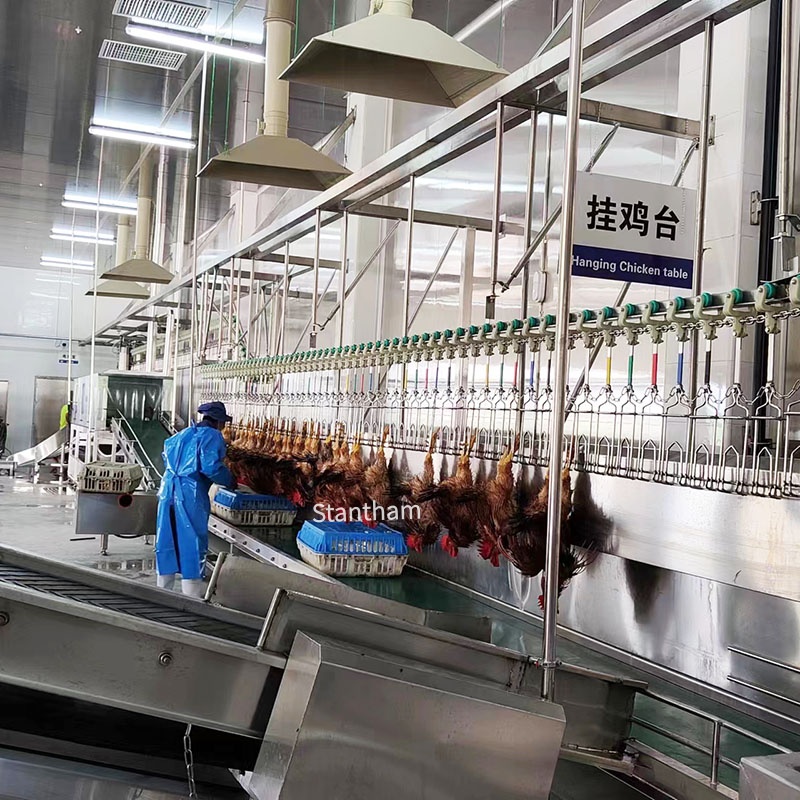
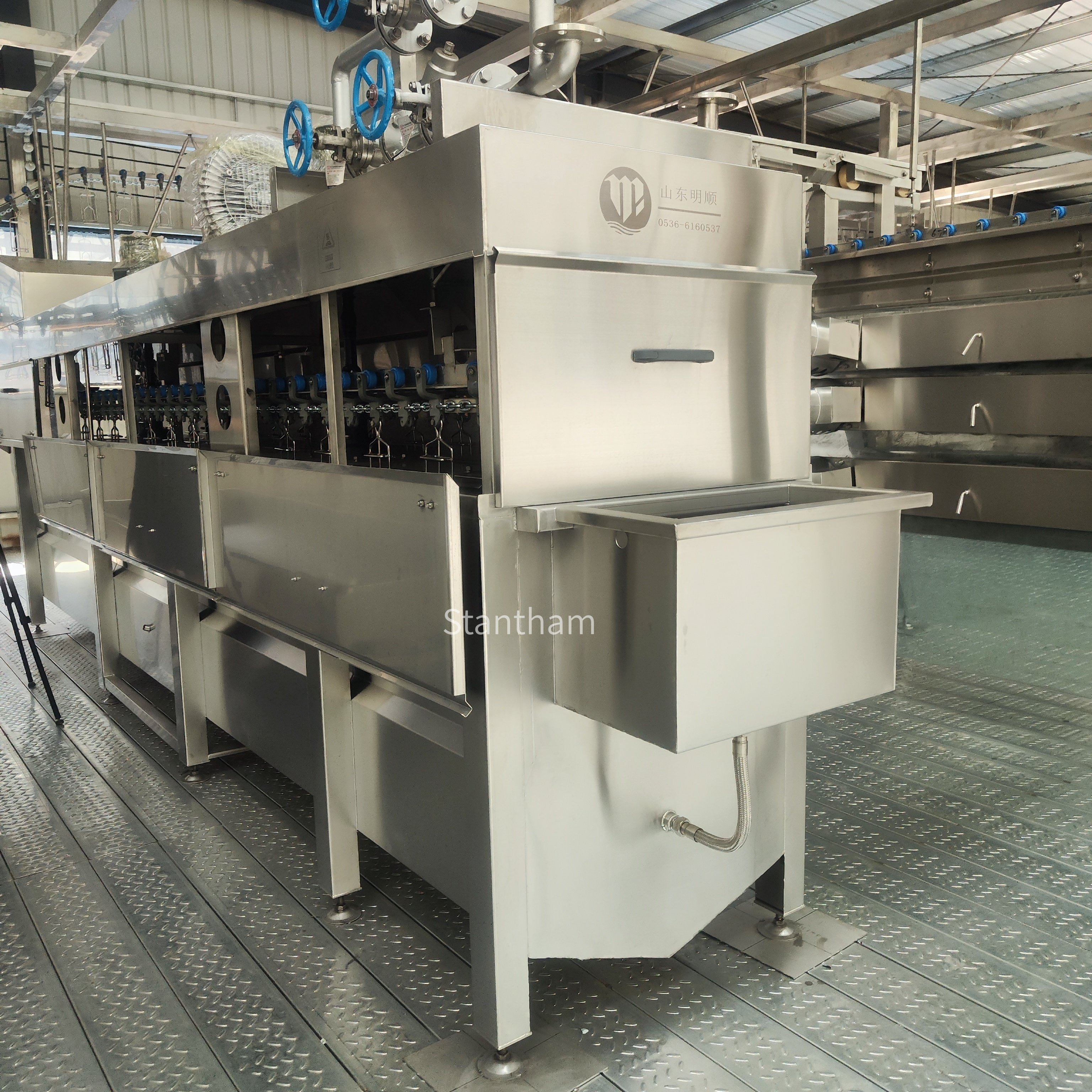
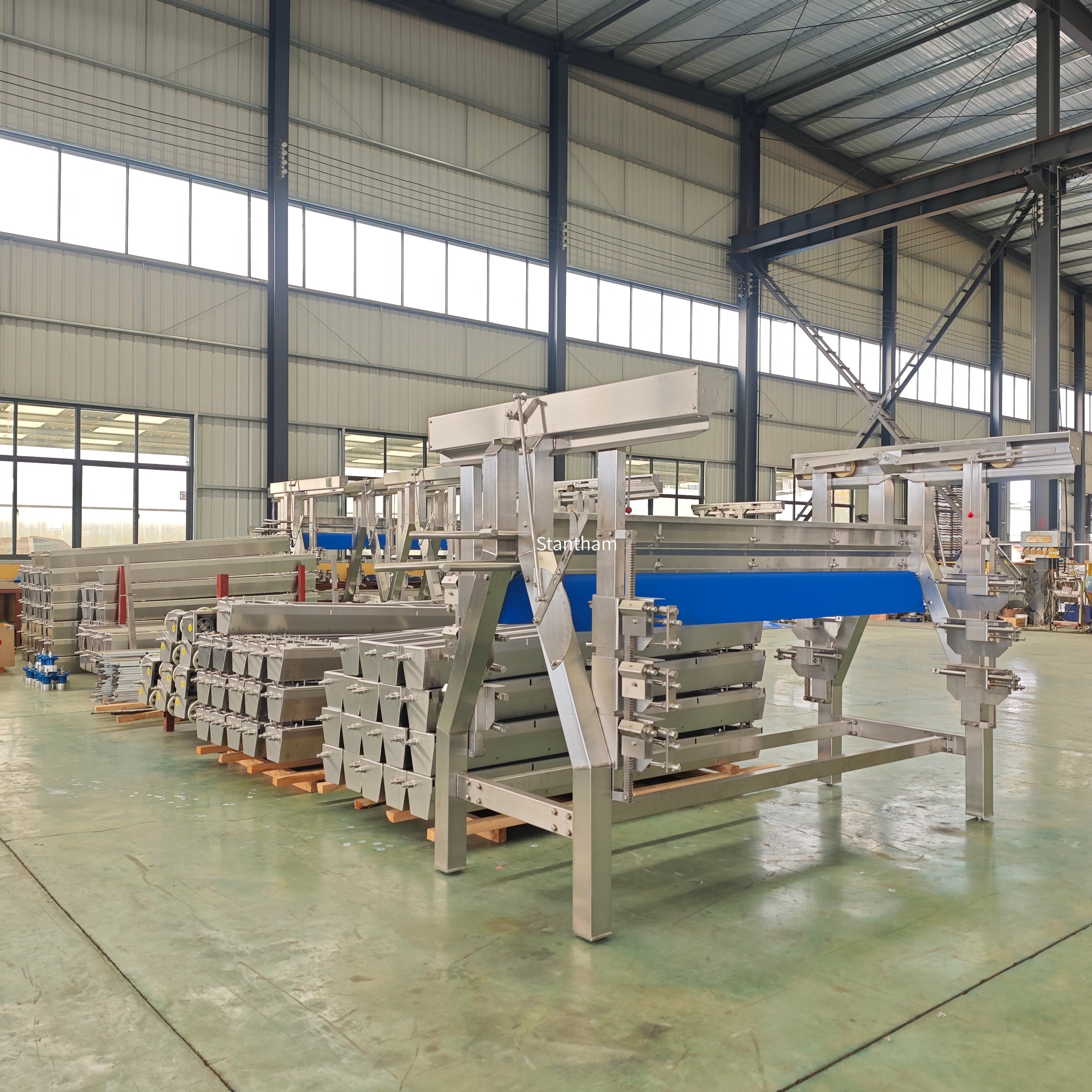
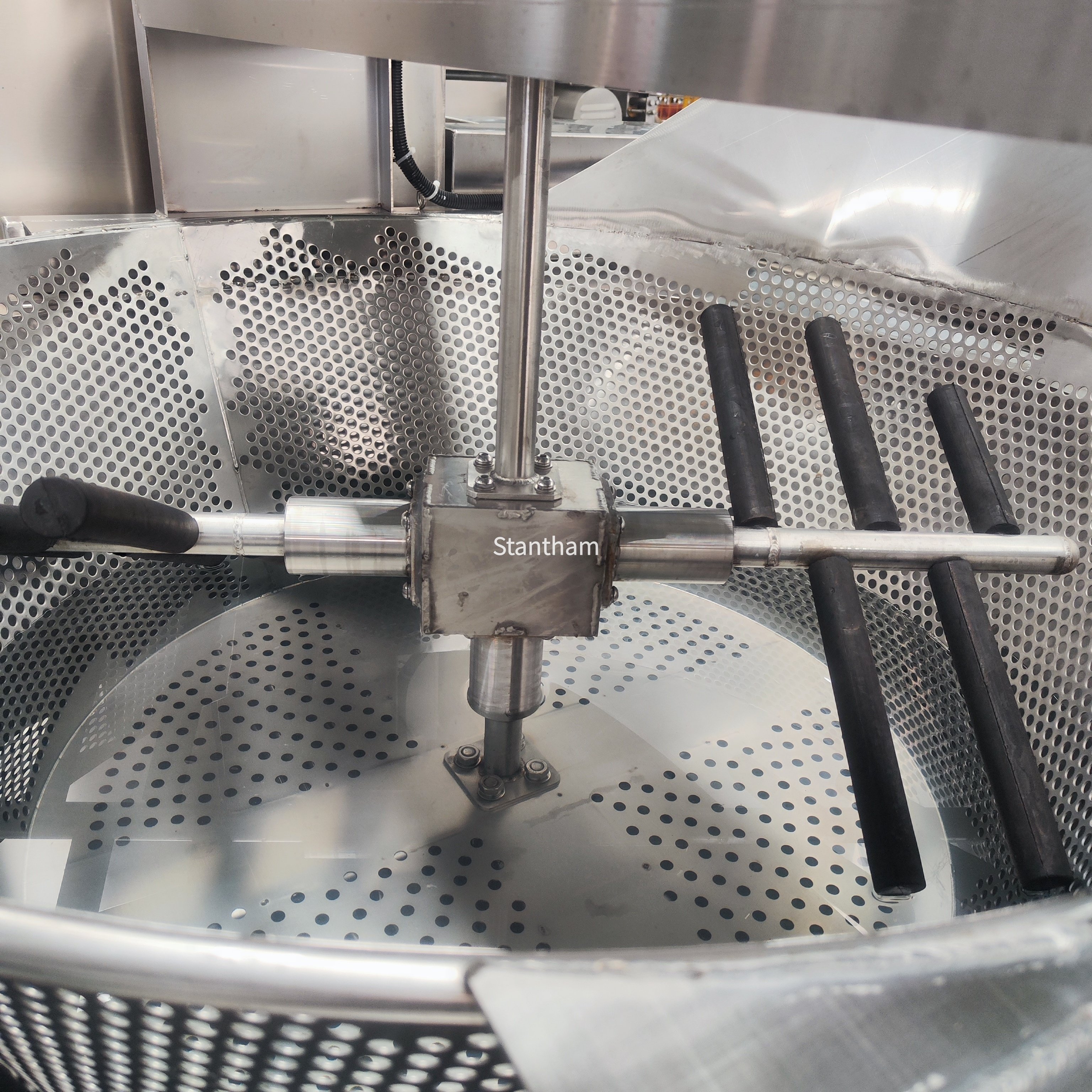
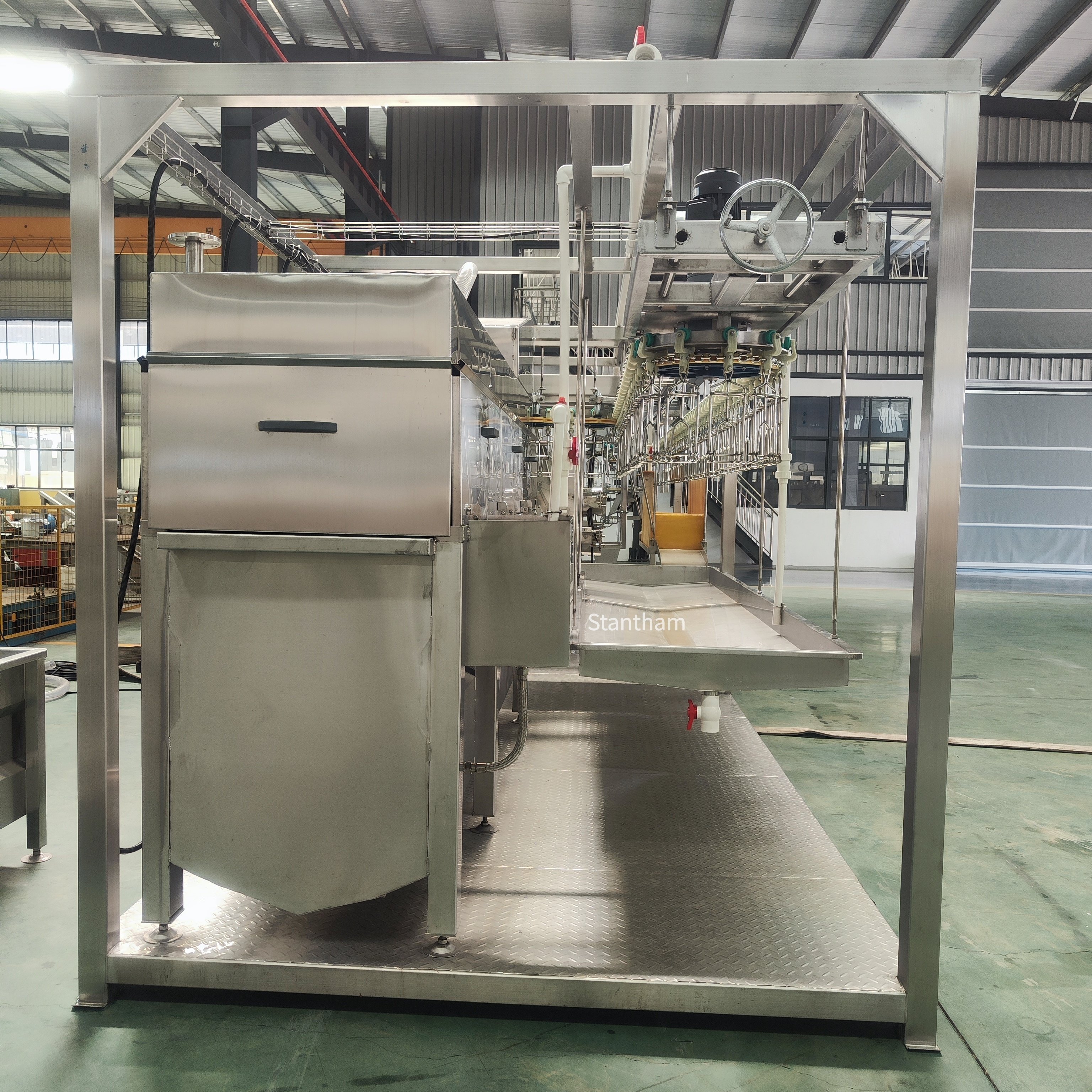
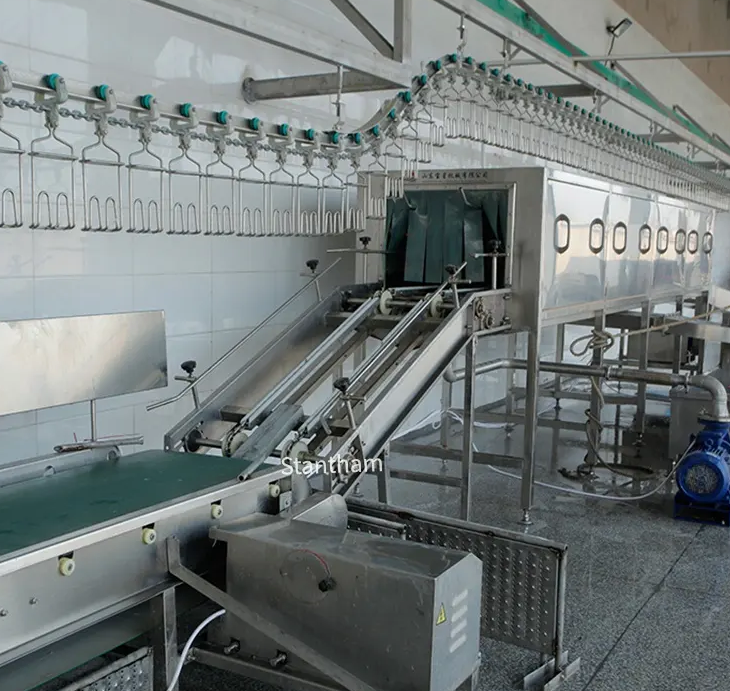
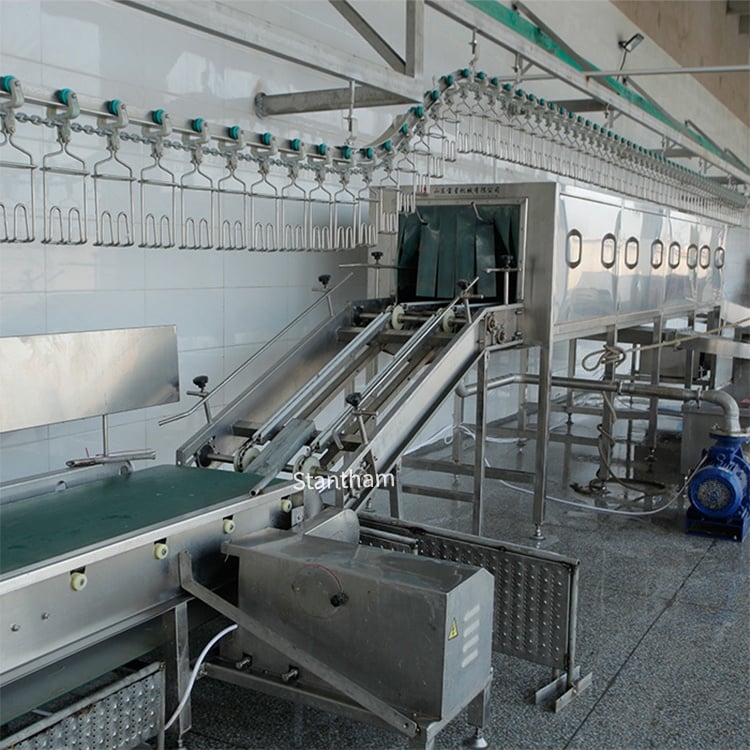
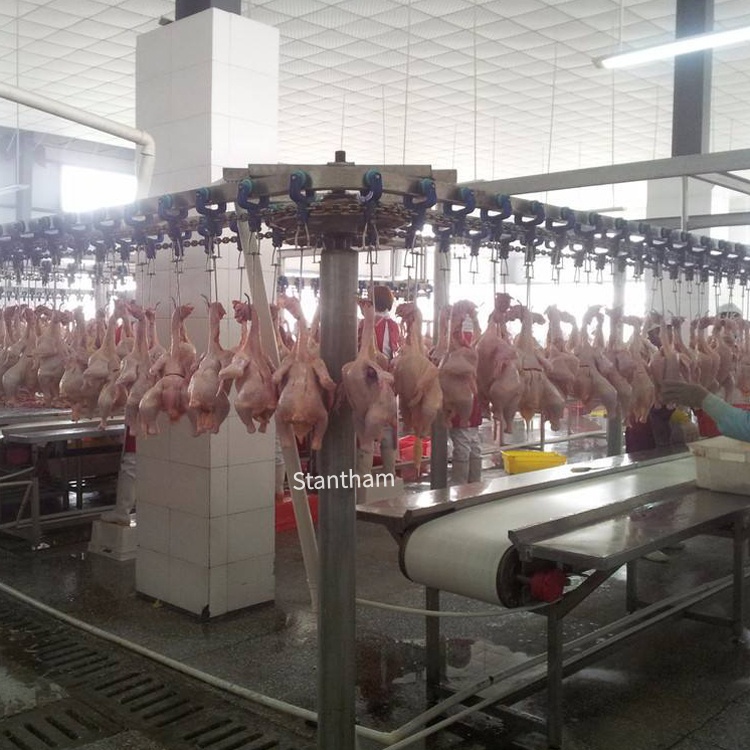
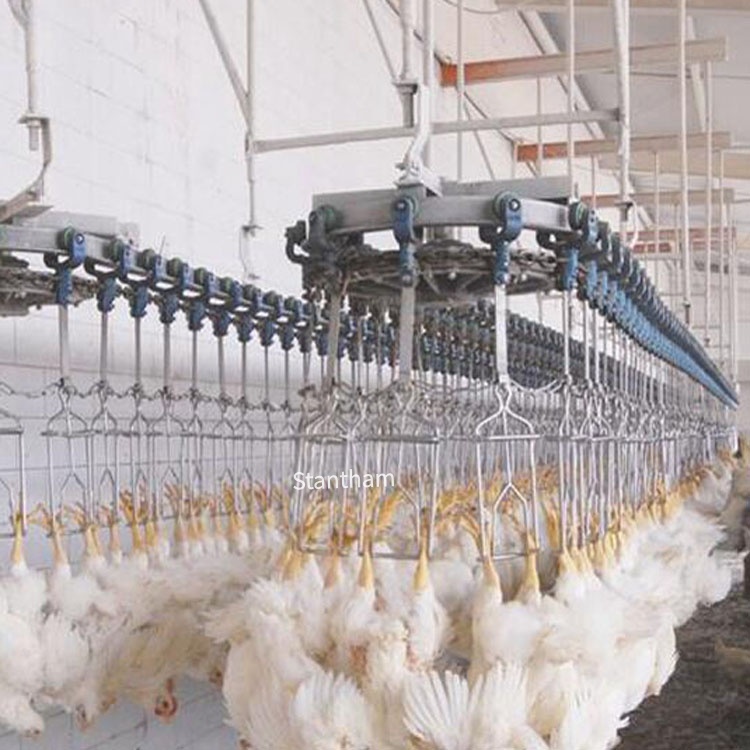
Chicken slaughter line equipment lets a plant upgrade one failing station instead of rebuilding the whole floor, protecting capital while raising output. We supply scalders, pluckers, eviscerators, and chillers built to standard dimensions so they drop into existing layouts. Stainless contact parts are passivated and CIP-ready, meeting food-safety audits. Plants report a single new plucker lifting line yield by three to five percent. Spare parts ship from regional hubs within seventy-two hours, avoiding long stoppages. Buyers receive mill certificates and dimension drawings before order, so the retrofit fits first time. The modular approach turns maintenance from a crisis into a planned, low-risk improvement of throughput. When capacity grows, bolt-on modules add chilling or cut-up without relaying the foundations at all.
Get A Quote

Case Study

Aging Plant In Mexico

A 1200 birds per hour Mexican plant faced rising downgrades from a worn plucker but lacked budget for a full line. We supplied a standard-dimension replacement plucker that dropped into the existing frame without civil works. Yield rose four percent as feather residue fell, and grade A recovery reached ninety-five. Downtime during swap was under eight hours on a Sunday shutdown. Mill certificates and drawings arrived before shipping, so the retrofit fit first time. Local technicians installed it with our video support. Payback came in eleven months on yield and grade gains alone, avoiding a five-year loan for total replacement. The owner credited the stable finish for unlocking a higher-value sales channel abroad.

Expanding Processor In Egypt

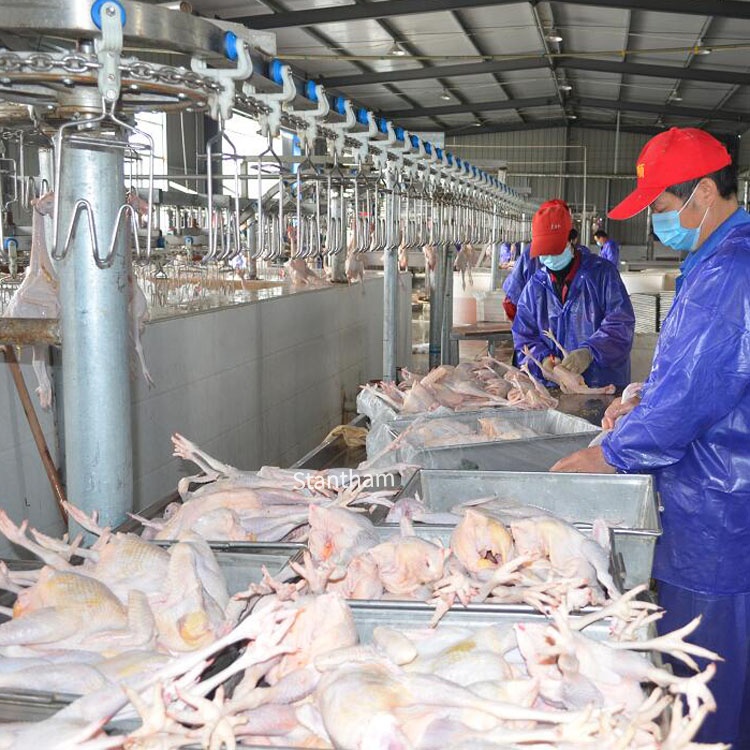
An Egyptian processor at 1500 birds per hour needed more evisceration capacity without relocating other stations. Our modular evisceration unit matched the existing belt height and controls, adding throughput in a single weekend. Contamination at the open table dropped, cutting rework by thirty percent. Spare discs arrived from the regional hub within three days when wear appeared. The plant delayed a full rebuild by three years and redirected capital to cold storage. Audit-ready output satisfied Gulf export checks. Payback on the added unit landed in thirteen months, and the standardized parts simplified every future service visit. Monthly reports showed the gain holding steady across flock cycles and weather changes alike.

Cooperative In Ukraine

A Ukrainian cooperative running 900 birds per hour wanted a stainless scalder to replace a corroded tank that failed hygiene audits. Our CIP-ready scalder dropped into the footprint with matched utilities, restoring compliance in one shift. Grade downgrades from scald damage fell from eight to three percent. Weekly wipe-down time dropped because the smooth surface cleaned fast. The regional hub supplied a replacement heating element within seventy-two hours during peak season. Payback arrived in ten months. Neighboring members adopted the same unit, and the cooperative centralized spare purchasing to cut inventory cost across sites. The upgrade paid for itself faster than the conservative figure used in the board case.

Related products

Chicken slaughter line equipment should fit your floor, not force you to rebuild it, which is why we engineer every station to standard dimensions with matched utilities. Buyers receive mill certificates and dimension drawings before ordering, so the retrofit fits on the first attempt. Stainless contact zones are passivated and CIP-ready for food-safety audits, and a ten-year spare commitment guards against obsolescence. Regional hubs keep wear parts within seventy-two hours of most ports, limiting unplanned stoppages. Remote video support resolves most faults within a day. When you later expand, bolt-on modules add capacity without civil works. Our engineers stay available for annual audits that protect hygiene and uptime as your volumes and export ambitions grow together. We size each station to your bird mix rather than forcing a generic catalog assumption on you from the start.

Frequently Asked Questions

Can equipment fit my existing line?

Yes. We build stations to standard dimensions with matched utilities and send dimension drawings and mill certificates before order, so most retrofits drop in without civil works or costly relayout of your existing floor and current production layout.
Scalders, pluckers, eviscerators, and chillers are each available separately, letting you fix the weakest link instead of replacing the entire processing path at once. This protects capital and spreads upgrade cost over several seasons.
Regional stock hubs keep critical wear parts within seventy-two hours of most major ports, so a failed disc or heating element rarely causes more than a short, planned stoppage rather than weeks of lost production and missed delivery windows.
Yes. We supply dimension drawings and remote video support so your local technicians complete most installations, with on-site commissioning available for full-line or complex retrofits that involve utility or control changes and safety sign-off.
Stainless contact zones are passivated and CIP-ready, and we provide mill certificates so the added station passes food-safety and export hygiene audits without retrofitting. Audit-ready output also supports Gulf and EU buyer documentation requirements.

Related article

How does a mobile slaughterhouse bring processing capacity directly to remote poultry farms?

04

Jun

How does a mobile slaughterhouse bring processing capacity directly to remote poultry farms?

Redefining Slaughter Infrastructure for Geographically Dispersed Farms Processing poultry in isolated regions has always been a logistical headache. Fixed slaughterhouses demand large capital outlays, centralized collection routes, and reliable col...
View More
How does a mechanical chicken slaughter system minimize bone breakage compared to manual methods?

22

Jun

How does a mechanical chicken slaughter system minimize bone breakage compared to manual methods?

The Bone Breakage Problem Nobody Talks About Walk into any medium-sized poultry processing plant and ask the quality control manager about their biggest headache. Chances are, bone breakage ranks near the top. Not the dramatic compound fractures, b...
View More
What are the essential components of a complete poultry abattoir equipment set for 2000 birds per hour?

25

Jun

What are the essential components of a complete poultry abattoir equipment set for 2000 birds per hour?

Building for 2,000 Birds Per Hour Scaling a poultry processing operation to 2,000 birds per hour is not about buying bigger versions of the same equipment. It is about rethinking the entire flow from live receiving to chilled carcass. A plant runni...
View More
How does chicken slaughter equipment with an integrated bleeding tunnel improve blood drainage efficiency?

03

Jul

How does chicken slaughter equipment with an integrated bleeding tunnel improve blood drainage efficiency?

The Bleeding Tunnel: More Than Just a Conveyor Walk into any medium-to-large poultry processing facility, and the bleeding section tells a story about the operation's overall discipline. Some plants run tight, clean lines where carcasses move through...
View More

Customer Testimonials

J. Herrera

Our worn plucker was costing us four percent yield, but a full rebuild meant a five-year loan we could not afford. The replacement unit dropped into the existing frame in under eight hours on a Sunday, yield rose four points, and grade A hit ninety-five percent. Drawings and mill certs arrived before shipping, so it fit first time. Payback came in eleven months, and we avoided the loan entirely while still modernizing the floor with confidence. Downstream cut-up received cleaner carcasses, reducing rework at the next station significantly.

O. Kovalenko

As a 900 birds per hour cooperative, our corroded scald tank kept failing hygiene audits until we installed the CIP-ready stainless unit. It dropped into the footprint with matched utilities and restored compliance in one shift. Downgrades from scald damage fell from eight to three percent, and weekly cleaning time dropped sharply. The hub sent a heating element within seventy-two hours during peak season. Payback in ten months let us centralize spare purchasing across member sites and cut inventory cost. The compact footprint fit our existing hall without relocating any station.

Get a Free Quote

Our representative will contact you soon.
Email
Name
Company Name
Mobile/WhatsApp
Message
0/1000
Fit First Time, Every Time

Fit First Time, Every Time

Equipment buyers hate surprises during installation, so we send dimension drawings and mill certificates before any order is cut. Stations are built to standard footprints with matched utility connections, letting most retrofits drop into an existing line without civil works or relayout. This planning turns a feared shutdown into a single weekend job. Plants avoid the cost and risk of rebuilding the whole floor to fix one weak station. The result is a low-risk, planned improvement in throughput that protects both capital and the production schedule owners depend on daily. We size each station to your bird mix rather than forcing a generic catalog assumption on you.
Protect Capital, Spread Upgrades

Protect Capital, Spread Upgrades

Replacing one station at a time lets a plant raise output without the five-year loan a full line demands. A single new plucker or eviscerator typically lifts yield by three to five percent, paying back inside a year. Owners spread upgrade cost across seasons instead of betting the budget on one project. Spare parts stay common, so inventory stays simple as the line modernizes piece by piece. The modular philosophy keeps every future improvement straightforward for local crews. Plants modernize at a pace their cash flow allows while still meeting rising buyer and audit expectations. When capacity grows, bolt-on modules add chilling or cut-up without relaying the foundations at all.
Audits Without Retrofitting

Audits Without Retrofitting

New equipment should not create new compliance gaps, so every station ships passivated, stainless, and CIP-ready with mill certificates included. Audit-ready output satisfies food-safety and export hygiene checks, including Gulf and EU documentation, without after-market modifications. Plants restore or improve compliance during the same shift they install the unit. The smooth stainless surface also cuts daily cleaning time, lowering labor at the washdown stage. Owners gain a station that meets today's standards and protects eligibility for stricter rules as markets tighten their requirements over coming years. The workshop's passivation tunnel gives every surface a verified hygienic, food-safe finish.

Get a Free Quote

Our representative will contact you soon.
Email
Name
Company Name
Mobile/WhatsApp
Message
0/1000