Automatic Chicken Plucker: 2000–5000 BPH, <2% Loss

+86-18866172299
All Categories
Hands-Free Plucking At High Speed

Hands-Free Plucking At High Speed

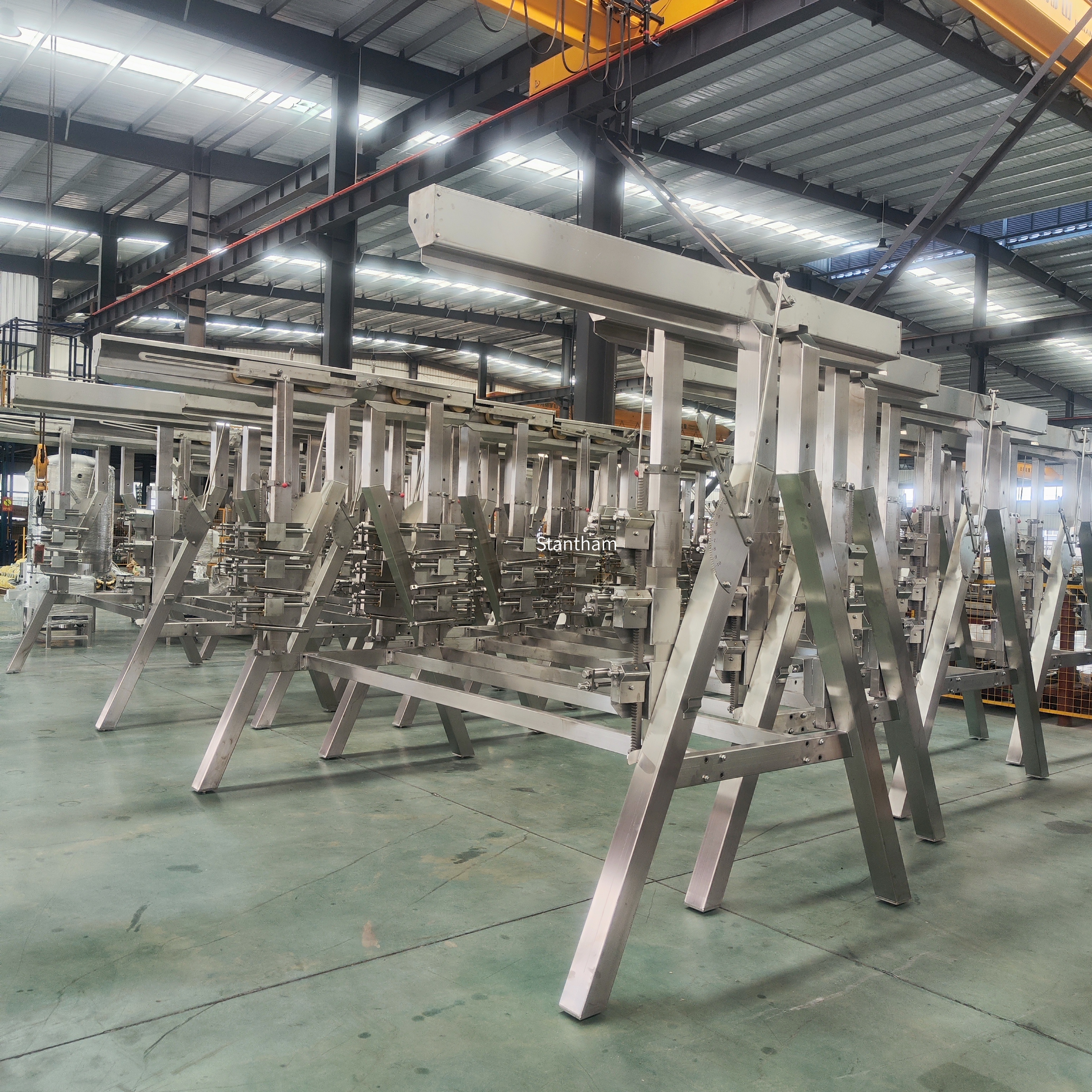
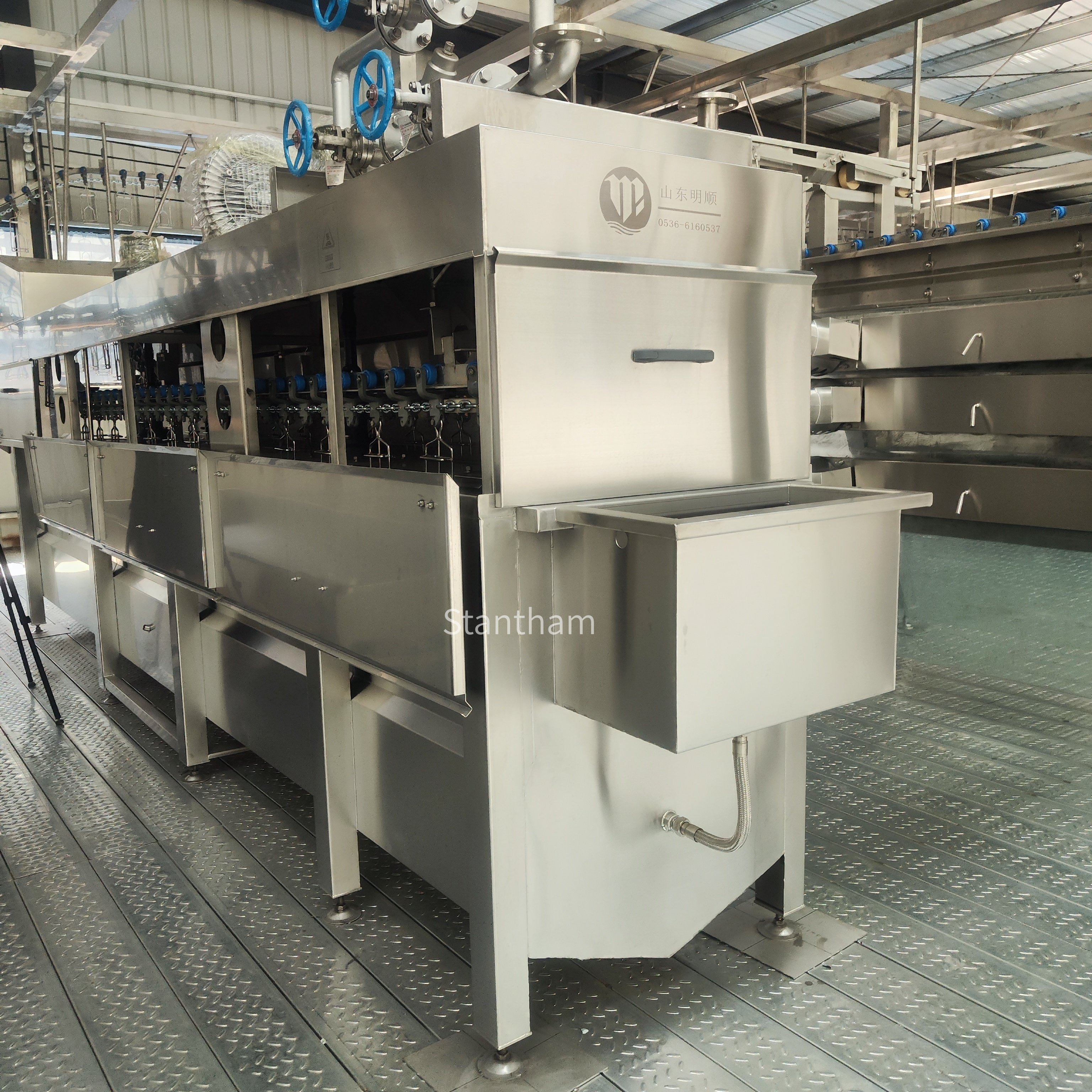
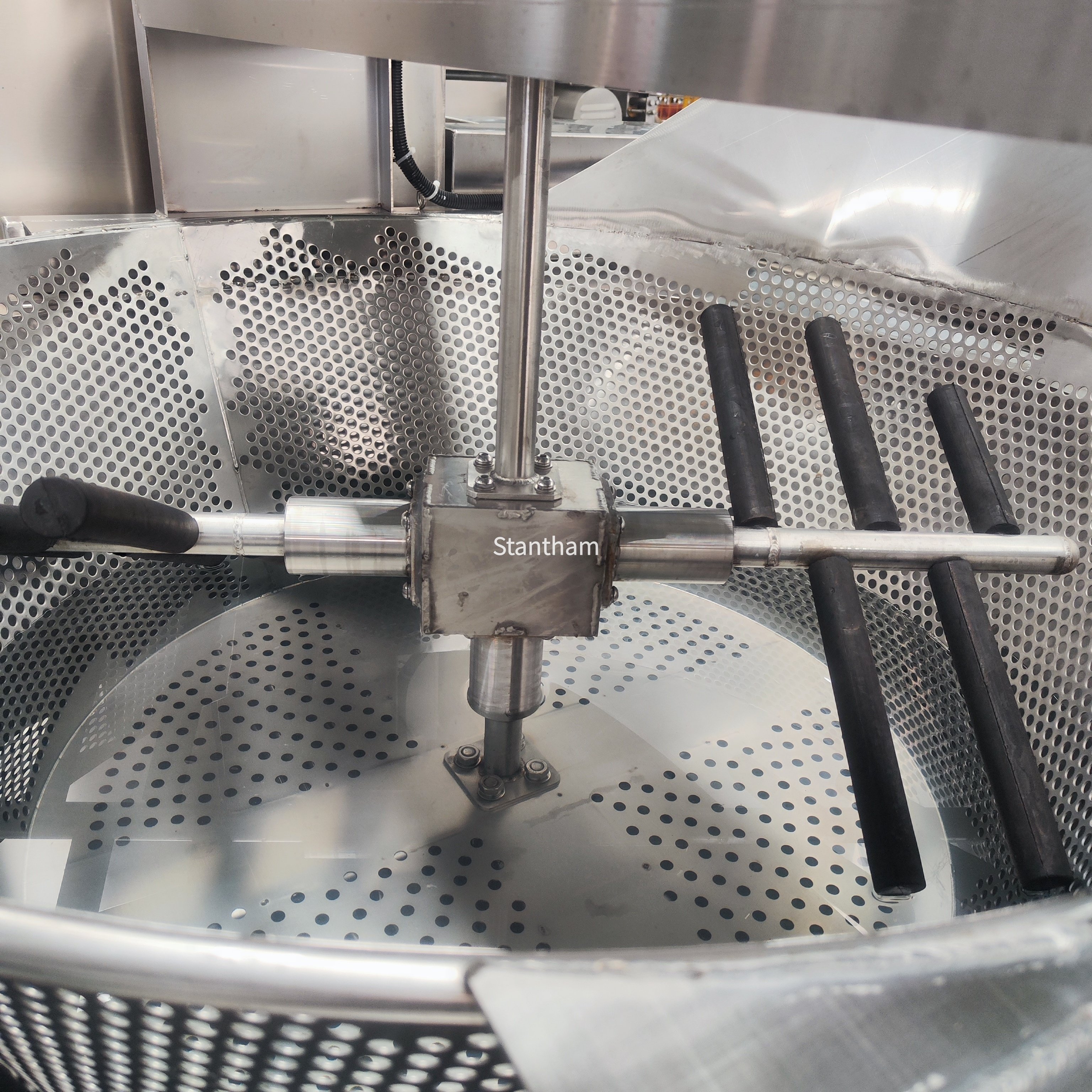
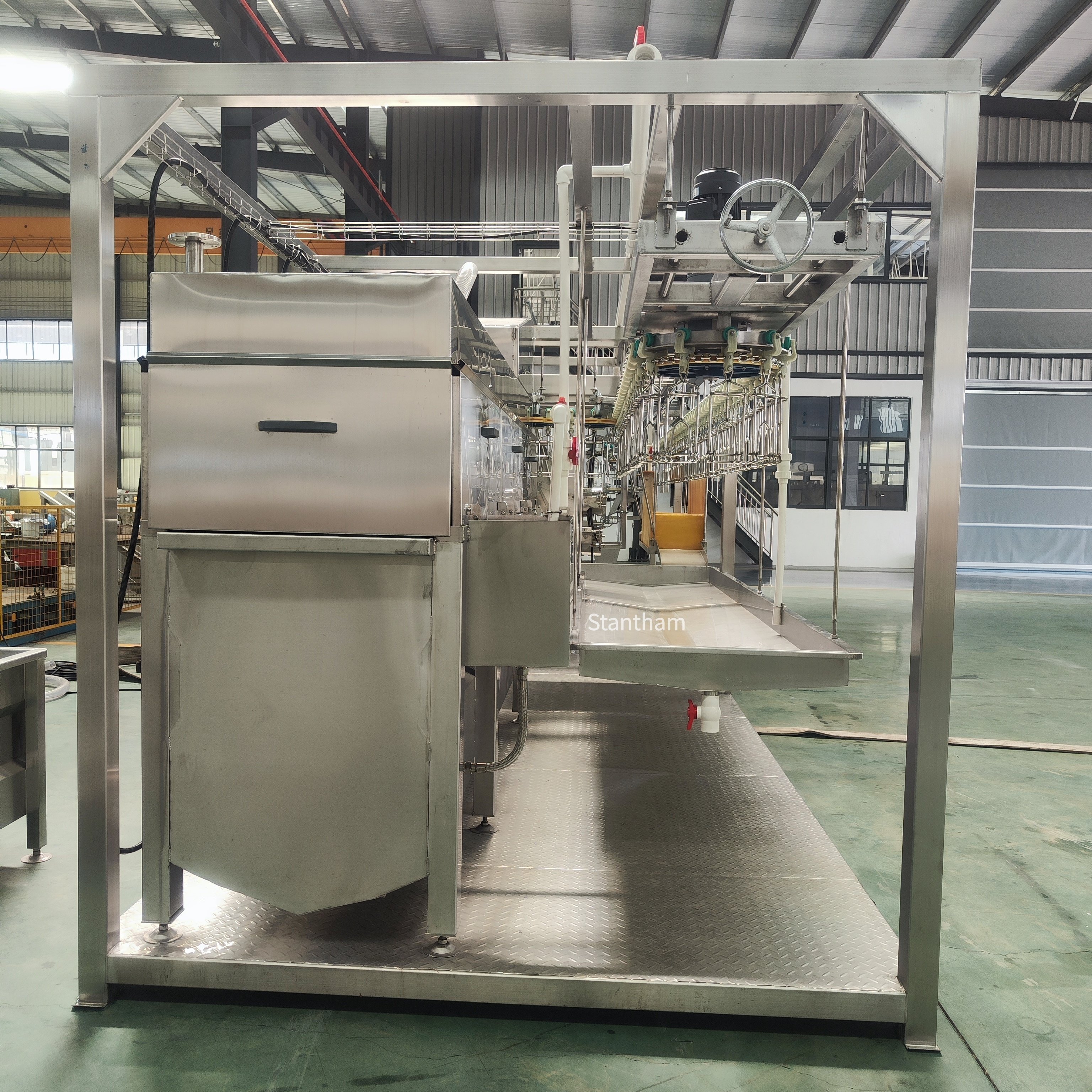
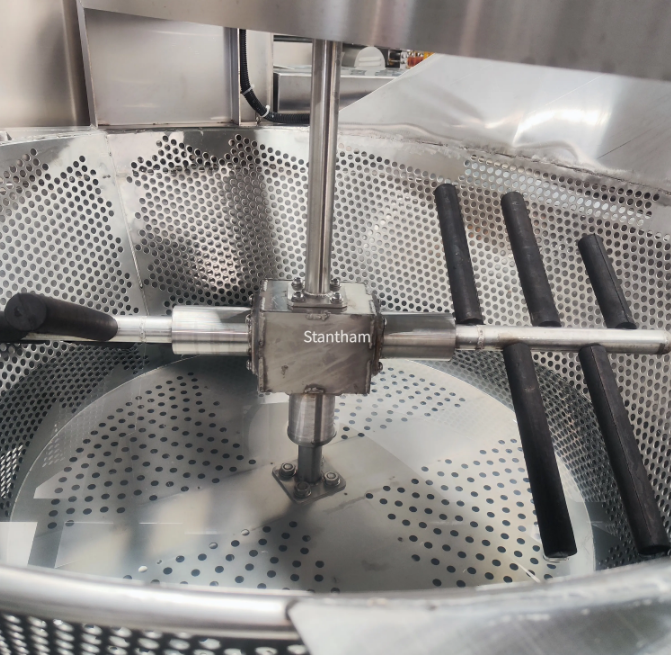
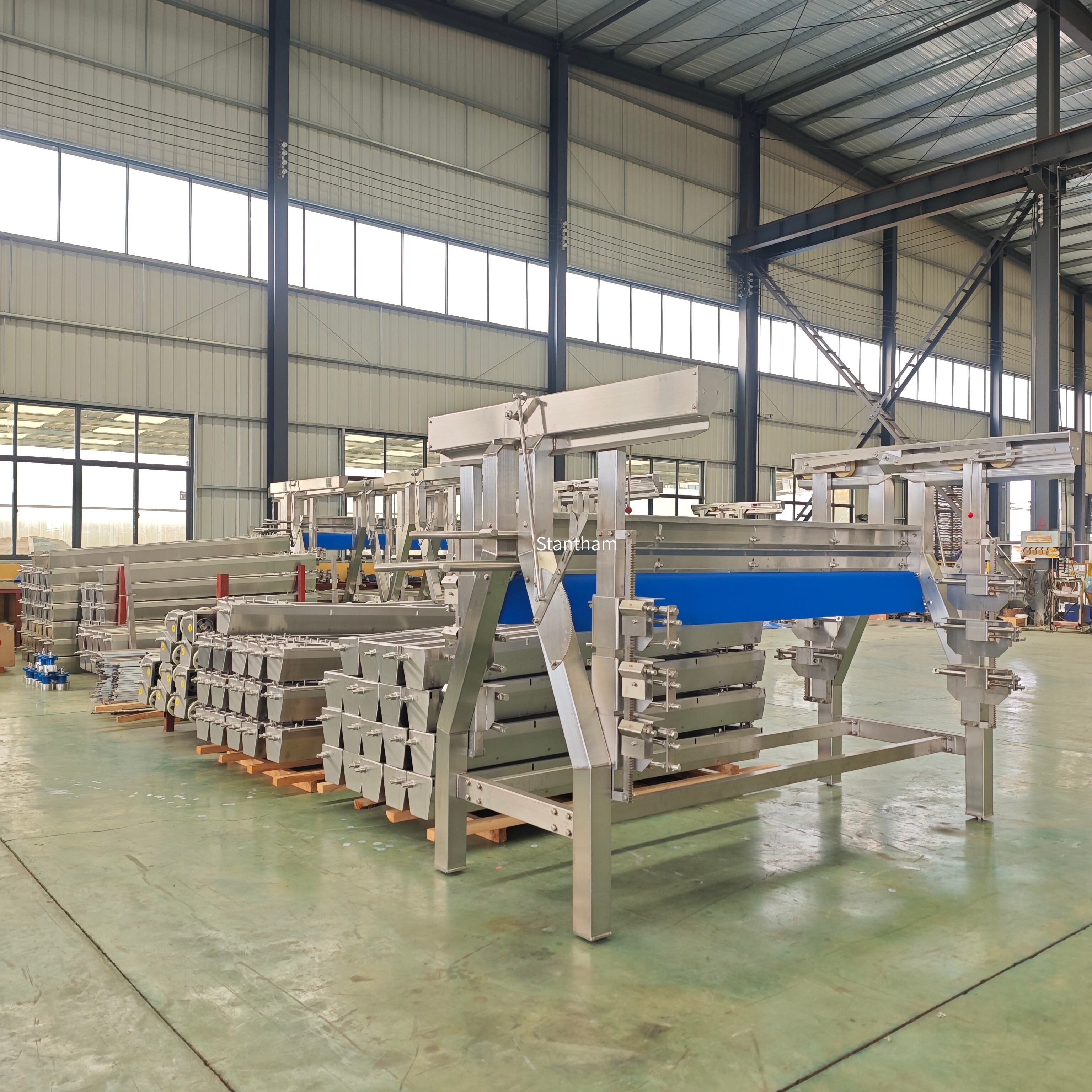
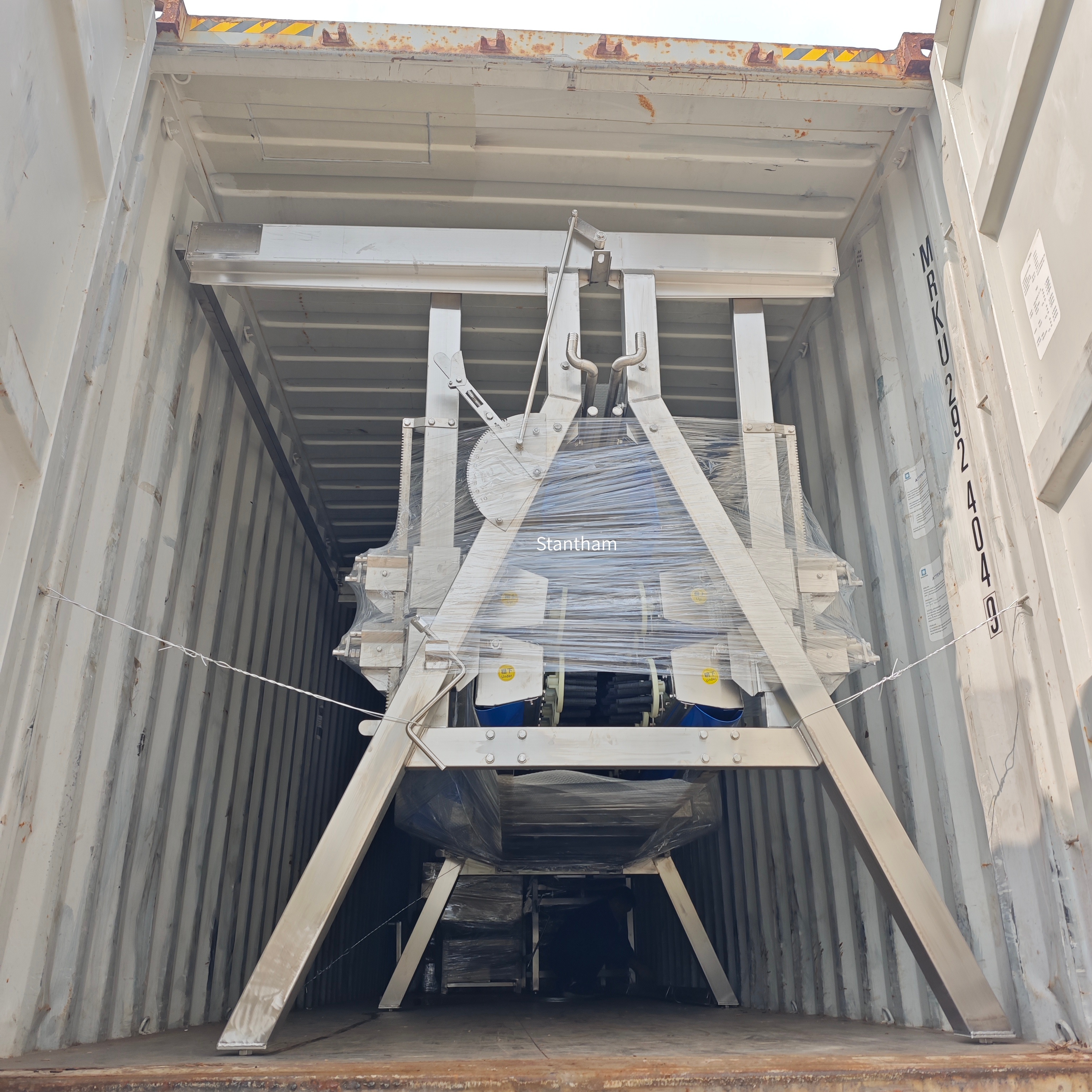
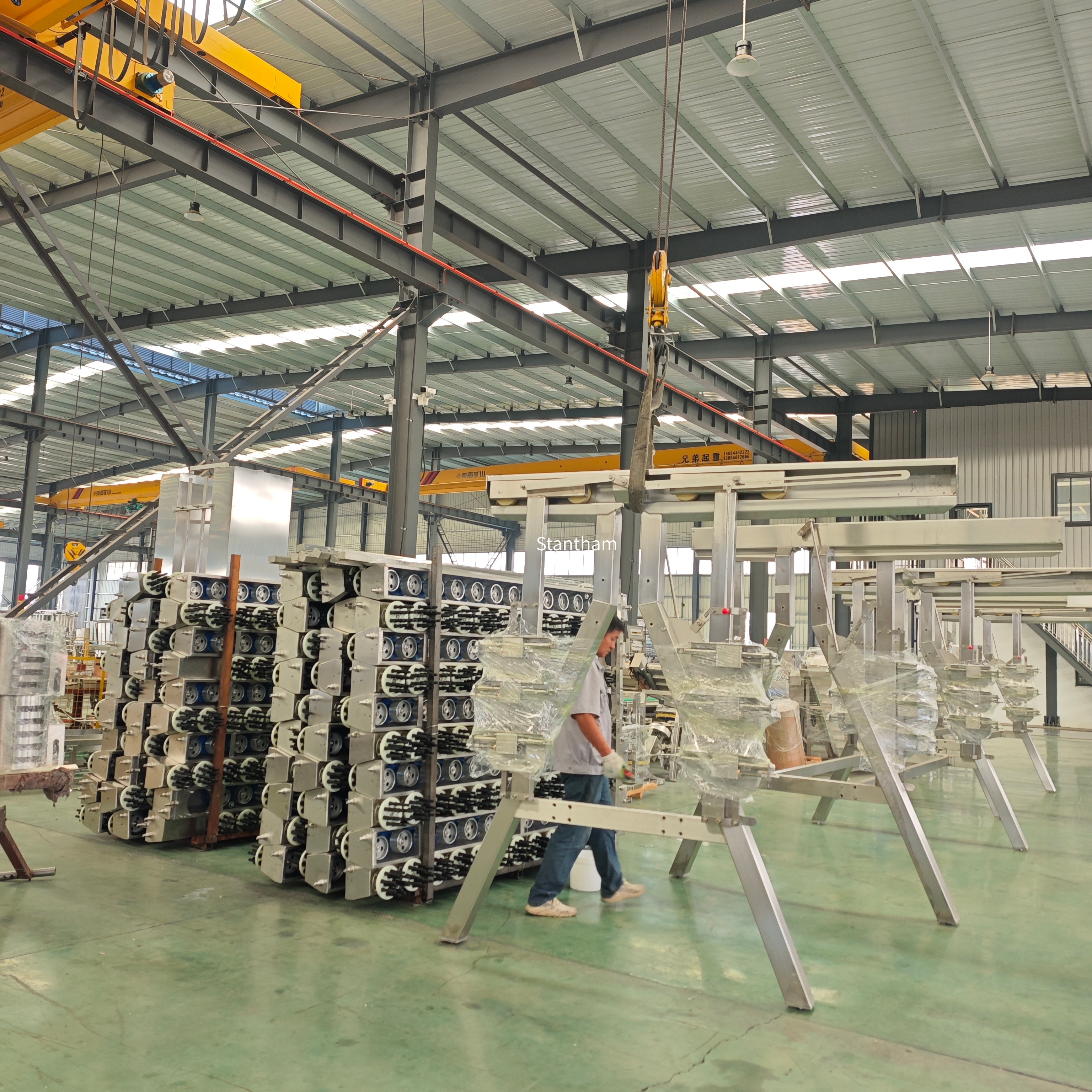
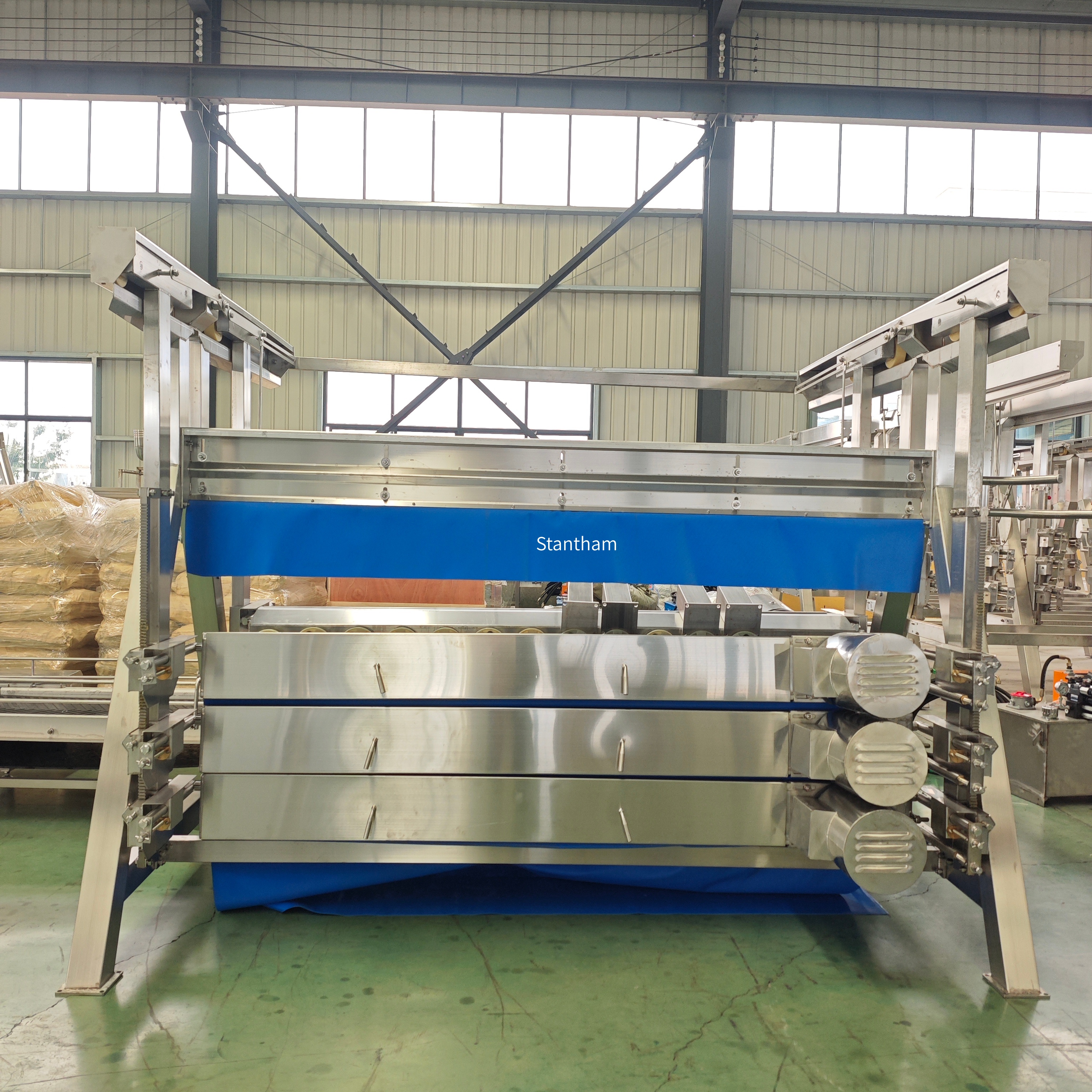
An automatic chicken plucker removes the operator from the station entirely, running 2000 to 5000 birds per hour with sensor-guided fingers and self-cleaning drums. Plants cut touch-up labor to near zero while holding pluck loss under two percent. Stainless construction and automated washdown meet export hygiene, and the inline design feeds evisceration without manual transfer. Operators monitor from a panel instead of the floor. The system usually pays back within twenty months on labor savings and steadier grade A.
Get A Quote

Case Study

Plant In Netherlands

A Dutch plant running 3000 birds per hour wanted to remove pluck-line labor entirely. Our automatic chicken plucker used sensor-guided fingers and self-cleaning drums, holding pluck loss under two percent with one monitor instead of six workers. Grade A stayed steady across shifts, and automated washdown kept the stainless audit-ready. The freed crew moved to grading and packing where judgment adds value. The plant met a retail contract without adding shifts. Payback came in nineteen months on labor savings, and the maintenance chief standardized on the system plant-wide after seeing the consistency.

Processor In China

A Chinese processor needed automatic plucking that held grade A through lunar-new-year peaks. Our automatic chicken plucker ran 4000 birds per hour with inline drums that fed evisceration without manual transfer. Pluck loss held at two percent while demand spiked, and self-cleaning cycles kept hygiene steady. The plant dropped touch-up labor by seven workers per shift. Within twenty months the labor gain funded a second grading line. Local technicians serviced the sensors without overseas calls, and neighboring plants toured the site as an automation reference.

Integrator In USA

A US integrator running 5000 birds per hour wanted hands-free plucking to cut injury risk. Our automatic chicken plucker linked conveyor stations so birds flowed without pause, lifting effective throughput versus manual lines. Pluck loss held under two percent and grade A rose three points. Automated washdown cut hygiene labor, and one operator monitored the panel. The plant met a national retailer's just-in-time volume. Payback came in eighteen months, and the freed crew moved to cut-up where margins are higher. Inspectors praised the consistent audit trail.

Related products

An automatic chicken plucker must run without a hand on the station, so we engineer sensor-guided fingers and self-cleaning drums around your target throughput before fabrication. We model pluck loss, water, and drive load, then commission with operator training and a signed acceptance test. Stainless contact zones are passivated for food safety, and automated washdown keeps the system audit-ready without manual cleaning. A ten-year spare commitment guards against obsolescence, and regional hubs keep sensors within seventy-two hours of most ports. When capacity grows, matched drums extend the line without relaying foundations. Our engineers stay available for annual hygiene audits that protect uptime and your export eligibility.

Frequently Asked Questions

What speed do automatic units run?

Automatic pluckers handle 2000 to 5000 birds per hour with sensor-guided fingers, tuned so pluck loss stays under two percent without an operator at the station.
Plants typically cut touch-up labor to near zero, moving the freed crew to grading or packing where judgment adds more value than manual plucking on the floor.
Yes. Automated washdown and stainless, passivated zones keep the system audit-ready without manual cleaning, satisfying export hygiene checks through every shift.
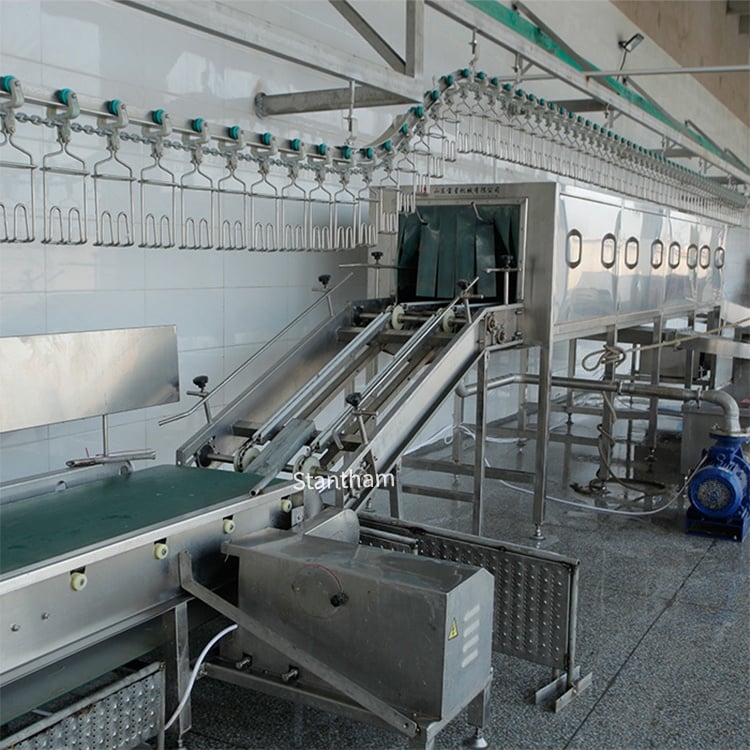
Yes. Inline drums transfer birds to evisceration without manual handling, lifting effective throughput and protecting carcass hygiene versus batch transfer.
Most plants recover the system within twenty months on labor savings and steadier grade A, as the operator moves from the floor to a monitoring panel.

Related article

Is a Poultry Chiller Machine Right for Your Facility?

10

Jun

Is a Poultry Chiller Machine Right for Your Facility?

Understanding What a Poultry Chiller Actually Does A poultry chiller machine is not simply a cold water tank. It is a controlled thermal exchange system designed to bring freshly eviscerated carcasses from roughly thirty-five degrees Celsius down t...
View More
Why is proper scalding temperature critical for feather removal efficiency in a chicken abattoir?

17

Jun

Why is proper scalding temperature critical for feather removal efficiency in a chicken abattoir?

The Scalding Window: A Delicate Balance Between Feather Release and Skin Integrity Scalding is the bridge between bleeding and plucking in a chicken abattoir. The birds pass through a tank of heated water, and the heat loosens the feather follicles...
View More
How does chicken slaughter equipment with an integrated bleeding tunnel improve blood drainage efficiency?

03

Jul

How does chicken slaughter equipment with an integrated bleeding tunnel improve blood drainage efficiency?

The Bleeding Tunnel: More Than Just a Conveyor Walk into any medium-to-large poultry processing facility, and the bleeding section tells a story about the operation's overall discipline. Some plants run tight, clean lines where carcasses move through...
View More
Advanced Optimization of Custom Chicken Slaughter Equipment

10

Jul

Advanced Optimization of Custom Chicken Slaughter Equipment

The Customization Imperative in Poultry Processing Poultry processing lines look similar from a distance—shackles, conveyors, scalders, pluckers, evisceration stations. But step closer and the differences become obvious. One plant runs 12,000 b...
View More

Customer Testimonials

J. Bakker

We wanted to remove pluck-line labor entirely; this automatic chicken plucker used sensor-guided fingers and self-cleaning drums, holding pluck loss under two percent with one monitor instead of six workers. Grade A stayed steady and automated washdown kept the stainless audit-ready. The freed crew moved to grading, and we met a retail contract without adding shifts. Payback came in nineteen months on labor savings alone.

W. Chen

As a Chinese processor, we needed automatic plucking through lunar-new-year peaks. This automatic chicken plucker ran 4000 birds per hour inline, holding pluck loss at two percent while demand spiked, and self-cleaning kept hygiene steady. We dropped seven touch-up workers per shift, and payback in twenty months funded a second grading line. Local techs service the sensors, and neighboring plants now tour our site.

Get a Free Quote

Our representative will contact you soon.
Email
Name
Company Name
Mobile/WhatsApp
Message
0/1000
No Hands On Station

No Hands On Station

Manual plucking exposes workers to injury and inconsistency, so an automatic chicken plucker removes the operator from the floor entirely. Sensor-guided fingers hold pluck loss under two percent while one person monitors from a panel instead of six at the drum. Plants cut injury risk and touch-up labor at once. Buyers gain steady grade A across every shift. This shift protects both your crew and the value of the capital invested in the line.
Self-Cleaning Hygiene

Self-Cleaning Hygiene

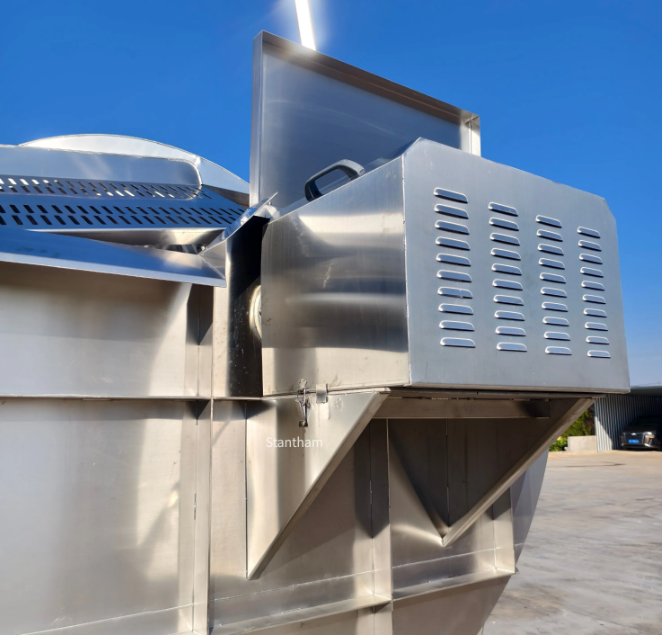
Audit readiness cannot depend on a tired crew's nightly scrub, so automatic washdown keeps stainless, passivated zones clean without manual effort. Owners report steadier hygiene results through peak season and fewer failed inspections. The consistent, traceable output also protects premium price points that brokers otherwise erode with deductions. Plants gain a station engineered for the economics of automated supply, turning compliance from a cost into reliable uptime that exports depend on.
Scales Without Labor

Scales Without Labor

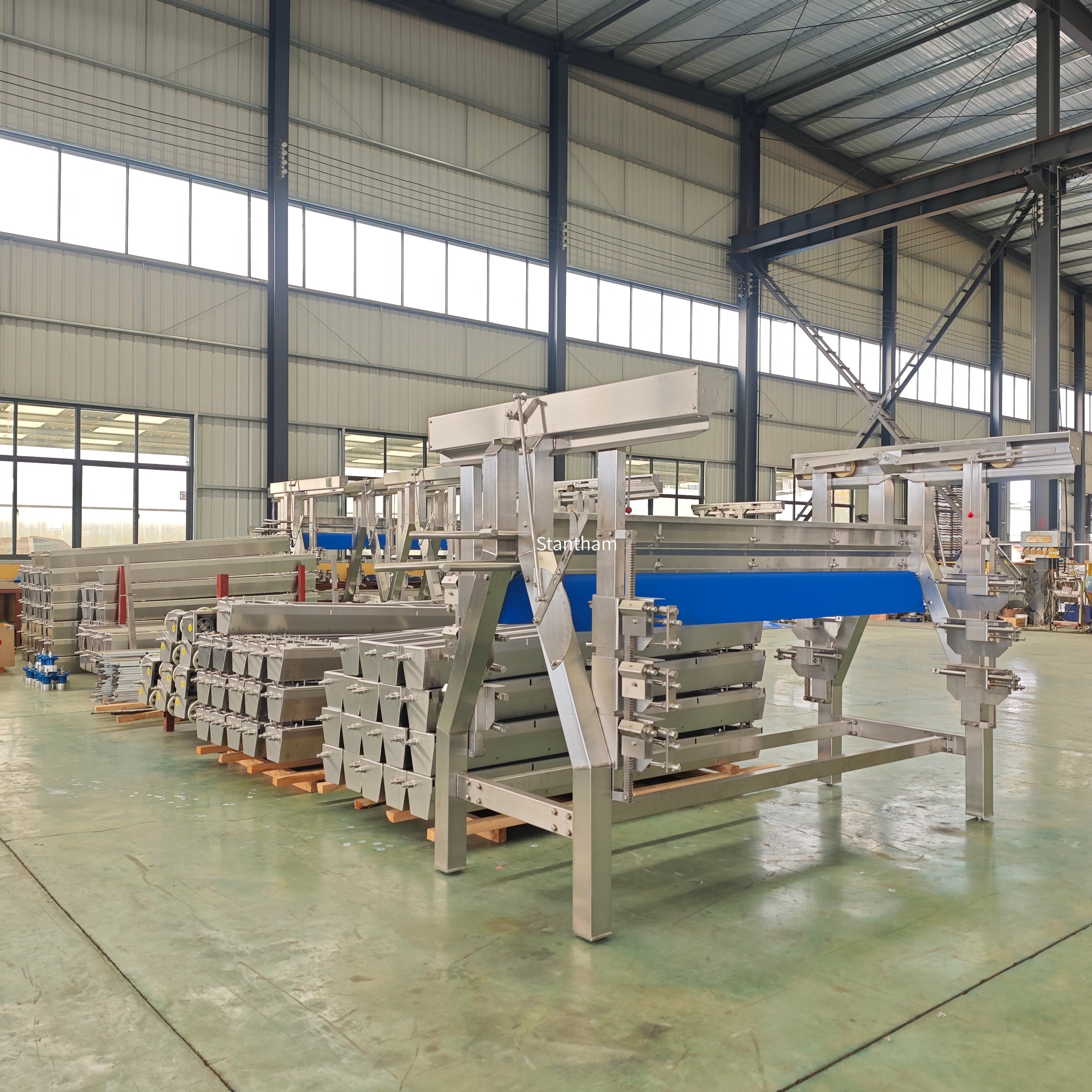
Demand swings with season and contract, so the automatic plucker is modular to absorb changes without adding headcount. When orders grow, matched drums extend the line without relaying foundations or hiring. Standardized stainless stations keep the hygienic finish consistent as capacity expands. Common spare parts simplify inventory across old and new sections. Plants scale from regional to multi-destination export volume on one coordinated system that protects the first investment.

Get a Free Quote

Our representative will contact you soon.
Email
Name
Company Name
Mobile/WhatsApp
Message
0/1000