 EN
EN

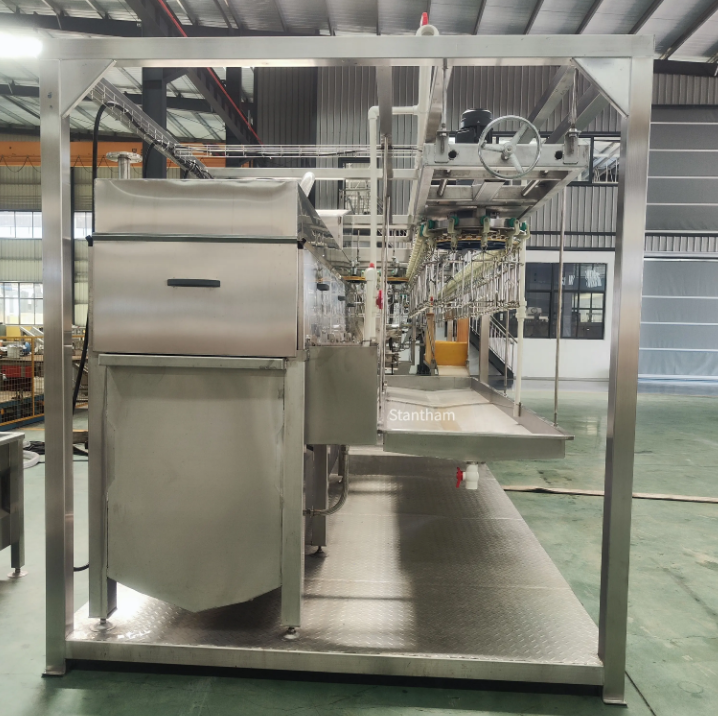
Navigating Industrial Hygiene Standards in Modern Meat Facilities
Maintaining immaculate hygiene standards remains the ultimate priority for animal protein processors operating within heavily regulated international markets. Facility managers and quality assurance directors constantly evaluate how traditional manual butchery struggles to control biological contamination, pathogen spread, and uneven sanitation practices. Within a high-capacity chicken abattoir, integrating automated processing technology represents a monumental shift away from unpredictable human handling toward absolute sanitary control. Years of operational engineering audits confirm that replacing manual labor with precision automation is the single most effective way to eliminate microbial vectors, protect brand reputation, and meet demanding global export requirements.
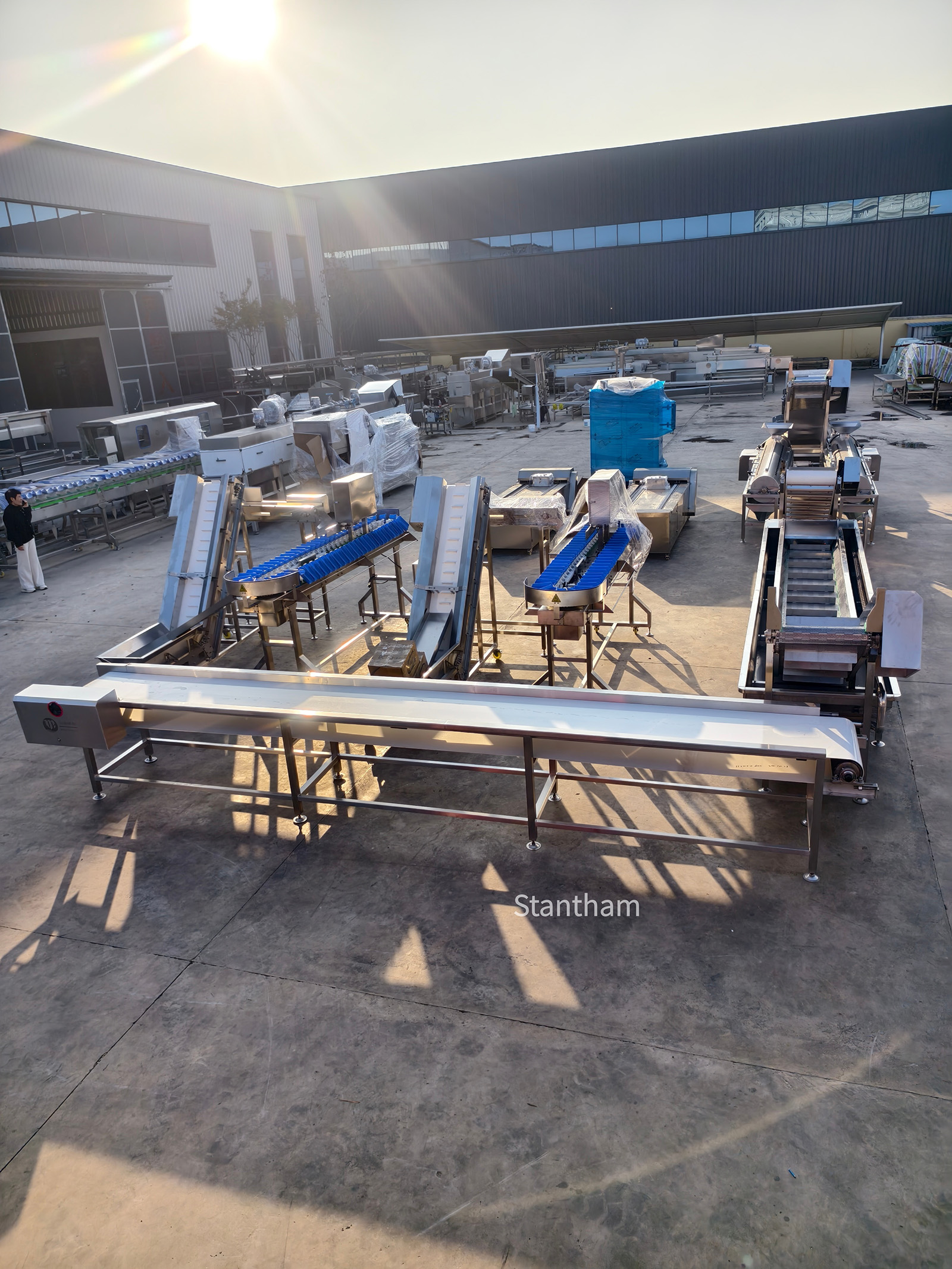
Engineering Surface Sterility and Crevice-Free Metallurgical Design
Preventing bacterial colonization on food-contact surfaces requires uncompromising metallurgical engineering and advanced surface-finishing techniques. Leading equipment fabricators construct every critical component inside a modern chicken abattoir using food-grade 304 stainless steel featuring electropolished, non-porous finishes and smooth orbital welds. Material scientists and sanitation engineers evaluate bacterial adhesion rates and fluid drainage angles in laboratory trials to ensure organic residues slide off effortlessly without lodging in microscopic gaps. Maintenance logs from commercial facilities show that this seamless, crevice-free structural design prevents hidden biofilm formation and makes daily washdown routines significantly more effective.
Eliminating Human Vectors and Worker-Borne Pathogen Transfer
Manual poultry processing inherently exposes carcasses to multiple human touchpoints, drastically increasing the statistical probability of cross-contamination from worker hands, clothing, and cutting utensils. Plant quality control supervisors frequently emphasize that human fatigue during high-speed evisceration introduces dangerous pathogens like Salmonella and Campylobacter directly onto meat surfaces. Real-world microbiological assessments demonstrate that deploying advanced machinery throughout a commercial chicken abattoir removes human contact almost entirely from the critical processing line. This total physical separation of operators from raw meat lowers initial microbial loads significantly and safeguards consumer health across global retail supply chains.
Automated High-Pressure Sanitation and Residue Breakdown Protocols
Daily sanitation cycles demand aggressive cleaning protocols capable of penetrating complex mechanical assemblies without damaging internal drive components or electronic sensors. Modern processing infrastructure integrates automated clean-in-place spray manifolds, high-pressure rinsing headers, and chemical-resistant polymer seals designed for rigorous sanitation shifts. Sanitation managers note that automated washdown systems distribute sanitizing agents evenly across all internal cutting blades and conveyor tracks, dissolving fatty deposits and blood proteins much faster than manual scrubbing. This reliable, repeatable sanitation process ensures absolute microbial cleanliness before every new production shift commences.
Heavy-Duty Fabrication Excellence and Global Supply Chain Reliability
Investing in sanitary, heavy-duty processing infrastructure connects directly to long-term economic efficiency and regulatory compliance for international food producers. Fragmented equipment suppliers often deliver poorly fabricated machinery that traps organic debris and fails stringent global hygiene audits. By focusing on heavy-duty fabrication and precision engineering, leading manufacturers empower global partners to maintain pristine processing environments. Operating massive manufacturing capabilities out of advanced facilities, Turnkeyslaughter applies rigorous international quality controls to ensure every system deployed in a modern chicken abattoir meets demanding industry standards. This robust industrial scale guarantees reliable B2B supply chains, stable equipment availability, and dependable global delivery for international processing plants seeking operational excellence. Choosing professionally engineered sanitation solutions from Turnkeyslaughter delivers a sustainable, cost-effective competitive edge that keeps slaughterhouse operations running safely and profitably without interruption.
Table of Contents
- Navigating Industrial Hygiene Standards in Modern Meat Facilities
- Engineering Surface Sterility and Crevice-Free Metallurgical Design
- Eliminating Human Vectors and Worker-Borne Pathogen Transfer
- Automated High-Pressure Sanitation and Residue Breakdown Protocols
- Heavy-Duty Fabrication Excellence and Global Supply Chain Reliability