 EN
EN

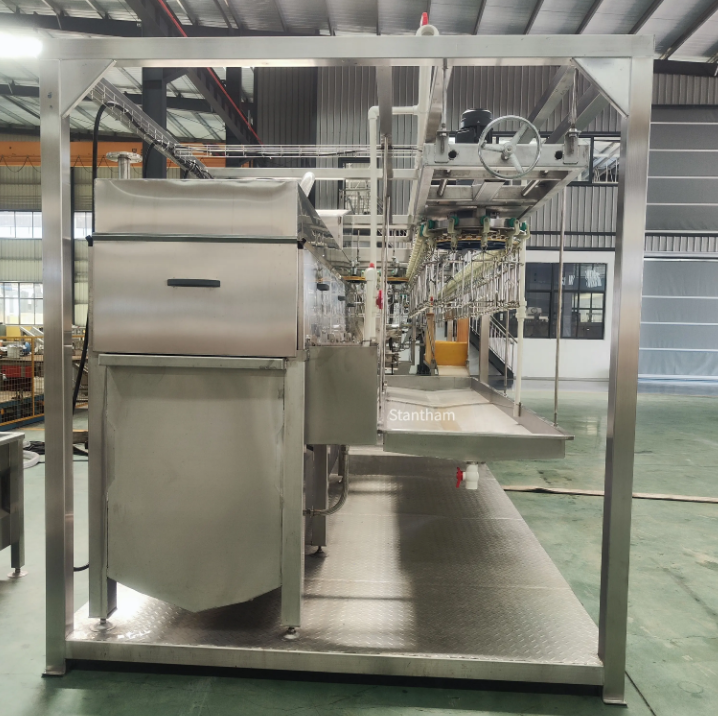
The Upgrade Question That Keeps Coming Up
Every few years, the question surfaces in plant manager meetings and capital expenditure reviews: is it time to replace the carbon steel equipment with stainless? The answer is never simple. Carbon steel costs less upfront, no question about it. But the total cost picture tells a different story, one that gets clearer with every passing year of operation.
The decision to upgrade isn't just about material. It touches on maintenance schedules, cleaning protocols, product quality, and regulatory compliance. Understanding the full ROI picture requires looking beyond the purchase price to the operating costs that accumulate over the equipment's life.
What Carbon Steel Really Costs
Carbon steel equipment has its place. It's strong, it's affordable, and for applications where corrosion isn't a primary concern, it gets the job done. But poultry processing is not one of those applications.
The processing environment combines moisture, temperature changes, and organic material, a combination that accelerates corrosion on carbon steel surfaces. What starts as surface rust progresses to pitting, then to structural degradation that affects equipment performance and food safety.
The maintenance burden is substantial. Carbon steel equipment typically requires regular coating or painting to protect against corrosion. These coatings wear over time, especially in high-washdown areas, creating a cycle of repair and recoating that consumes labor and materials. Some estimates suggest that carbon steel equipment may require major maintenance or overhaul within a few years of installation.
Then there's the contamination risk. Rust particles from deteriorating carbon steel surfaces can enter the product stream, creating foreign material hazards that trigger quality holds and potential regulatory action. The cost of a single contamination event, in terms of product loss, investigation time, and reputational damage, can dwarf the initial savings from choosing carbon steel.
Stainless Steel: Higher Entry, Lower Run
Stainless steel, particularly 304-grade, addresses these issues directly. The chromium content creates a passive oxide layer that protects against corrosion, eliminating the need for protective coatings and the maintenance cycle they require.
The upfront cost is higher. Stainless steel equipment typically commands a premium over carbon steel, often in the range of 30 to 50 percent or more. This price difference gives many plant managers pause. But the operating cost picture shifts the calculation.
| Cost Category | Carbon Steel | Stainless Steel (304) |
|---|---|---|
| Initial purchase | Lower | Higher (30-50%+ premium) |
| Corrosion protection | Requires ongoing coating | None needed |
| Maintenance frequency | Regular, intensive | Minimal, periodic |
| Typical service life | Shorter | Longer |
| Cleaning effort | Higher (rough surfaces trap debris) | Lower (smooth, non-porous) |
| Contamination risk | Higher (rust particles) | Lower |
The extended service life of stainless steel is a key factor in the ROI calculation. While carbon steel equipment may show significant corrosion within a few years, stainless steel equipment can operate for many years with proper maintenance. The annualized cost, purchase price spread over service life, often favors stainless despite the higher initial investment.
The Cleaning Cost Differential
One of the most underappreciated differences between carbon steel and stainless steel equipment is in cleaning. This isn't just about labor hours, though those matter. It's about the effectiveness of sanitation.
Carbon steel surfaces, especially as they corrode, develop microscopic irregularities that harbor bacteria and organic material. These surface defects make thorough cleaning more difficult and time-consuming. Sanitation crews must work harder and longer to achieve the same level of cleanliness, and even then, the risk of residual contamination remains higher.
Stainless steel presents a smooth, non-porous surface that resists bacterial attachment and cleans more easily. The difference in cleaning time between comparable carbon steel and stainless equipment can be substantial, especially in high-volume operations where sanitation occurs multiple times per day.
The labor savings from reduced cleaning time compound over the equipment's life. For operations running multiple shifts, the reduction in sanitation labor can represent significant annual savings, savings that directly offset the higher initial cost of stainless steel.
A Plant's Experience with the Switch
A poultry processor in the Carolinas made the switch from carbon steel to stainless on their primary processing line after years of escalating maintenance costs. The carbon steel equipment, installed about five years earlier, had required recoating twice and was showing advanced corrosion in high-moisture areas.
The plant documented the cost picture before making the decision. Maintenance records showed that the carbon steel line consumed roughly 40 percent more labor hours per month than comparable stainless lines in other parts of the facility. Cleaning took longer, with sanitation crews spending extra time on areas where corrosion had created rough surfaces that trapped product residue.
After the upgrade, the plant tracked the results. Maintenance hours dropped significantly, with the stainless equipment requiring little more than routine inspection and lubrication. Cleaning time decreased by a margin that allowed the plant to reassign one sanitation worker to other duties. The quality control team reported fewer foreign material findings, and the plant passed its next regulatory audit with no issues related to equipment condition.
The plant manager calculated the payback period at just over two years, based on maintenance and cleaning savings alone. When product quality improvements and reduced downtime were factored in, the payback shortened further.
The Regulatory and Audit Angle
Food safety regulations, particularly in export markets, increasingly favor equipment that can be cleaned effectively and maintained in hygienic condition. Stainless steel's corrosion resistance and cleanability make it the preferred material for equipment that contacts product or product-contact surfaces.
Auditors notice equipment condition. A carbon steel line showing rust or pitting invites questions about the facility's maintenance program and sanitation effectiveness. These questions can lead to additional scrutiny, longer audits, and in some cases, corrective action requirements that add cost and consume management attention.
Stainless steel equipment sends a different signal. It communicates that the facility takes hygiene seriously and has invested in equipment that supports food safety. This perception matters during customer visits and regulatory inspections alike.
The Durability Factor
Beyond corrosion resistance, stainless steel offers superior durability in the processing environment. The material withstands the thermal cycling, chemical exposure, and physical impacts that characterize poultry processing without degrading.
Carbon steel, by contrast, becomes more vulnerable to physical damage as corrosion progresses. Rust-weakened areas may crack or deform under normal operating loads, creating safety hazards and unplanned downtime.
The durability advantage extends to equipment components as well. Stainless steel fasteners, guides, and wear parts last longer than their carbon steel counterparts, reducing the frequency of replacement and the labor required for repairs.
When Stainless Makes Sense, and When It Doesn't
Stainless steel isn't the right choice for every application. For equipment that doesn't contact product or product-contact surfaces, and that operates in dry environments, carbon steel may be perfectly adequate. The cost premium for stainless in these applications is difficult to justify.
The ROI case for stainless strengthens in direct proportion to three factors: product contact frequency, moisture exposure, and cleaning frequency. Equipment that touches product, gets wet regularly, and requires frequent sanitation, essentially all primary processing equipment in poultry operations, is where stainless delivers the strongest returns.
For facilities processing high volumes, where downtime is expensive and product quality is paramount, the case for stainless is compelling. The higher initial cost is offset by lower maintenance, reduced cleaning labor, longer service life, and better product protection.
Making the Financial Case
The ROI calculation for upgrading to stainless steel involves more than comparing purchase prices. A complete analysis includes:
Projected maintenance cost savings over the equipment's expected life
Reduction in cleaning labor and sanitation supplies
Decreased downtime from corrosion-related failures
Improved product quality and reduced trim waste
Lower foreign material risk and associated investigation costs
Extended equipment service life
When these factors are included, the payback period for stainless steel equipment often falls within a range that makes financial sense for most operations. The annualized cost advantage of stainless becomes more pronounced as the equipment ages, since carbon steel's maintenance burden increases over time while stainless remains relatively stable.
A Practical Path Forward
For operations considering the upgrade, a phased approach often makes sense. Starting with the highest-impact equipment, the lines that process the most product or face the most demanding sanitation requirements, allows the plant to capture benefits early while spreading investment over time.
The material choice matters, but so does the equipment design. Well-designed stainless equipment with hygienic features like smooth welds, open frames, and accessible surfaces delivers greater benefits than poorly designed equipment made of the same material.
Companies like Stantham have built their equipment offerings around stainless steel construction, recognizing that the material's advantages align with the real-world needs of poultry processors. Their focus on food-grade materials and practical durability reflects an understanding that the true cost of equipment is measured over years, not at the moment of purchase.
Table of Contents
- The Upgrade Question That Keeps Coming Up
- What Carbon Steel Really Costs
- Stainless Steel: Higher Entry, Lower Run
- The Cleaning Cost Differential
- A Plant's Experience with the Switch
- The Regulatory and Audit Angle
- The Durability Factor
- When Stainless Makes Sense, and When It Doesn't
- Making the Financial Case
- A Practical Path Forward