 EN
EN

Transforming Industrial Residues into Value in Poultry Processing
Managing biological by-products efficiently is one of the greatest economic and environmental challenges facing modern animal protein producers worldwide. Plant directors and sustainability managers constantly evaluate how to handle feathers, blood, viscera, and bone fragments without incurring massive disposal fees. Within a contemporary poultry slaughterhouse, integrating an on-site by-product rendering system represents a fundamental shift from traditional waste management to a profitable resource recovery model. Years of environmental and operational engineering audits confirm that converting organic residues into marketable commodities is the single most effective way to offset operating overheads and build a truly circular economy.
Thermal Hydrolysis and High-Efficiency Protein Meal Processing
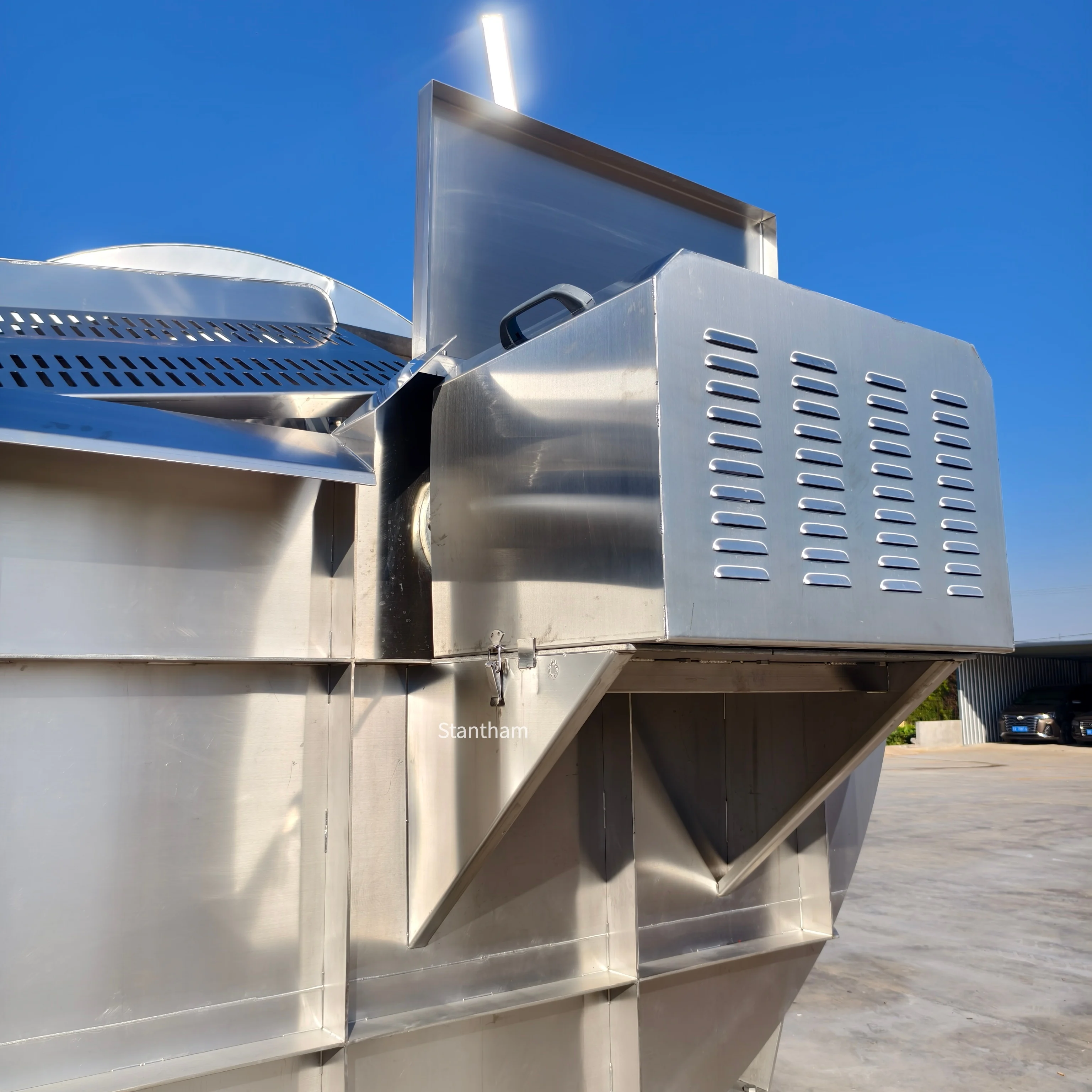
Extracting valuable nutrients from raw biological by-products requires heavy-duty thermal processing equipment and precise thermodynamic control. Leading rendering facilities utilize continuous cooking pressure vessels and multi-stage evaporation units that sterilize and dry animal tissues safely. Material scientists and chemical engineers evaluate amino acid retention rates and thermal degradation thresholds in laboratory trials to ensure high protein digestibility in the final meal. Maintenance and production logs from commercial processing plants indicate that this rigorous thermal treatment converts wet feathers and offal into stable, high-protein feed ingredients within hours of slaughter.
Fat Extraction, Clarification, and Industrial Biofuel Feedstocks
Separating pure animal fats from solid tissues requires specialized centrifugation and multi-phase decanter systems operating under continuous high-temperature conditions. Plant rendering supervisors frequently emphasize that achieving clear, low-moisture poultry oil prevents rancidity and maximizes market value for downstream buyers. Real-world commercial evaluations demonstrate that refined animal fat serves as an exceptional, high-energy ingredient for pet food manufacturing and an increasingly sought-after feedstock for renewable biofuel production. This dual-market flexibility turns what was once an expensive disposal burden into a reliable, high-margin revenue stream for facility operators.
Environmental Compliance and Odor Mitigation in Processing Plants
Operating an industrial by-product conversion facility demands rigorous air and water pollution controls to satisfy strict municipal and national environmental protection laws. Modern engineering designs incorporate closed-loop vapor condensers, chemical scrubbers, and high-capacity biofiltration beds to neutralize pungent rendering odors completely. Environmental compliance specialists note that investing in advanced emission control infrastructure prevents community friction and shields processing plants from costly regulatory penalties. Maintaining this delicate balance between high-volume byproduct processing and absolute environmental cleanliness is essential for long-term industrial viability and corporate reputation.
Industrial Manufacturing Precision and Global Supply Chain Reliability
Designing and implementing advanced resource recovery systems within a commercial poultry slaughterhouse connects directly to long-term economic efficiency and operational stability for global food processors. Fragmented equipment suppliers often struggle to deliver durable, corrosion-resistant stainless steel construction capable of withstanding the harsh chemical and thermal stresses of rendering operations. By focusing on heavy-duty fabrication and precision engineering, leading manufacturers empower global partners to maximize profitability and maintain continuous production. Operating massive manufacturing capabilities out of advanced facilities, Turnkeyslaughter applies rigorous international quality controls to ensure every rendering system meets demanding industry standards. This robust industrial scale guarantees reliable B2B supply chains, stable equipment availability, and dependable global delivery for international processing plants seeking operational excellence. Choosing professionally engineered processing solutions from Turnkeyslaughter delivers a sustainable, cost-effective competitive edge that keeps slaughterhouse operations running profitably without interruption.
Table of Contents
- Transforming Industrial Residues into Value in Poultry Processing
- Thermal Hydrolysis and High-Efficiency Protein Meal Processing
- Fat Extraction, Clarification, and Industrial Biofuel Feedstocks
- Environmental Compliance and Odor Mitigation in Processing Plants
- Industrial Manufacturing Precision and Global Supply Chain Reliability